01
Natalia and Sevan: from Kitts Cottage to Wasing Park
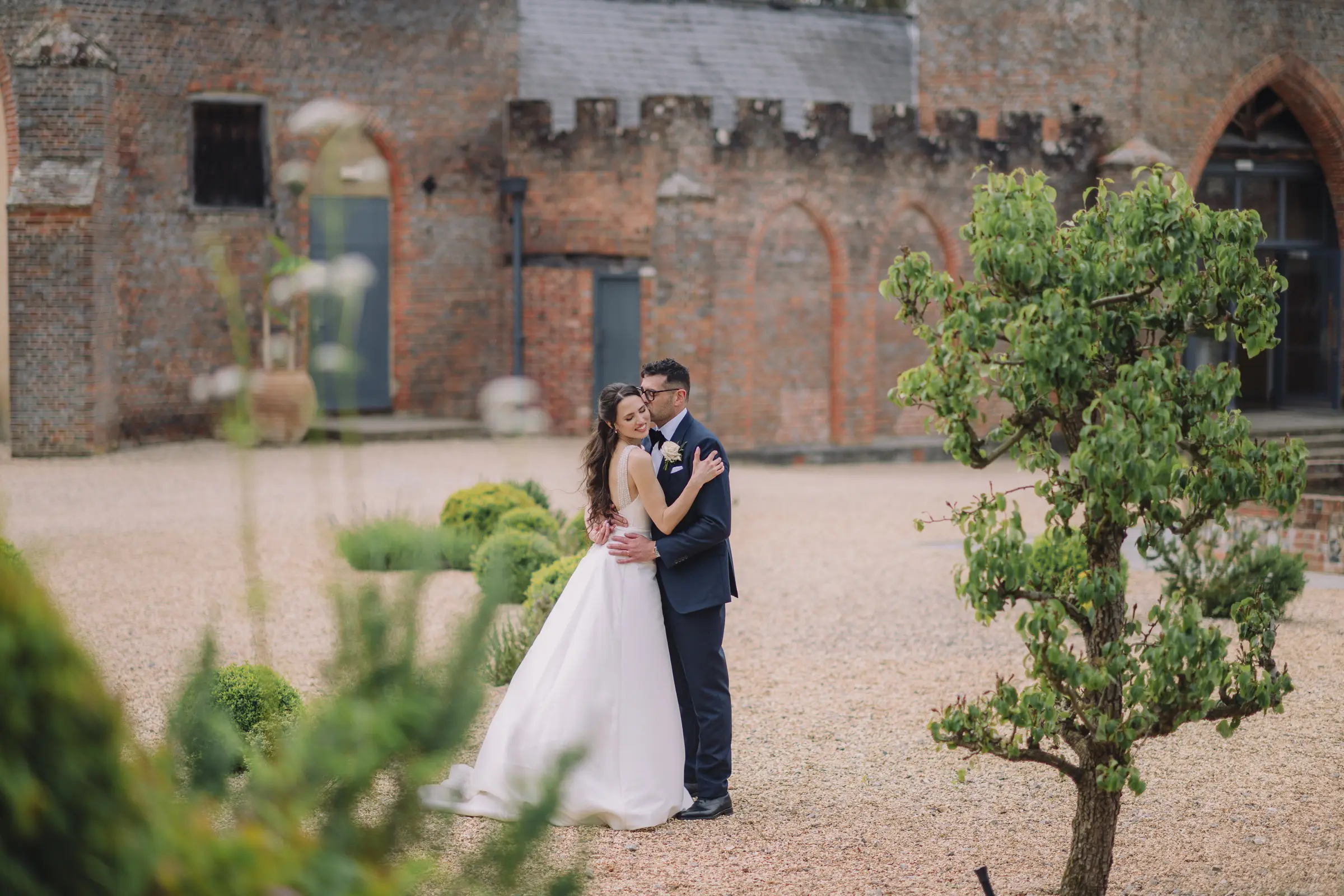
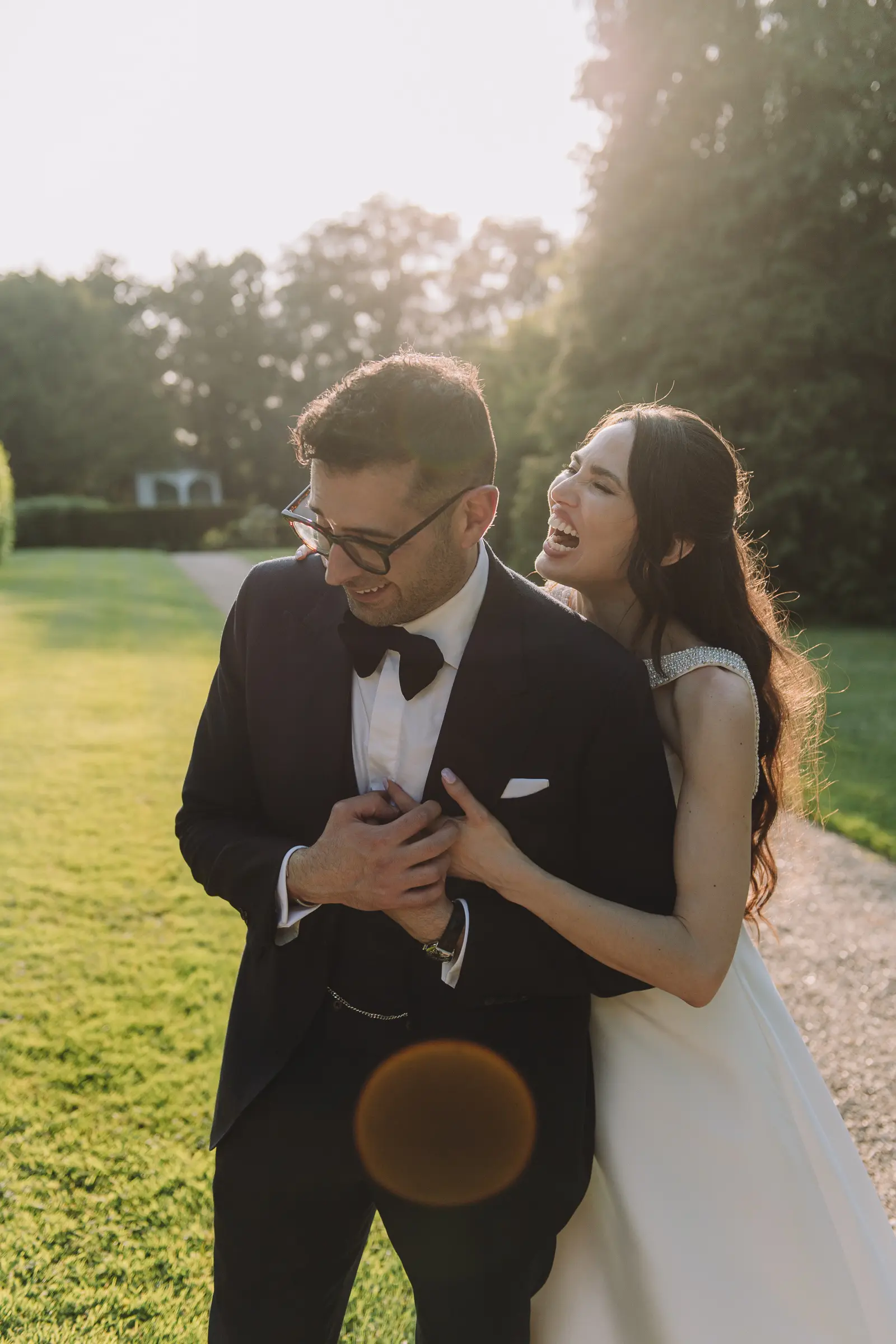
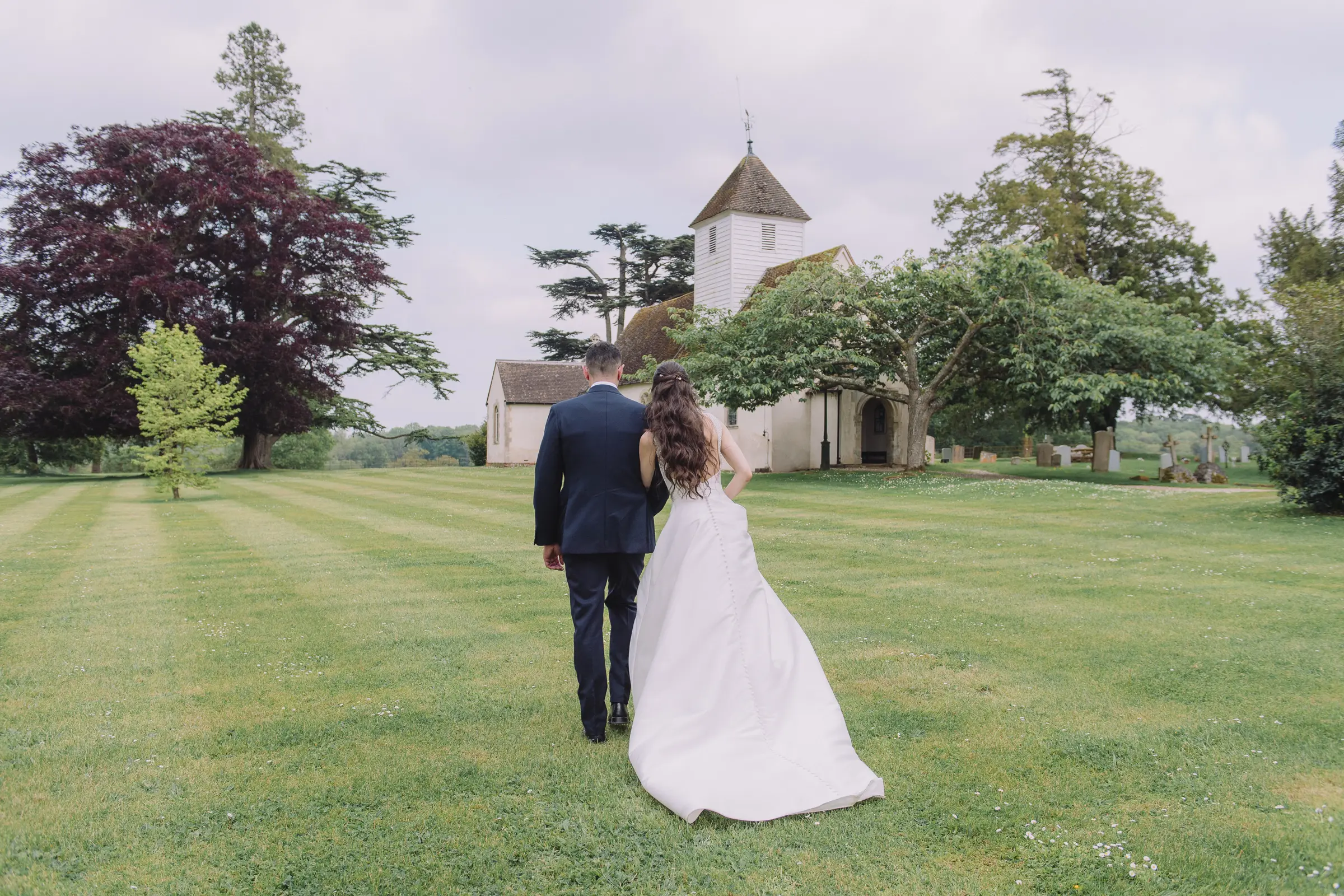
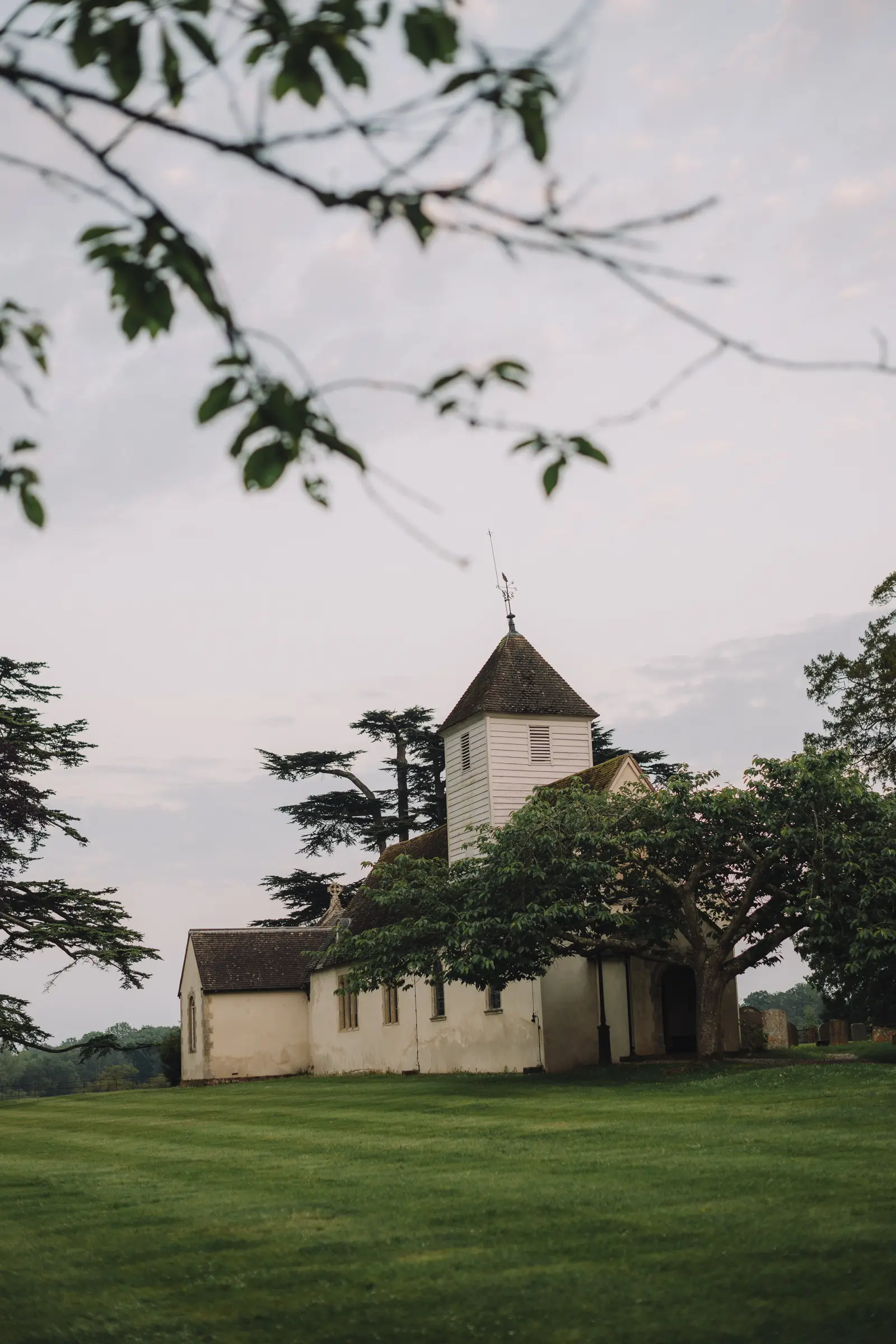
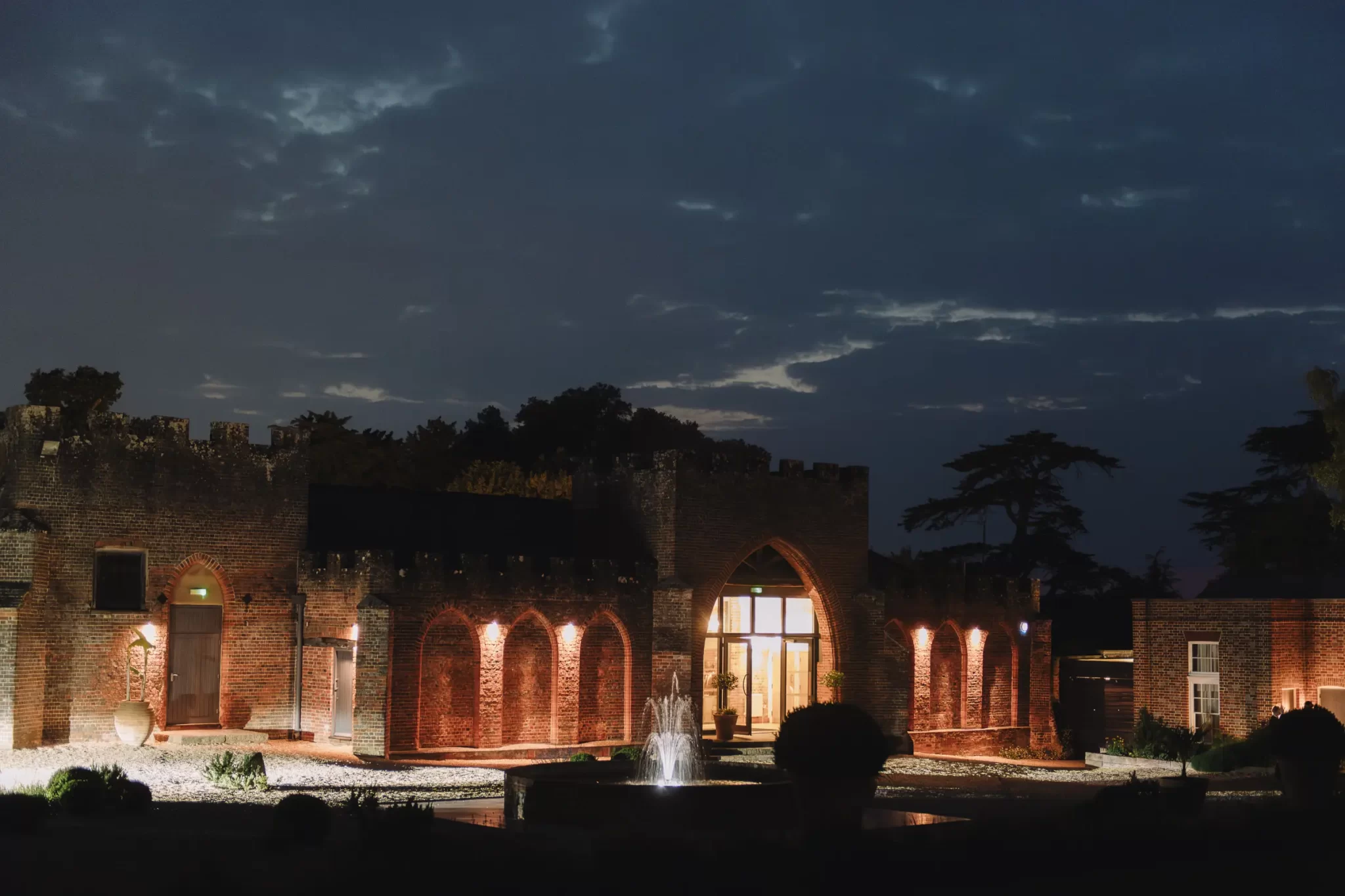
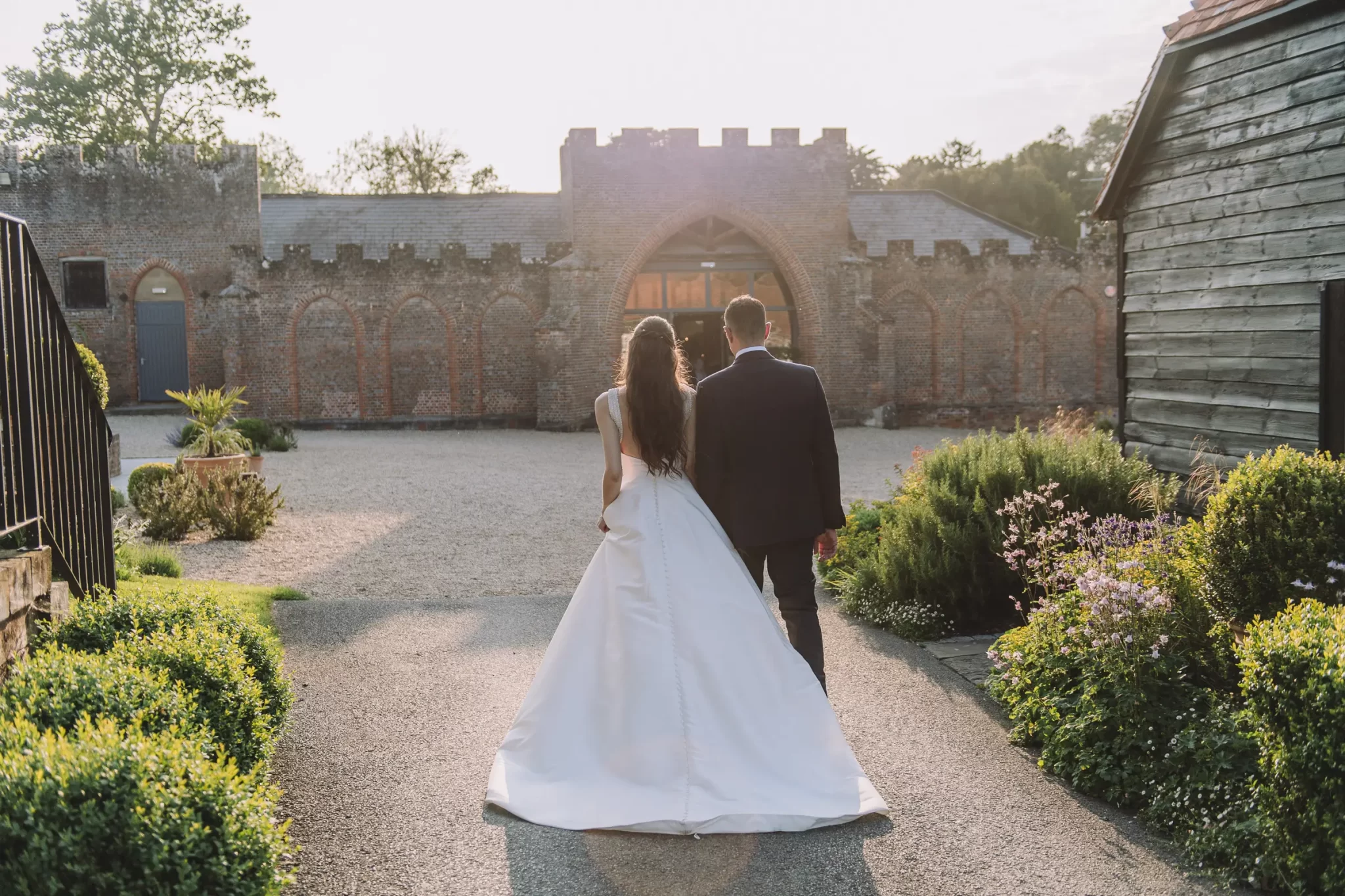
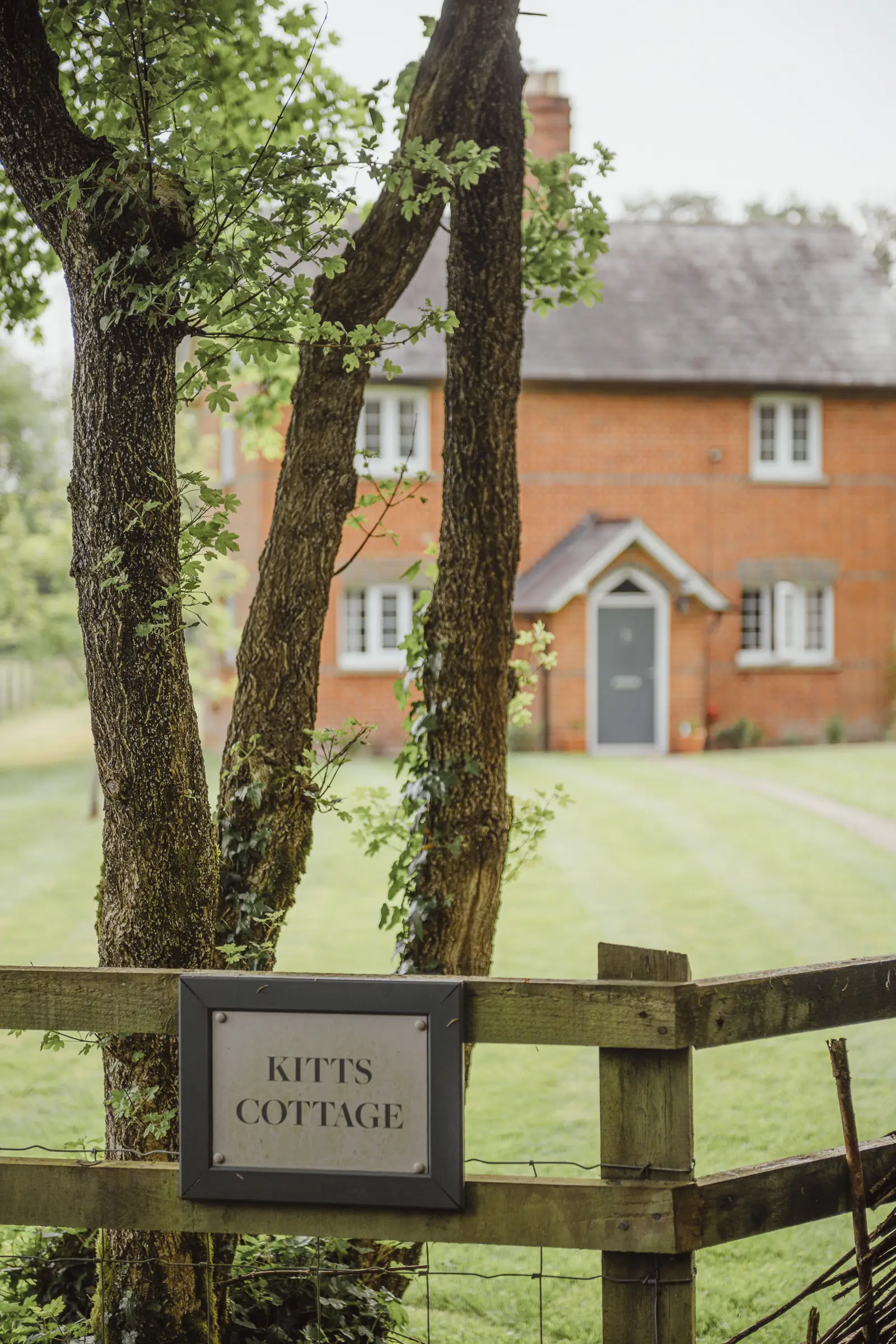
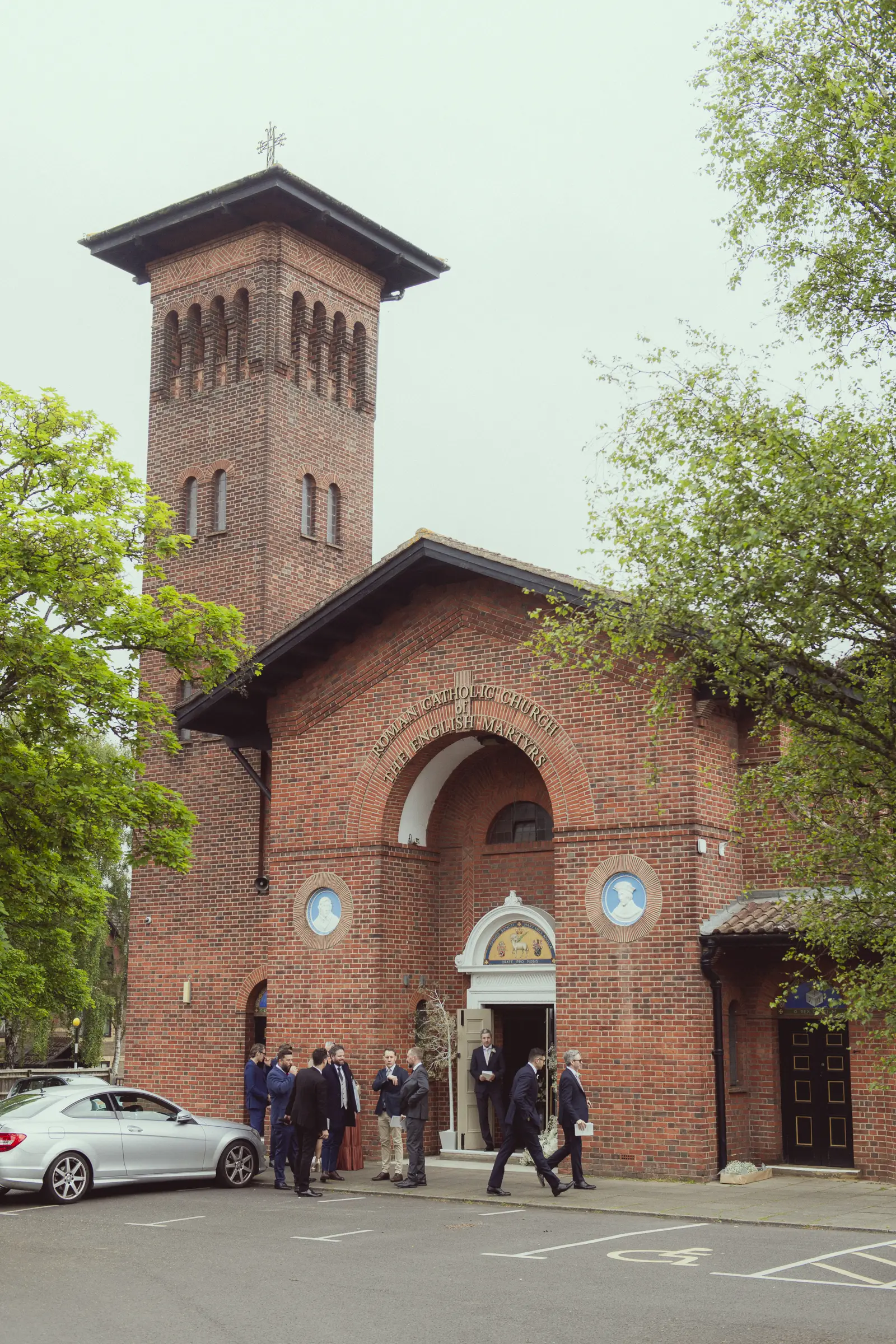
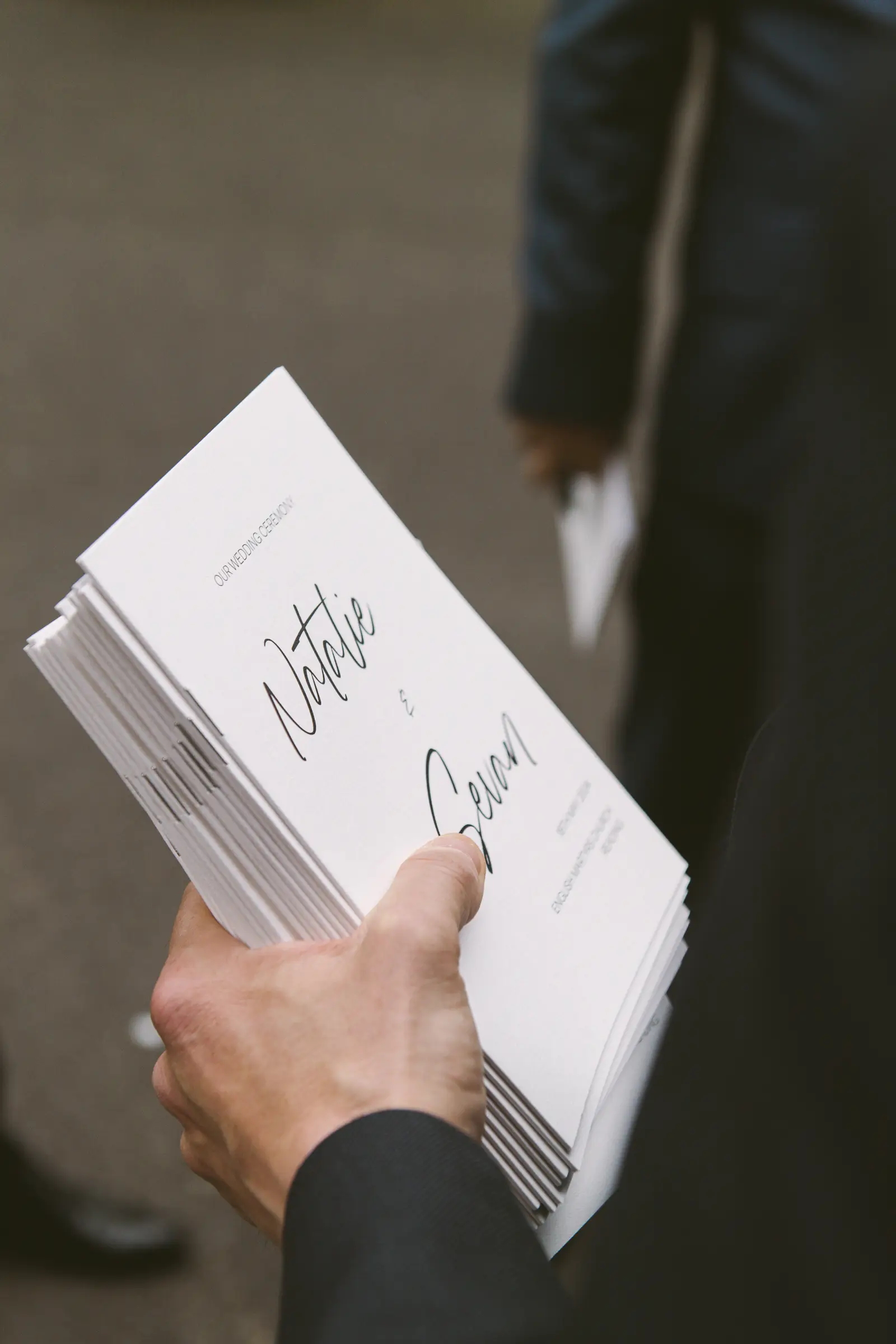
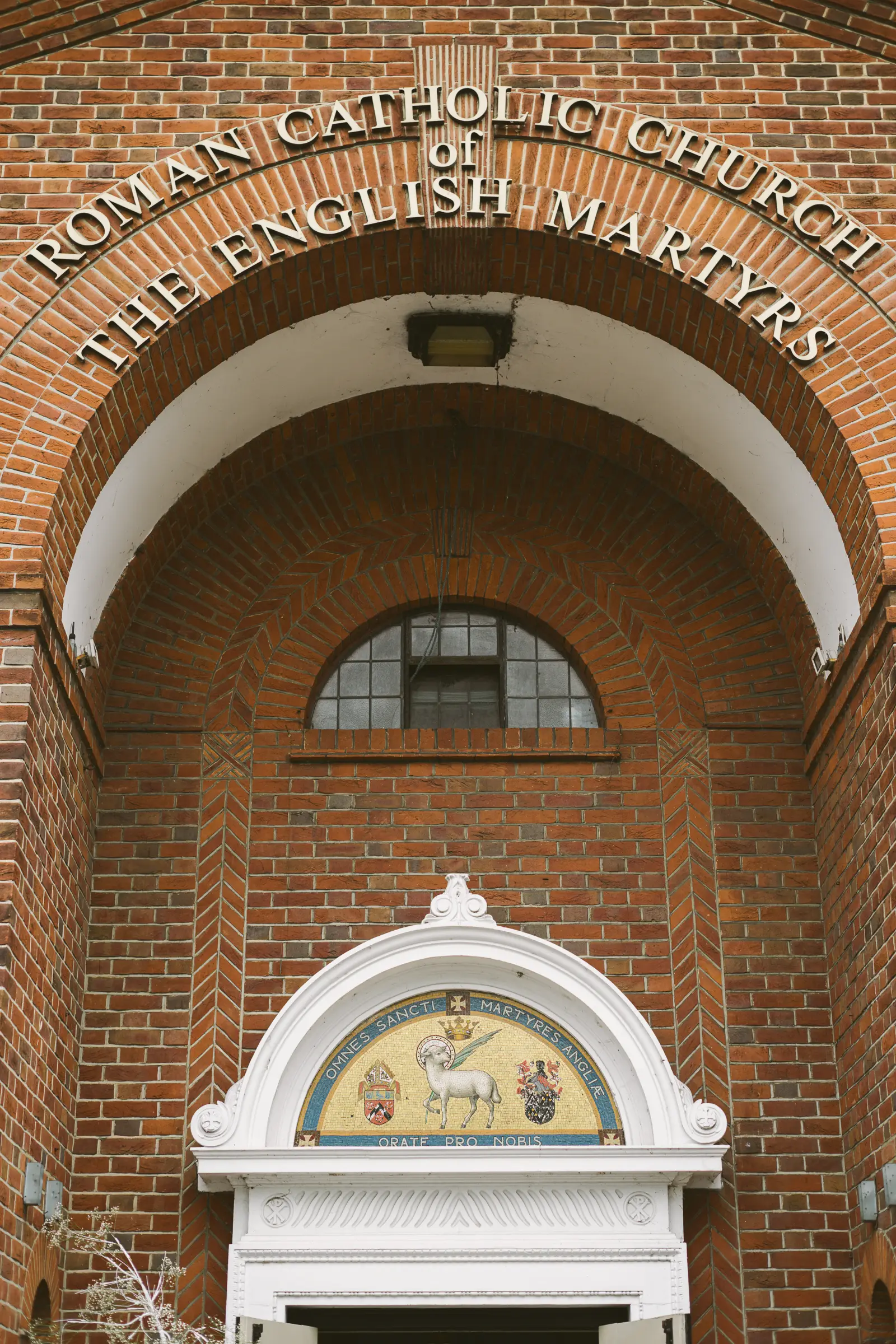
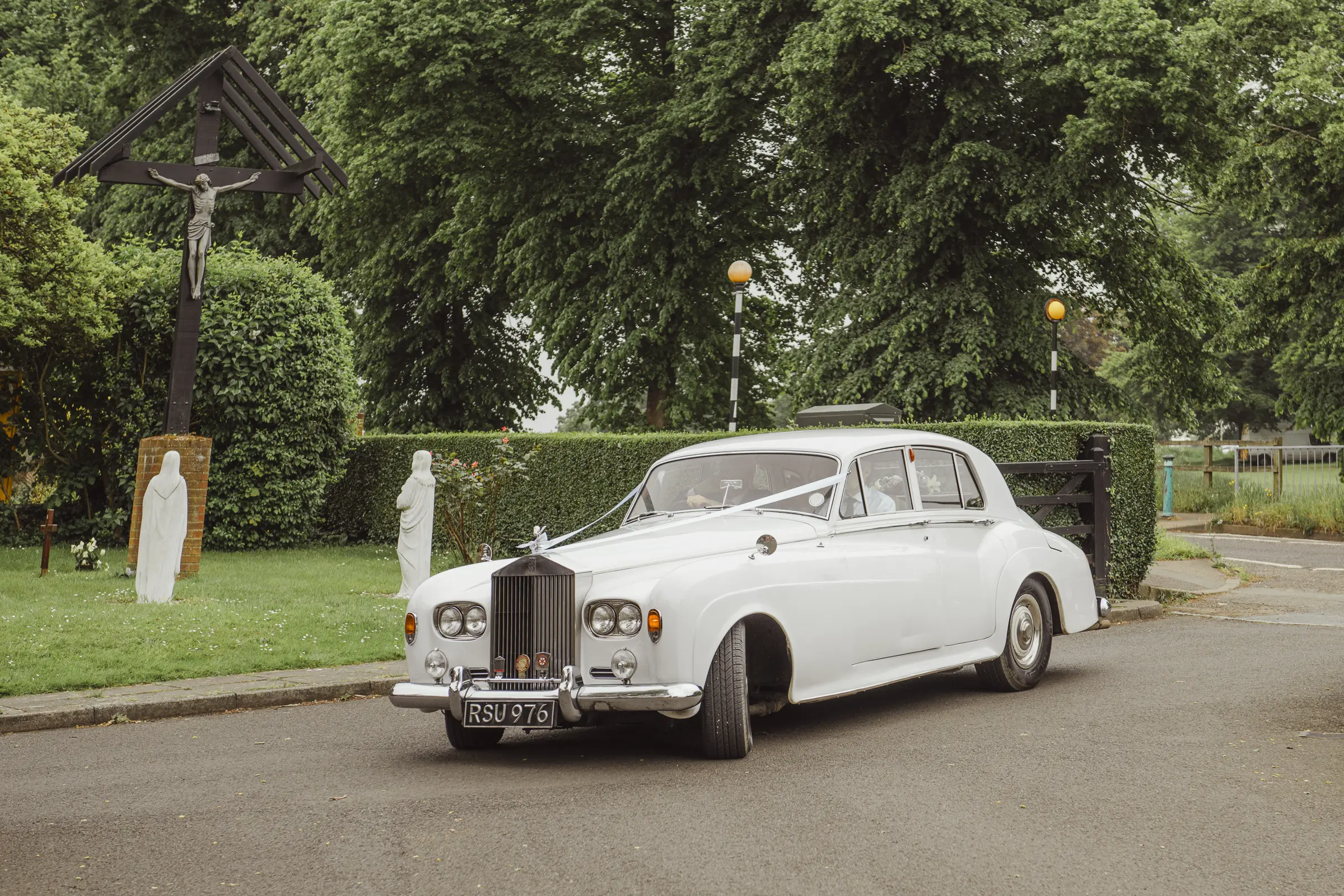
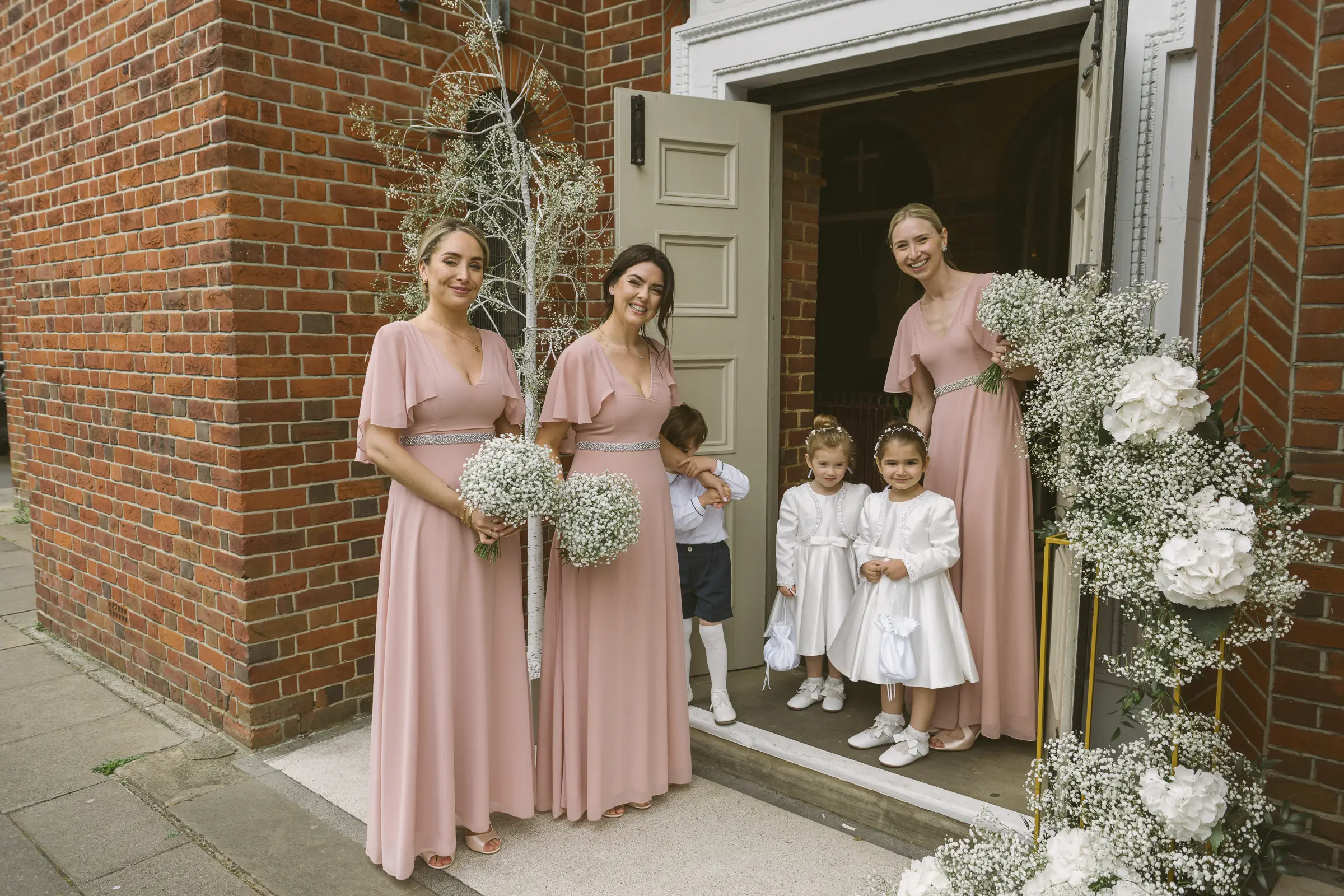
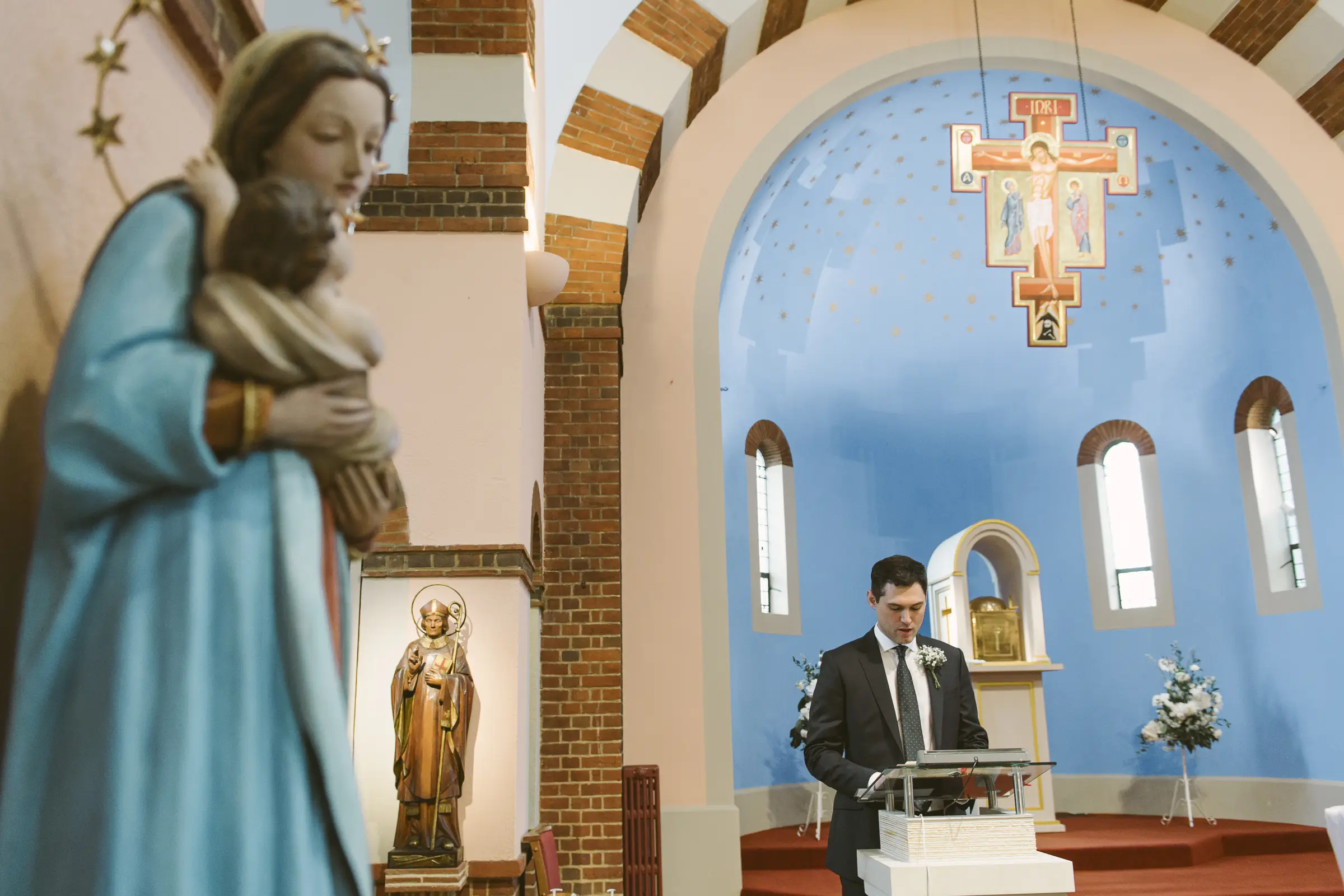
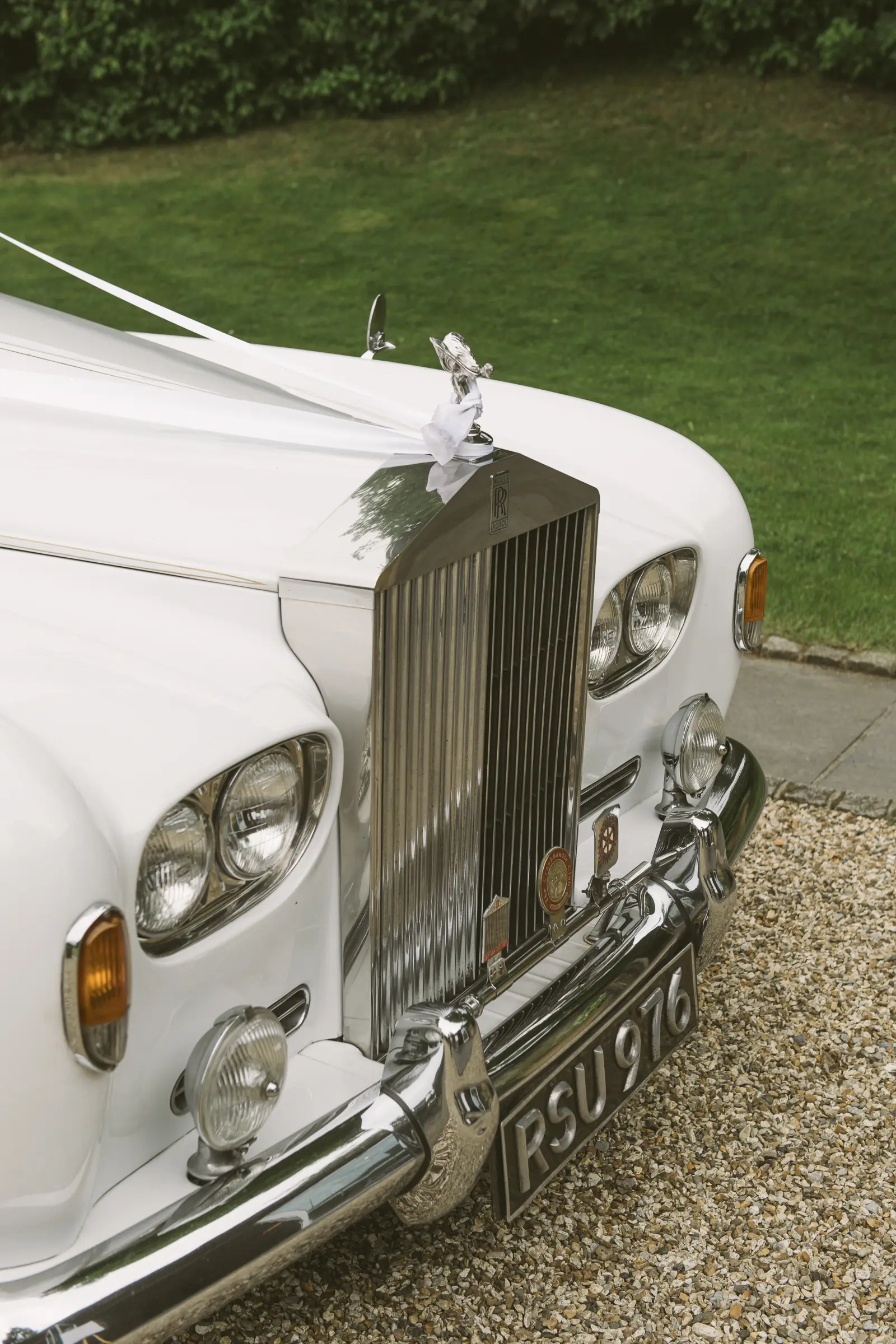
Natalia and Sevan’s wedding did not happen in one place. The morning began at Kitts Cottage, the ceremony was at Reading English Martyrs Church, and the reception moved on to Wasing Park Estate. That three-part route is the real structure of the gallery and is much more useful than treating the page as if every photograph had been made at Wasing Park.
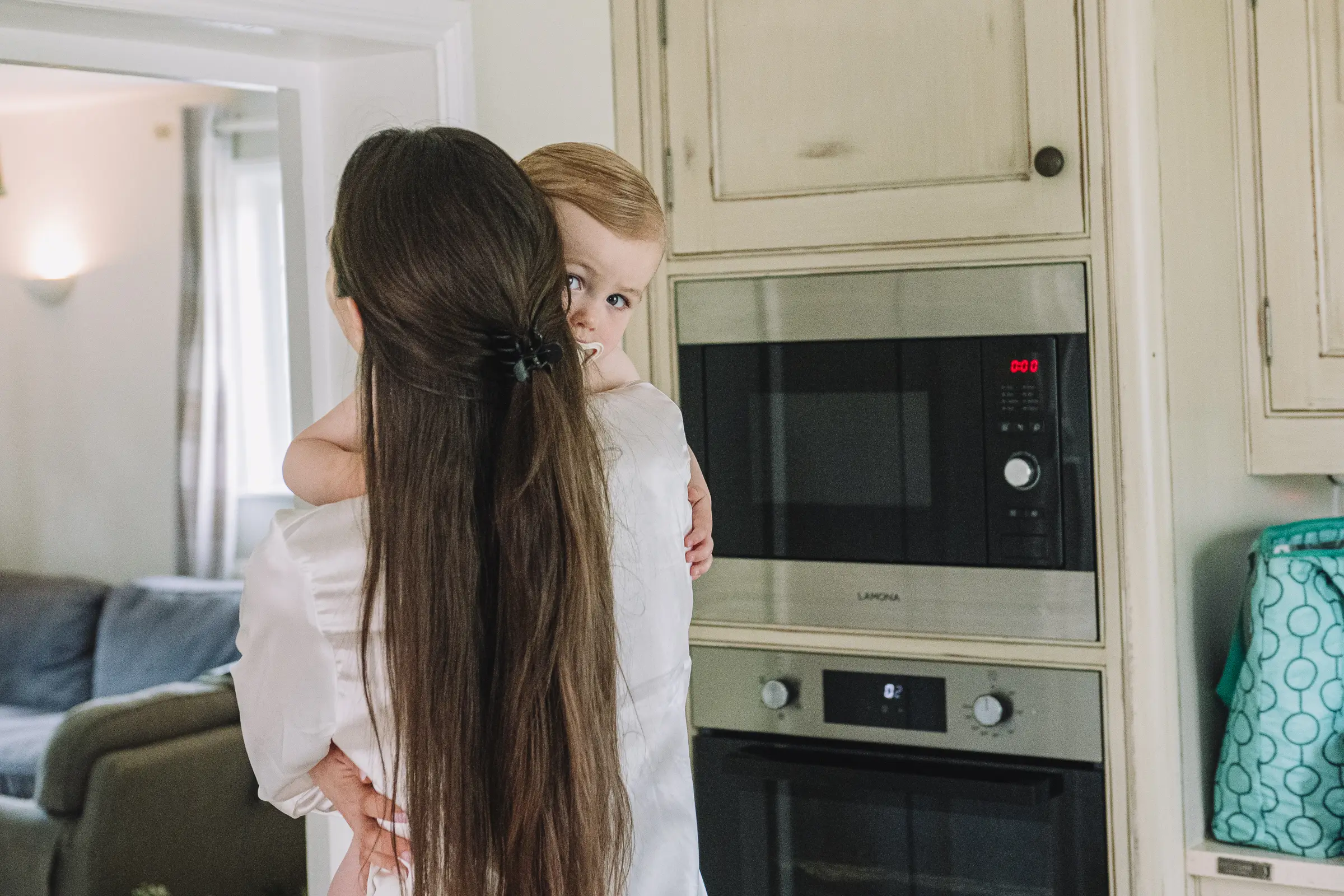
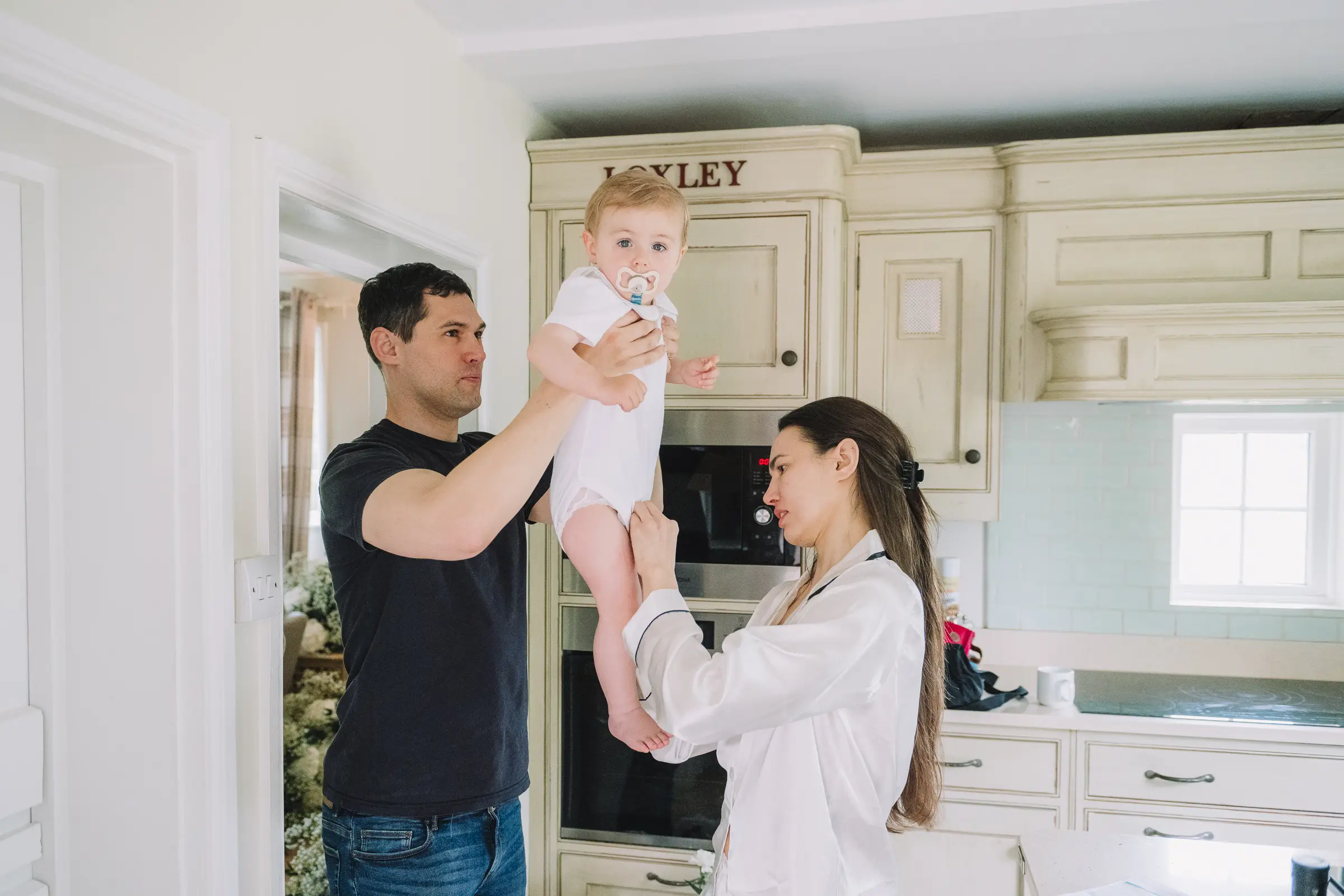
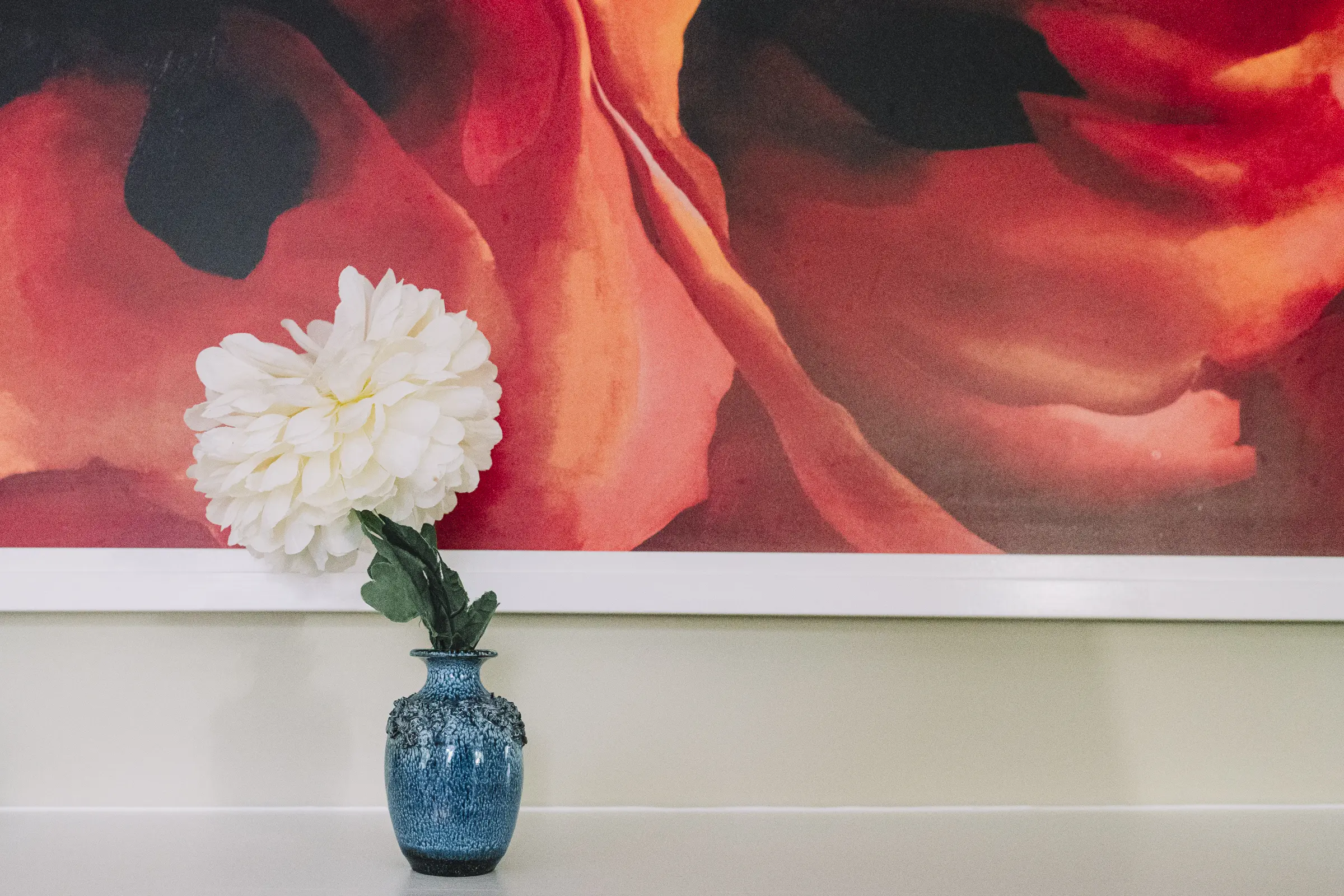
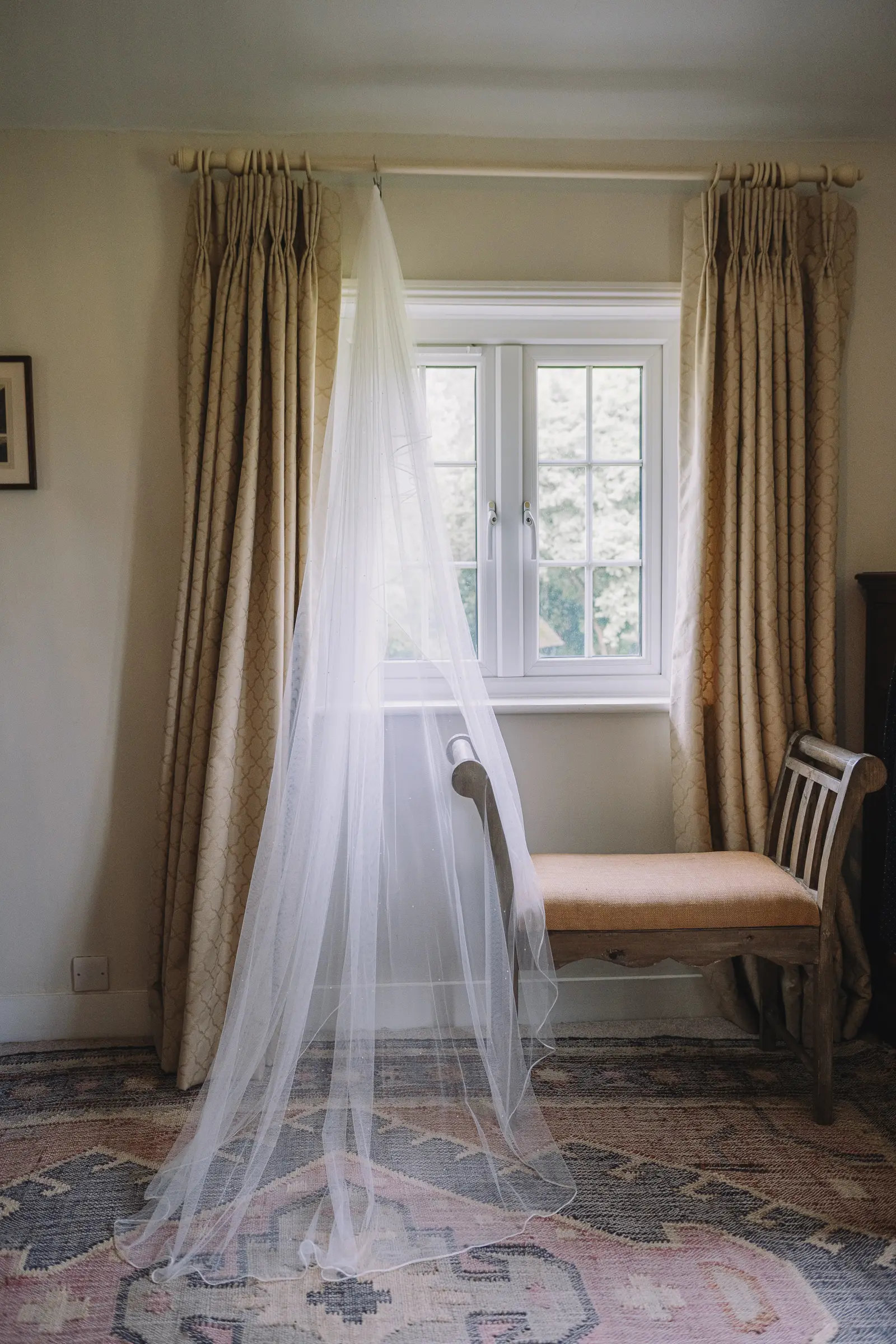
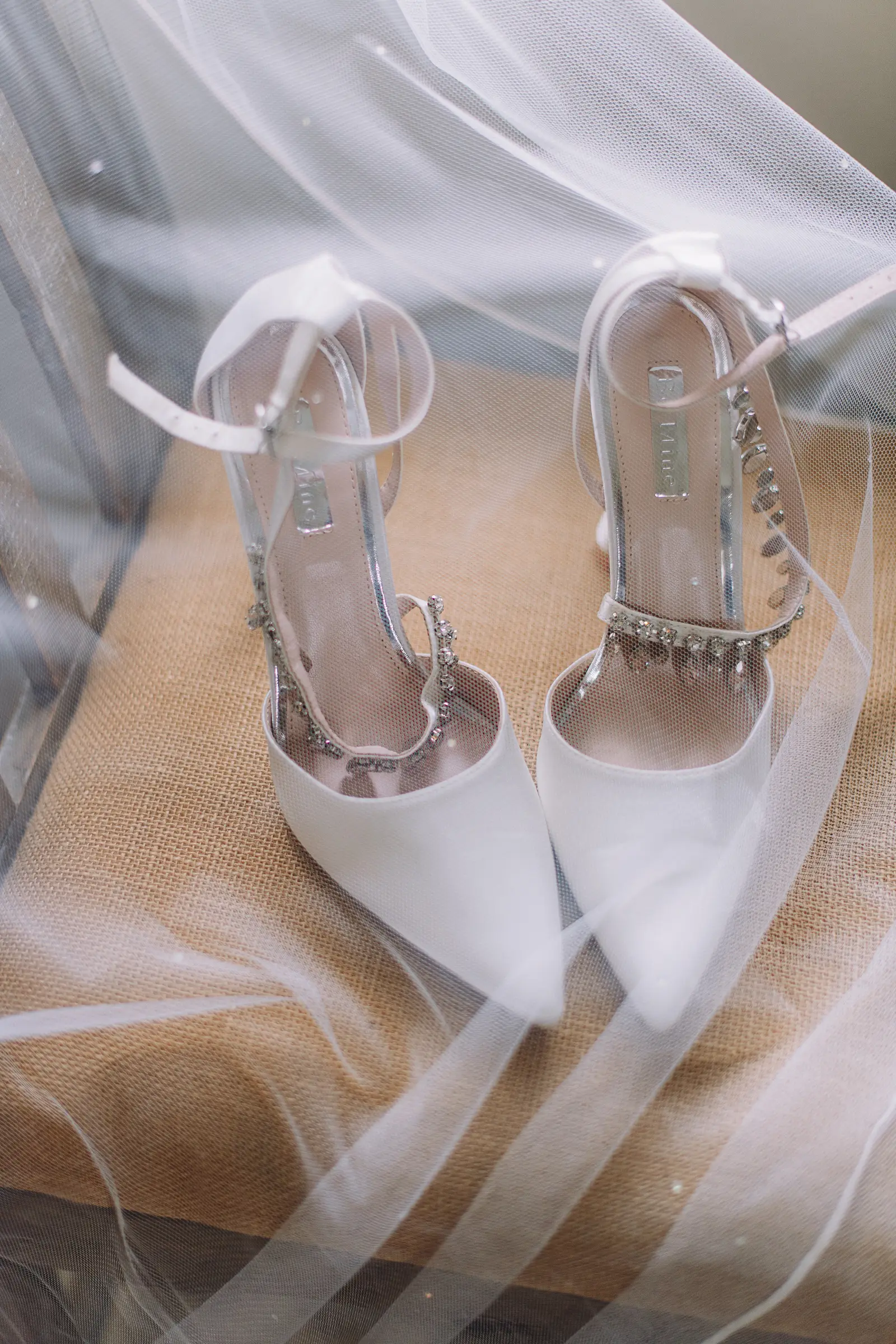
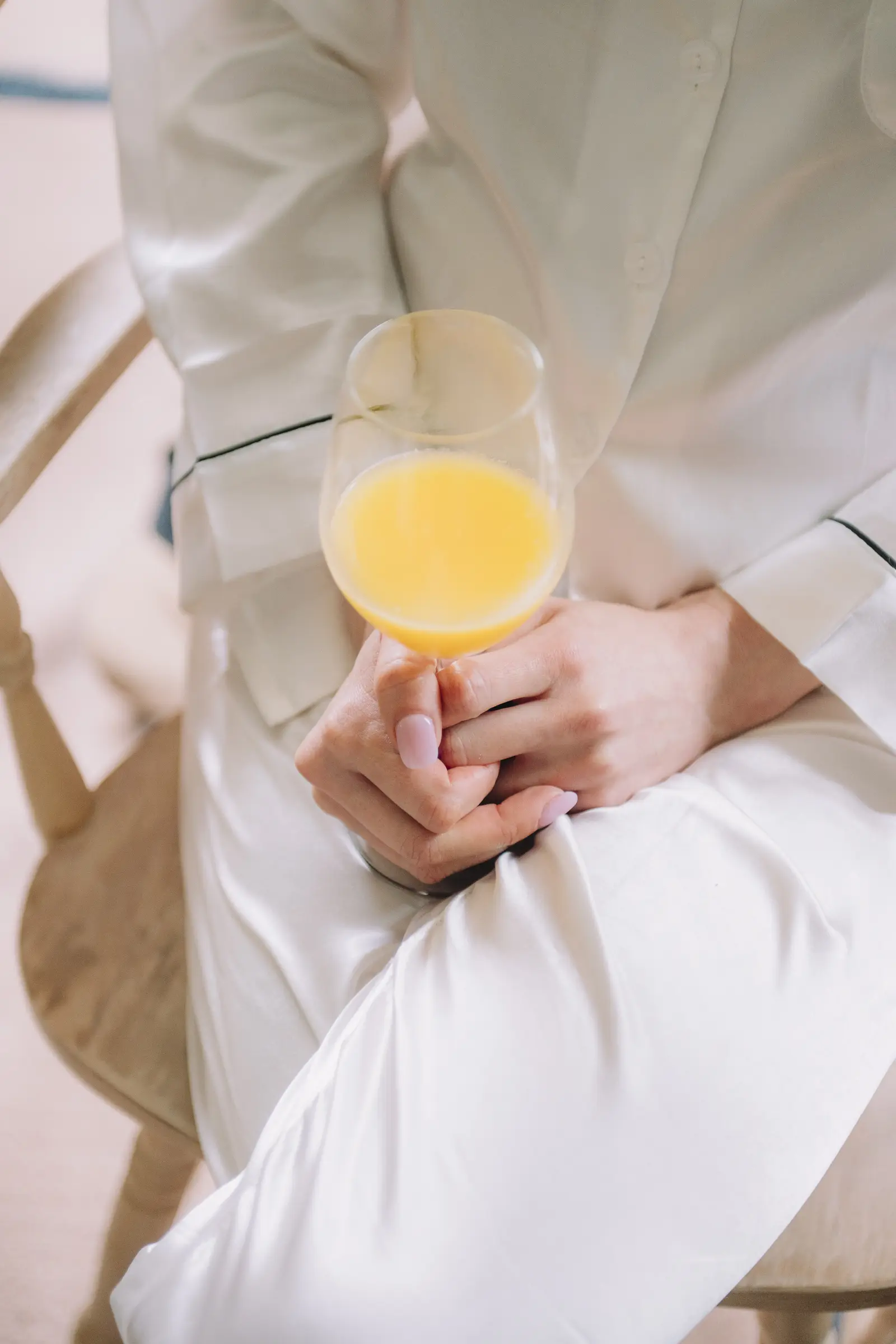
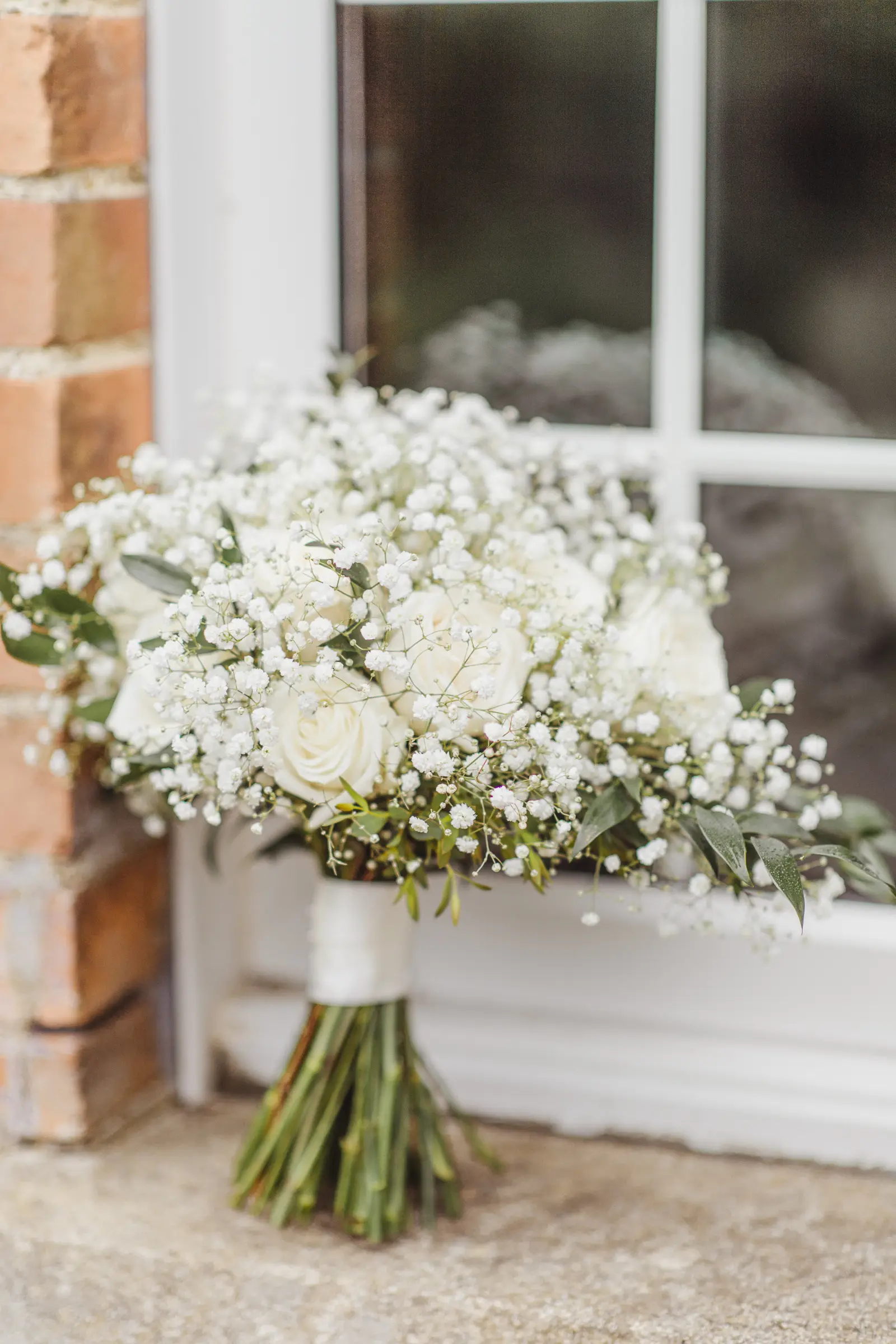
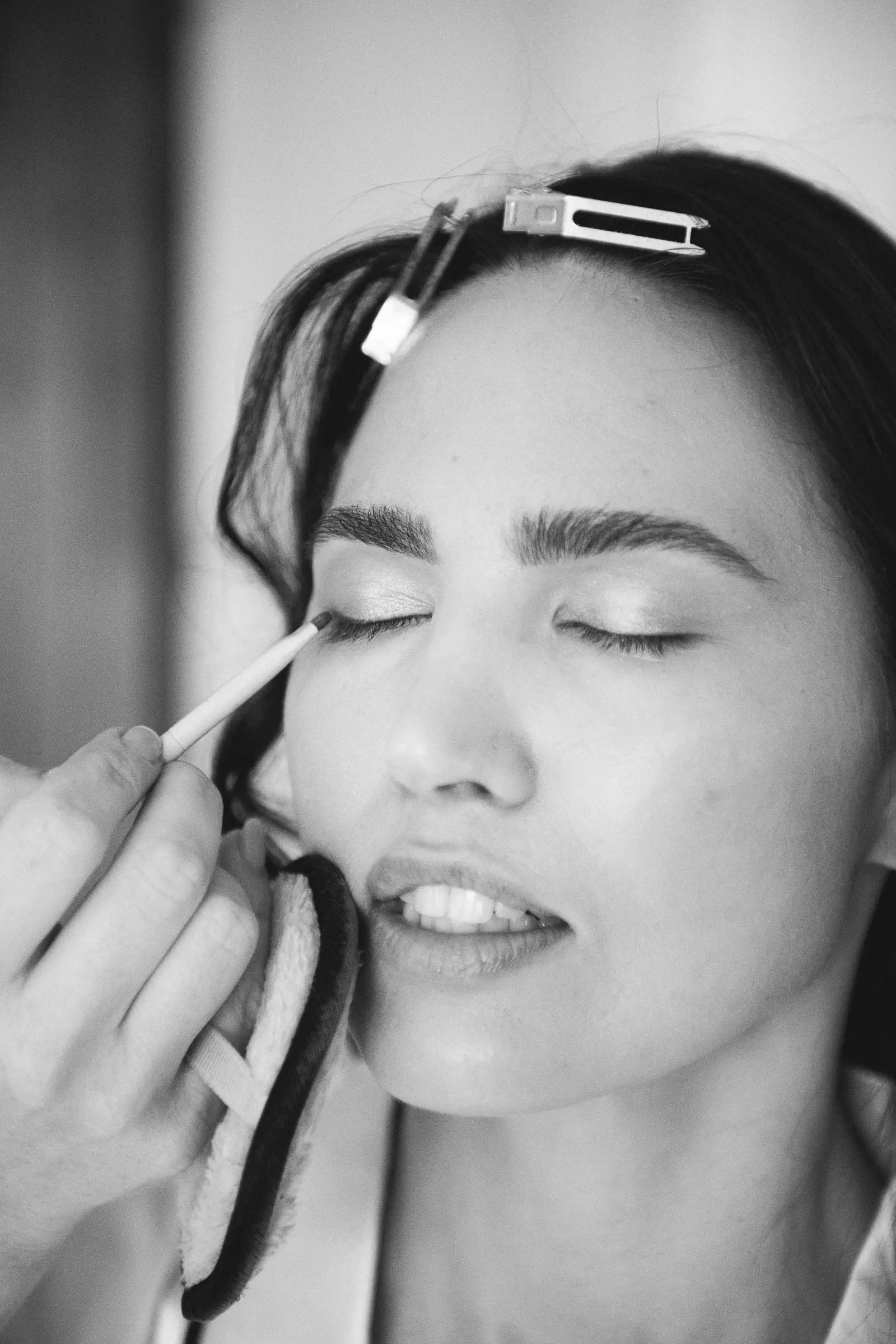
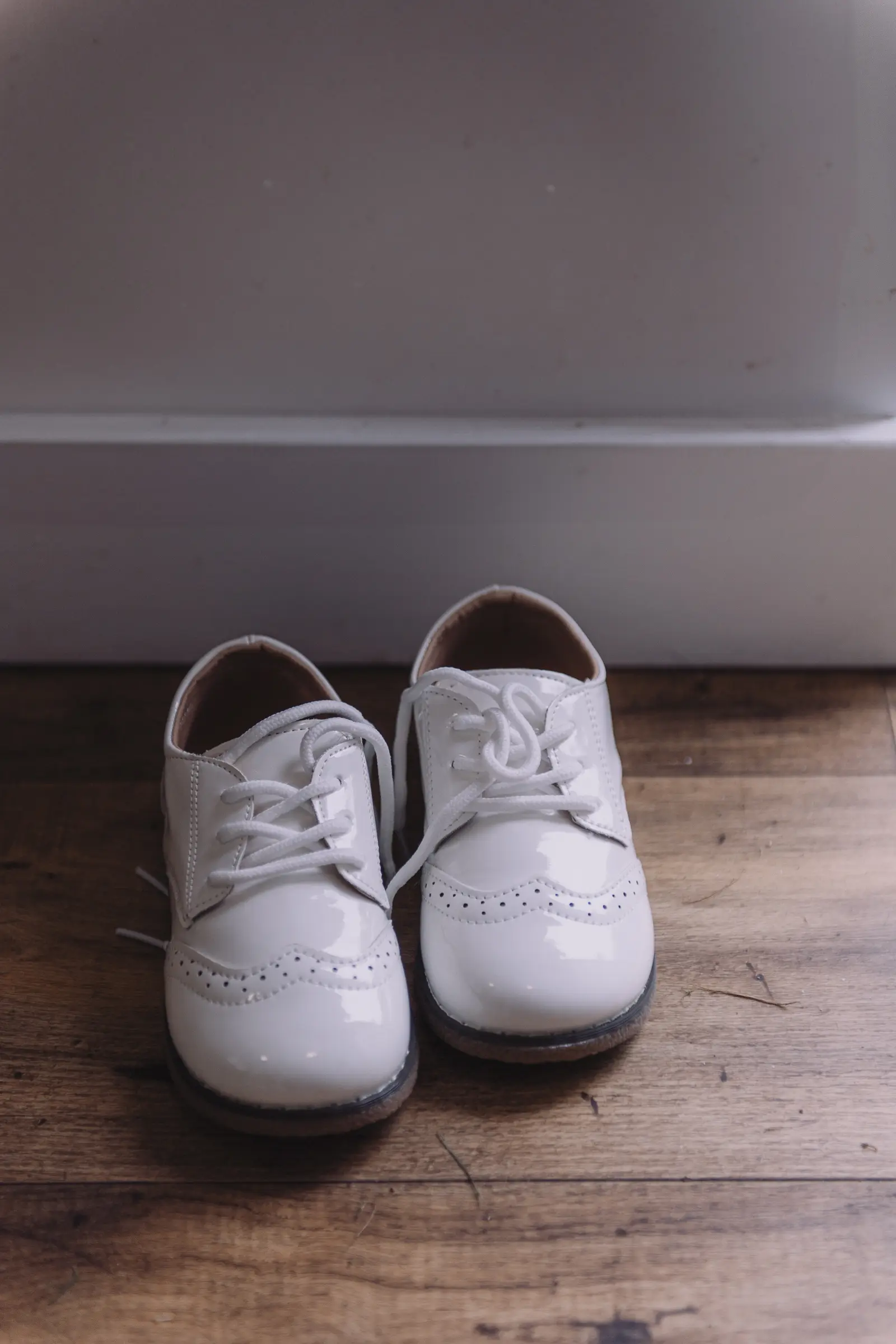
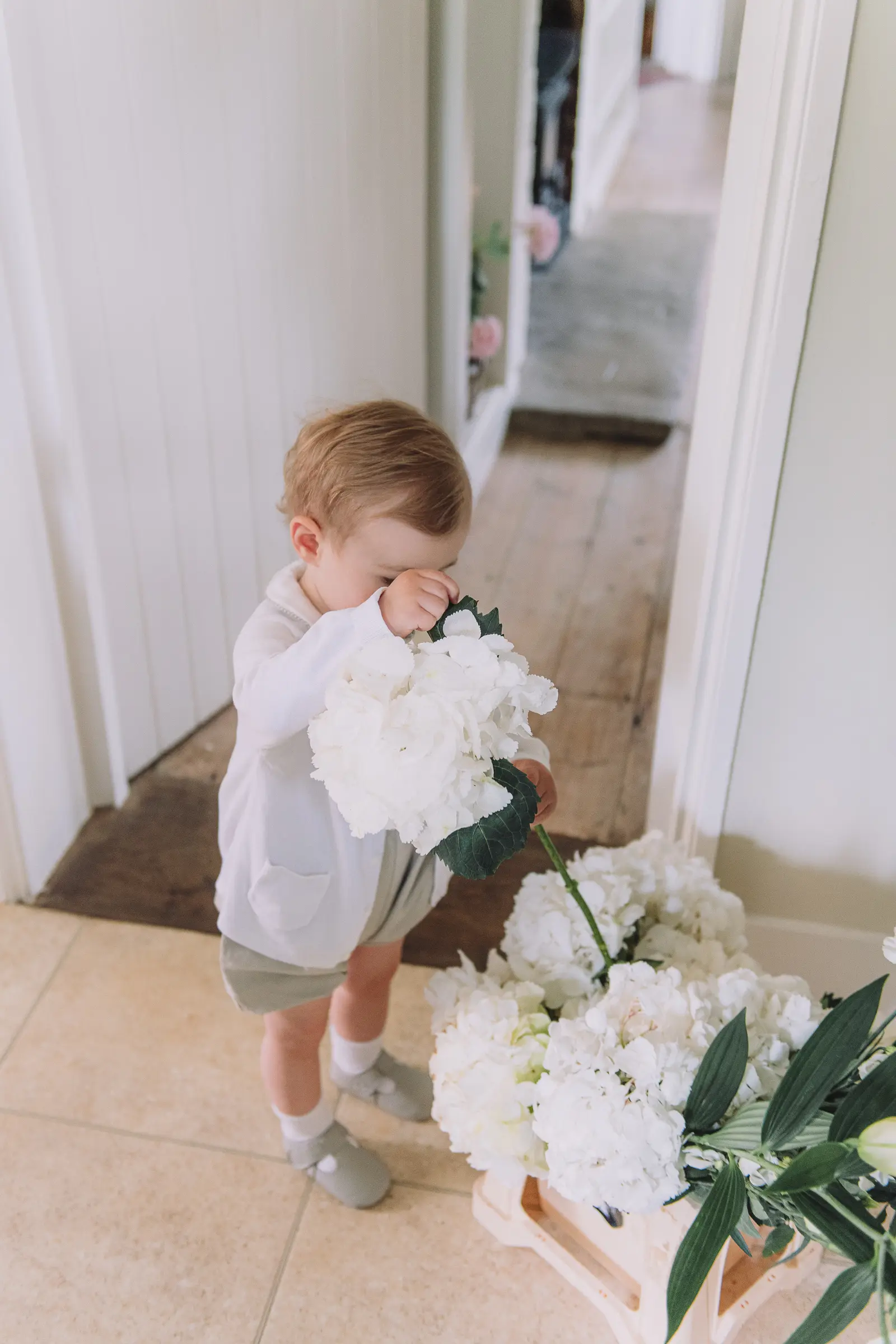
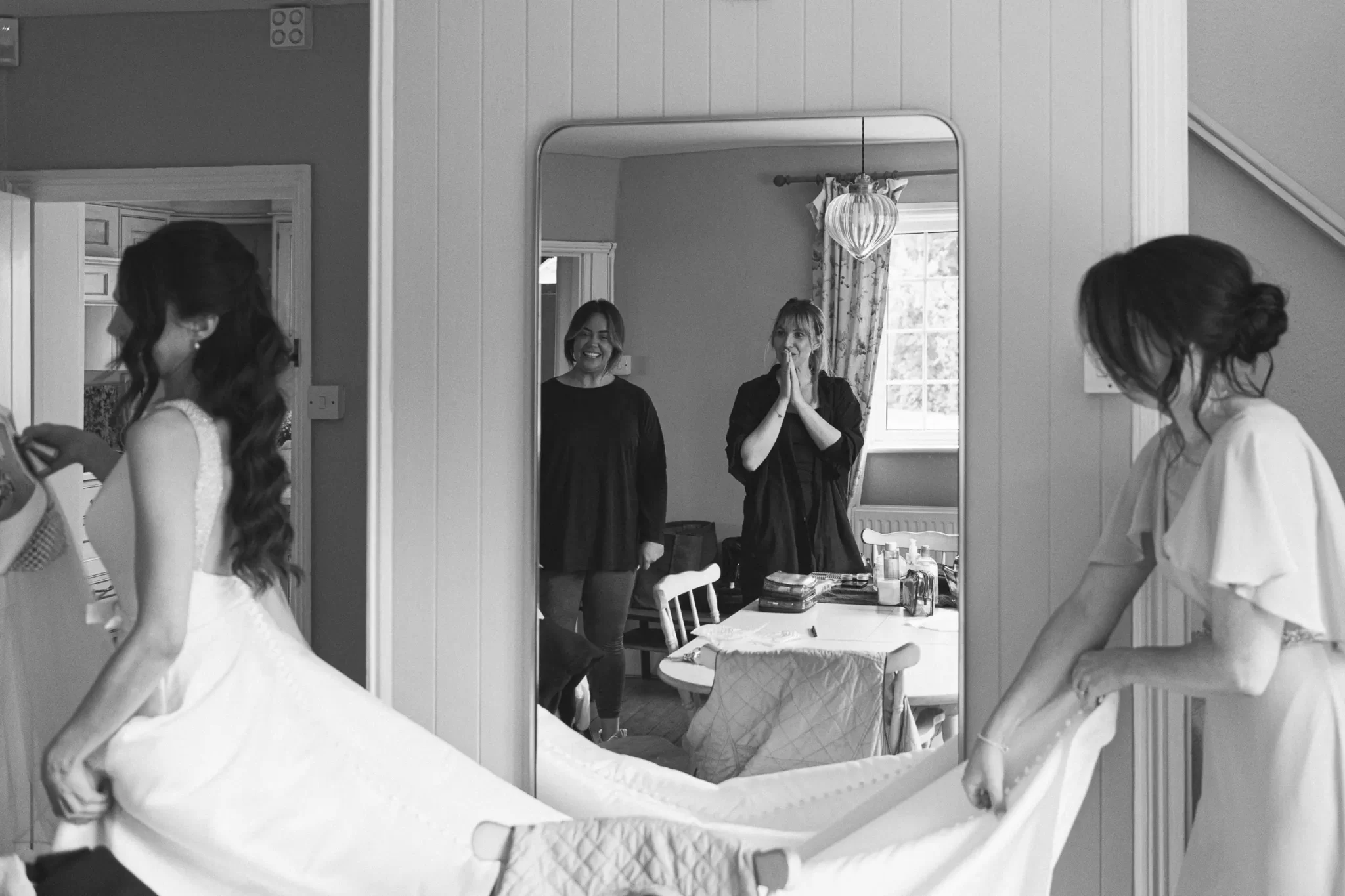
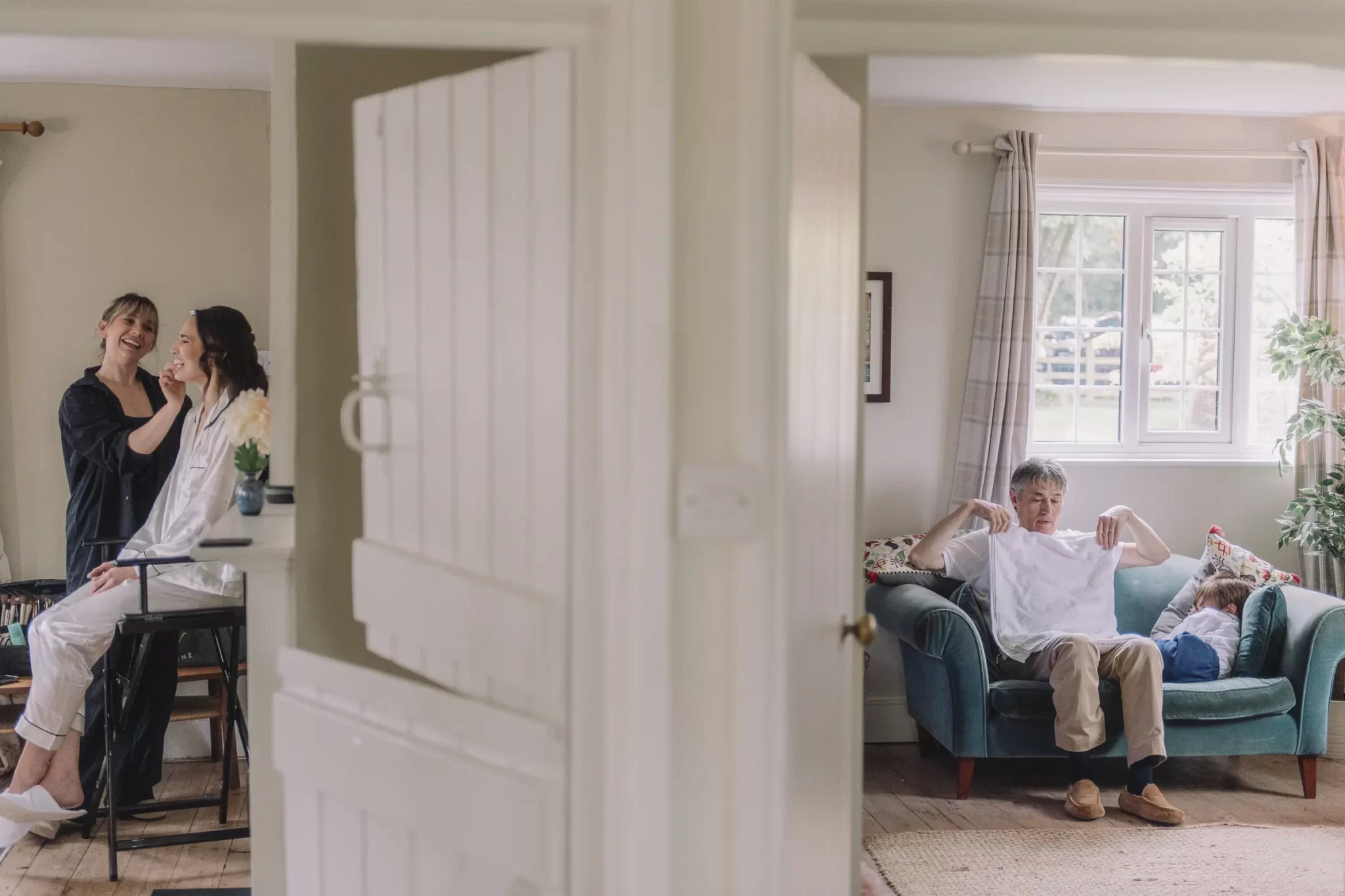
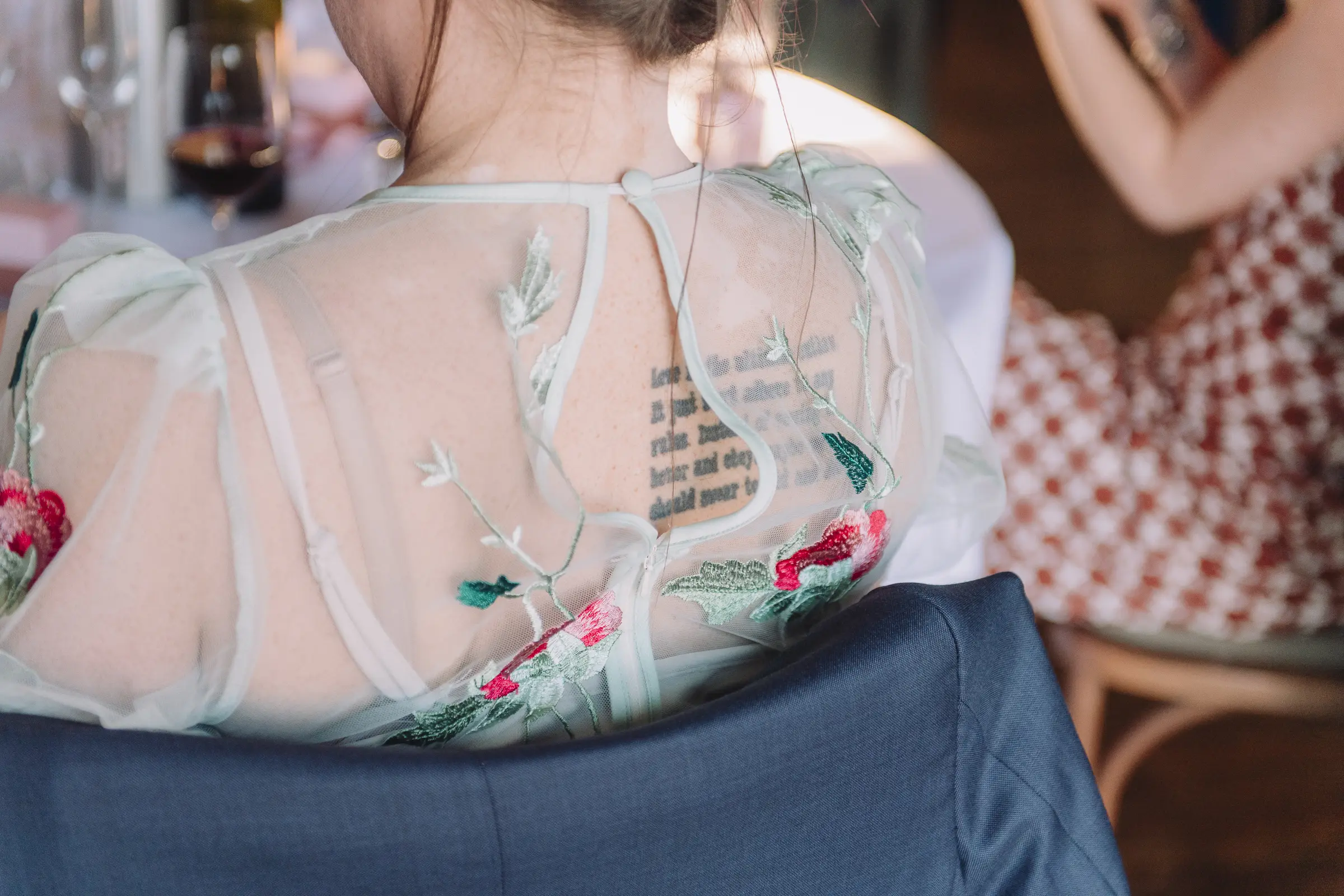
Preparation photographs at the cottage are smaller and quieter: people moving around the rooms, the dress, final details and the moment the day starts to become real. The church then changes the scale completely, with a longer aisle, stained glass and a formal ceremony. By the time everyone reaches Wasing Park the pace relaxes again and the estate becomes part of the celebration rather than simply the next address.

02
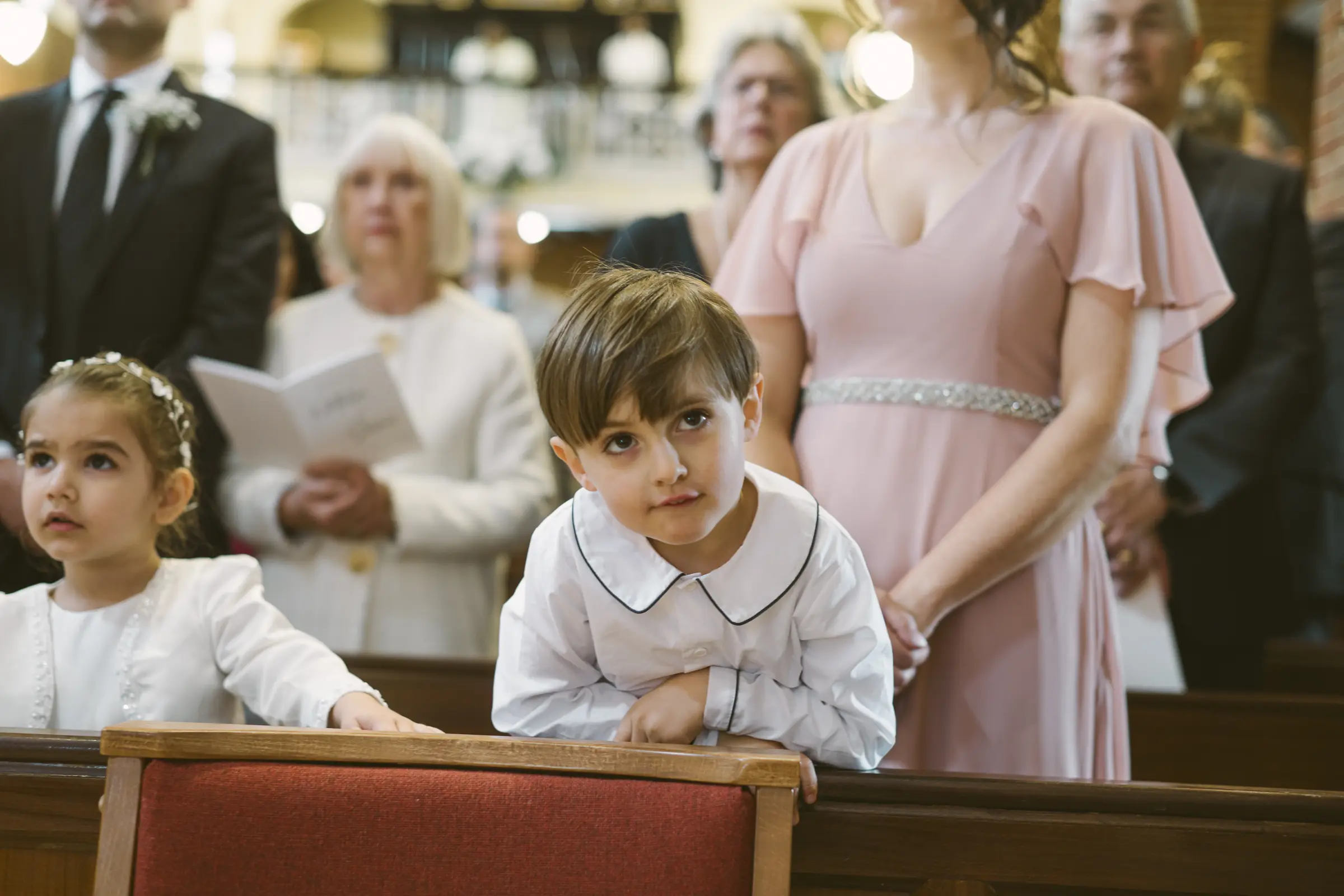
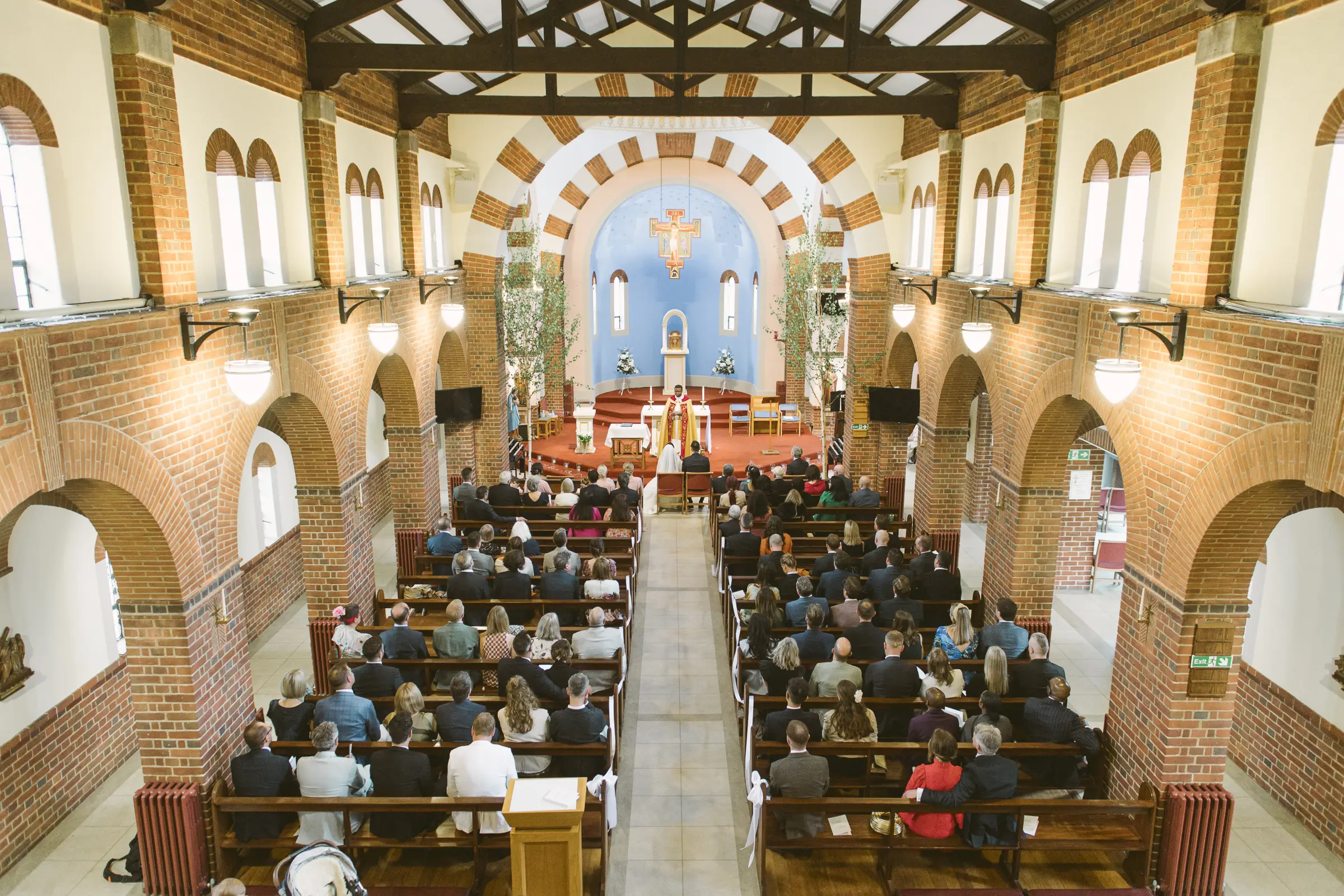
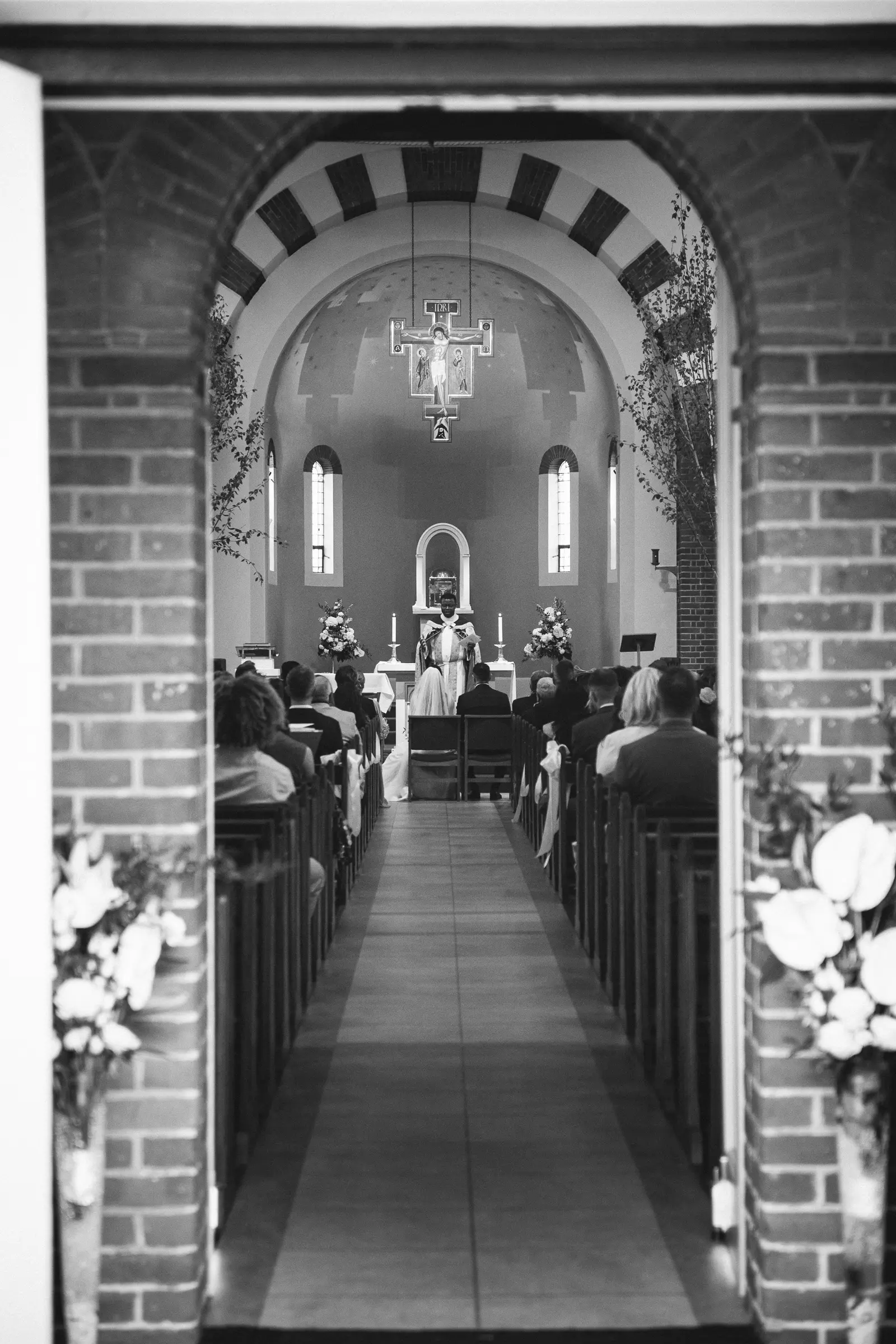
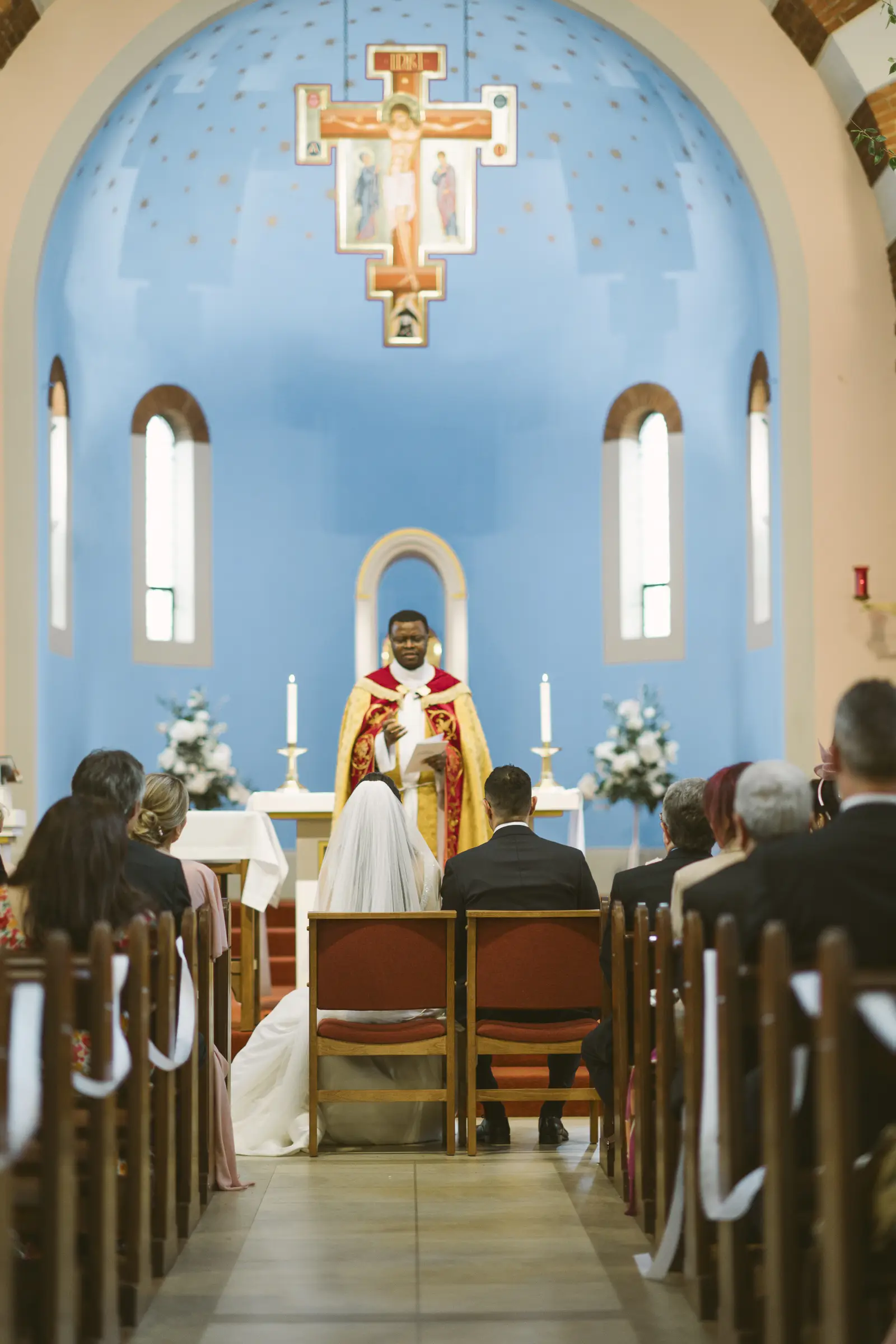
The ceremony at Reading English Martyrs Church
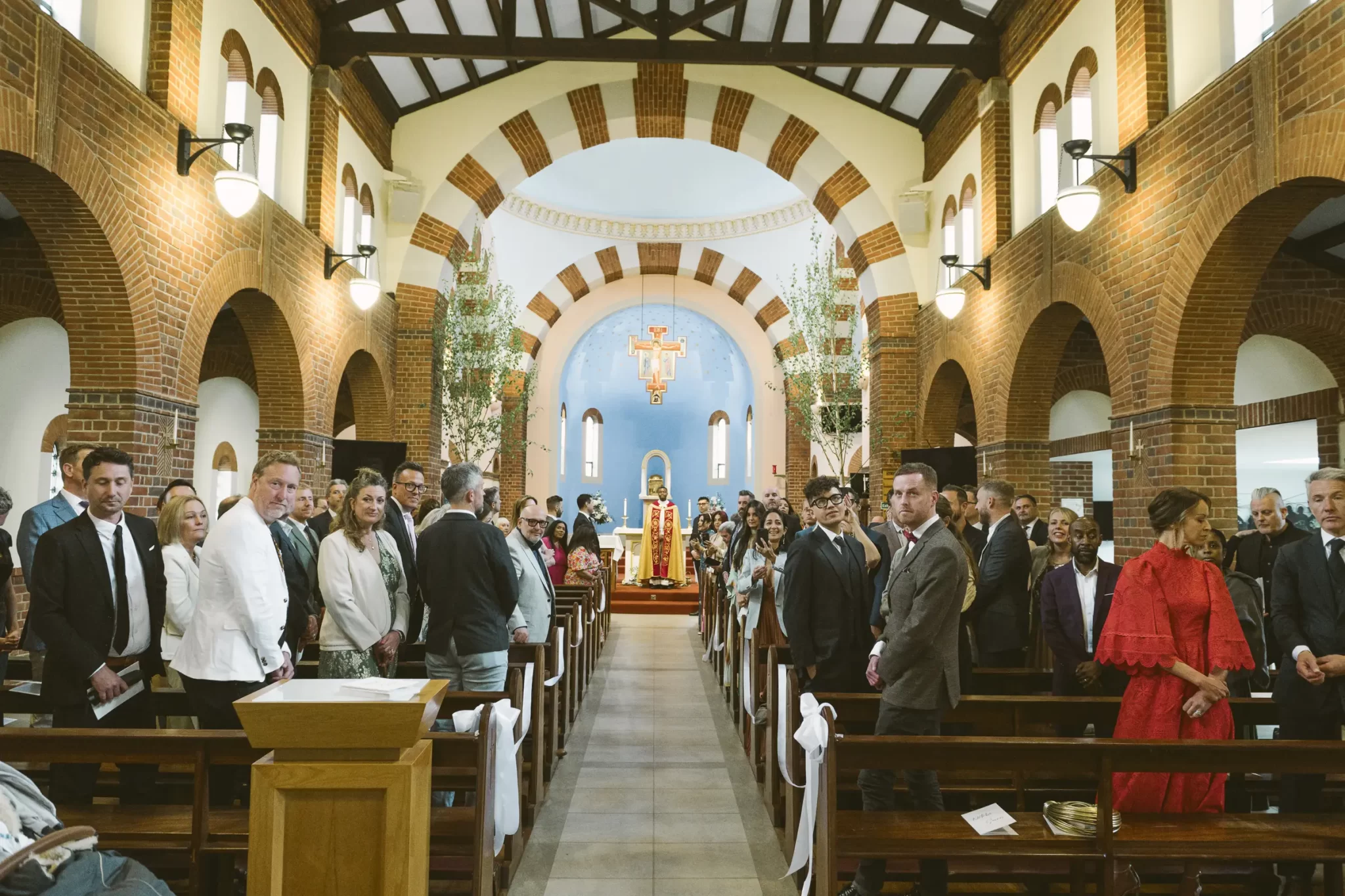
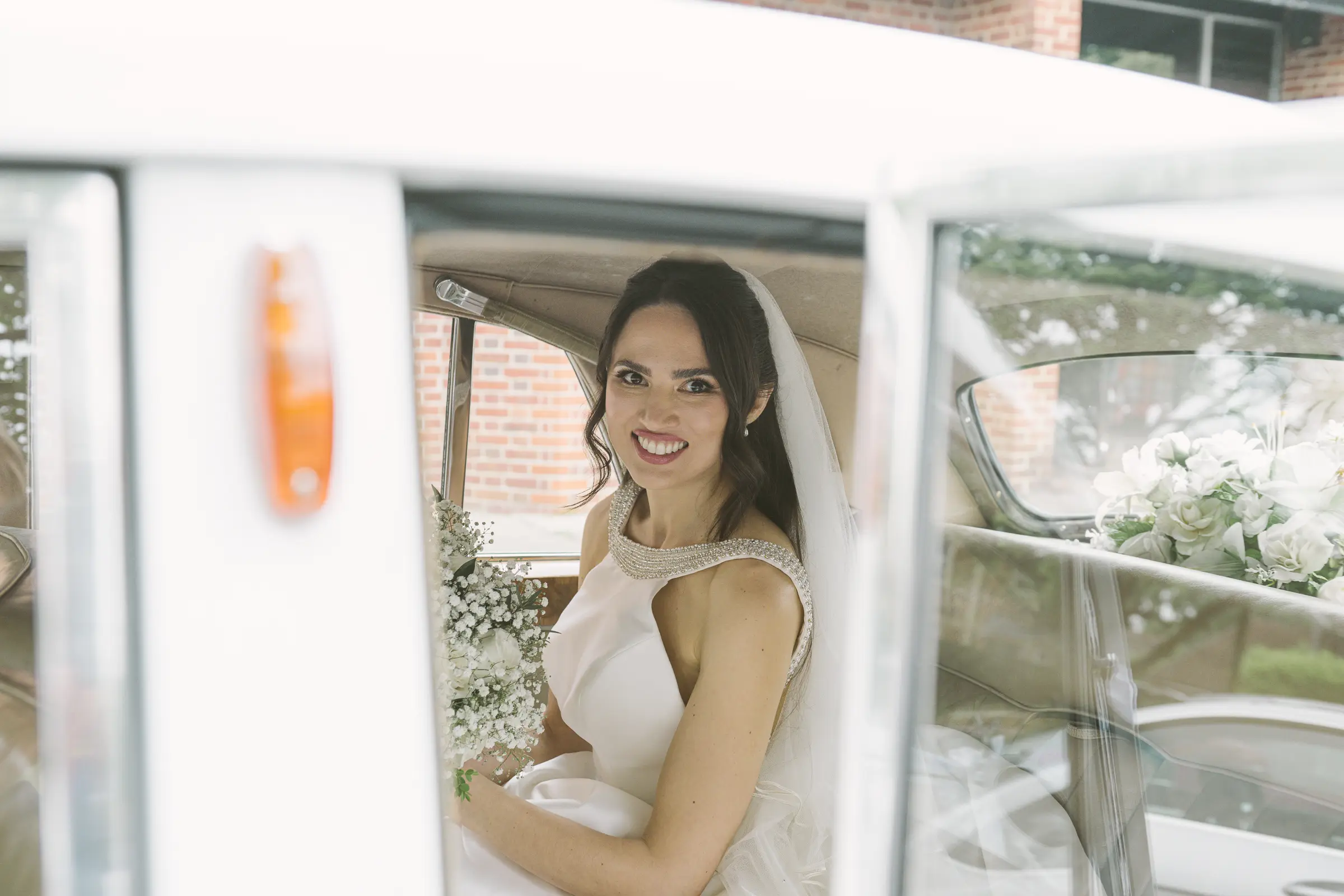
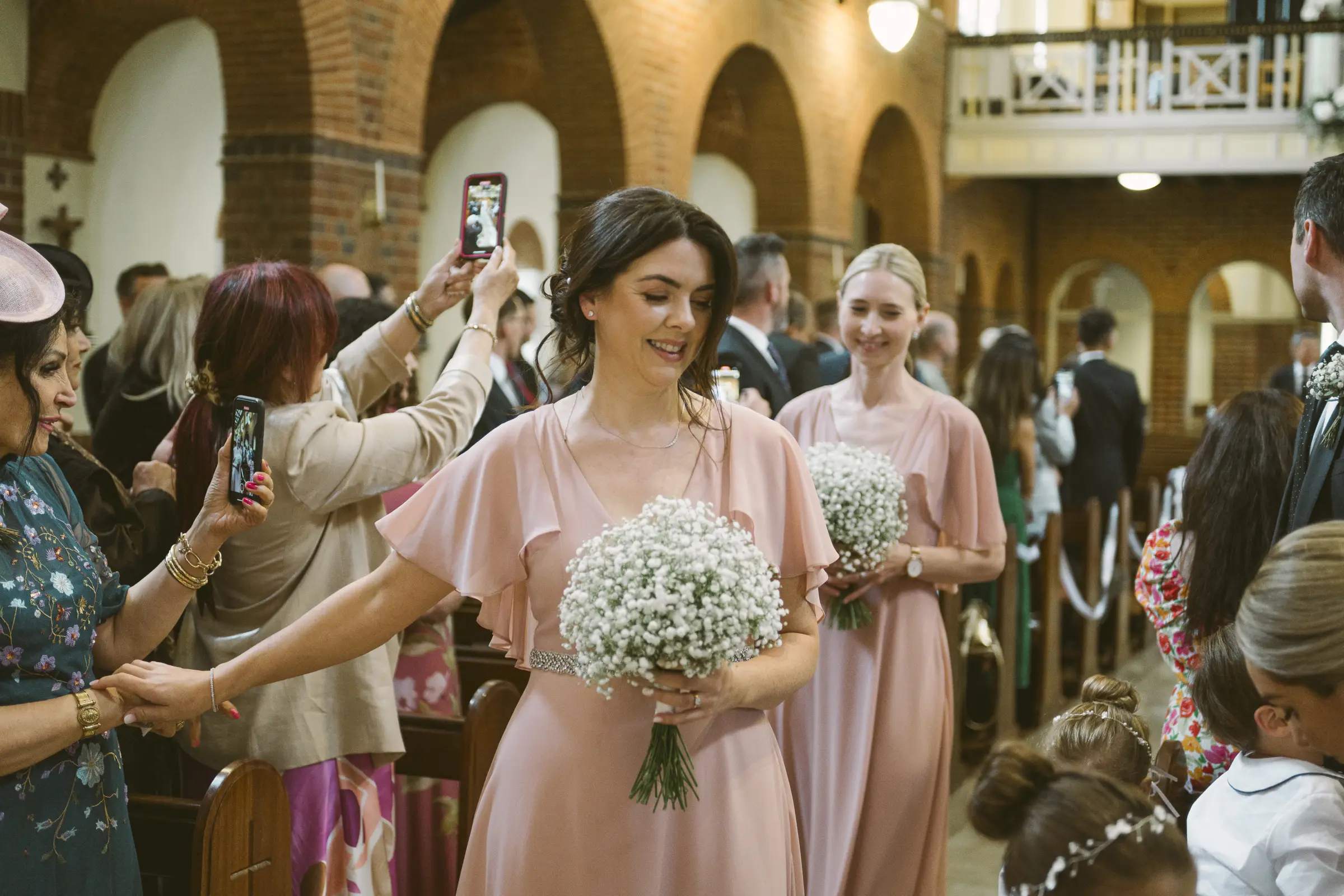
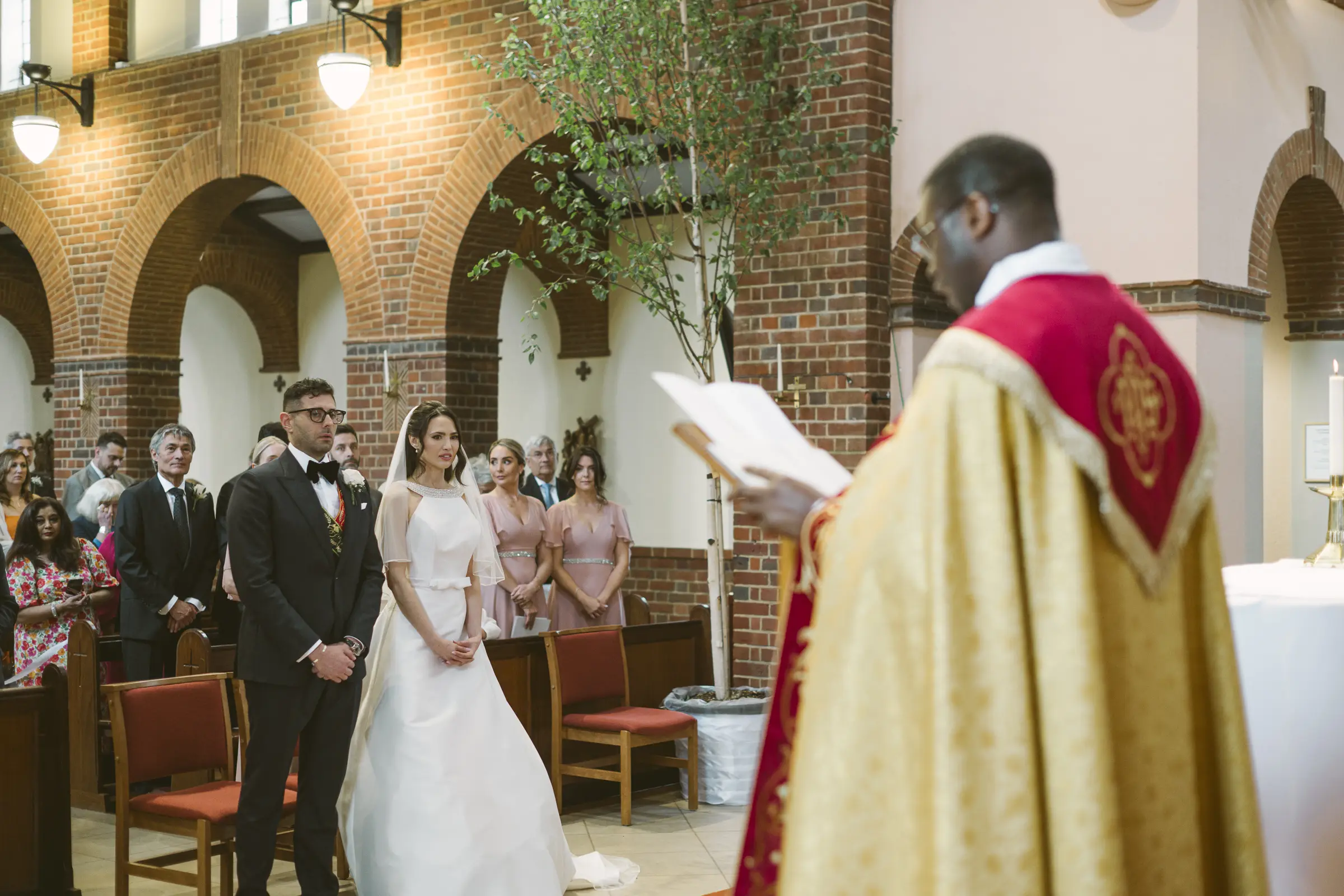
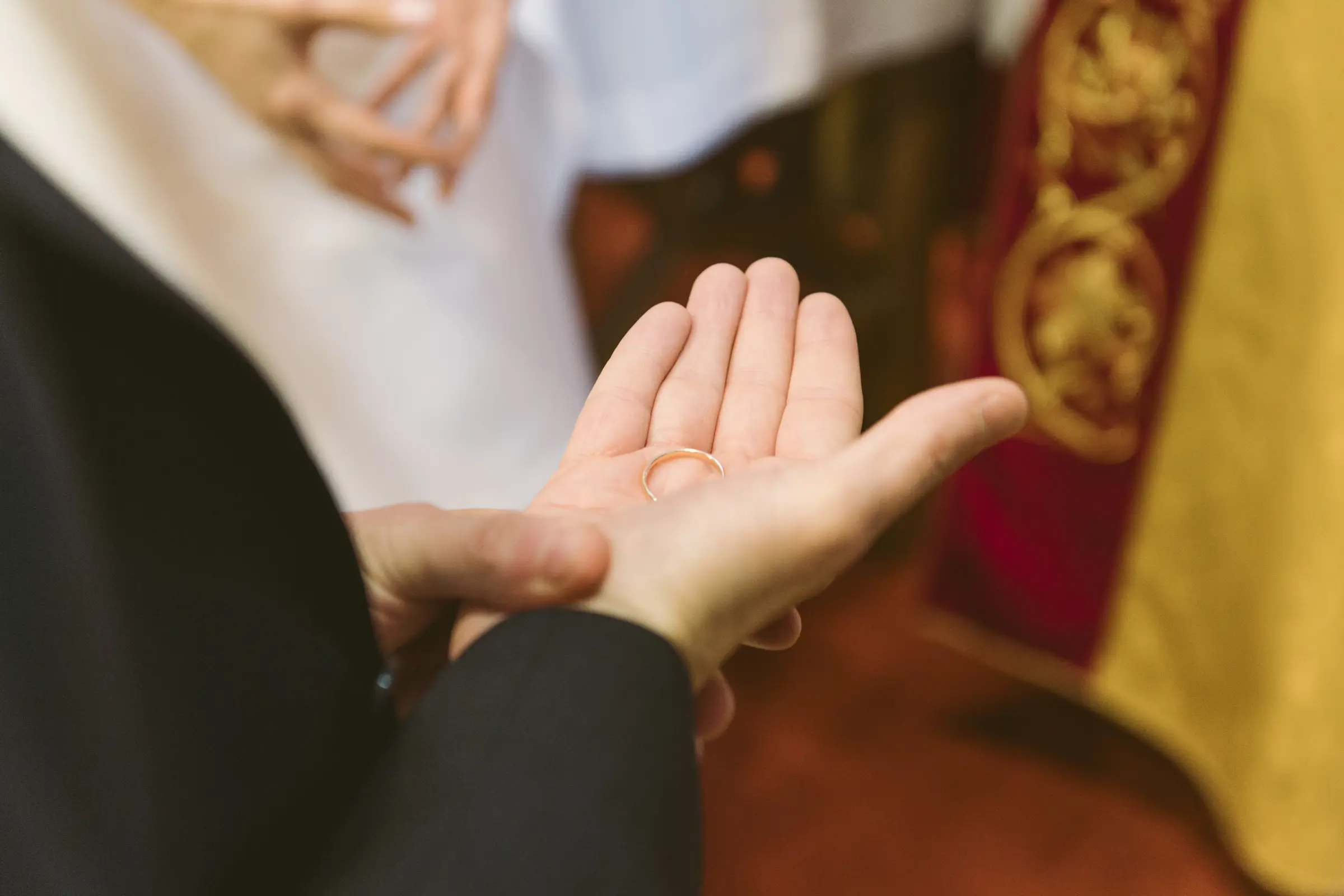
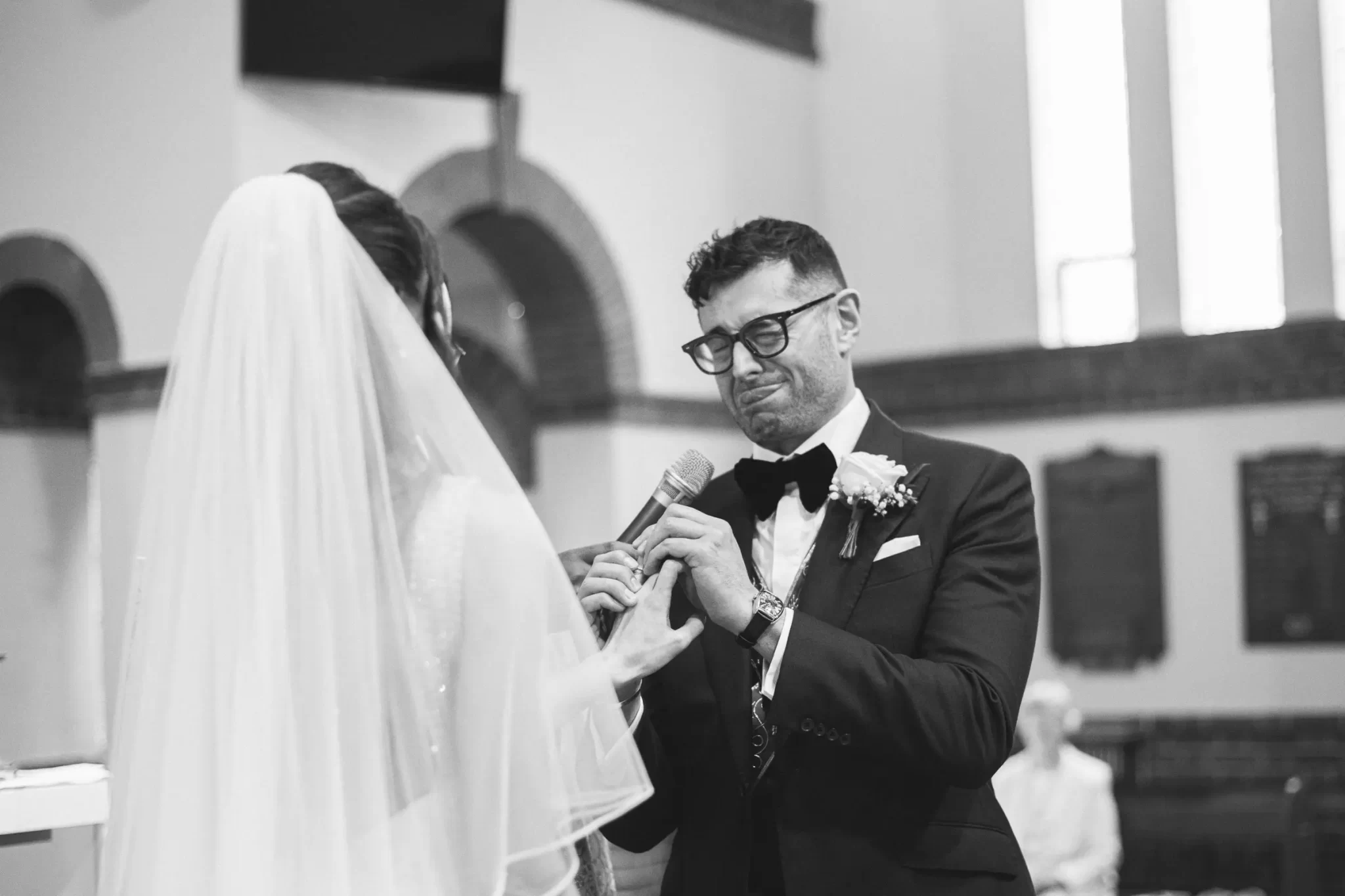
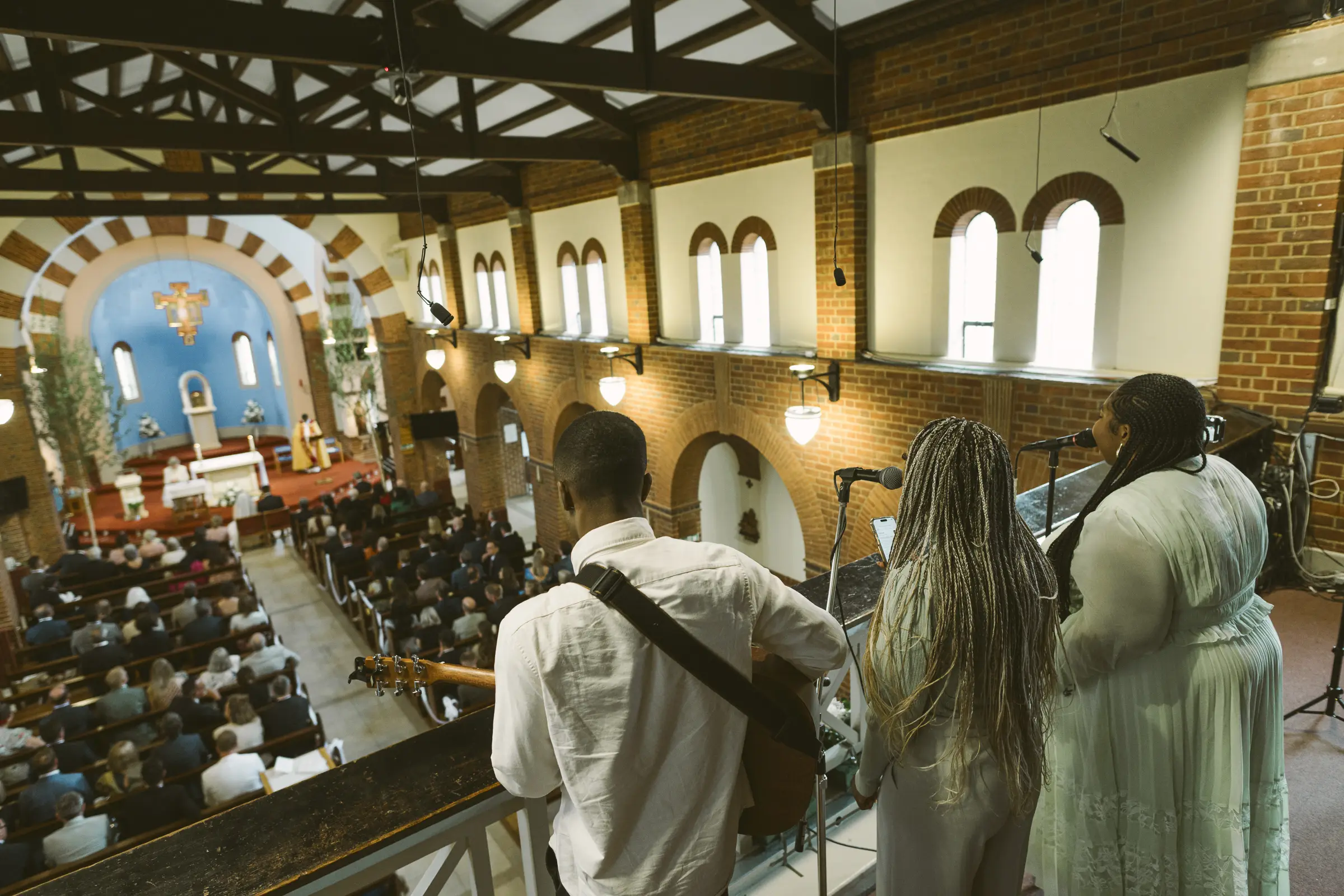
Church ceremonies reward anticipation. I want to know where the processional will enter, where I can work without distracting the congregation and what restrictions apply before the doors open. Natalia’s walk down the aisle, the ring exchange and the expressions immediately after the ceremony matter more than trying to manufacture additional photographs inside a sacred space.
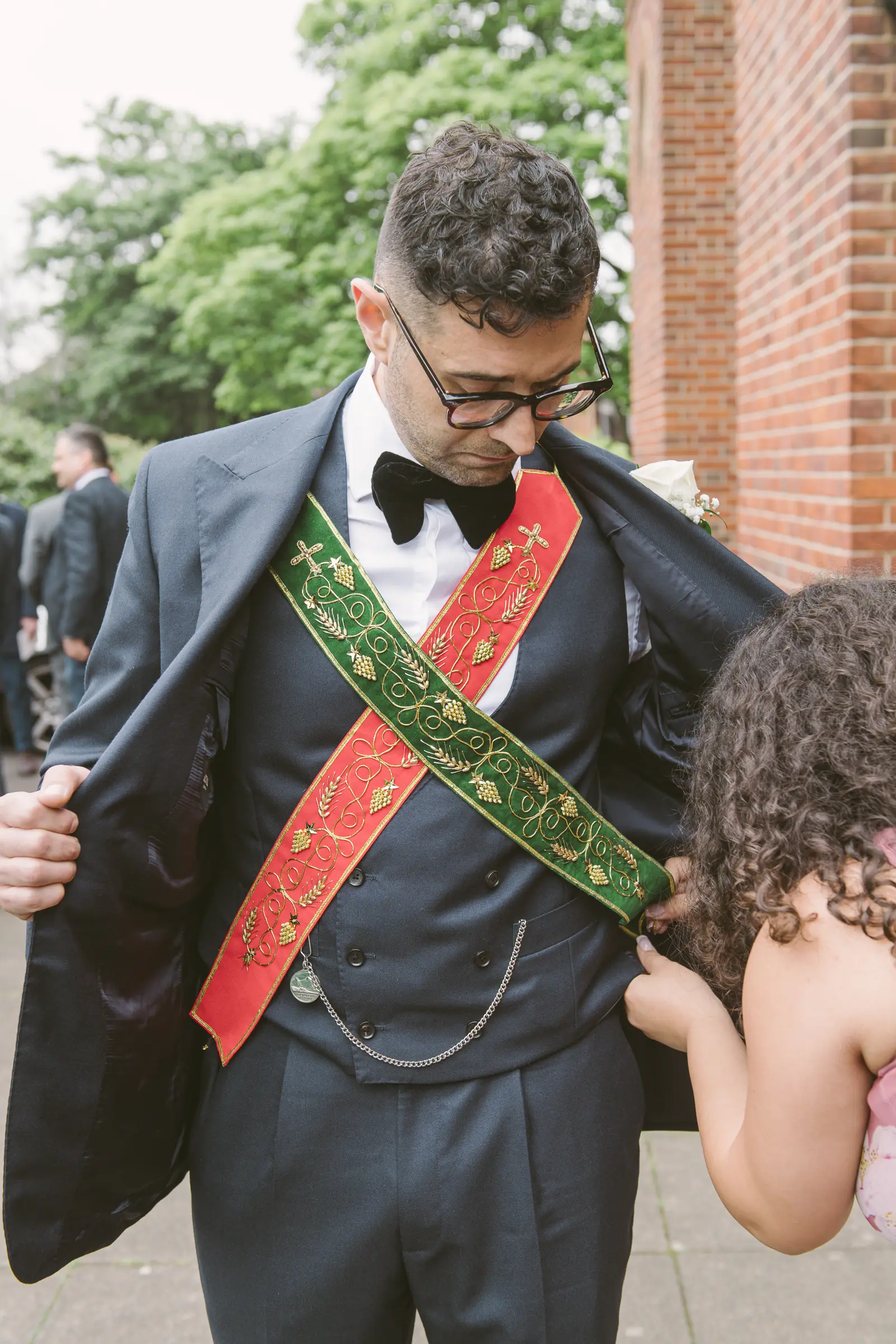
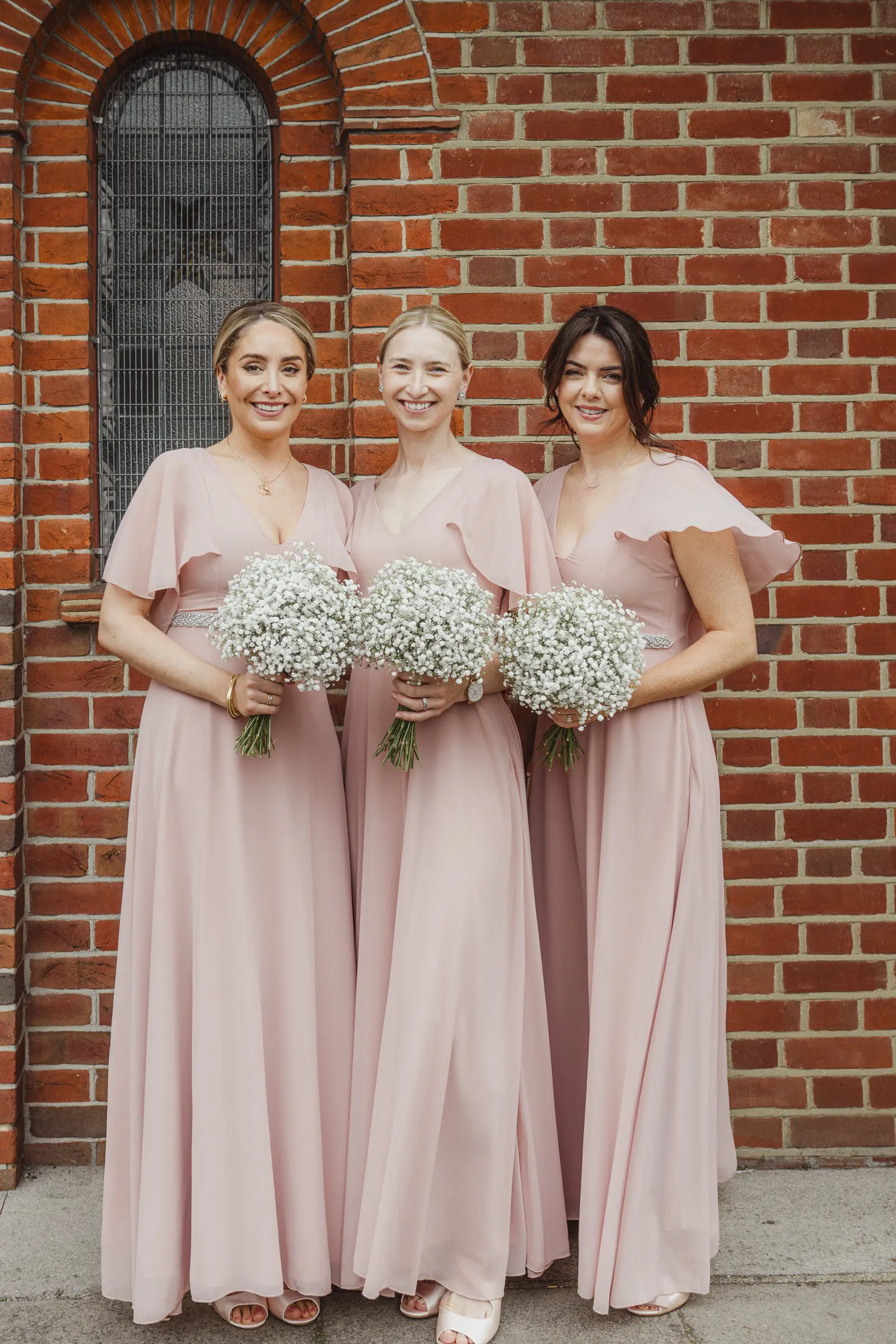
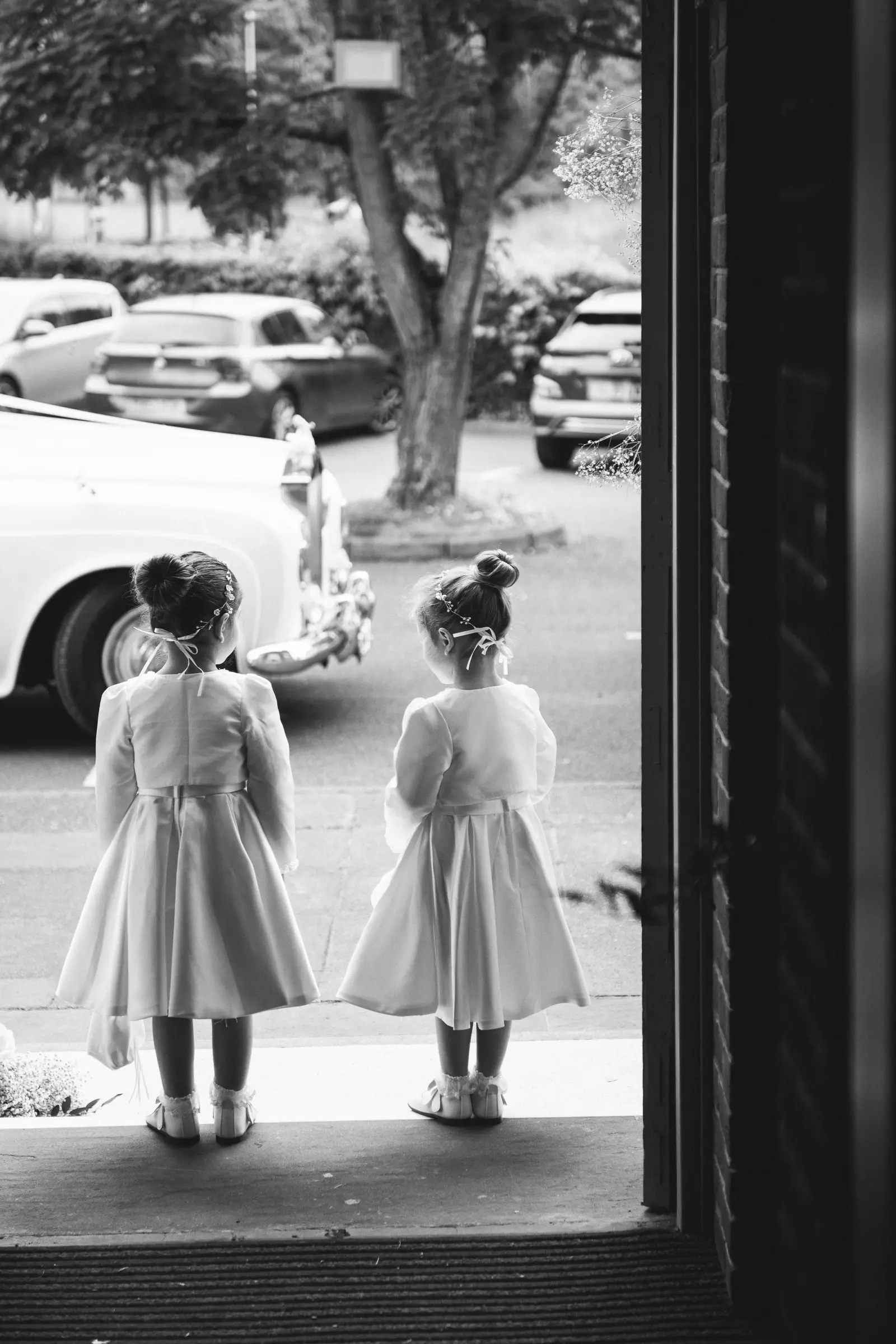
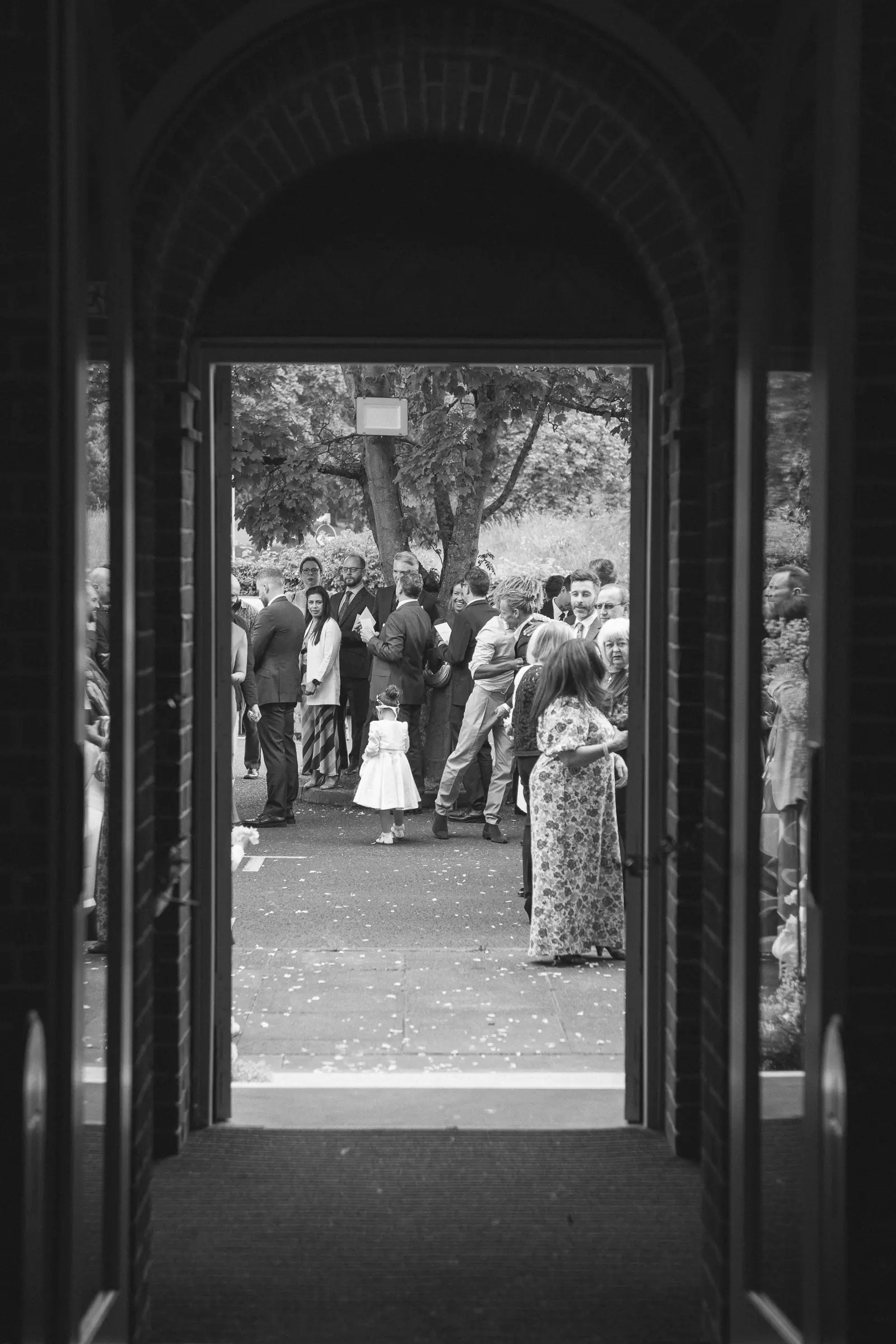
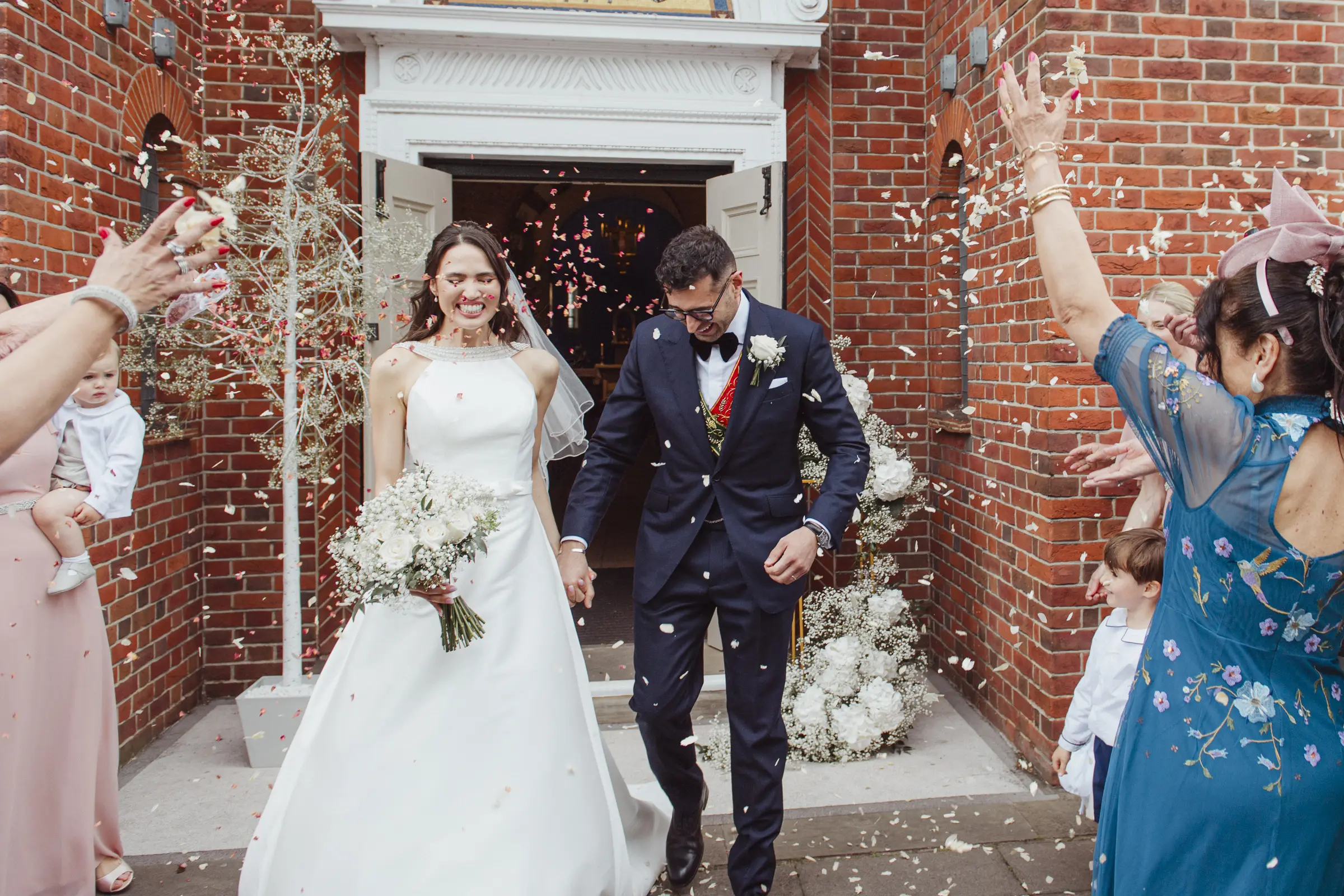
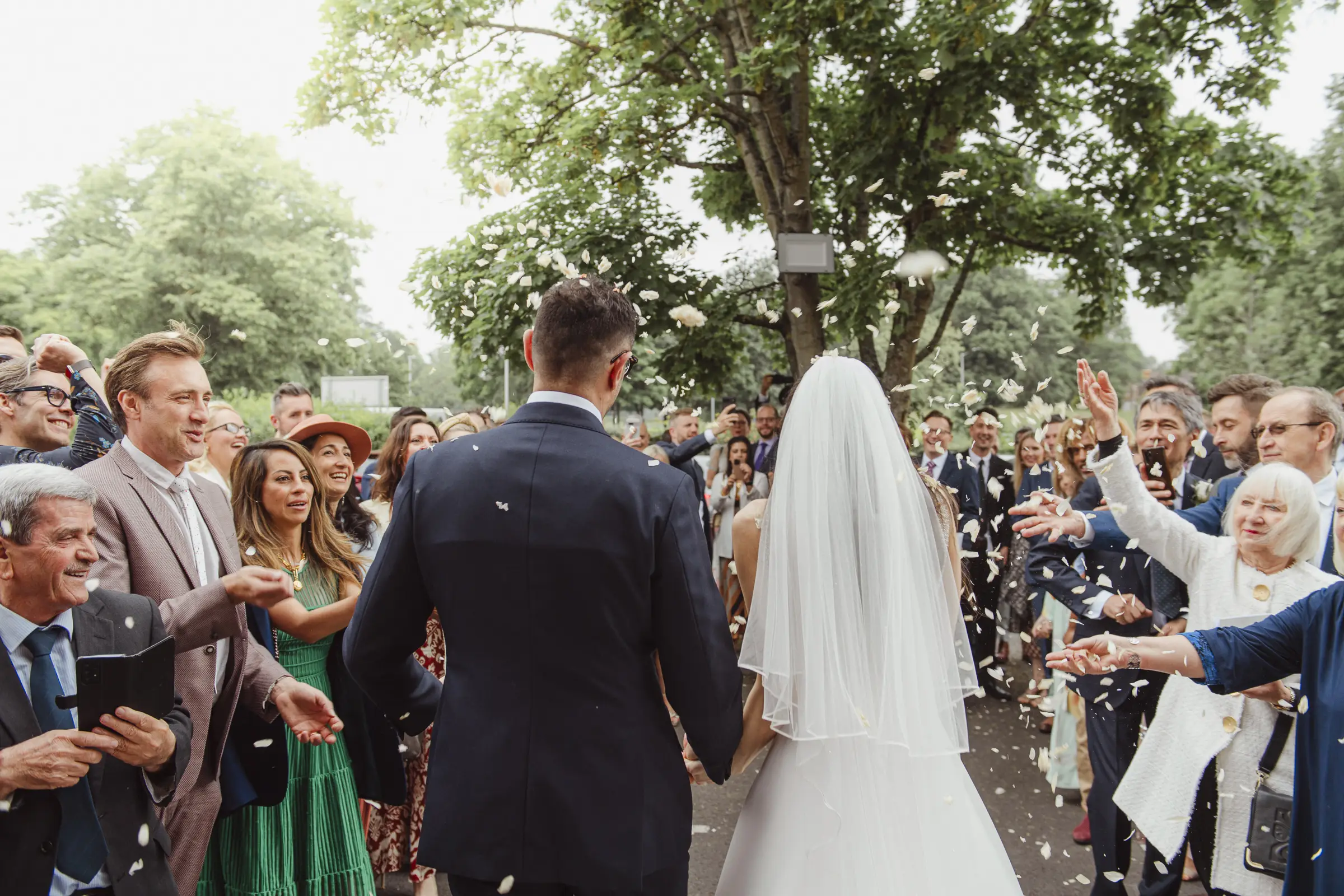
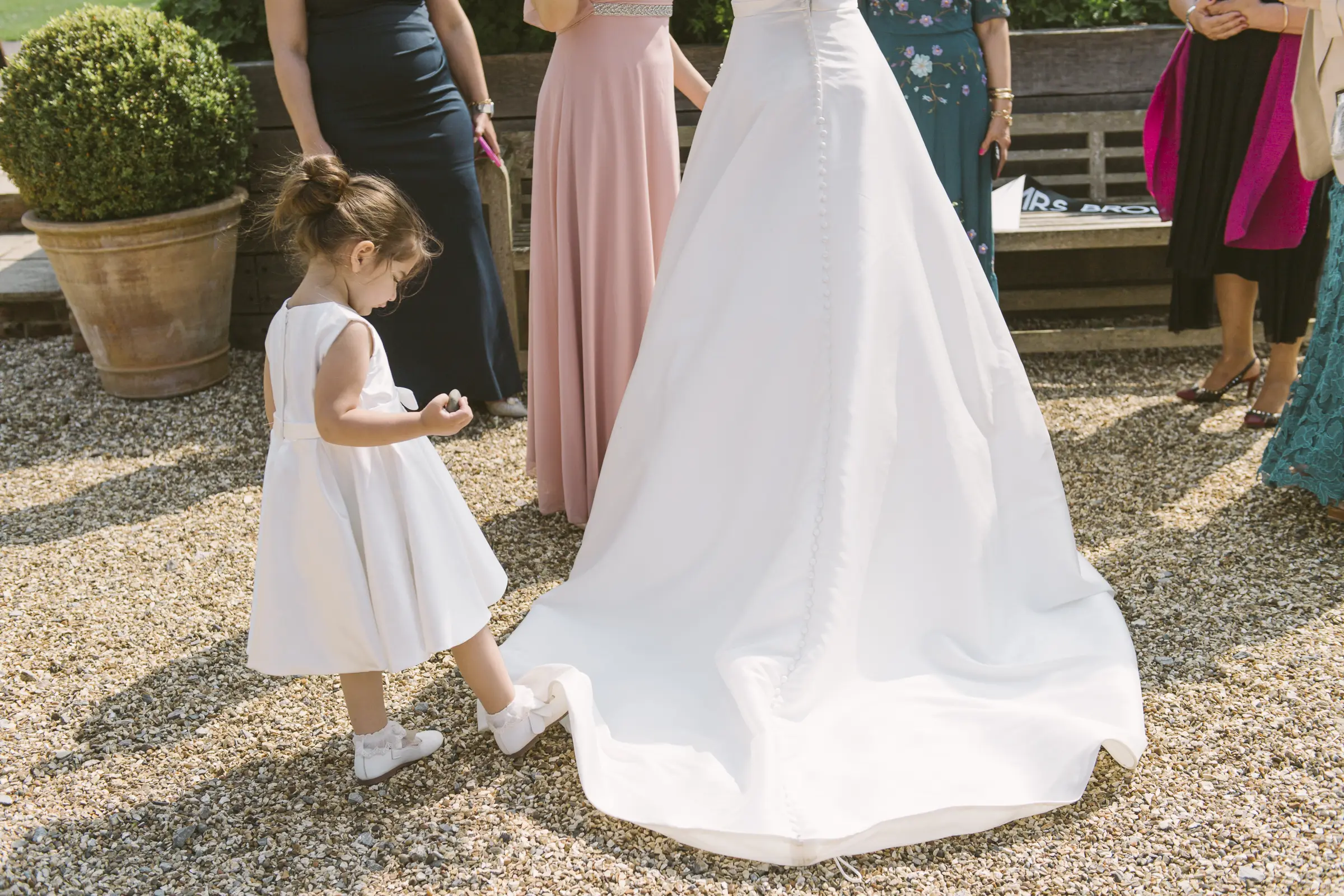
The change from church light to the outside is also important. Confetti, greetings and family photographs often happen in a much brighter environment than the ceremony itself. I treat that transition as part of the story so the gallery does not jump abruptly from a dark interior to polished estate portraits with nothing in between.

03
Arriving at Wasing Park Estate
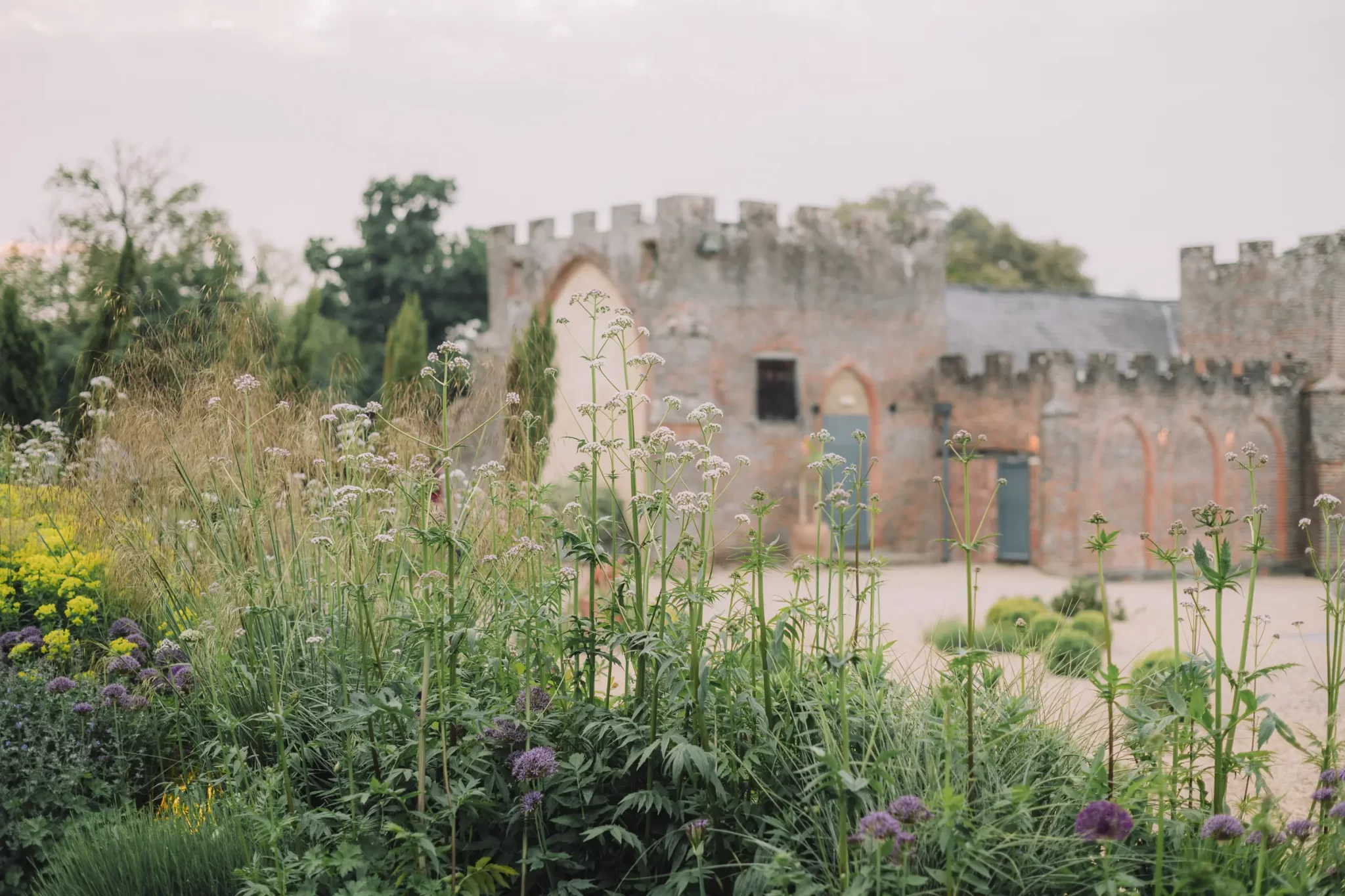
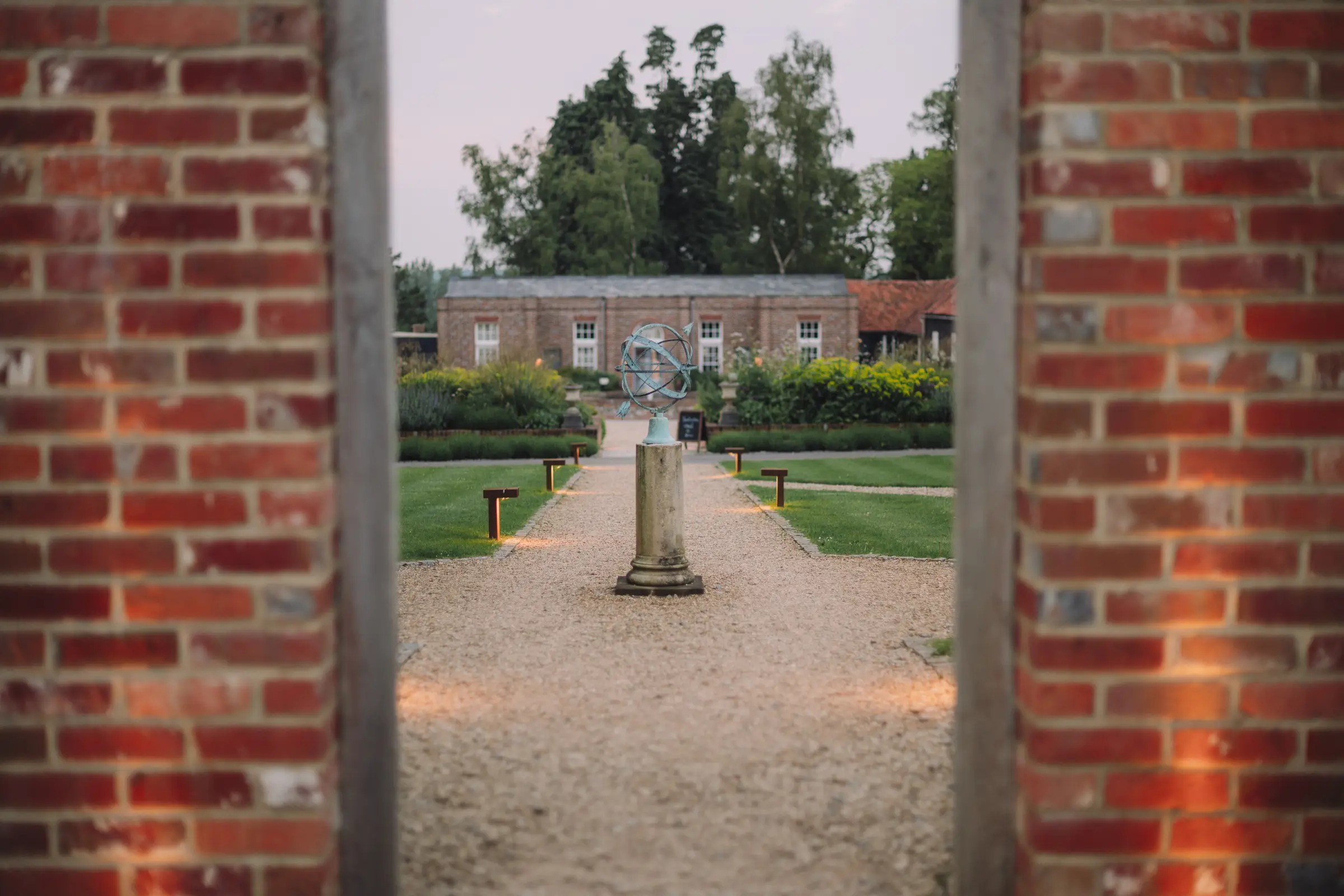
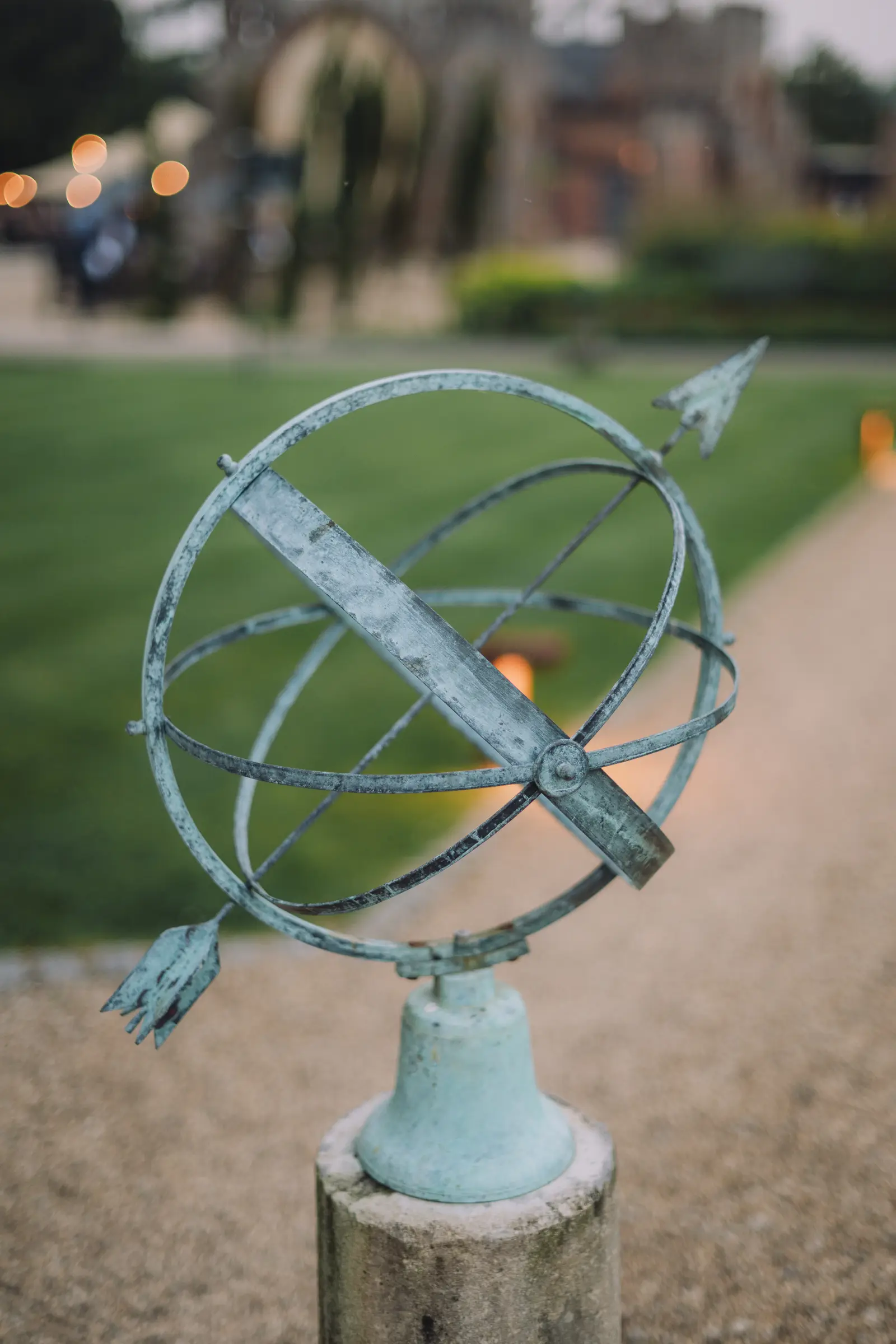
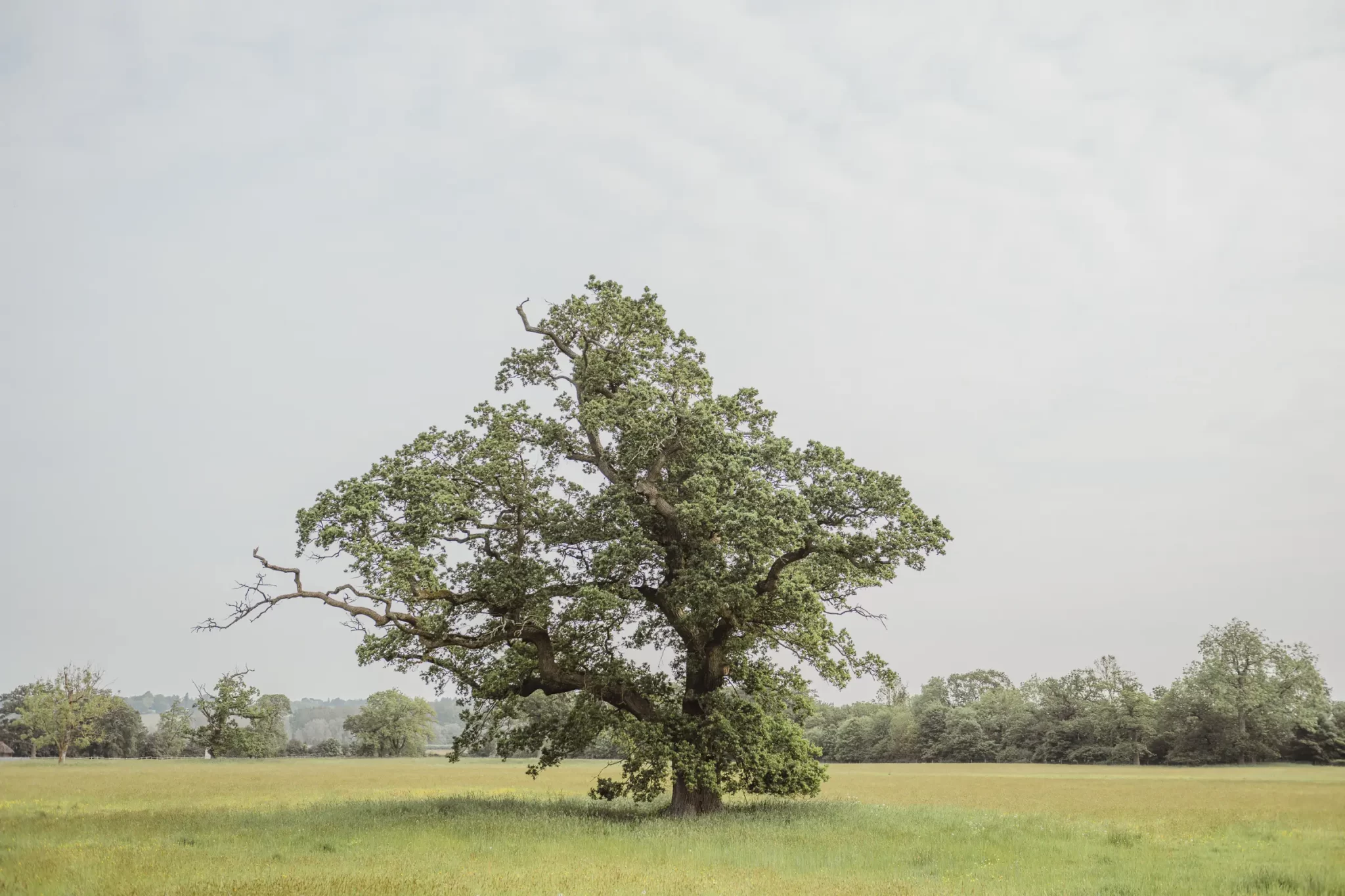
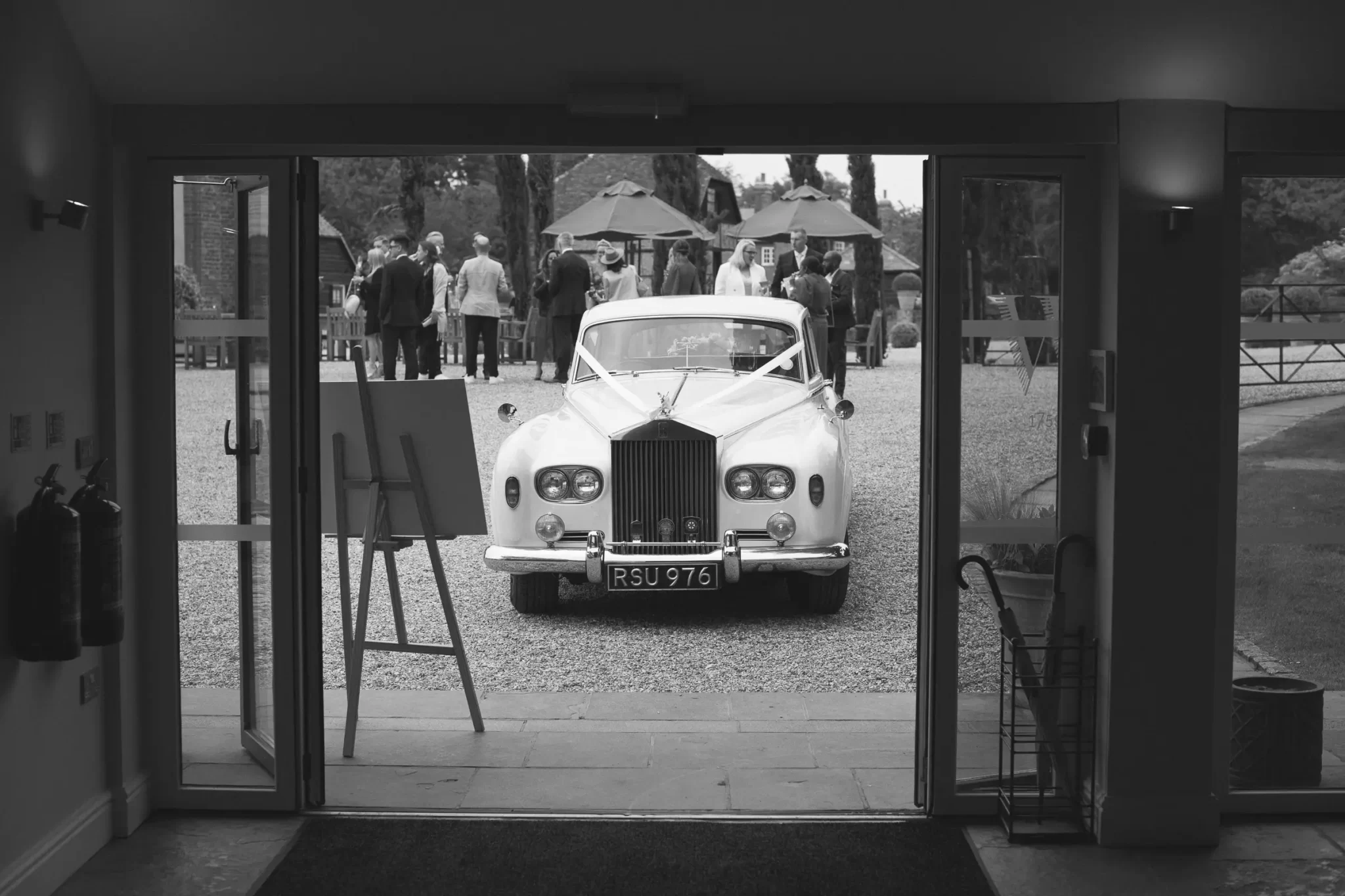
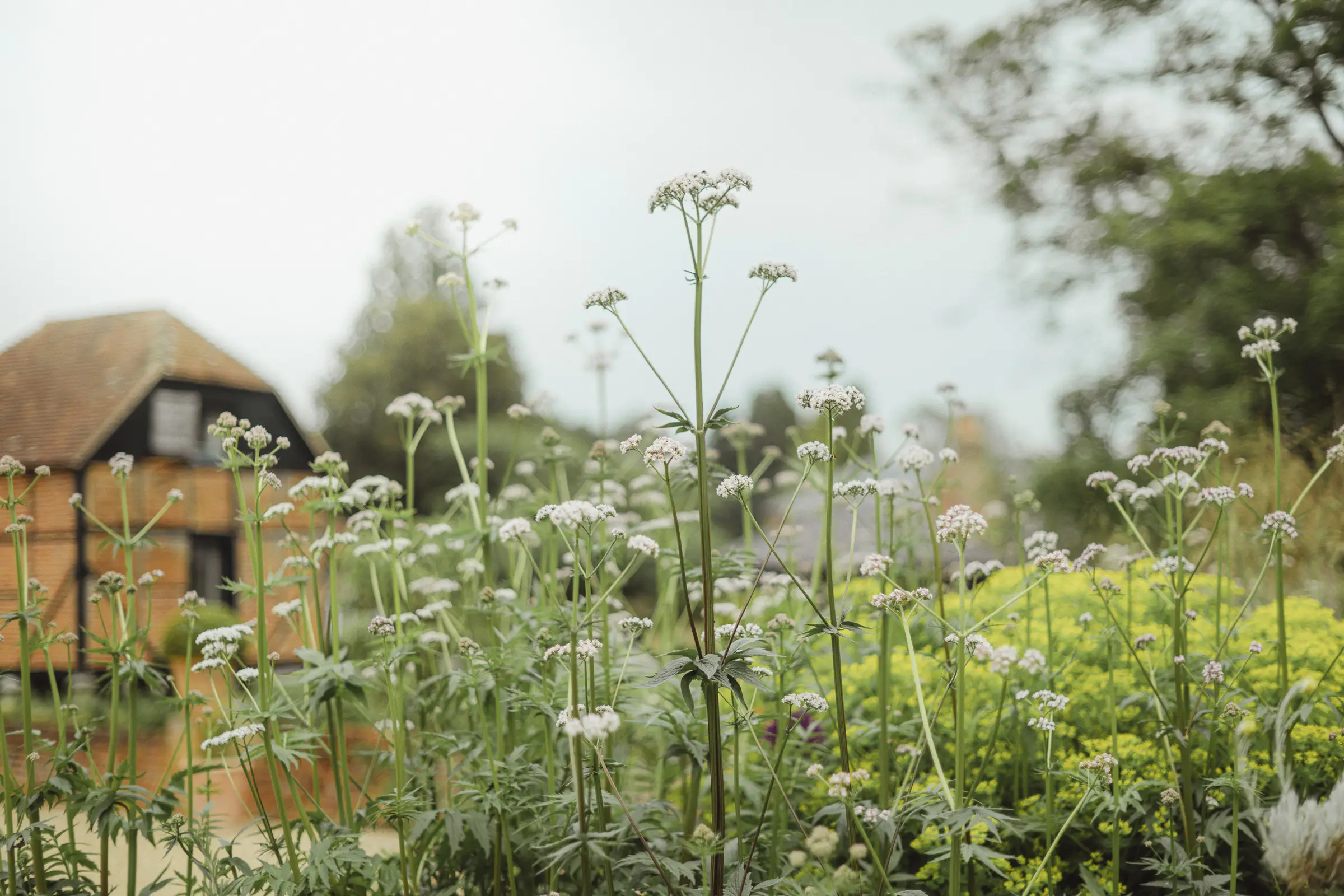
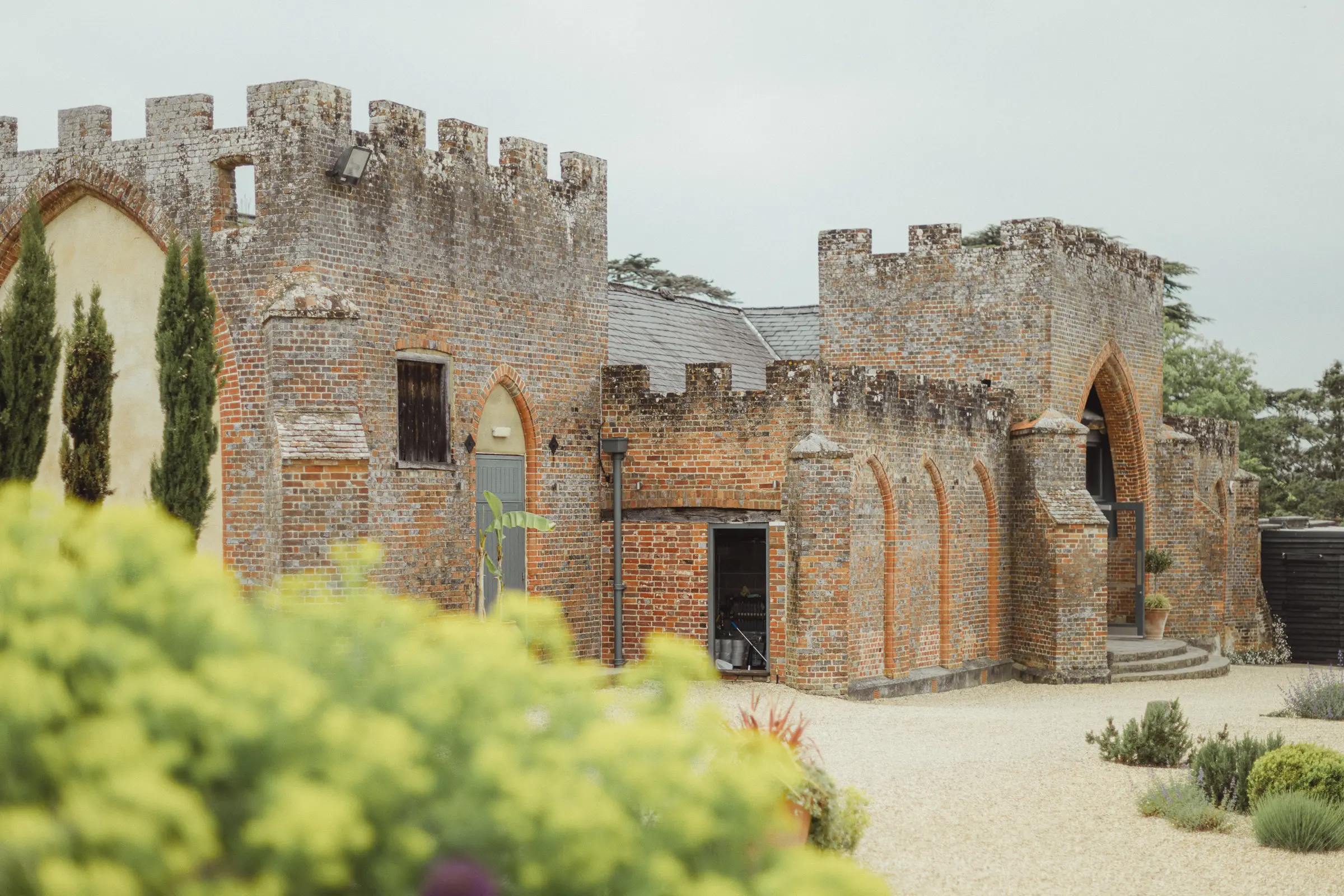
Wasing Park gave Natalia and Sevan a second visual chapter: open countryside, historic buildings, gardens and the reception spaces. The temptation at a large estate is to visit every backdrop, but the wedding had already involved travel. I kept the portrait work concise so the estate added variety without becoming another journey inside the day.
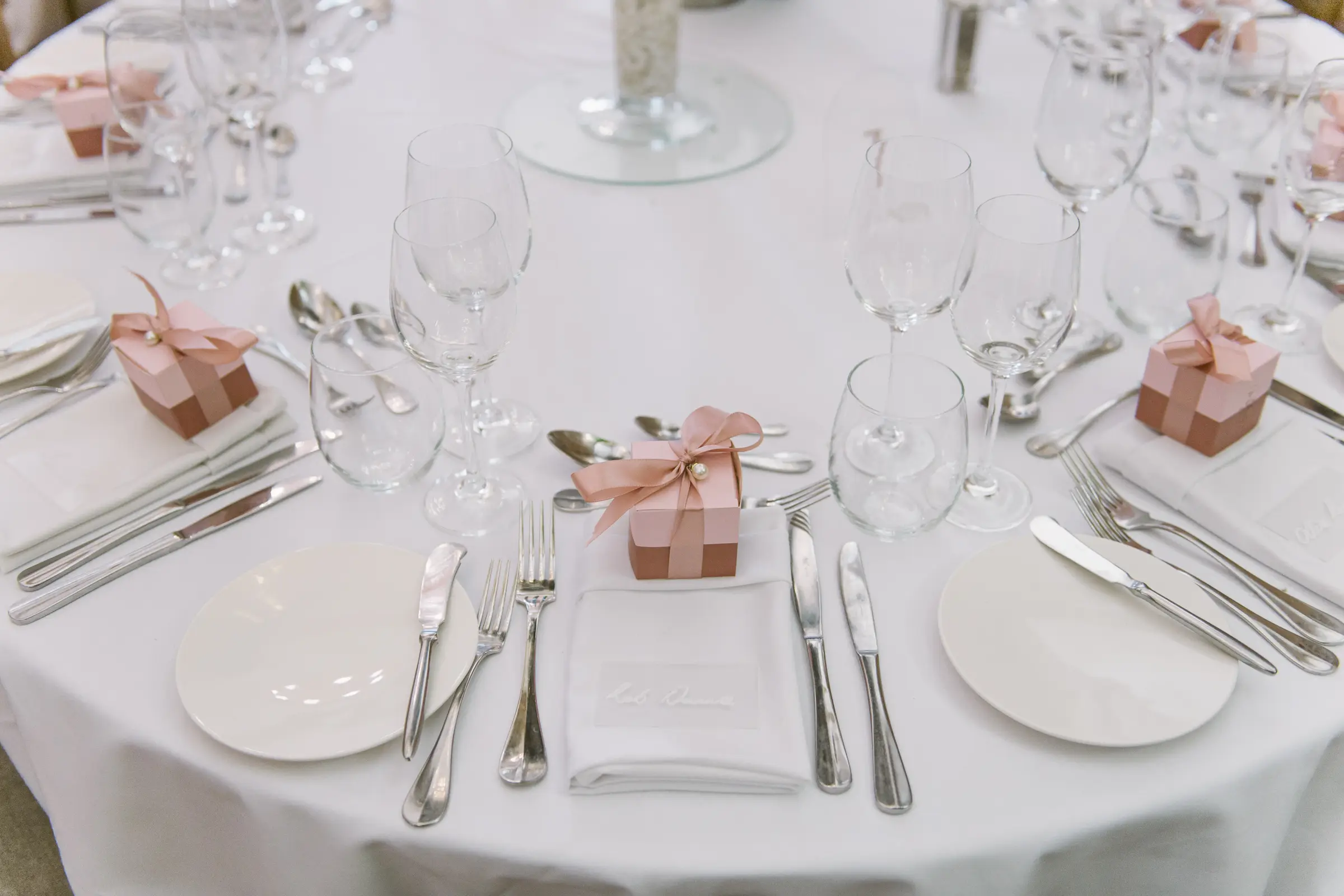
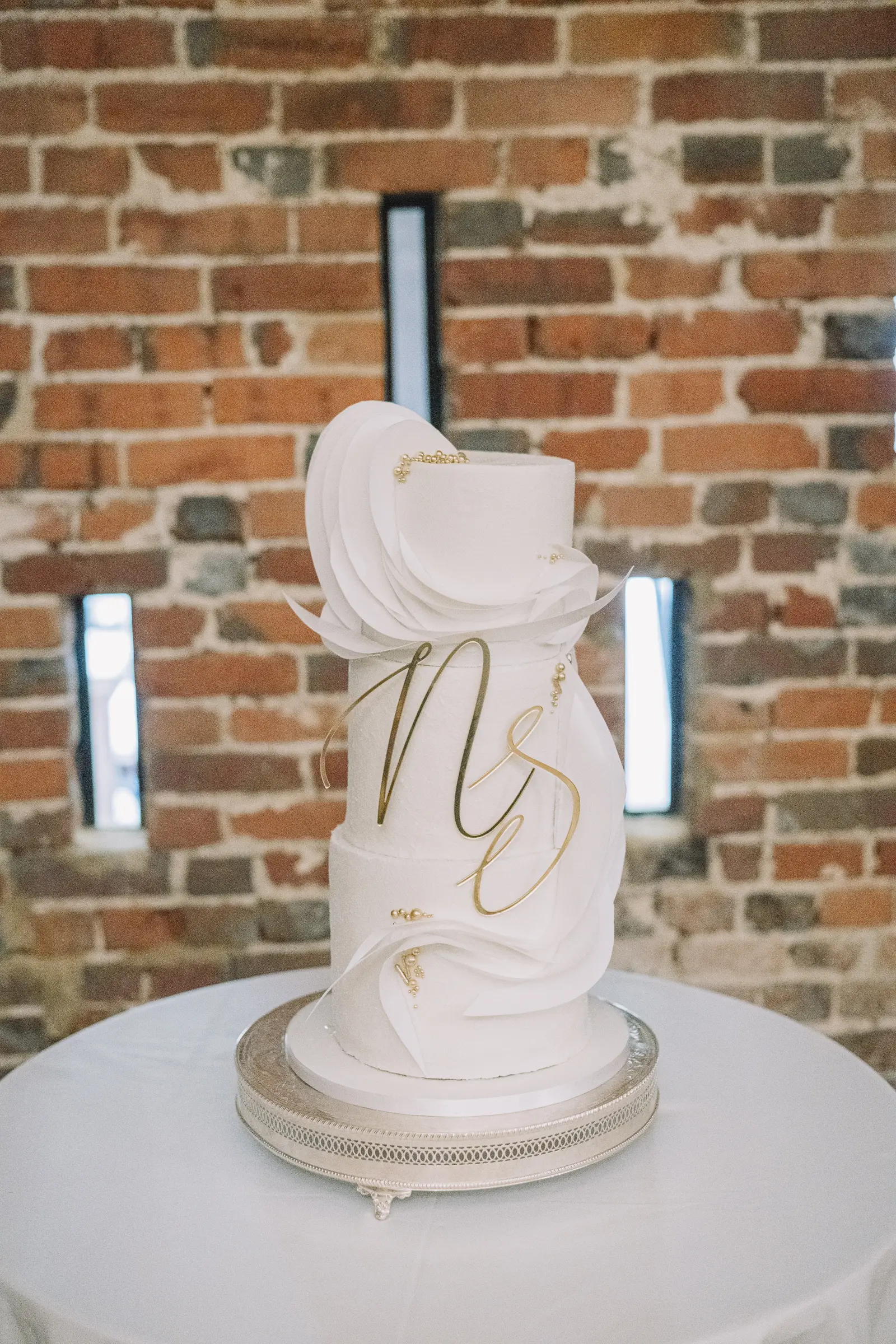
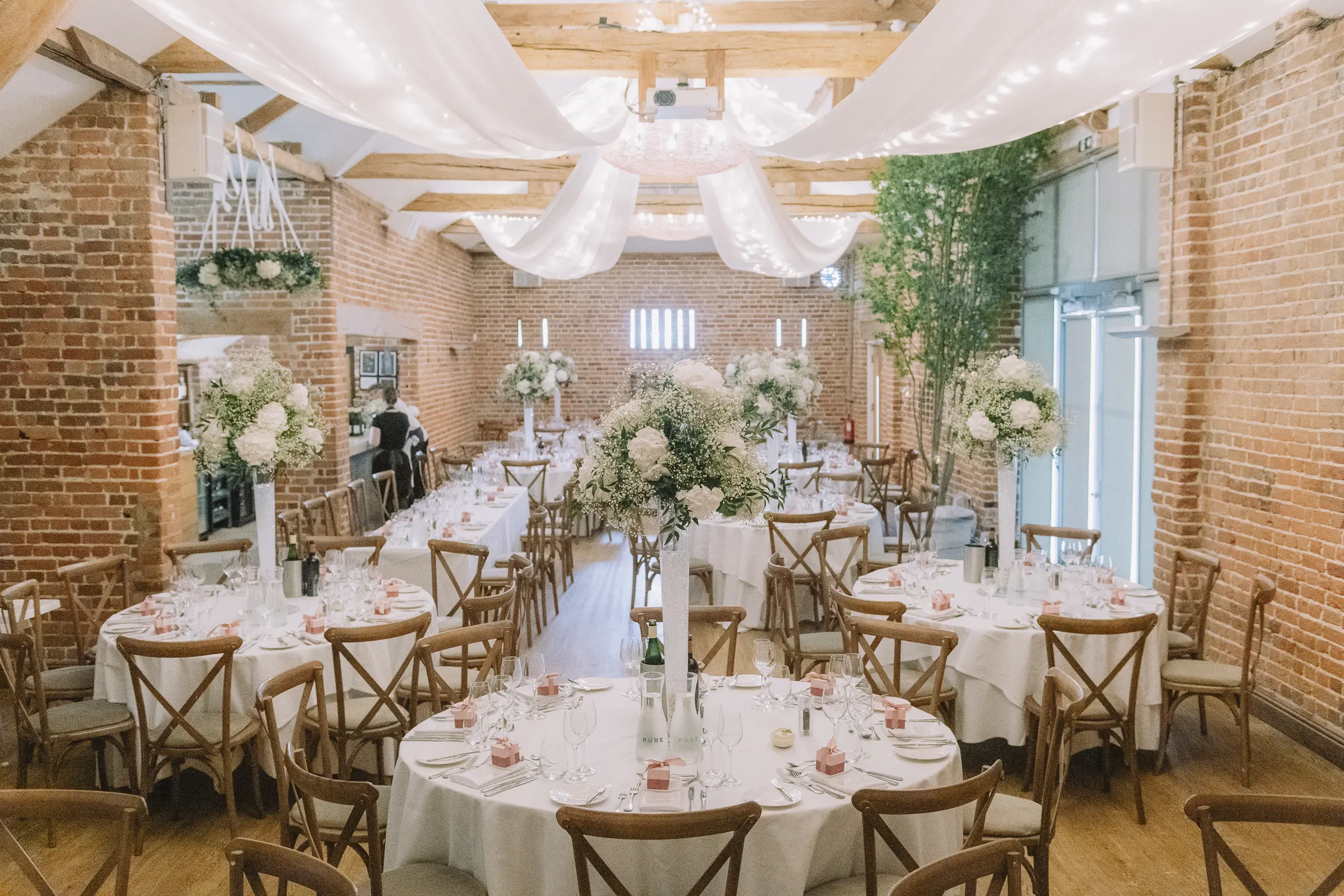
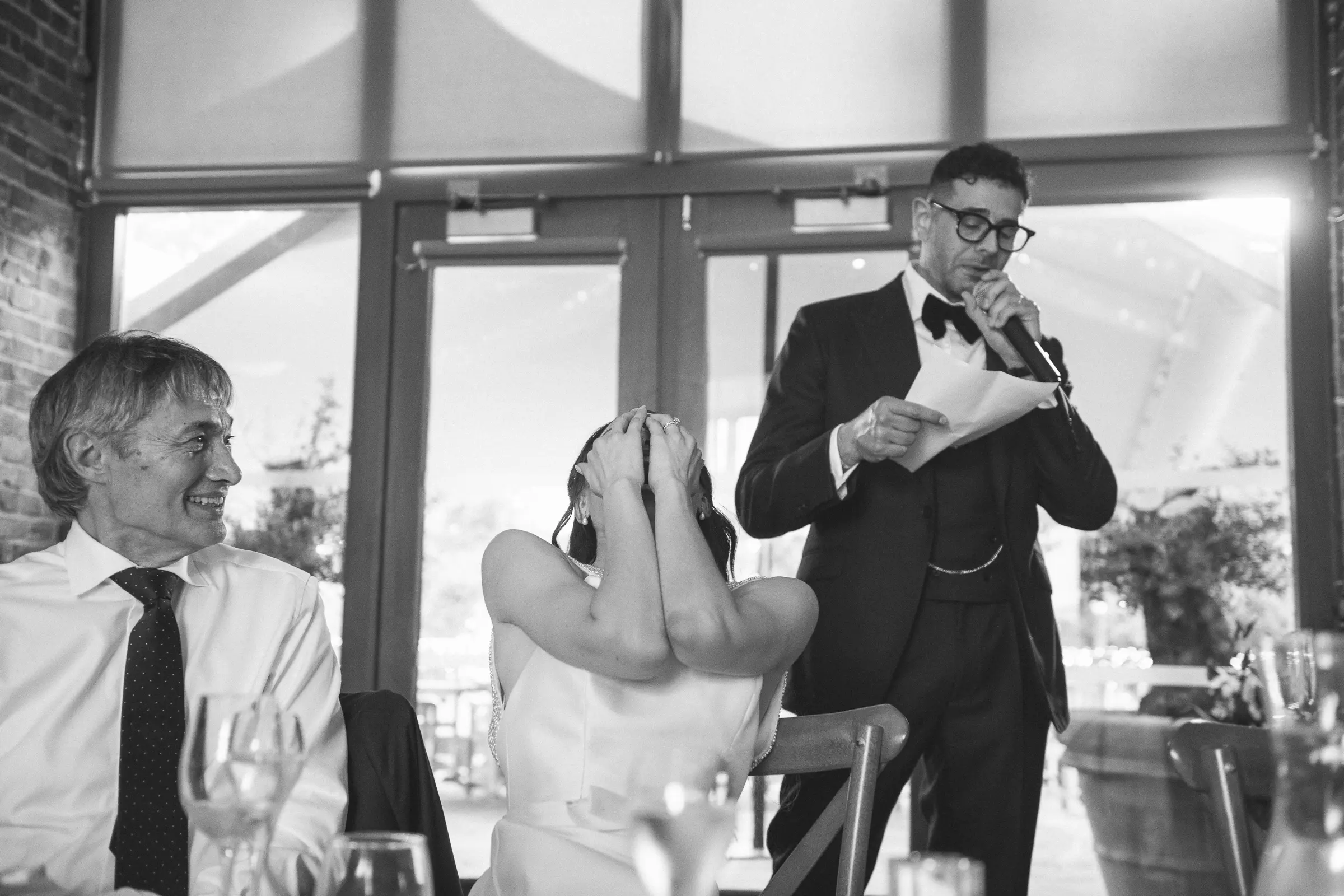
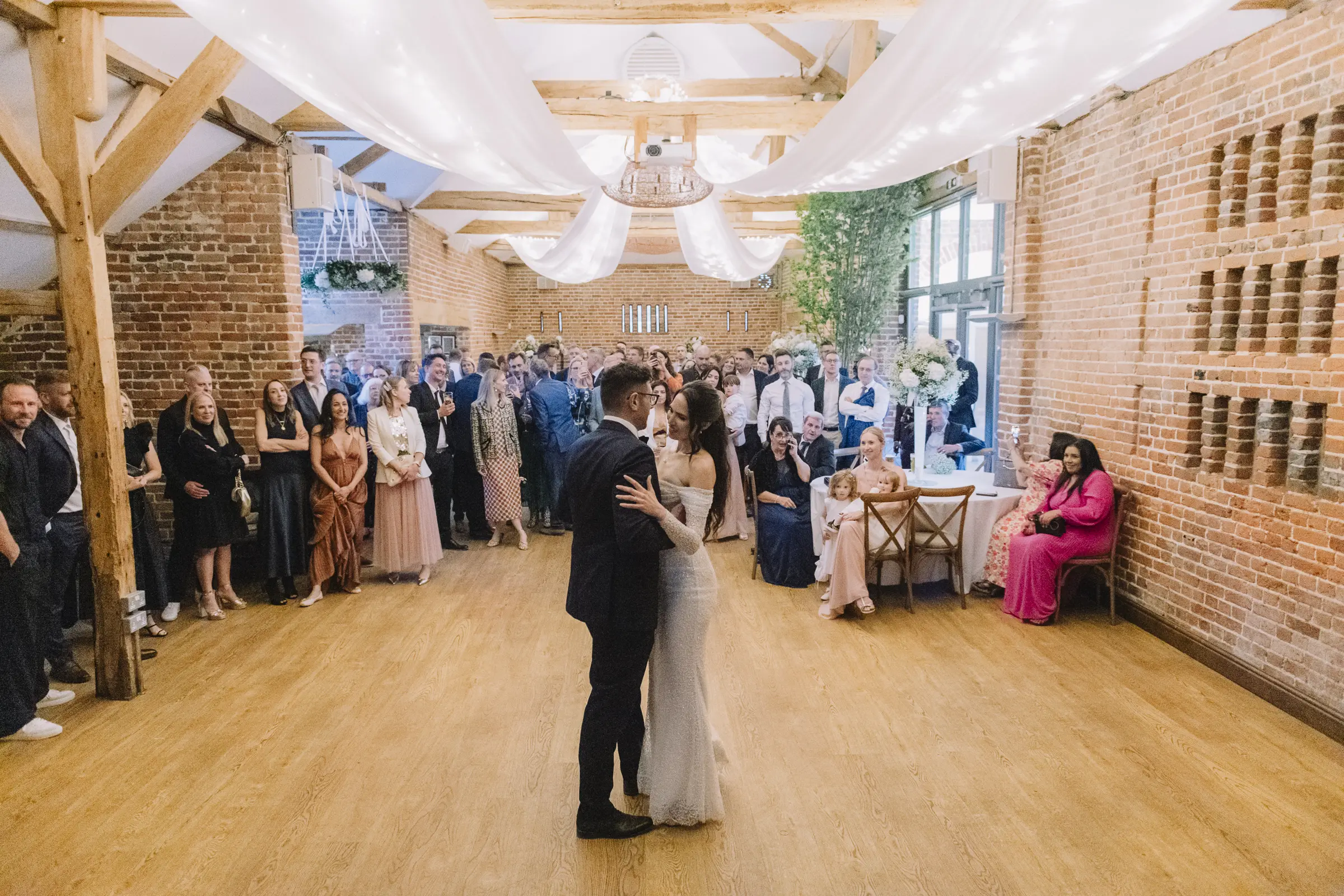
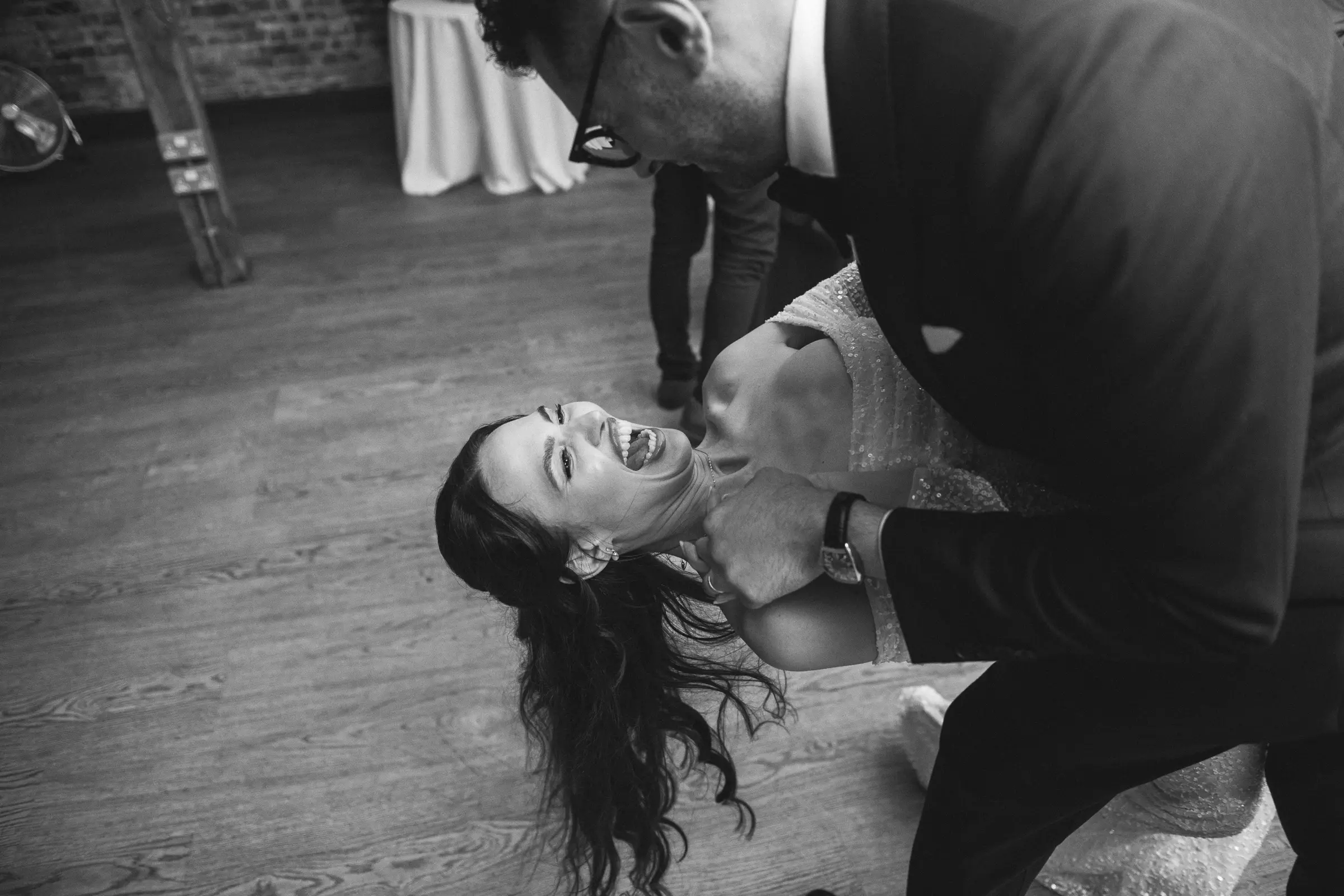
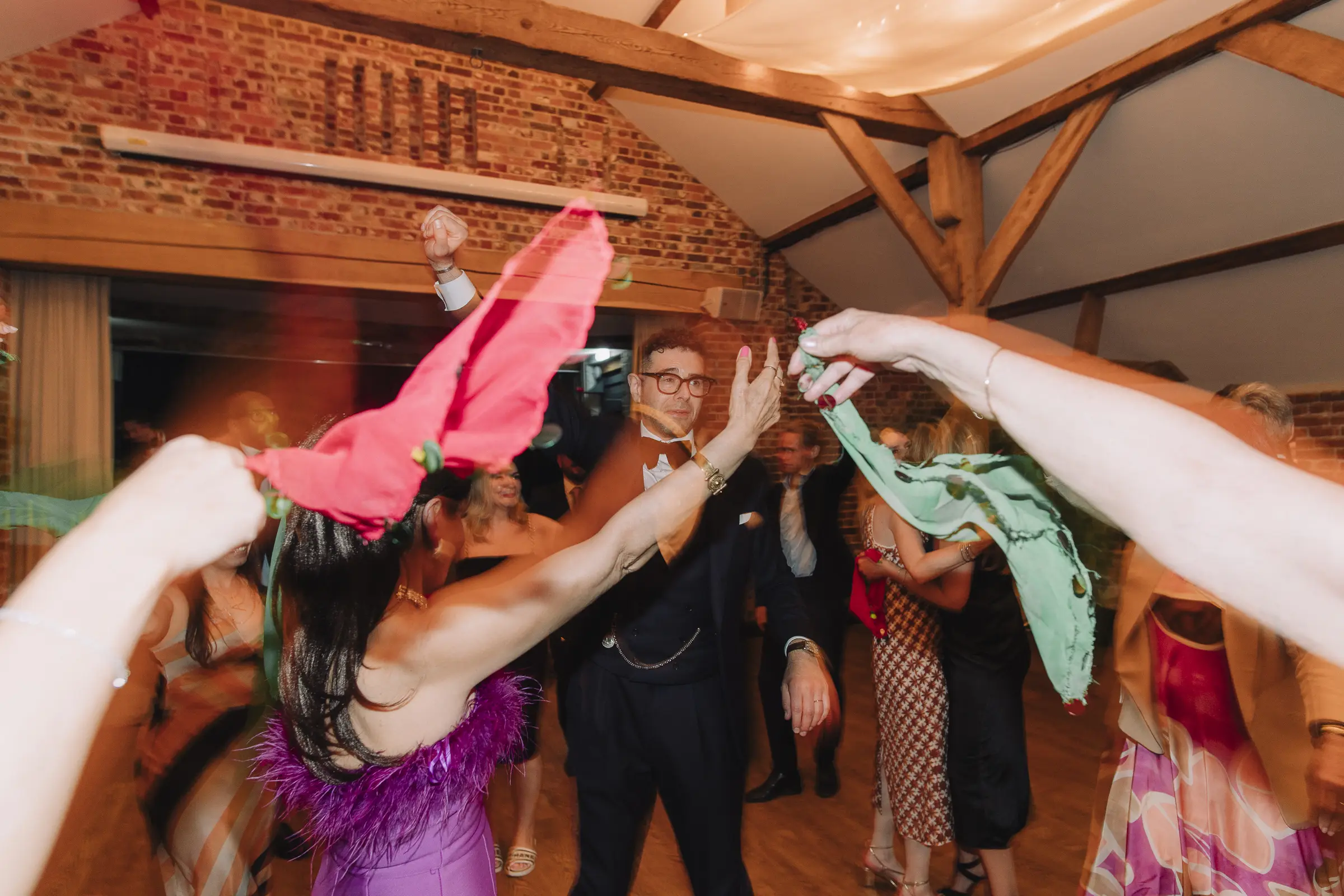
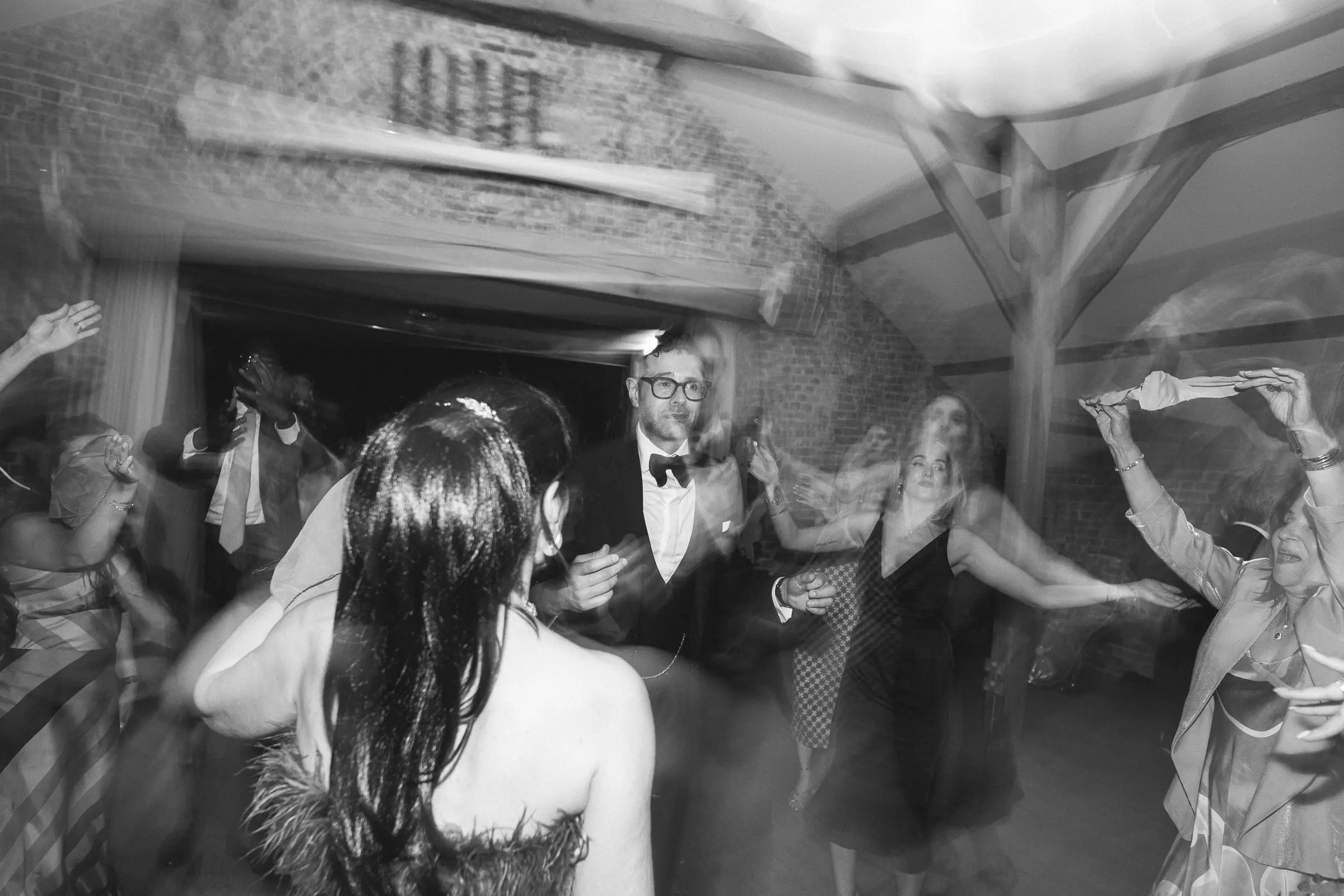
The reception photographs include the atmosphere around dinner as well as the design. Soft florals, lights, speeches and guests give context to the room. Those wider frames are important because they connect the portraits back to the celebration and show how the venue actually looked when it was full, rather than only when it was empty and perfectly arranged.

04
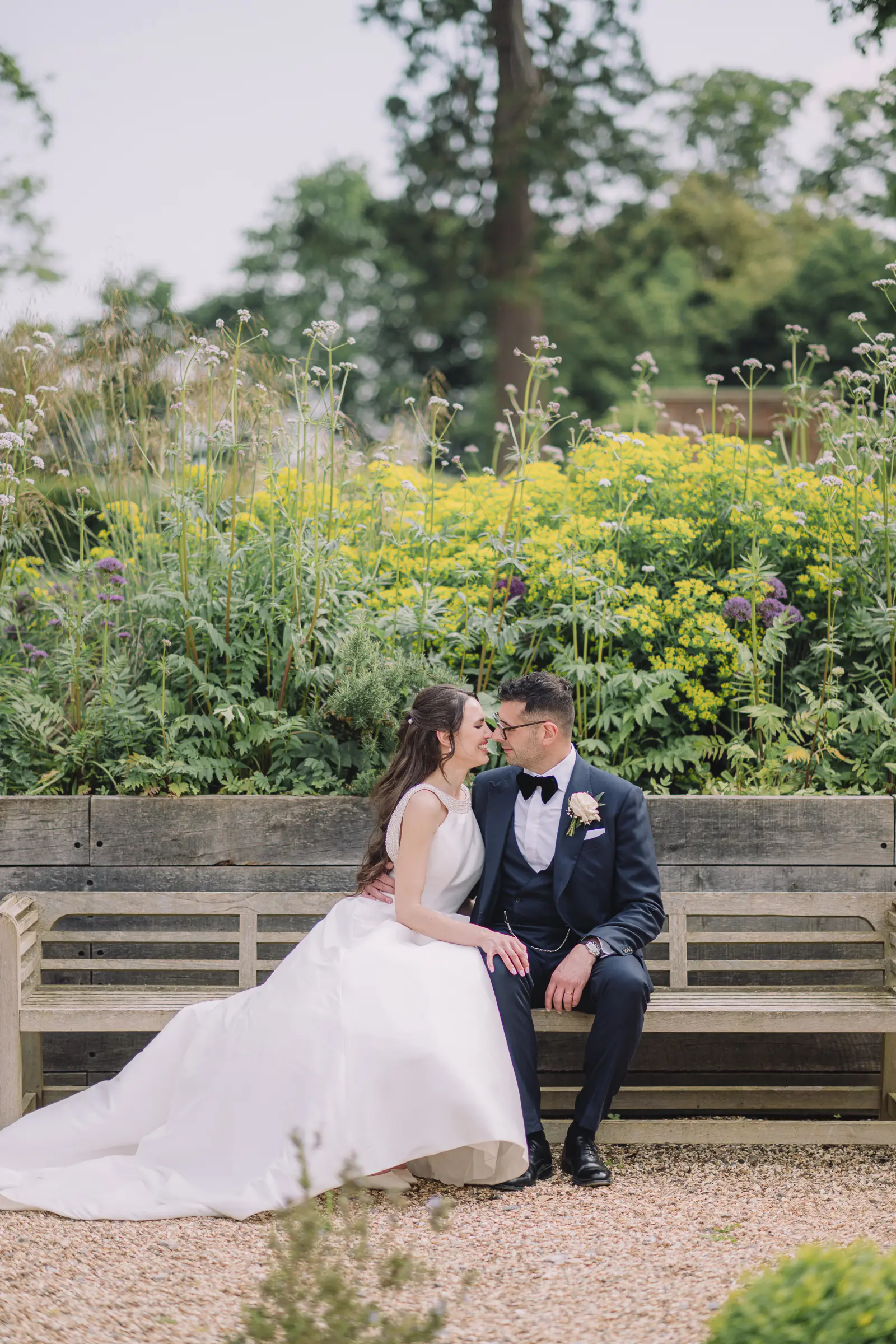
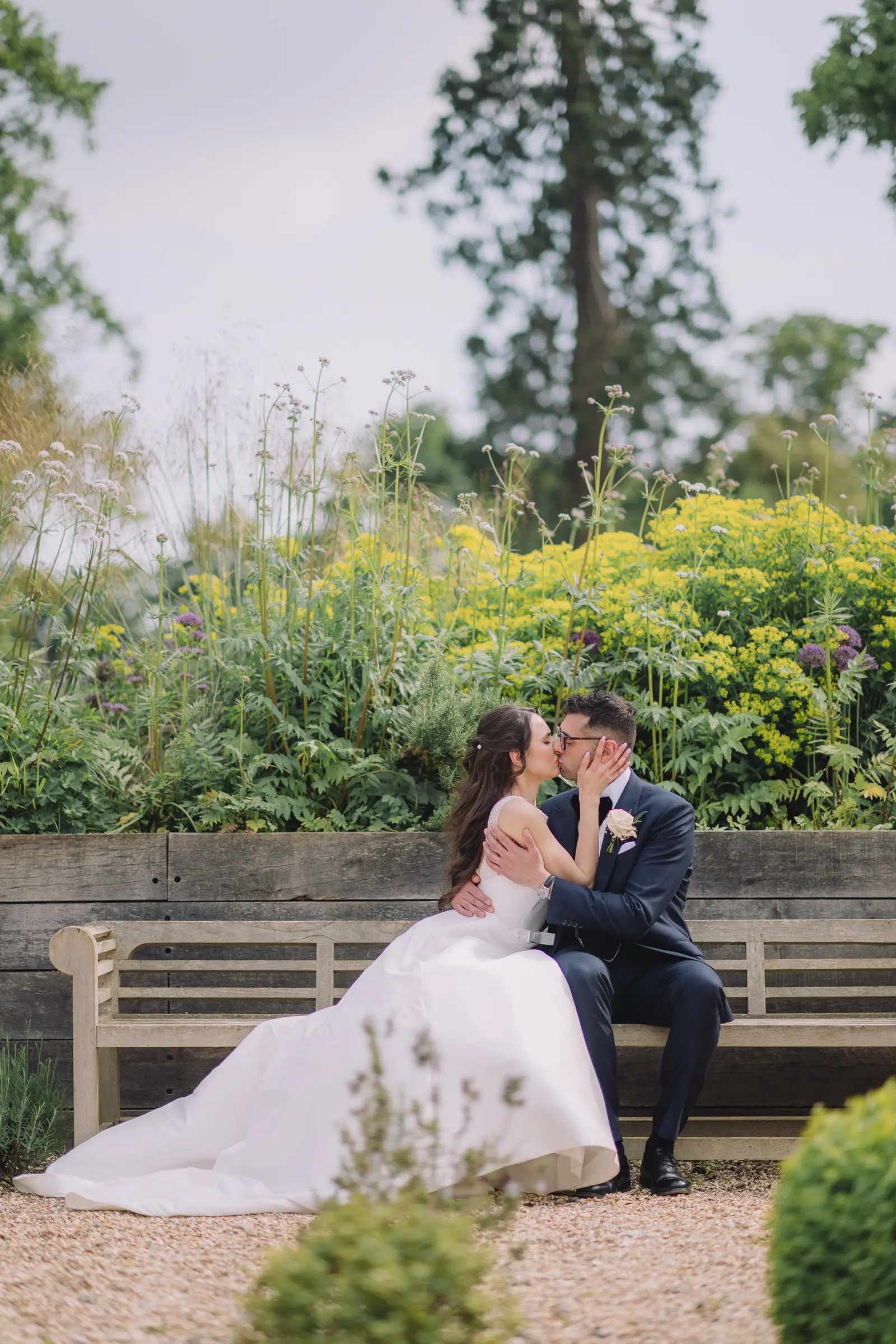
Portraits at Wasing Park without over-scheduling
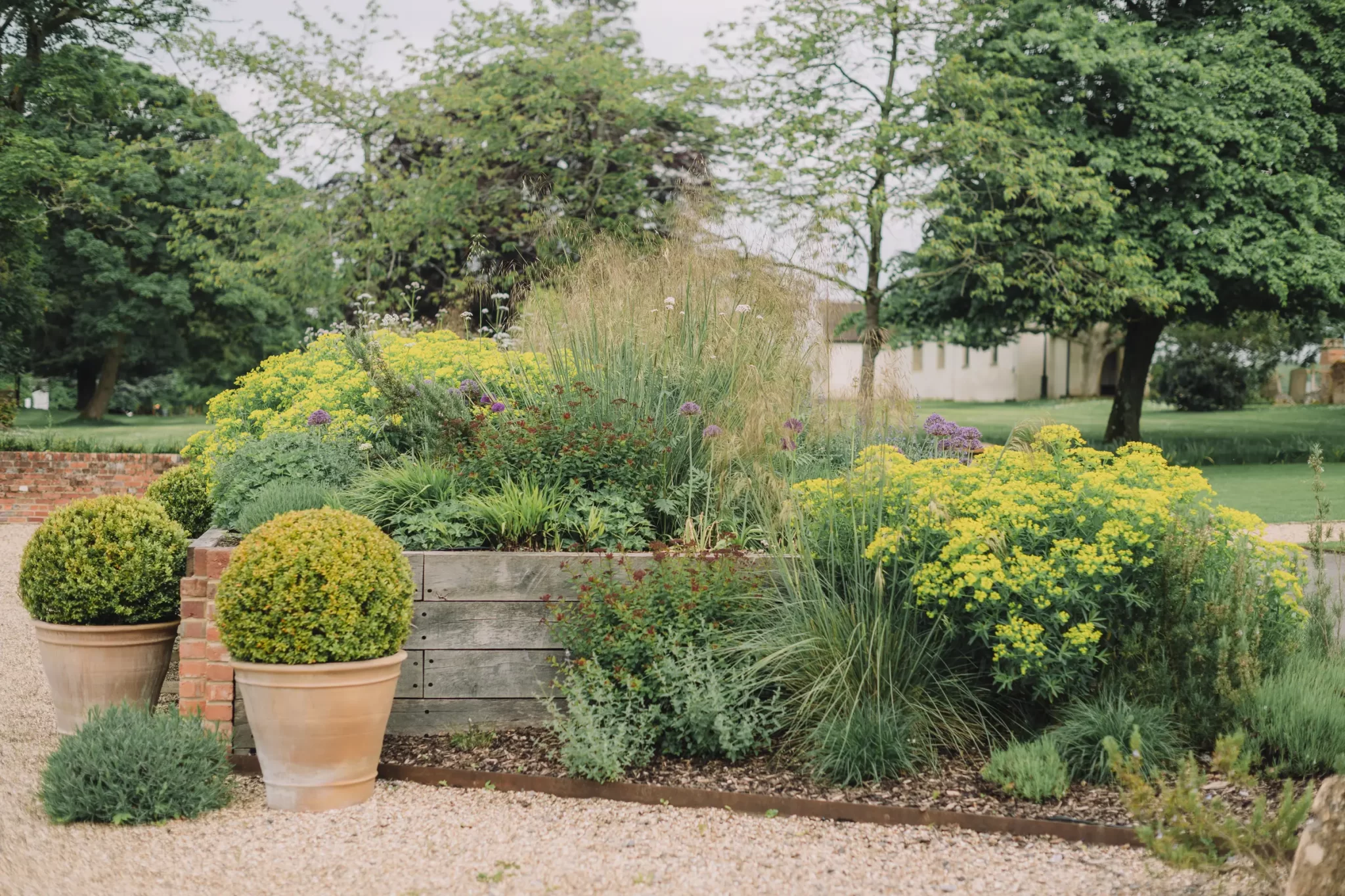
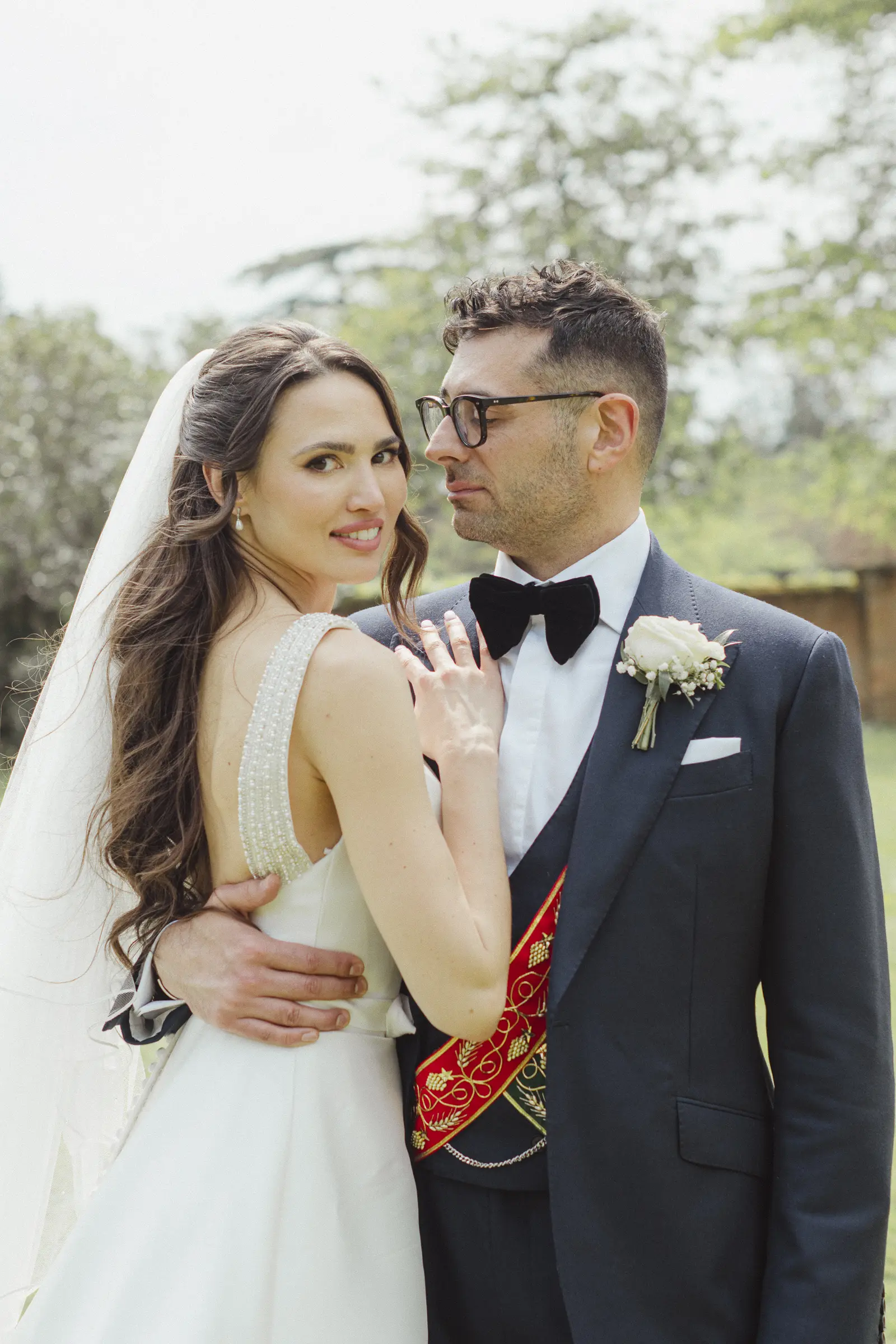
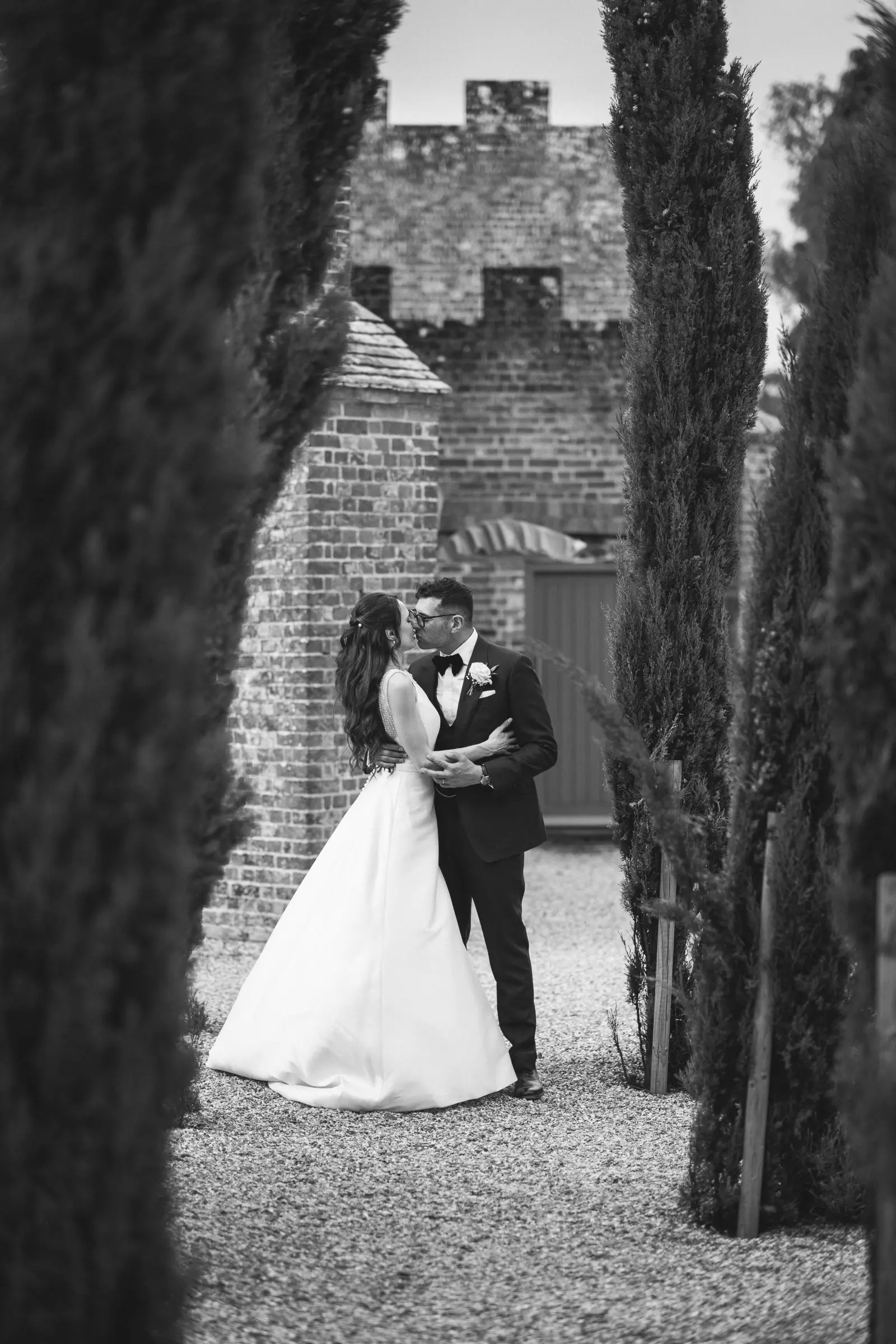
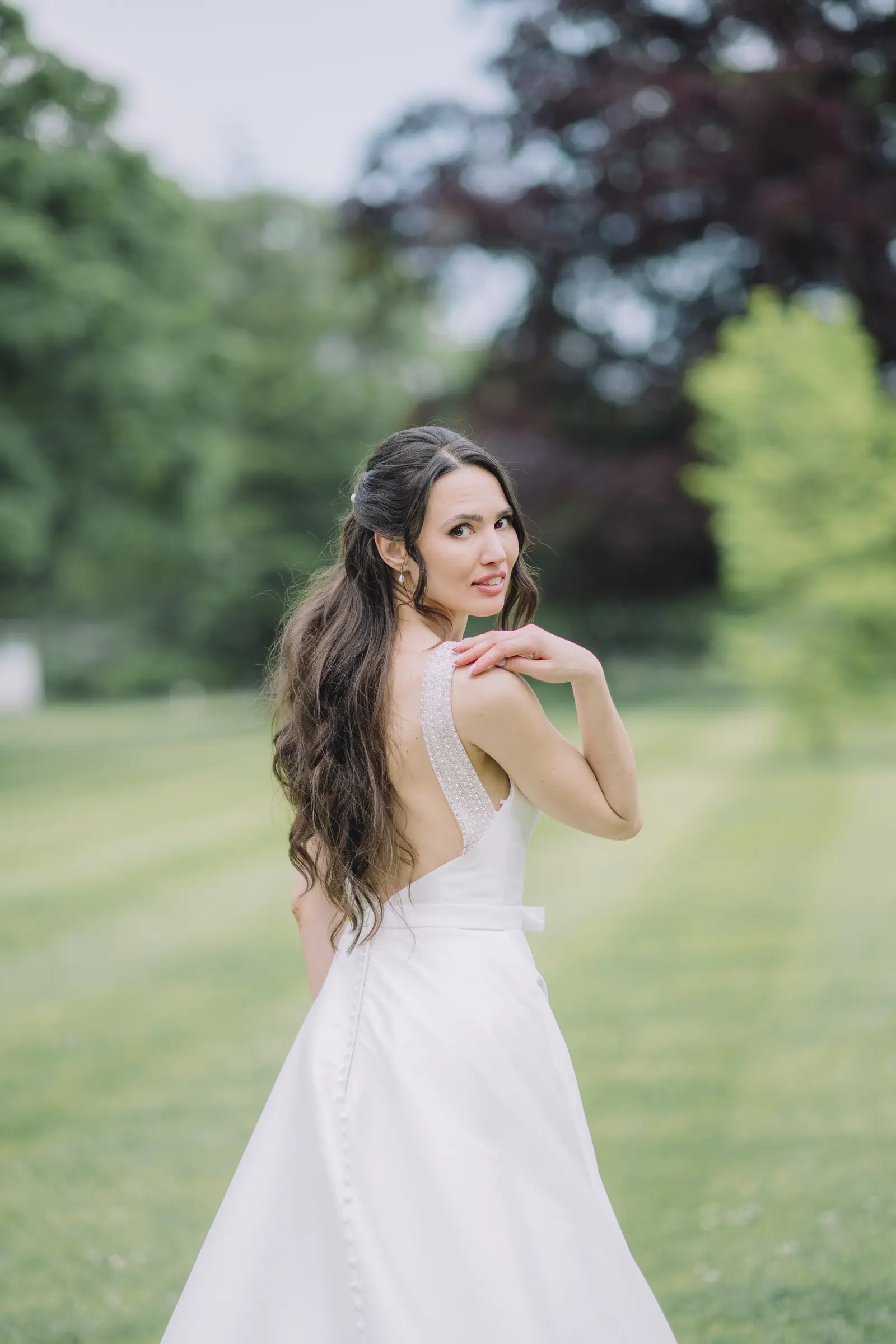
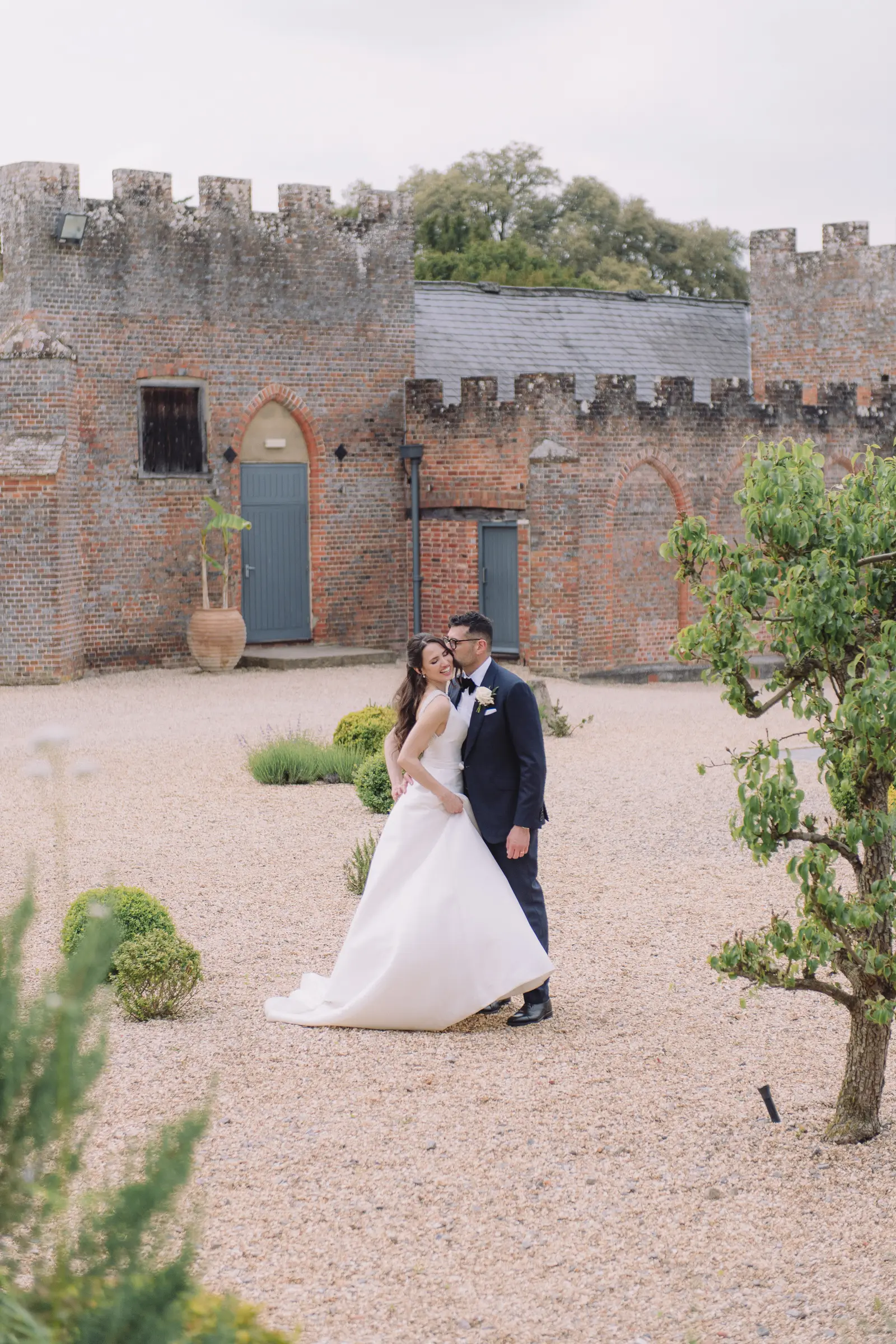
The gardens and the exterior architecture are useful because they offer several looks close together. I prefer to walk with the couple through one short route and photograph what works rather than stop repeatedly for a catalogue of poses. Natalia and Sevan could move, talk and settle into the session, which usually produces stronger expressions than asking for a new pose at every location.
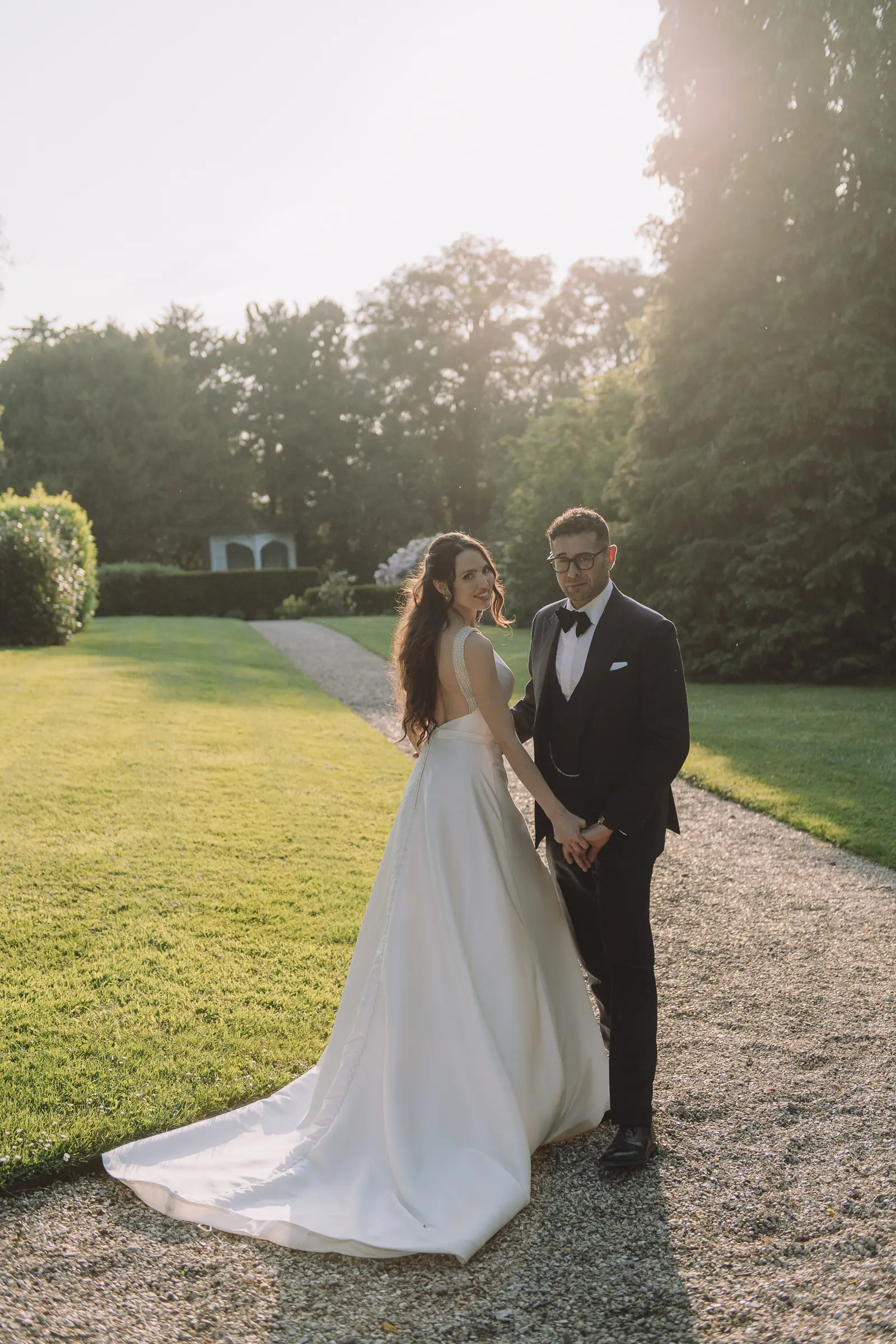
If evening light improves, a second five- or ten-minute portrait window is easy to add. That approach is particularly useful on a multi-location wedding because the couple has already spent part of the day travelling. The photography should give some of that time back, not create another long absence from the reception.
05
How I would plan another Wasing Park wedding
The first planning question is whether the ceremony is on the estate or elsewhere. If it is off-site, realistic driving time and parking need to be in the schedule before portraits or family groups are added. I would also confirm whether preparations happen at Kitts Cottage, another estate property or somewhere further away, because that changes when photography should begin.
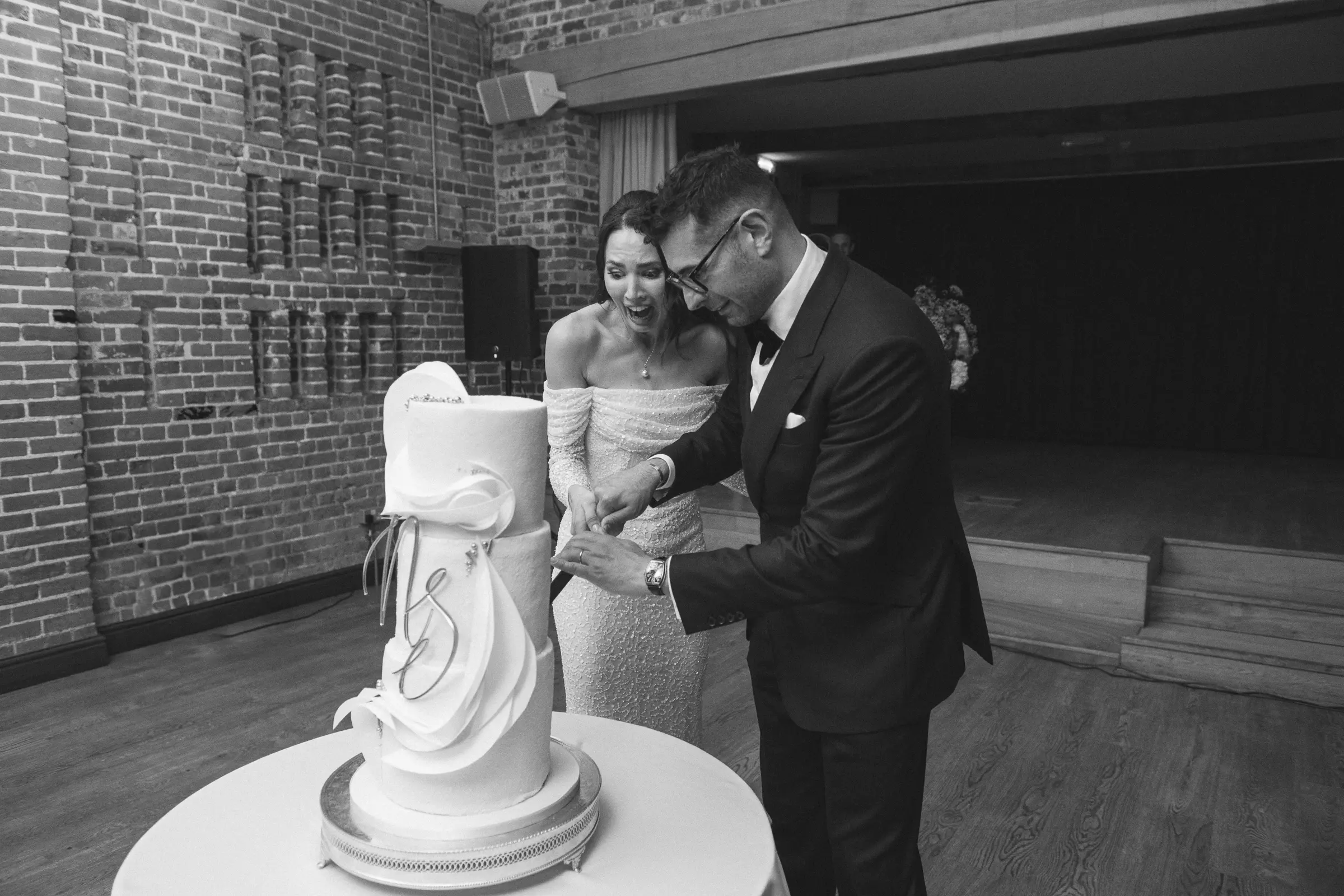
Natalia and Sevan’s gallery follows the movement of the day: ceremony, greetings and family groups, a portrait sequence, dinner and evening coverage. For a wedding with a similar route, allow time for each transition as well as the main events.