
Pastels, soft tailoring and blossom-friendly tones
Spring
Use layers that remain elegant if the morning is cold.
Outfits, colour, movement and changing weather
Clothes act like a second location. They introduce colour, texture and movement, and they should work with the route rather than require constant adjustment.
For most London sessions, two clearly different looks are enough: one polished and formal, one lighter and more relaxed. More changes usually reduce the time available for photographs.

The useful principle
Choose clothes you can move in, a palette that belongs to the locations and enough contrast between outfits to make each section of the session feel distinct.
Compare the options
Pastels, soft tailoring and blossom-friendly tones
Light fabric, stronger colour and longer evenings
Texture, warm neutrals, burgundy and navy
Clean silhouettes, eveningwear and intentional outerwear
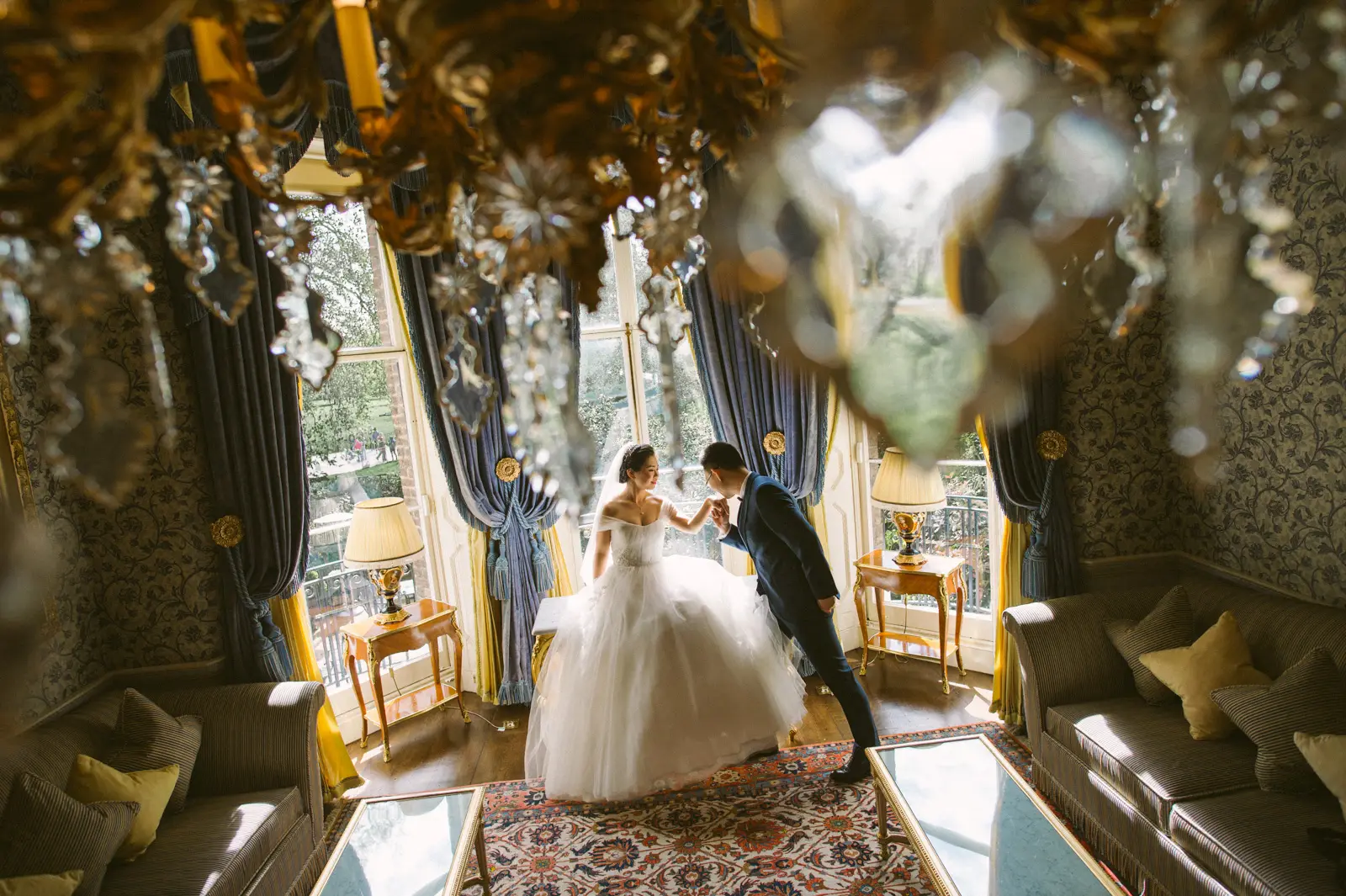
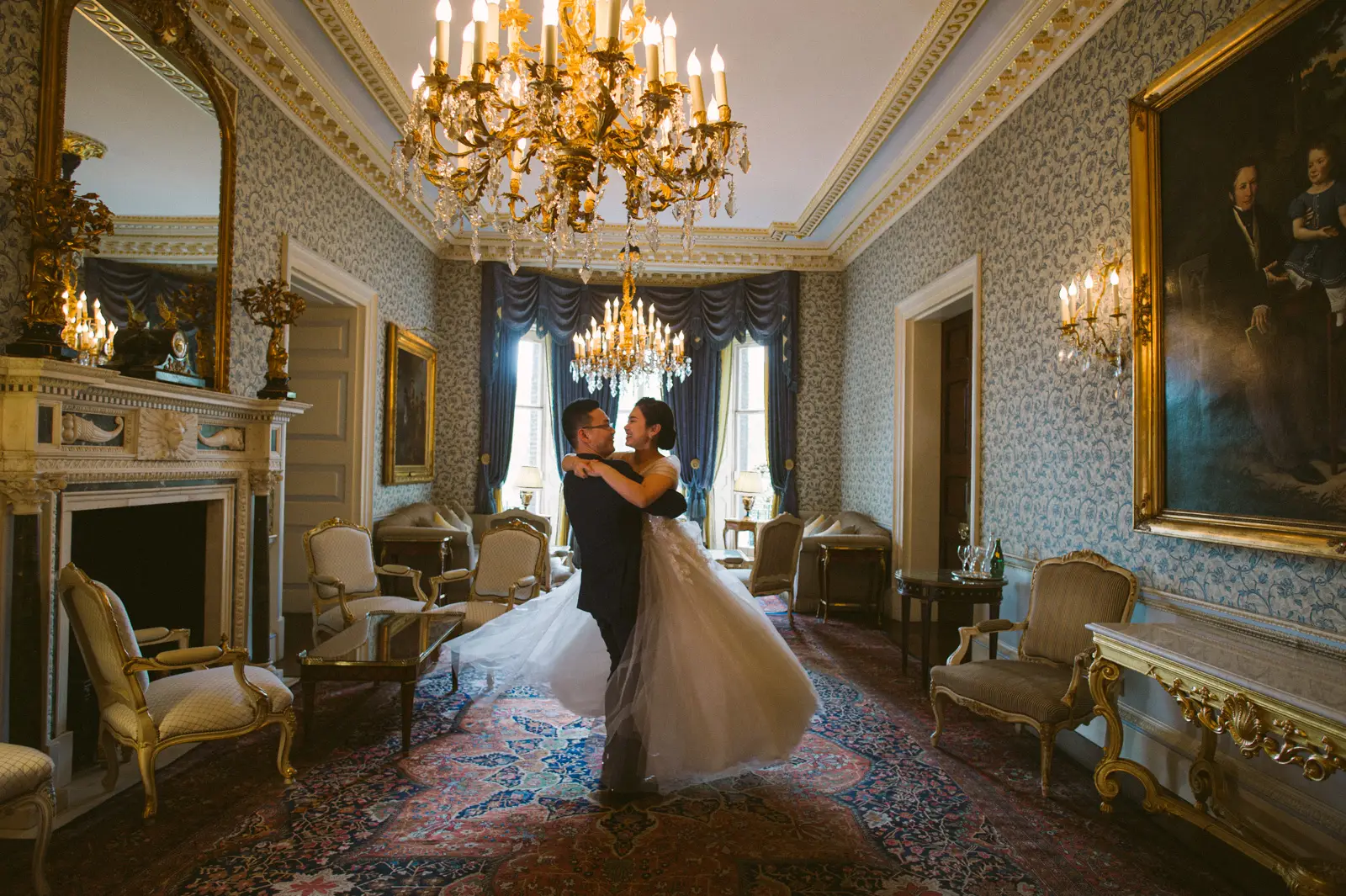
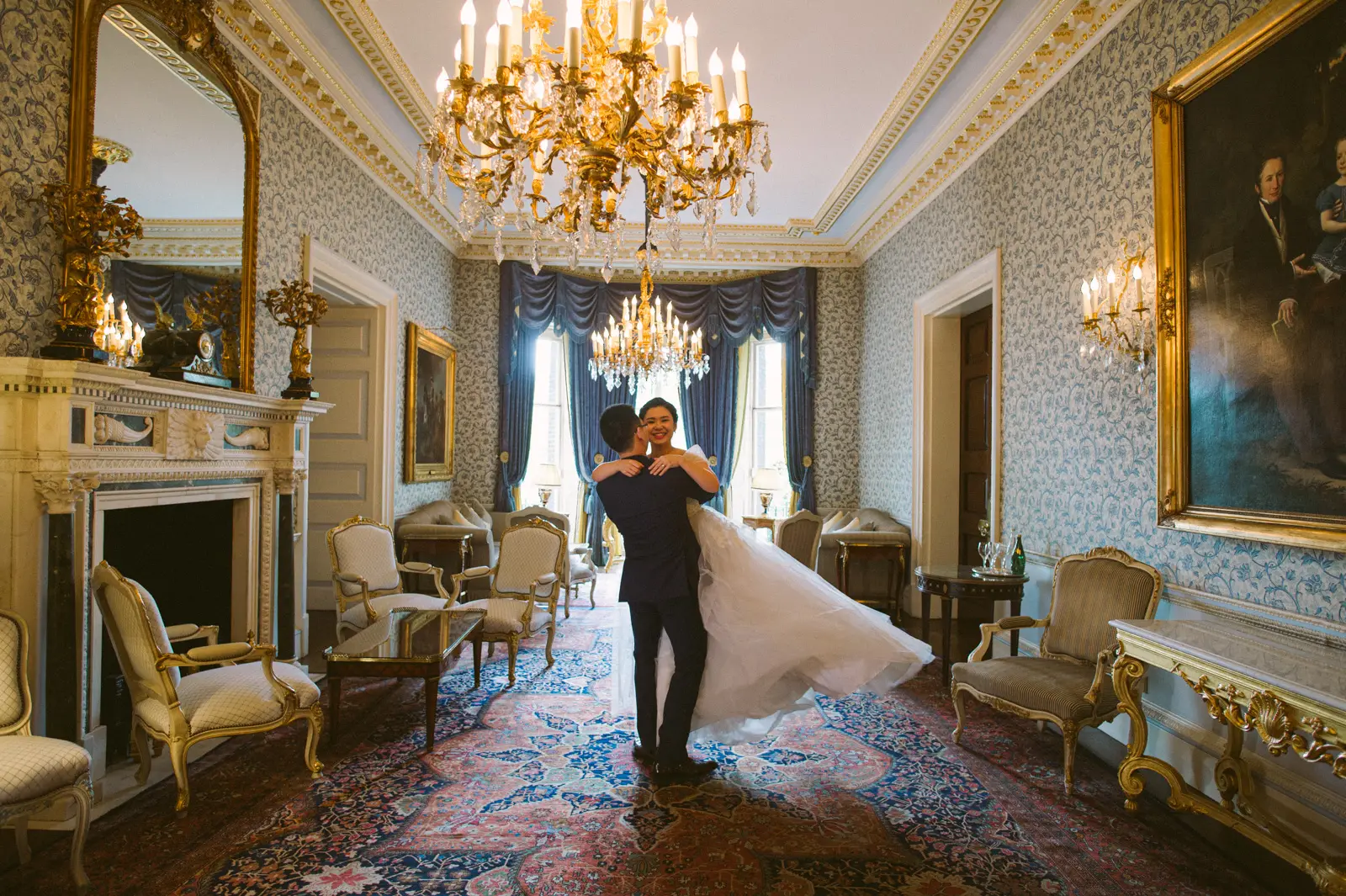
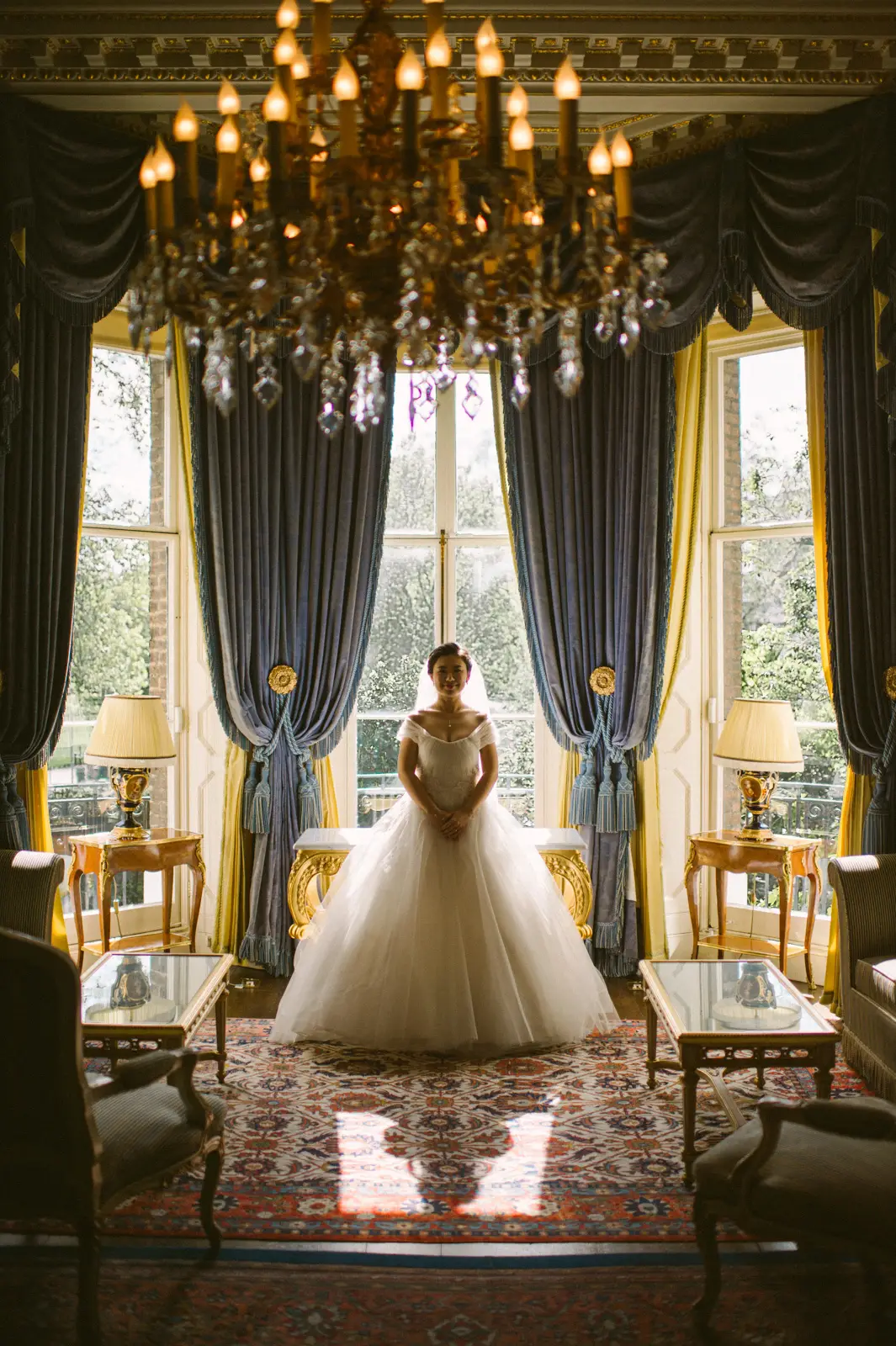
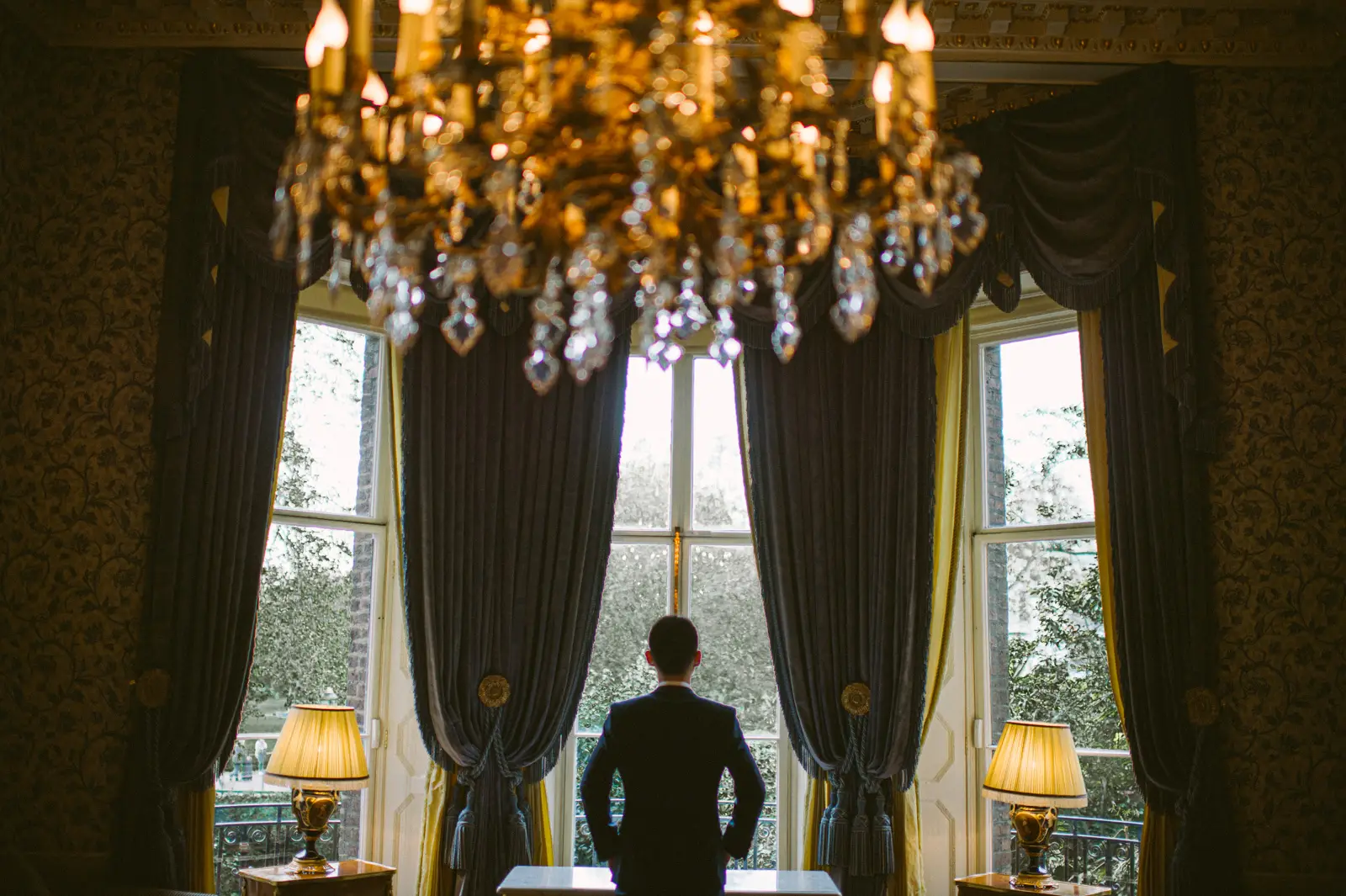
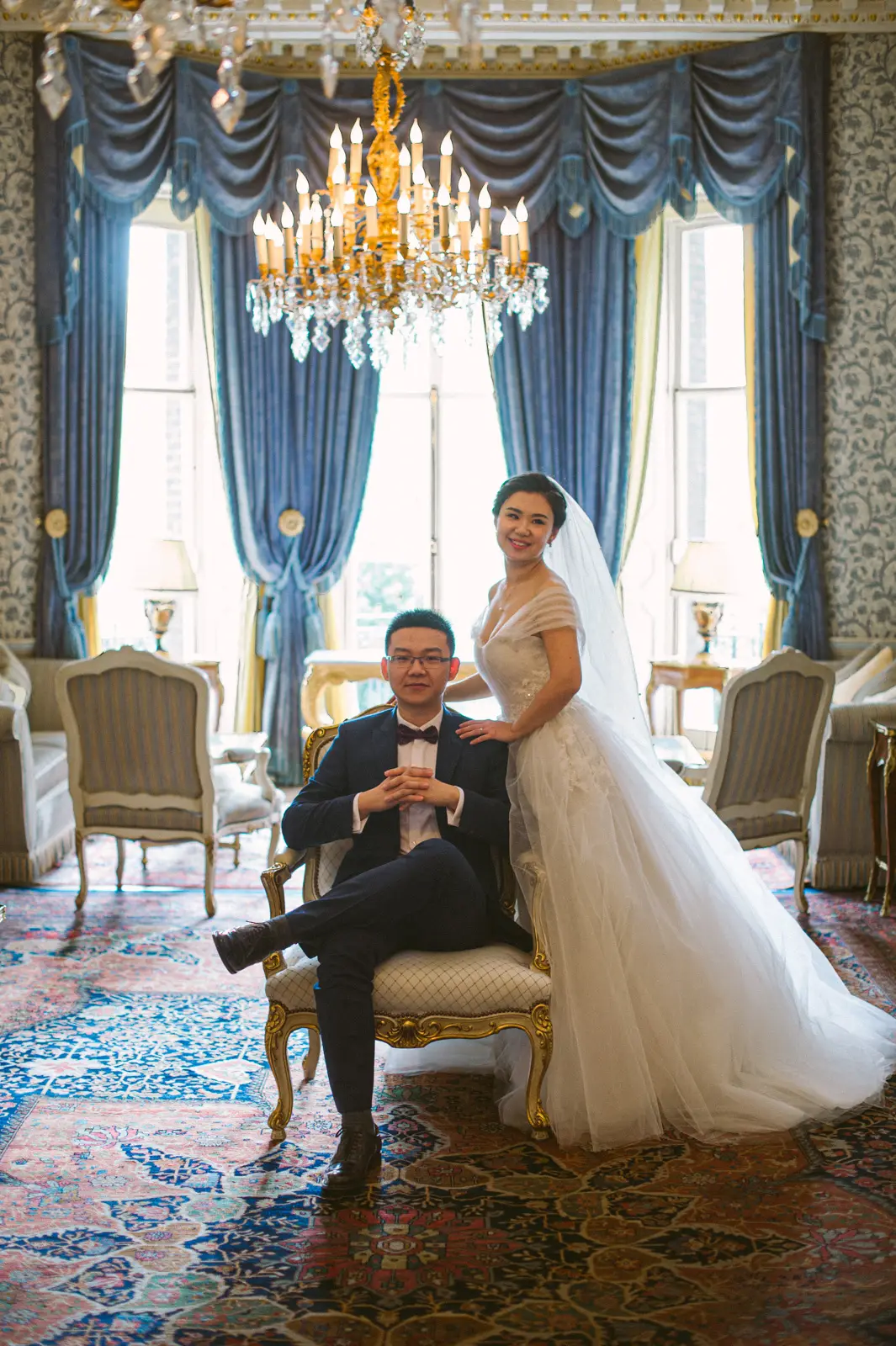
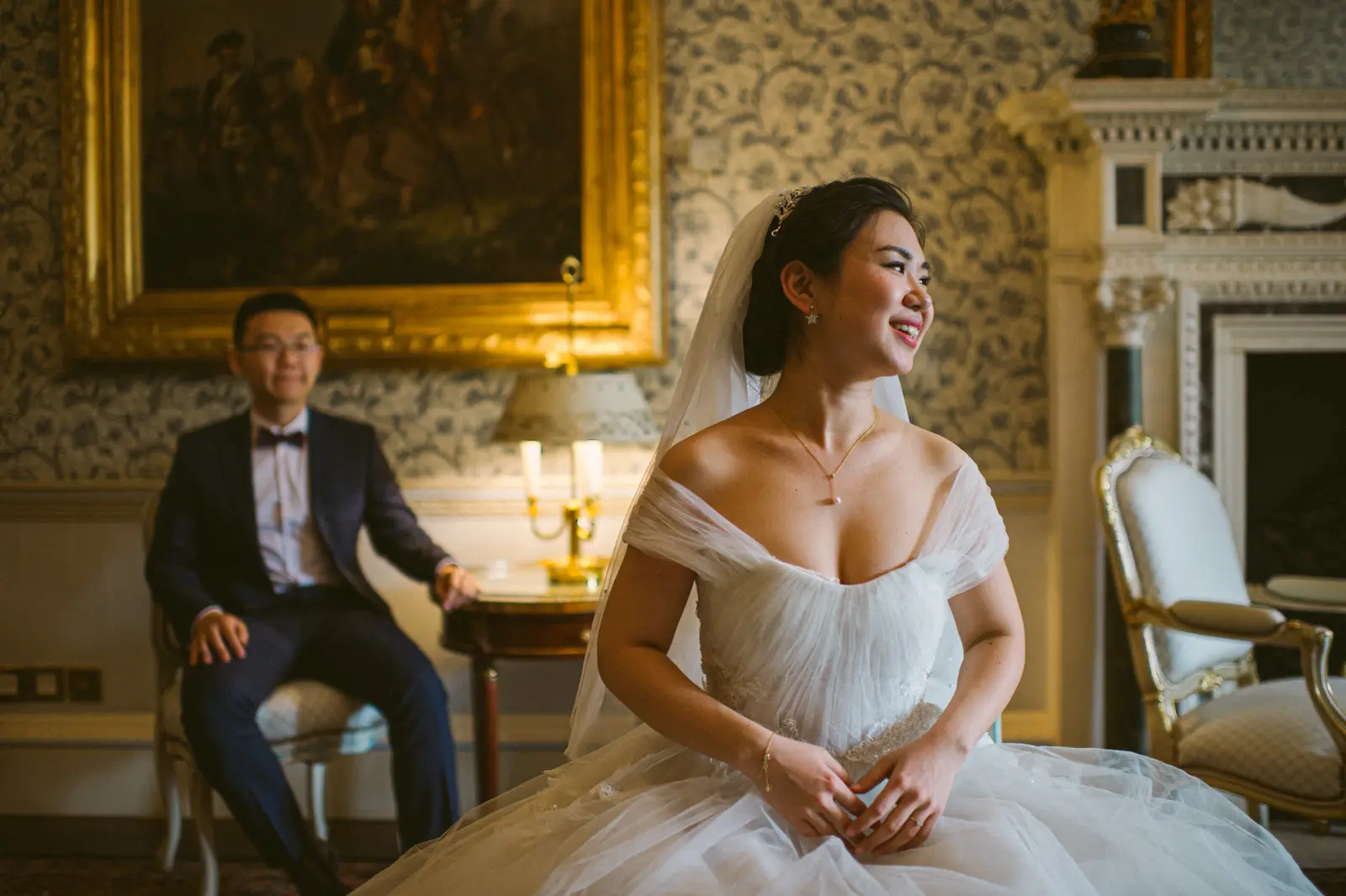
Gown or tailored dress with a dark suit or tuxedo
Midi dress, soft tailoring or refined separates
A reliable starting point
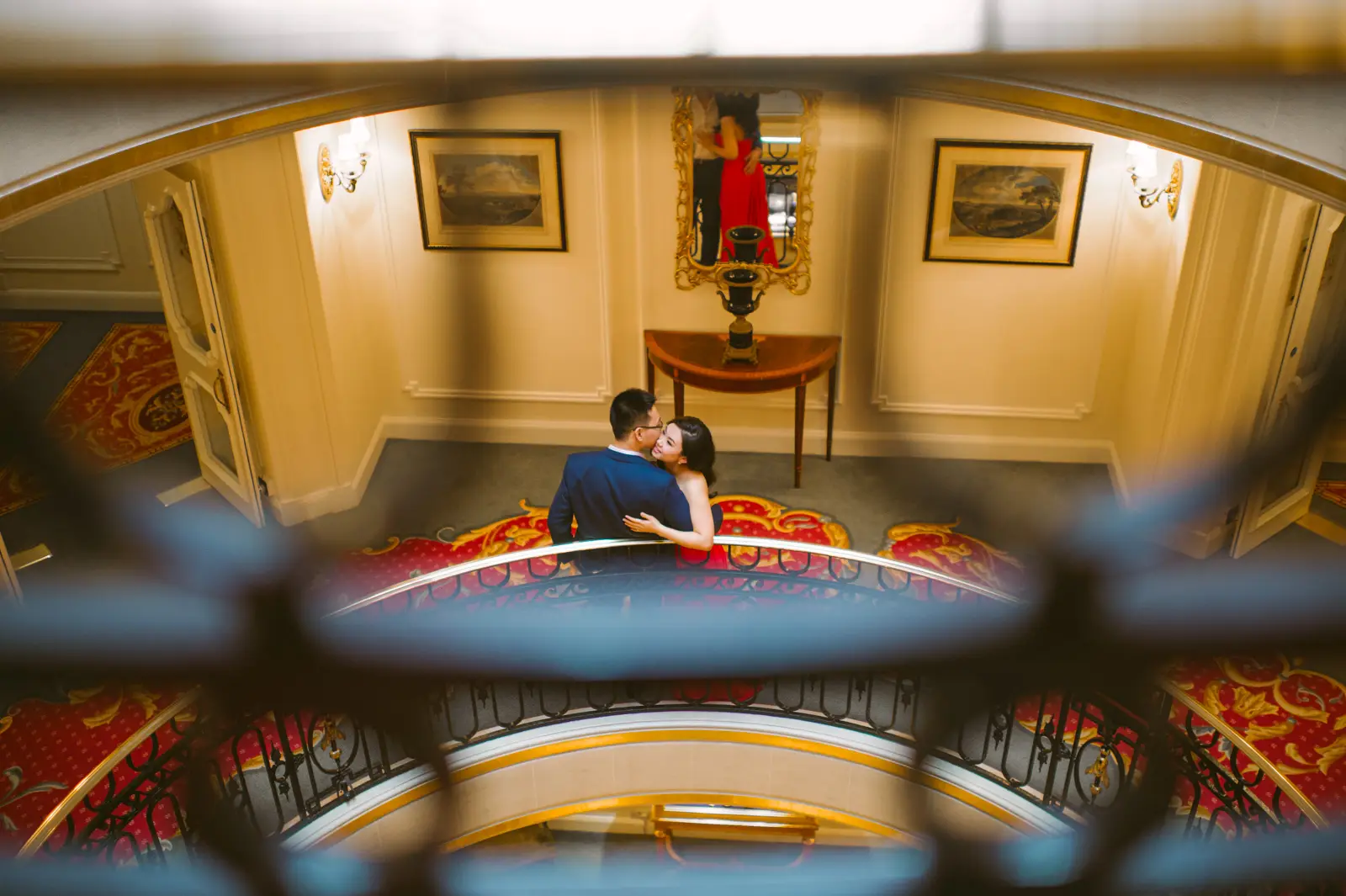
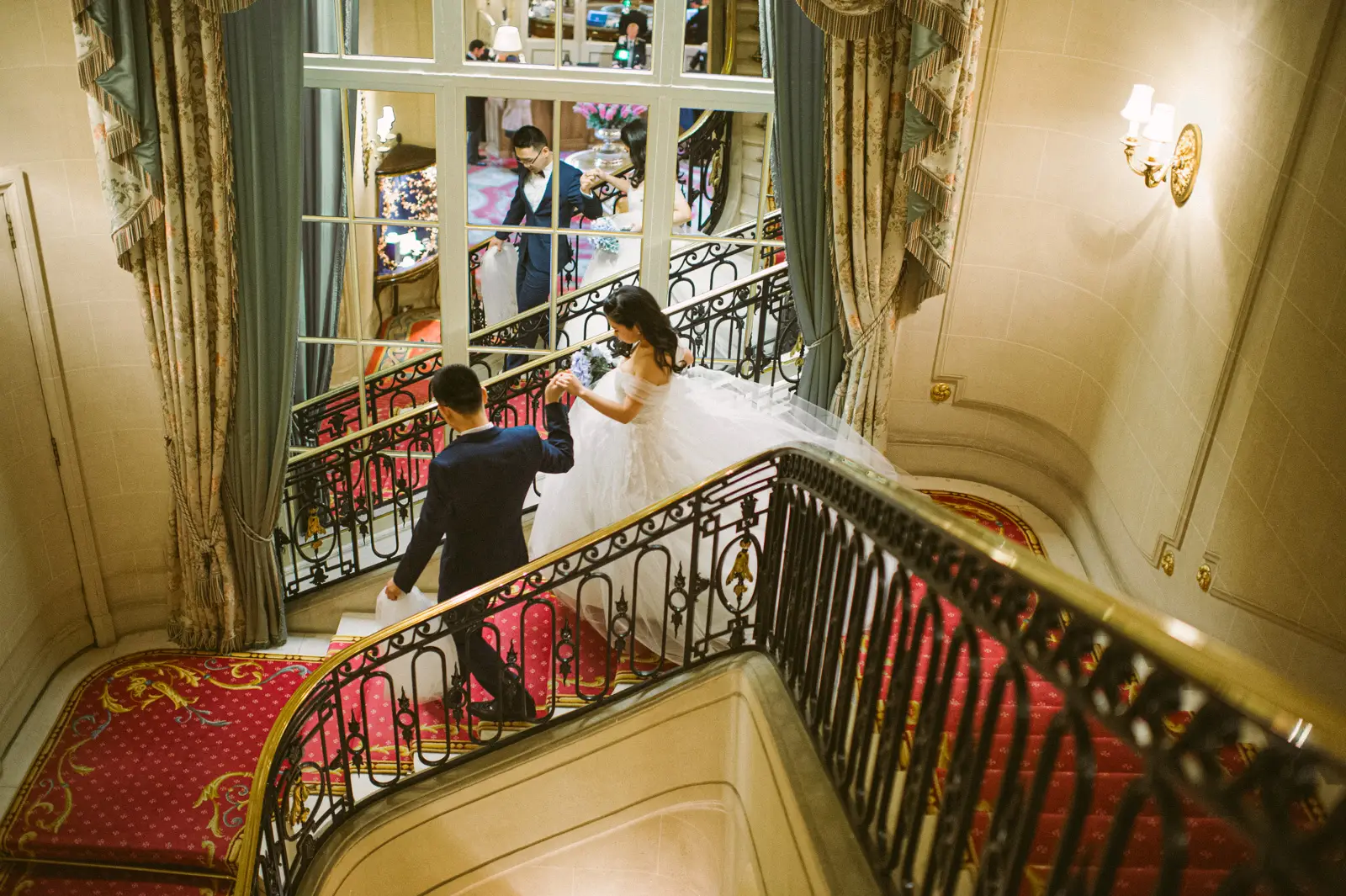
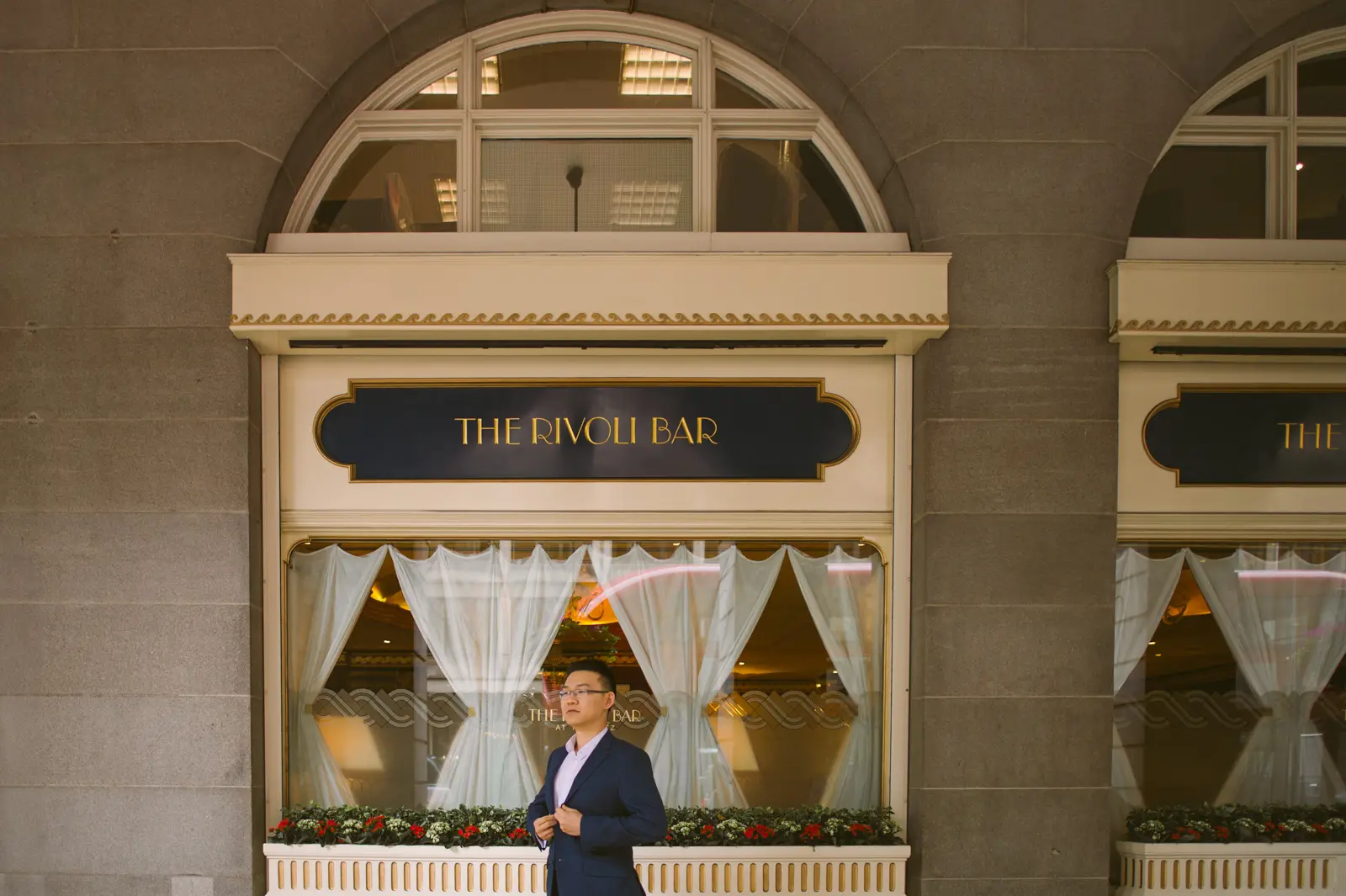
A formal outfit works well with hotels, Westminster, St Paul’s and evening architecture. A softer second look can suit parks, Notting Hill, Chelsea or a quieter river sequence.
The two outfits should not be minor variations of the same idea. Change silhouette, colour or texture so the photographs gain a genuinely different chapter rather than only a different jacket.

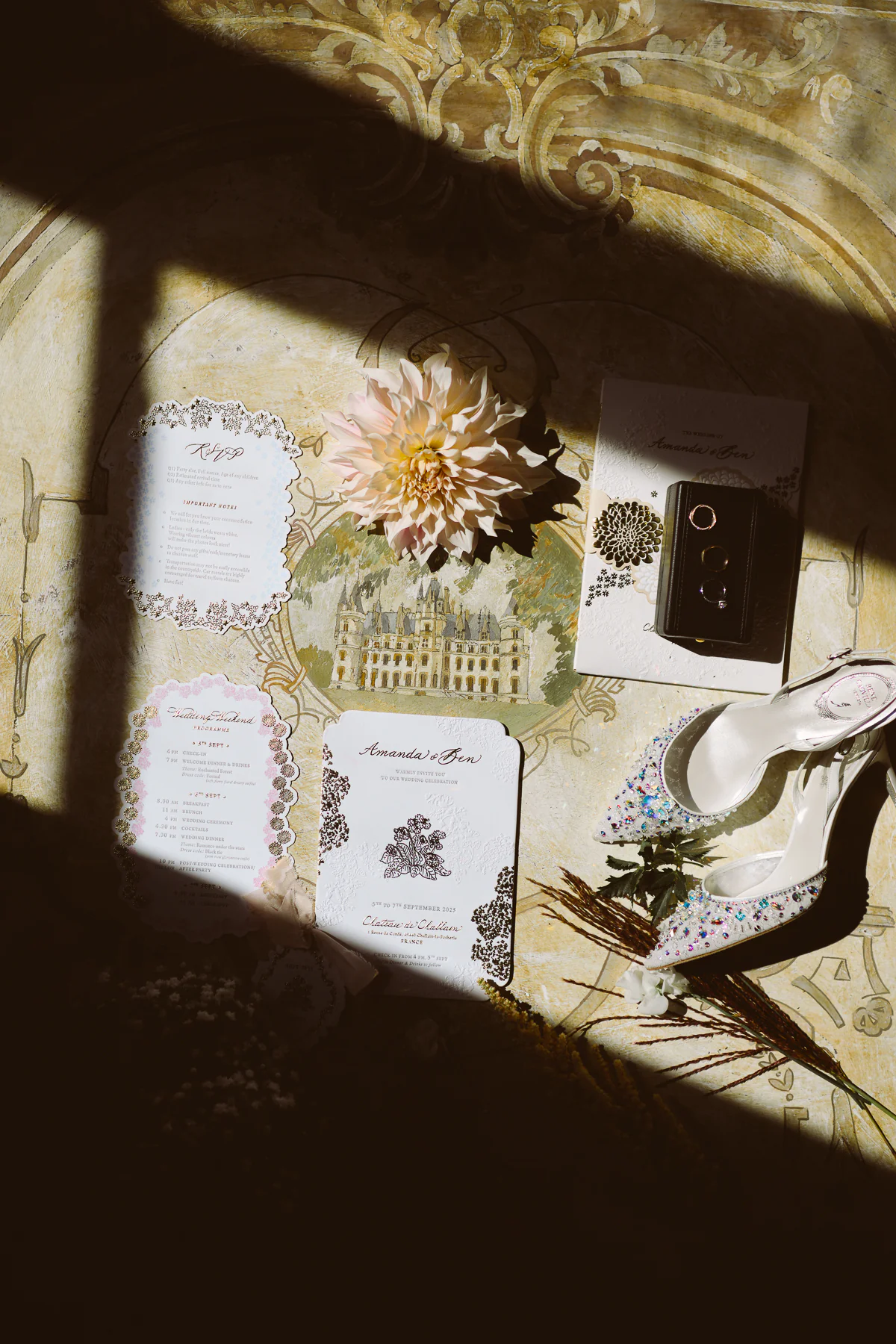


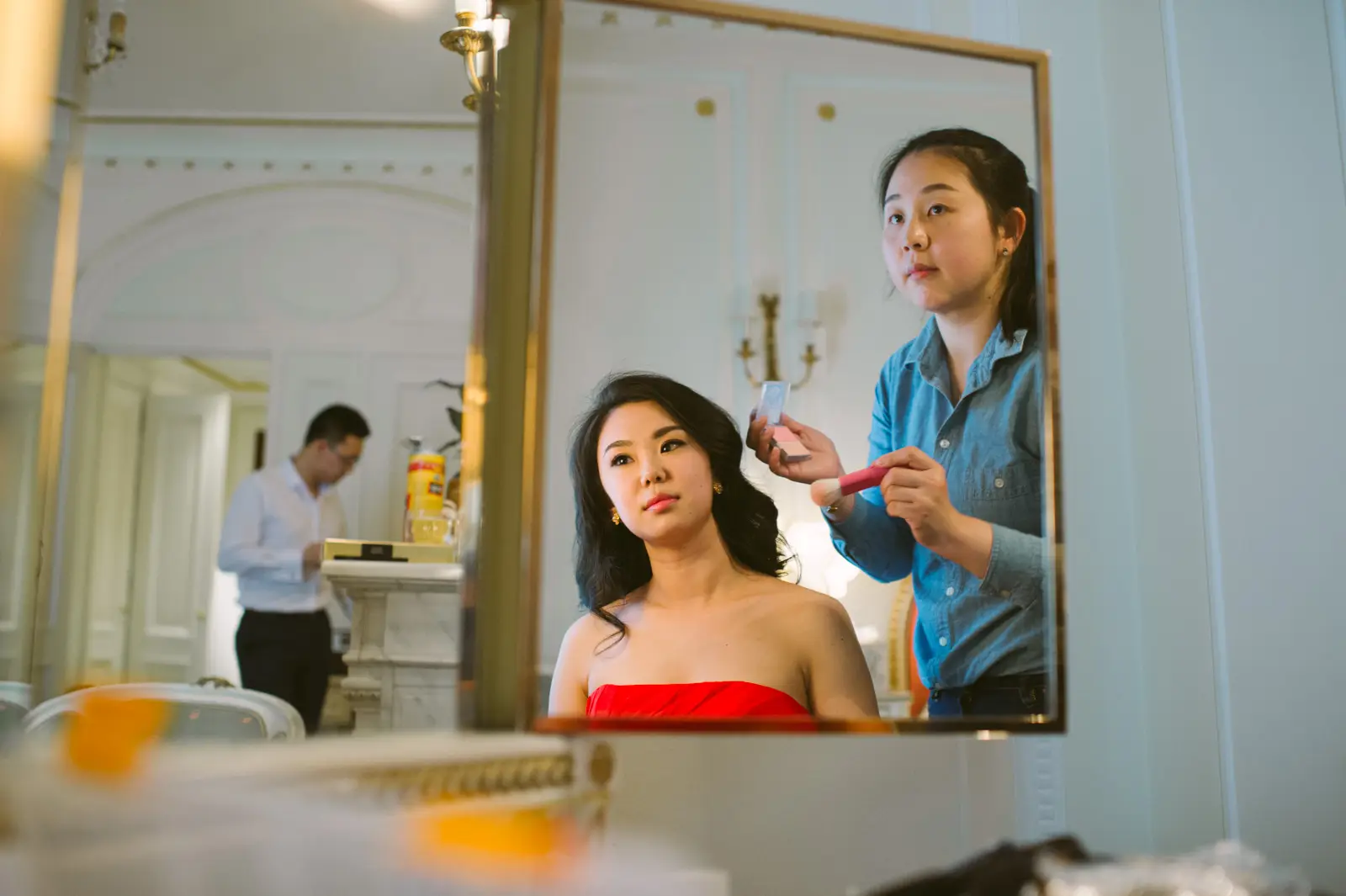
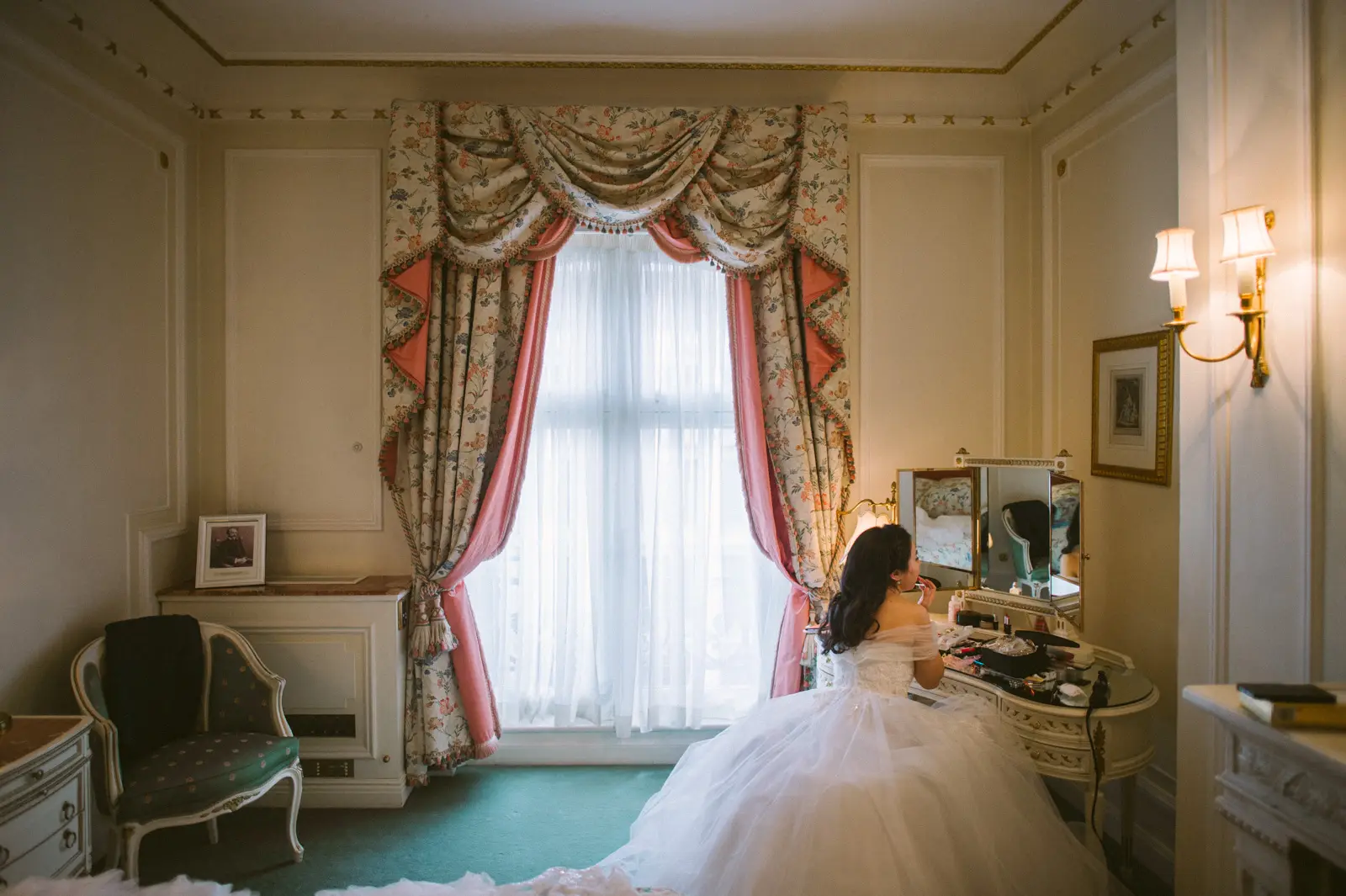
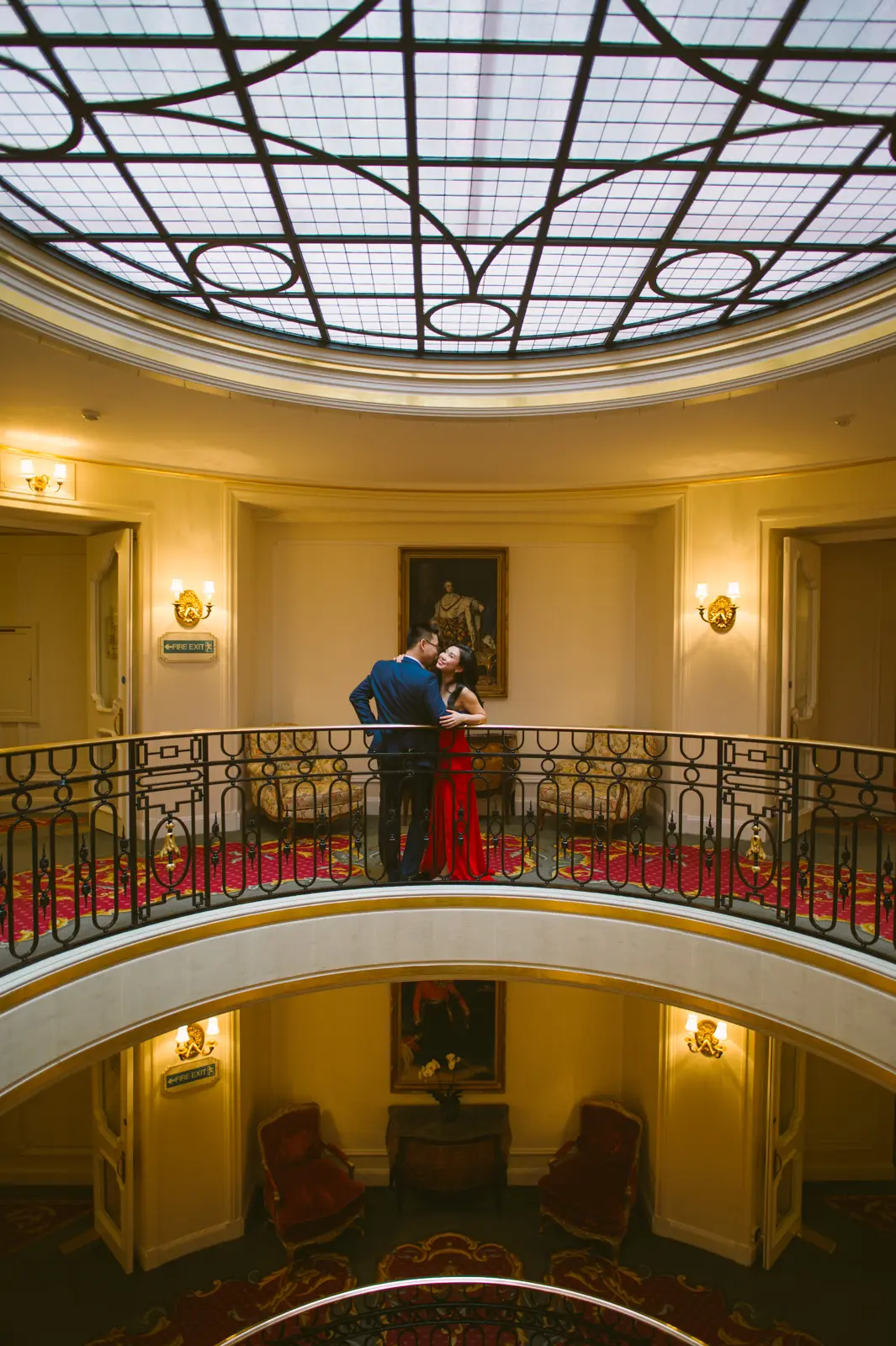
Season and colour
Spring supports pastels, soft tailoring and fabrics that move around blossom and new greenery. Summer can take stronger colour, lighter fabric and later evening photographs.
Autumn works beautifully with amber, burgundy, navy, cream and textured layers. Winter benefits from clean tailoring, elegant coats and accessories that look intentional rather than emergency additions.
Avoid assuming a season guarantees a temperature. London can produce wind, drizzle and sudden warmth on the same day, so layers need to be photographically useful.


Fabric and fit
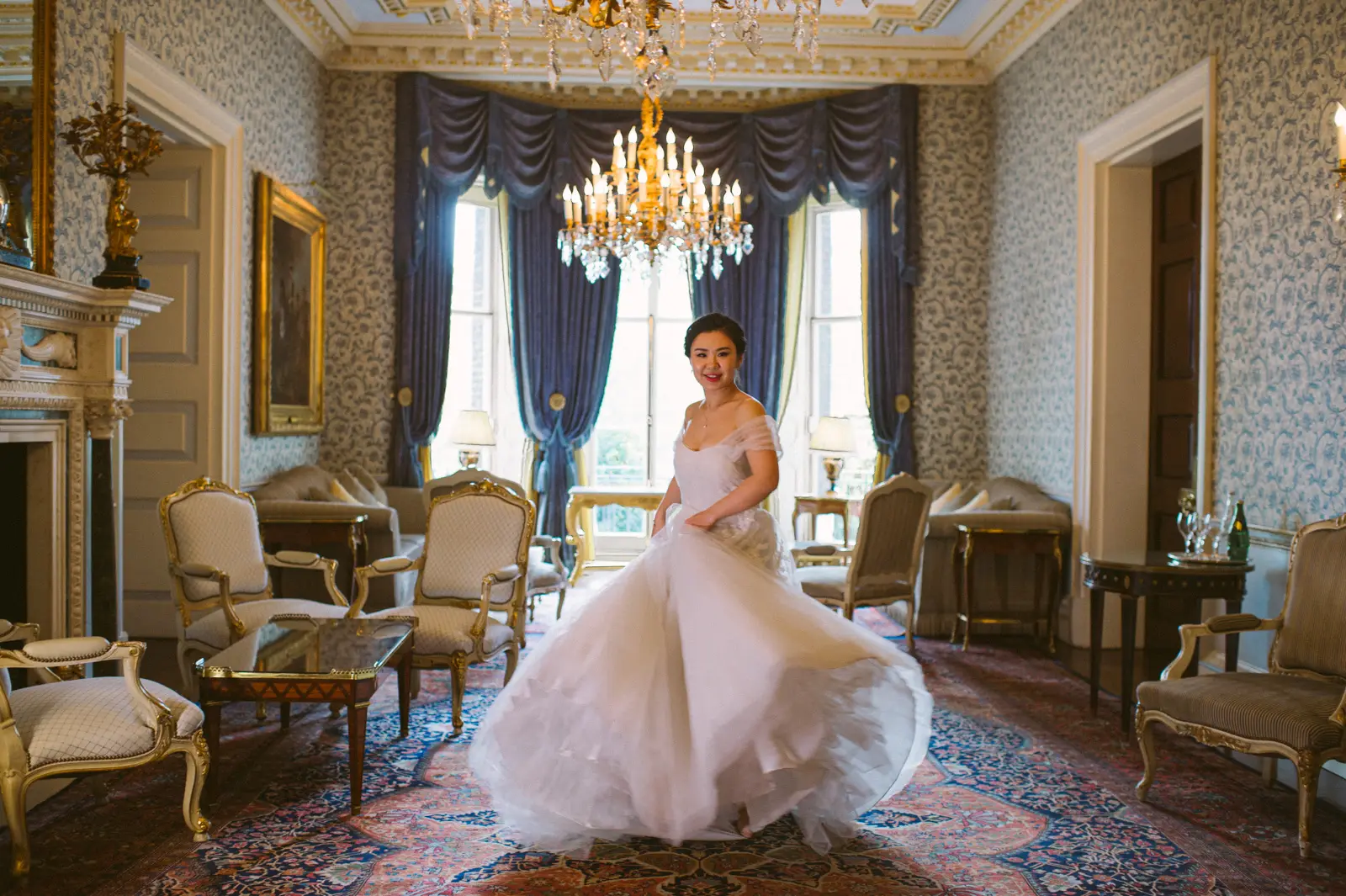
Dresses and coats with natural movement photograph well when walking, turning or crossing a street. Tailoring should hold its shape without restricting the body.
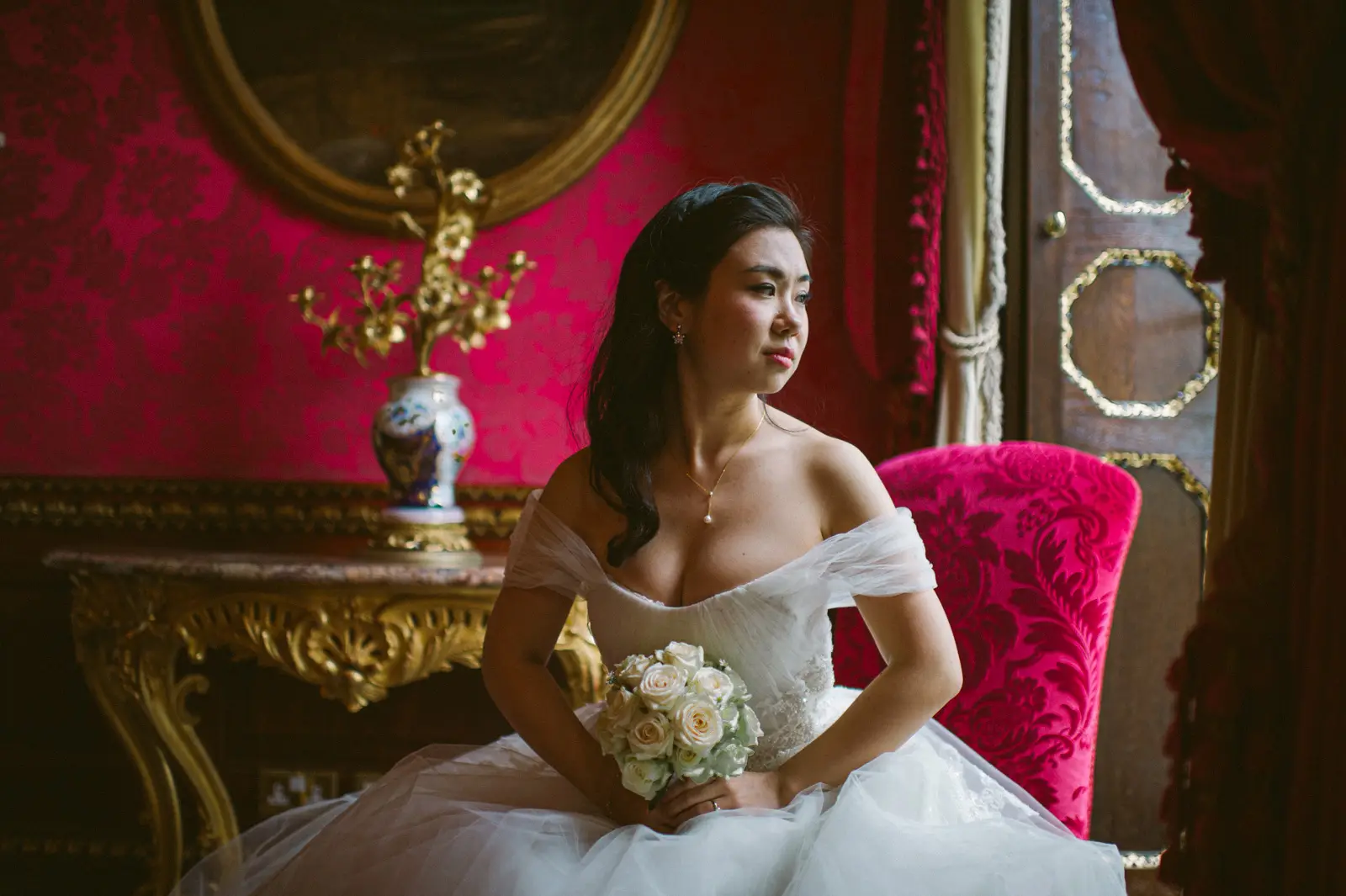
Very reflective fabric can dominate in direct light, while tiny patterns may create visual noise. Solid colour, restrained texture and a clear silhouette are usually easier to combine with busy London backgrounds.


Shoes, hair and makeup
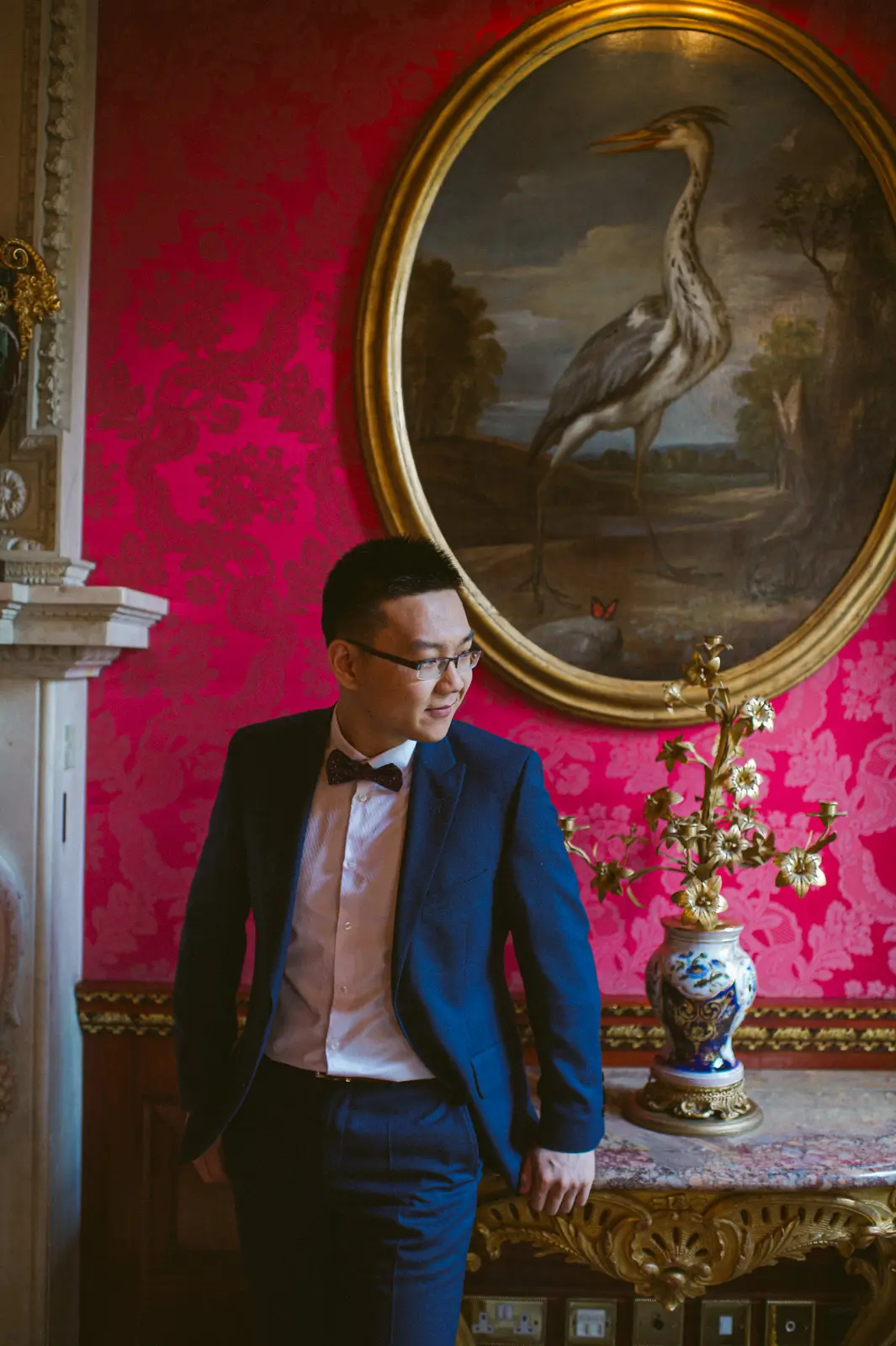
Bring comfortable shoes for transfers even when the photographed shoes are formal. Cobblestones, bridges, wet pavement and long walks can quickly change posture and energy.
Hair and makeup should be designed for the route and weather. A small retouch kit, pins, tissues and powder are more useful than carrying a large wardrobe.
Keep jewellery and accessories secure and easy to remove. Every change should be planned before the session rather than decided on a pavement.

Packing and common mistakes
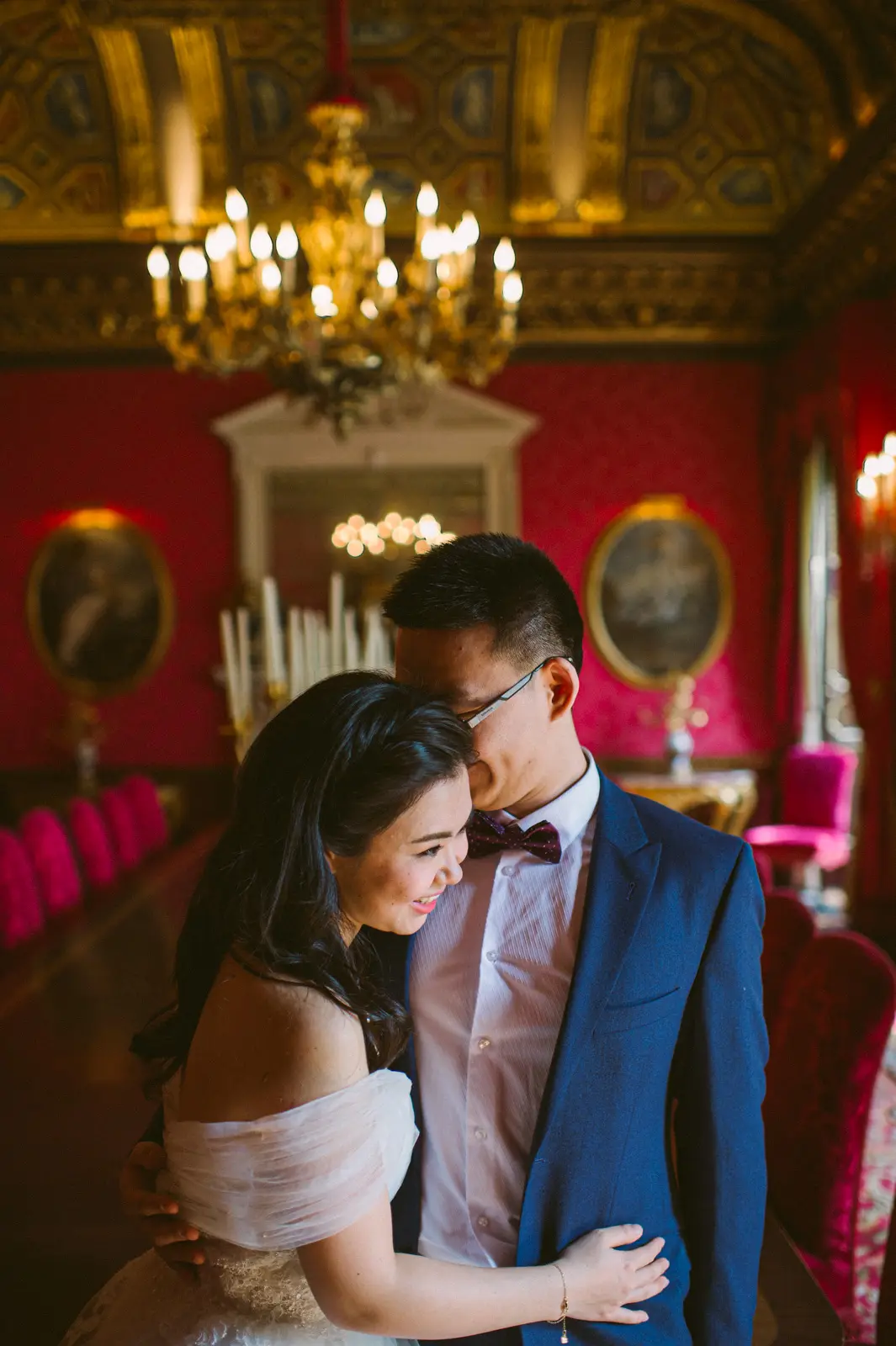
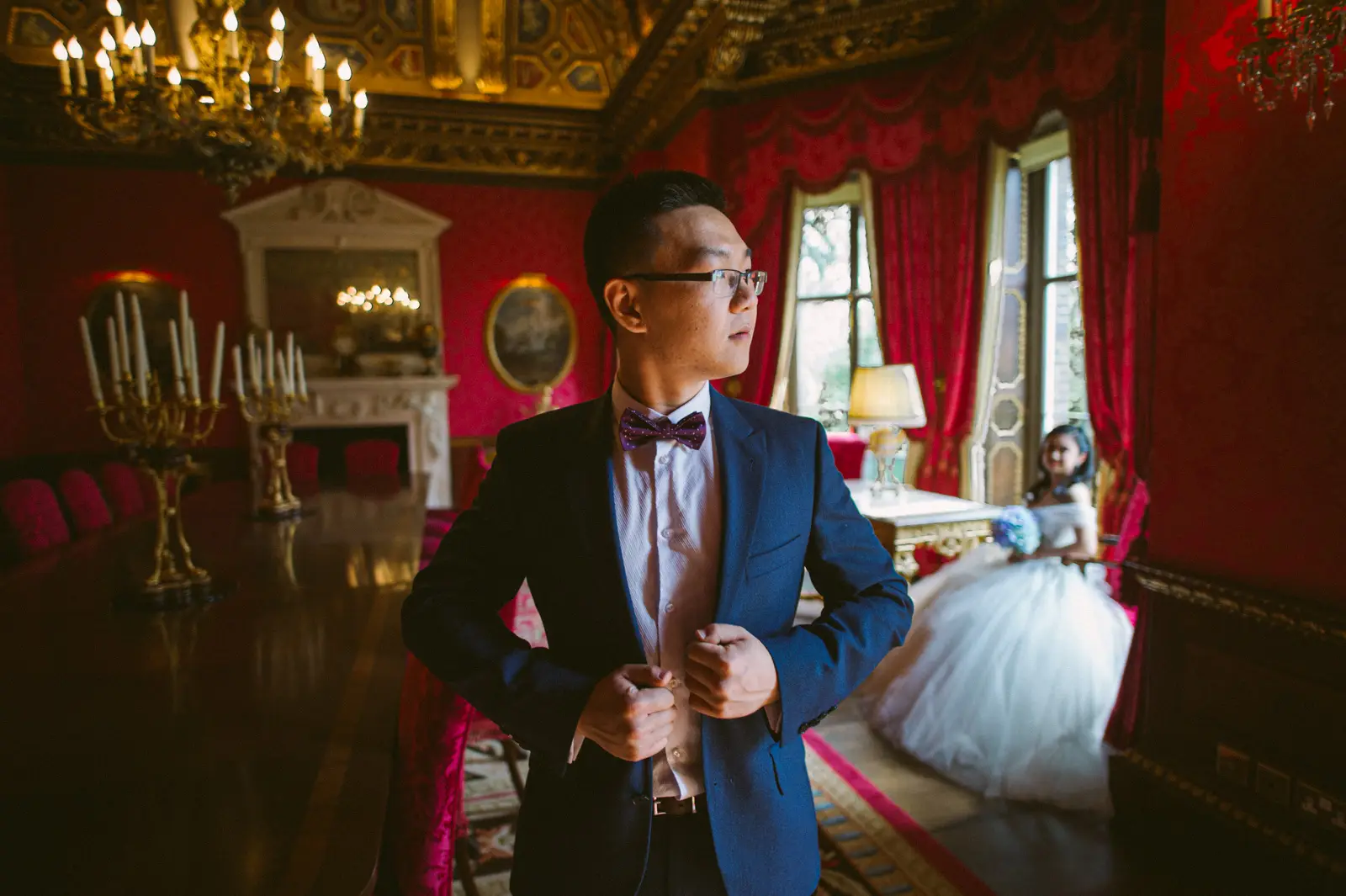
Photograph the complete outfits before packing, including shoes, coats and accessories. Steam garments, use separate covers and keep the first look accessible.
The common mistakes are too many outfits, shoes that prevent walking, colours that disappear into the chosen background and a formal look with no warm layer.
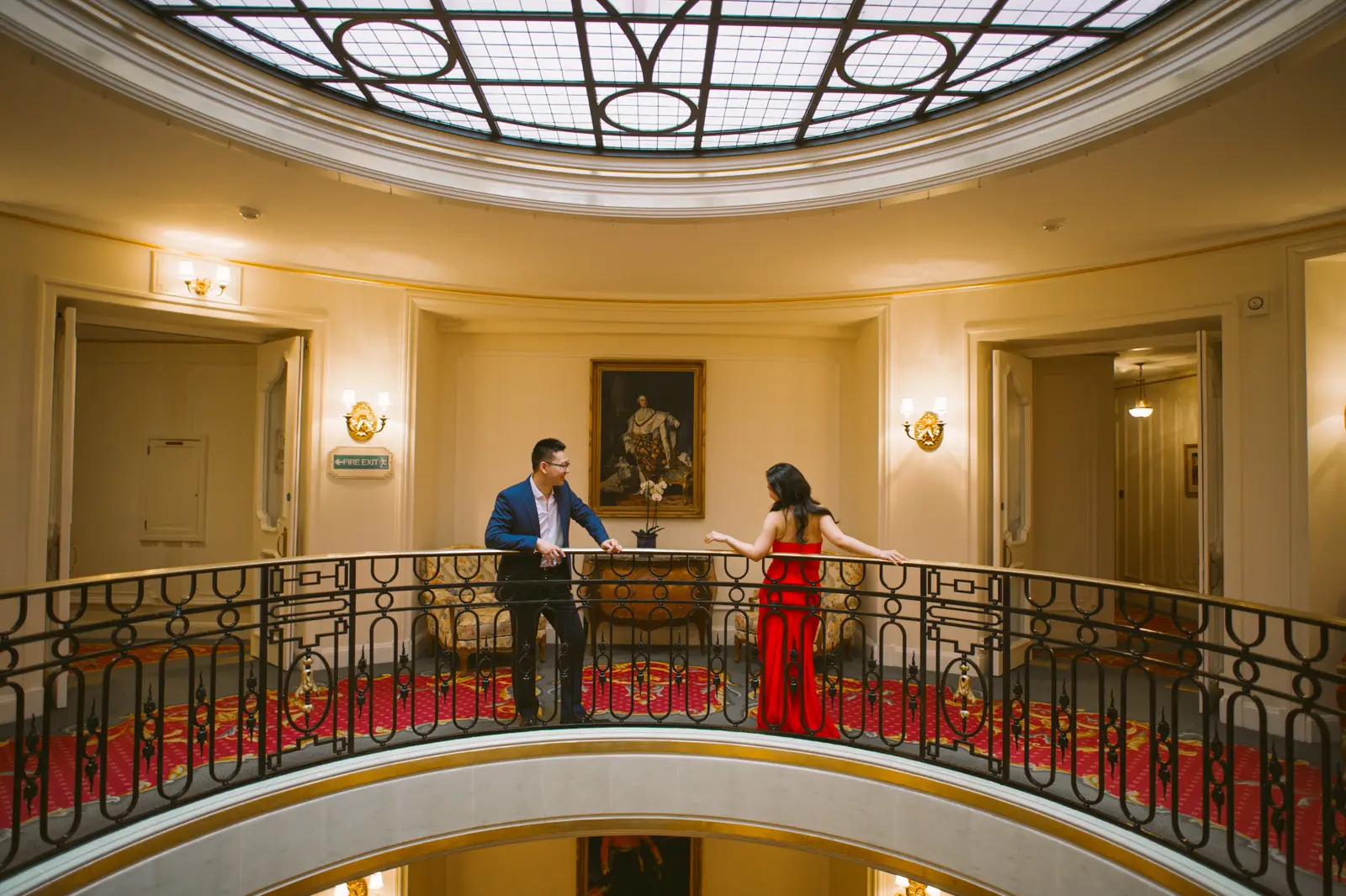
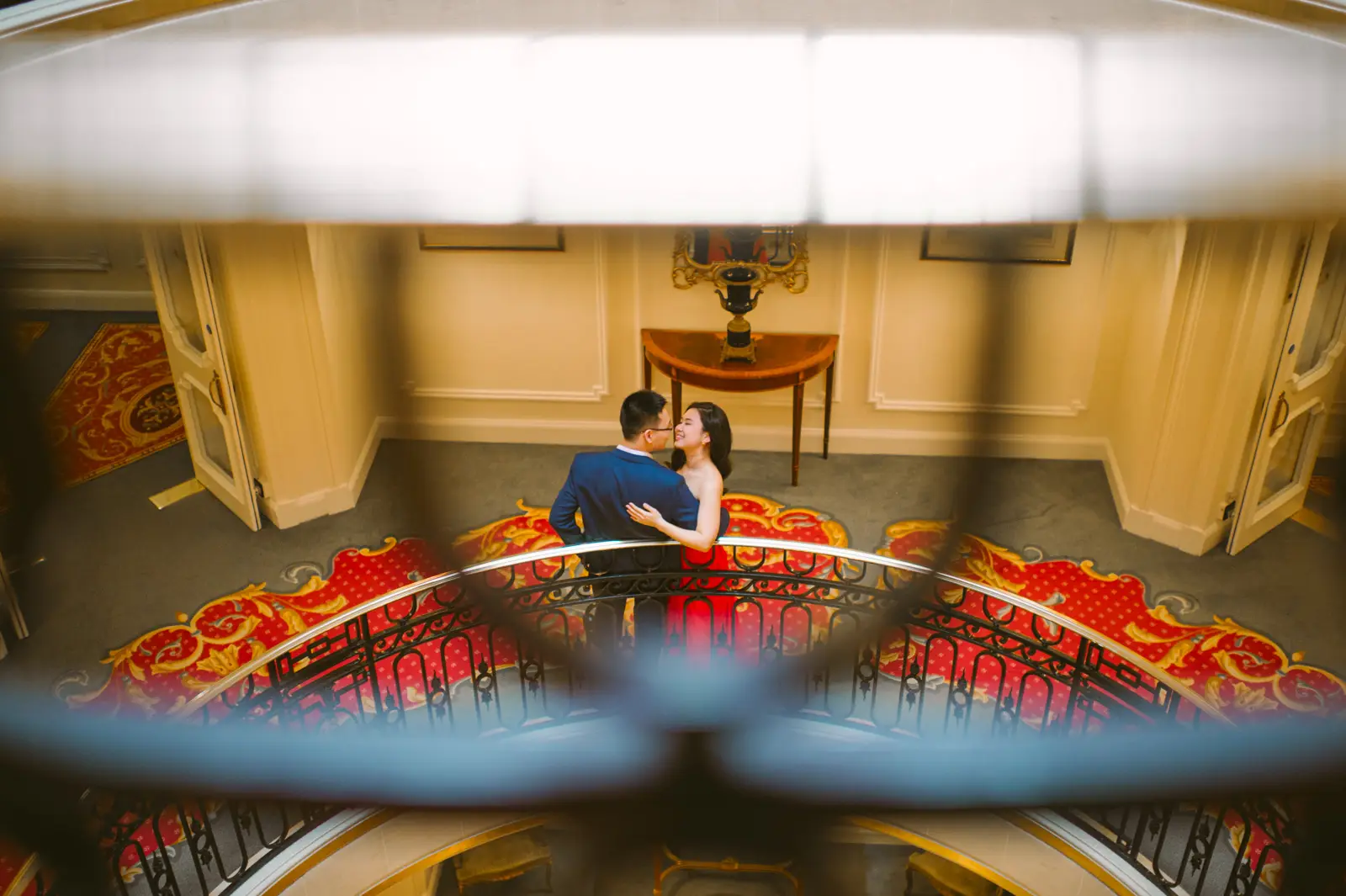
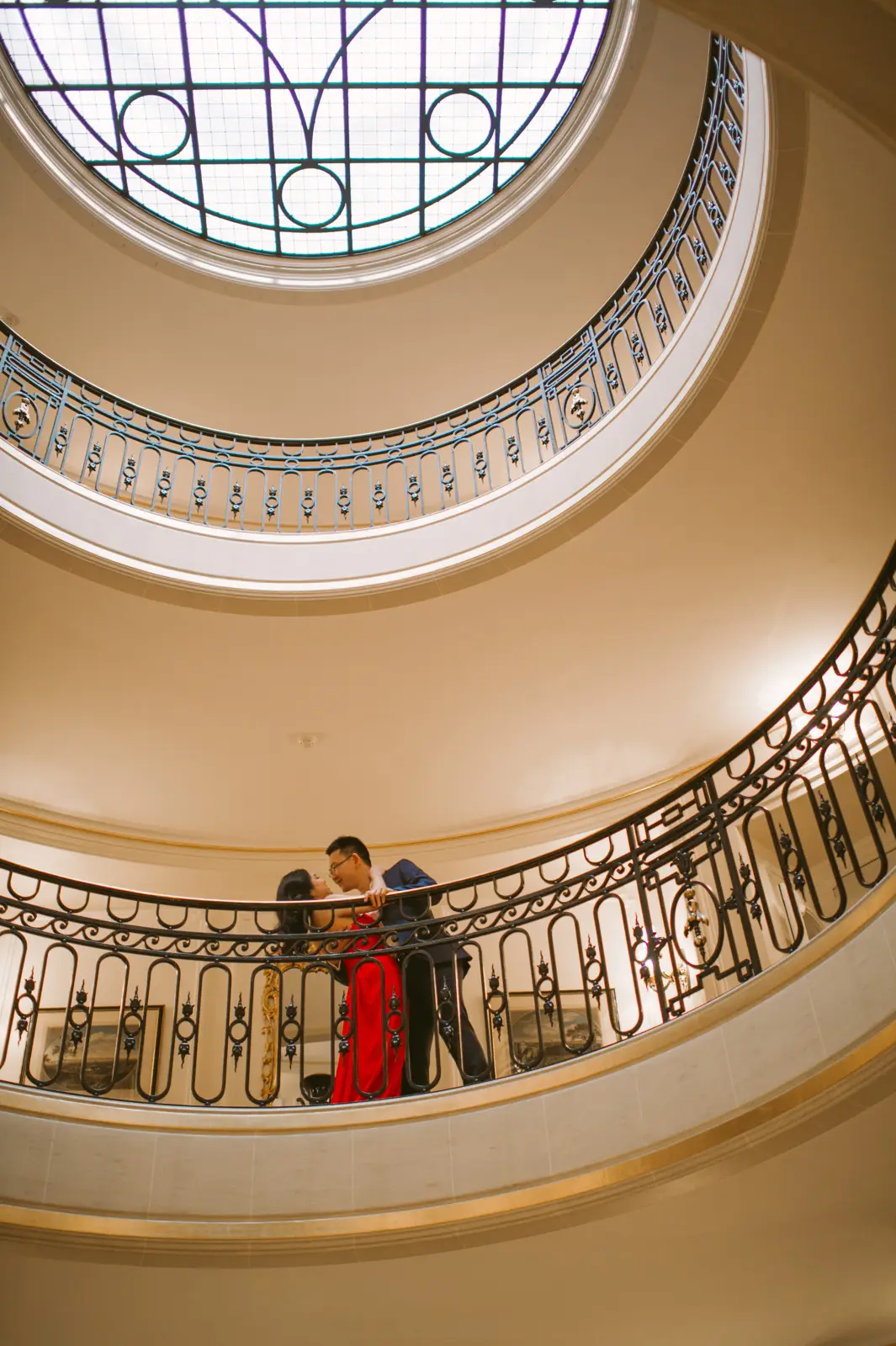
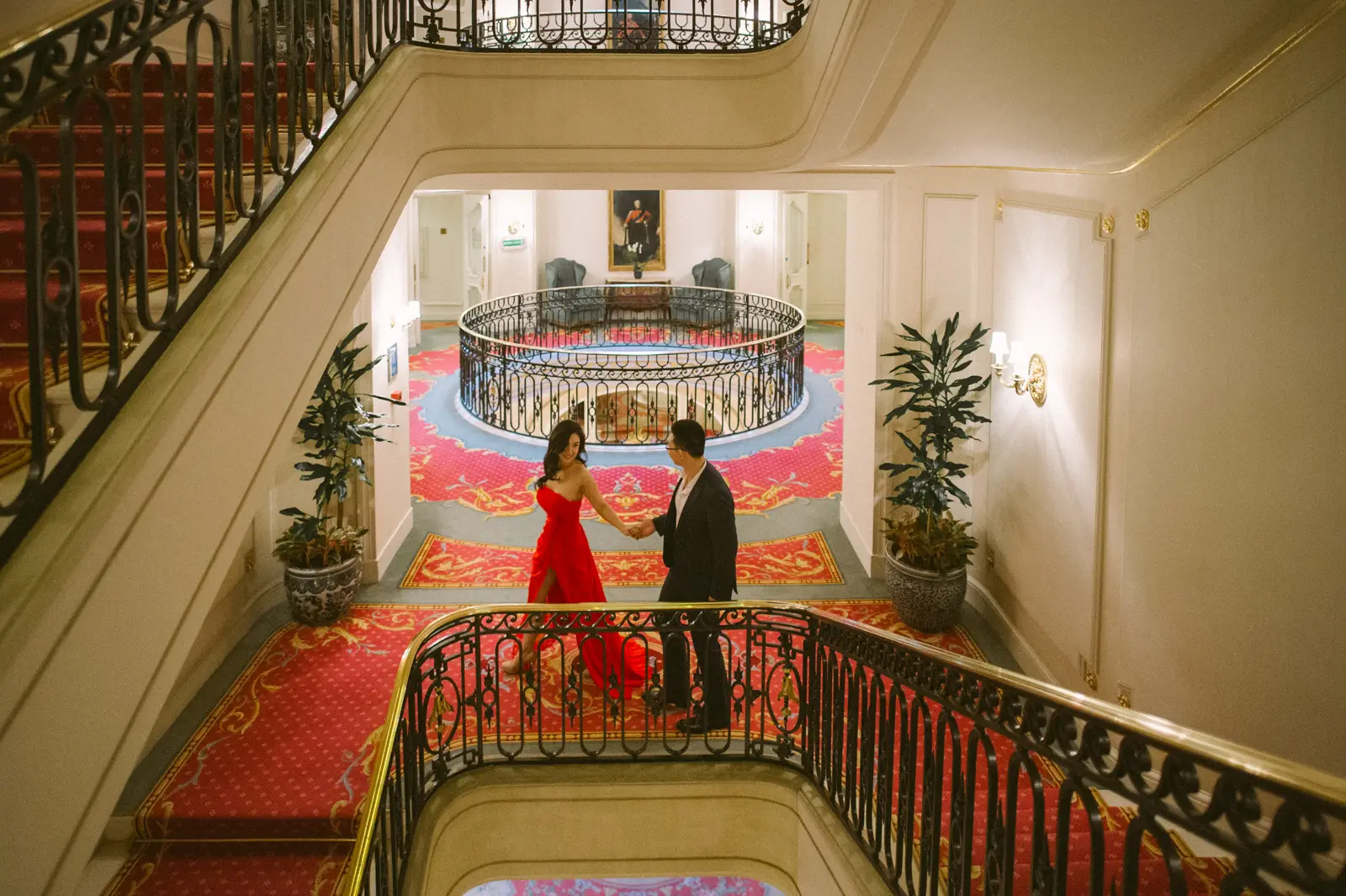
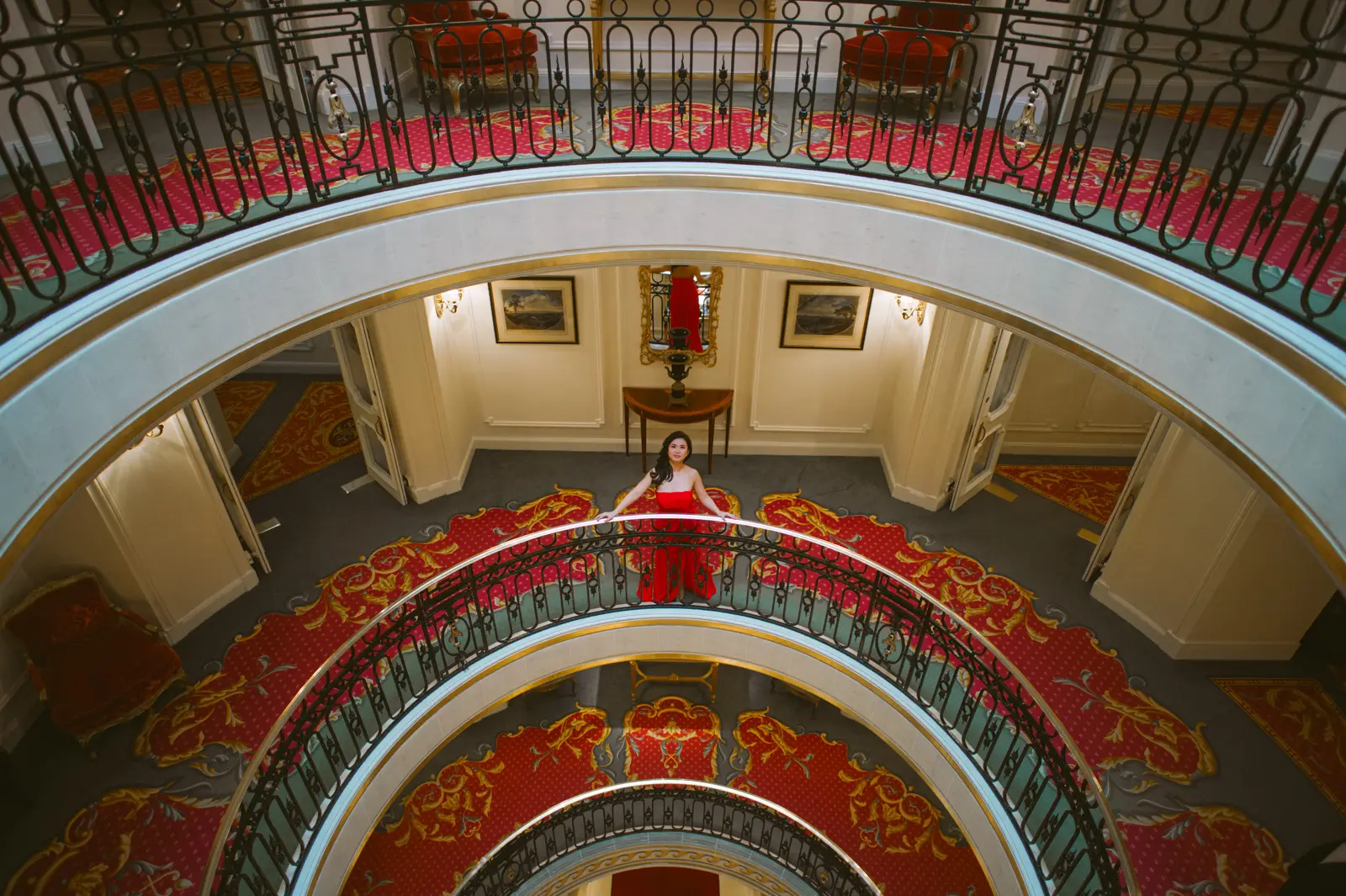
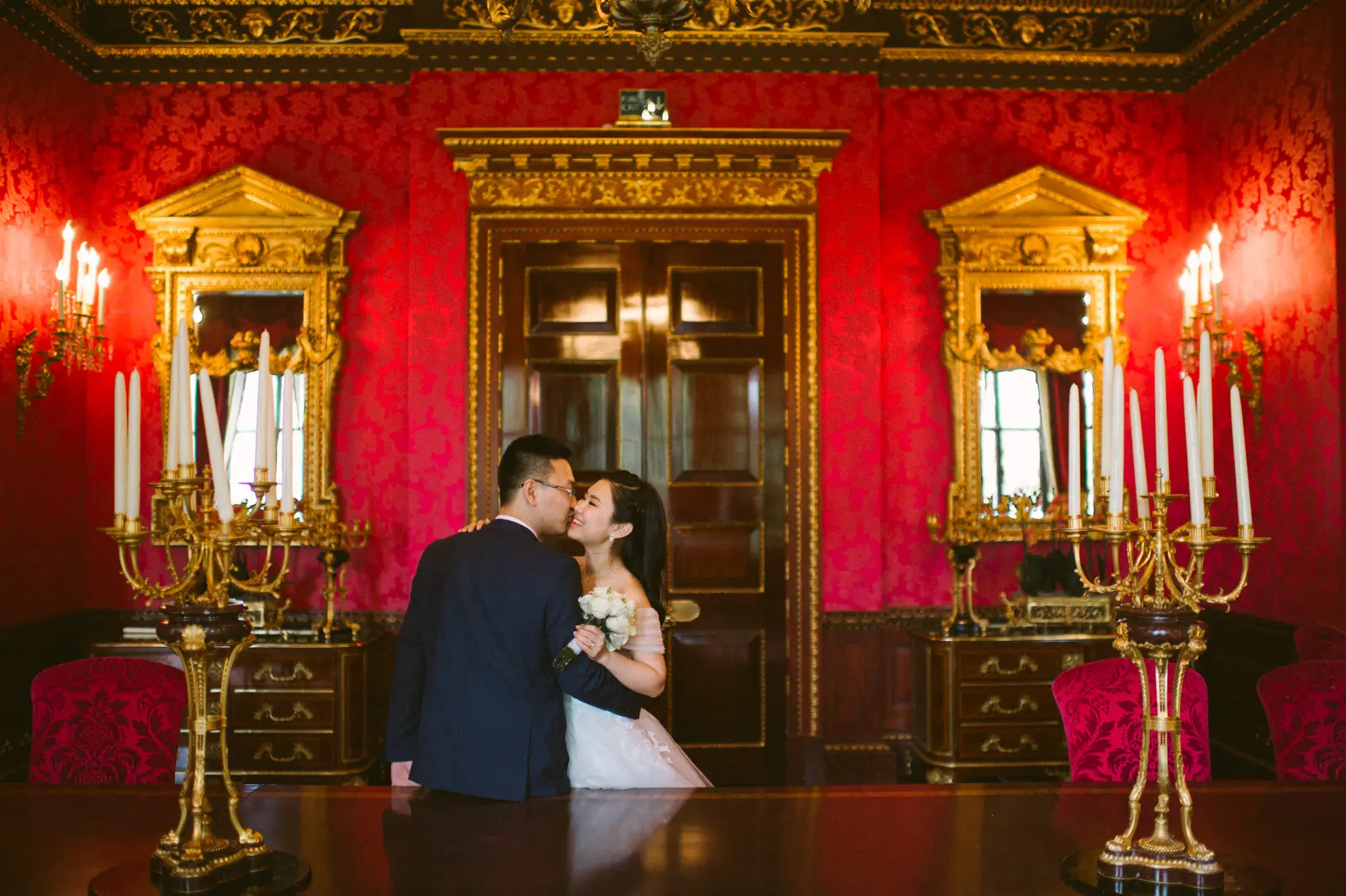
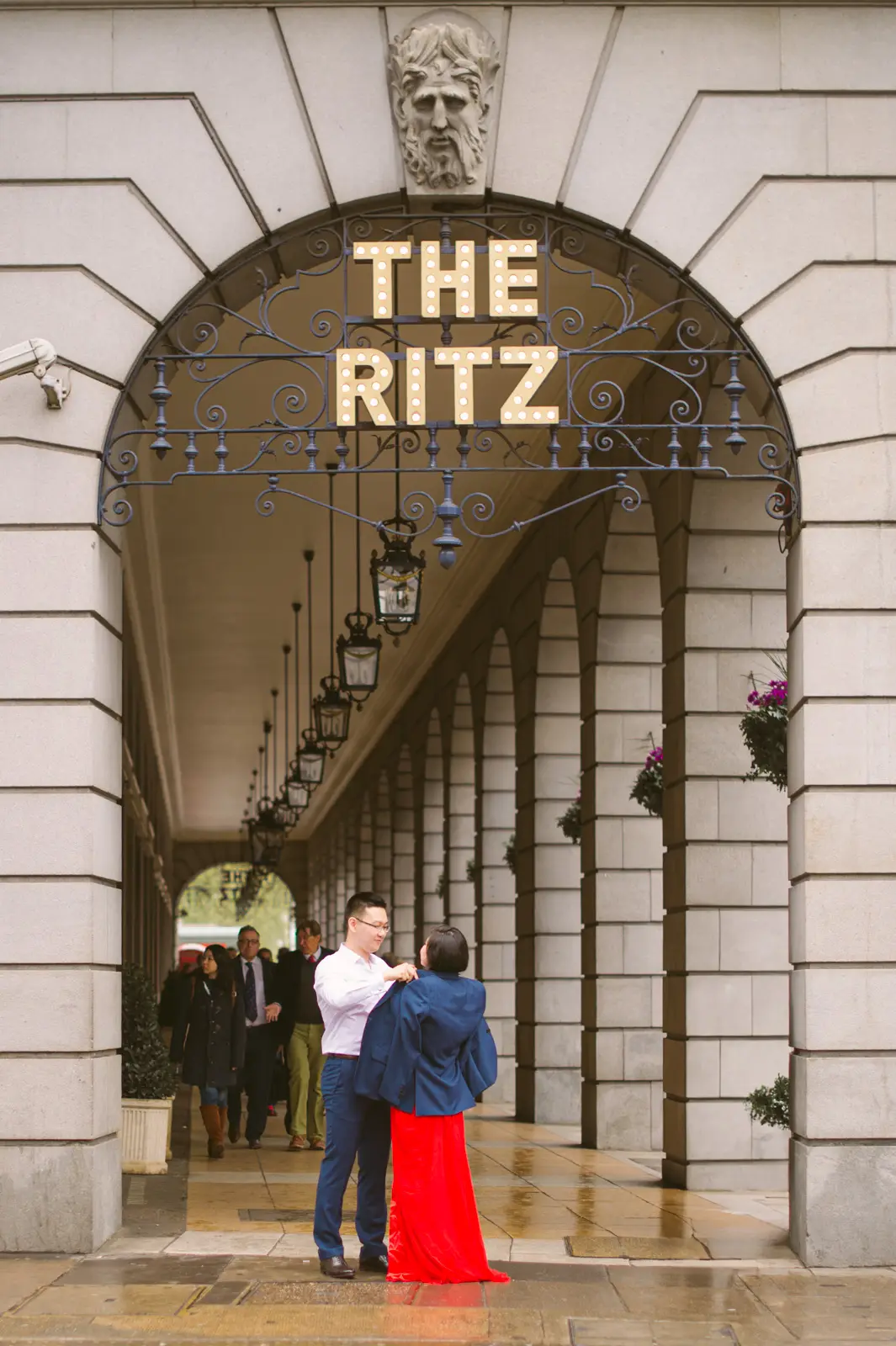
The route and wardrobe should be planned together. A red evening dress at The Ritz needs a different setting and pace from a pale spring look among blossom.
Practical questions
Two outfits are ideal for most London pre-wedding sessions. A third can work for a full day when there is a hotel room or reliable changing location.
Coordinate rather than match exactly. Shared tones and a similar level of formality look natural without appearing staged.
Yes. Bring comfortable shoes and someone to help protect the hem while moving. We can use the dress fully at selected locations rather than dragging it throughout the route.
Red, blue, black, ivory and metallic details can hold their shape against city lights. Very dark clothing may need separation from the background, so fabric texture matters.
Plan your London photographs
Share your dates, preferred locations and the style of session or celebration you are planning. I will reply with availability and a realistic recommendation.