
01
Tess and Jodi’s colourful wedding at Voewood House
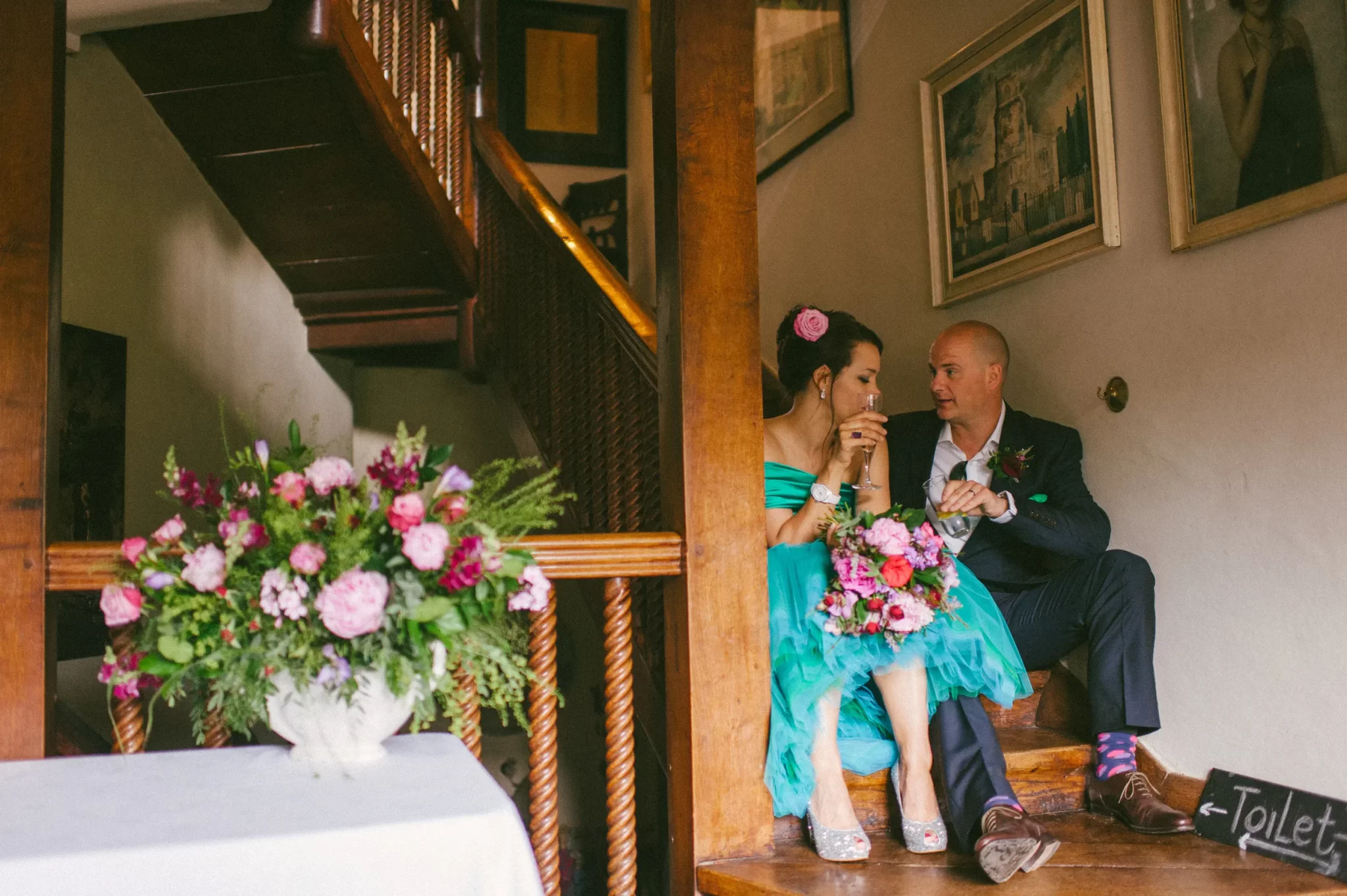
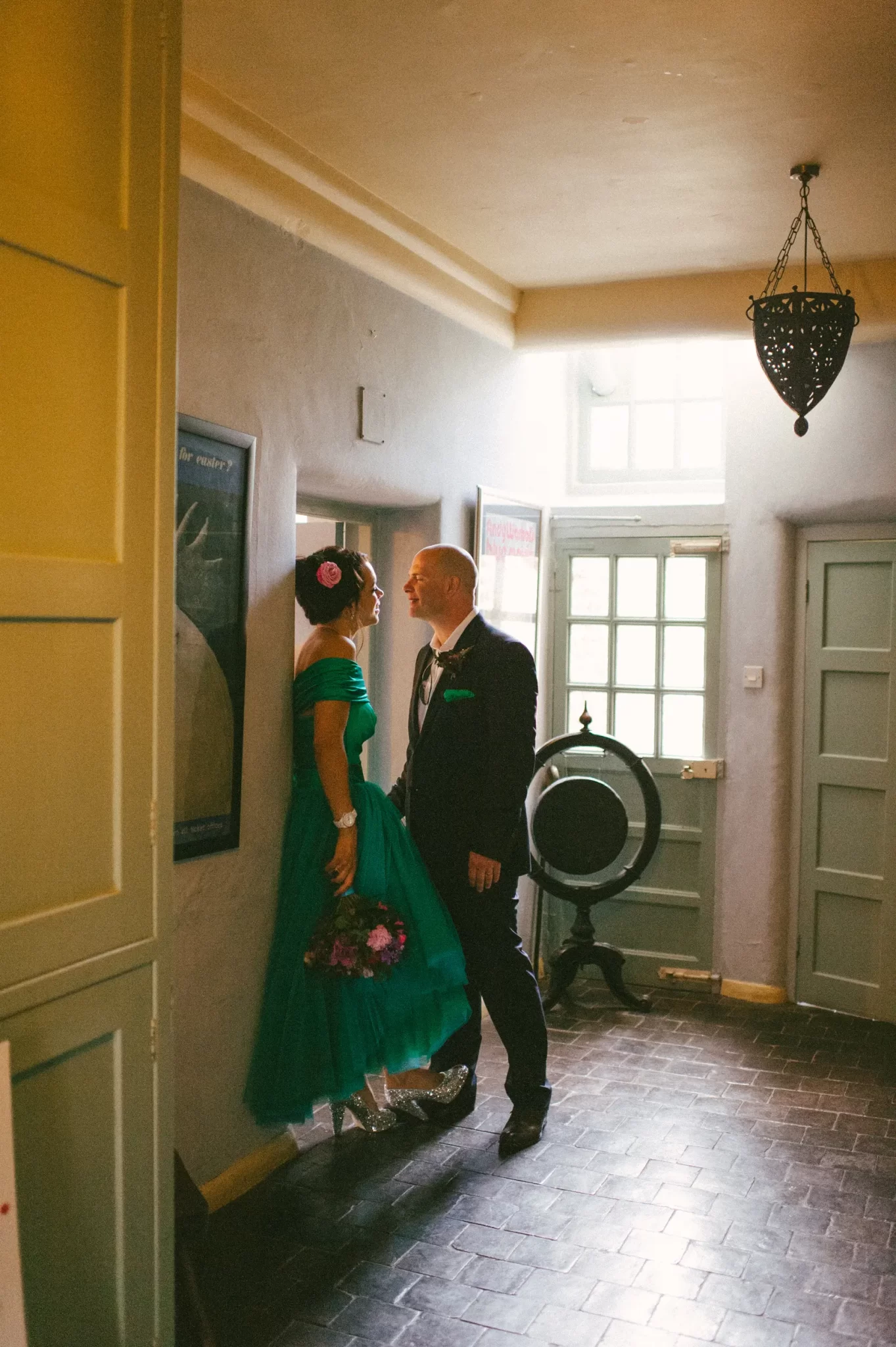
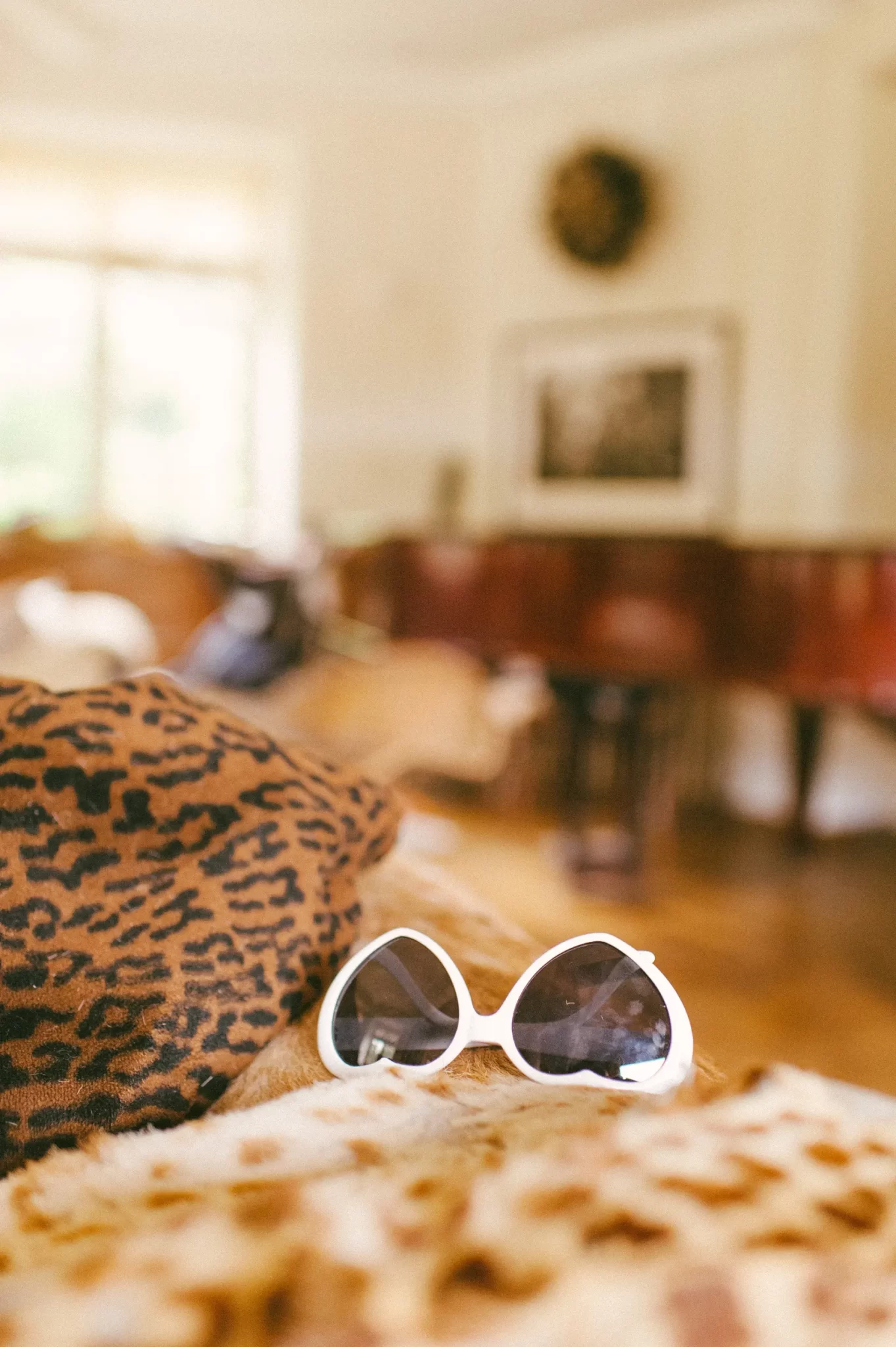
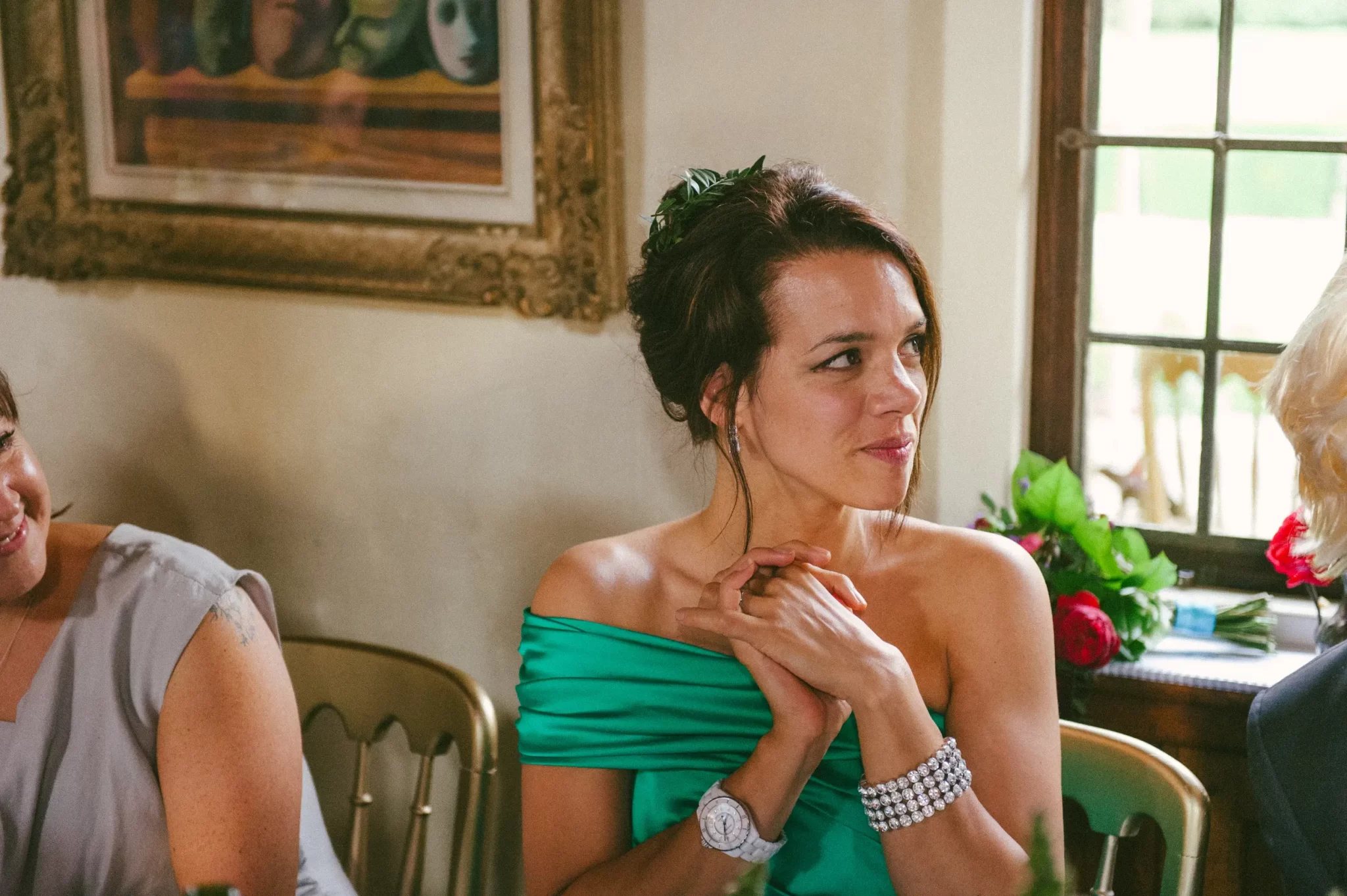
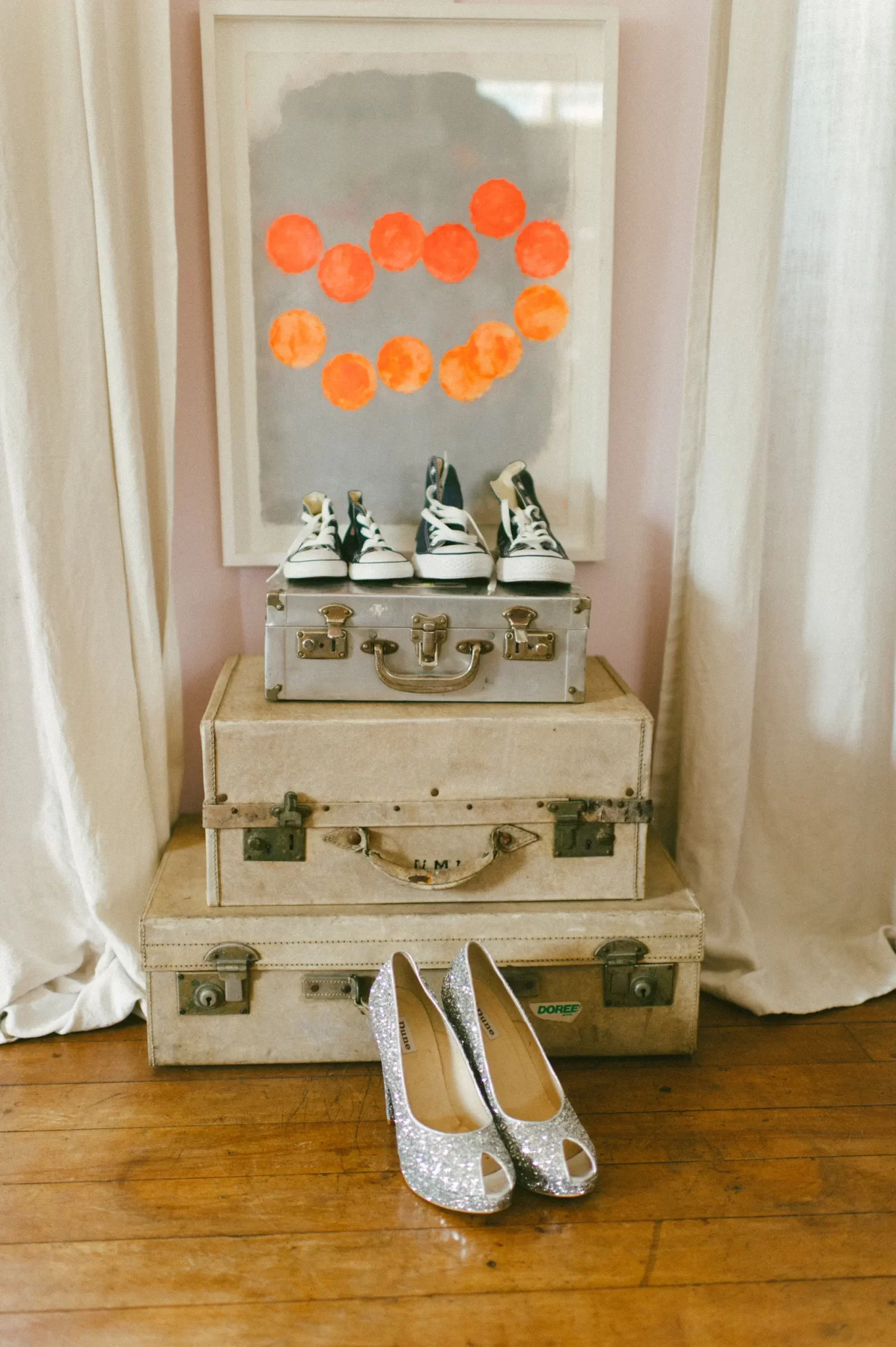
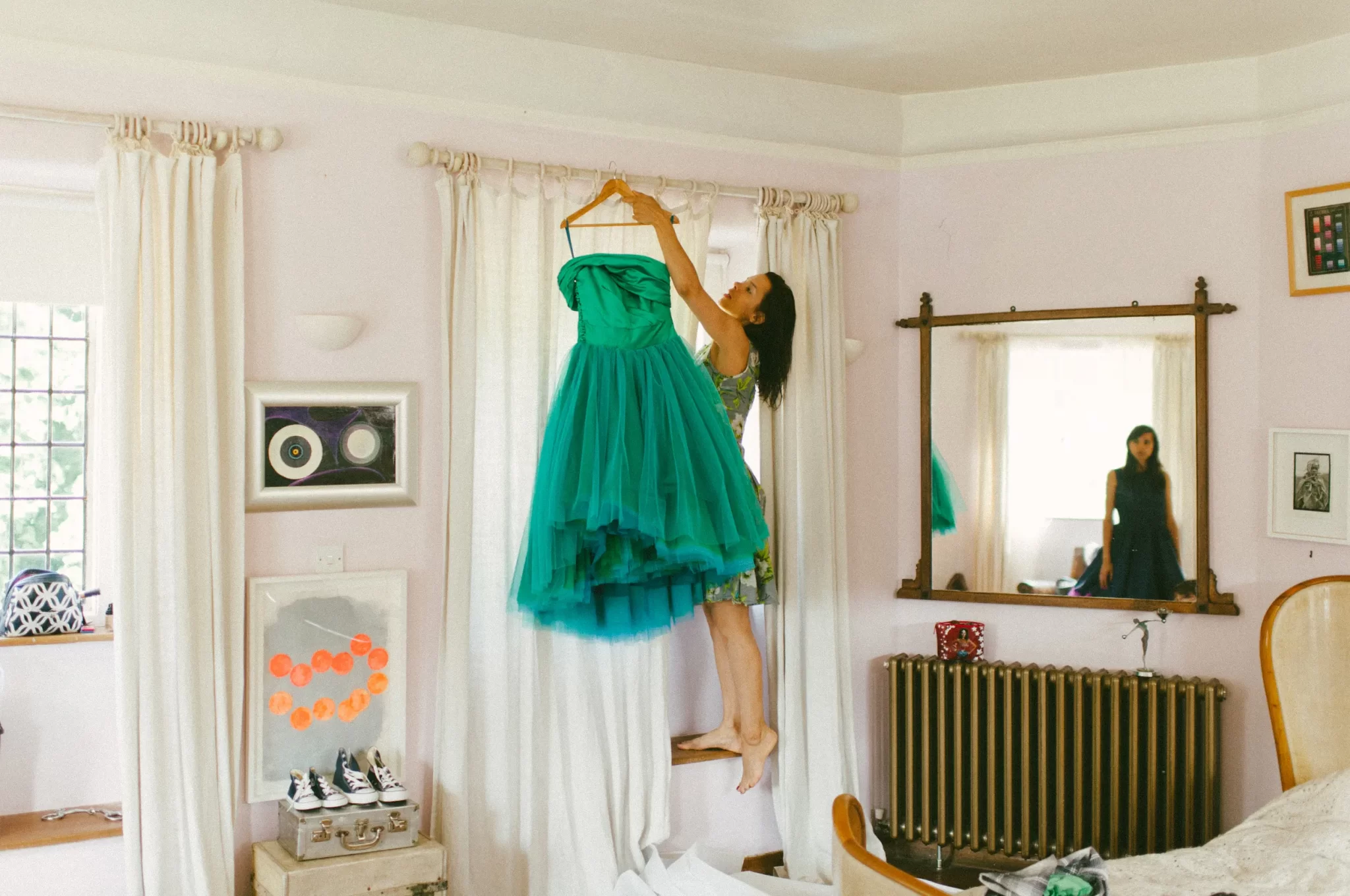
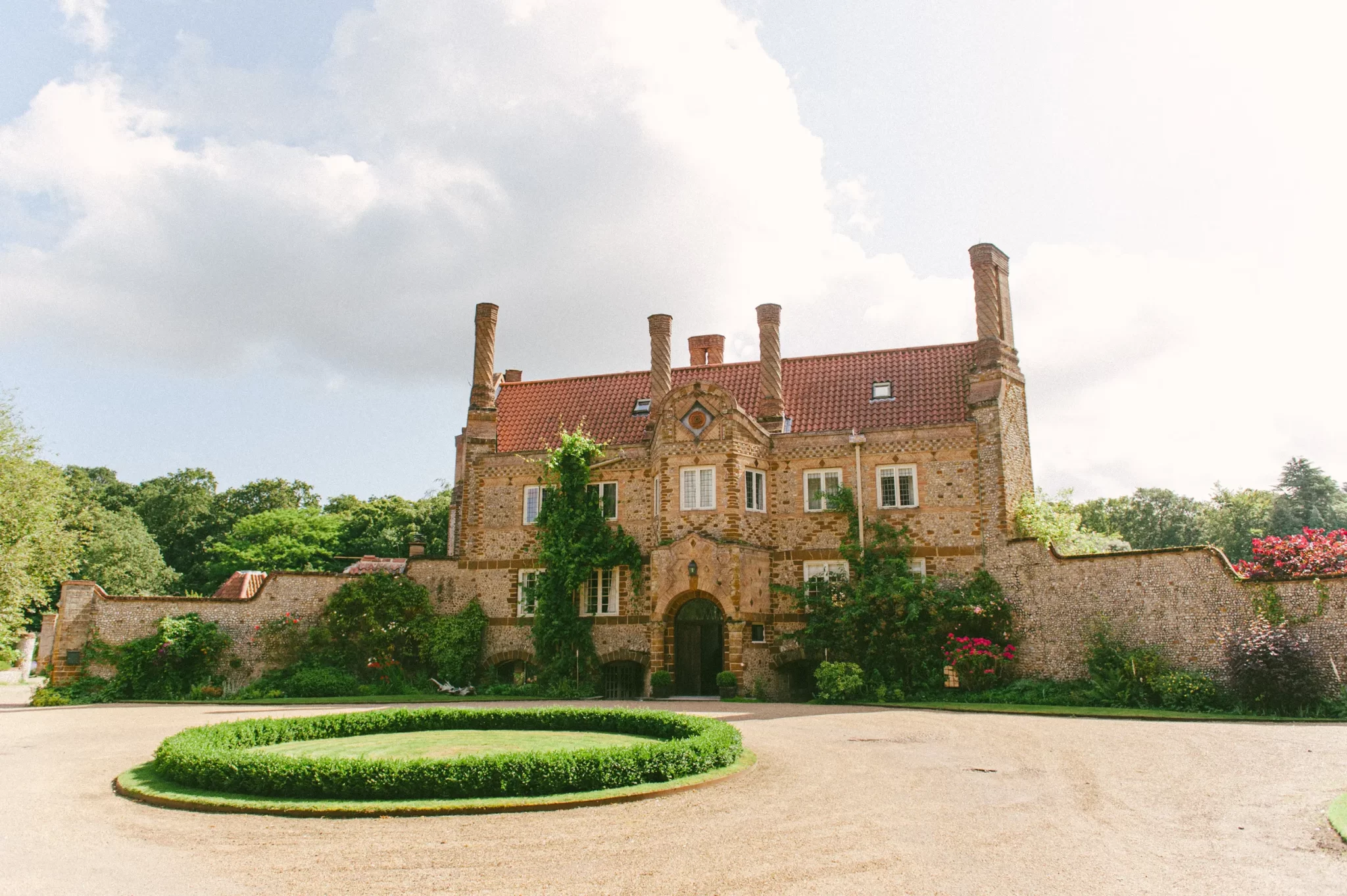
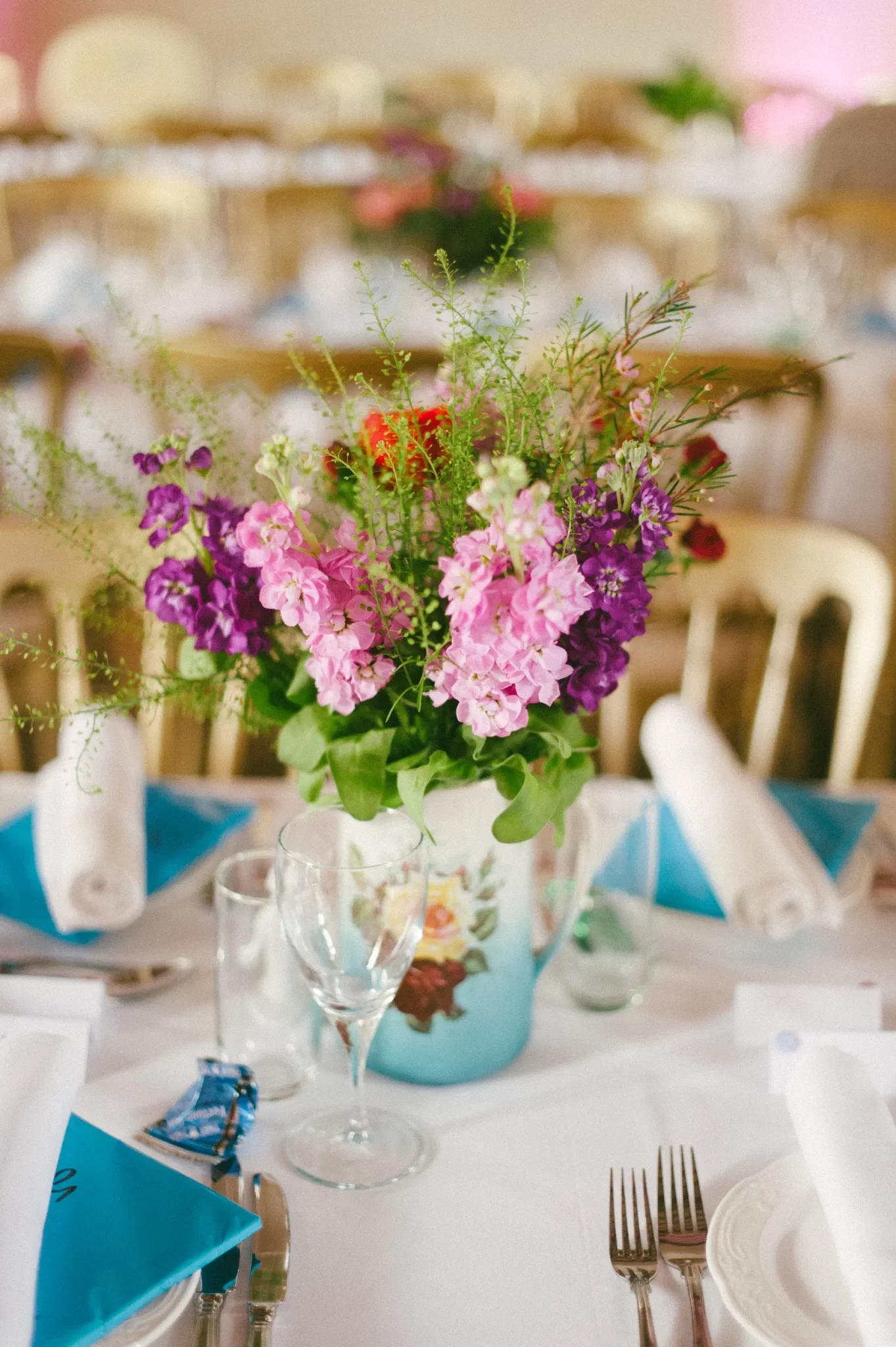
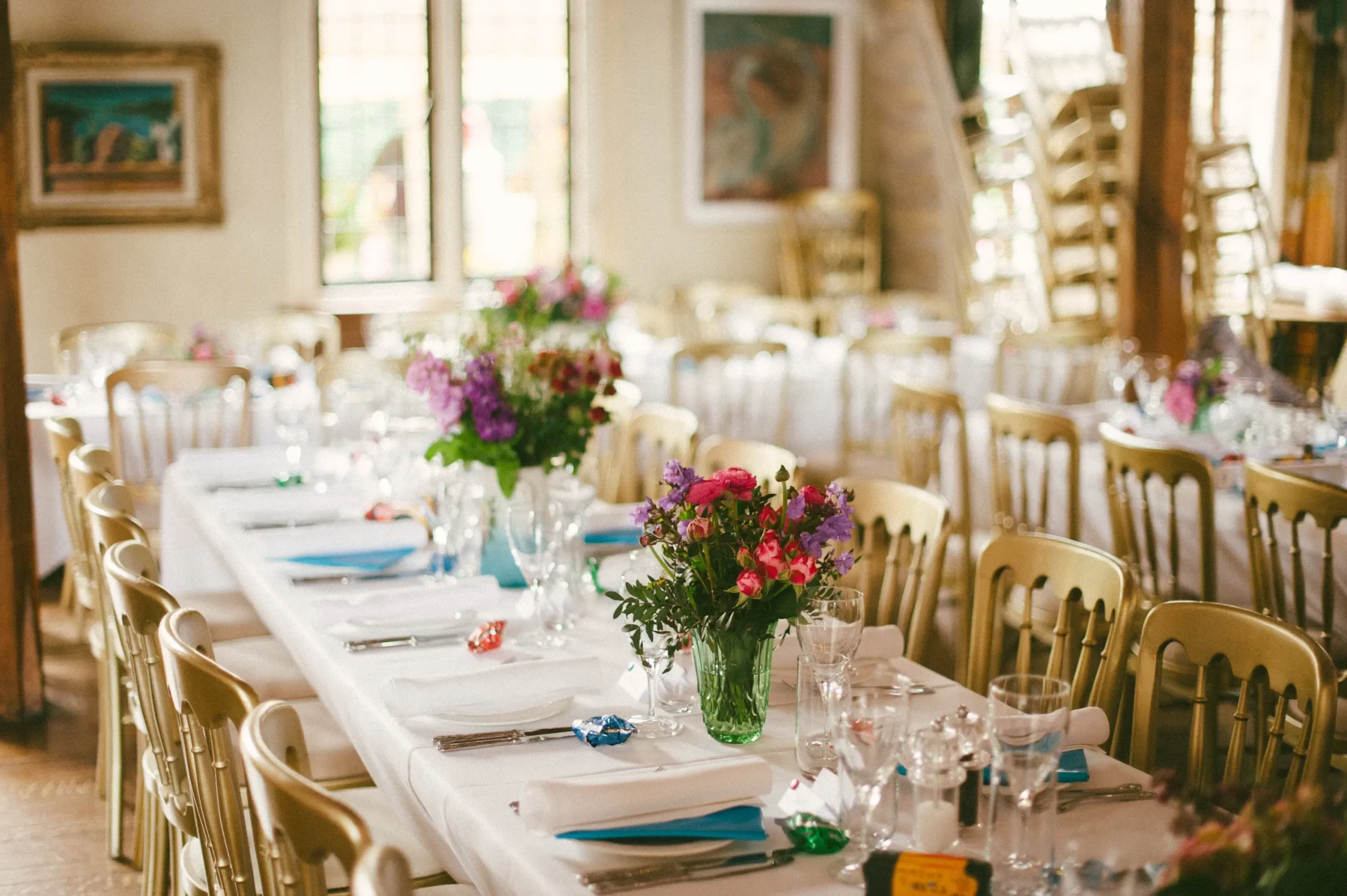
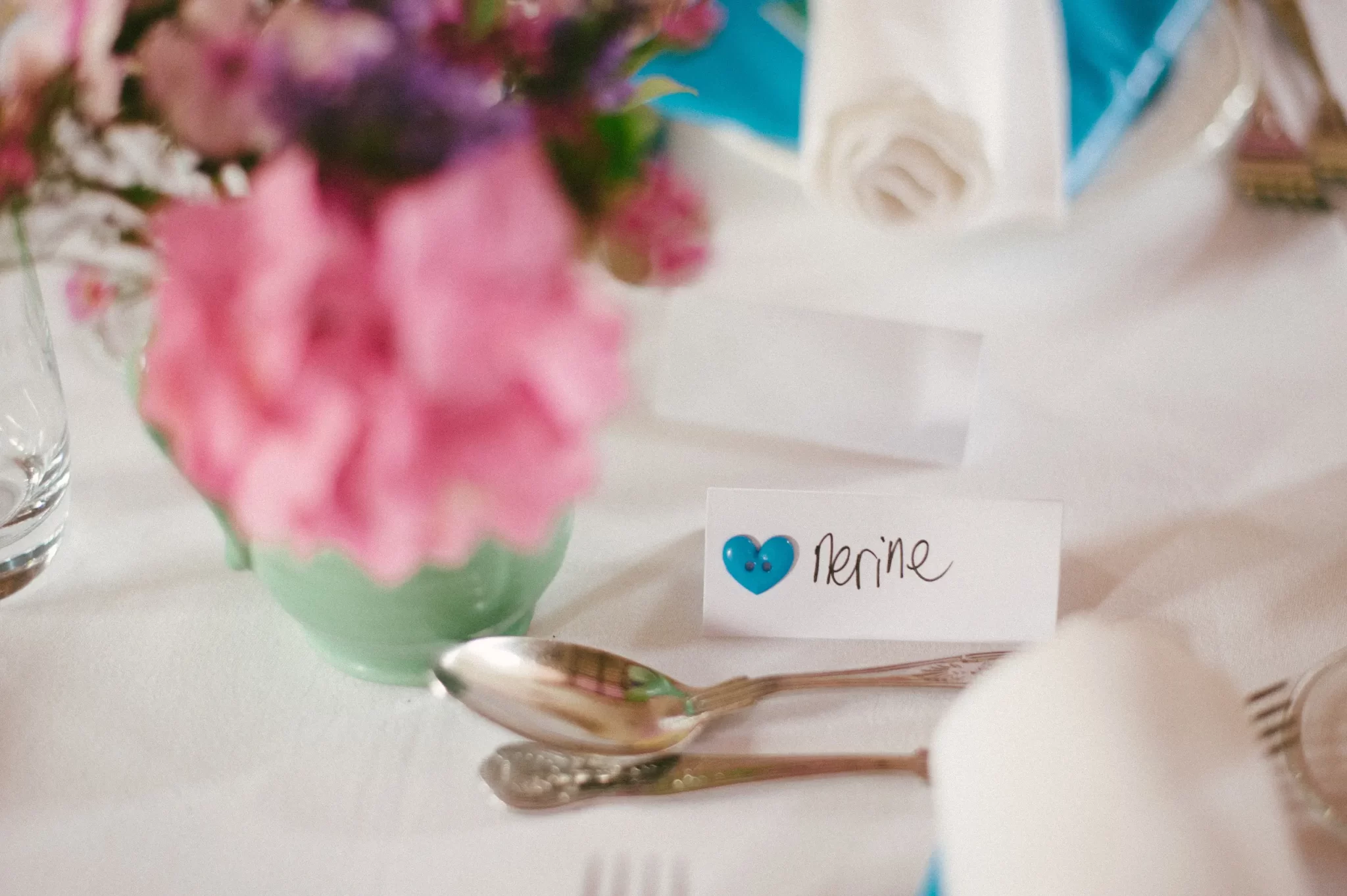
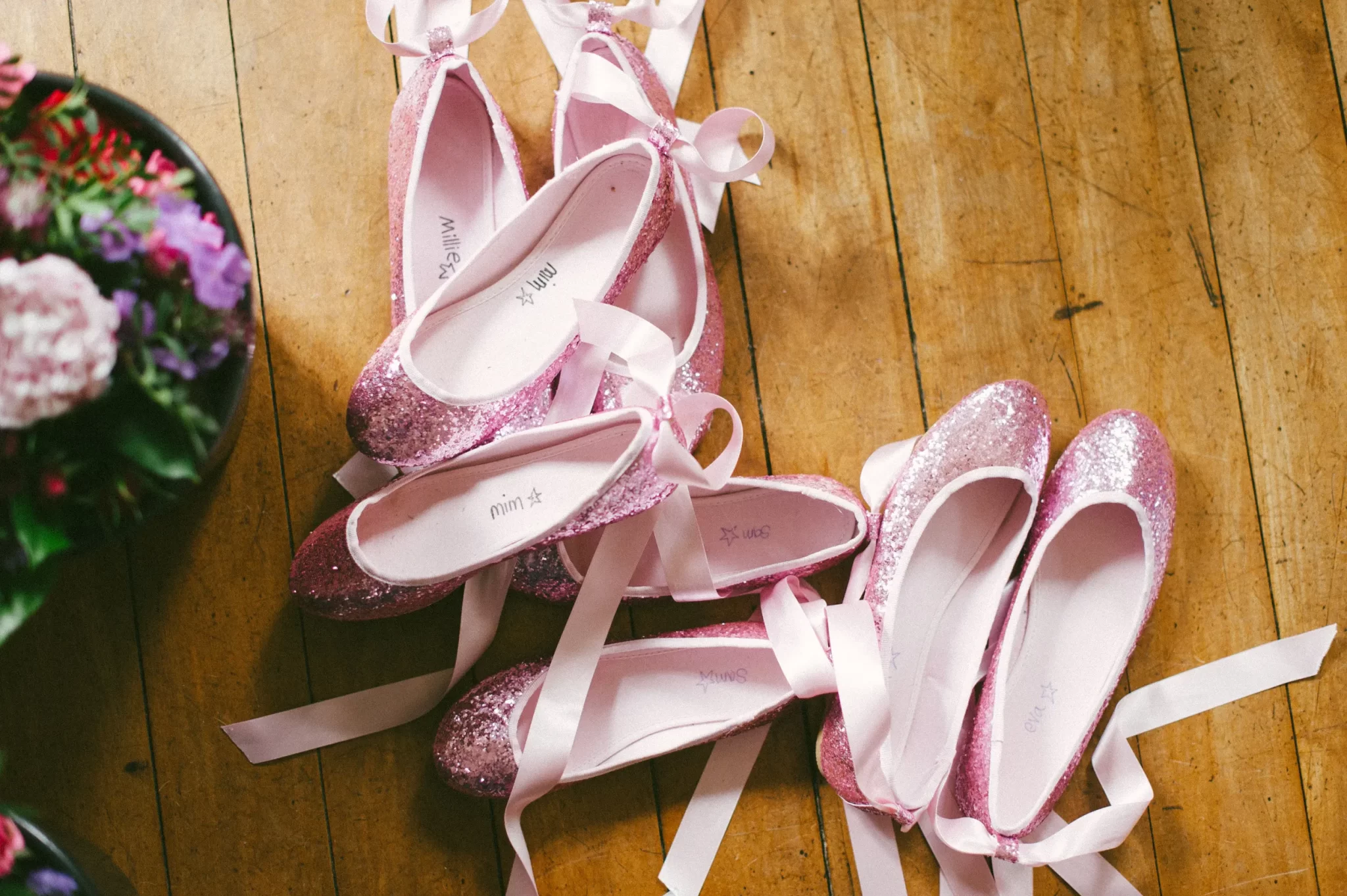
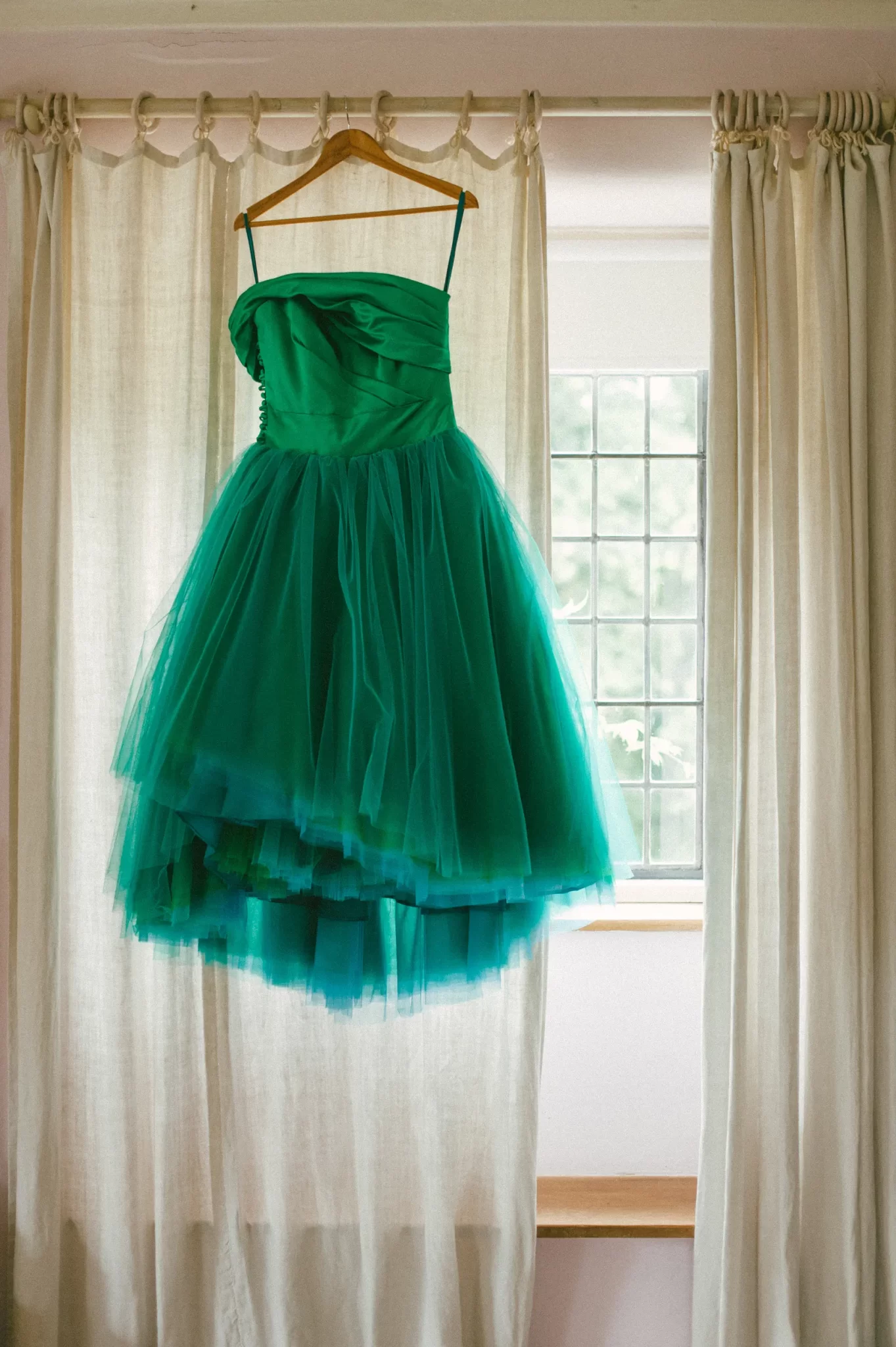
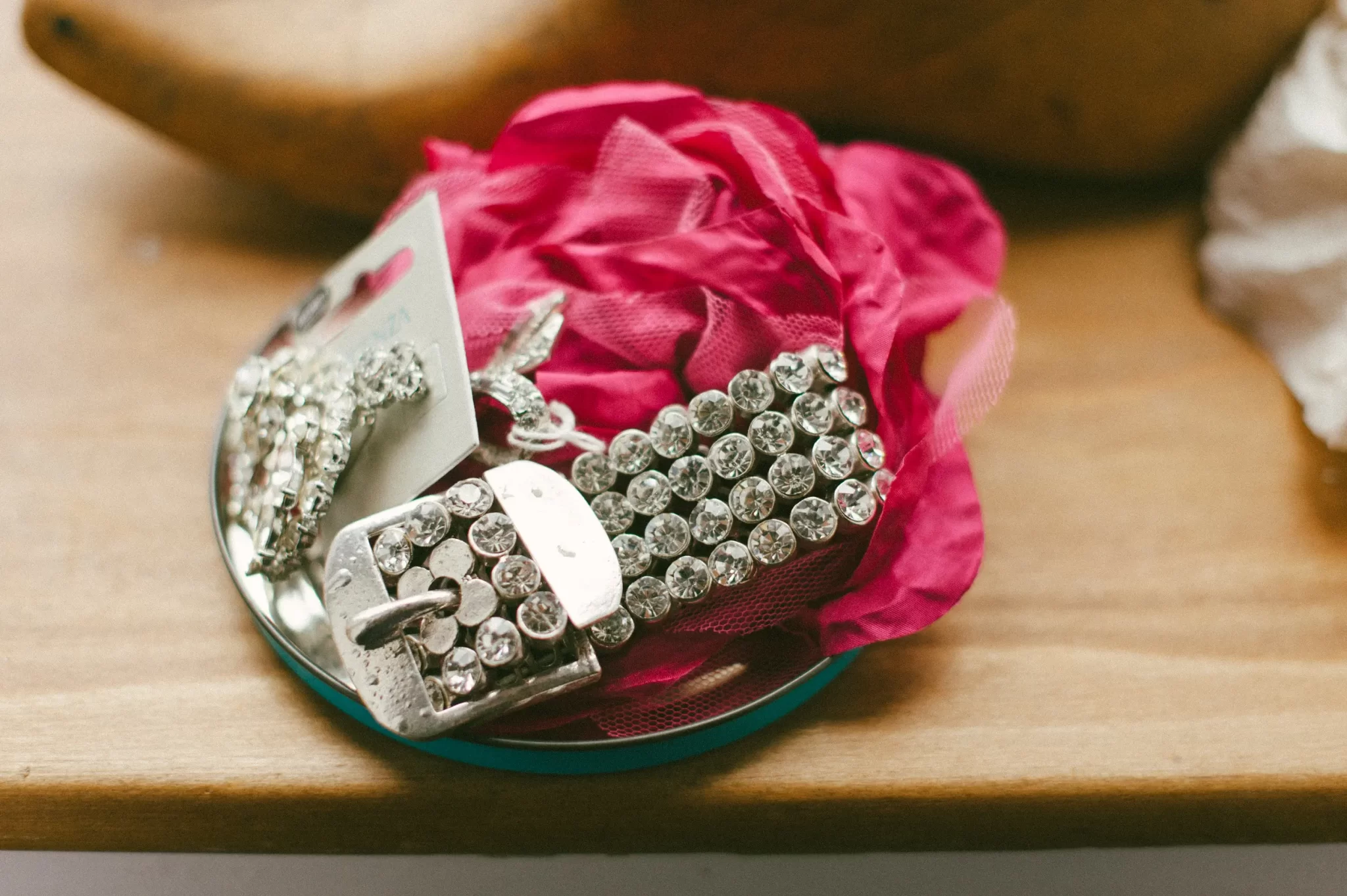
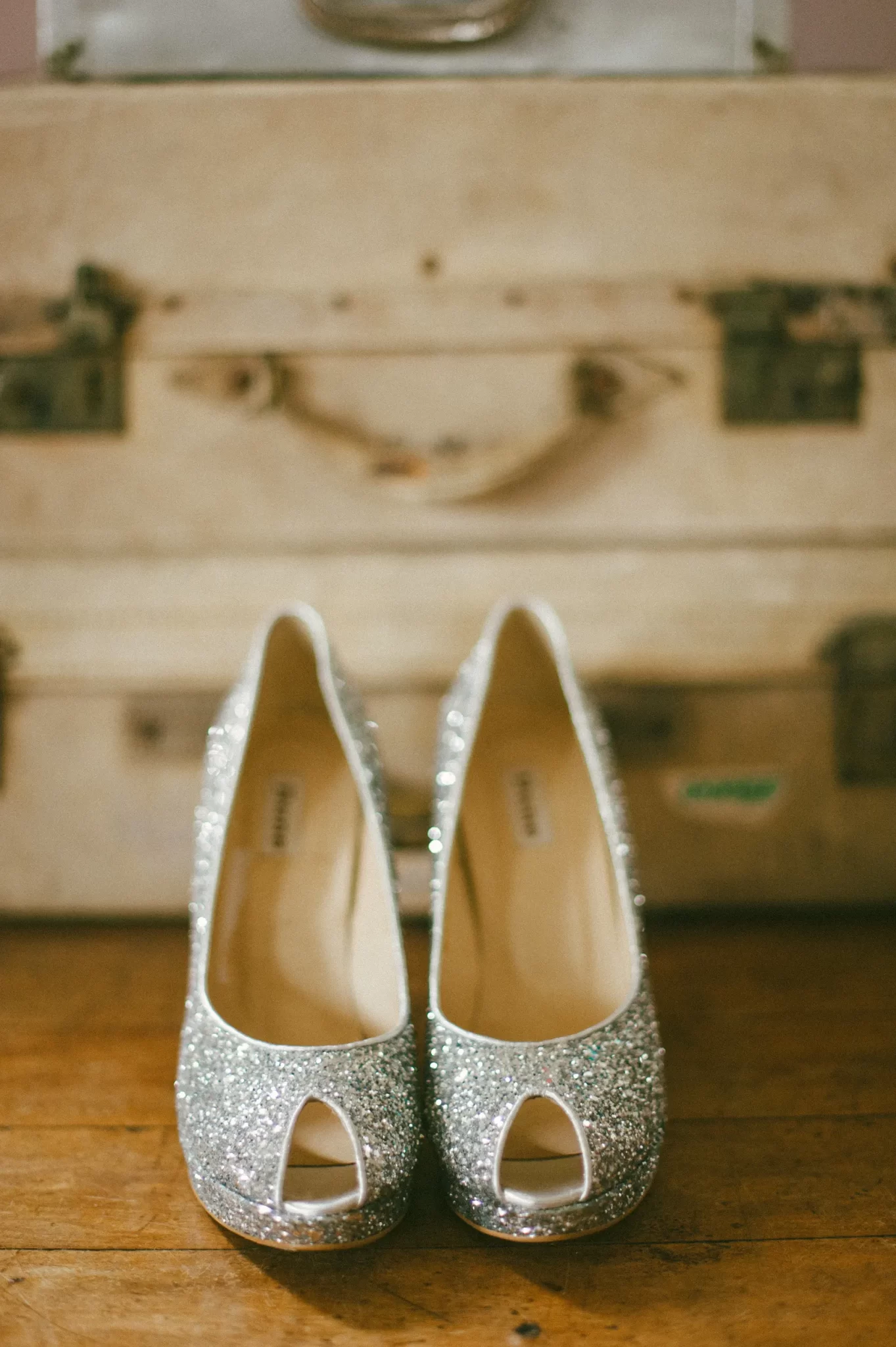
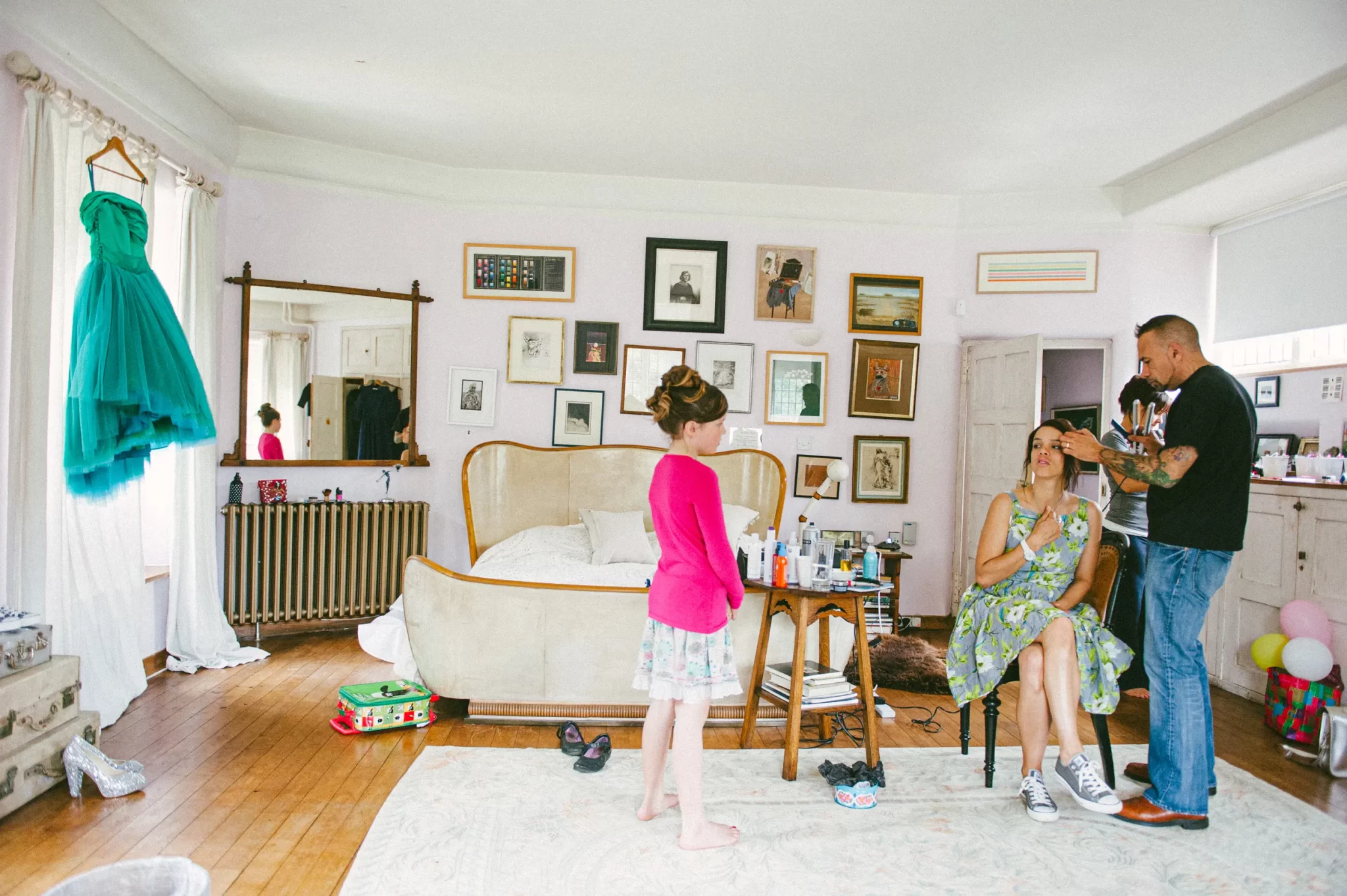
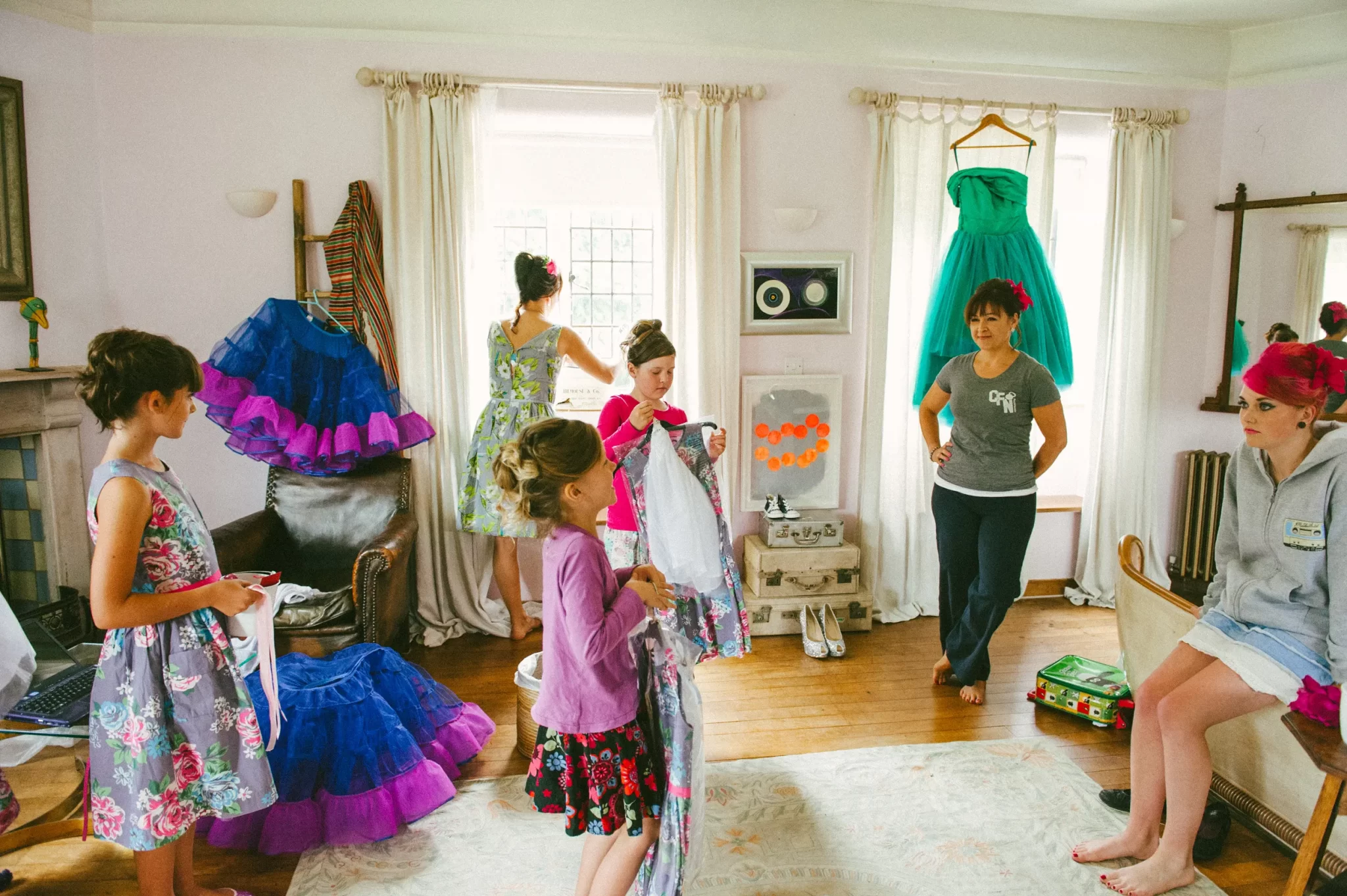
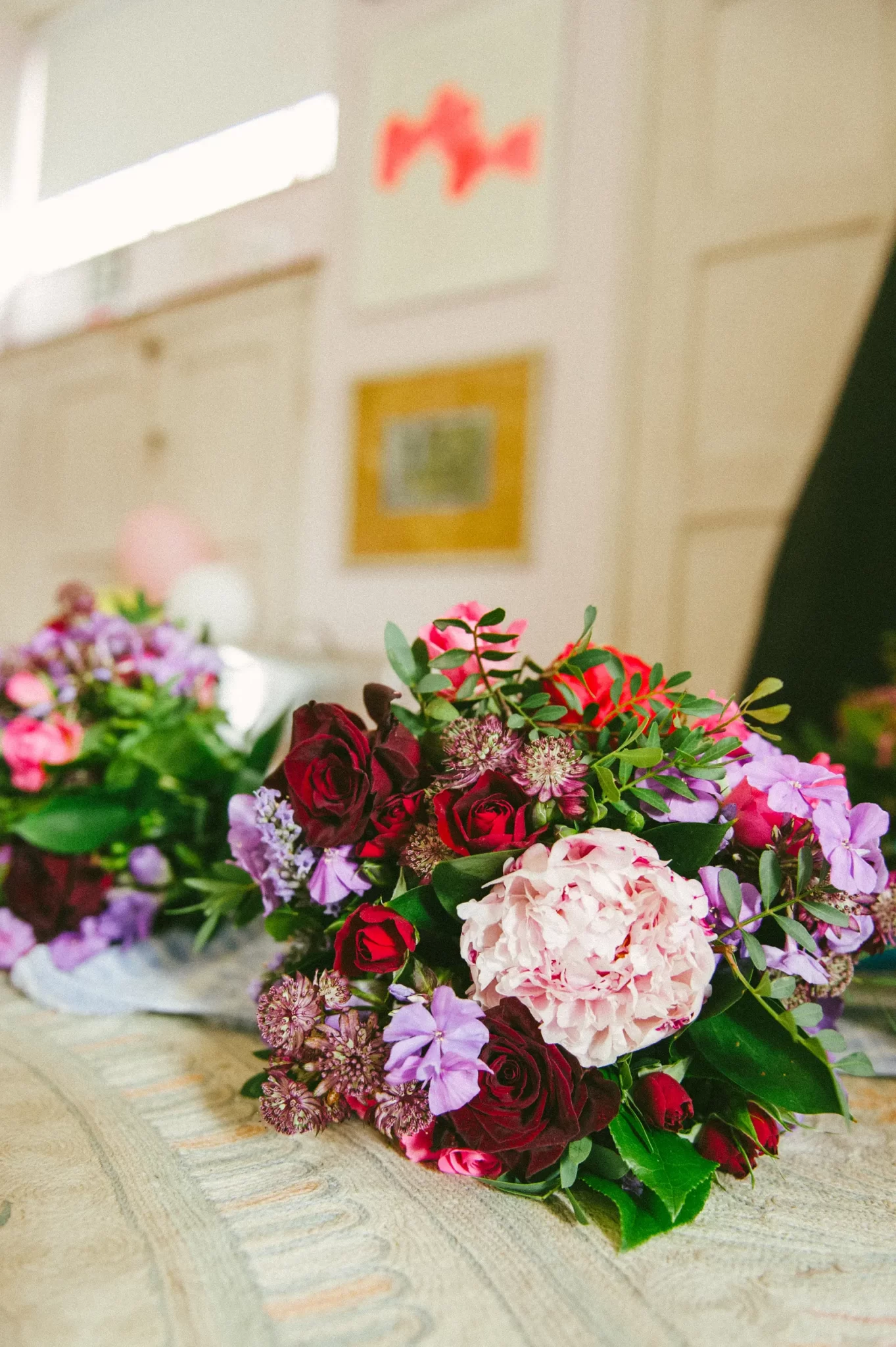
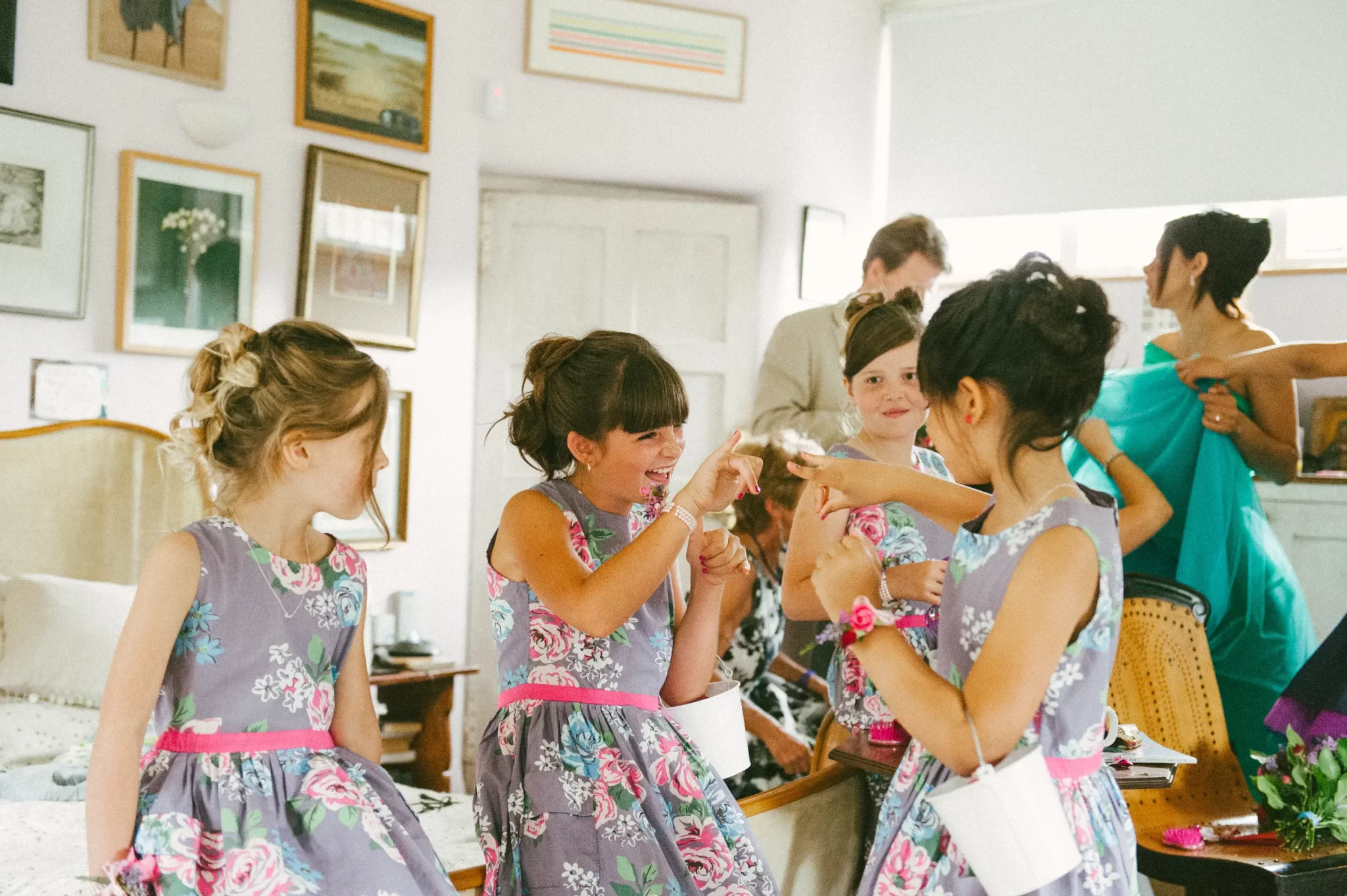
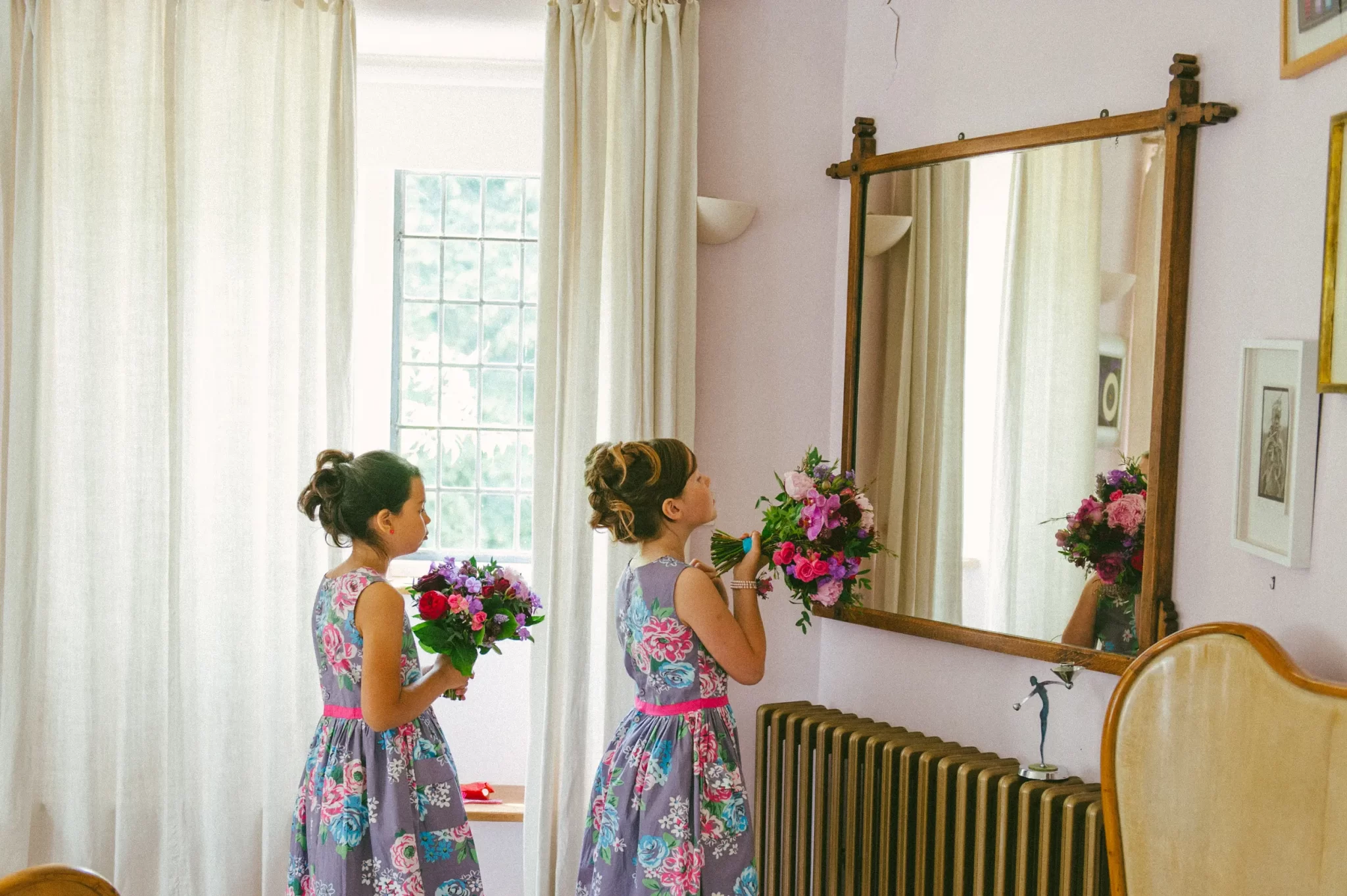
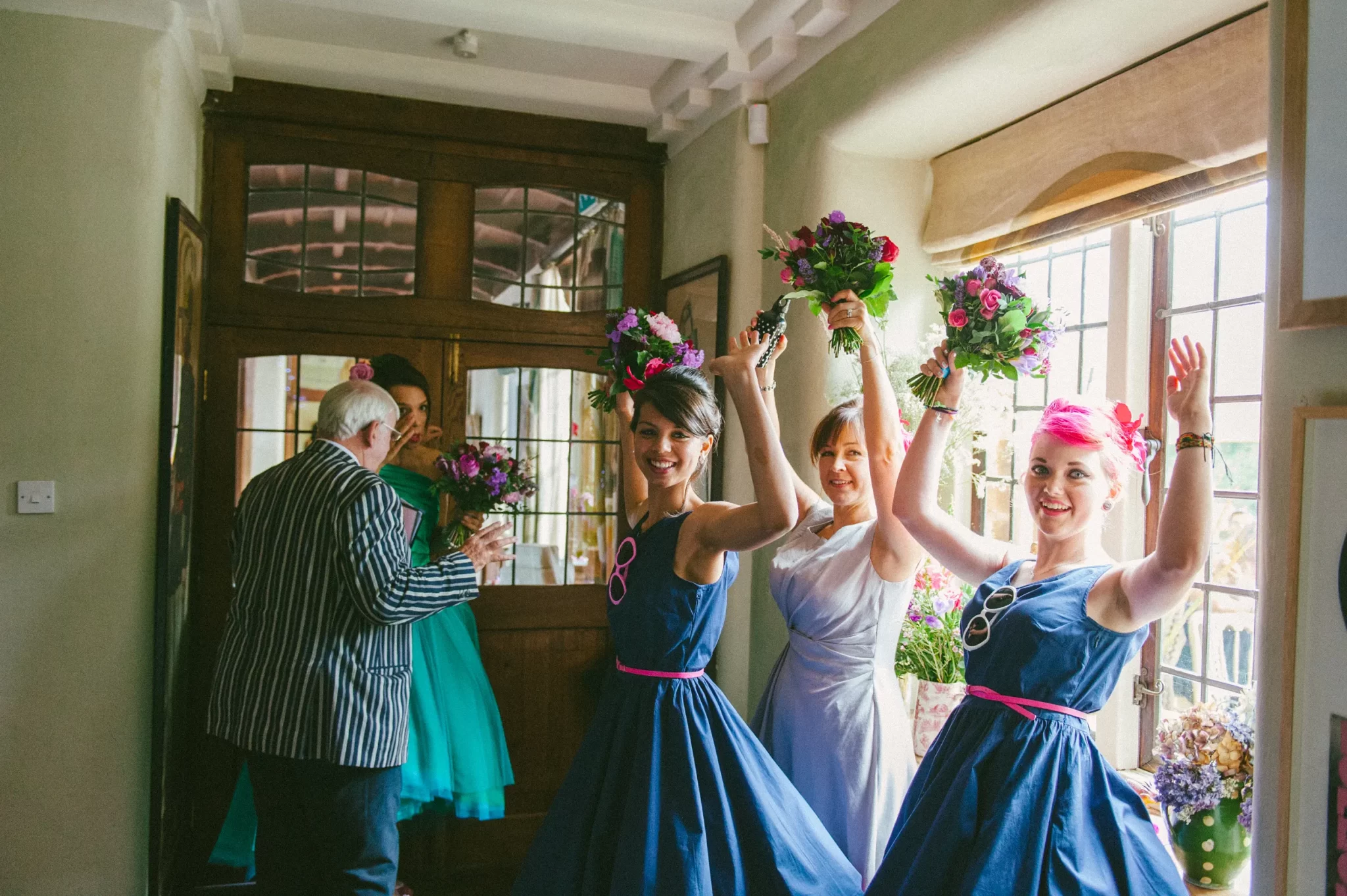
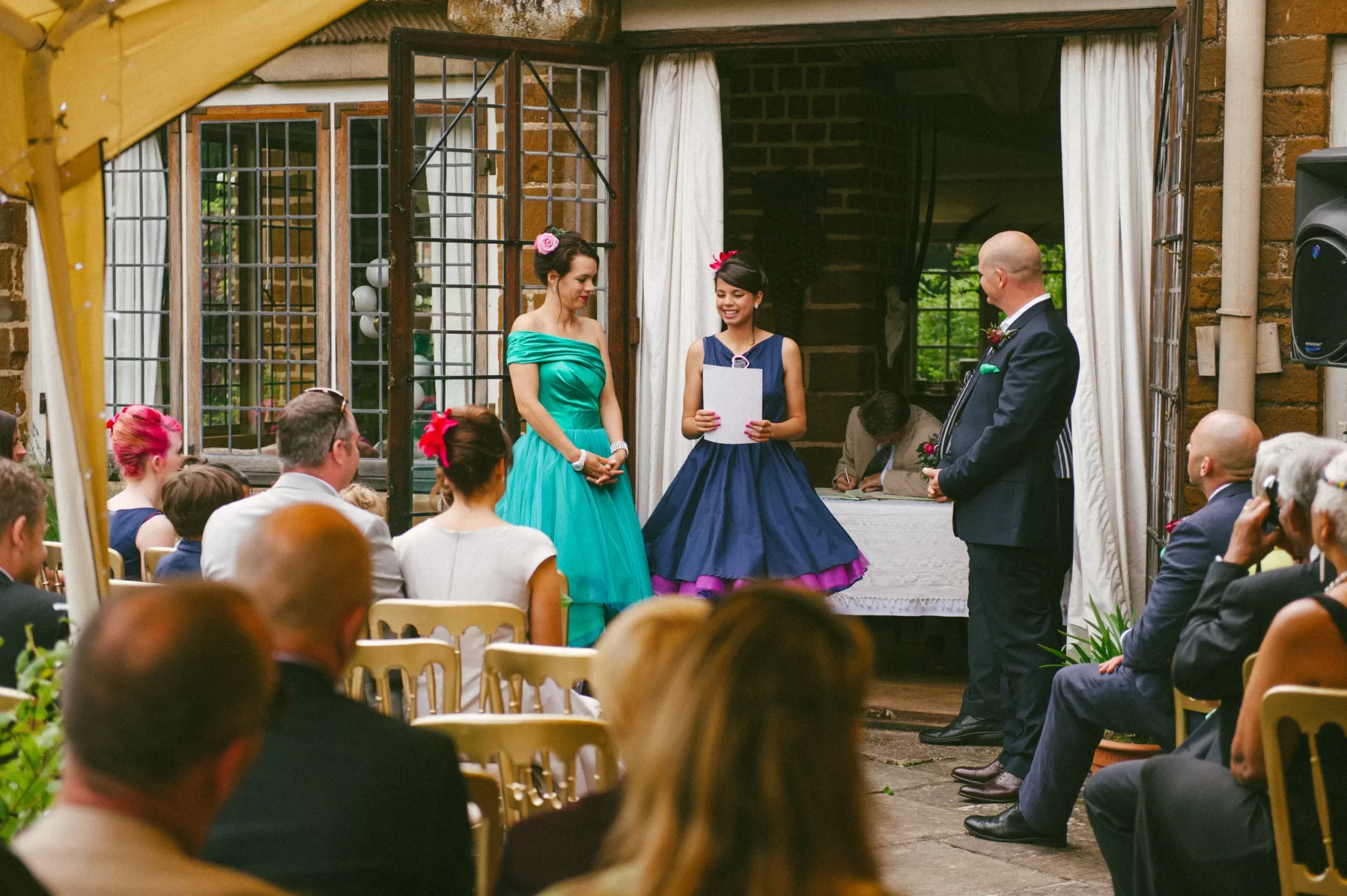
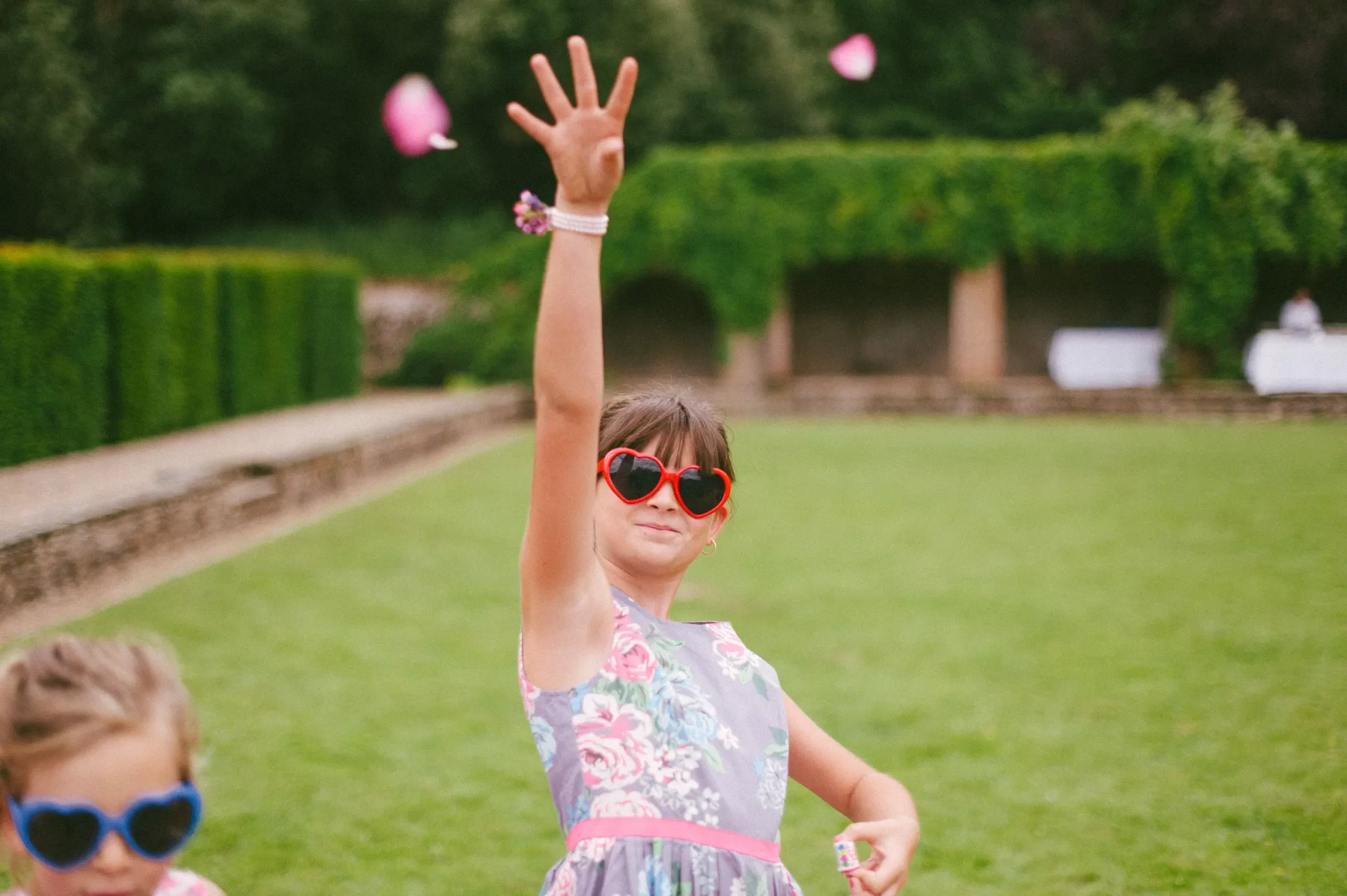
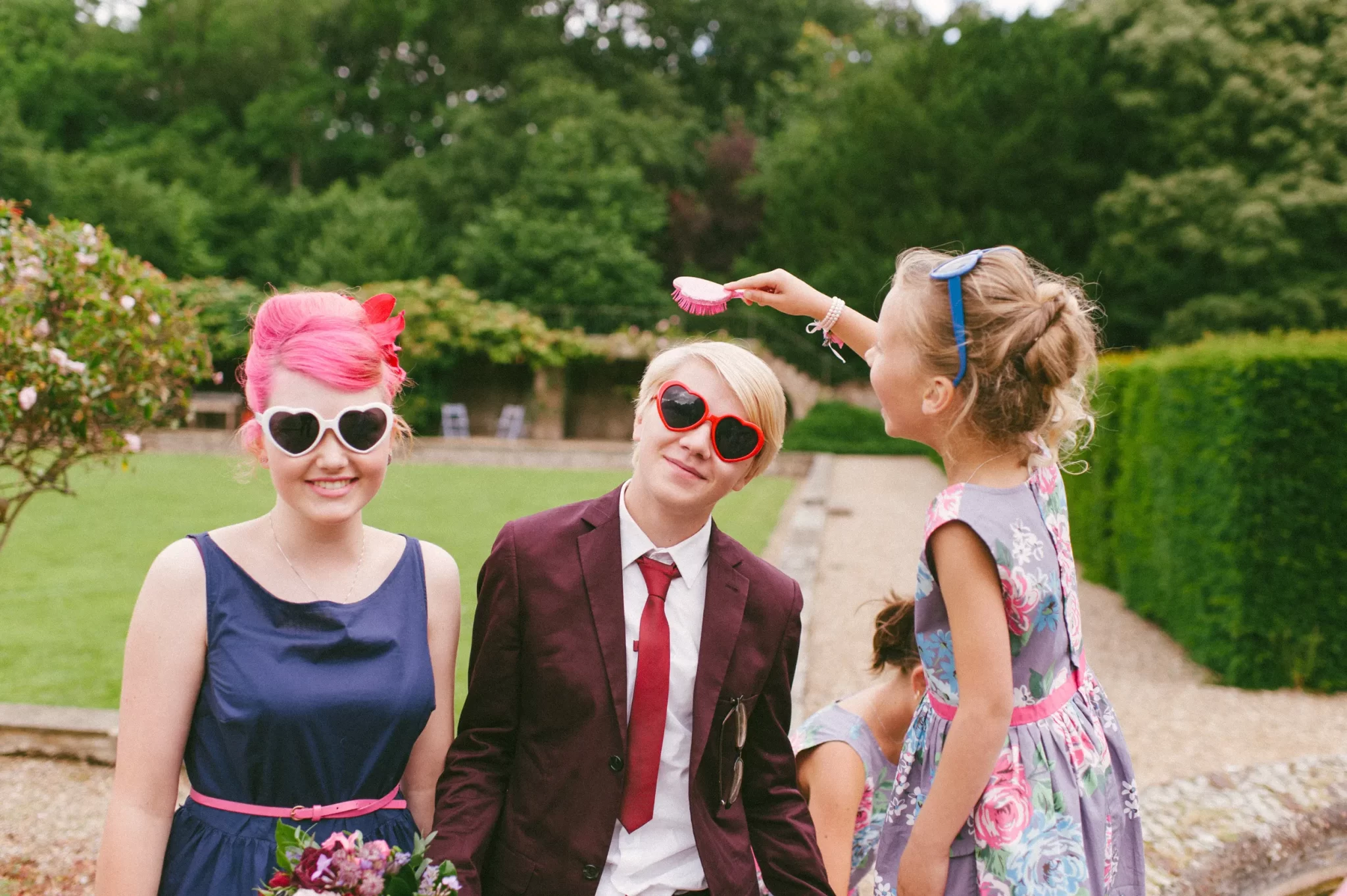
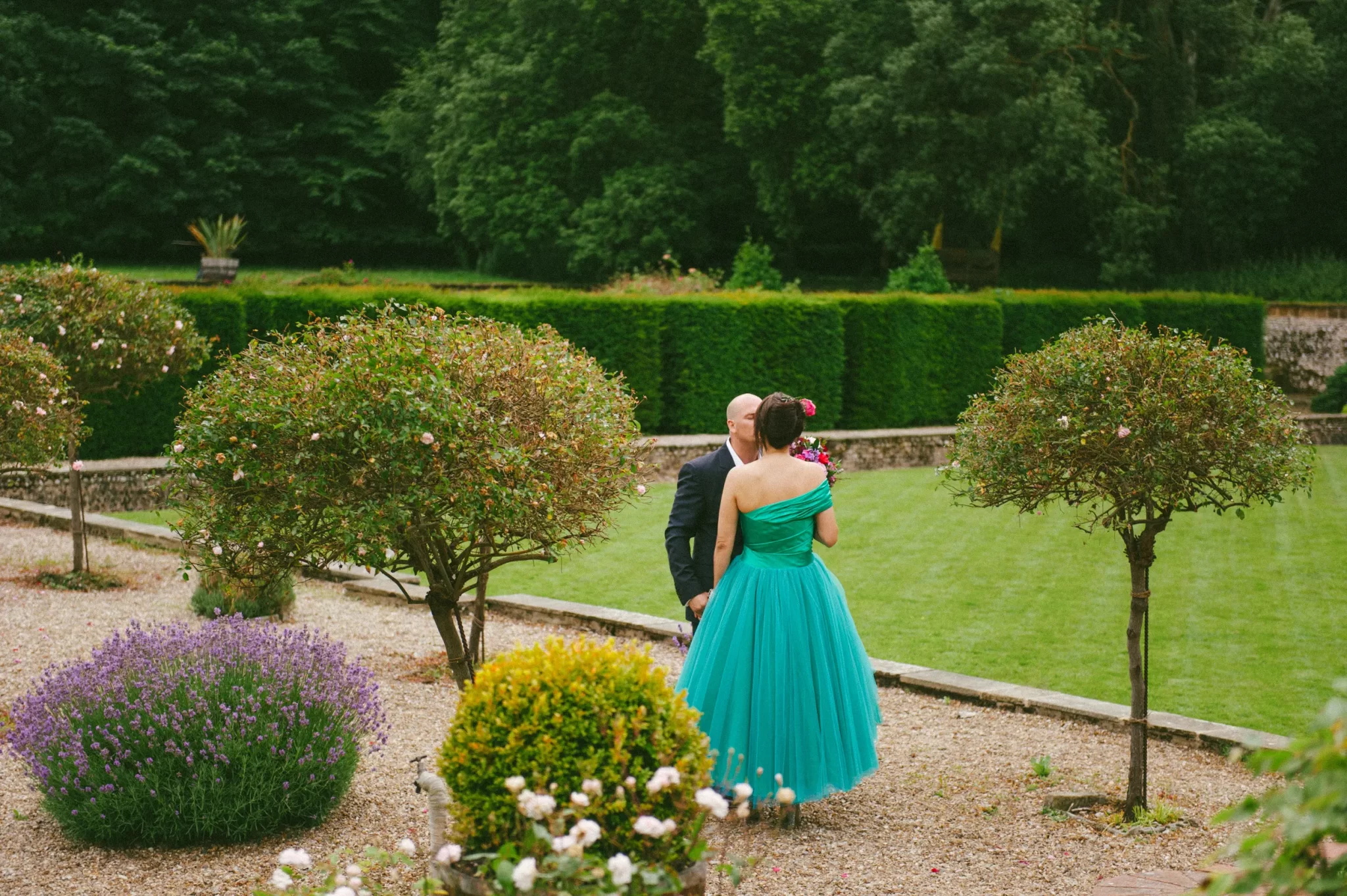
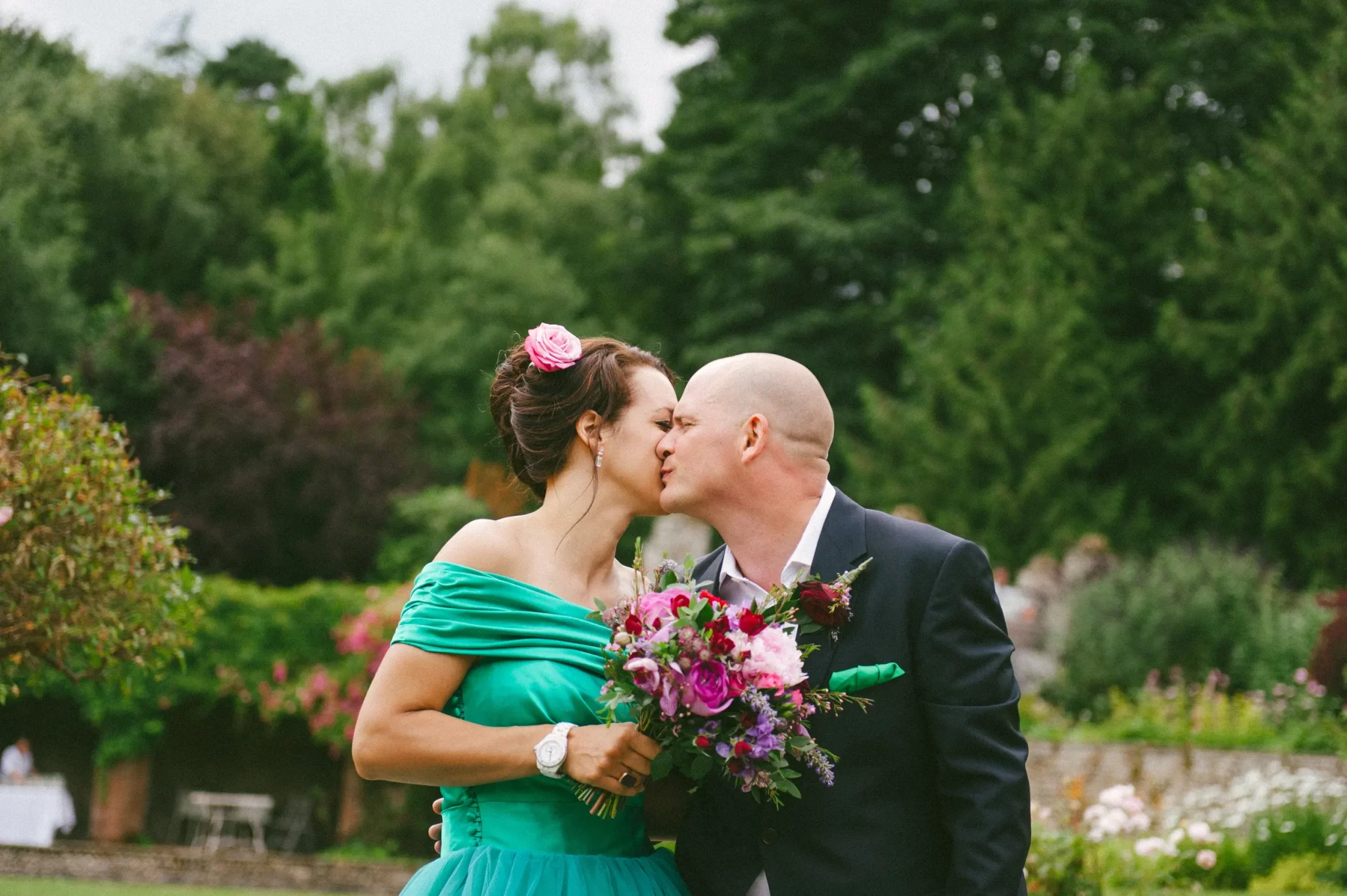
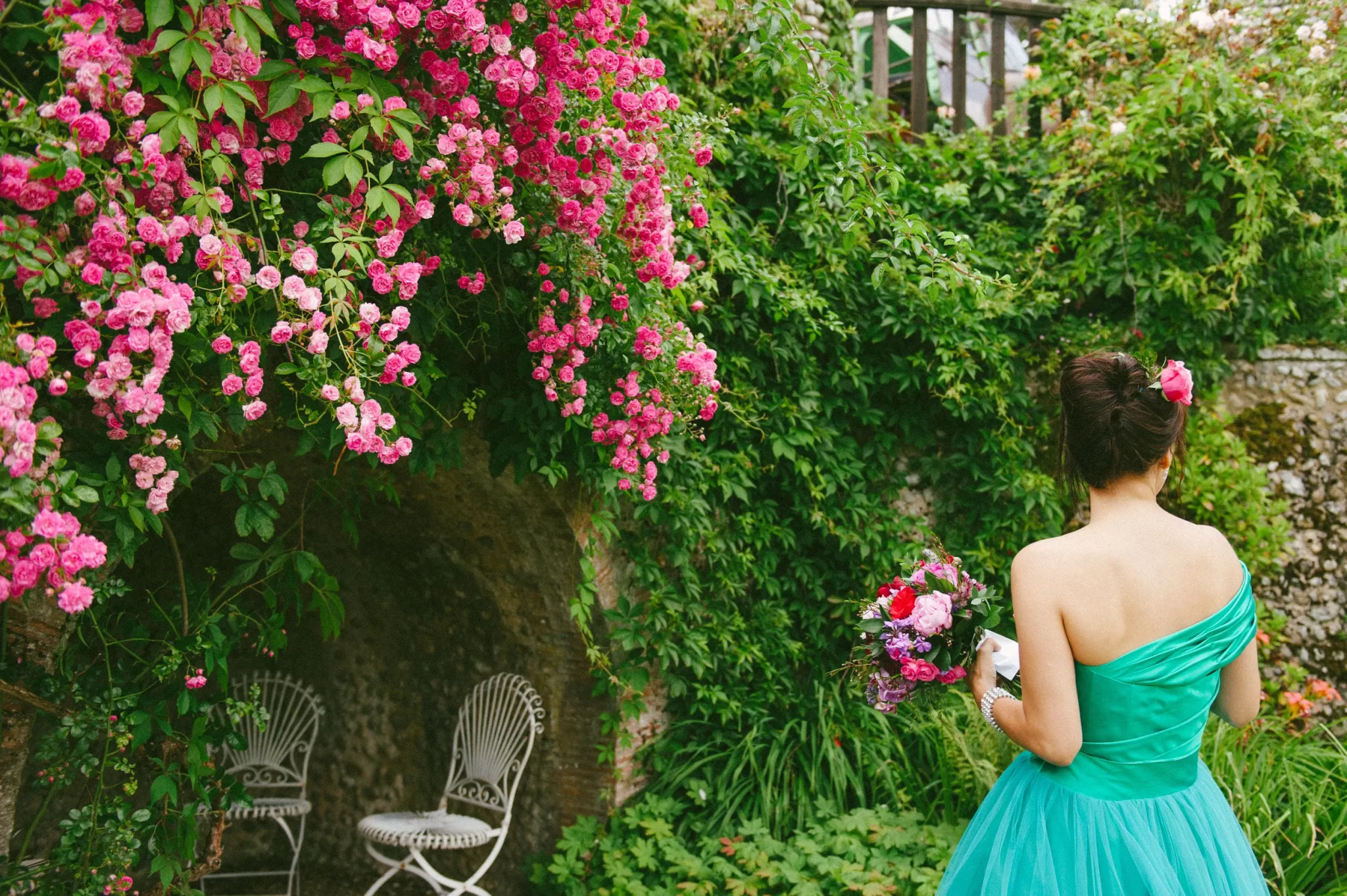
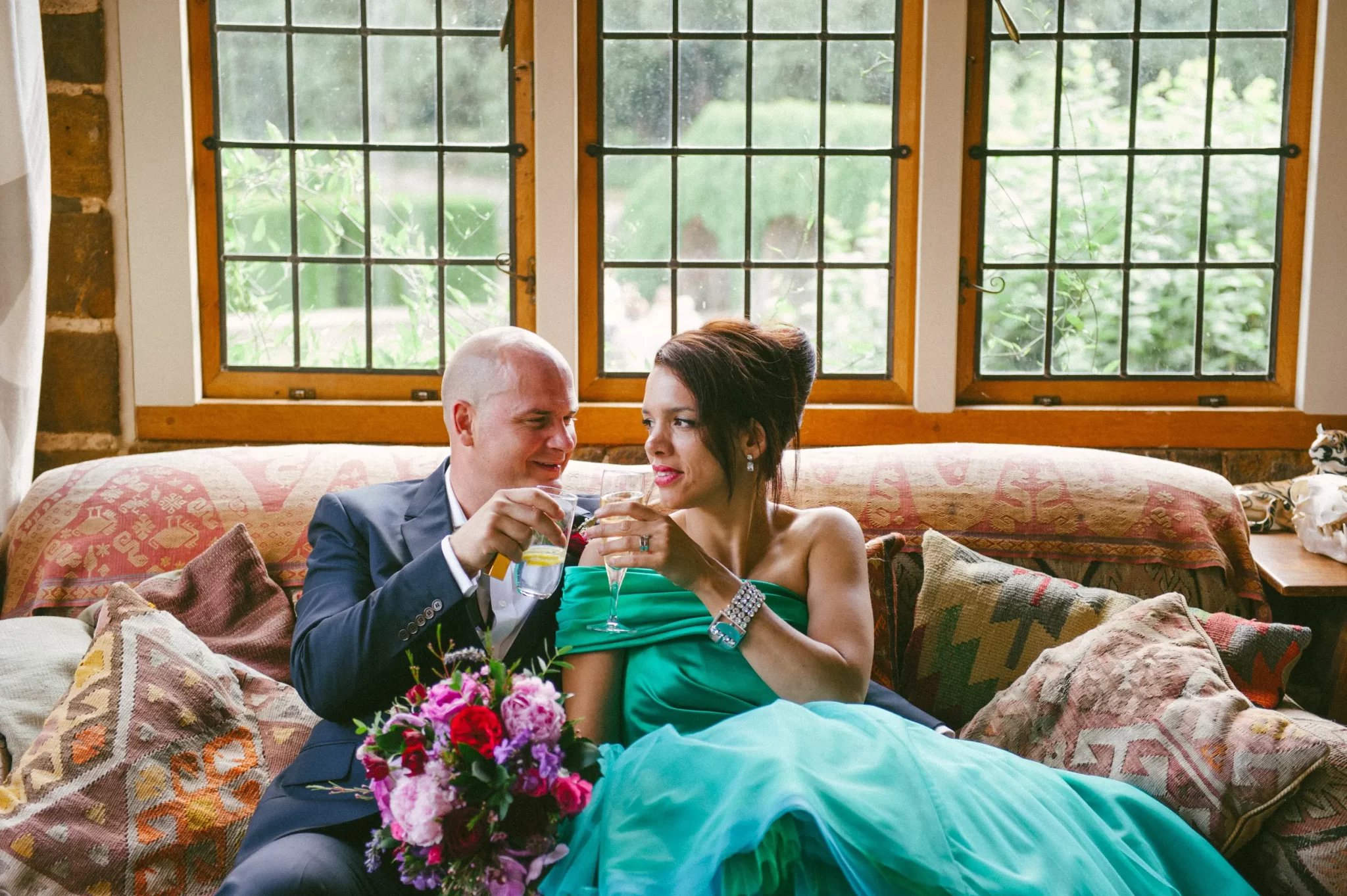
Tess and Jodi used Voewood House in a way that suited its eccentric Arts and Crafts character. Tess wore green, the adult bridesmaids mixed deep teal with a pink stripe, the younger bridesmaids wore floral dresses, and heart-shaped pink sunglasses appeared in the morning. Jodi kept things simpler in a relaxed dark blue suit. The result is a wedding that looks deliberately personal rather than styled to disappear into the venue.
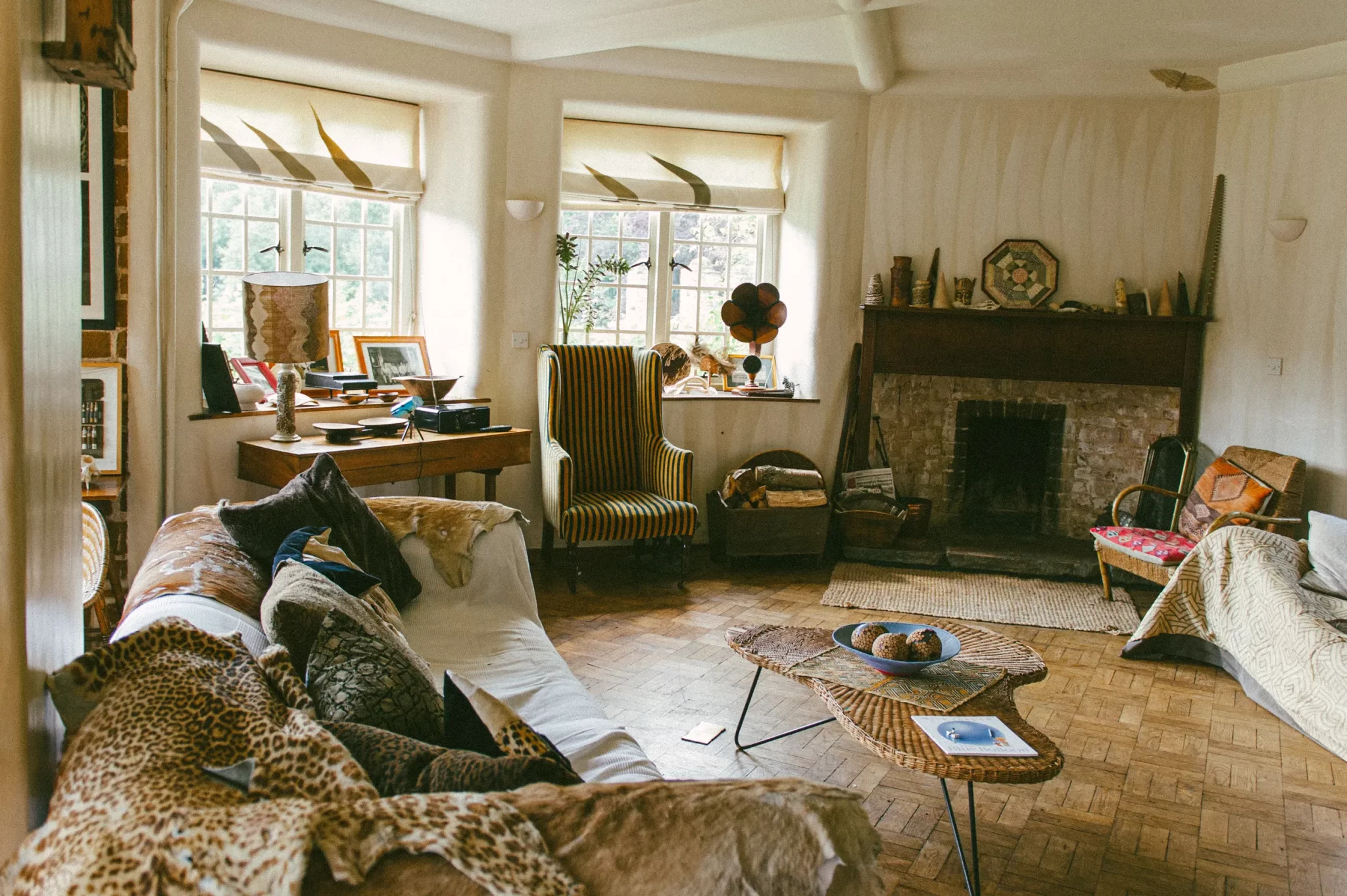
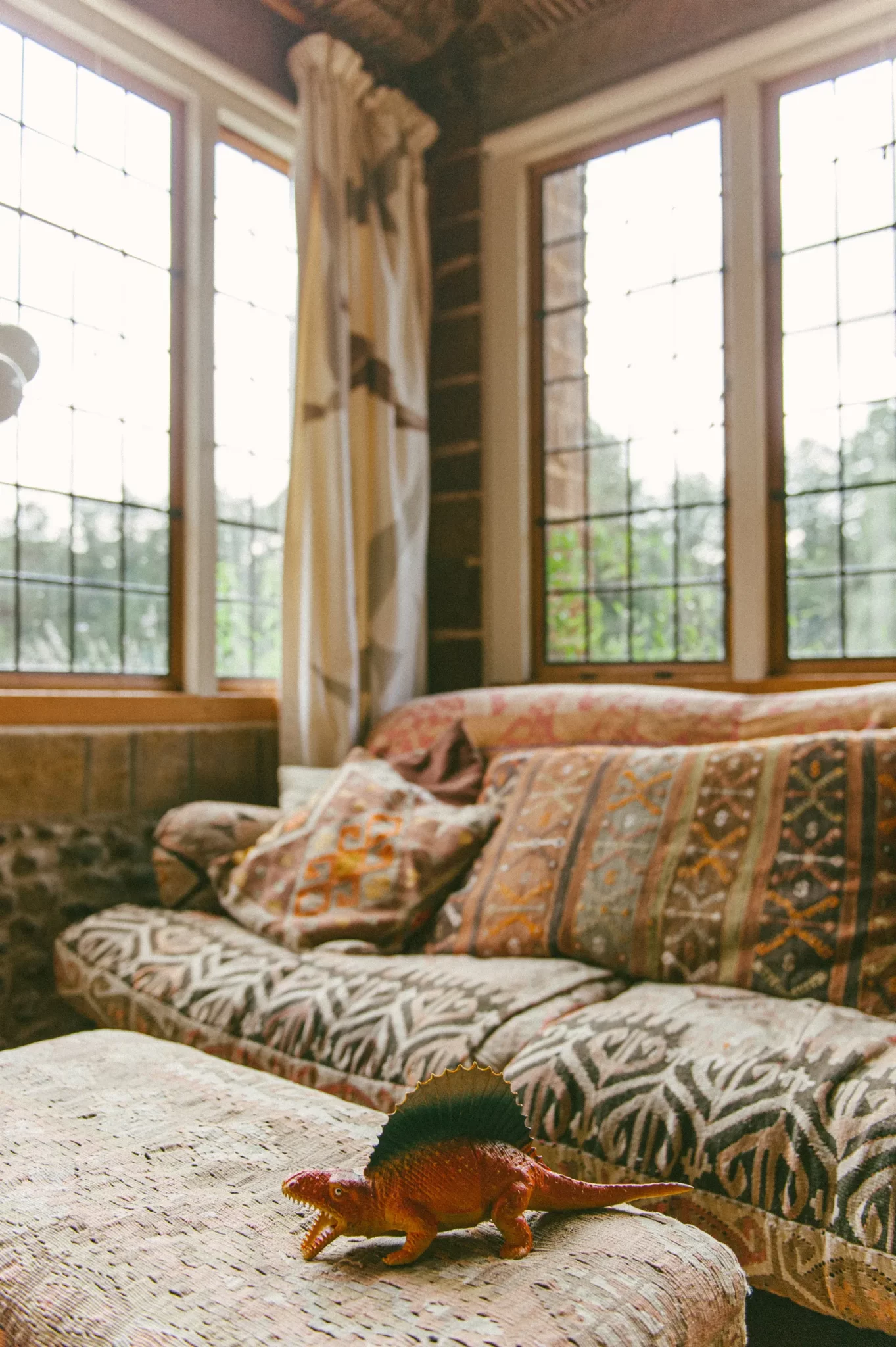
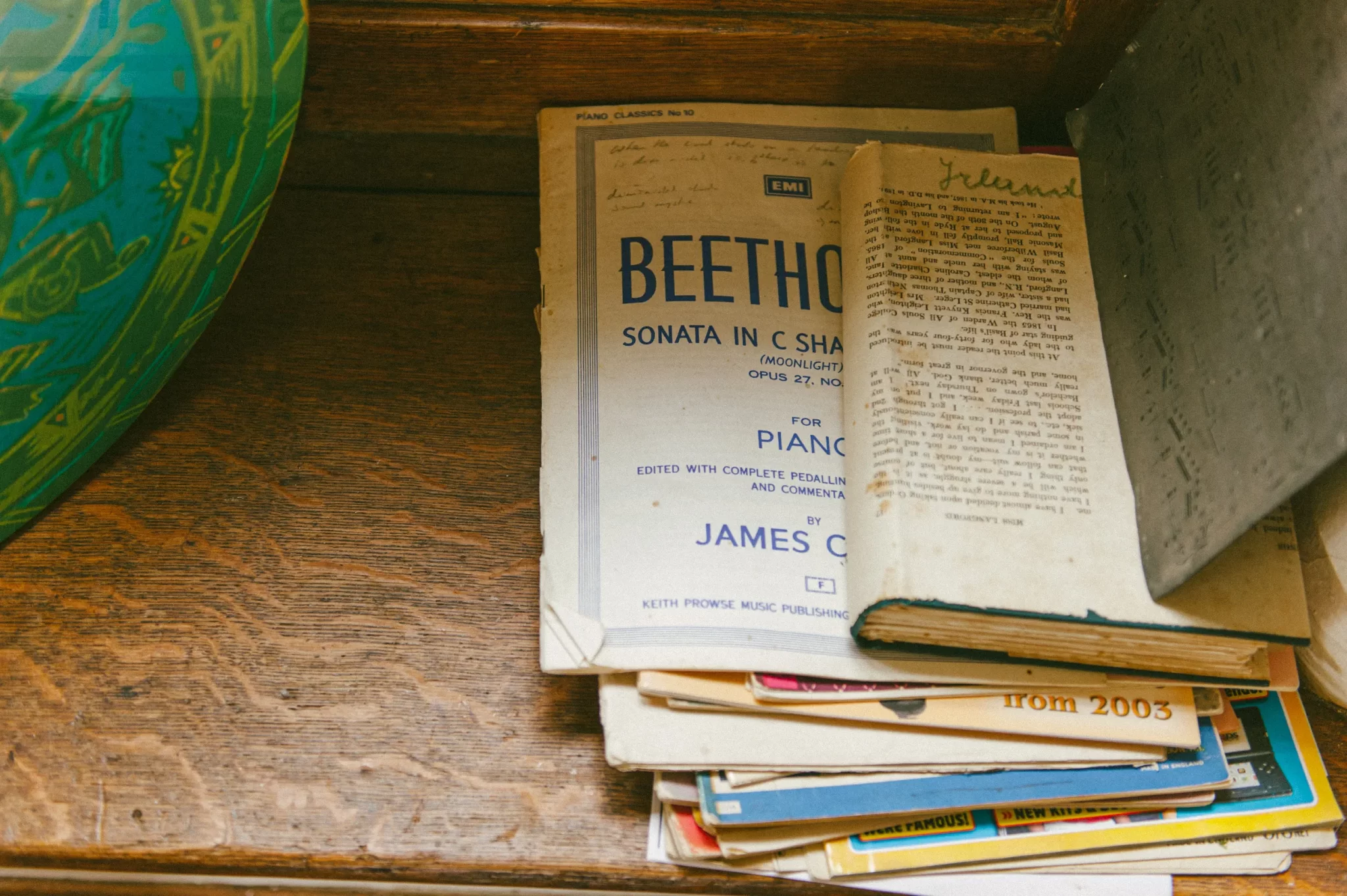
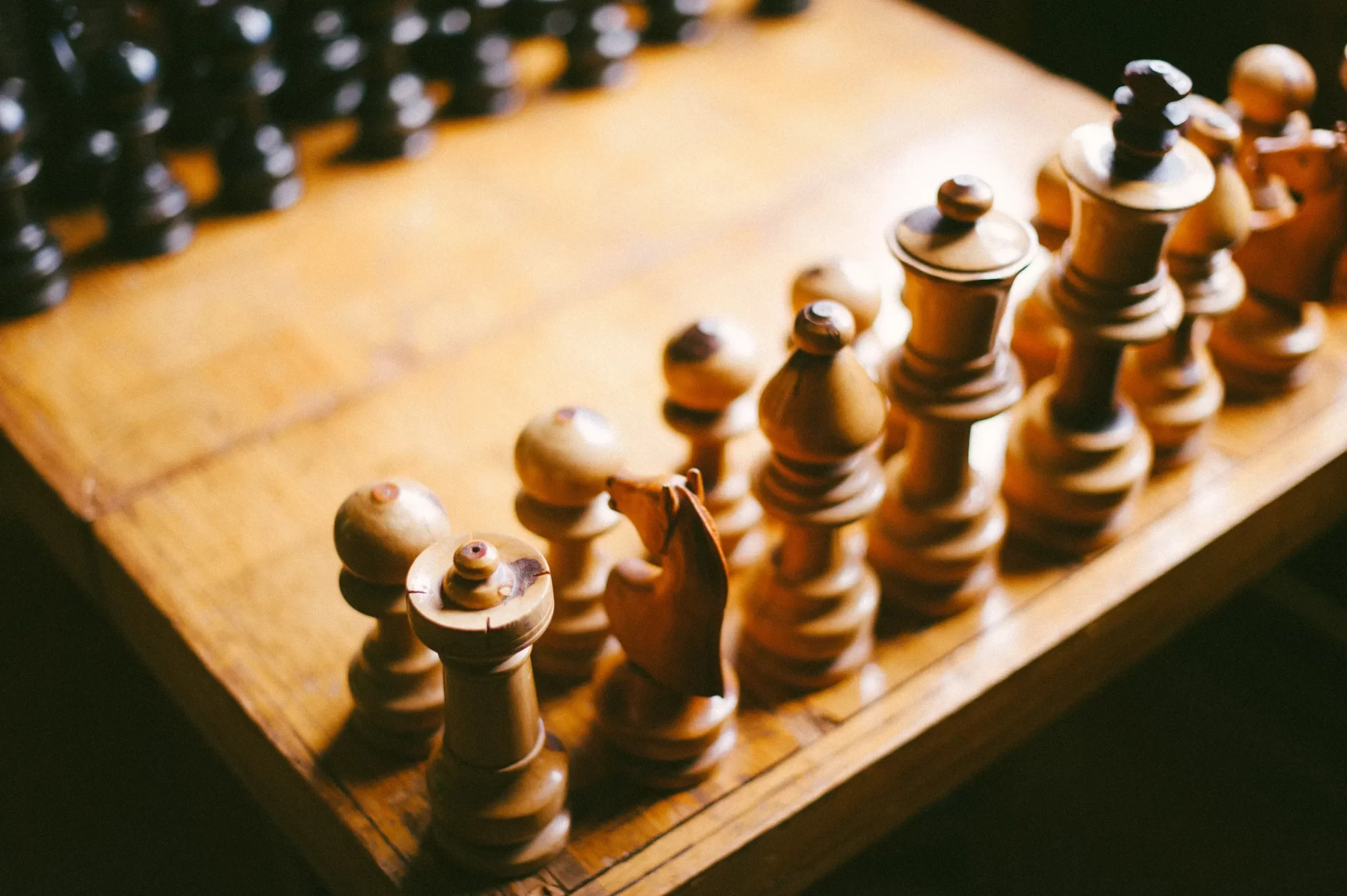
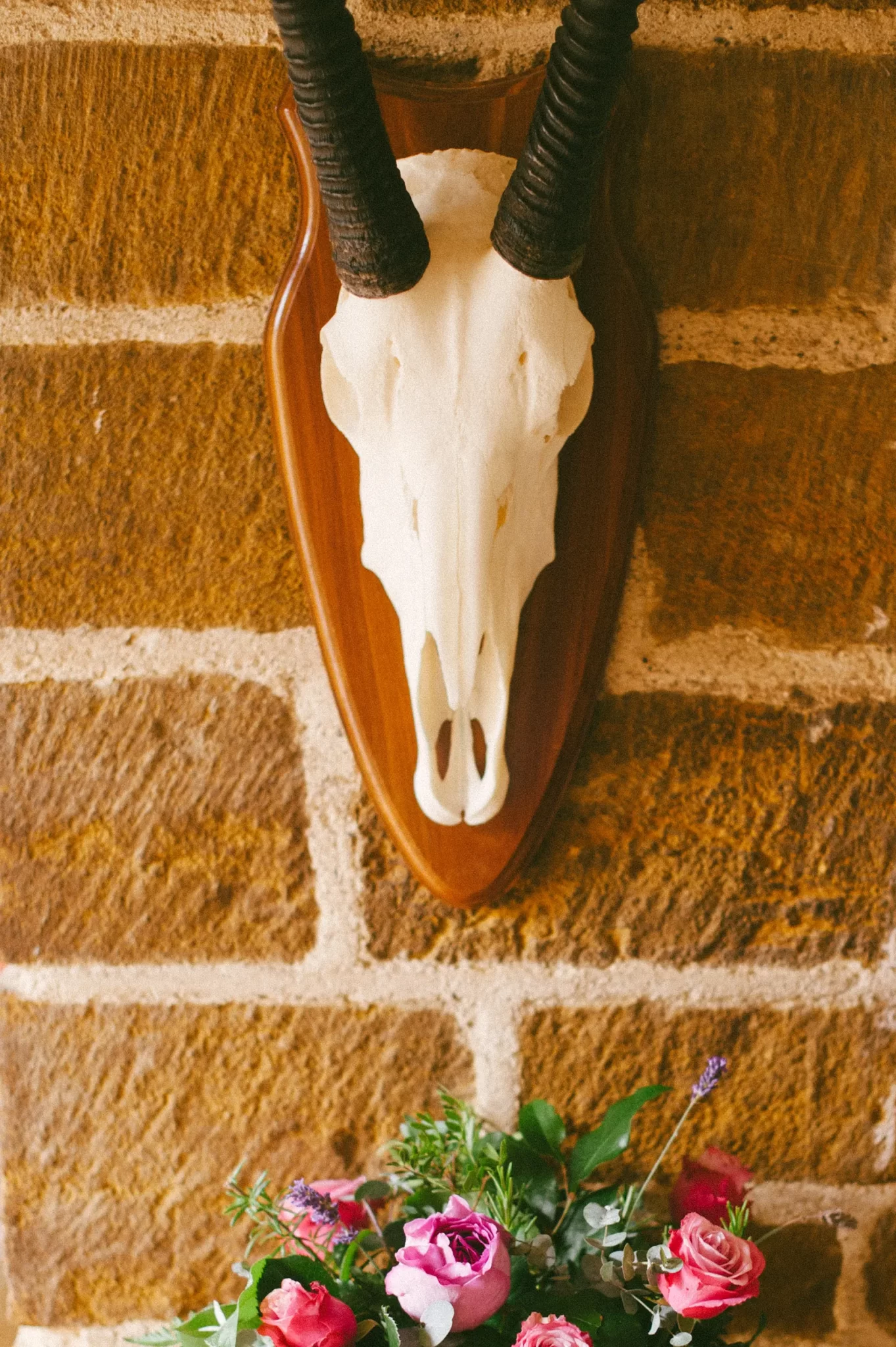
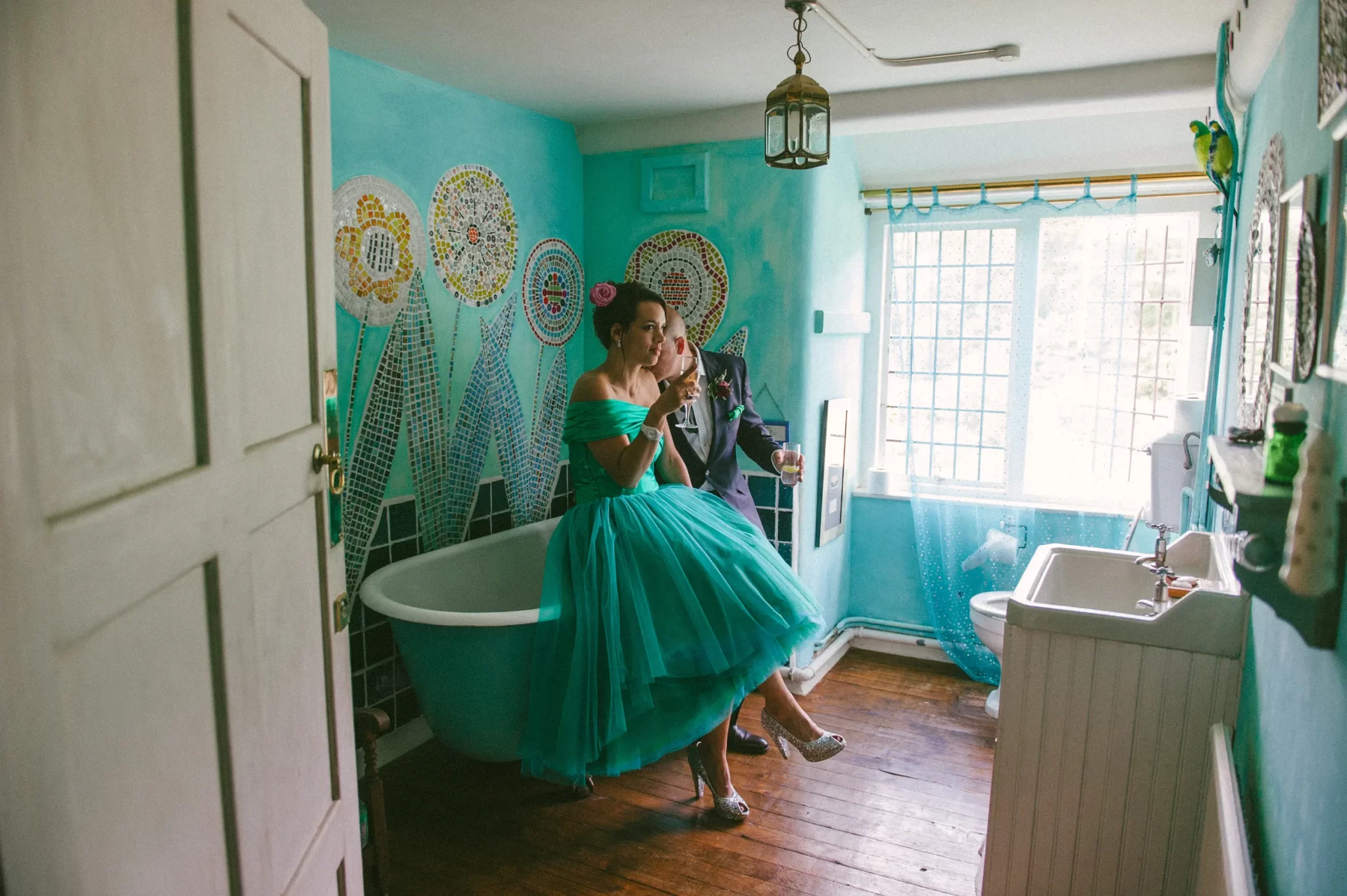
That matters because Voewood already has a lot of visual information. The house contains unusual furniture, strong decoration and different rooms, so neutralising the wedding would make the photographs less interesting. I let the colour stay loud and use the architecture as another layer rather than trying to make every frame minimal.










02
A house that changes from room to room
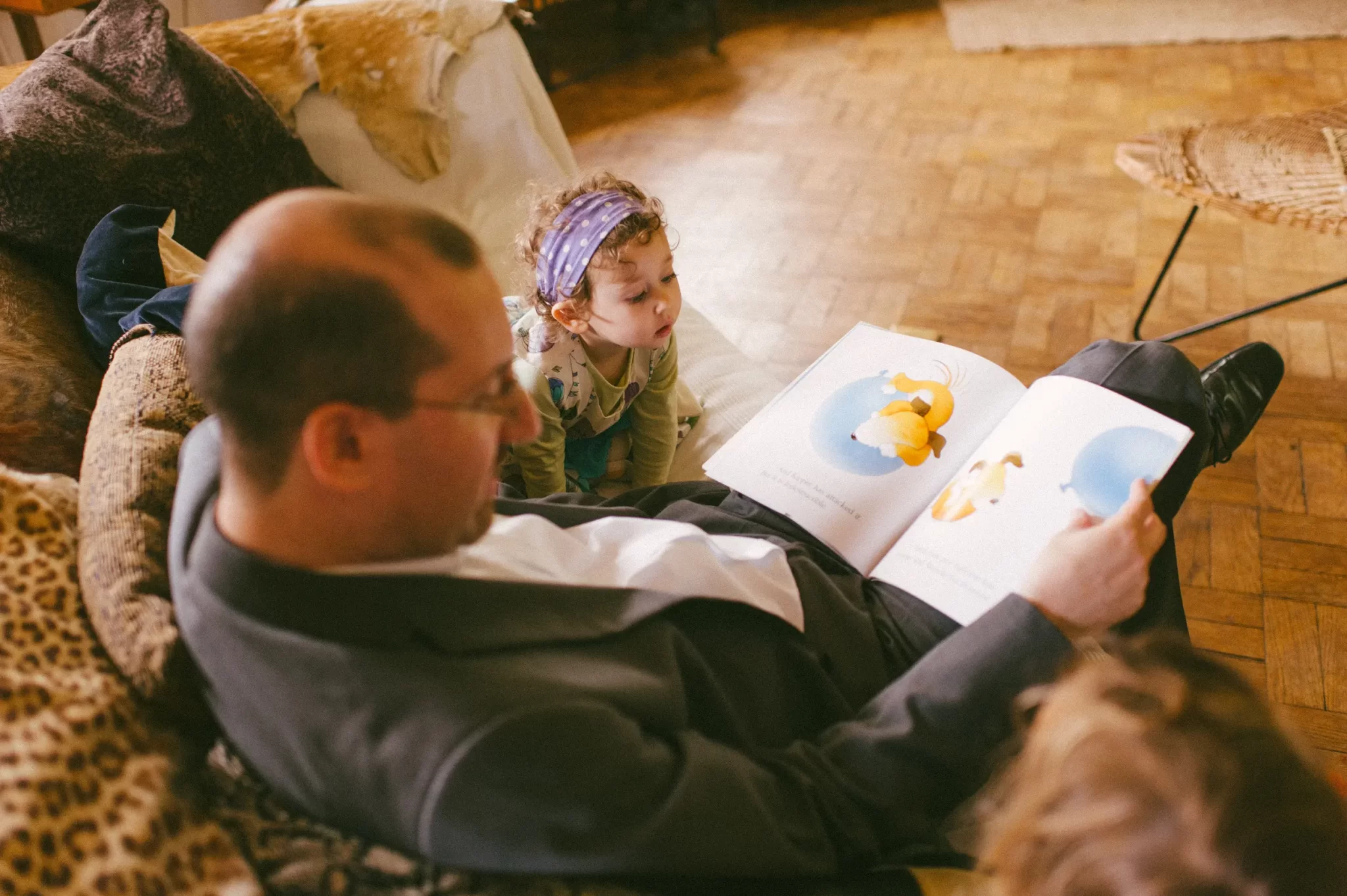
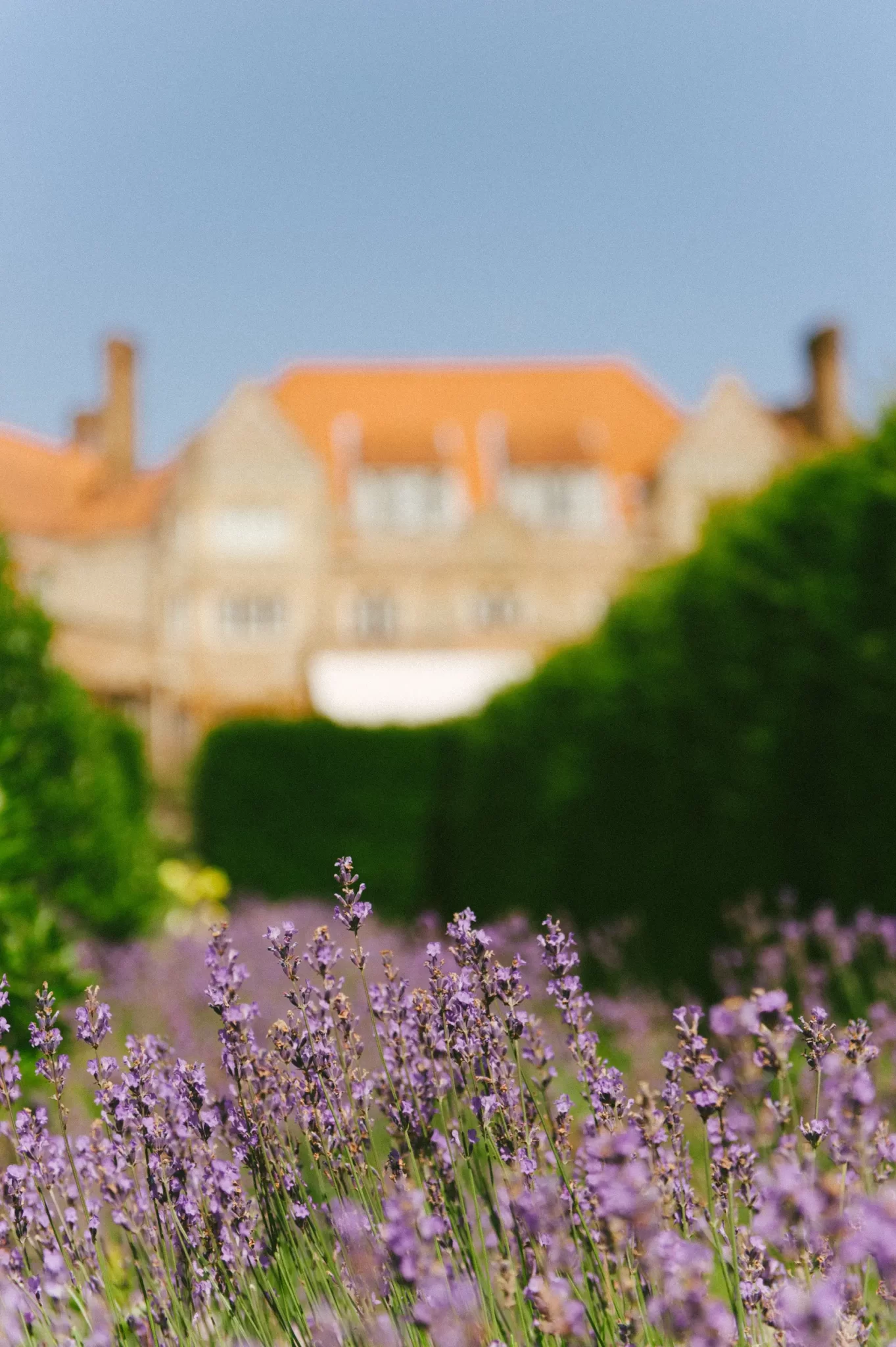
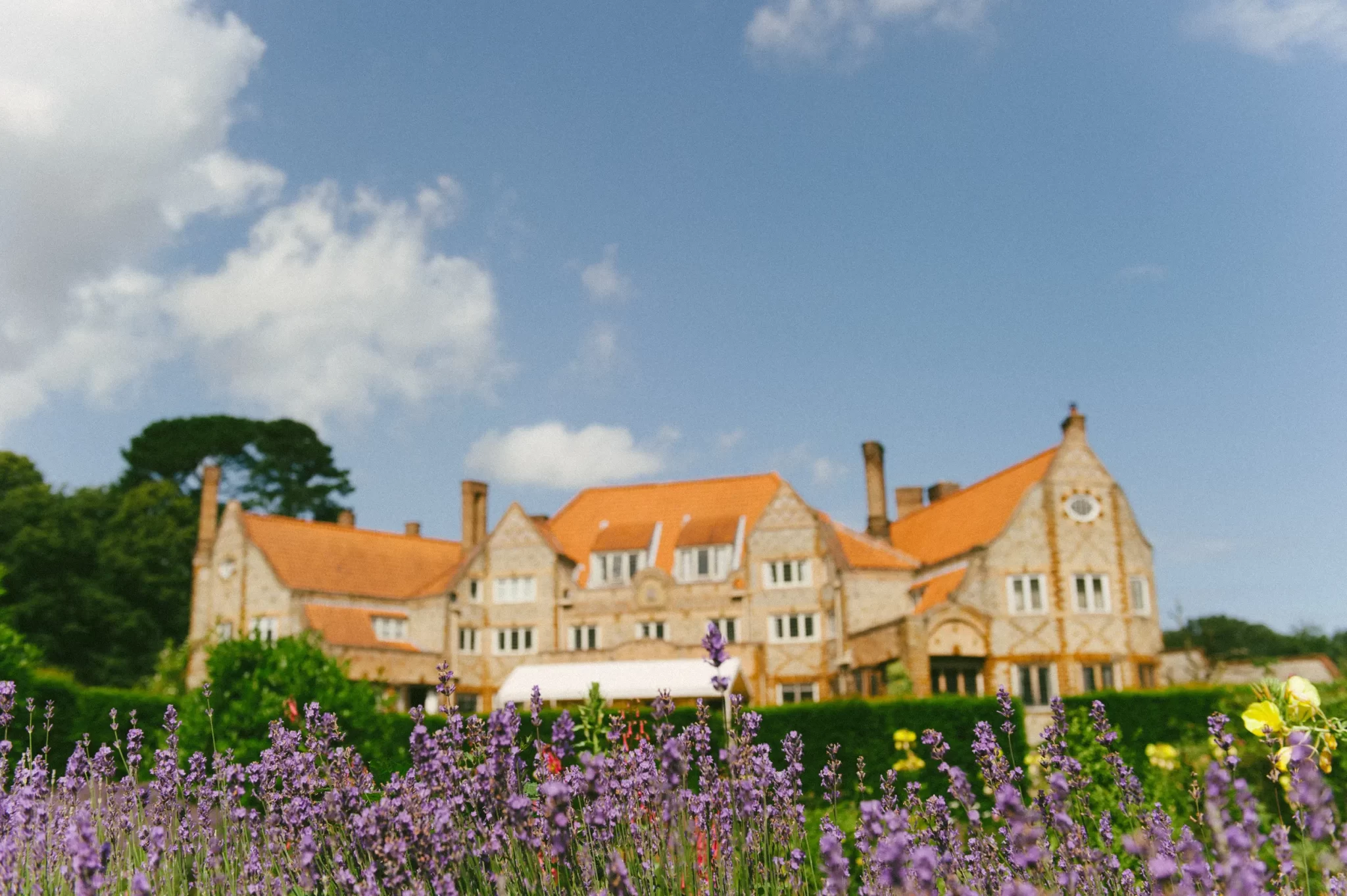
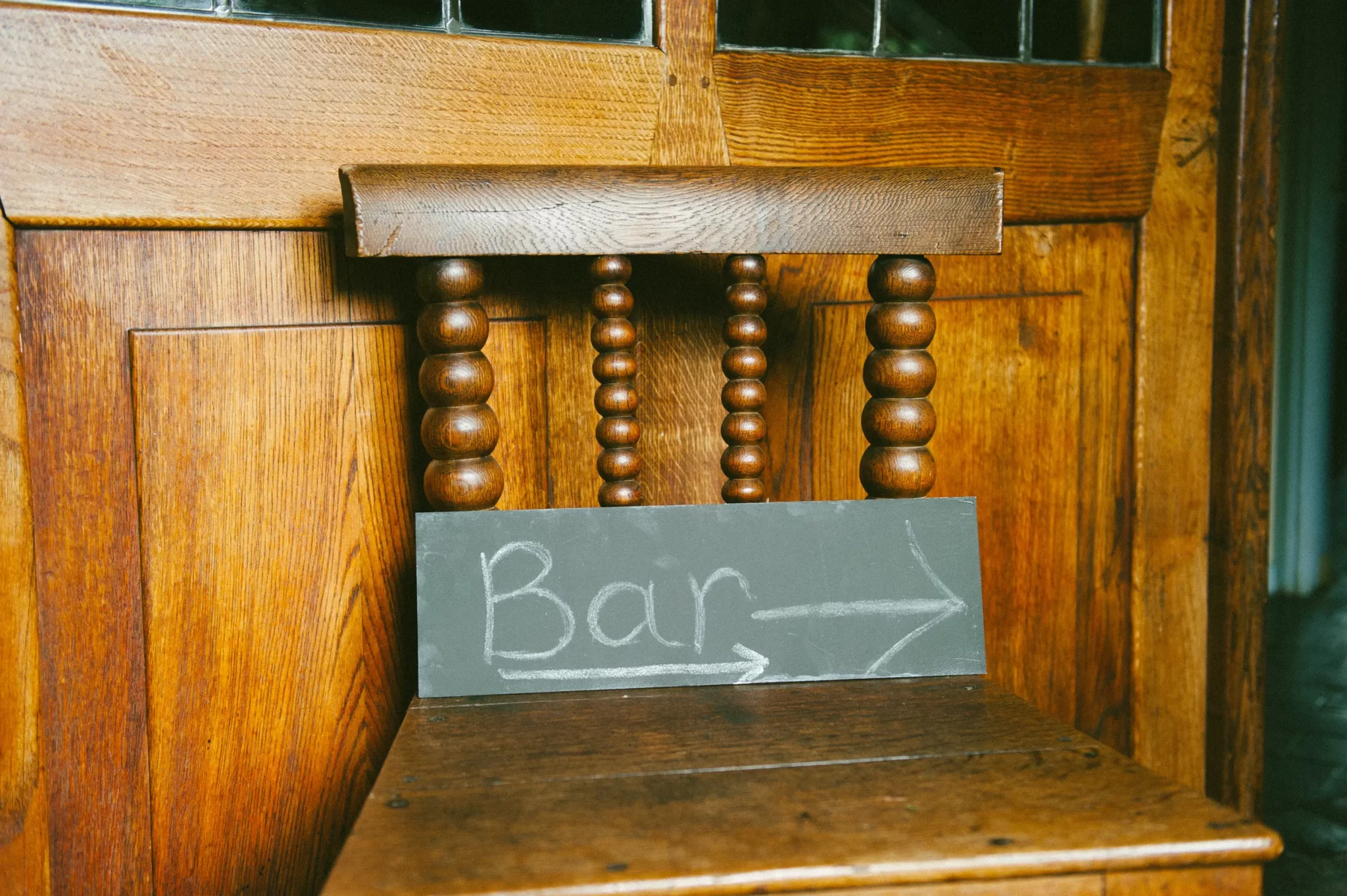
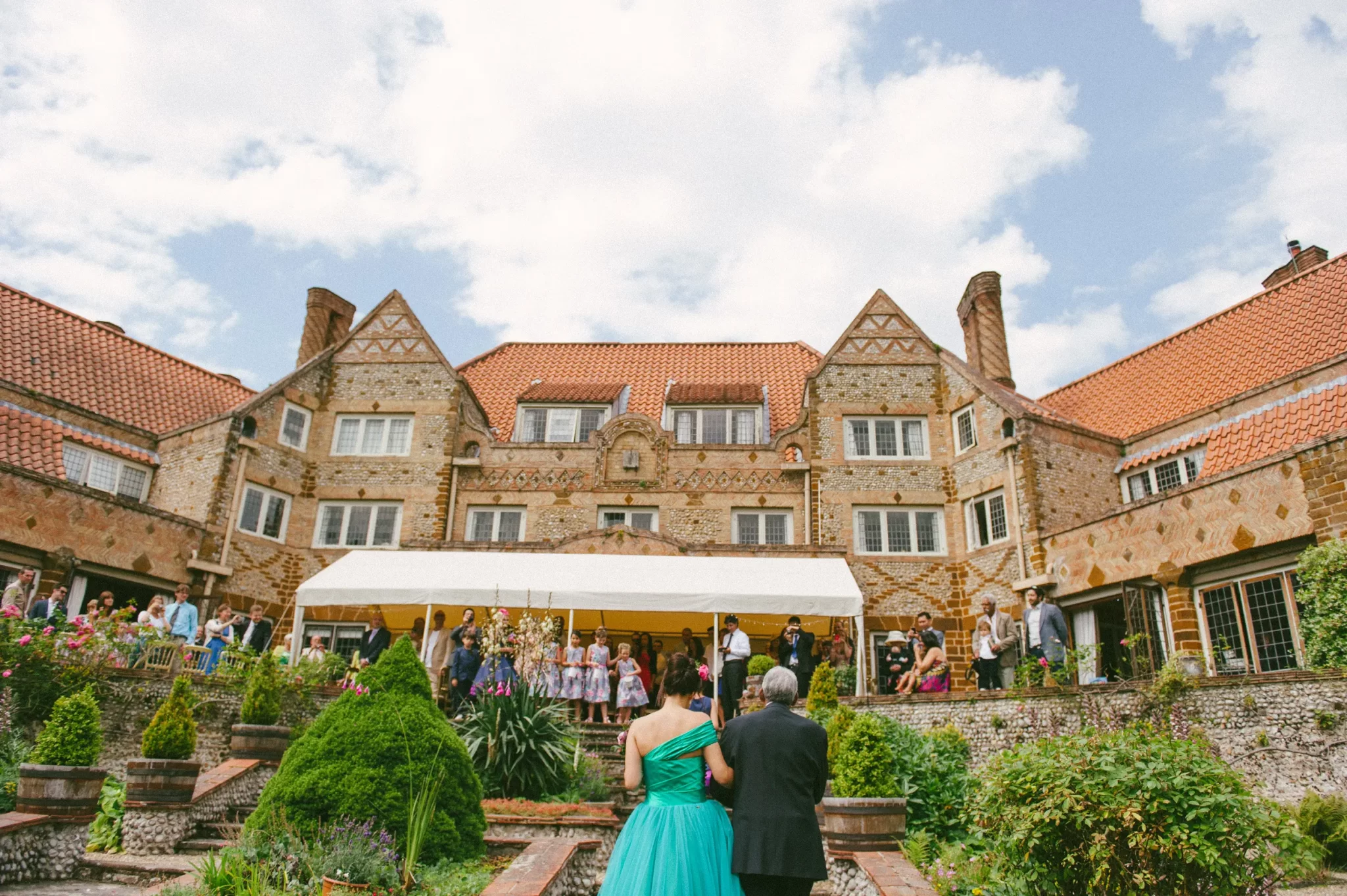
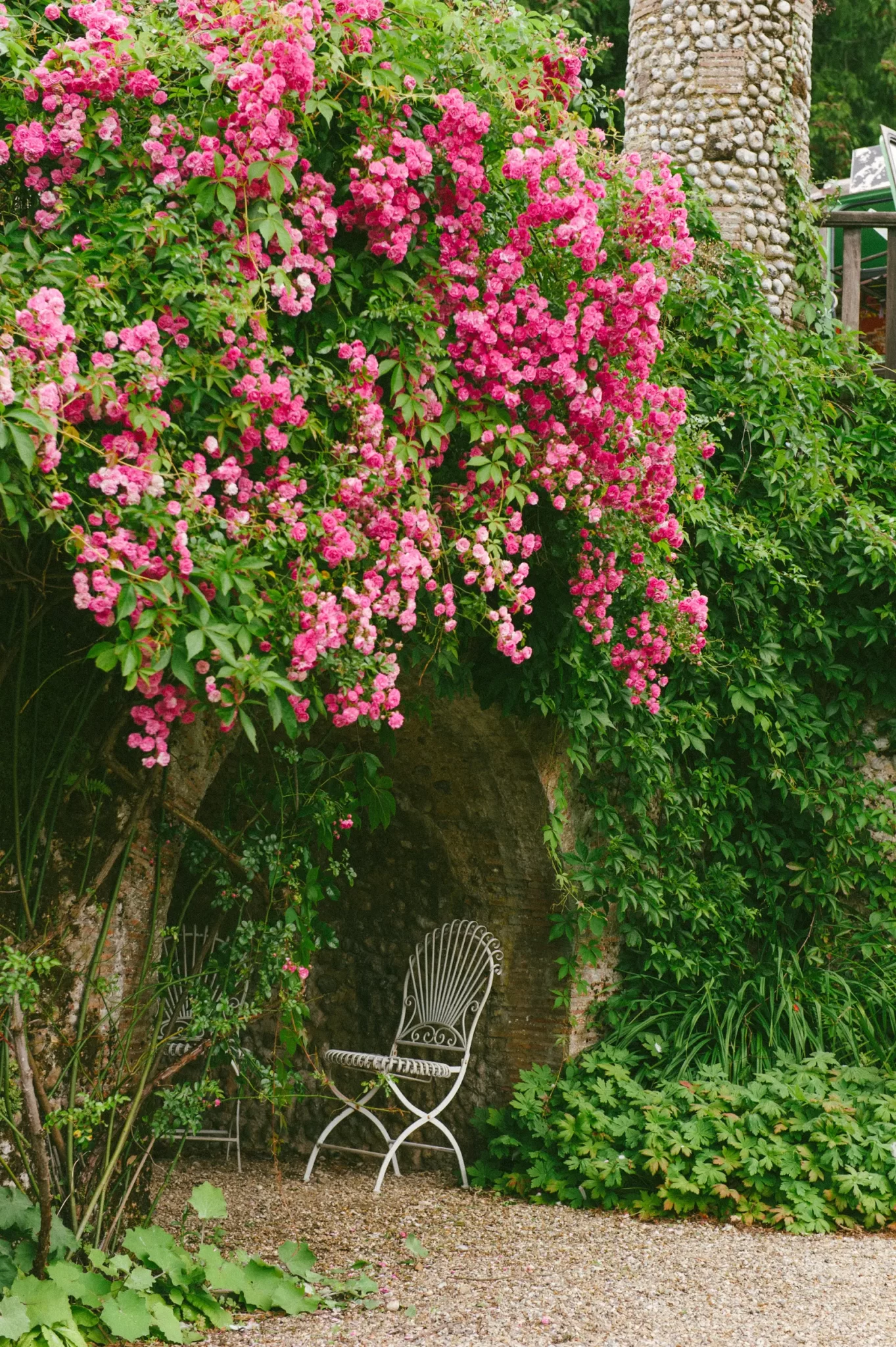
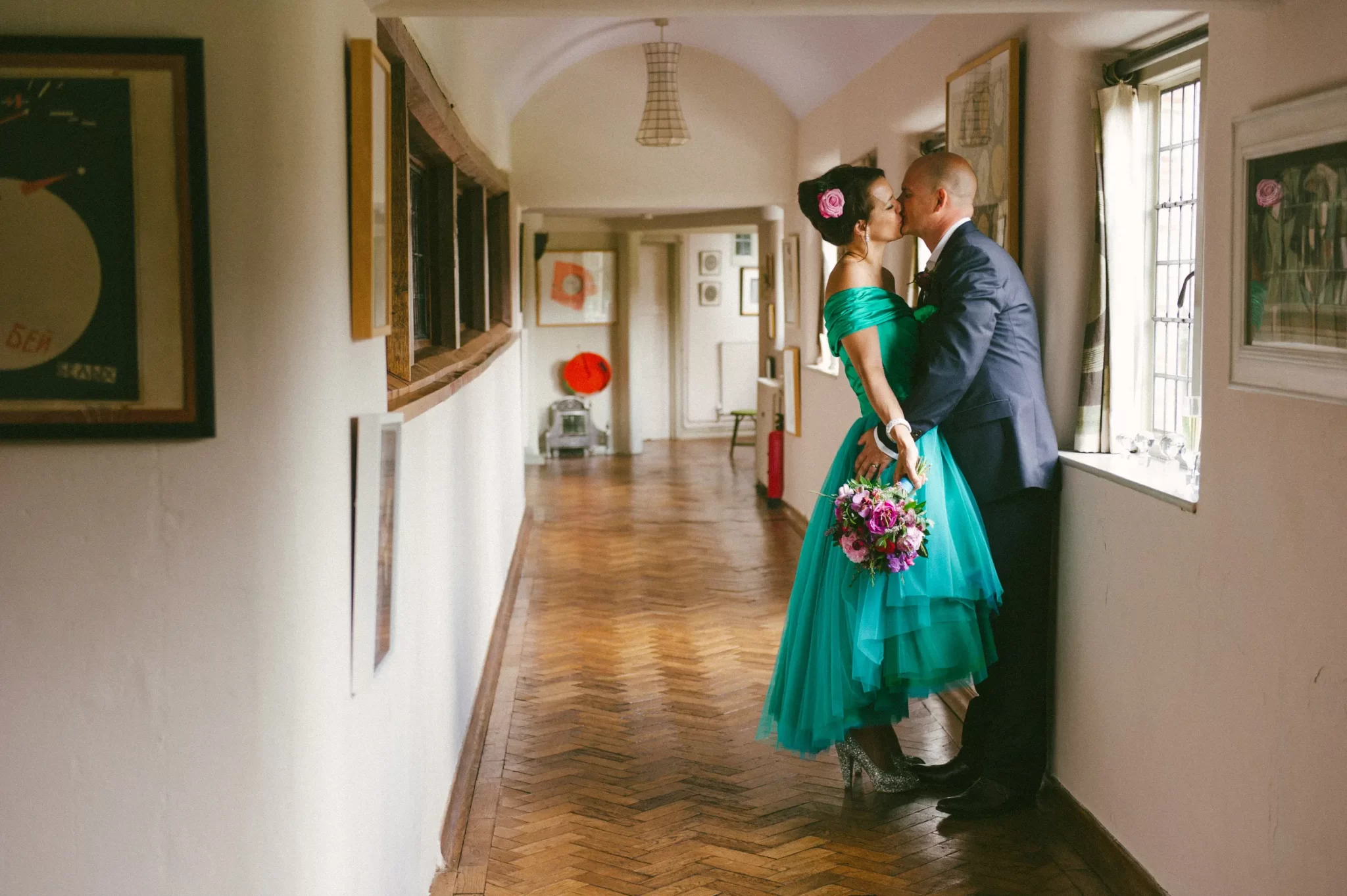
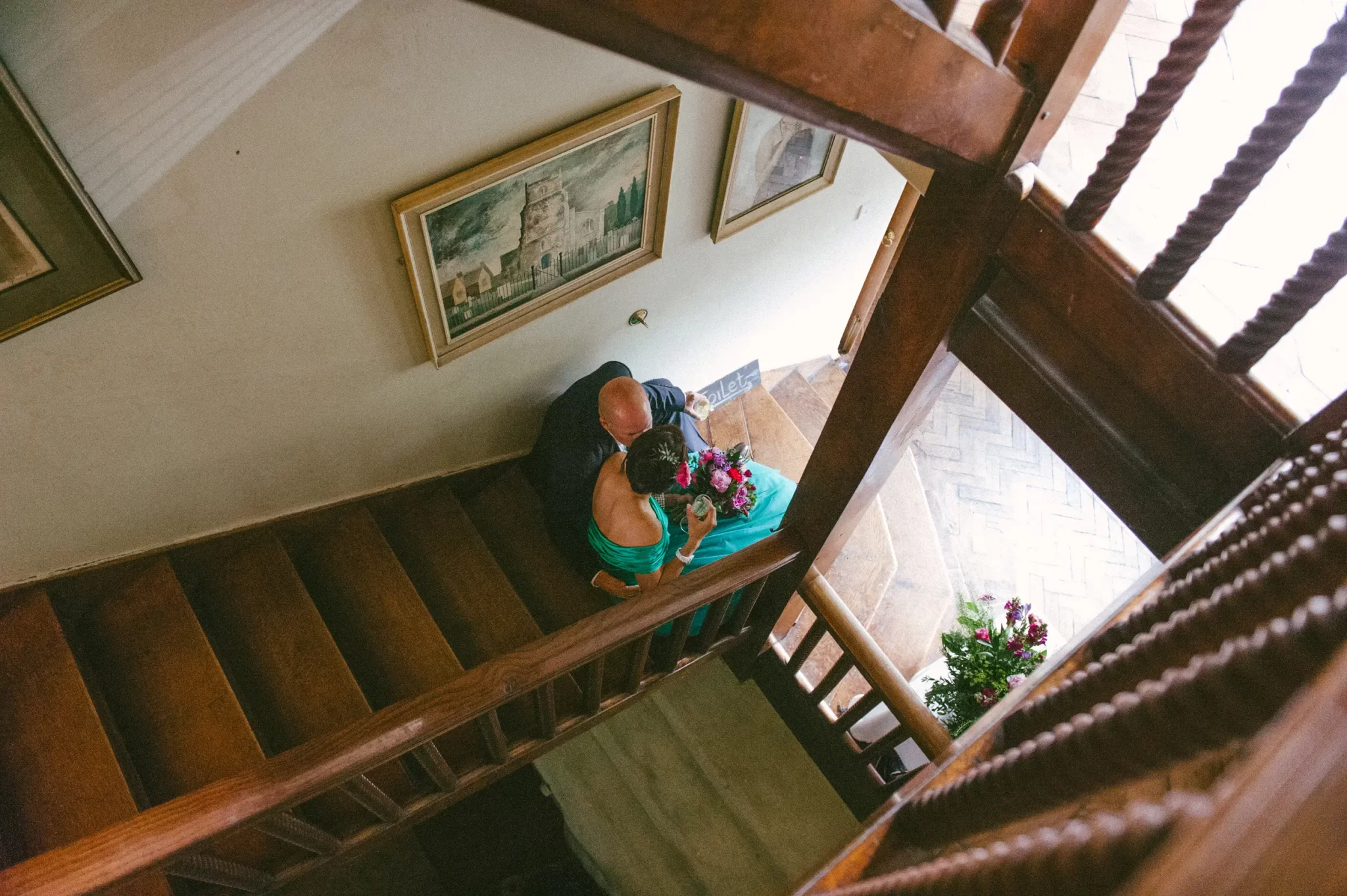
Voewood is not a blank event space. The rooms, woodwork, windows and gardens each have a distinct character, which means the gallery can change naturally as the wedding moves through the property. I do not need to invent variety with elaborate posing when a walk from preparation to ceremony to reception already gives several visual chapters.
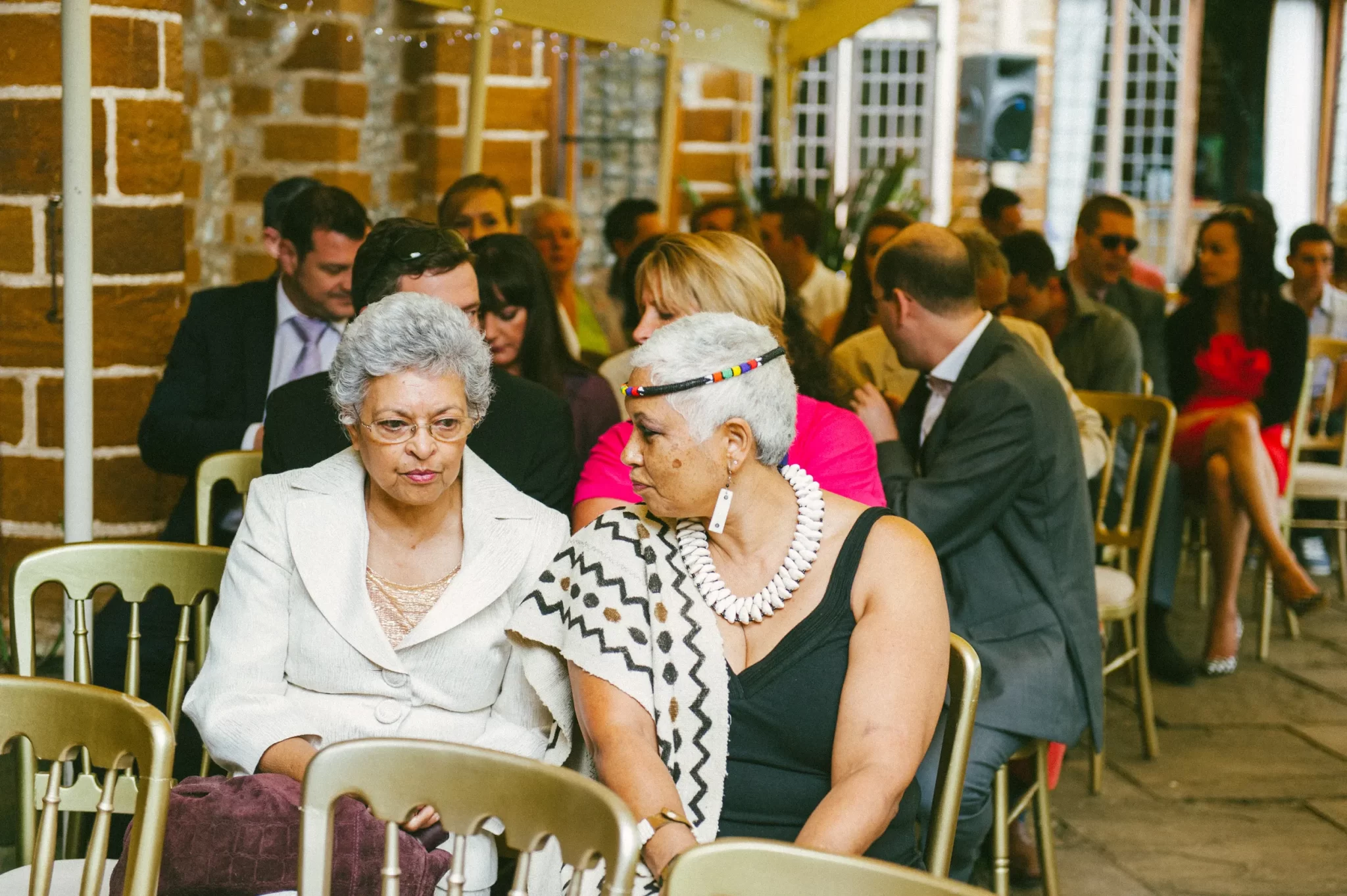
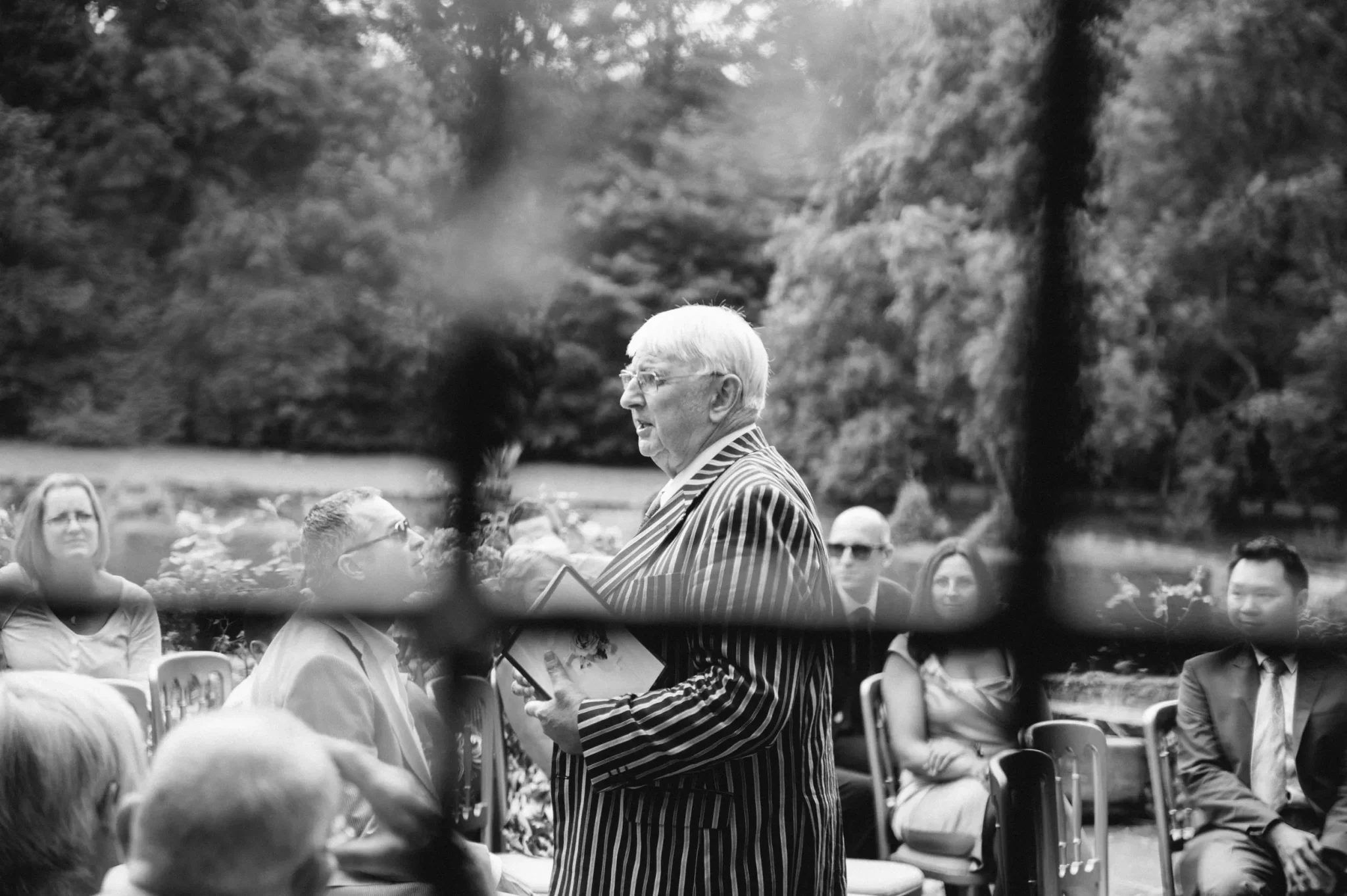
The challenge is restraint. A quirky room can become the whole photograph if I let it. I still expose and compose for the person first, especially during preparations and speeches, then allow enough of the room into the frame that someone who knows Voewood can recognise where the moment happened.










03
Garden games, colour and documentary photographs
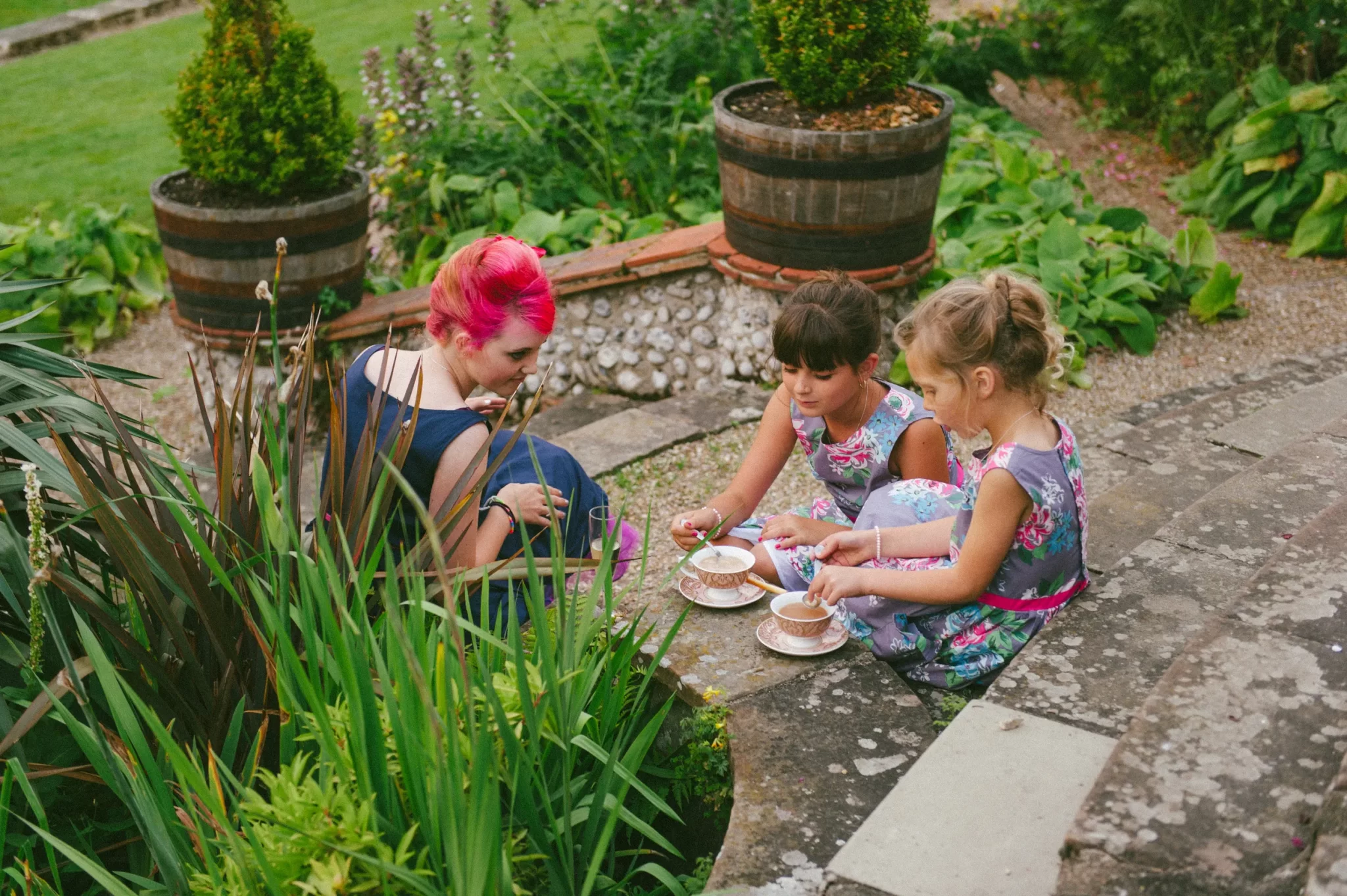
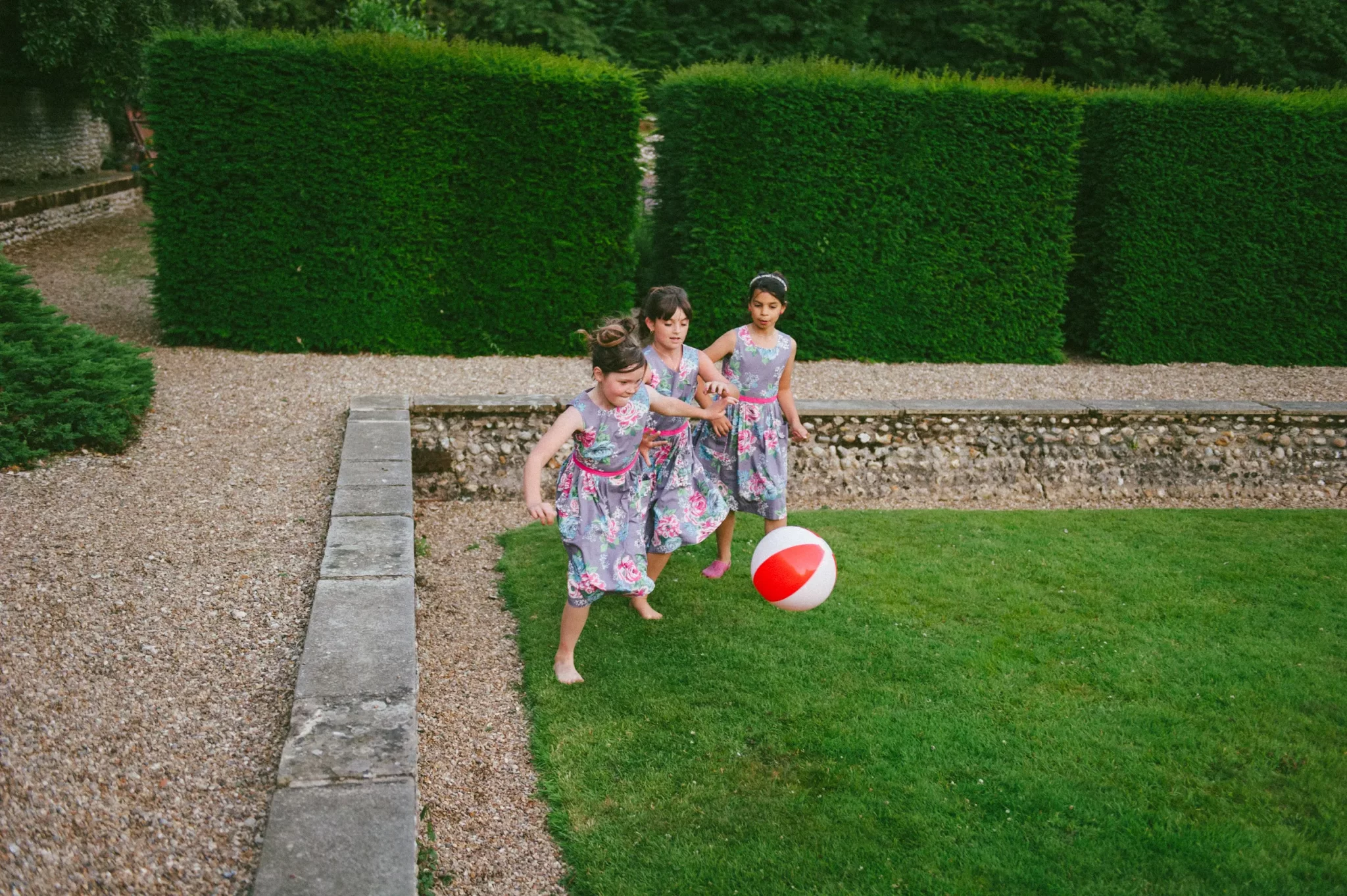
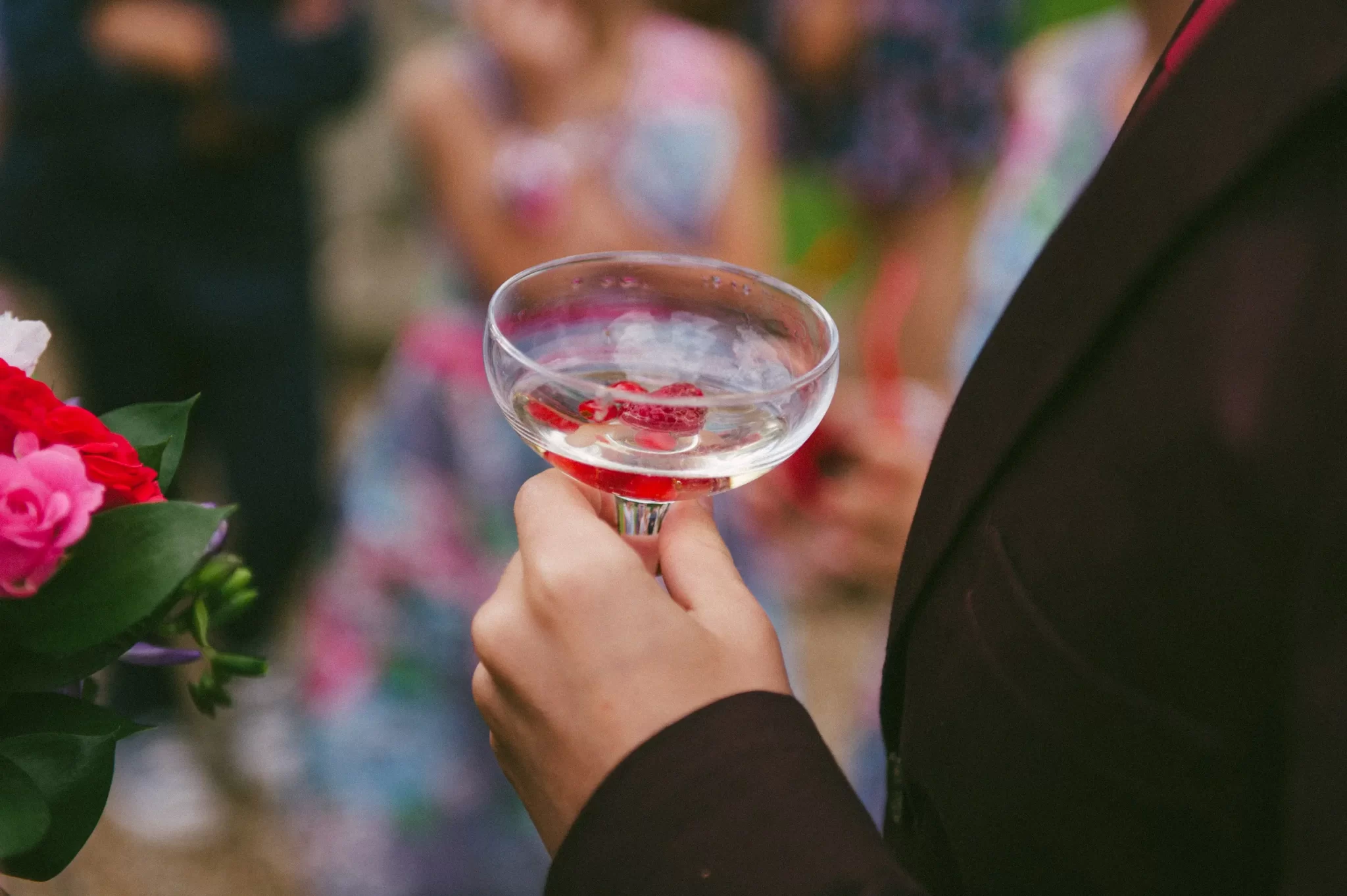
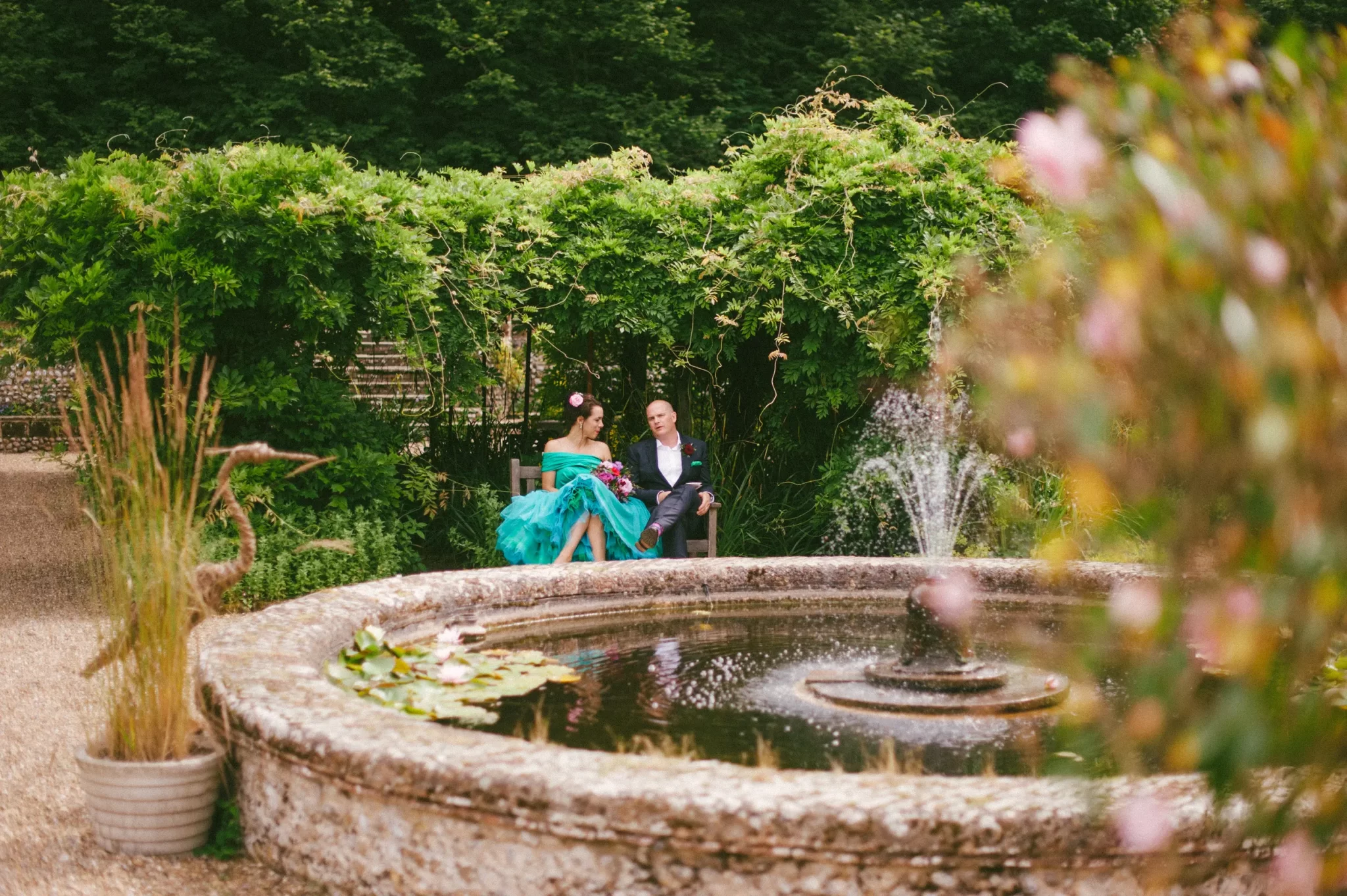
After the ceremony the gardens became part of the party rather than a separate portrait location. Guests played games, talked, drank and moved around the grounds. That is exactly where documentary photography becomes useful: I can build a layered picture of the reception while Tess and Jodi remain with their friends instead of disappearing into a long formal shoot.
Portraits can happen inside that flow. A few minutes under a tree or in a quieter garden area is enough to give the couple space without changing the atmosphere. When the guests are already relaxed and the setting is colourful, the best photographs usually come from keeping direction light and letting the couple react to each other.








04
Reception, dancing and the sparkler finish
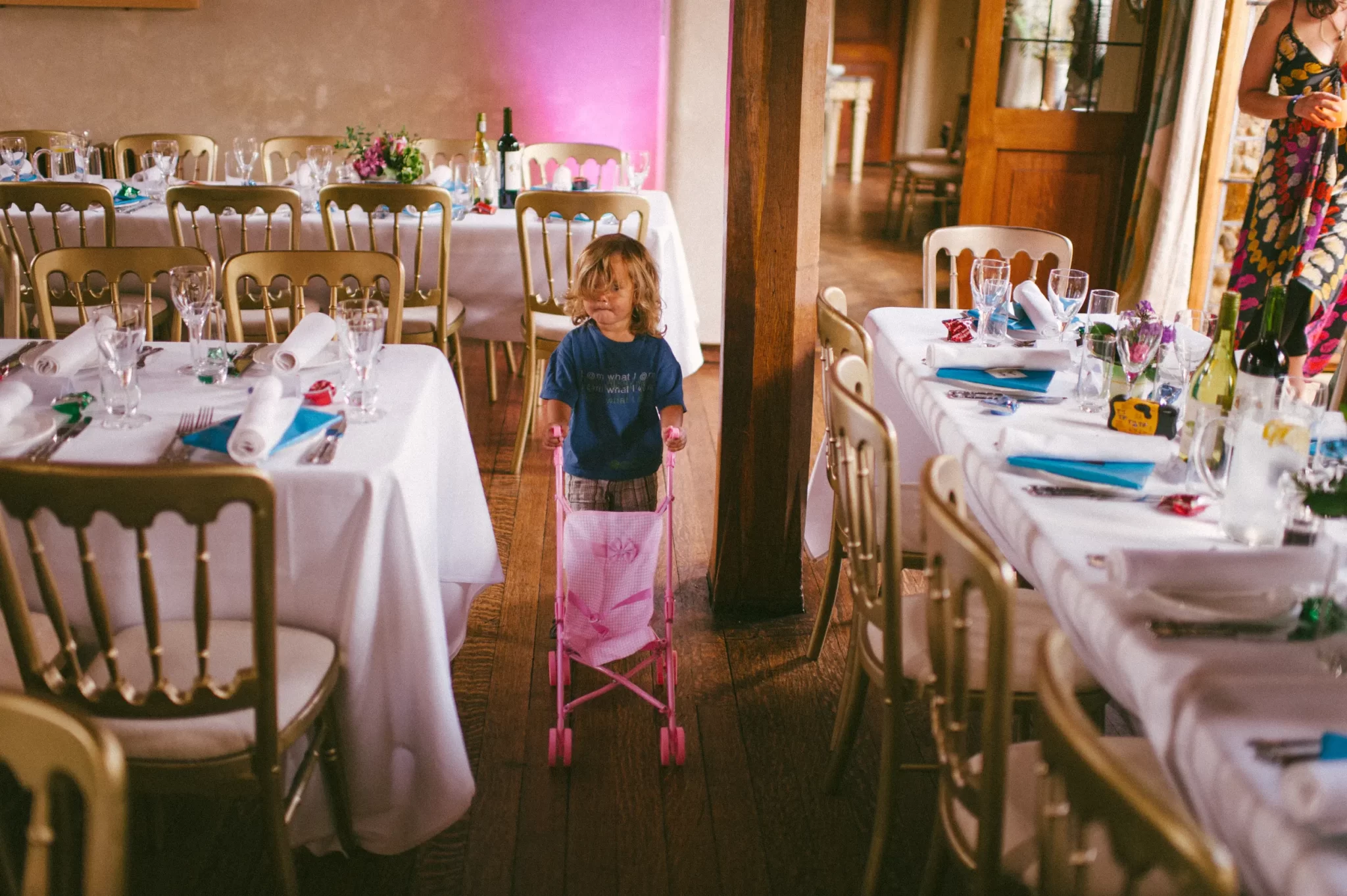
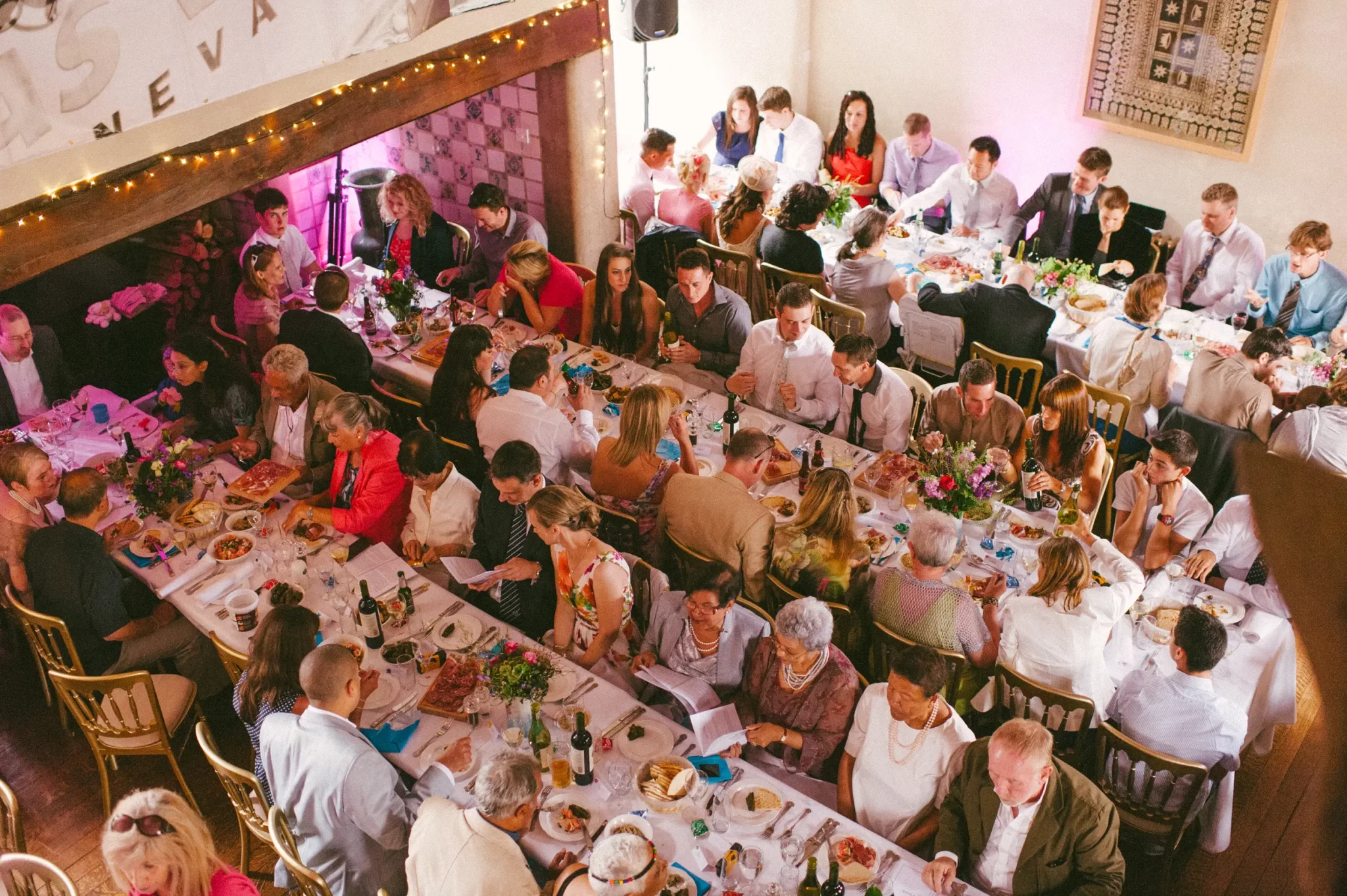
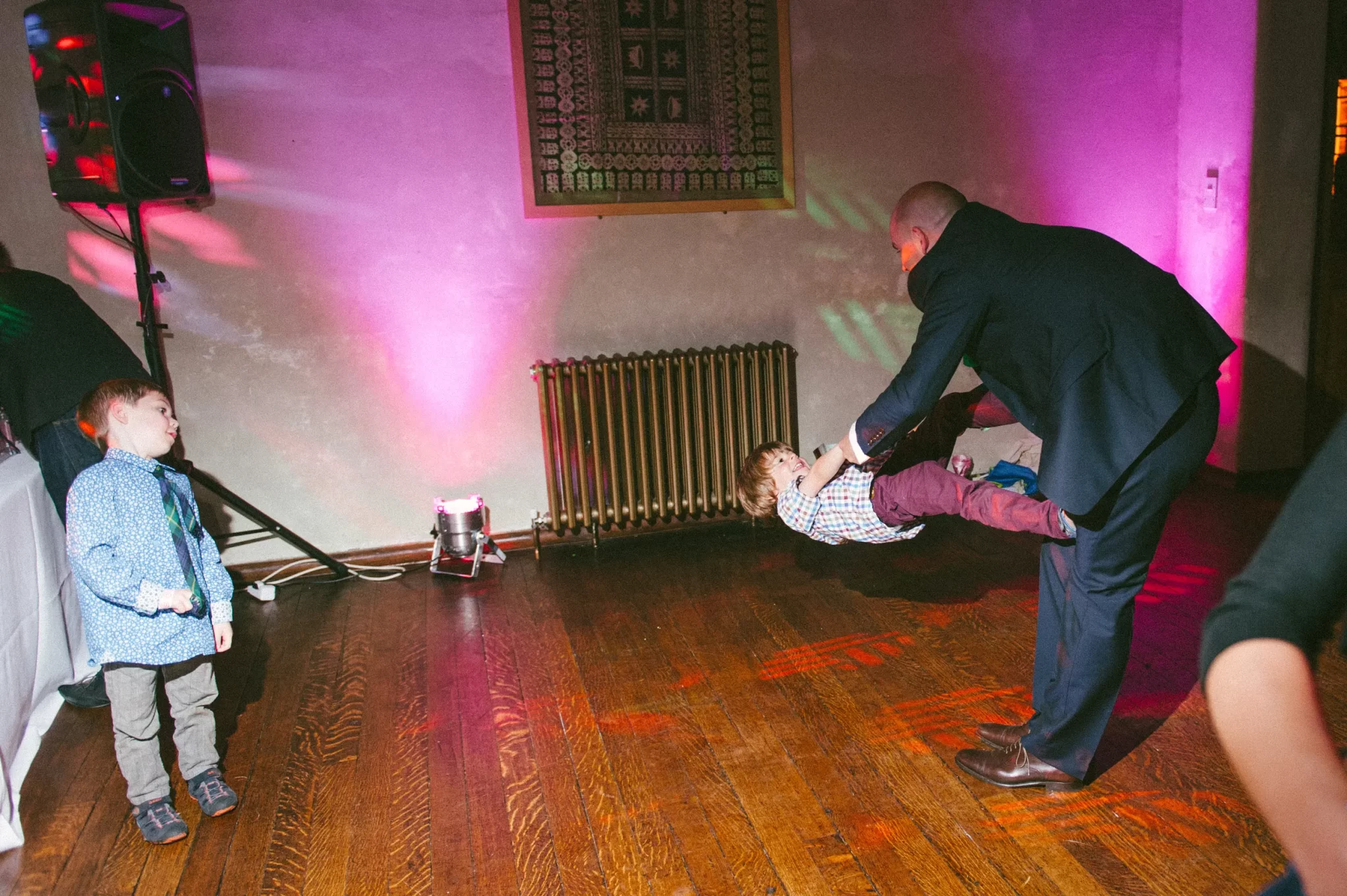
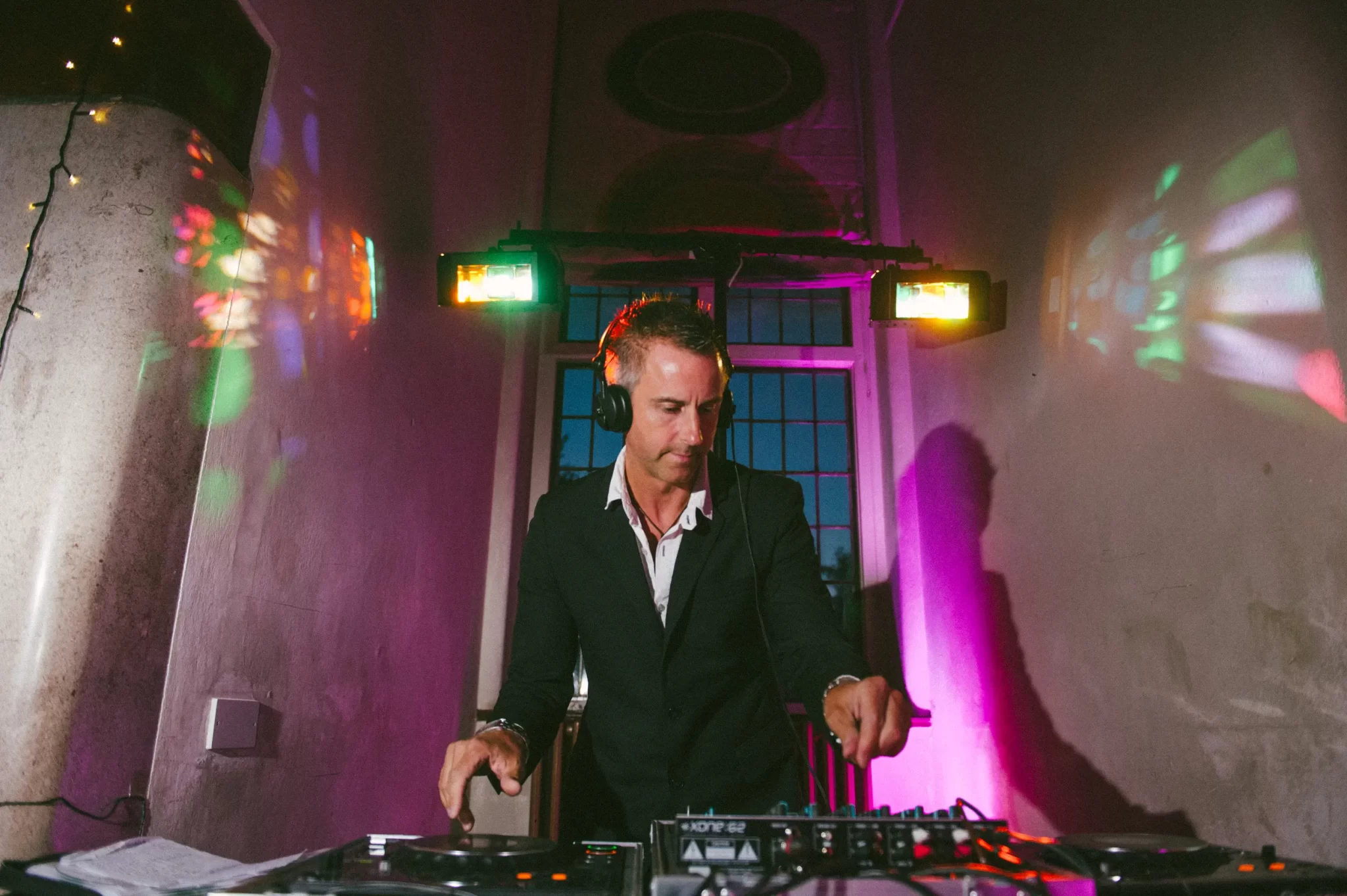
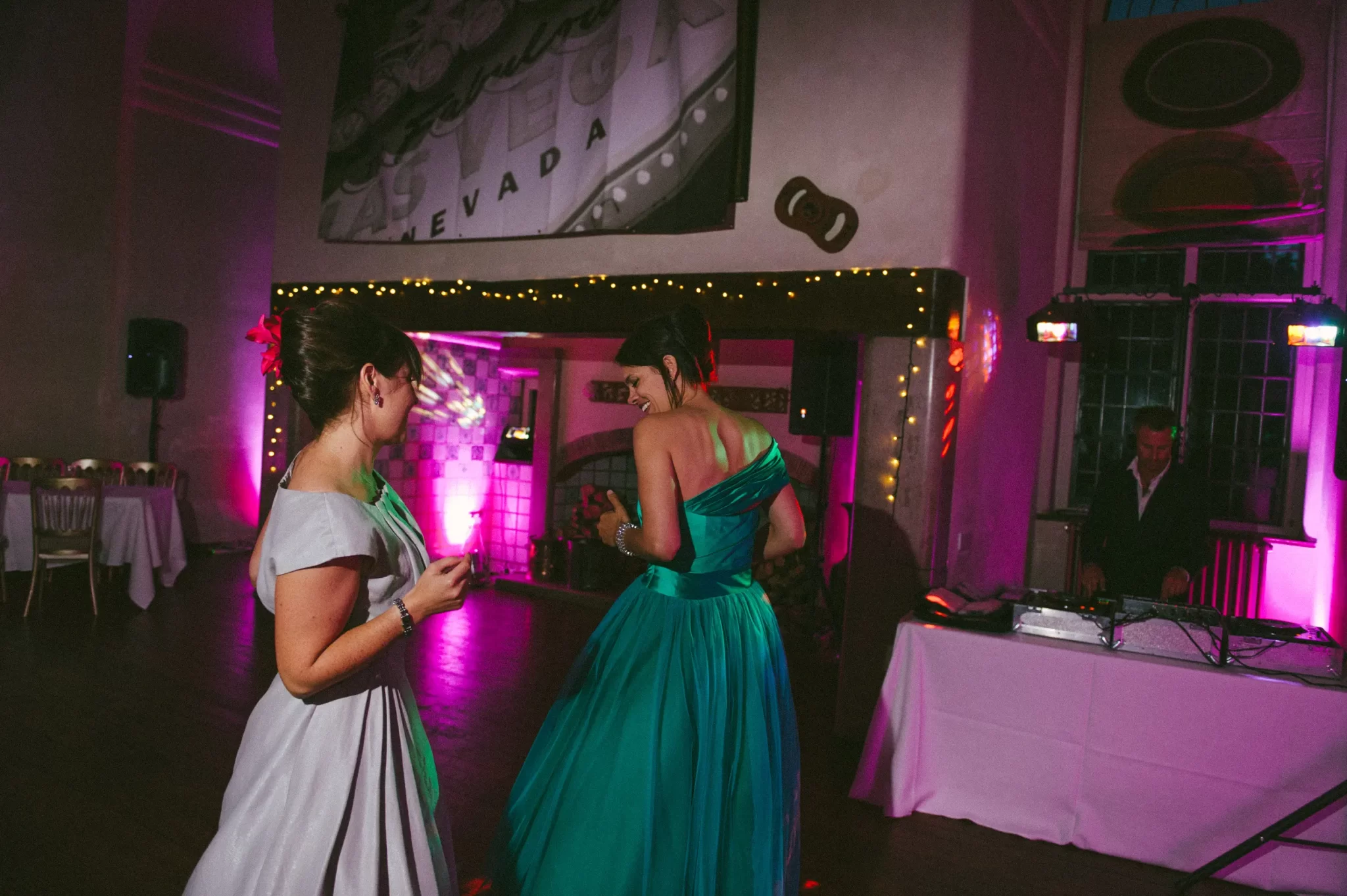
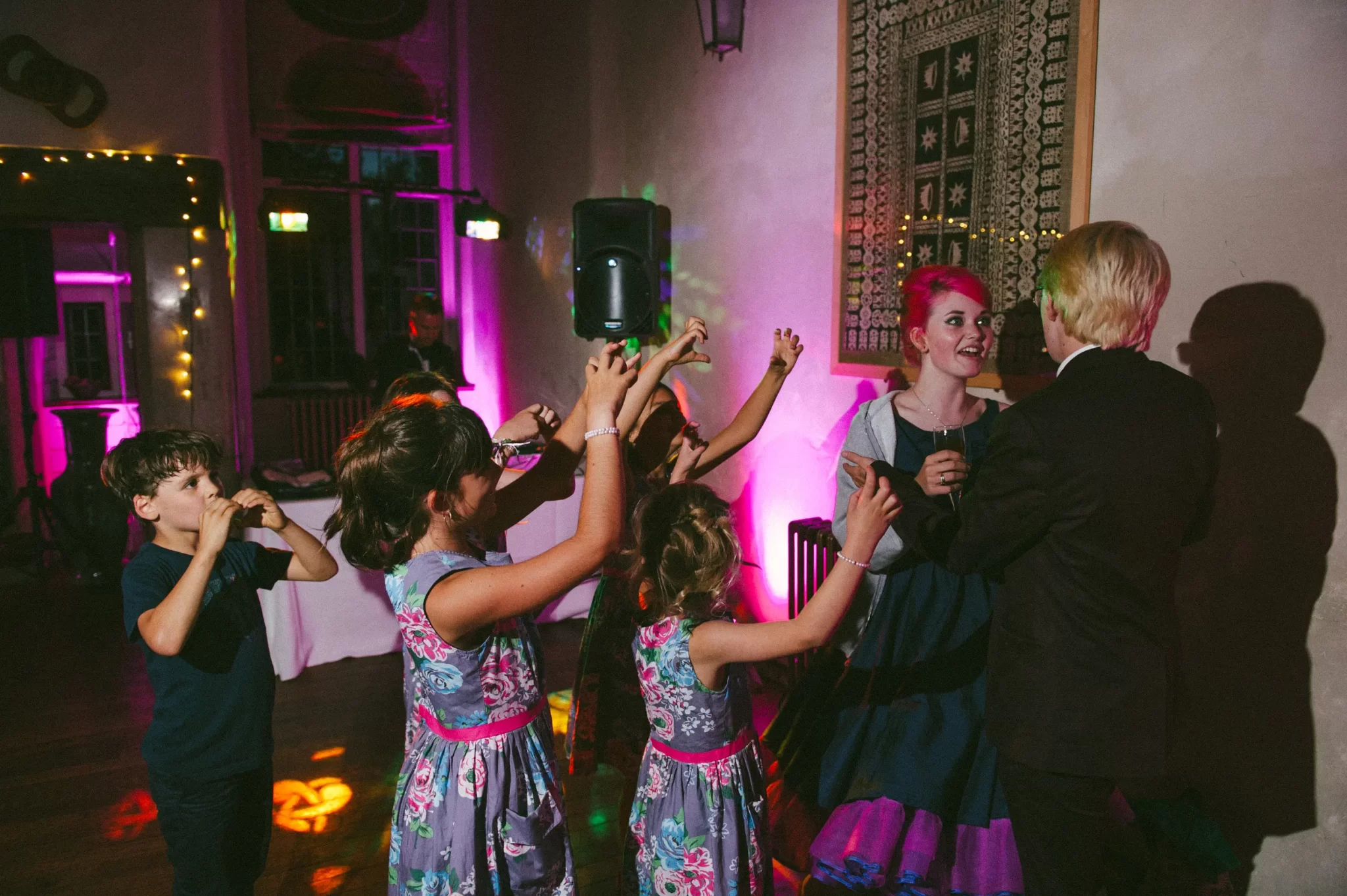
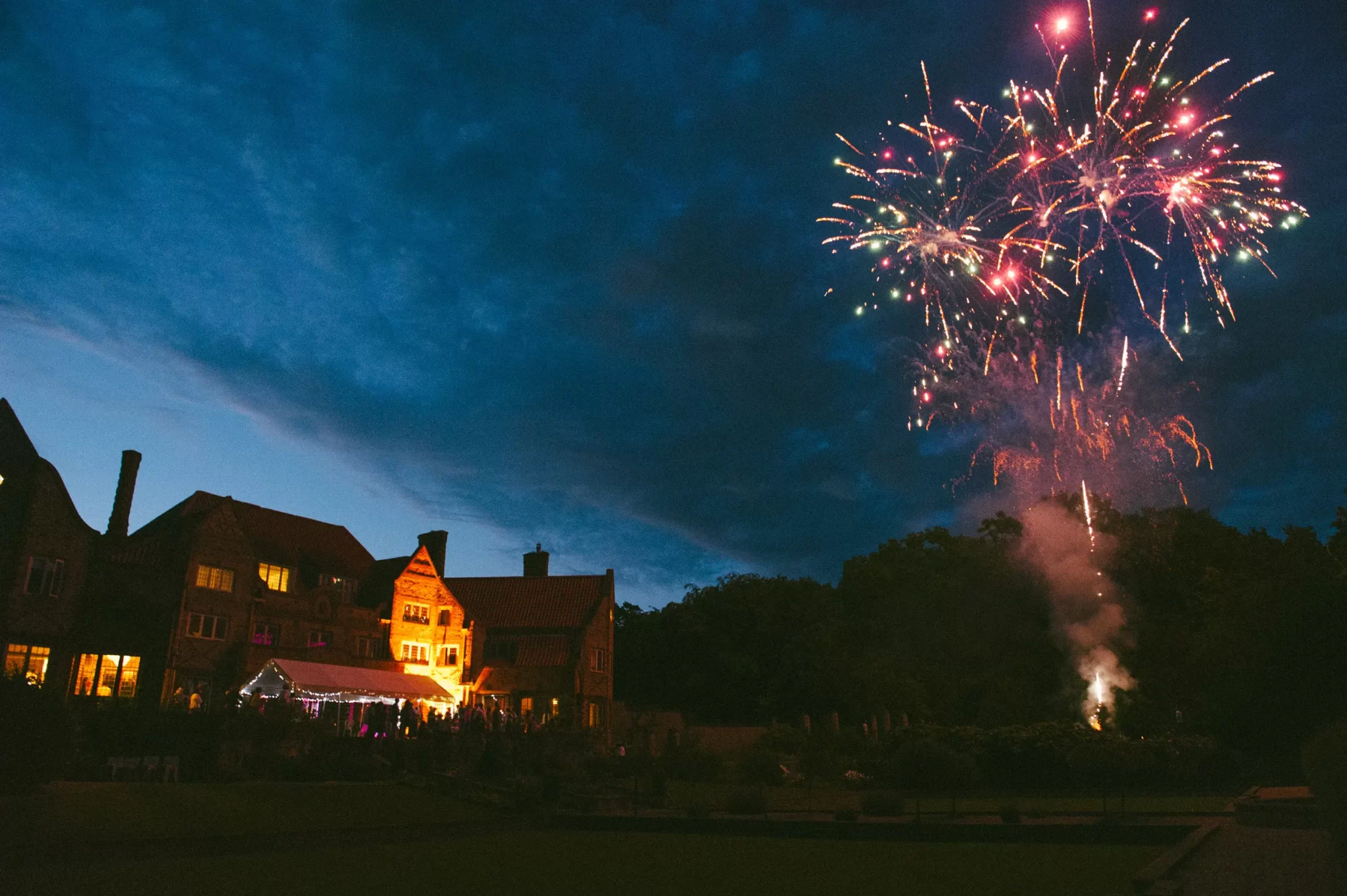
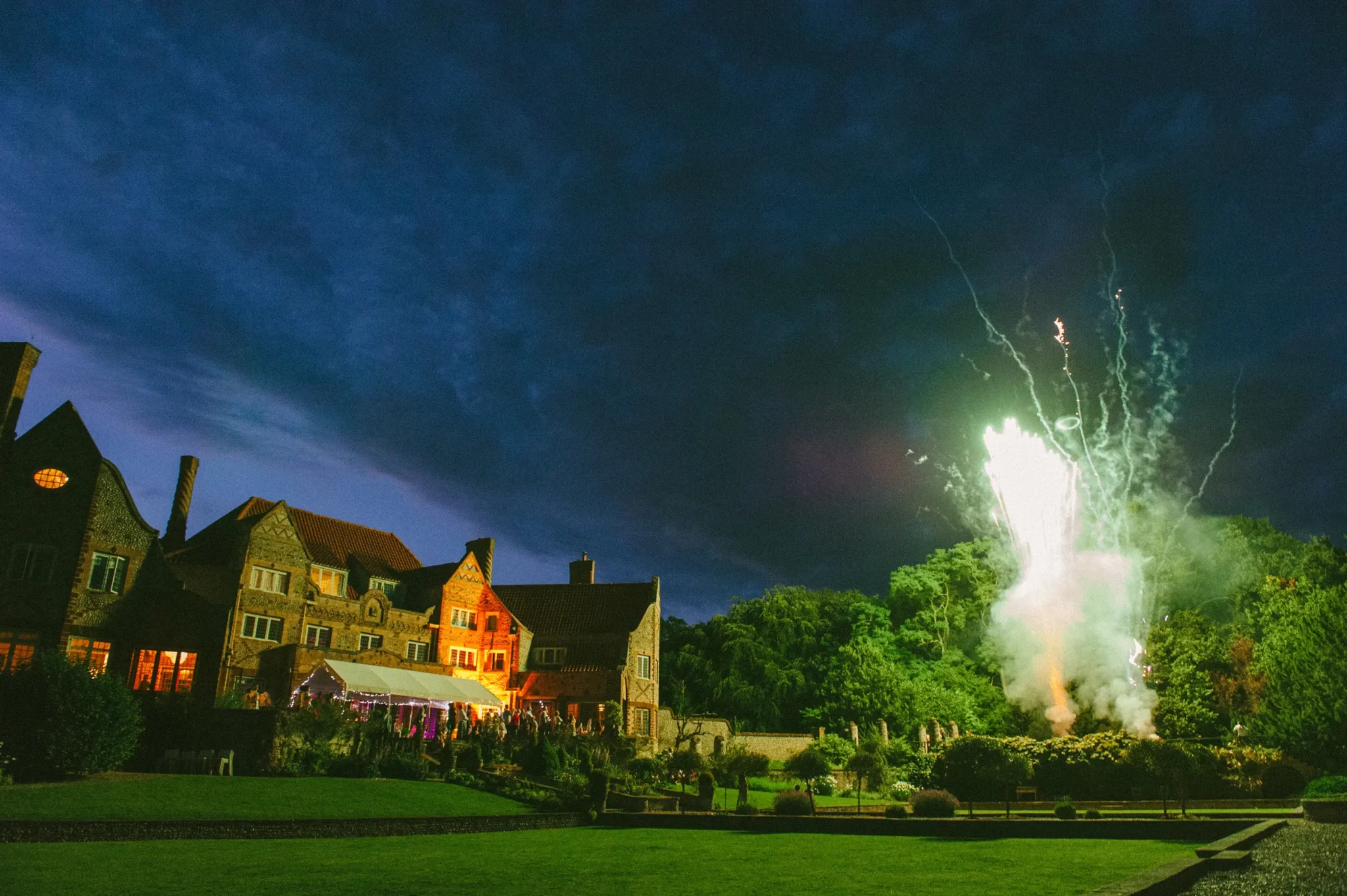
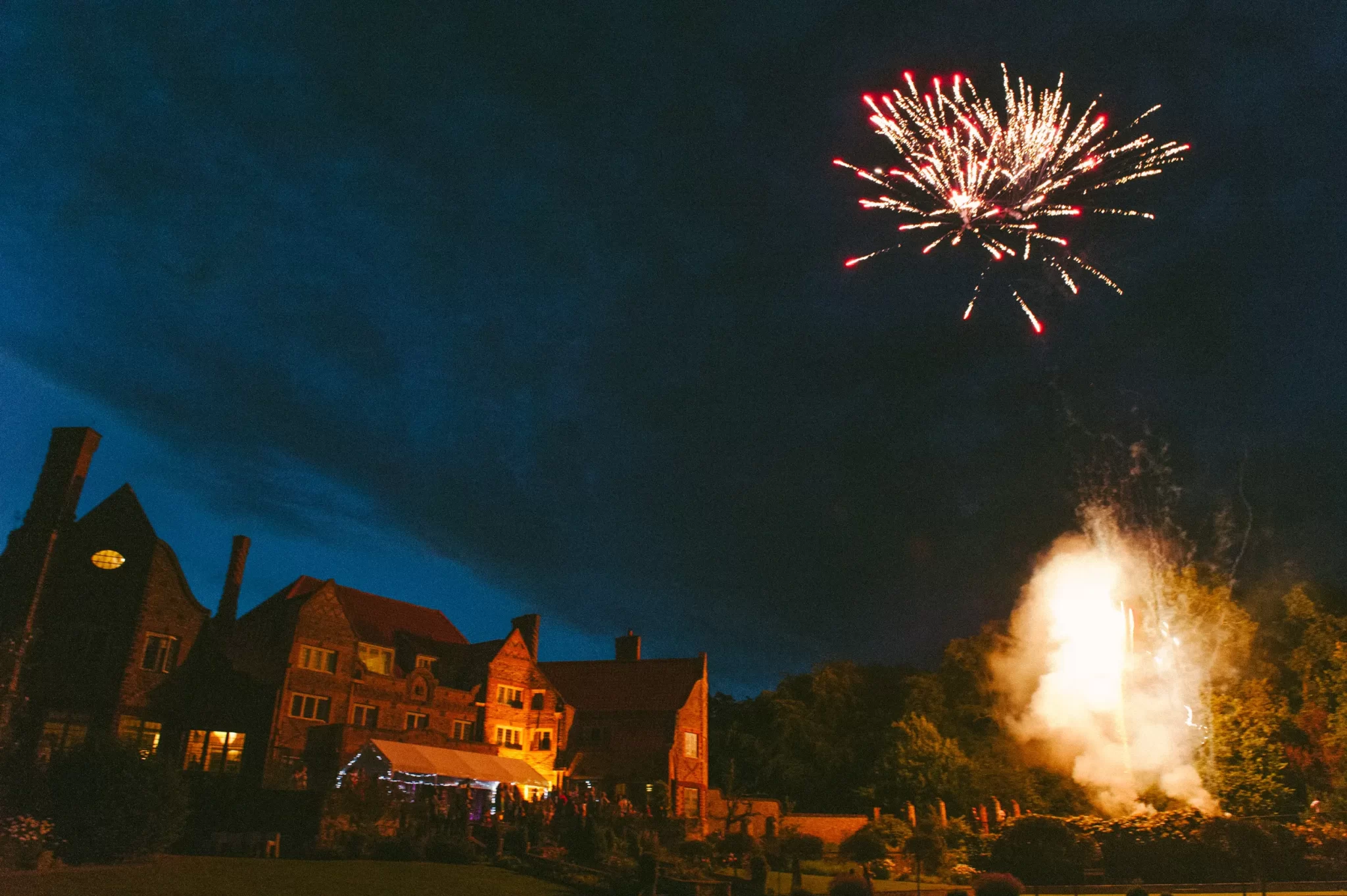
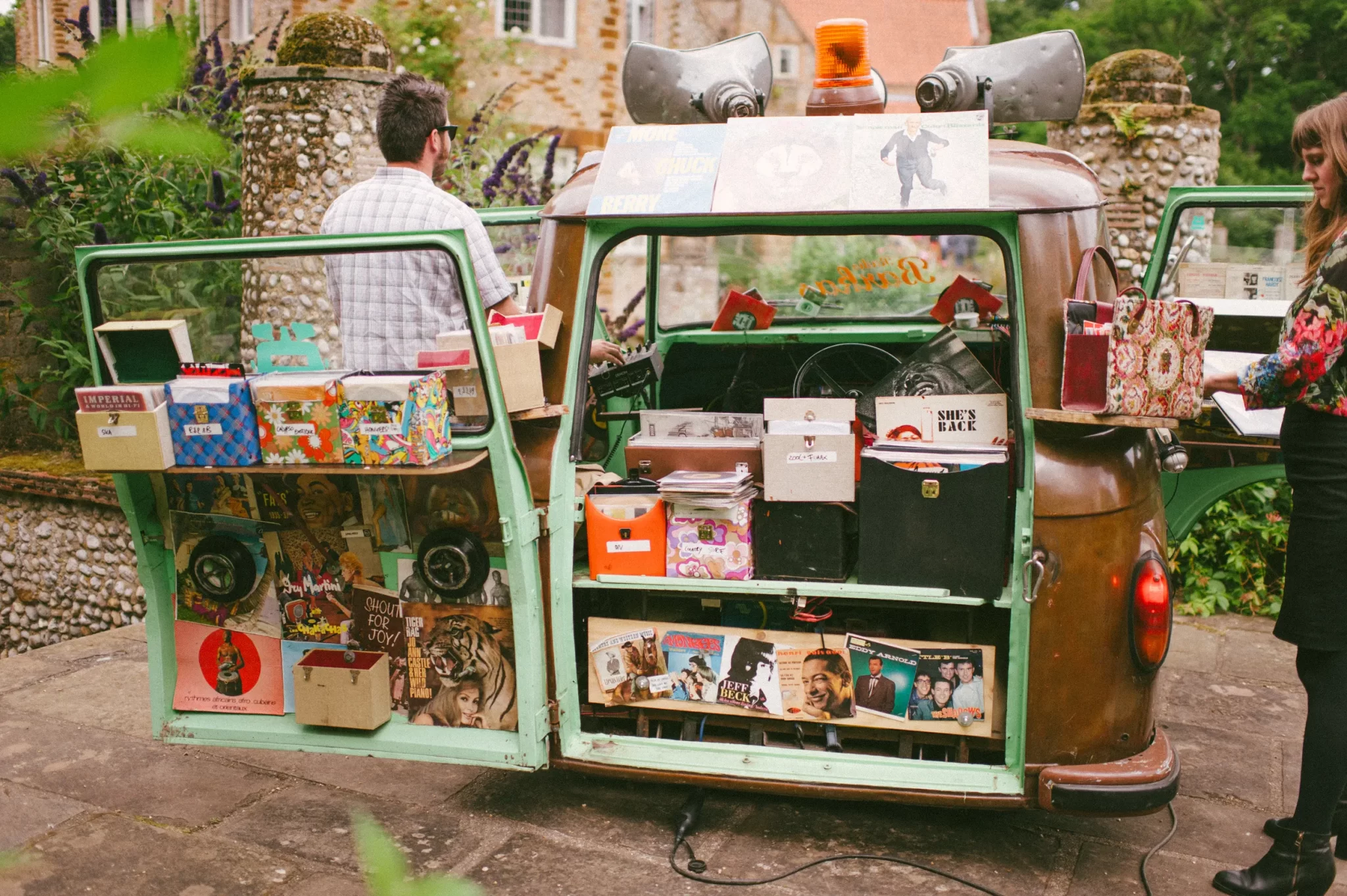
The reception moved back through the house for speeches and dancing, and the visual language changed again as daylight fell. I use more artificial light as needed, but I still want the rooms to feel like Voewood. The purpose is not to make the evening look like a studio; it is to hold enough colour and movement that the final sequence still feels connected to the rest of the day.
The sparkler send-off gives the gallery a clear ending. Those photographs work best when the logistics are simple: guests know where to stand, the couple has a clear route and everybody lights the sparklers at roughly the same time. A minute of organisation can produce a photograph that still feels spontaneous once Tess and Jodi start moving through the line.












05
What another Voewood timeline should protect
Because so much can happen on site, I would avoid over-scheduling. Preparation, ceremony, drinks, dinner and evening can all be photographed without travel, so the saved time should remain with the wedding rather than being converted into a longer portrait session. One short family block and two brief portrait windows are enough for most days here.
This page can then do what a real venue story should do: show how Voewood looks when a specific couple has filled it with their own colour, clothes and people. General venue information belongs in a guide; Tess and Jodi’s page is stronger when it stays rooted in what actually happened in front of the camera.