01
Tanu and Scott’s two-day Hindu wedding
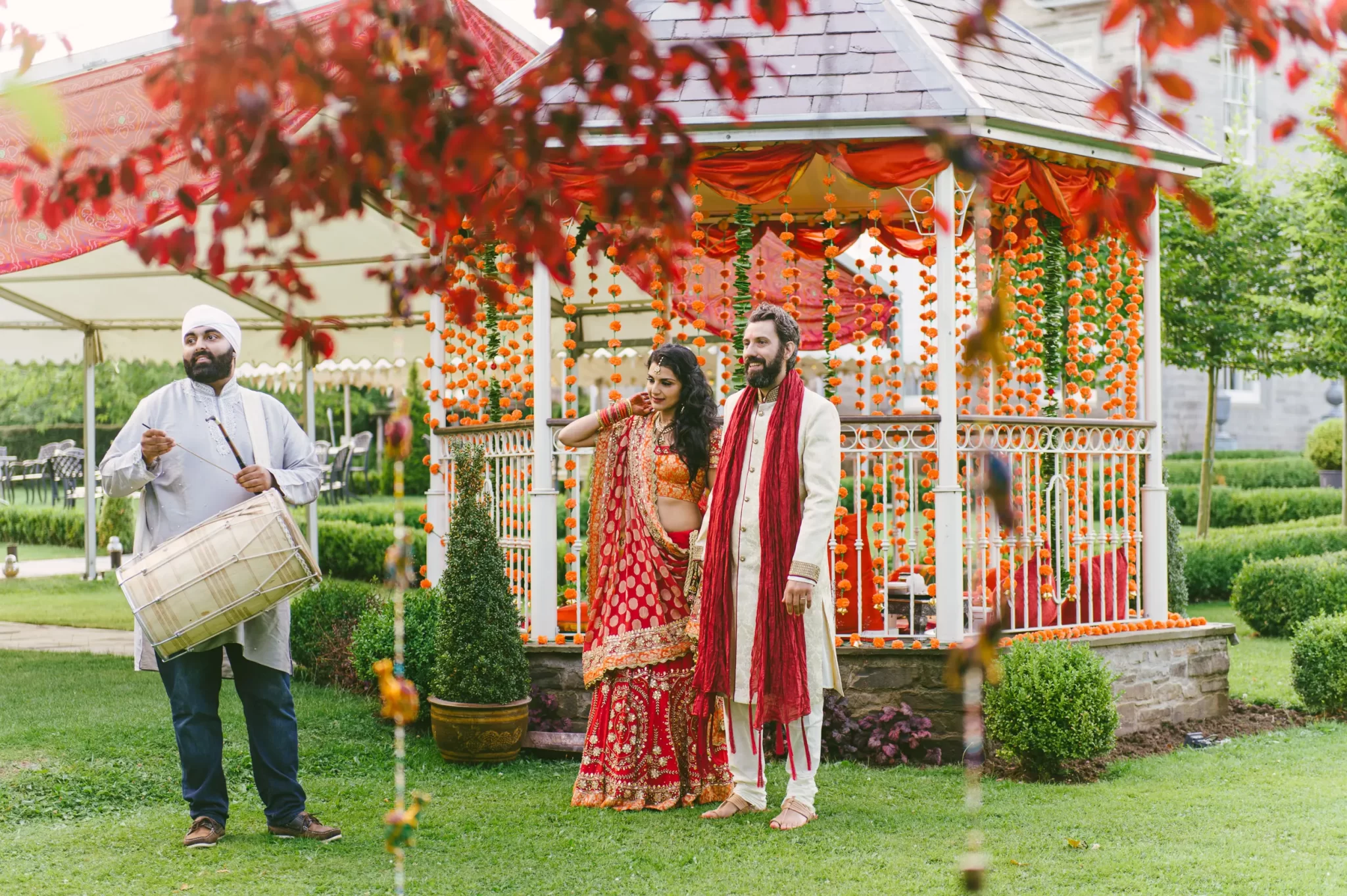
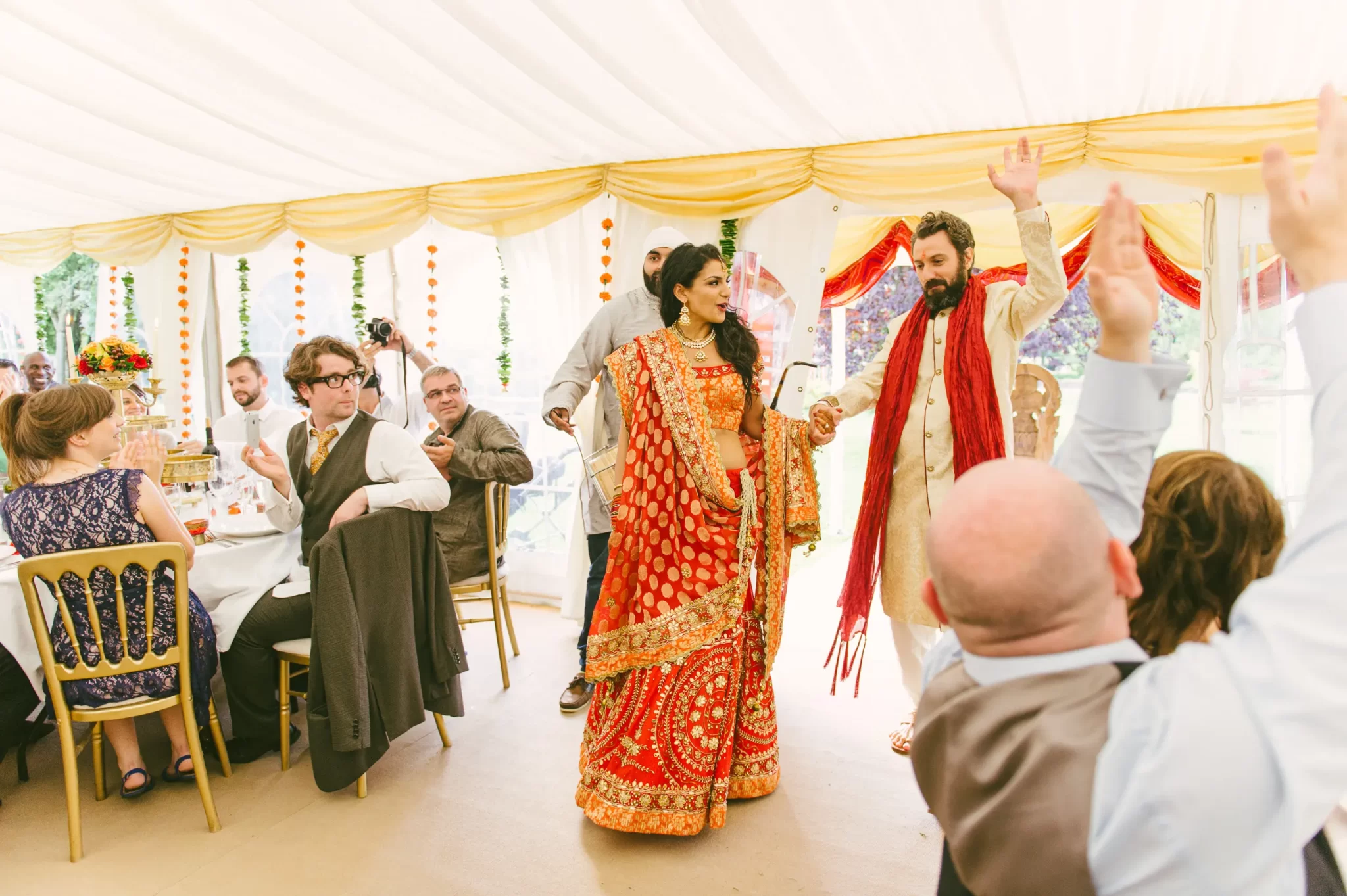
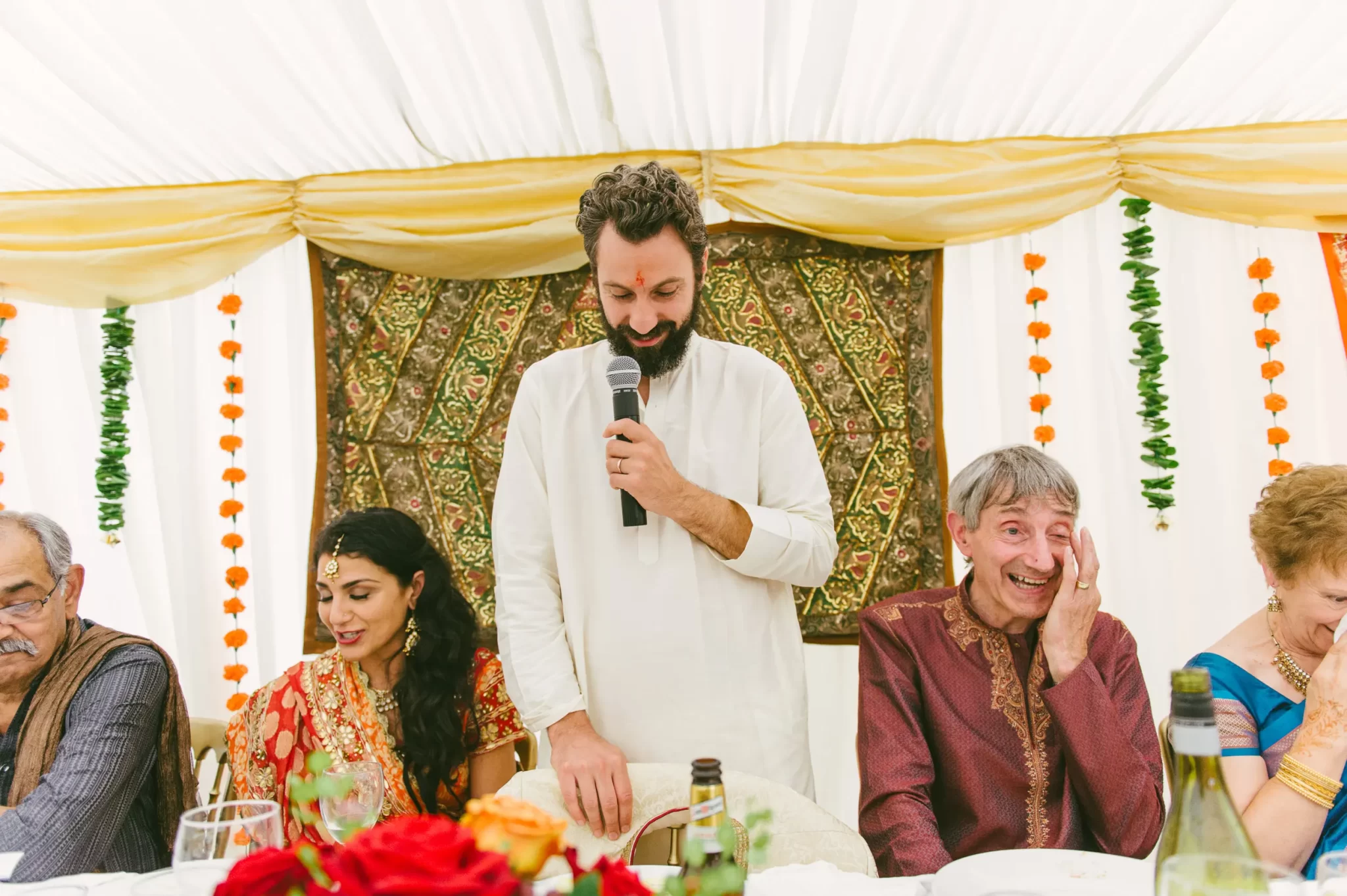
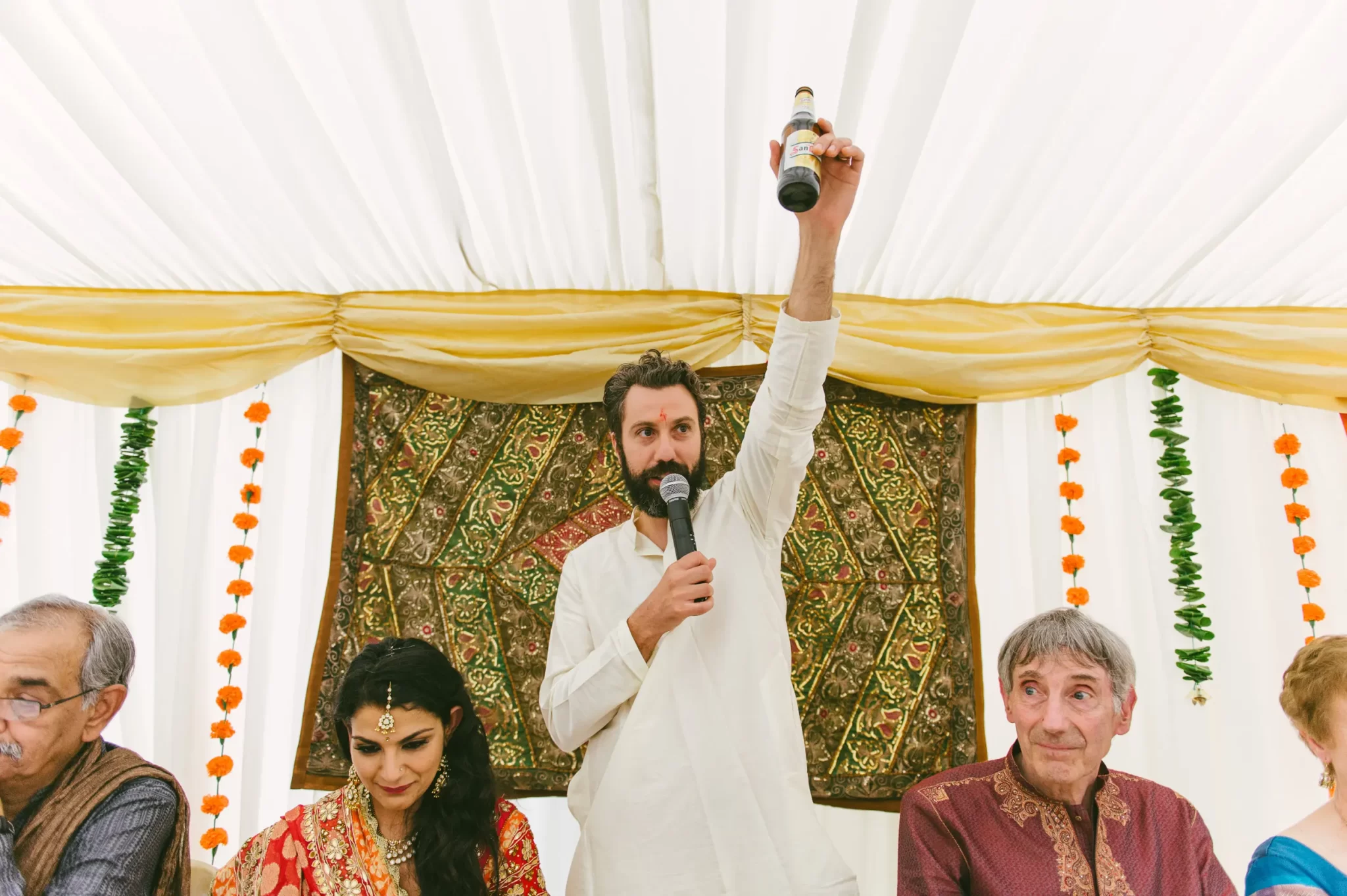
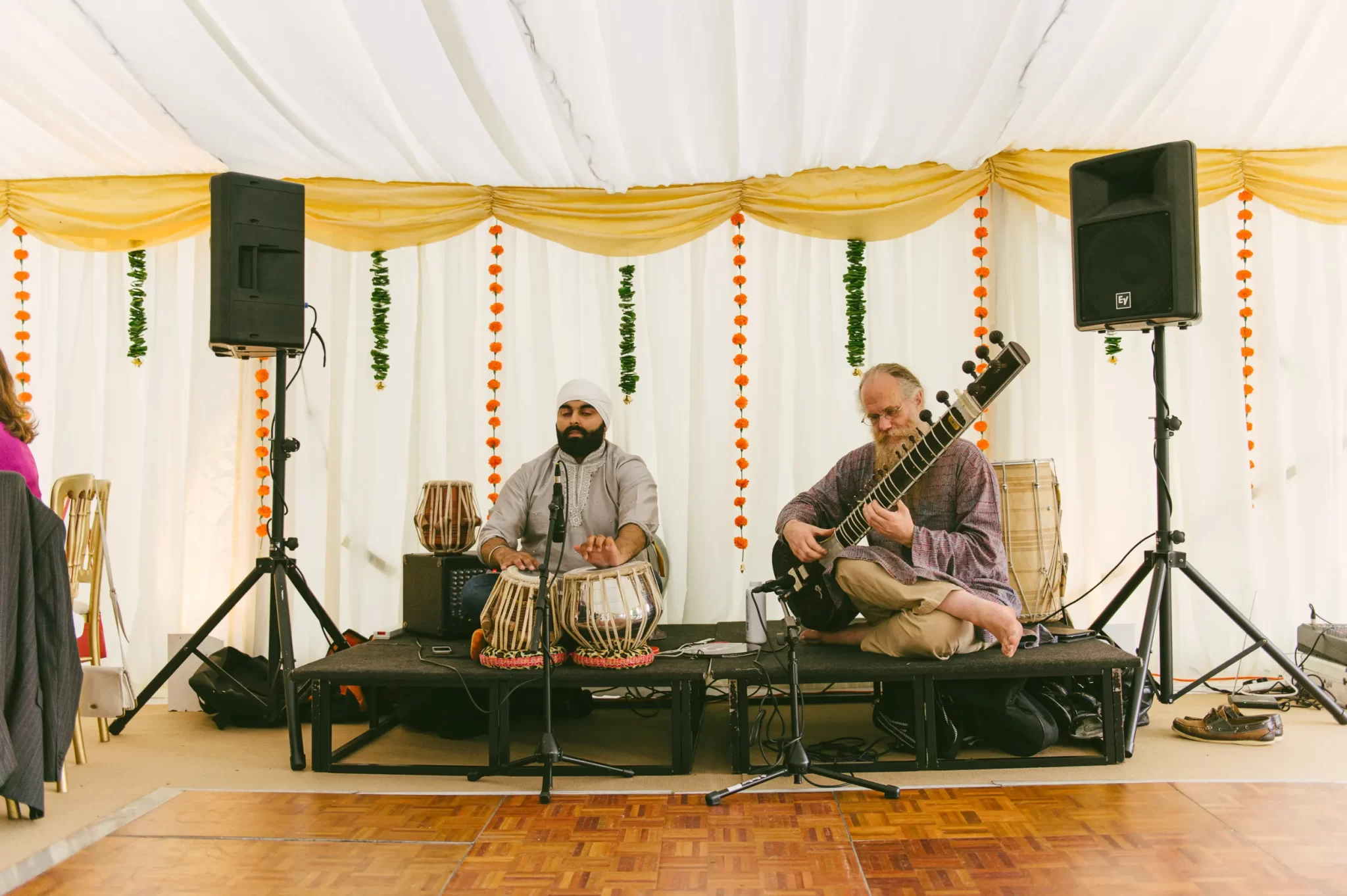
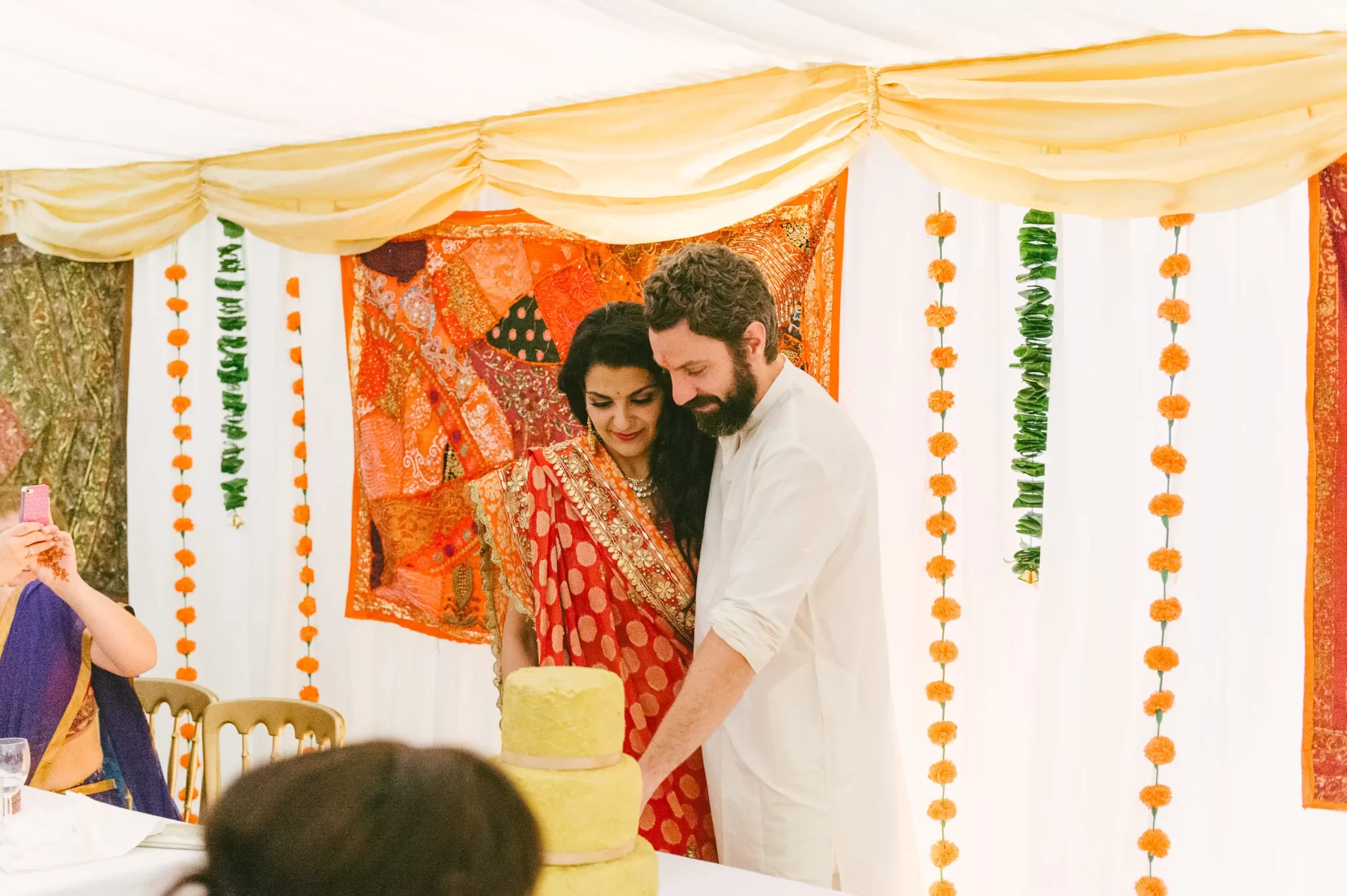
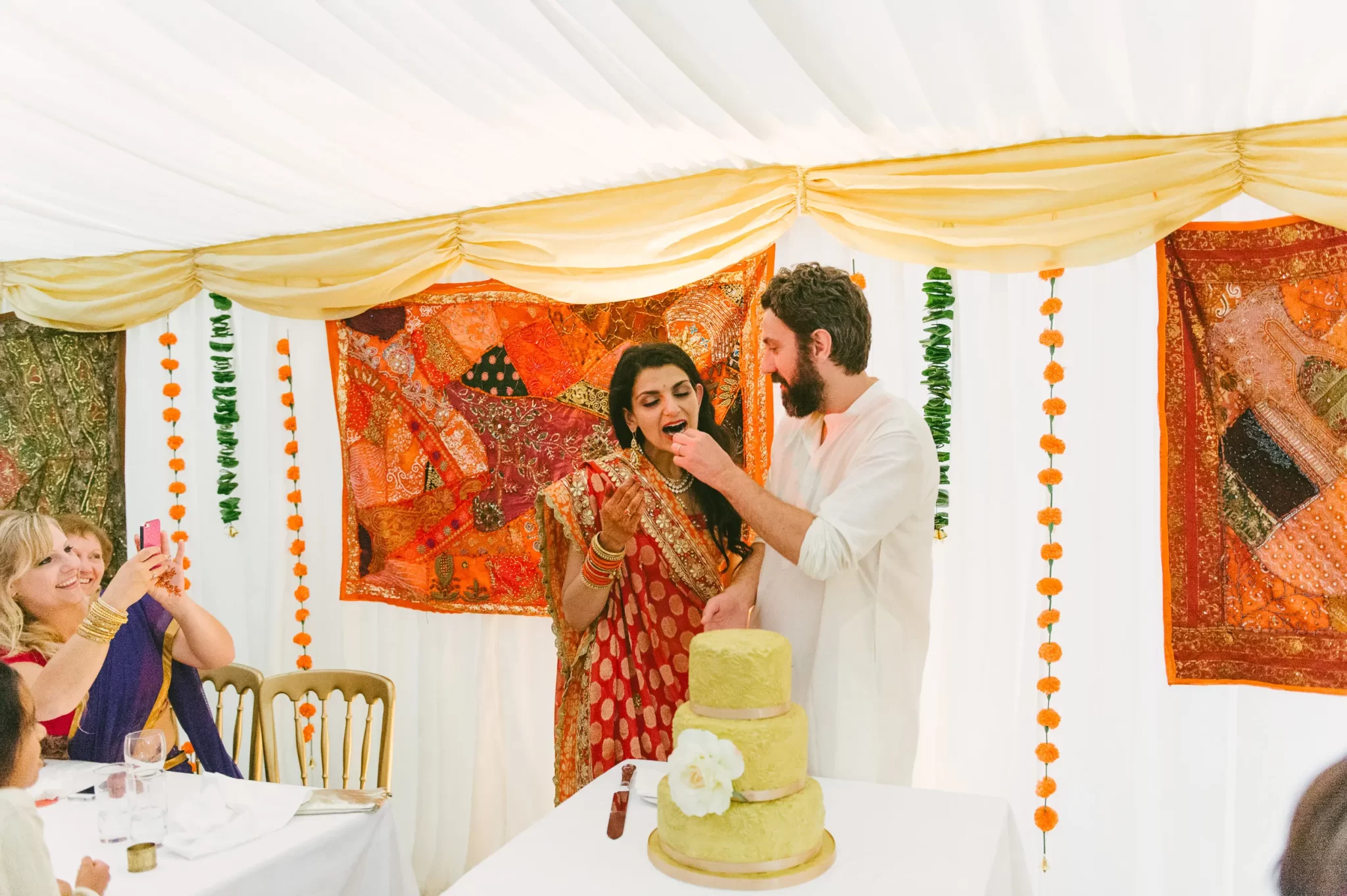
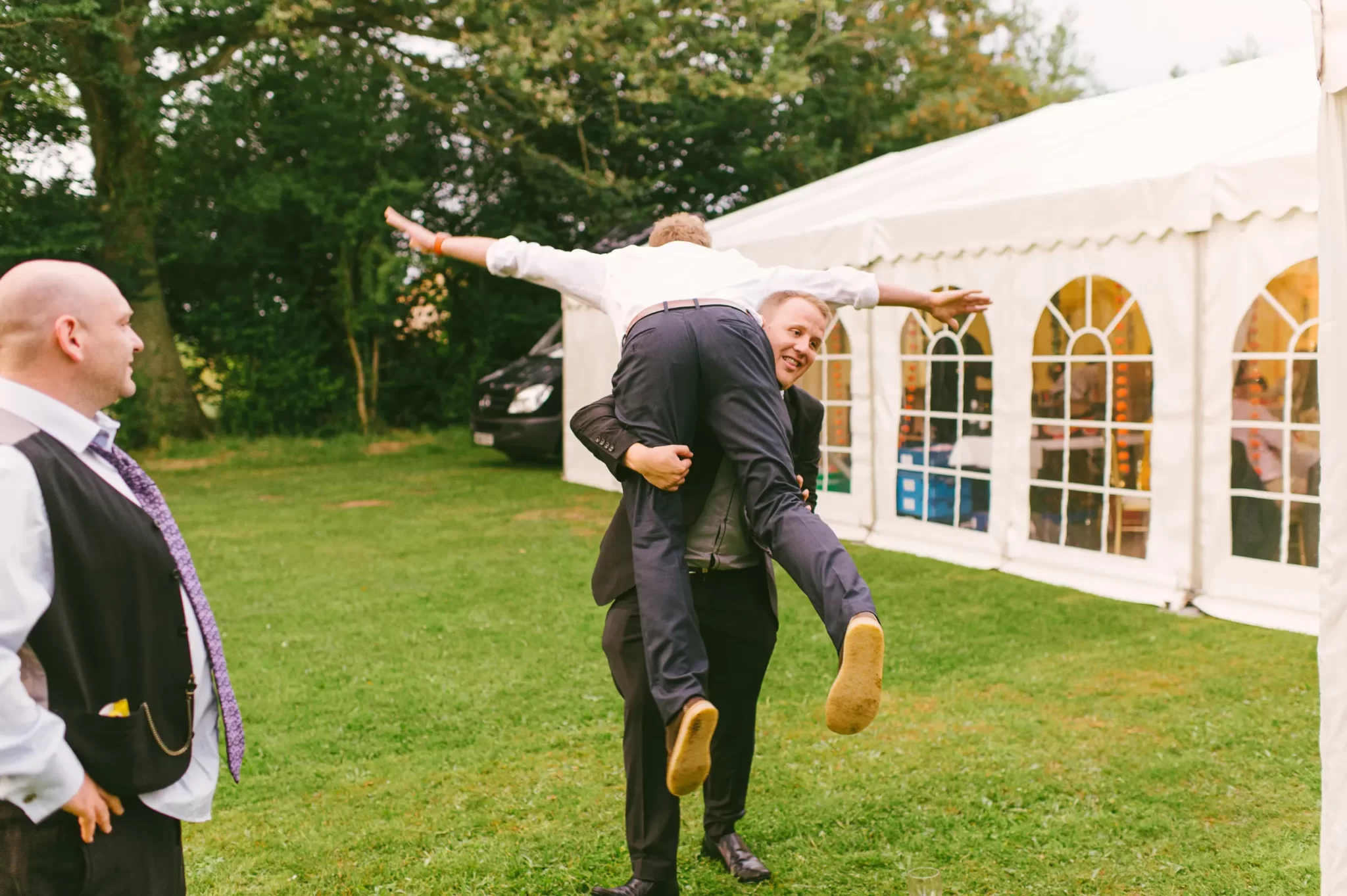
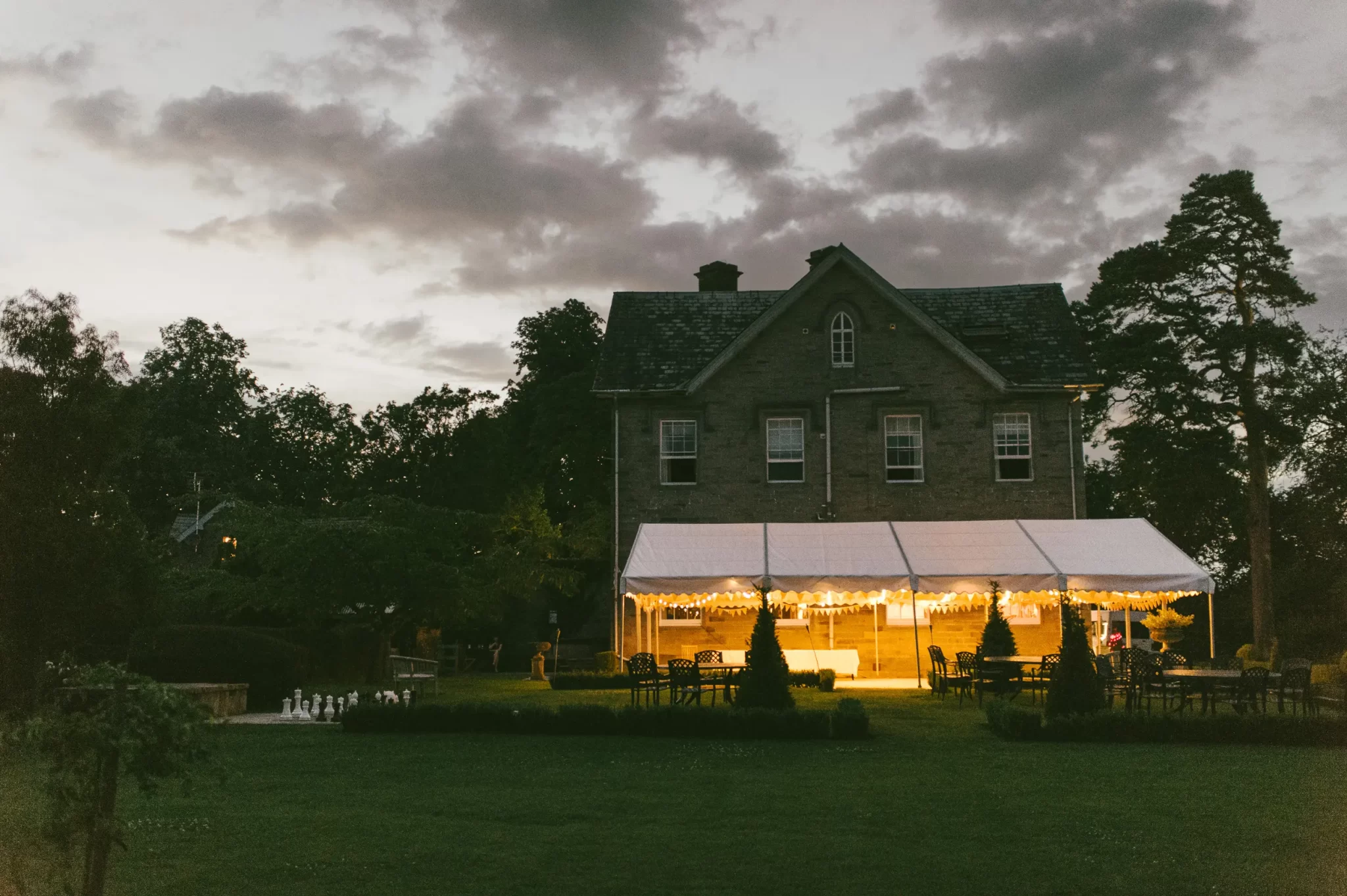
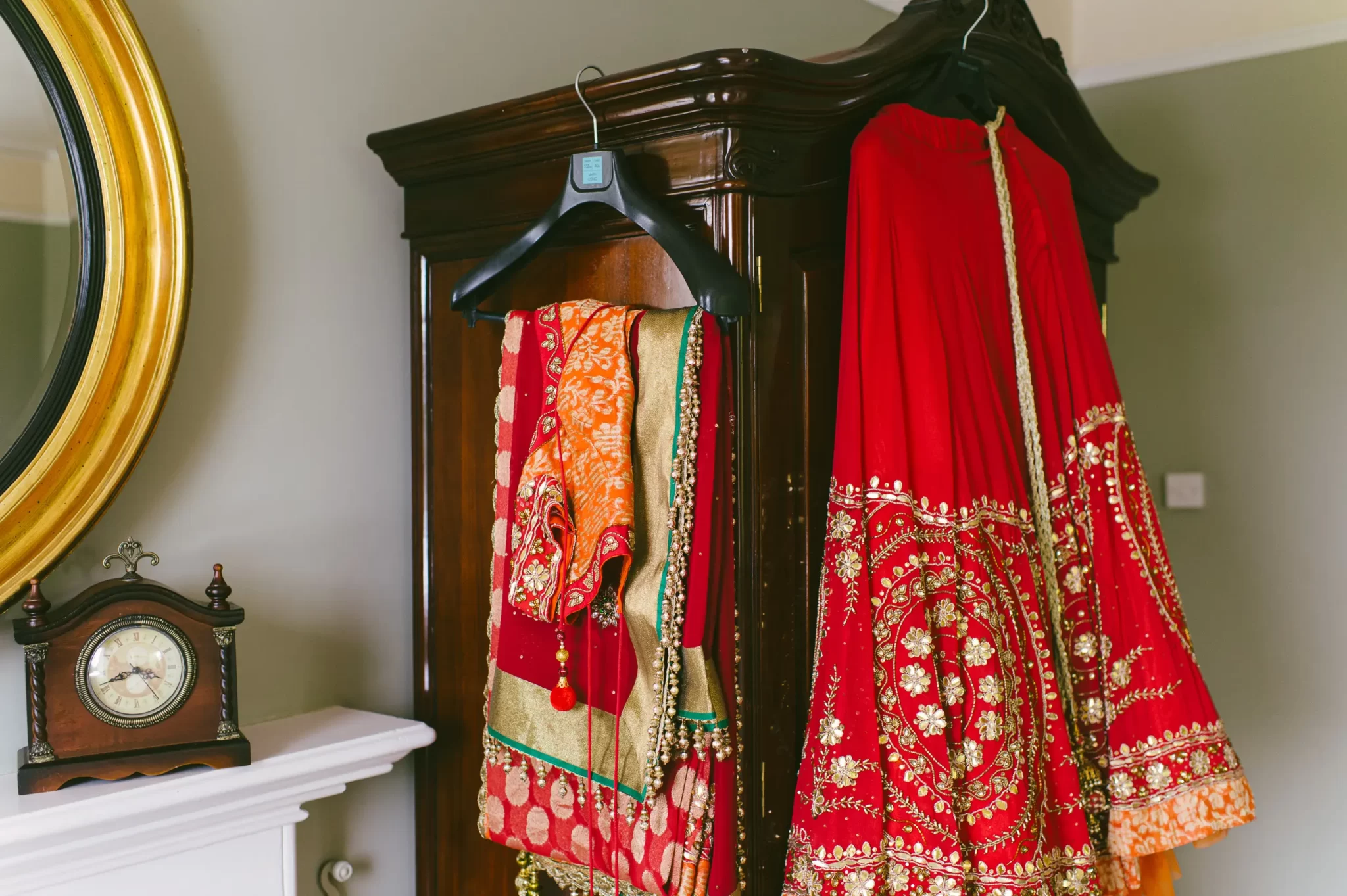
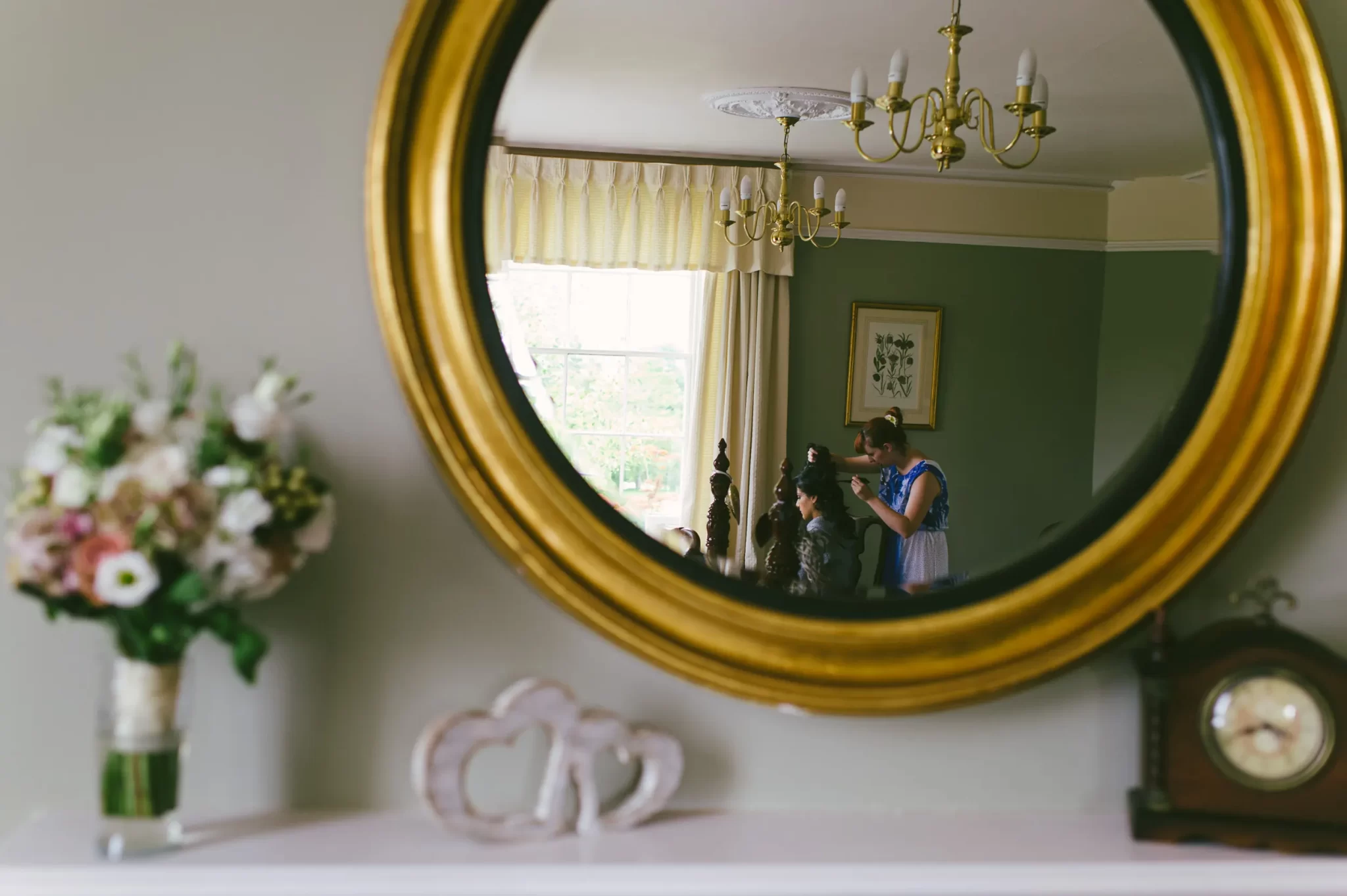
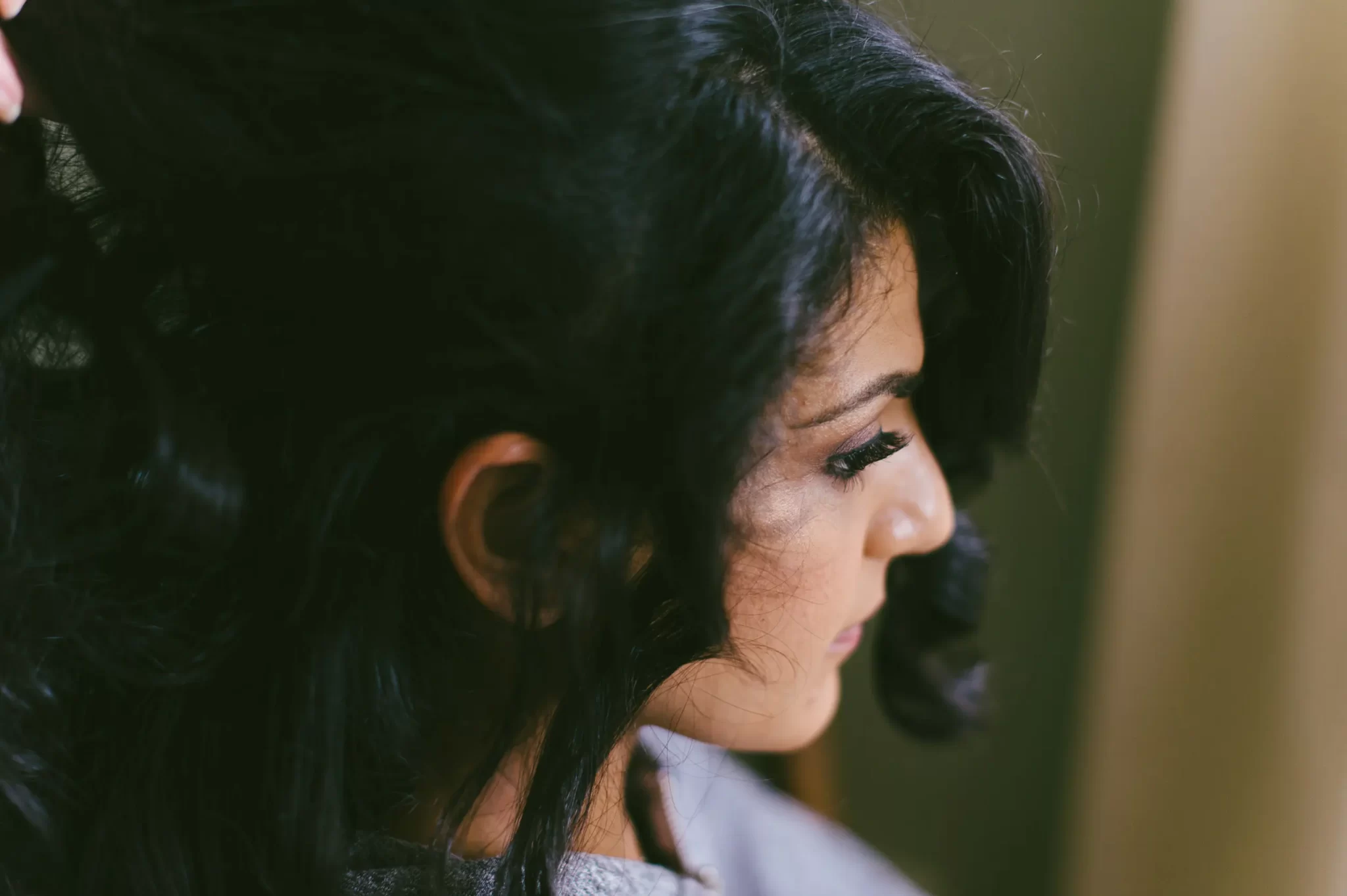
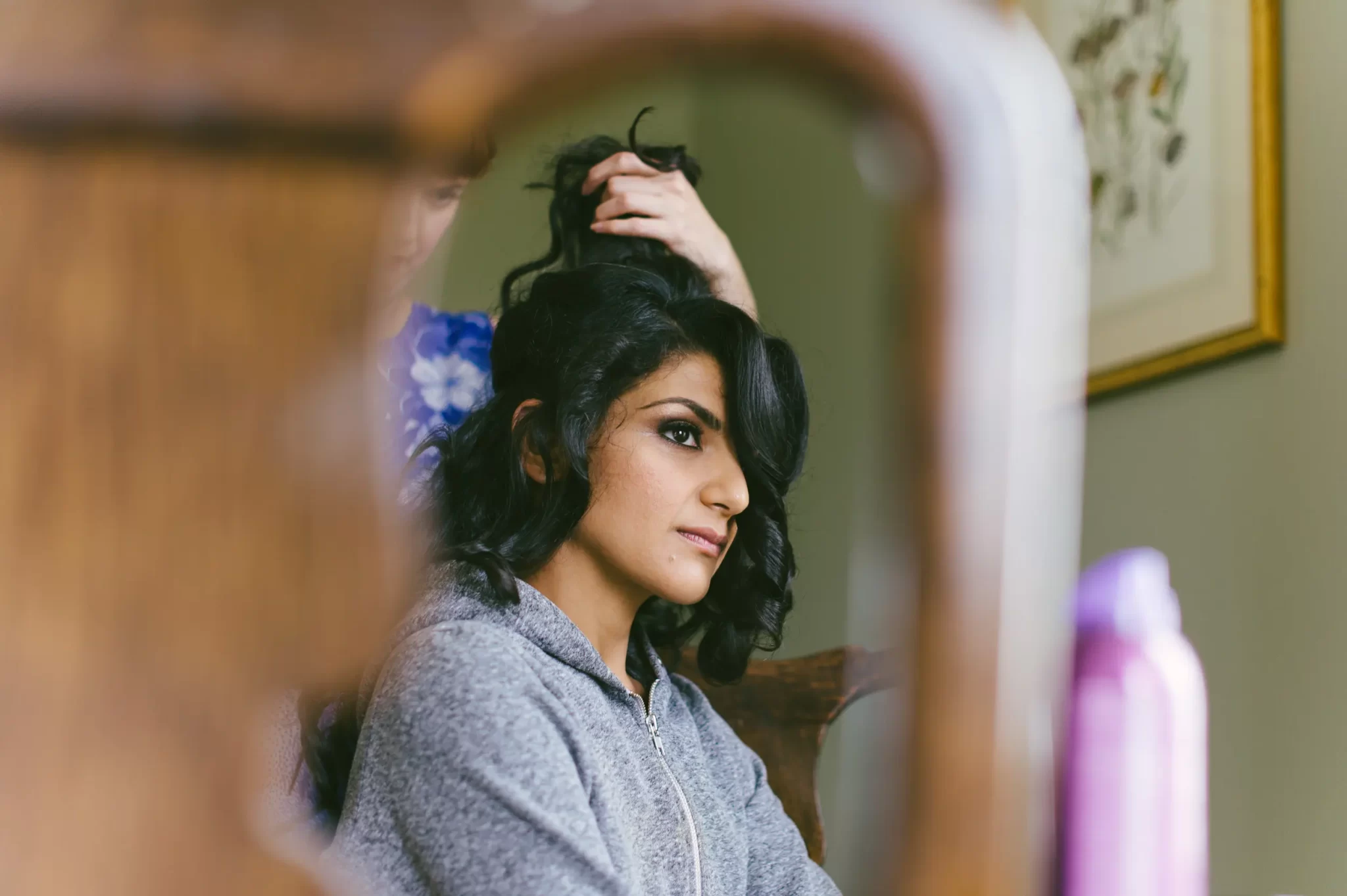
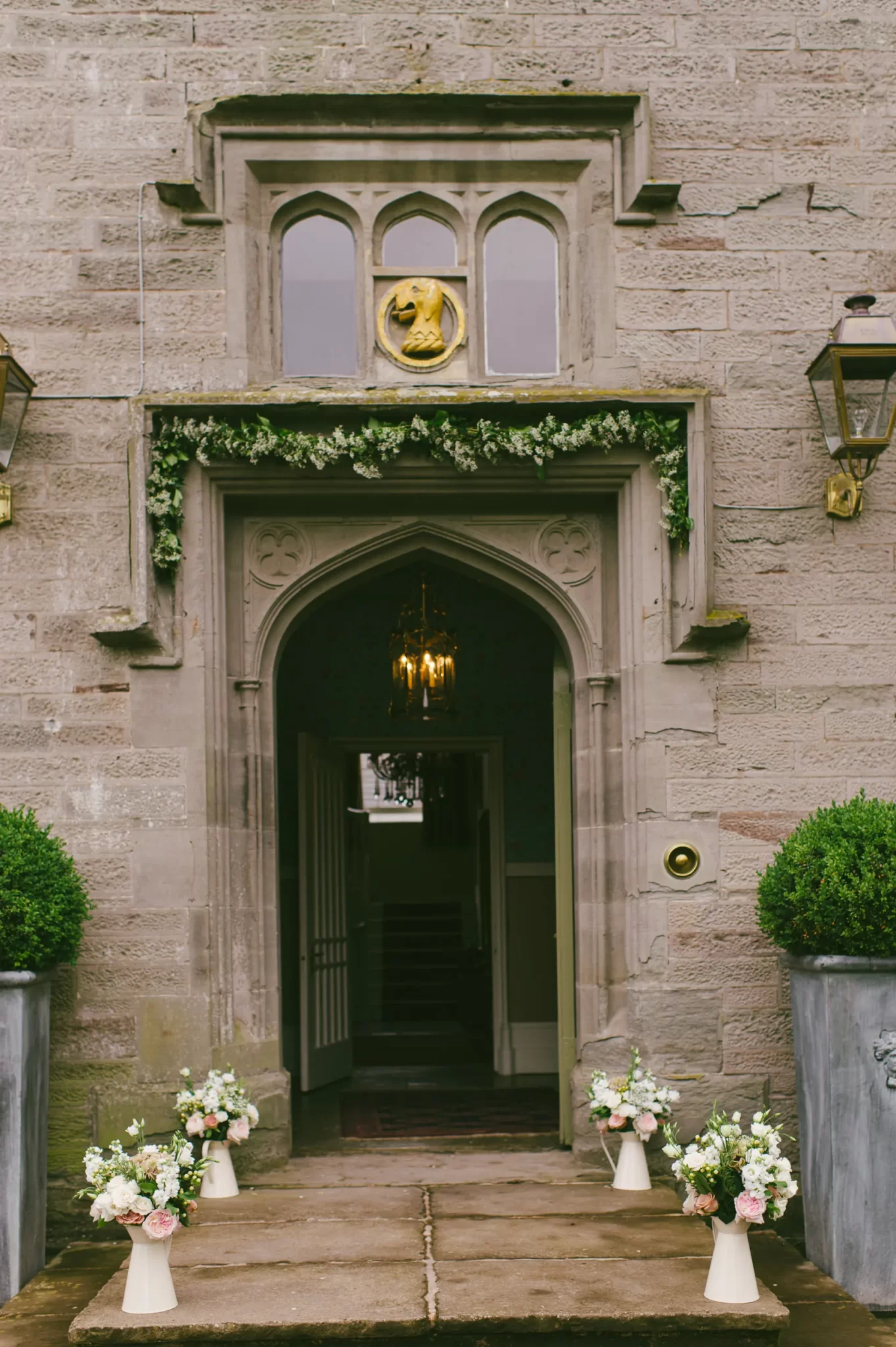
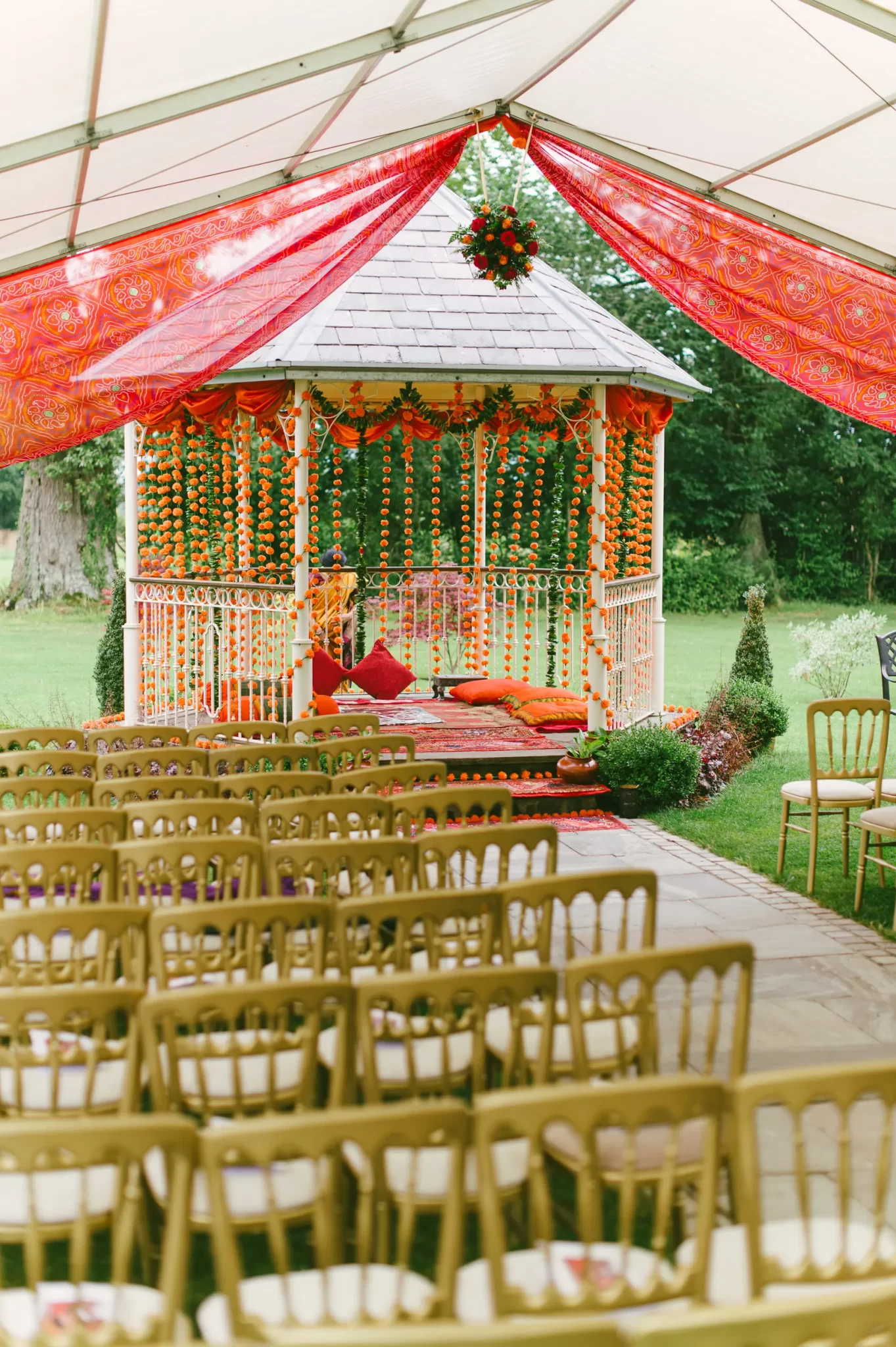
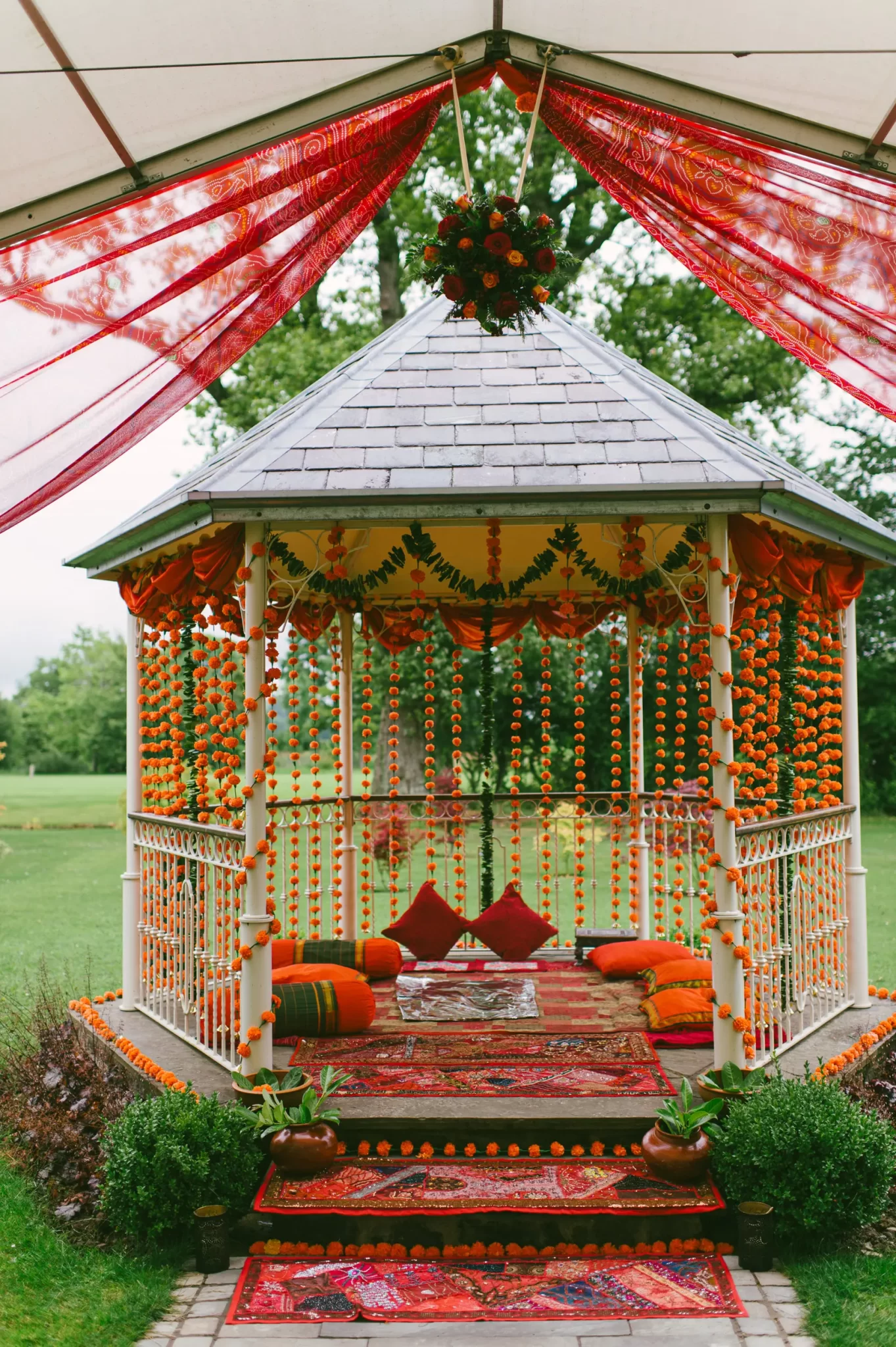
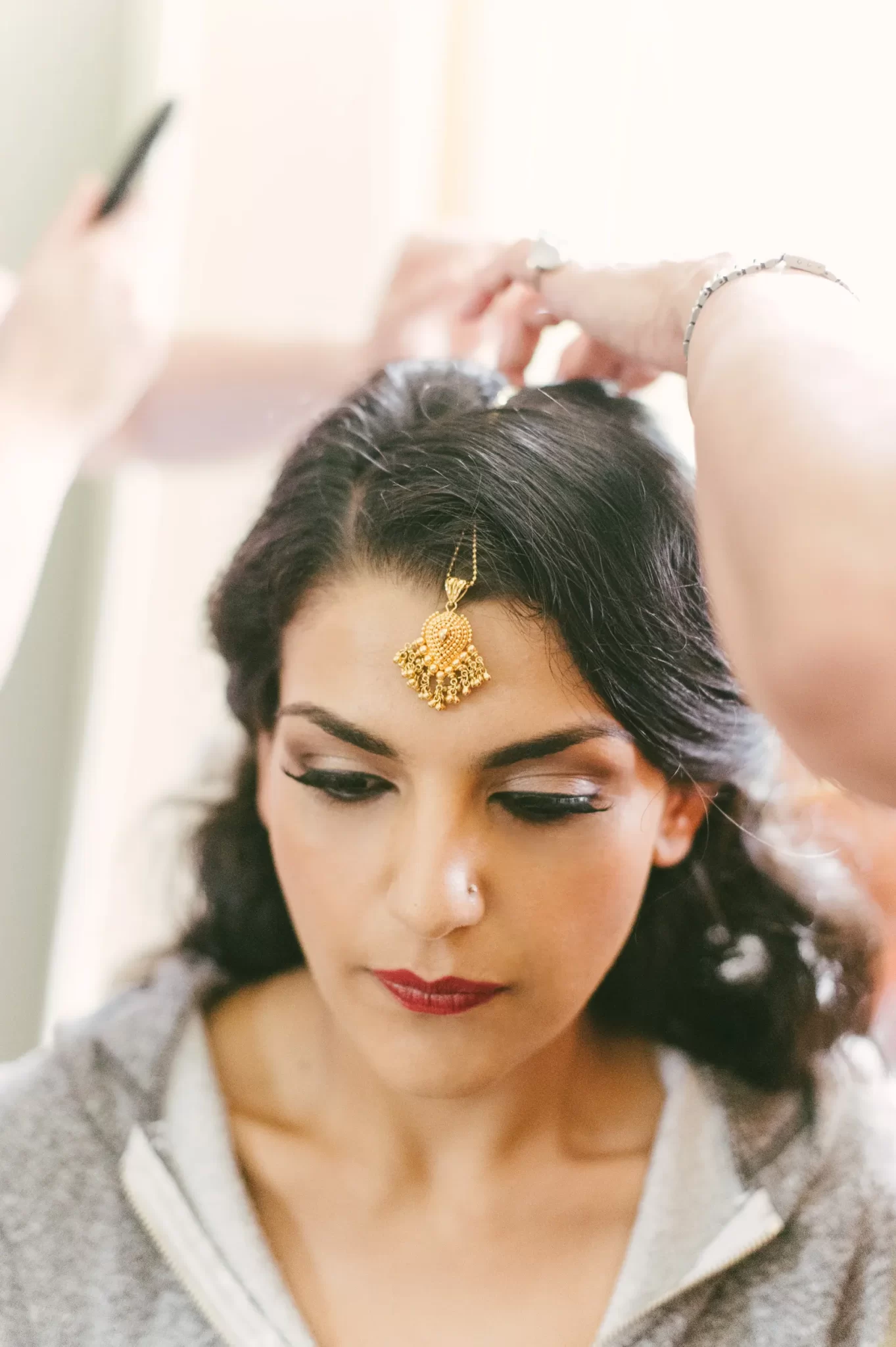
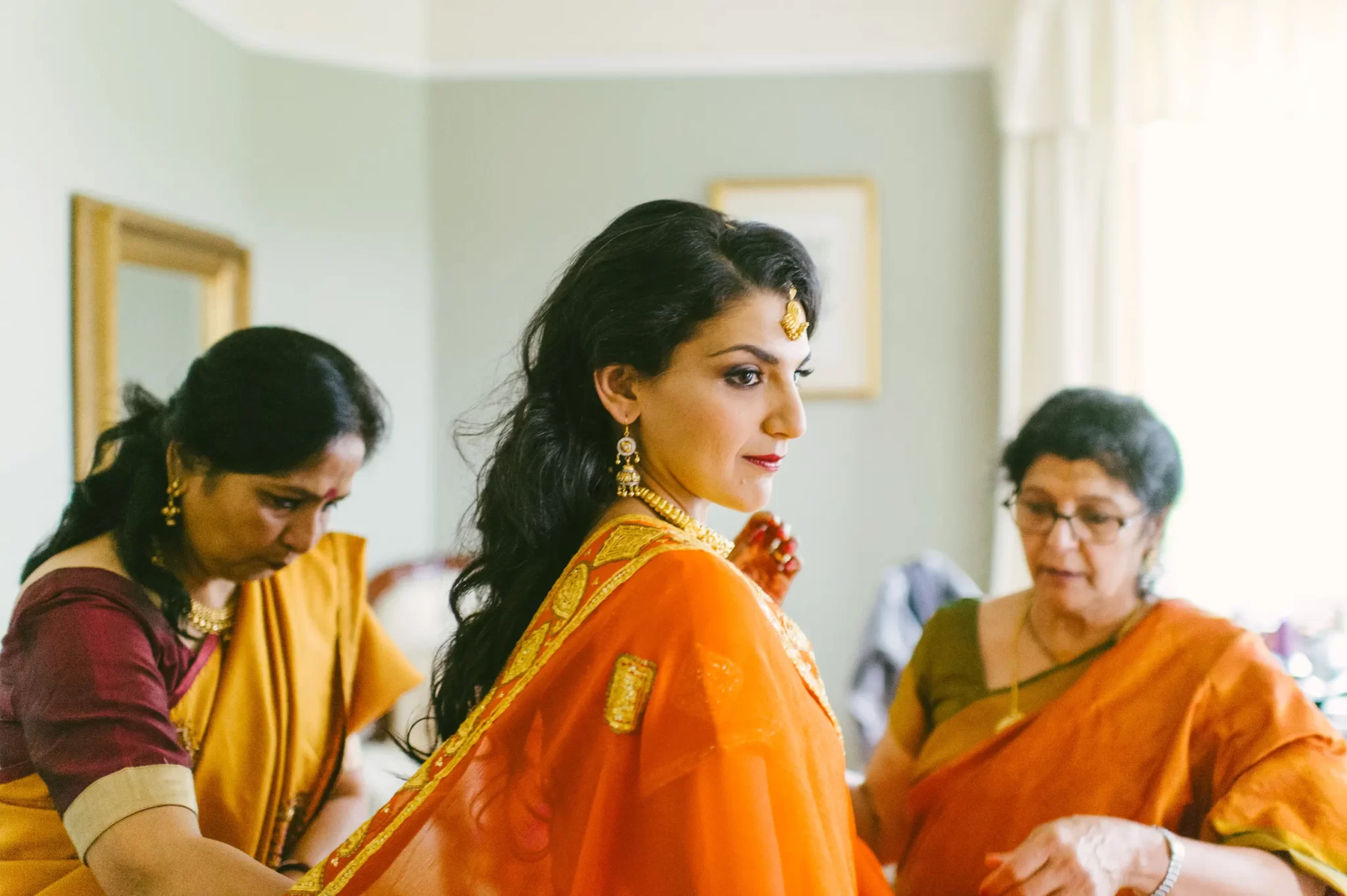
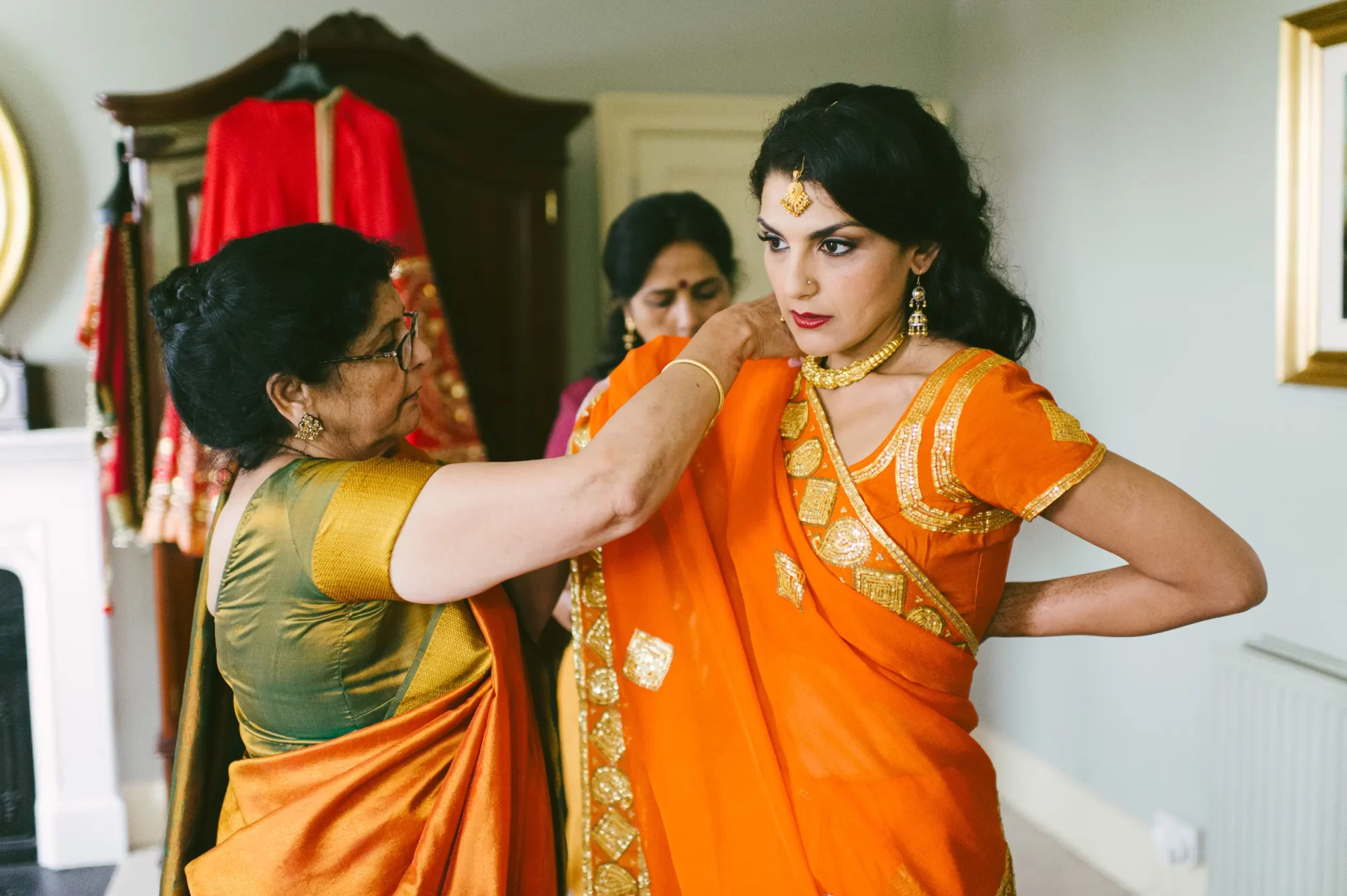
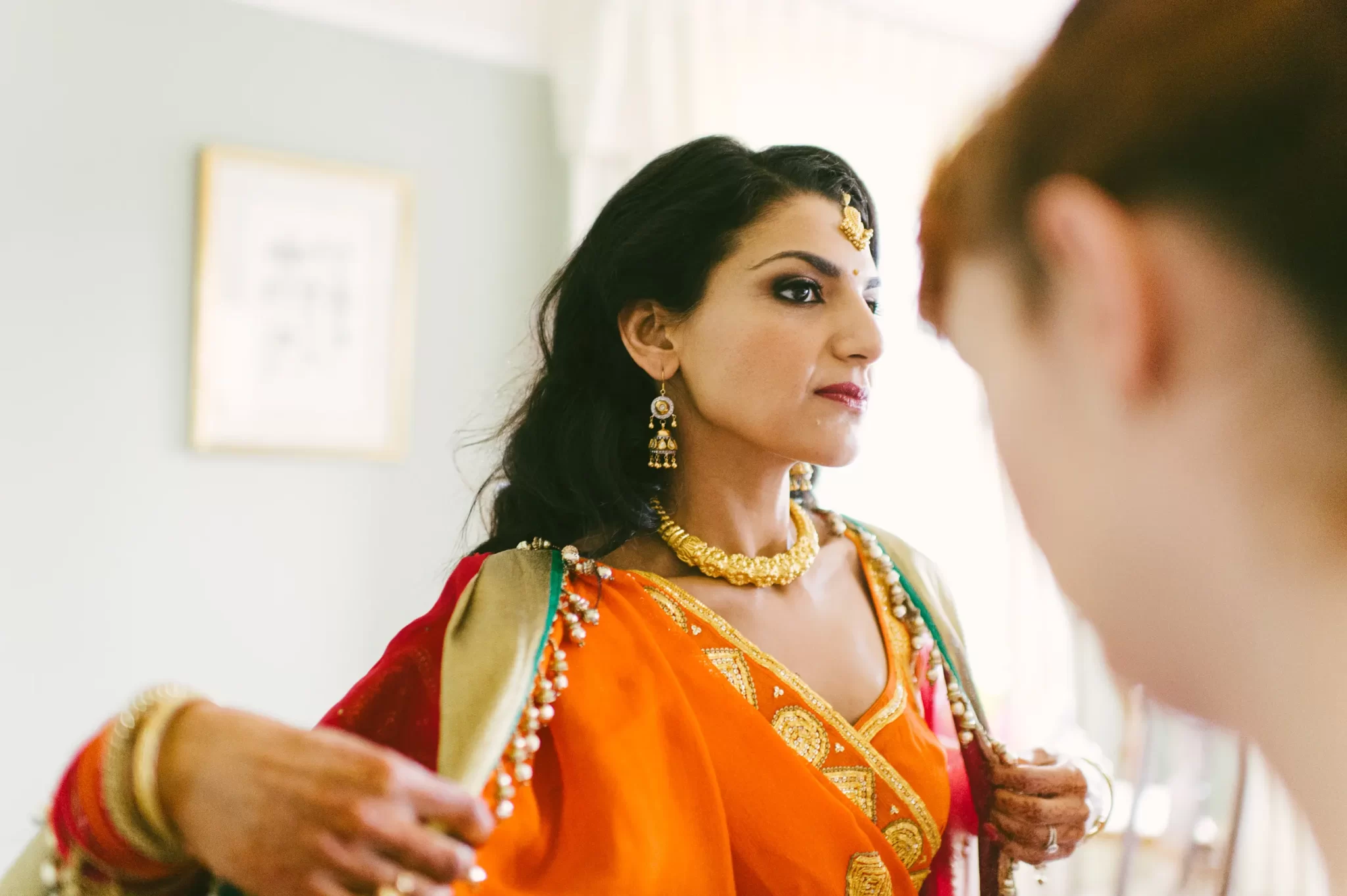
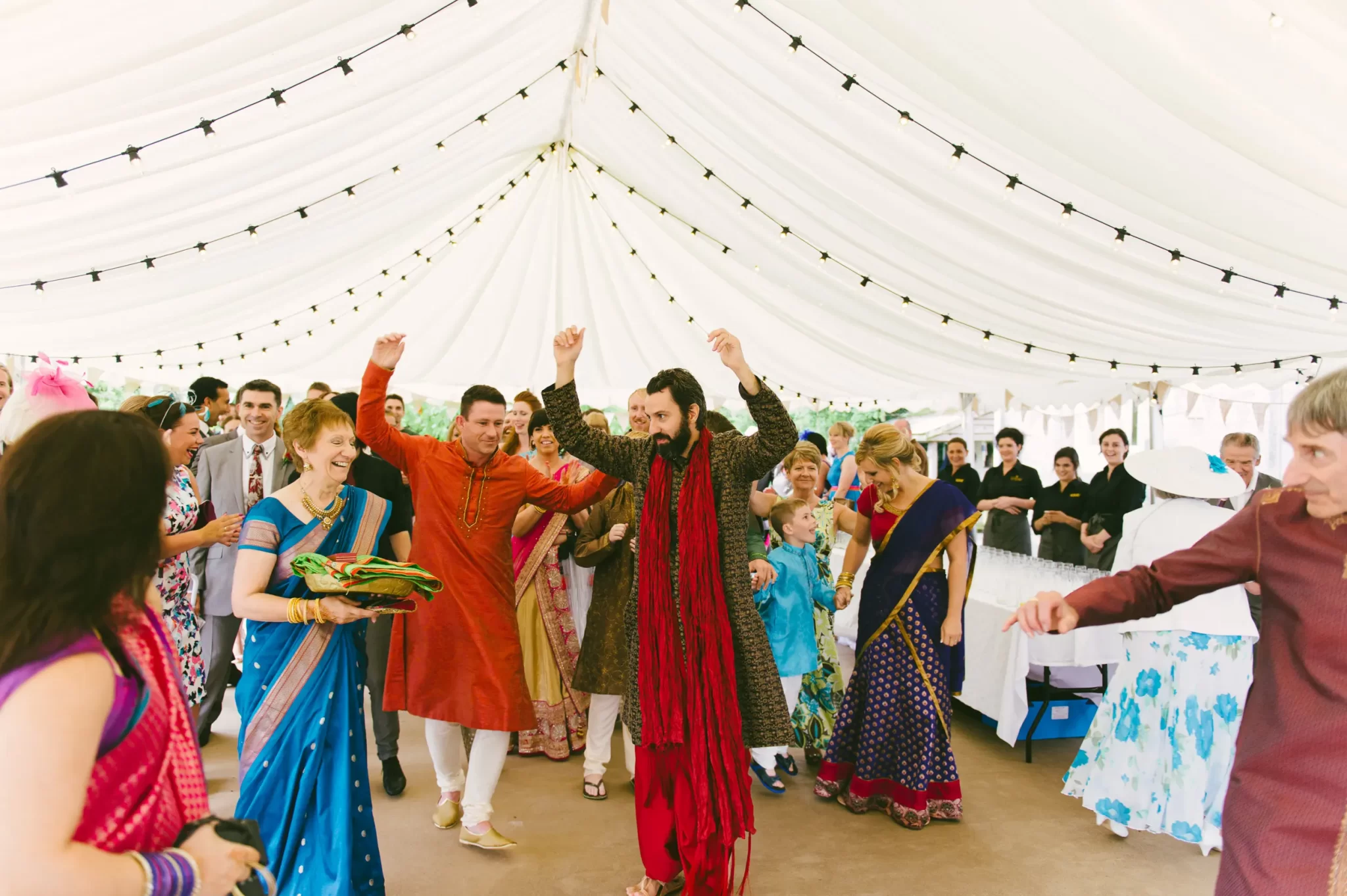
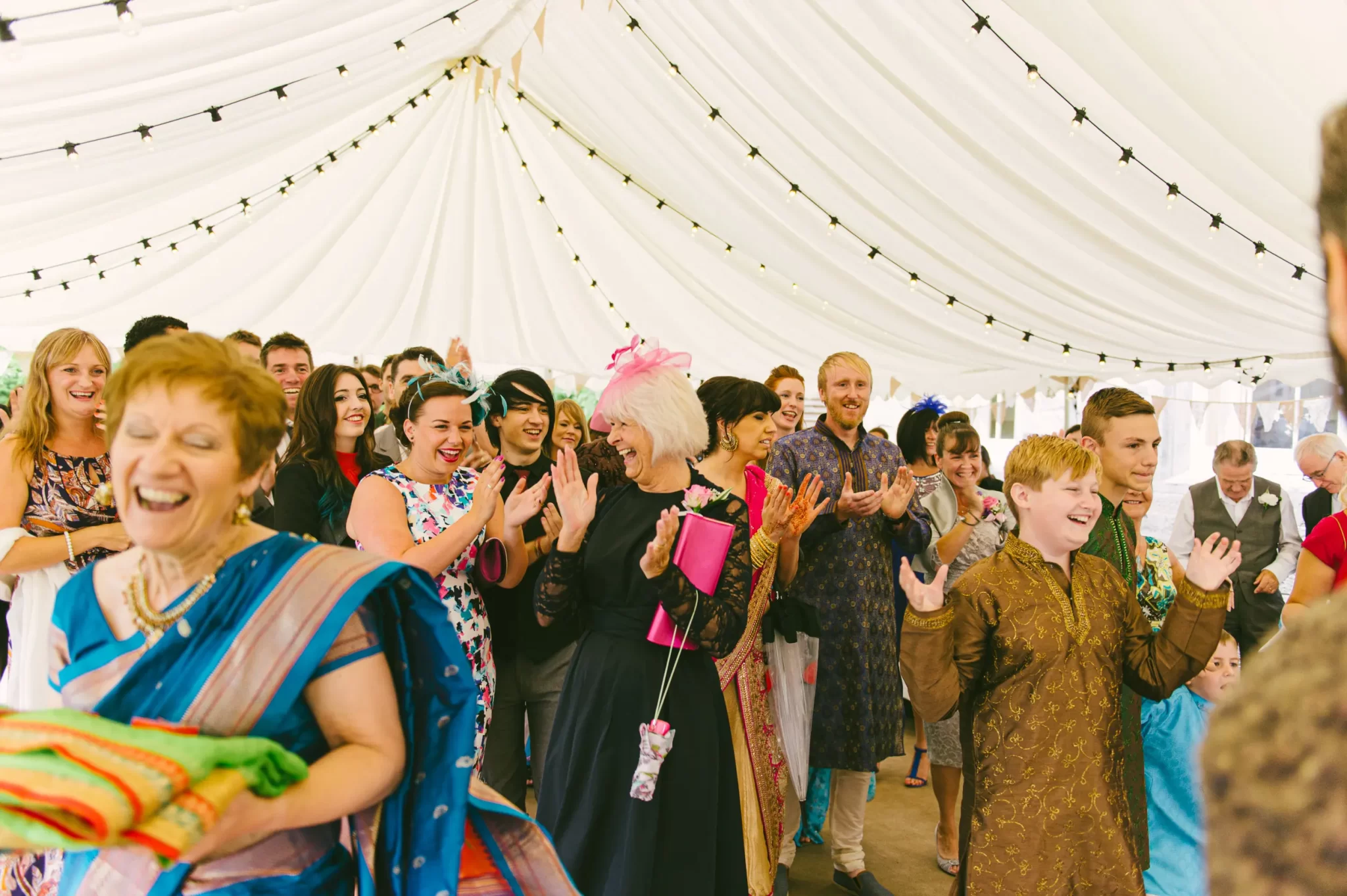
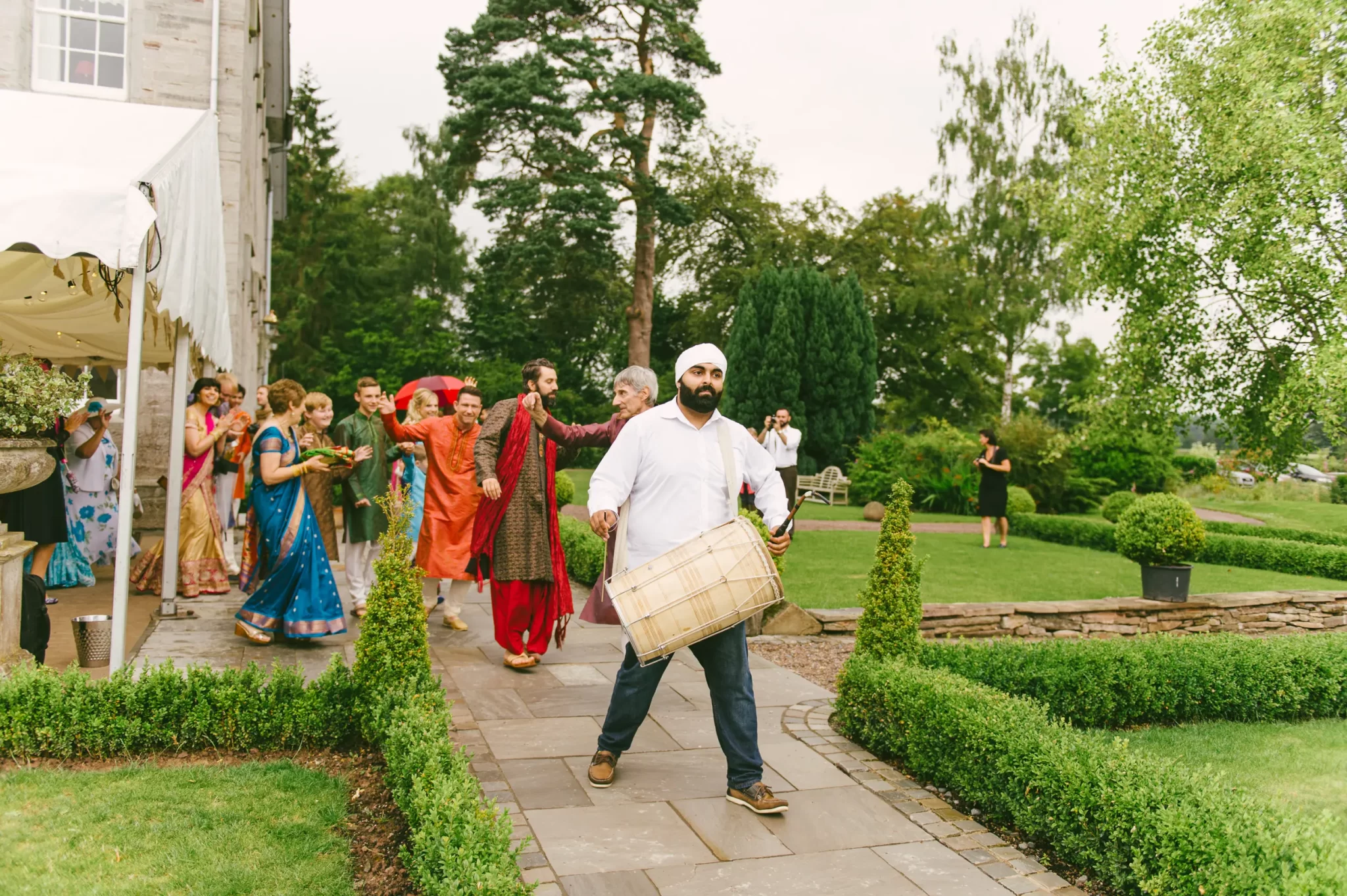
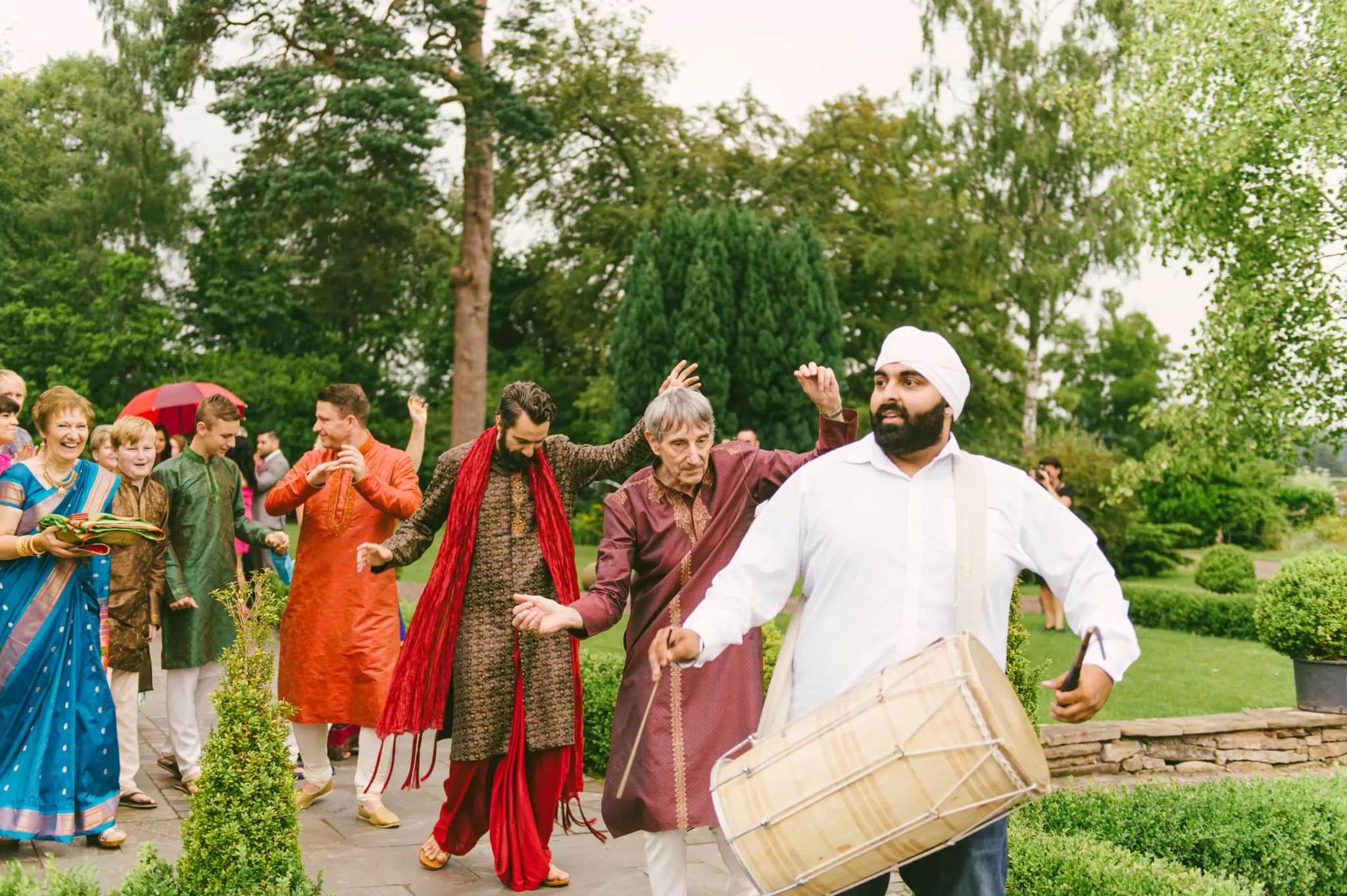
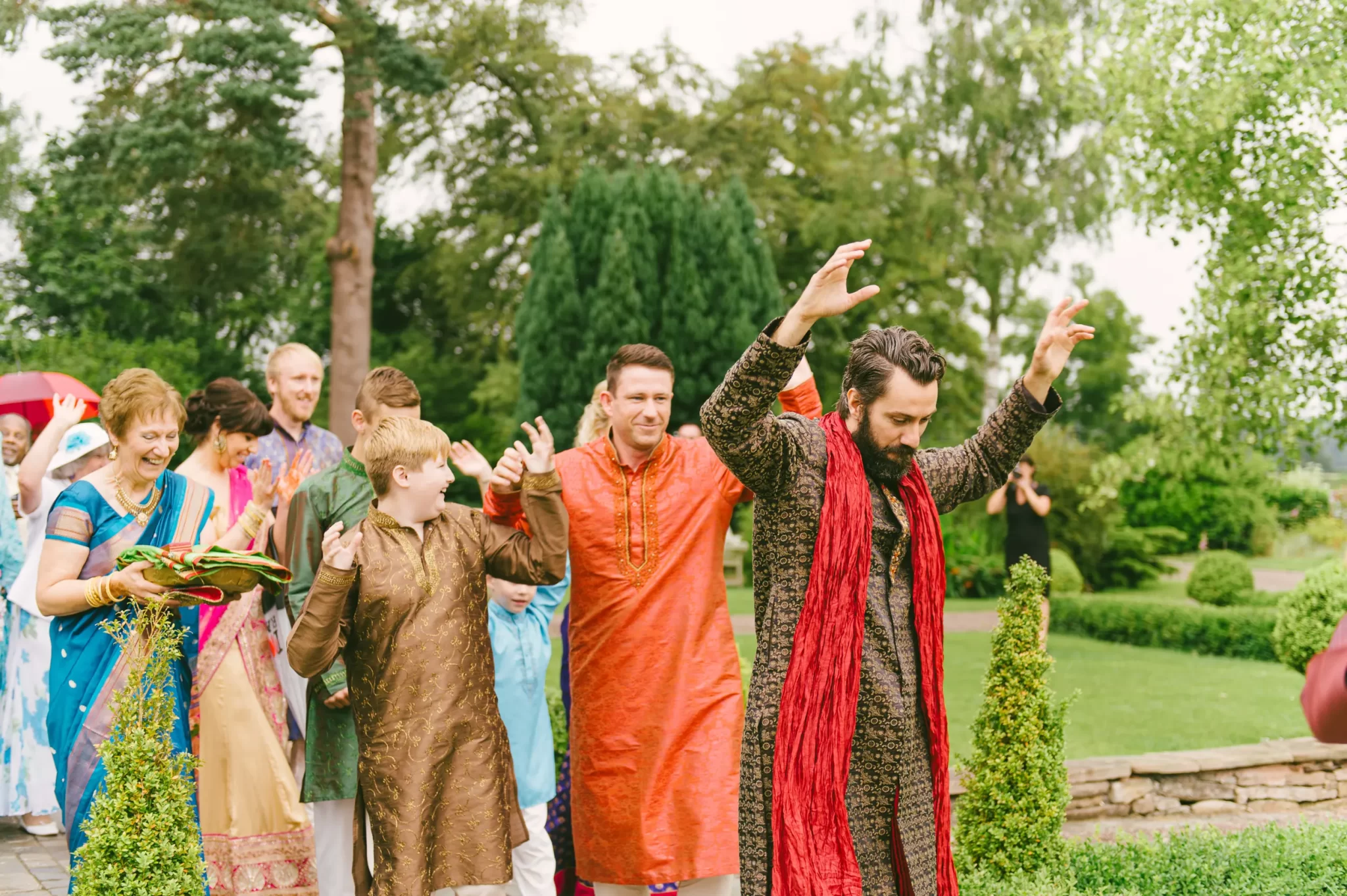
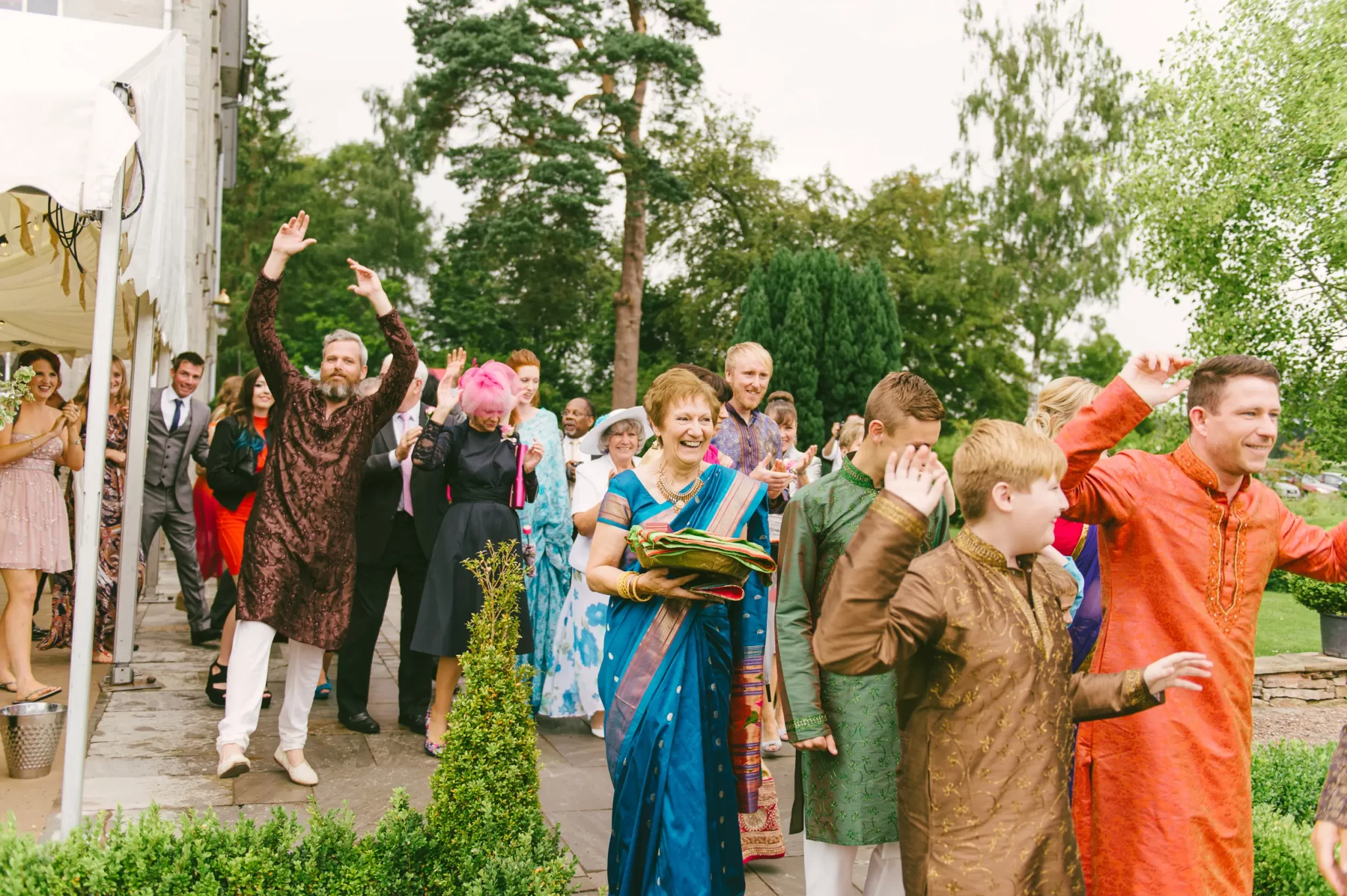
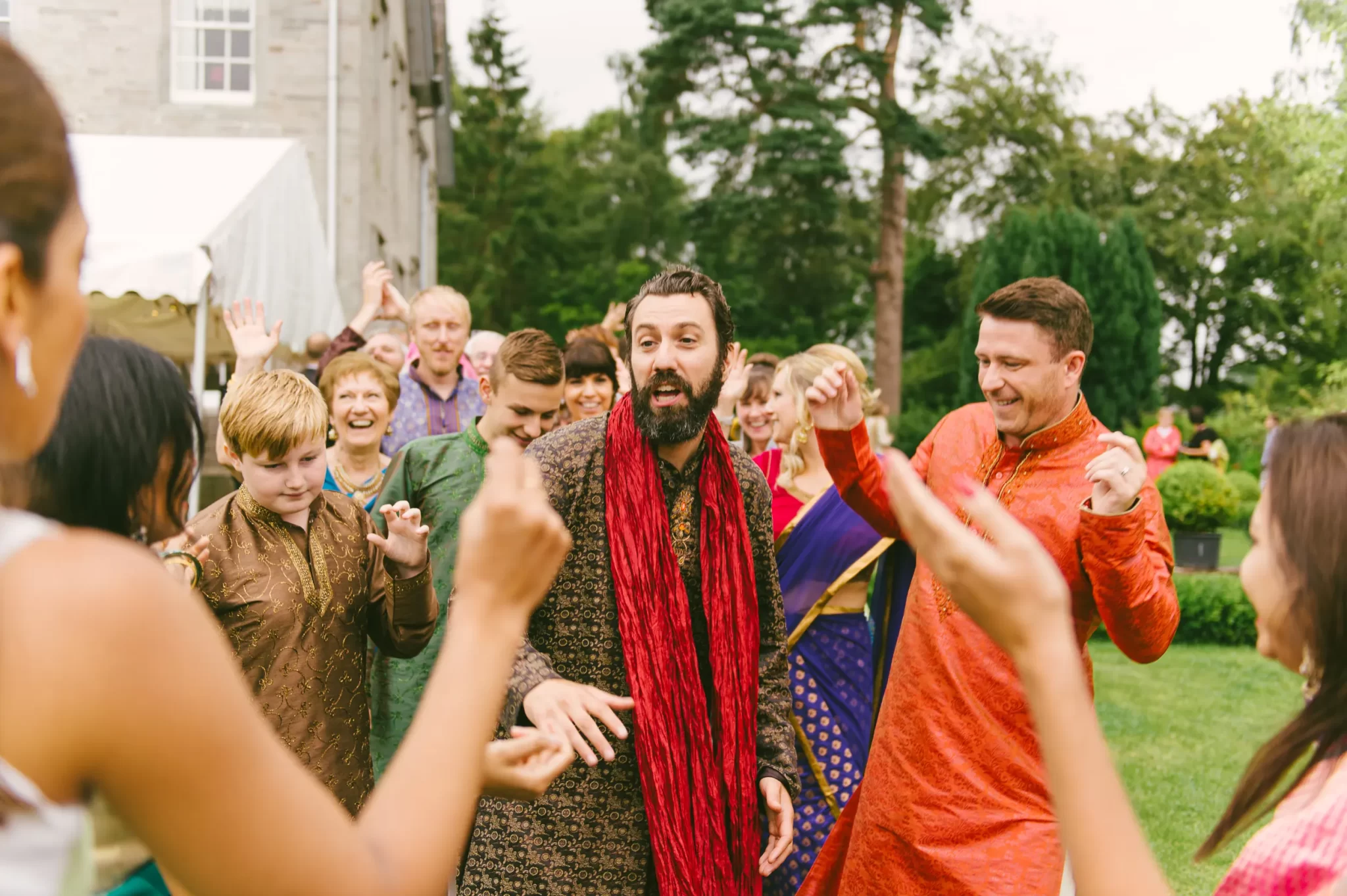
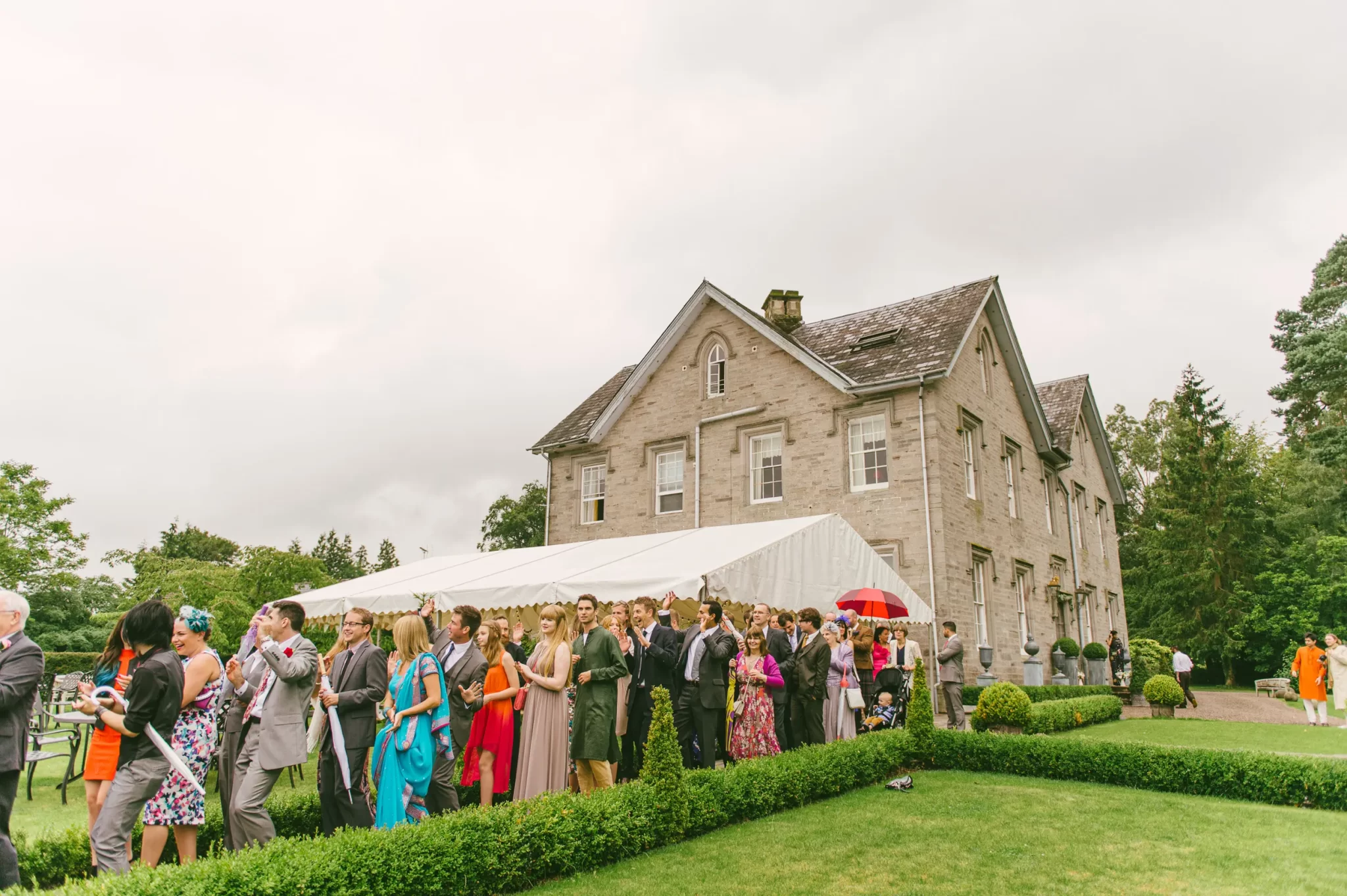
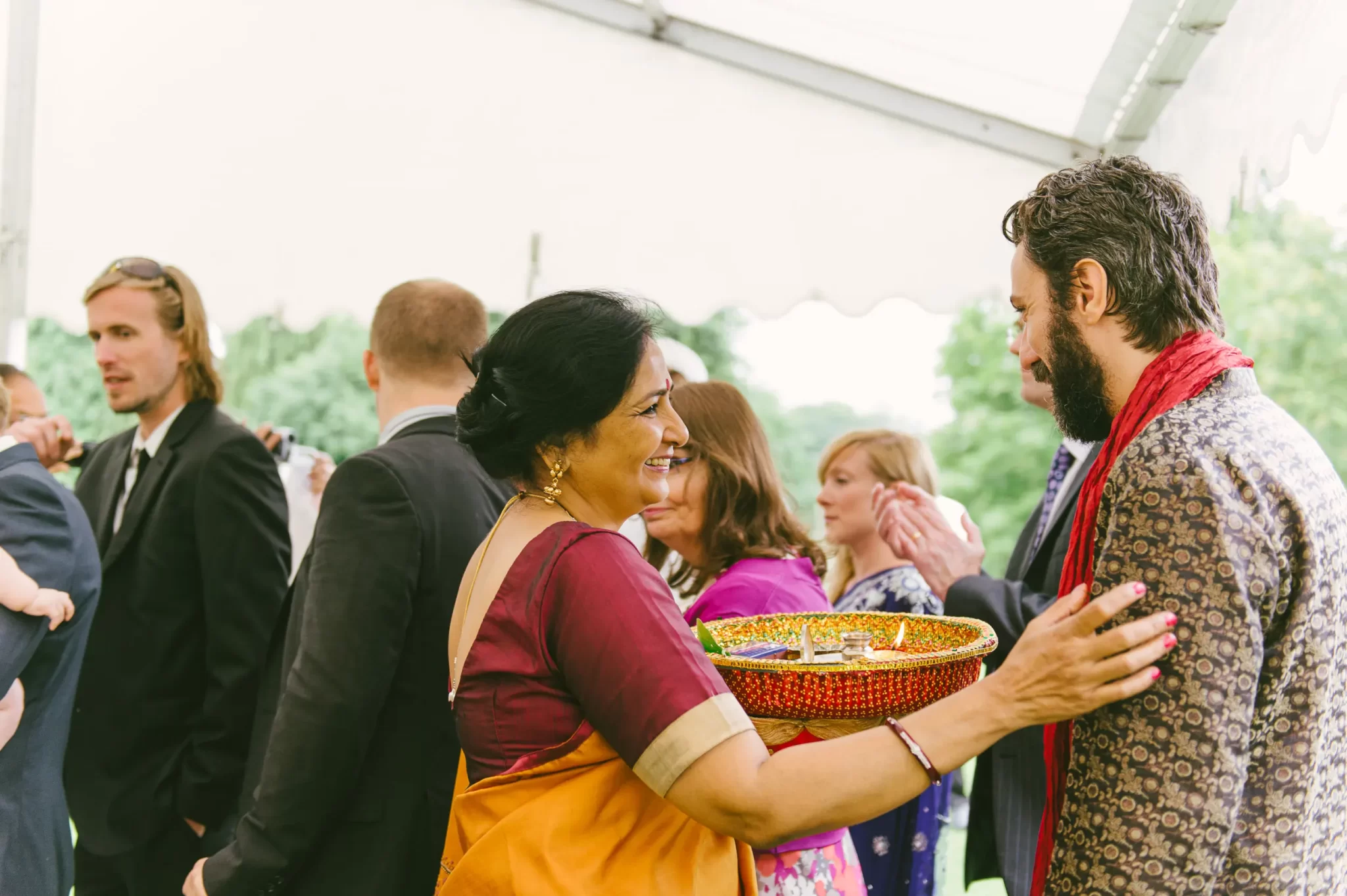
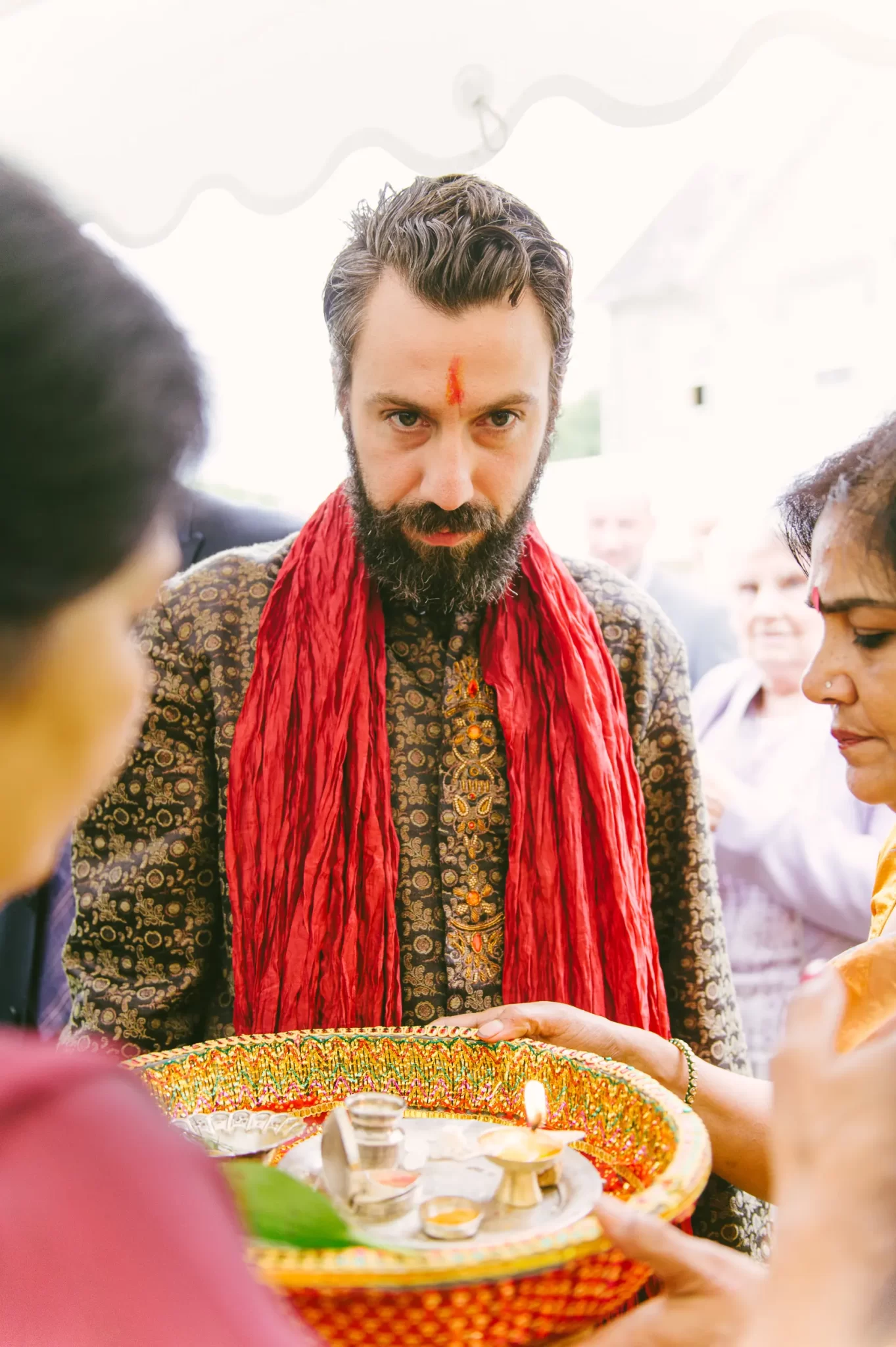
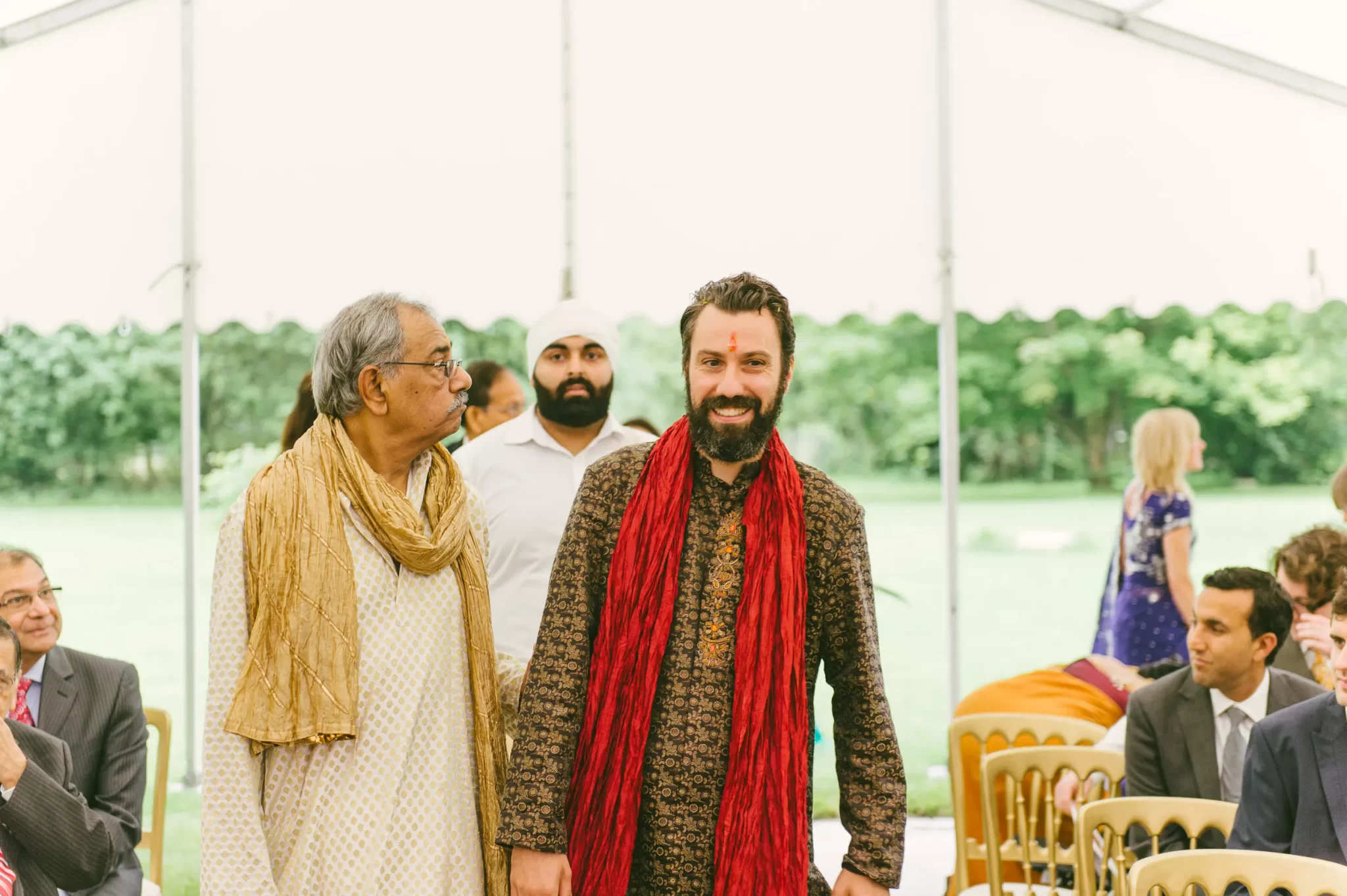
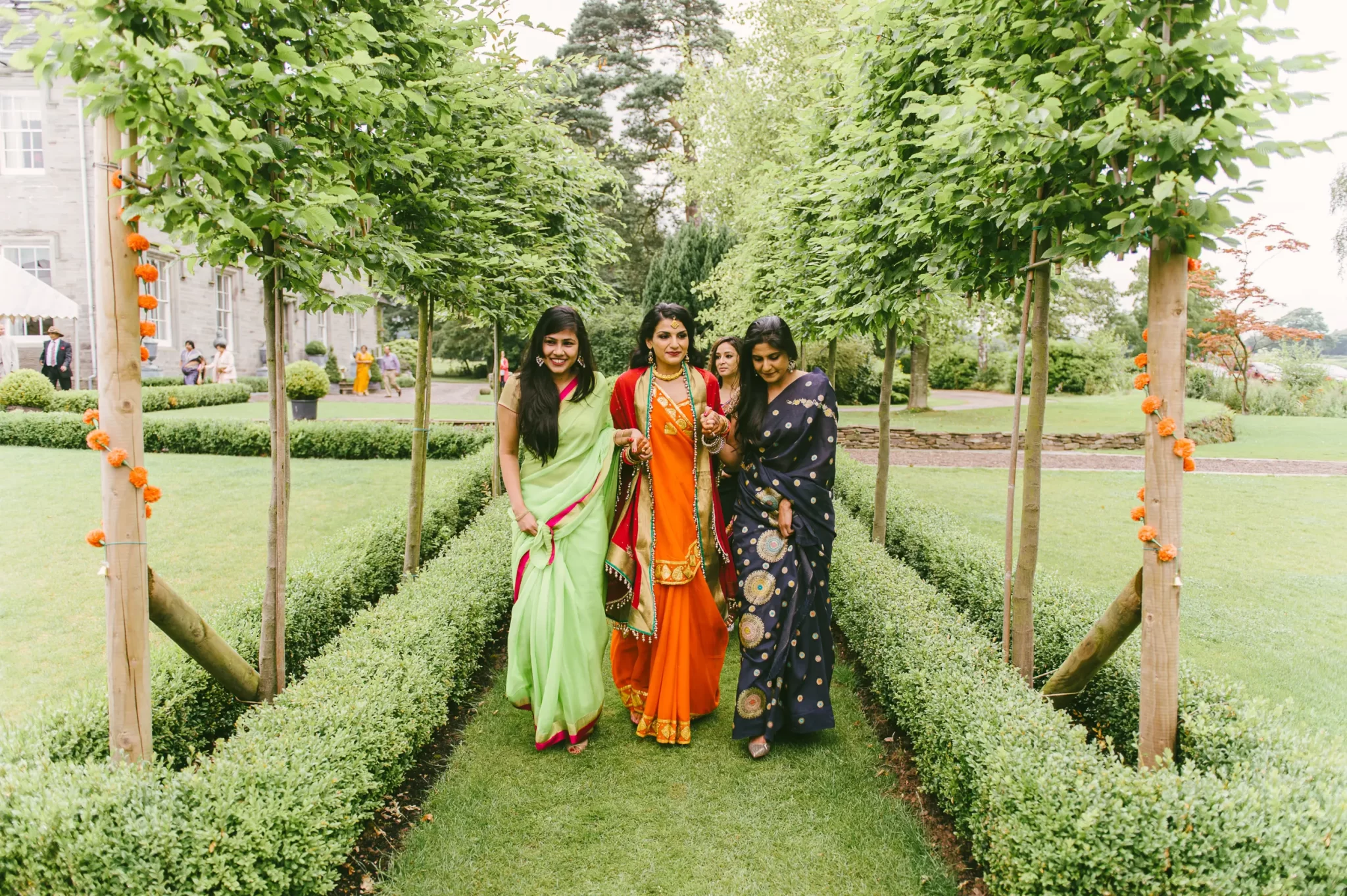
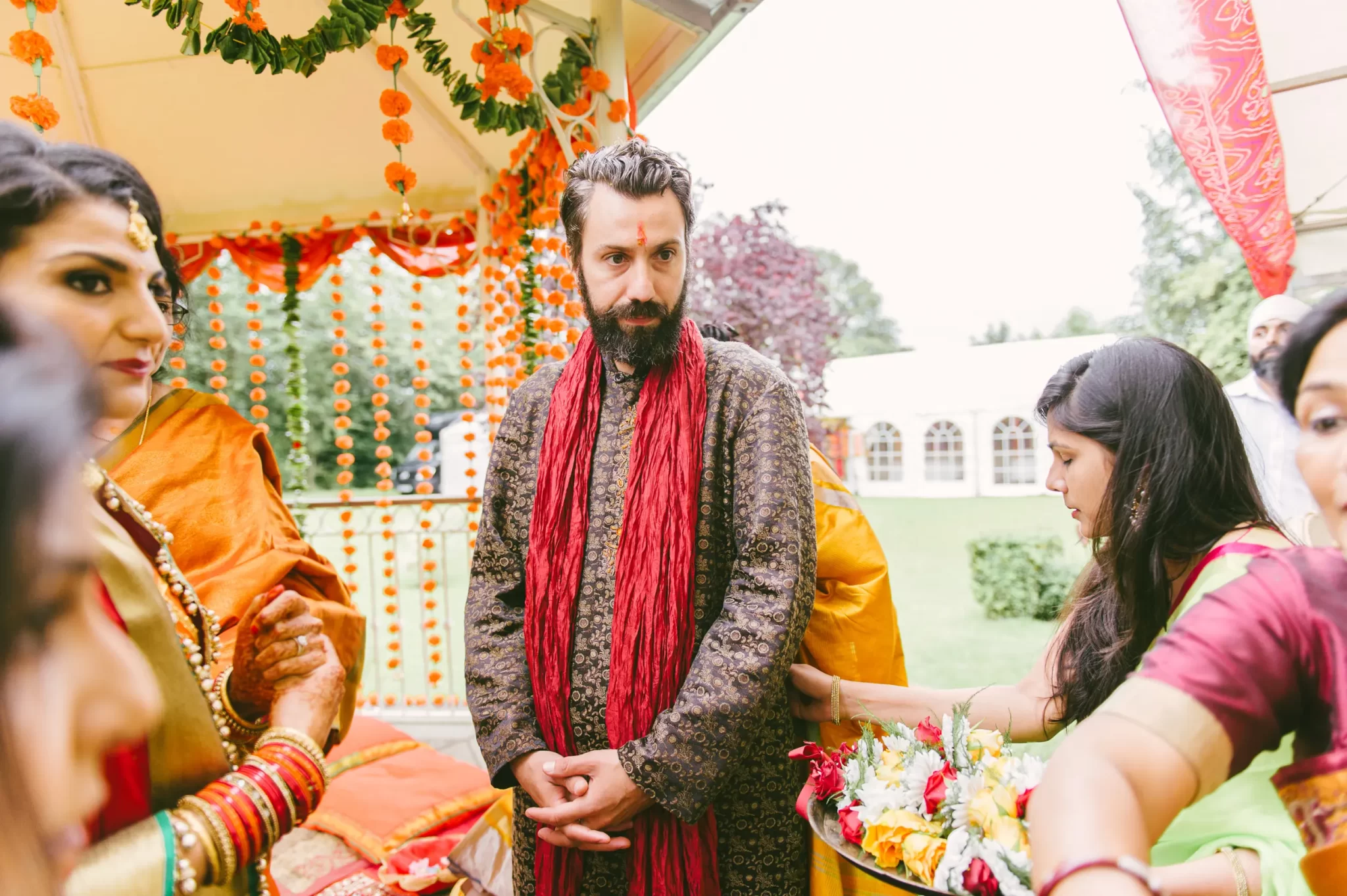
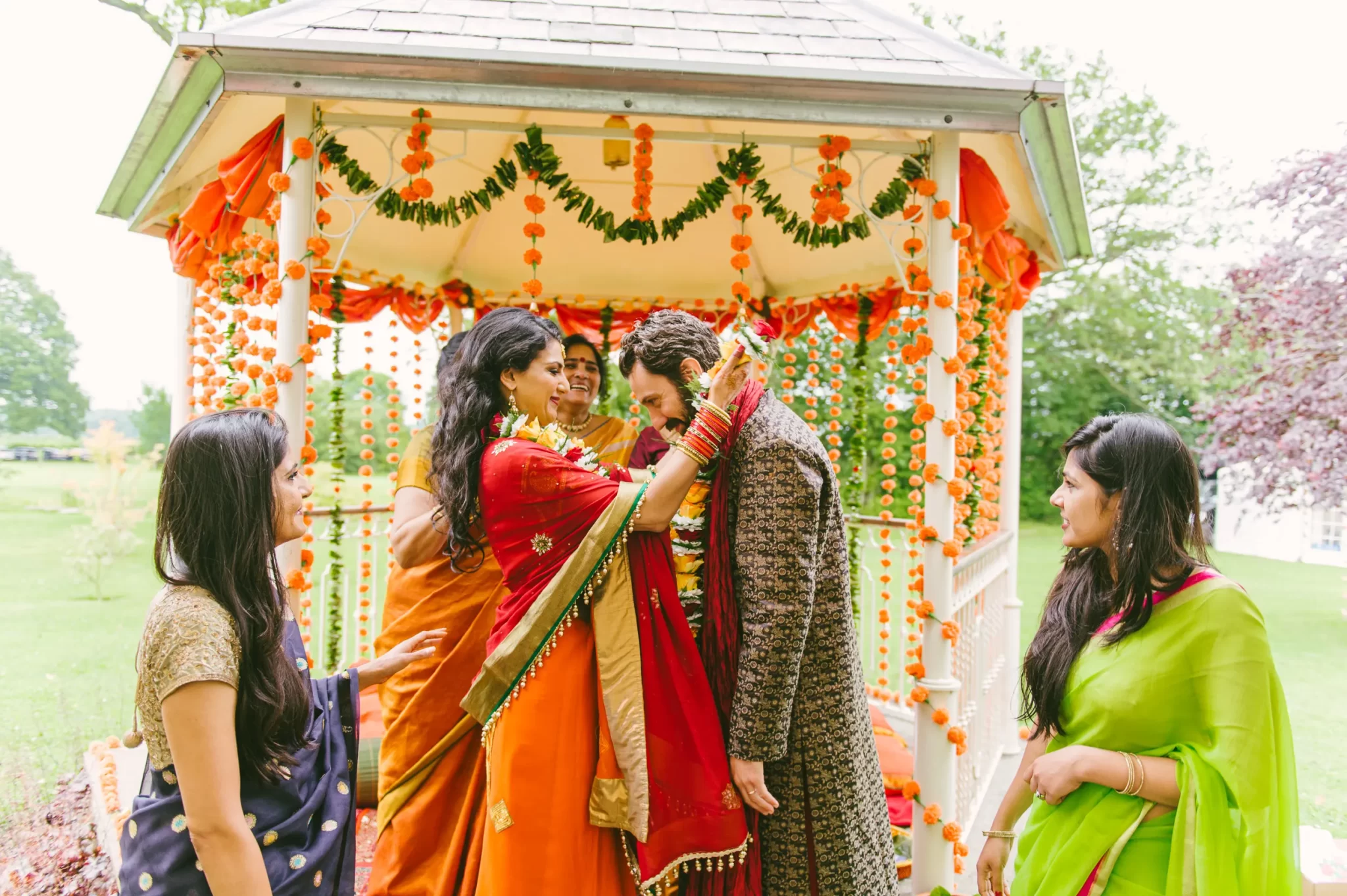
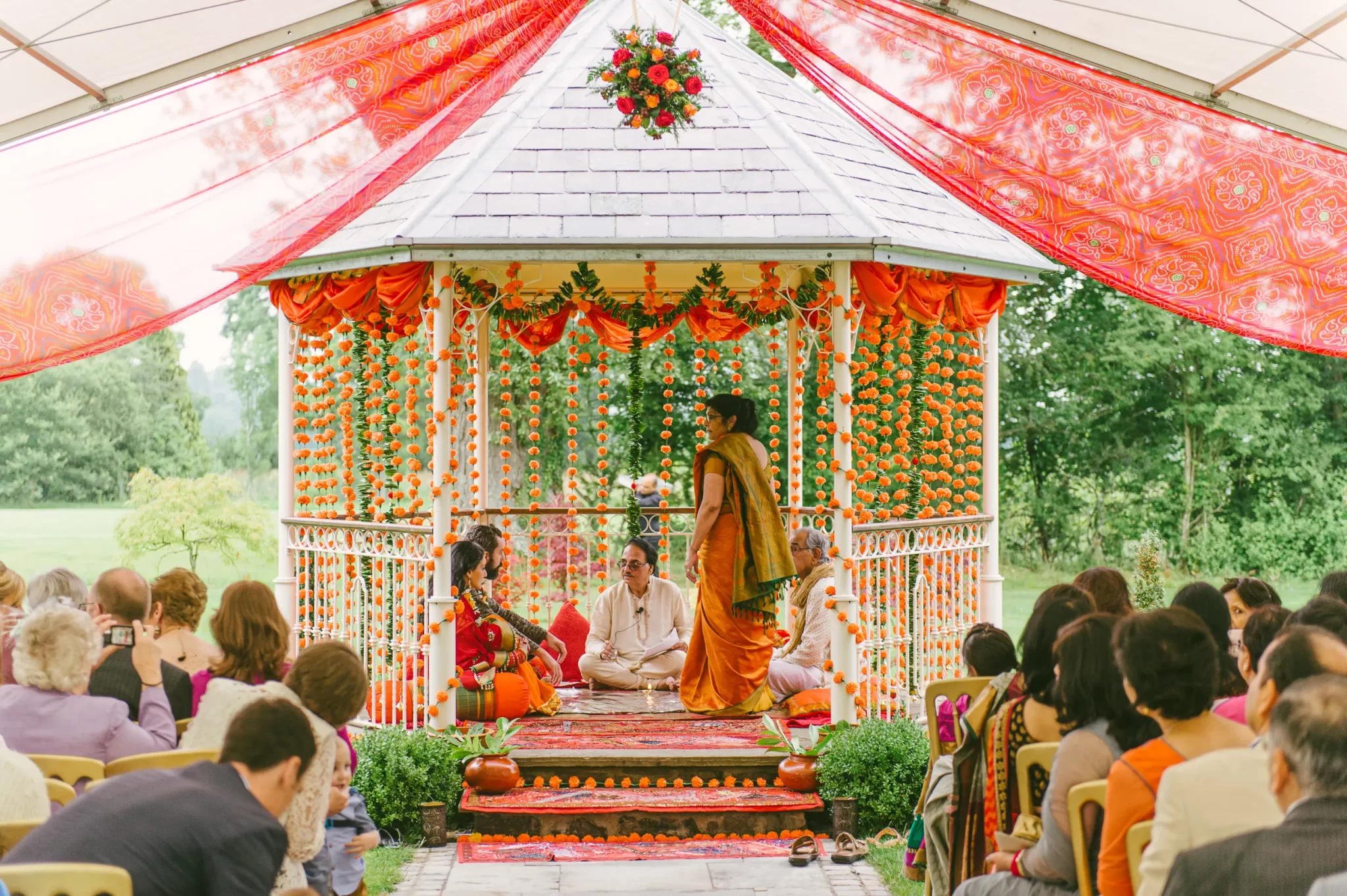
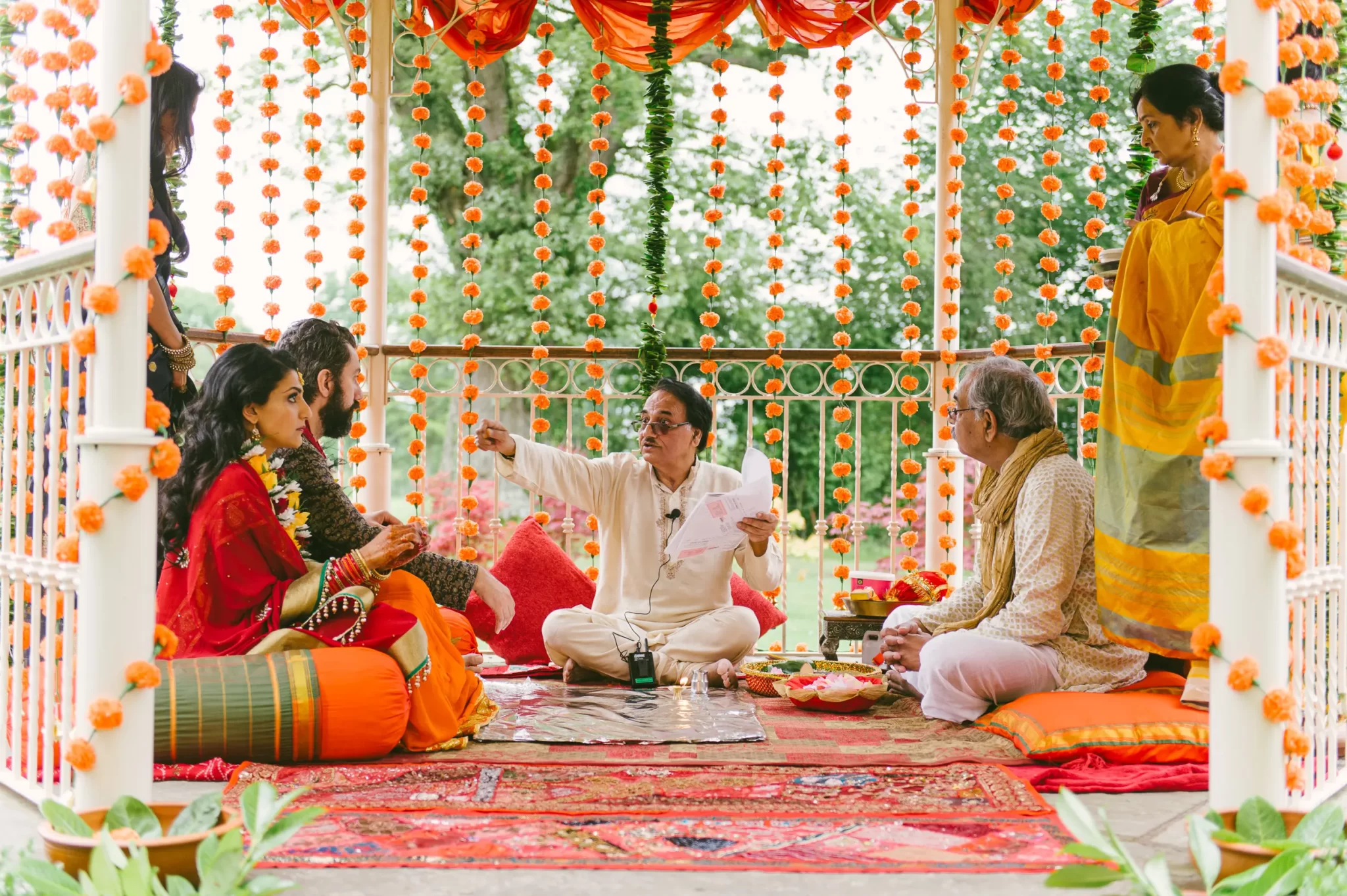
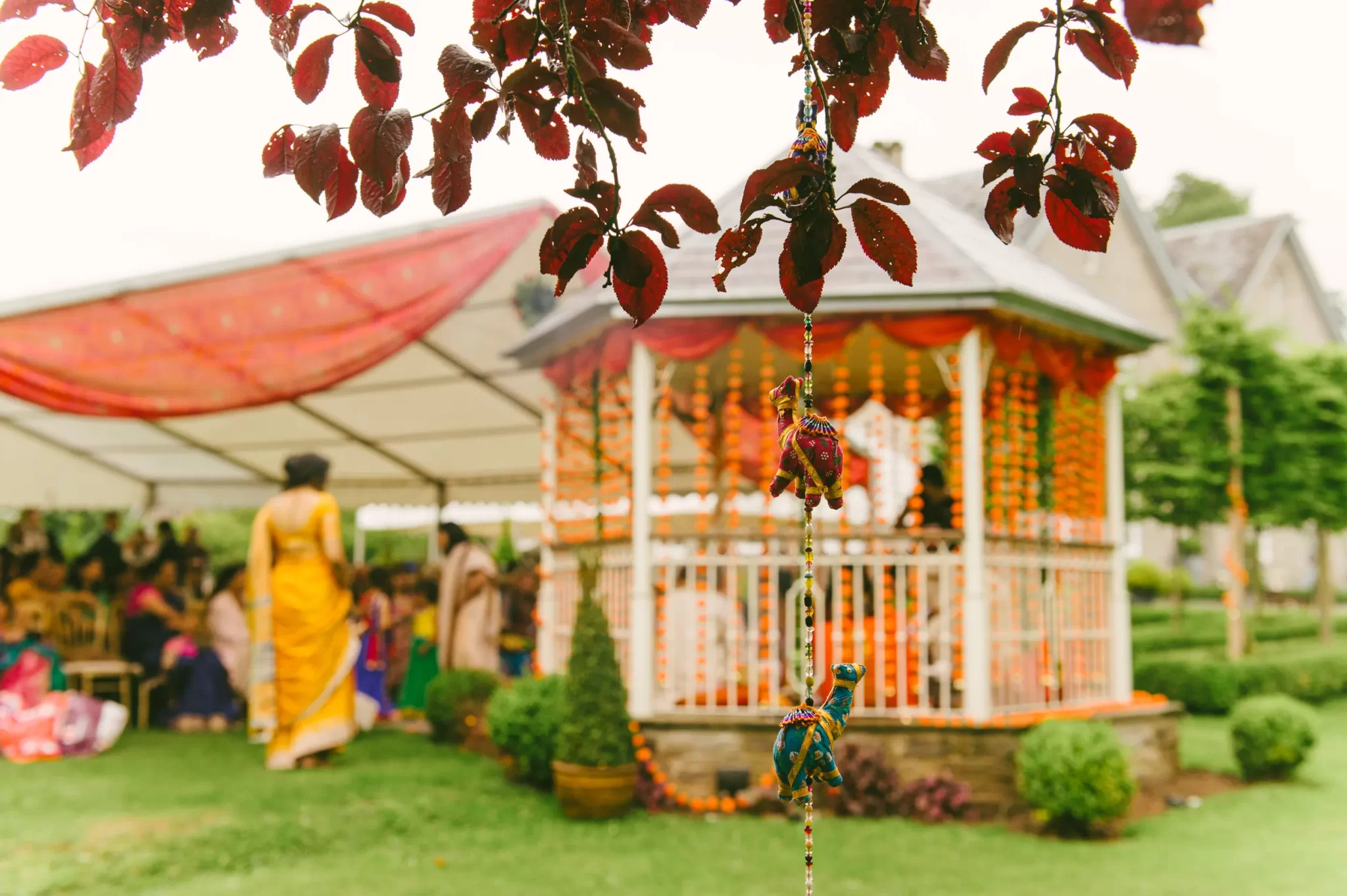
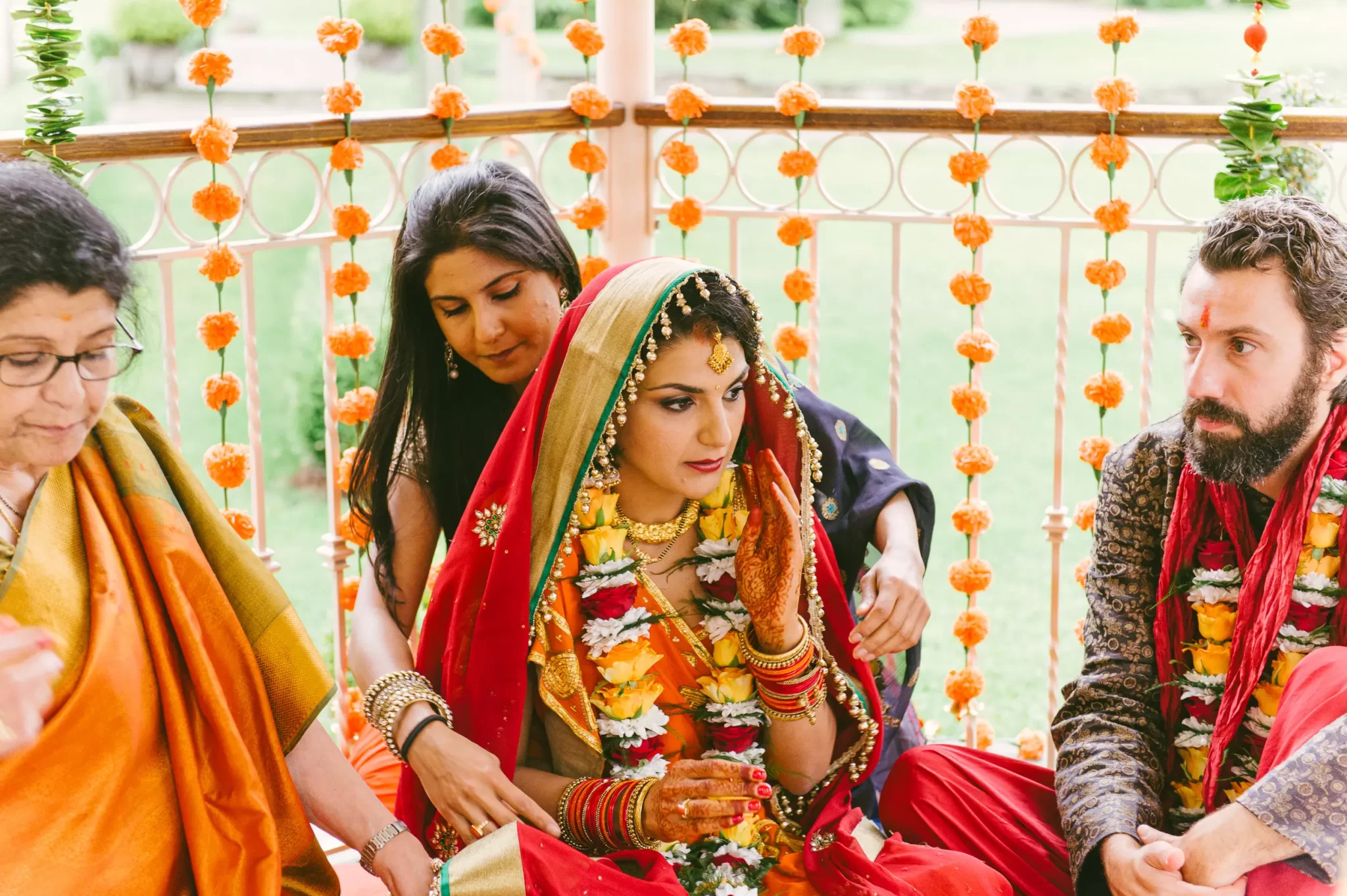
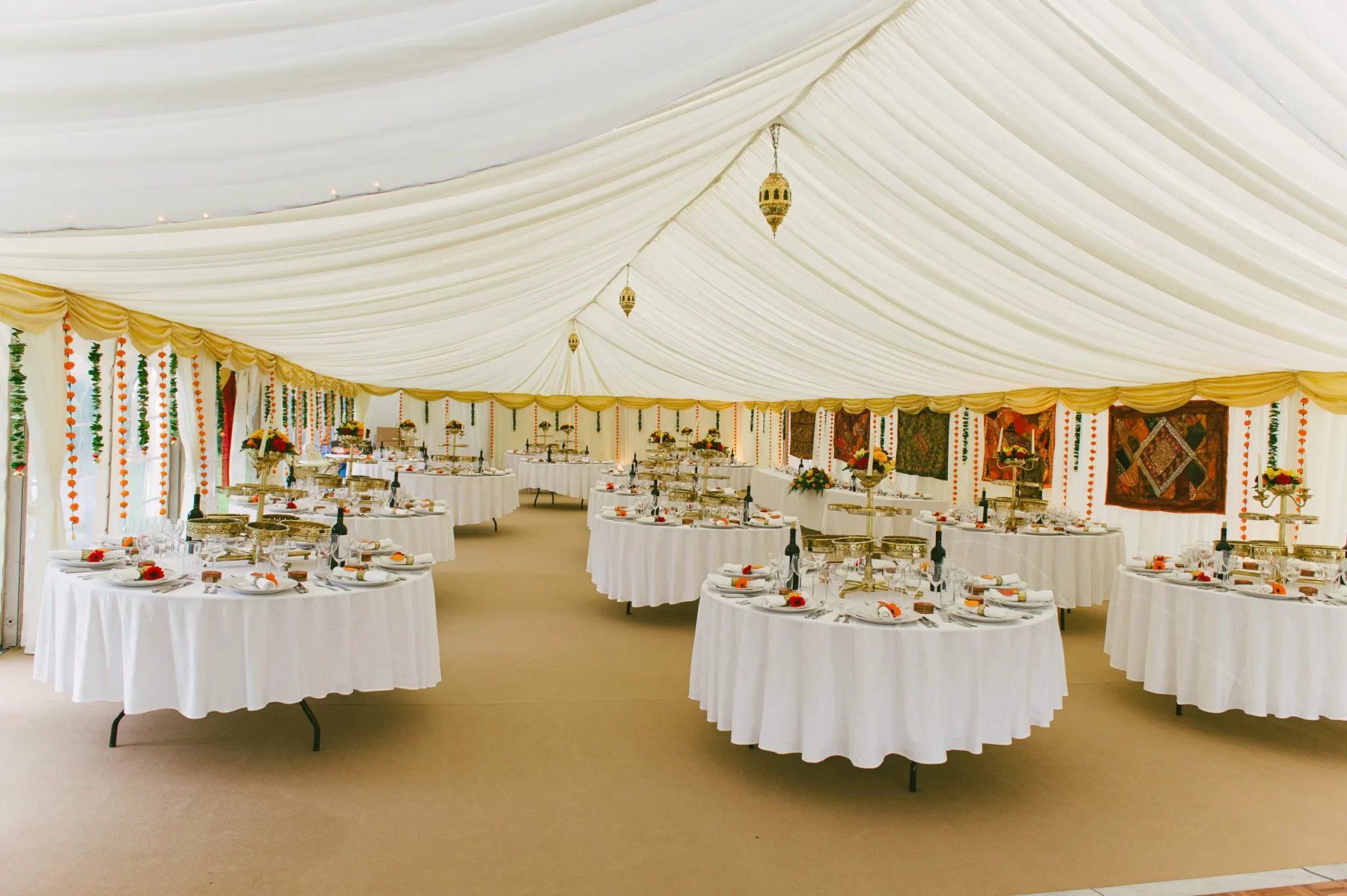
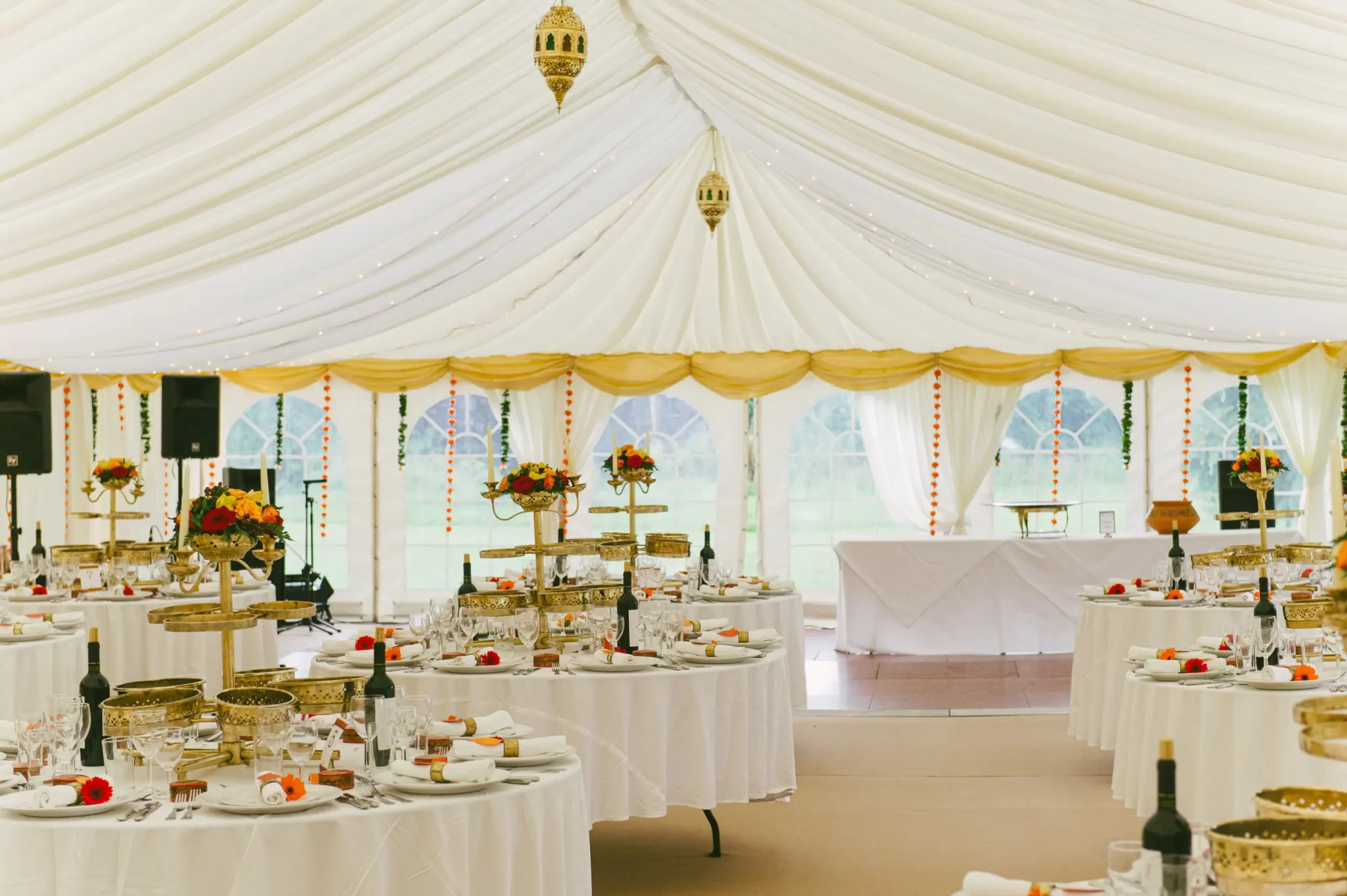
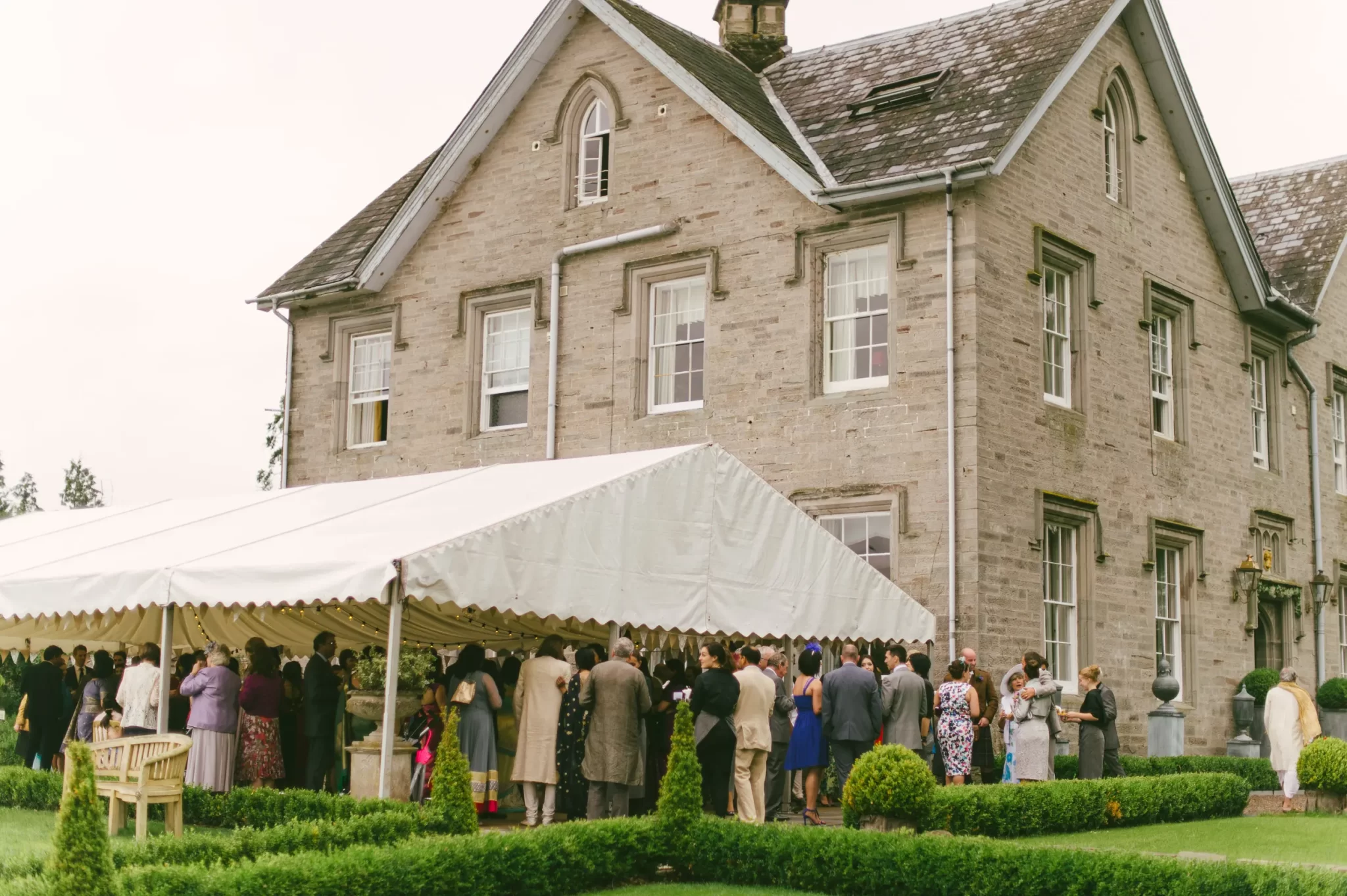
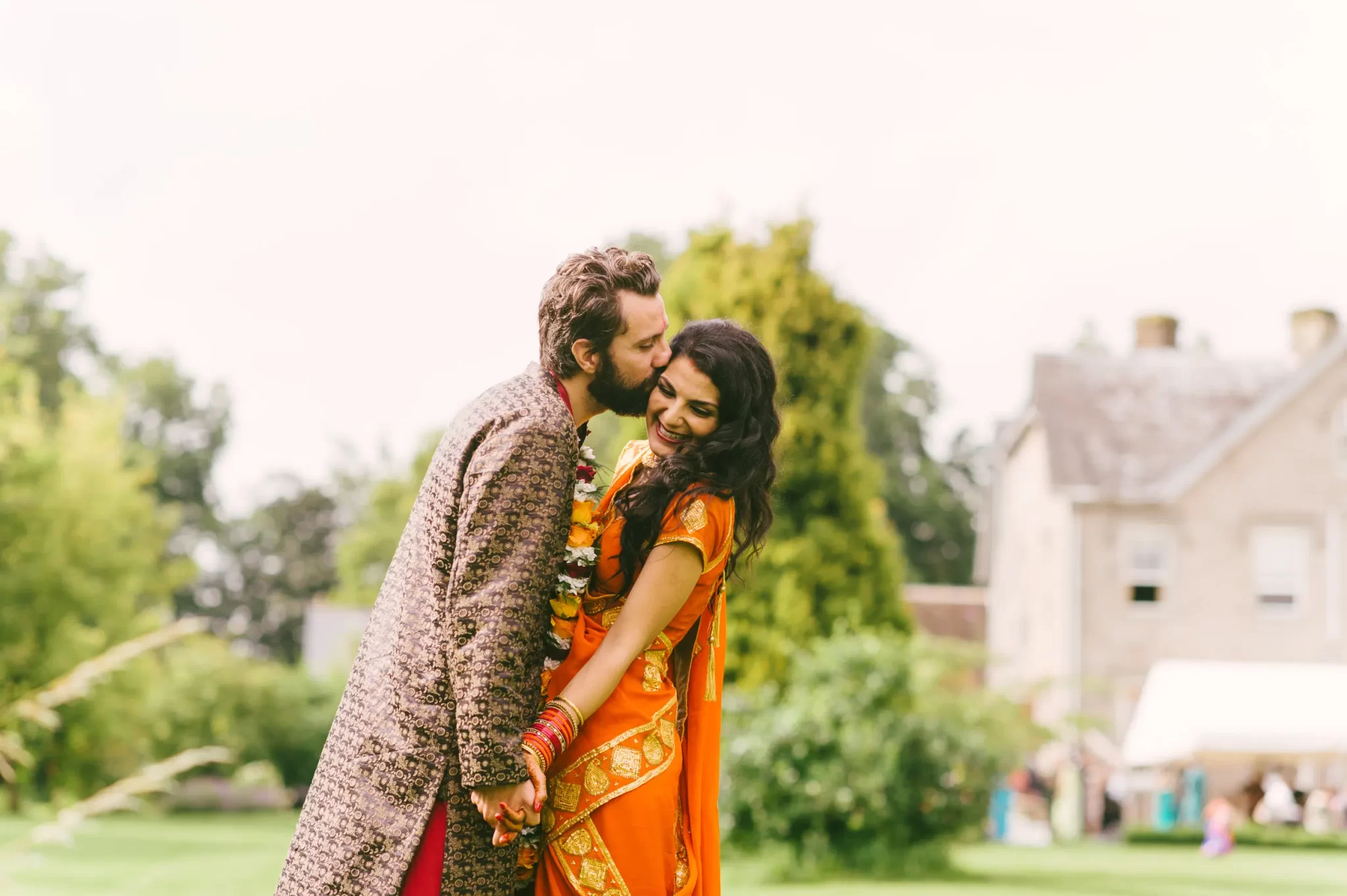
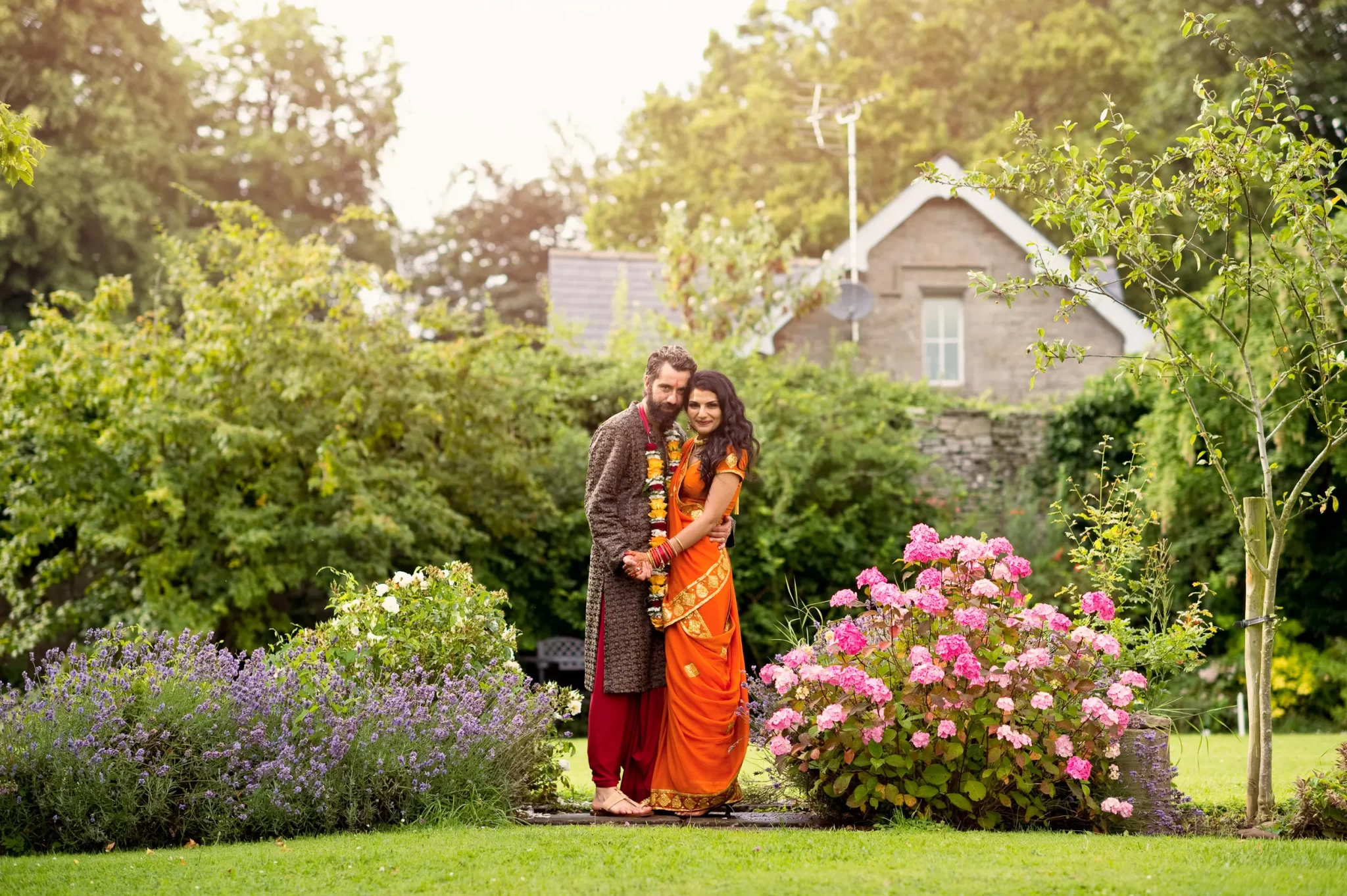
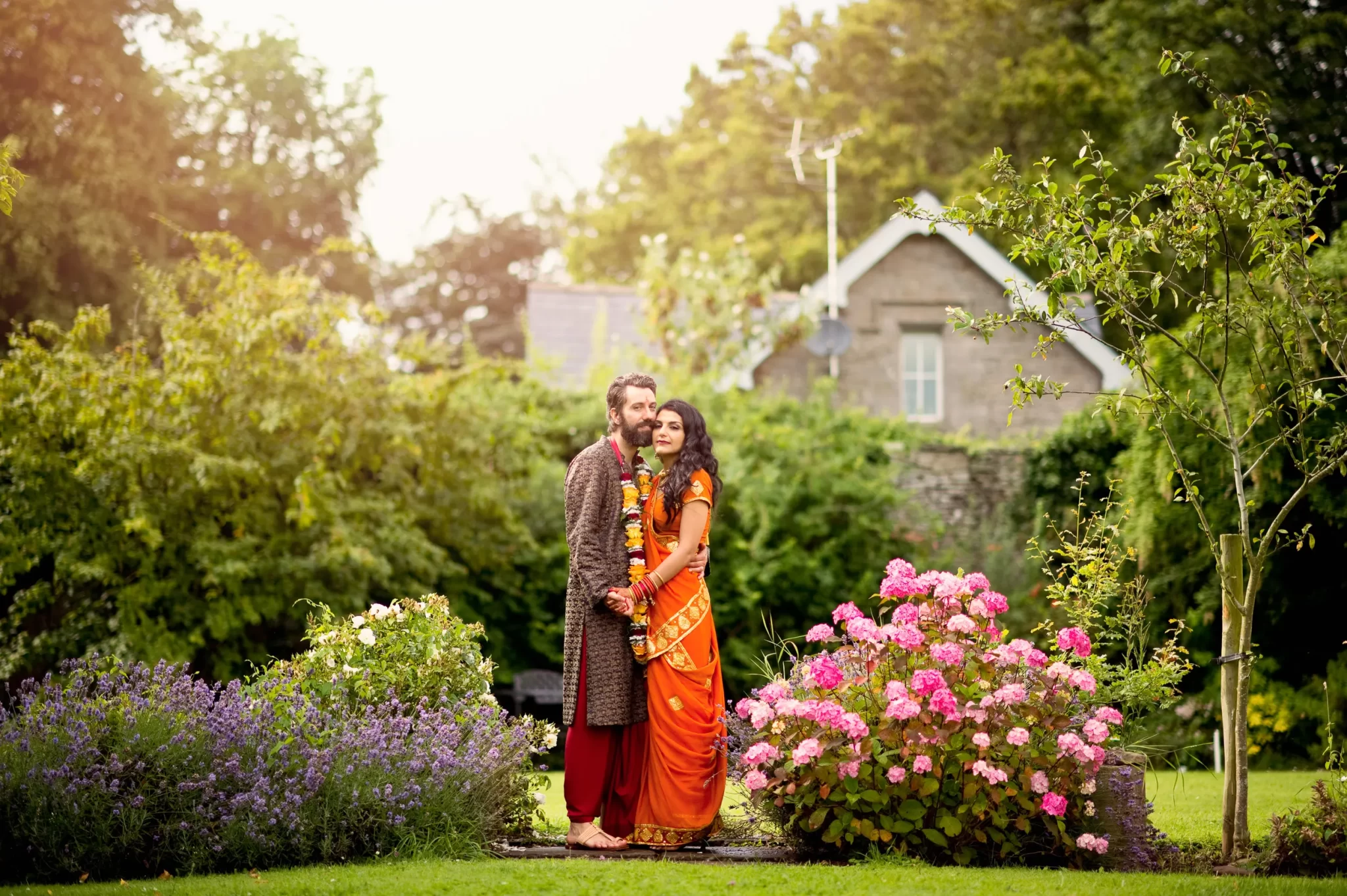
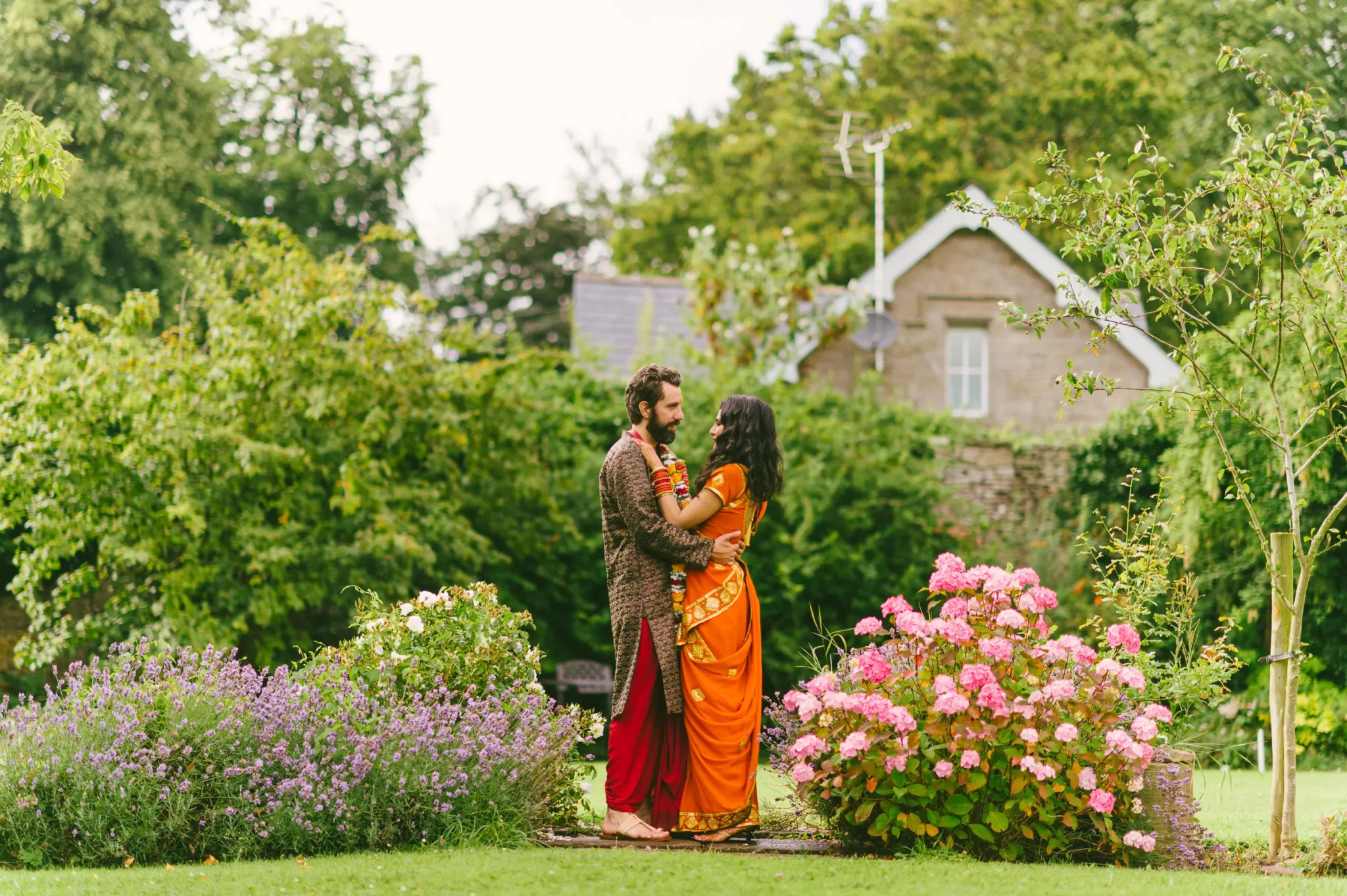
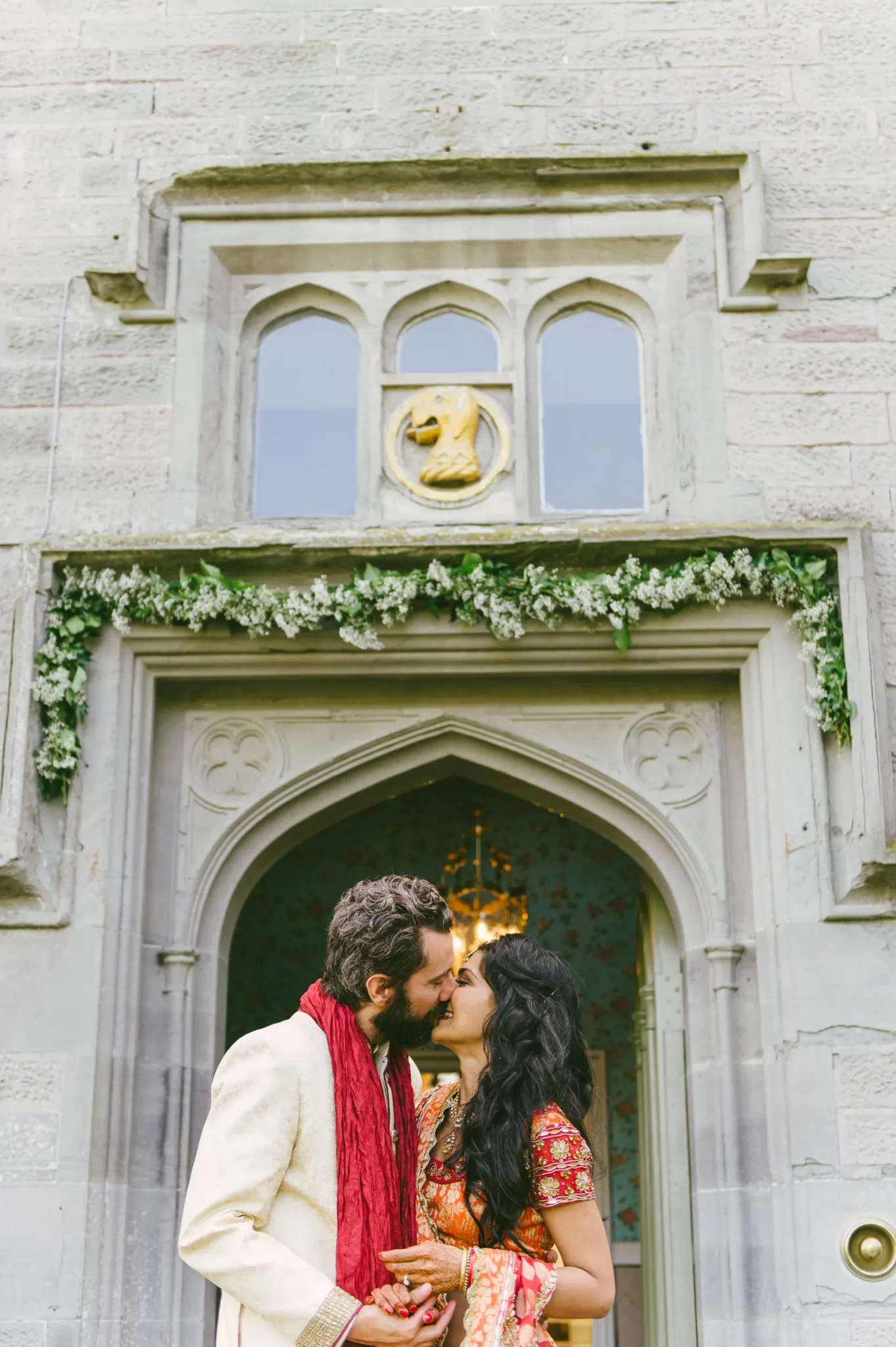
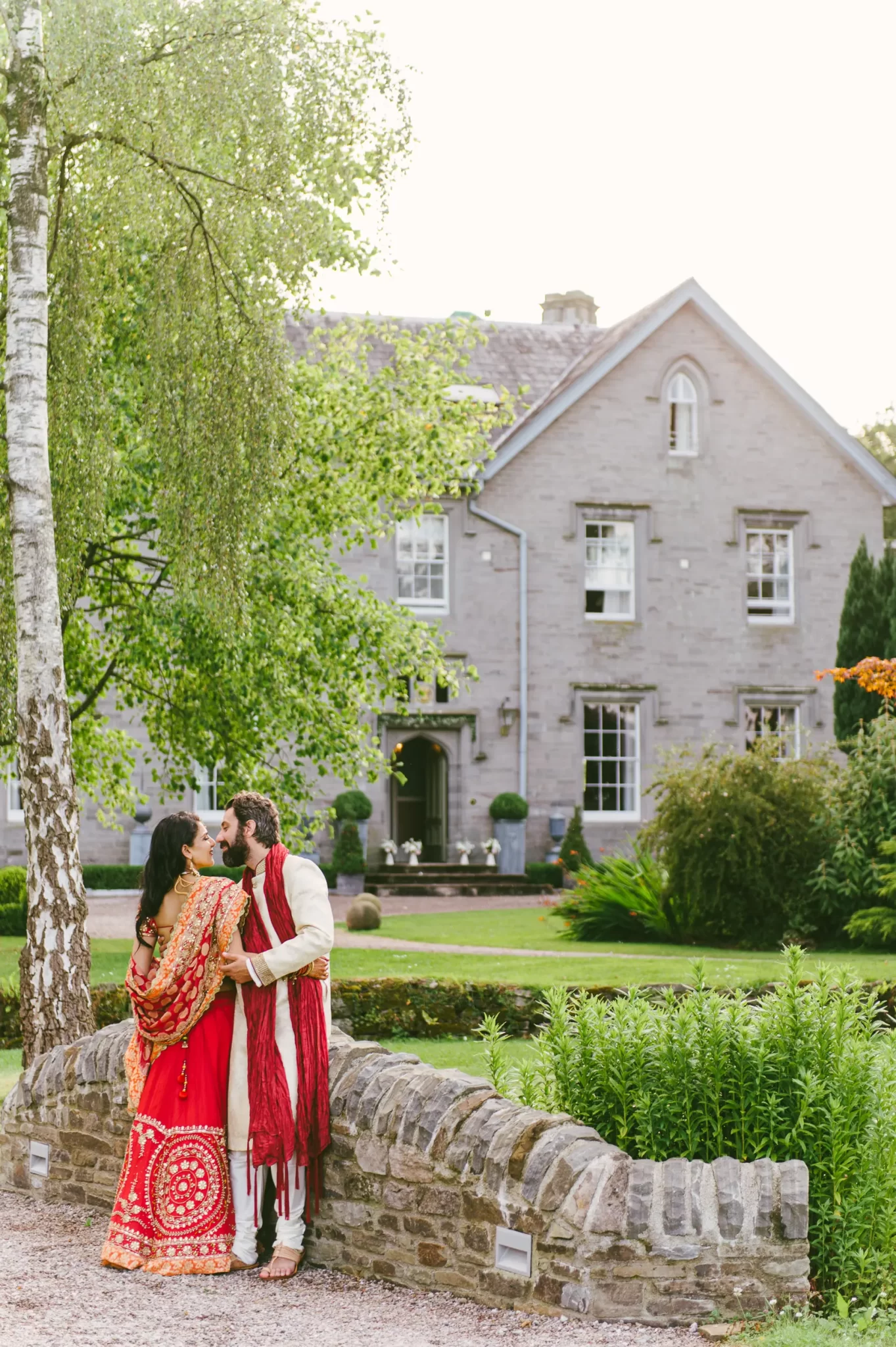
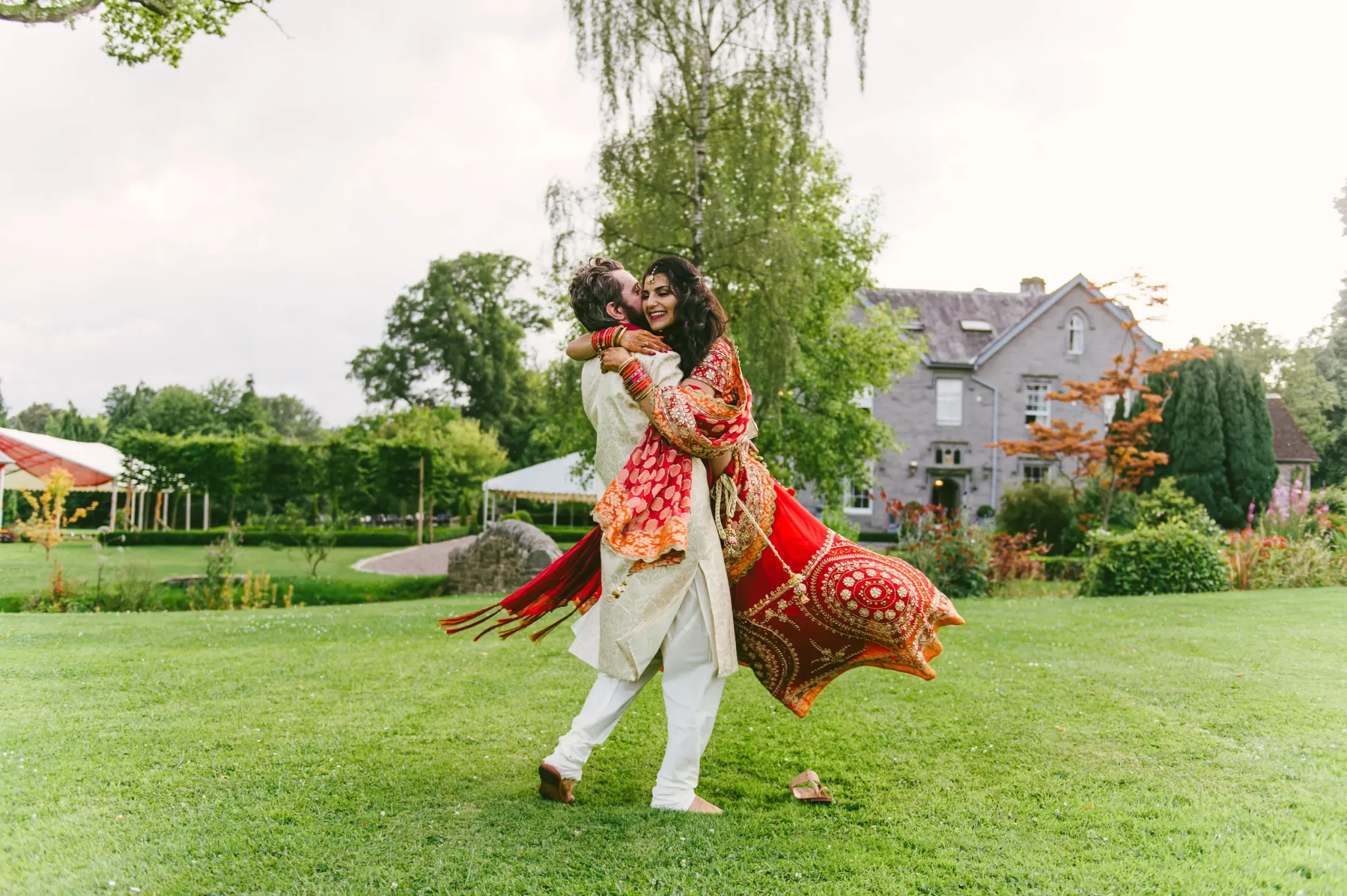
Tanu and Scott, a London couple, celebrated over two days at Lemore Manor in Herefordshire. This page is the ceremony-led counterpart to the venue-focused Lemore Estate story. Its job is to follow the Hindu wedding sequence, the colours and the family involvement, while the other page can concentrate on the manor, portraits and the wider estate experience.
Separating those intents makes both pages better. A visitor searching for Hindu wedding photography can understand how I approach a long ritual sequence; someone searching Lemore Manor can see the venue in a broader wedding context. The photographs overlap because it is the same couple, but the editorial purpose should not.


02
Working around the mandap and the sacred fire
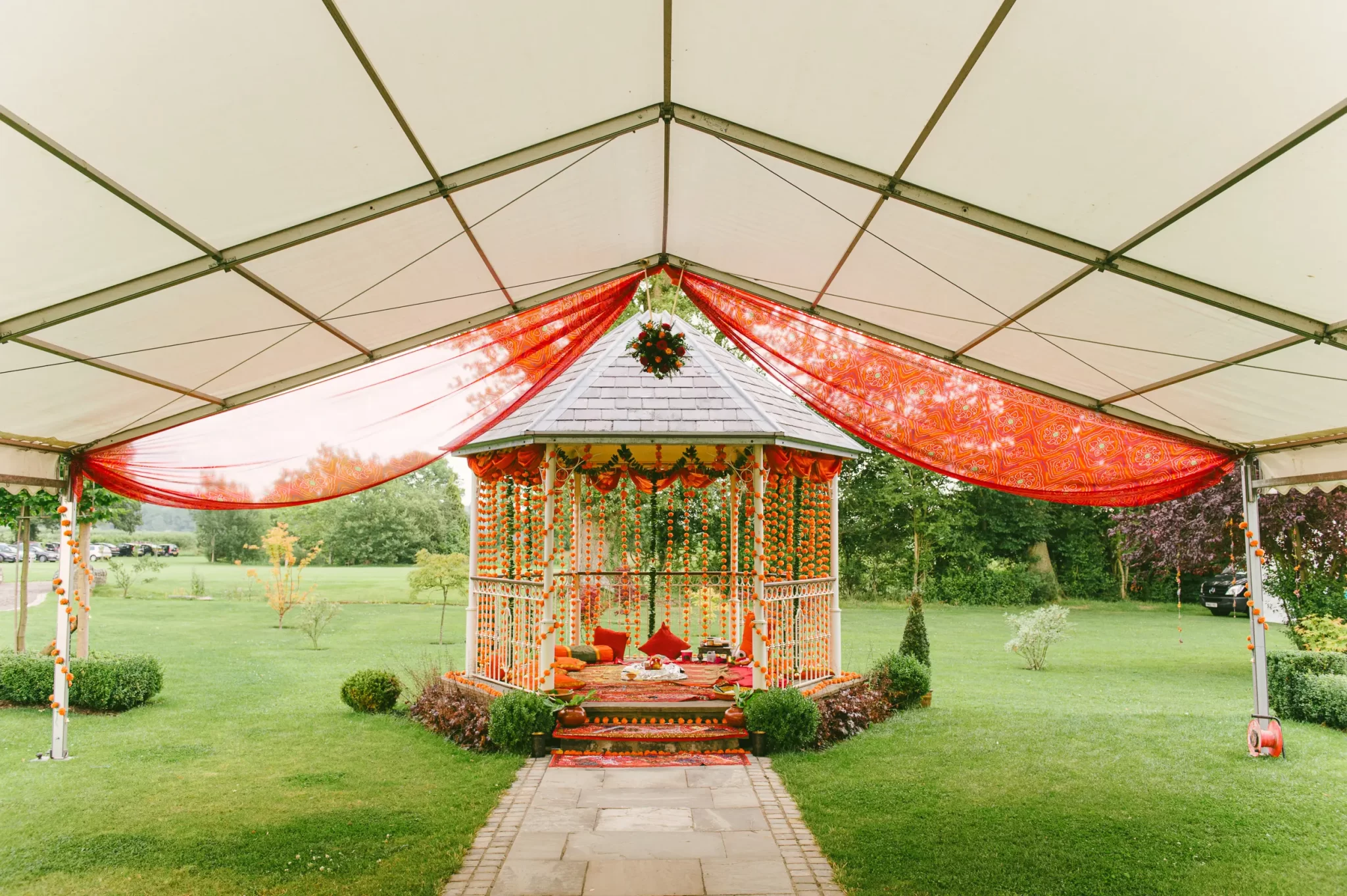
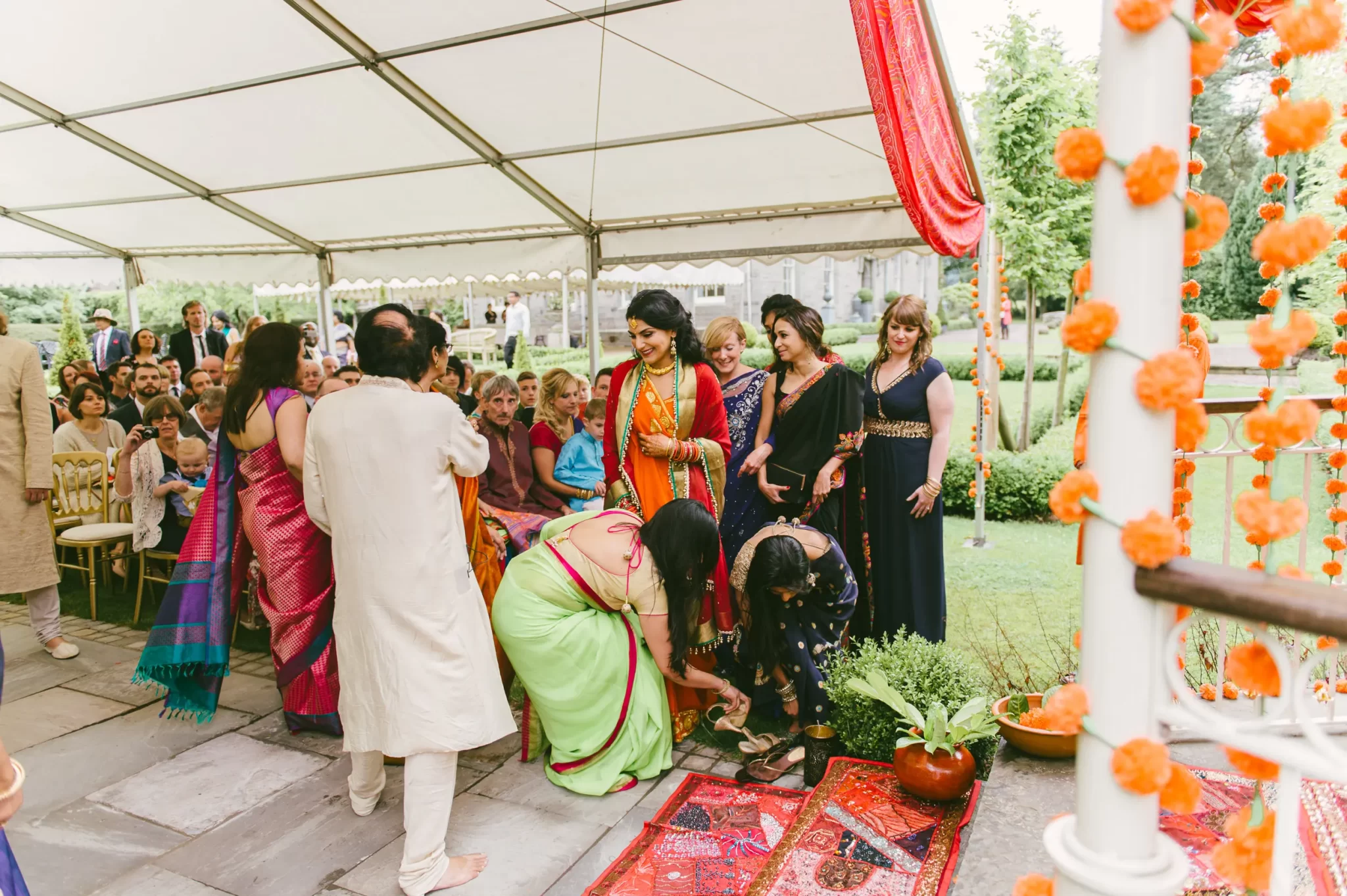
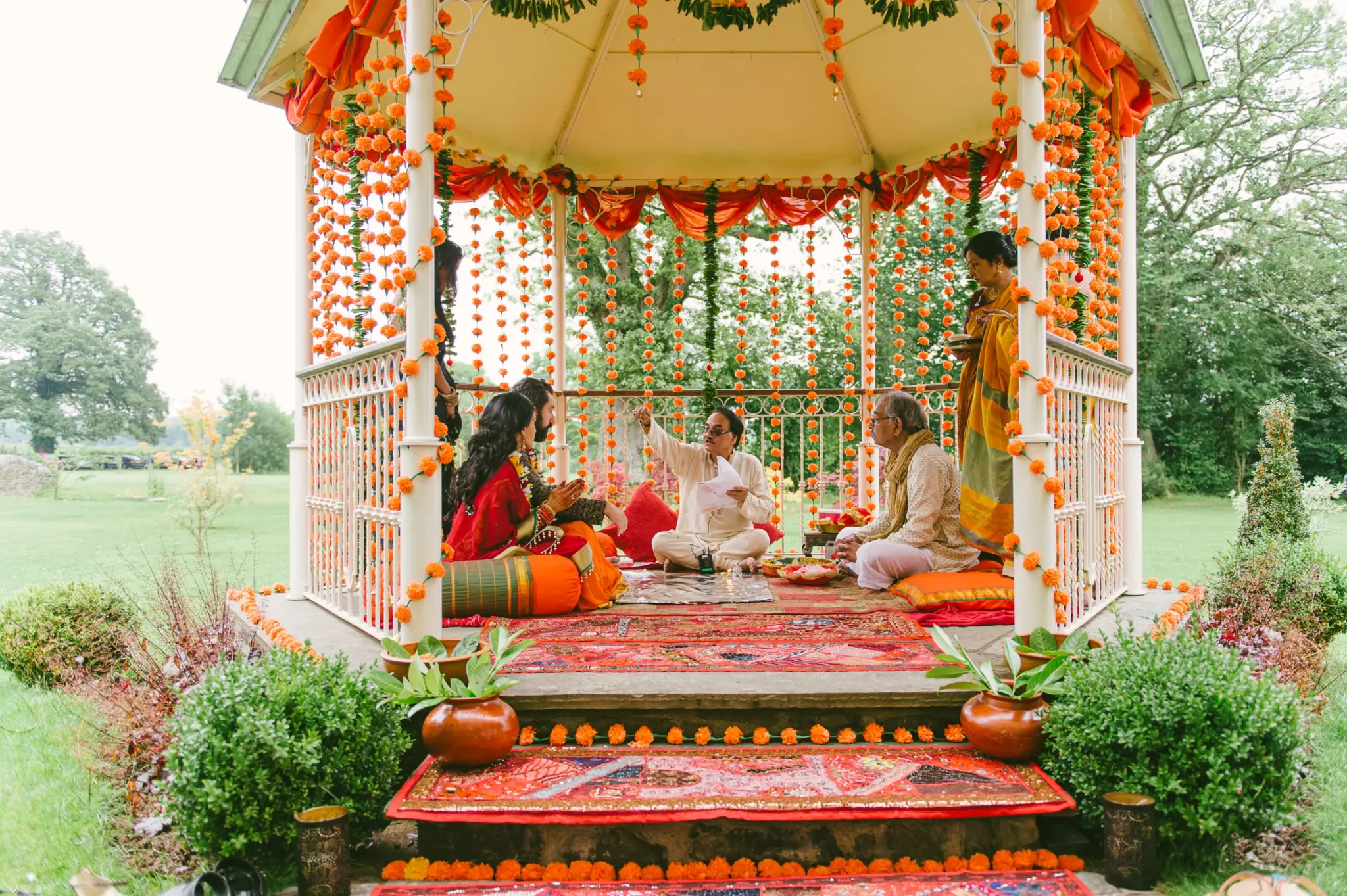
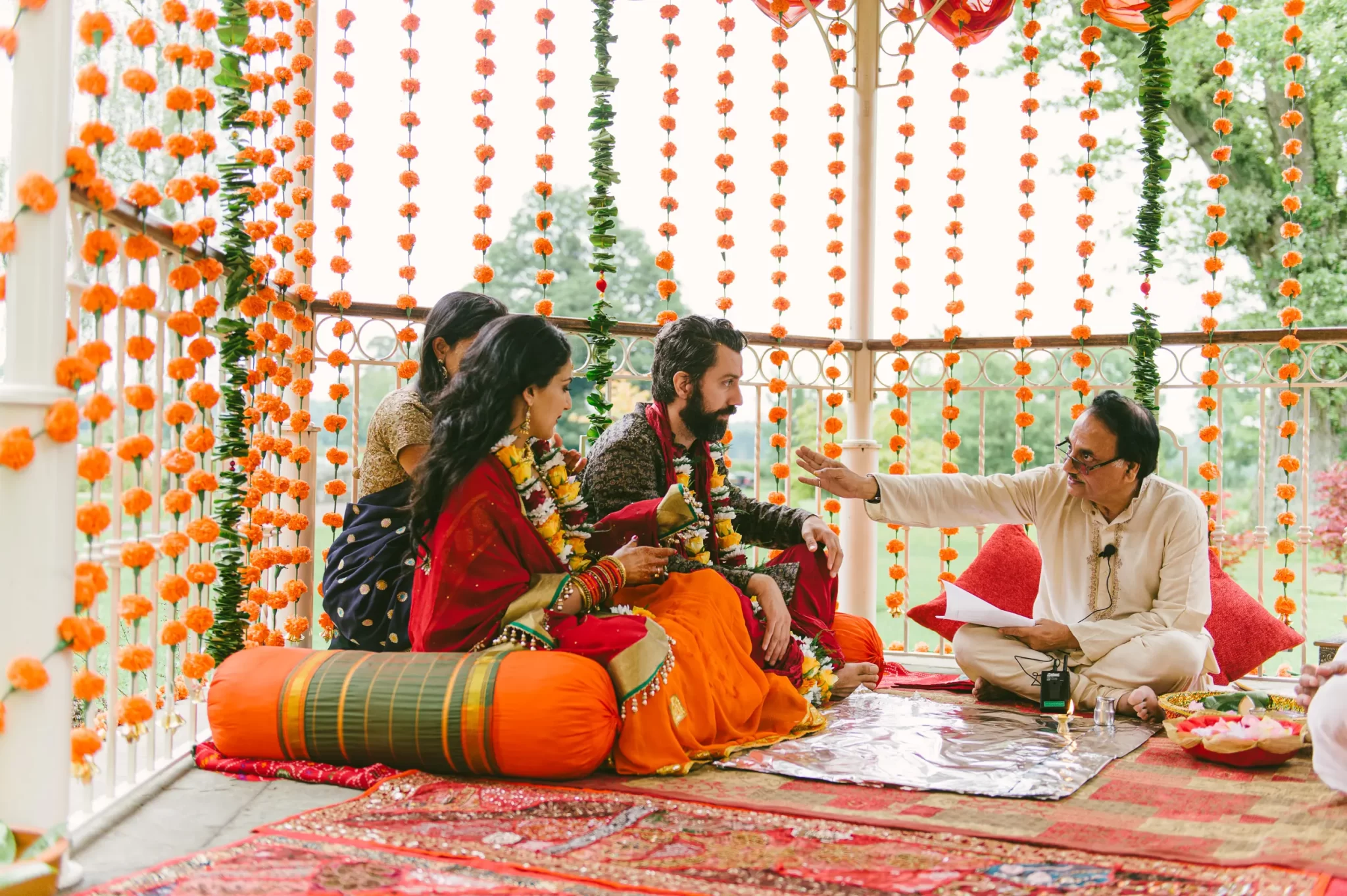
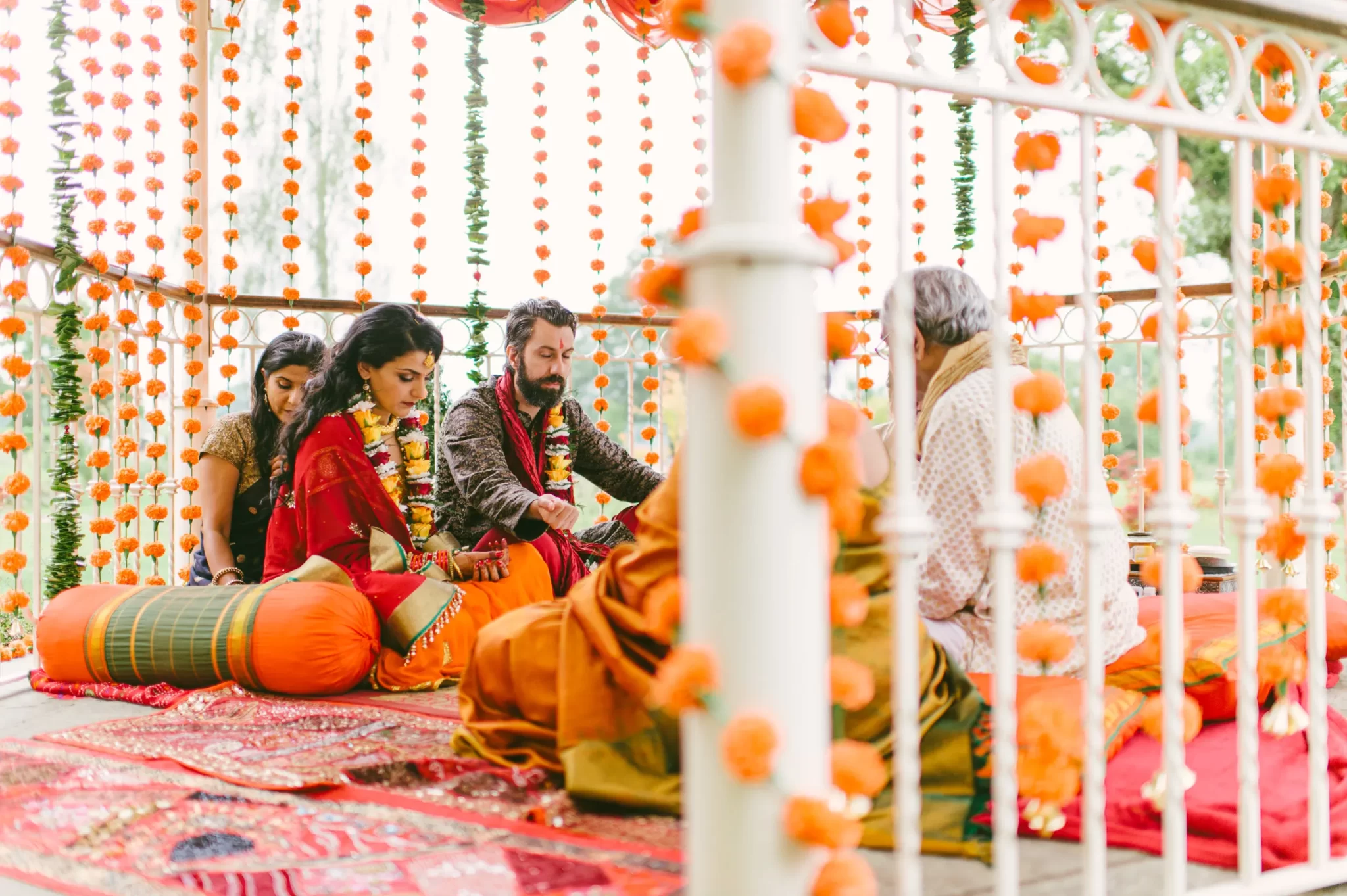
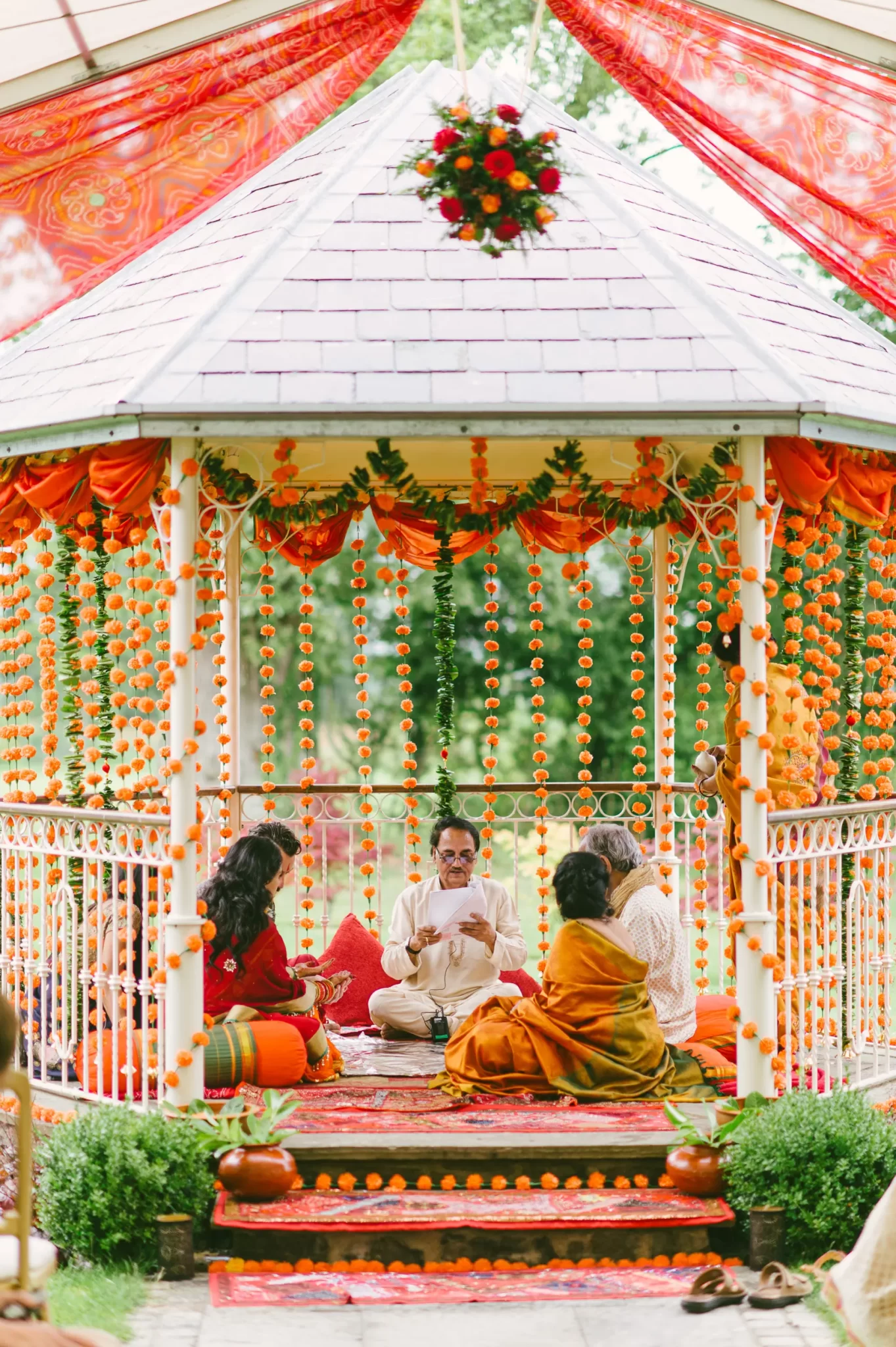
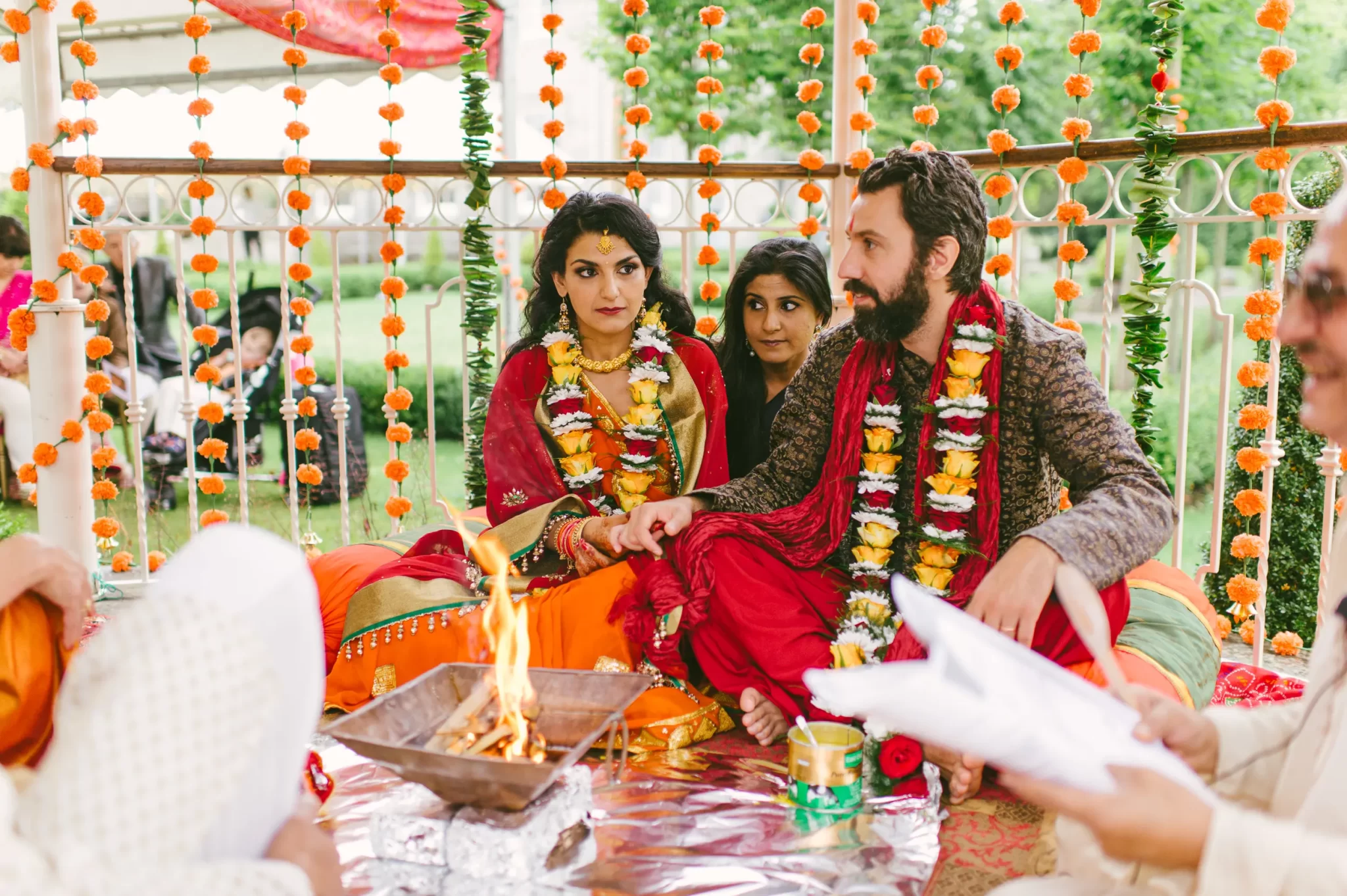
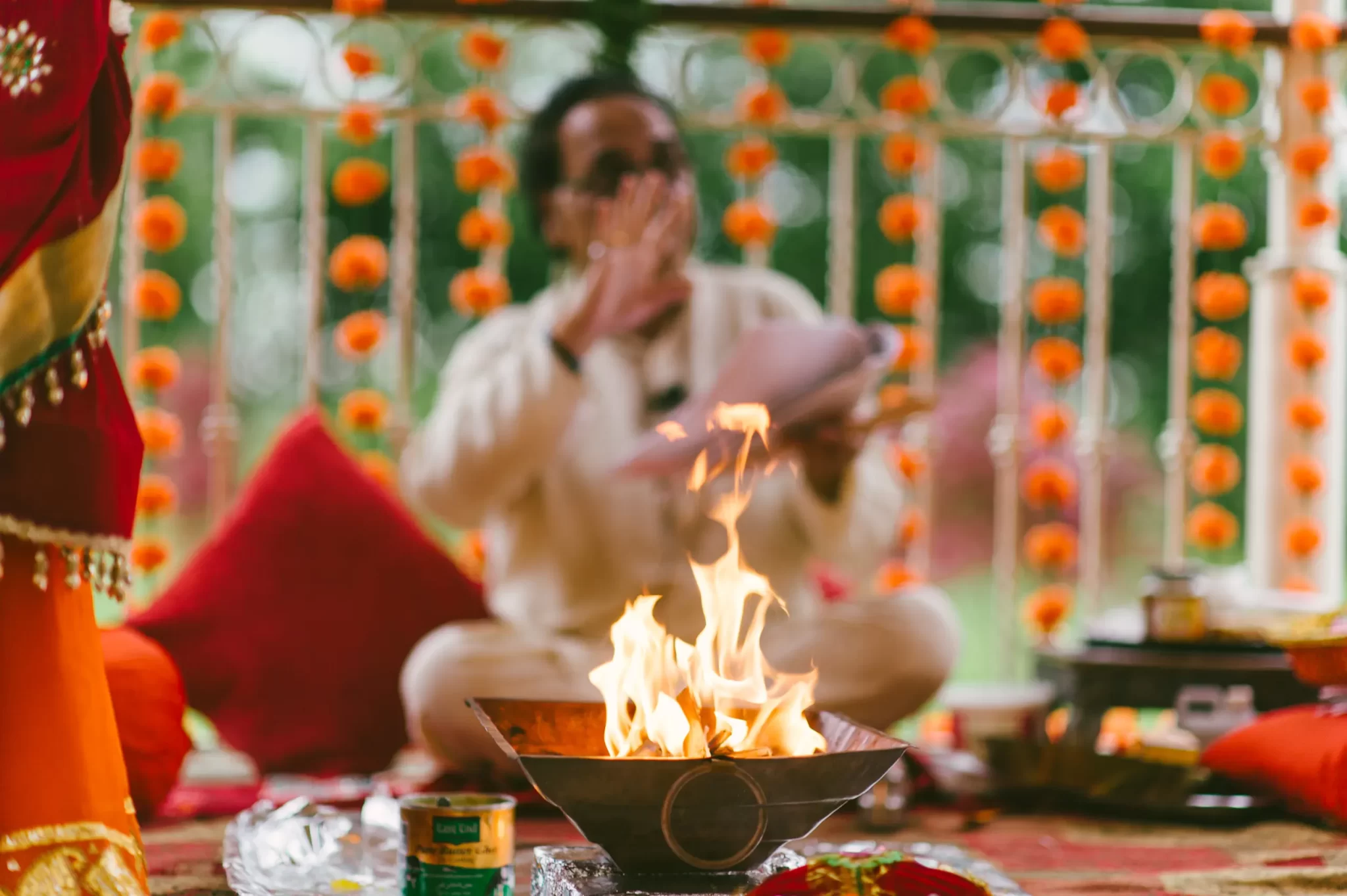
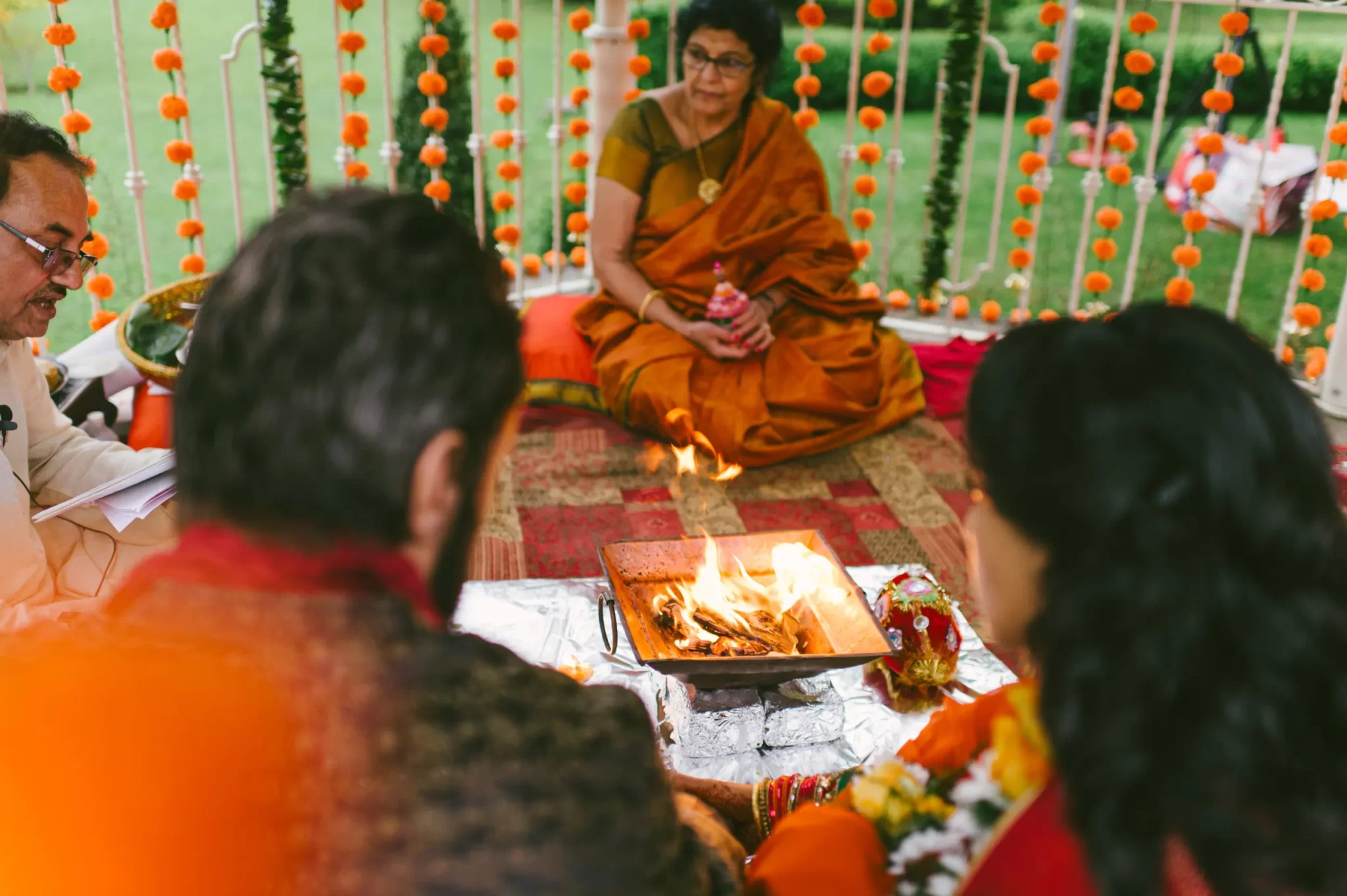
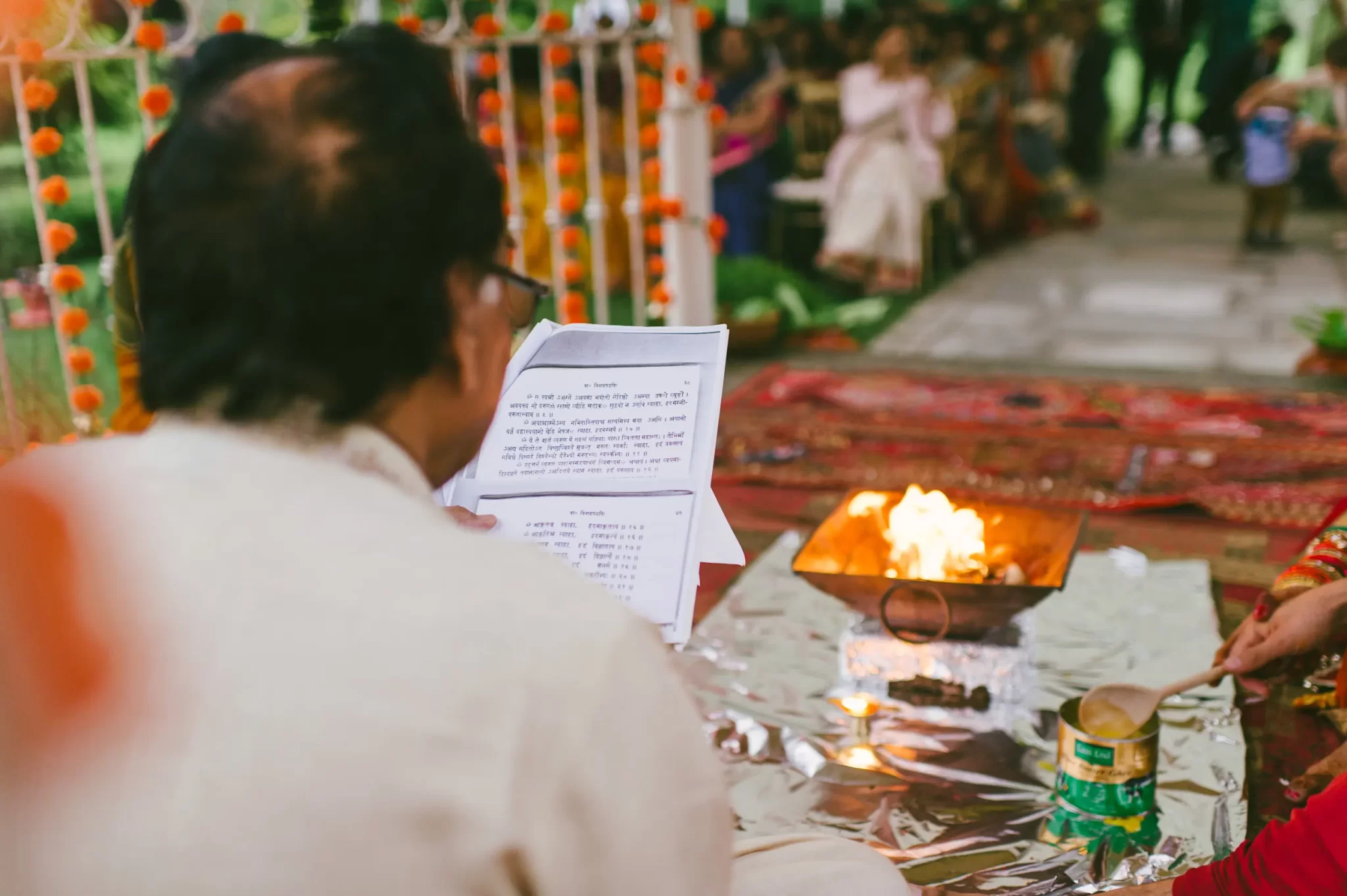
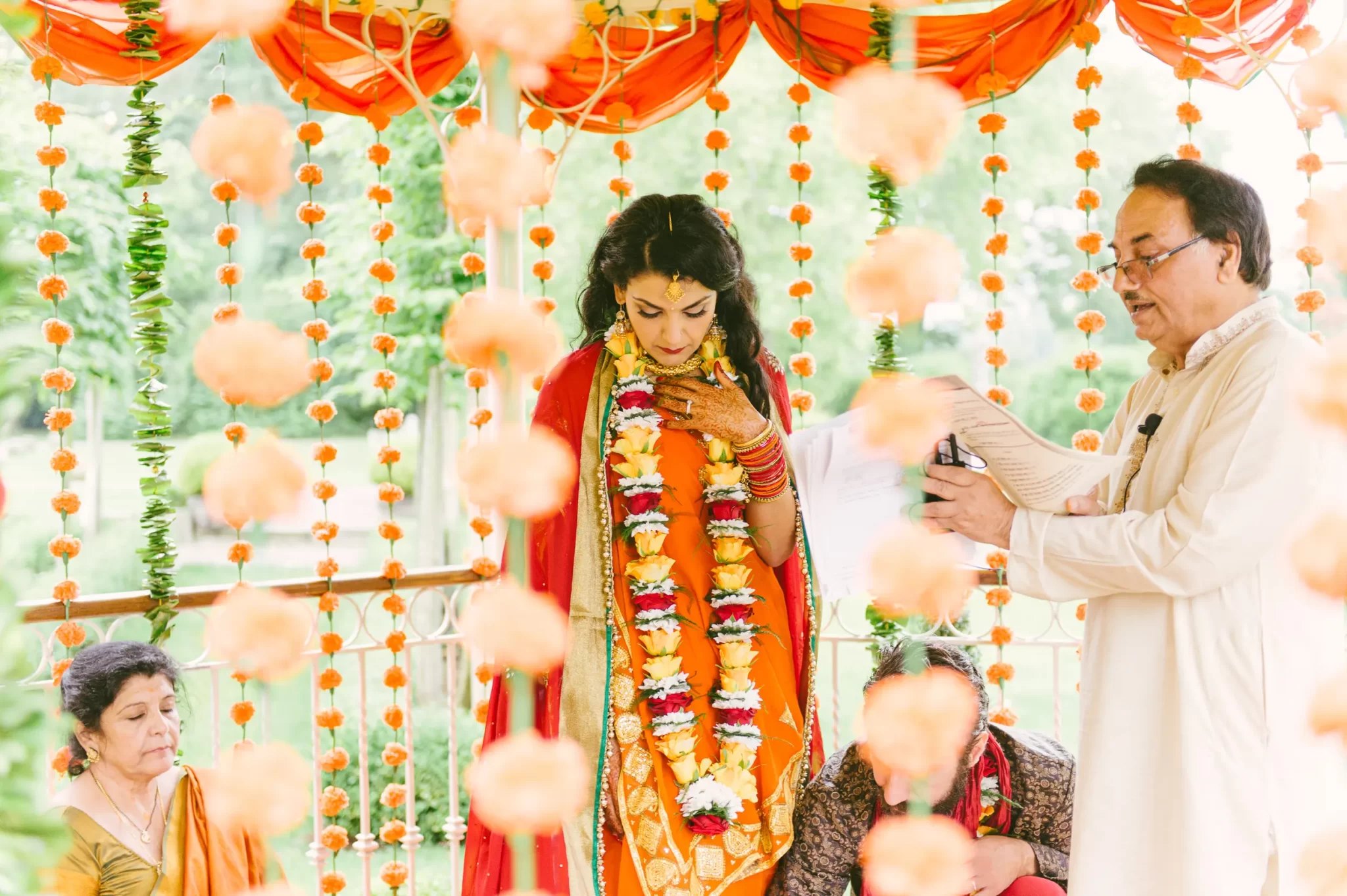
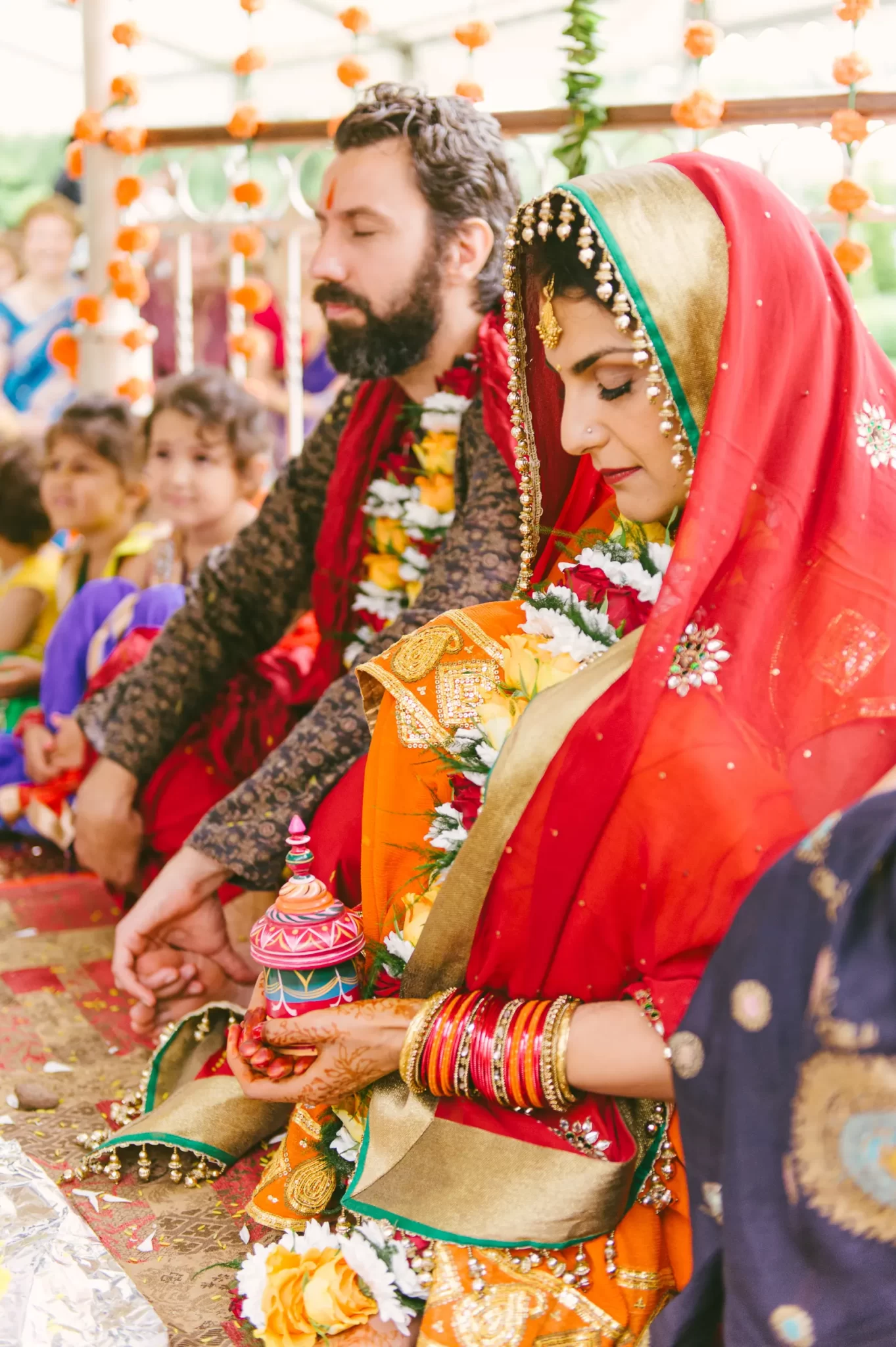
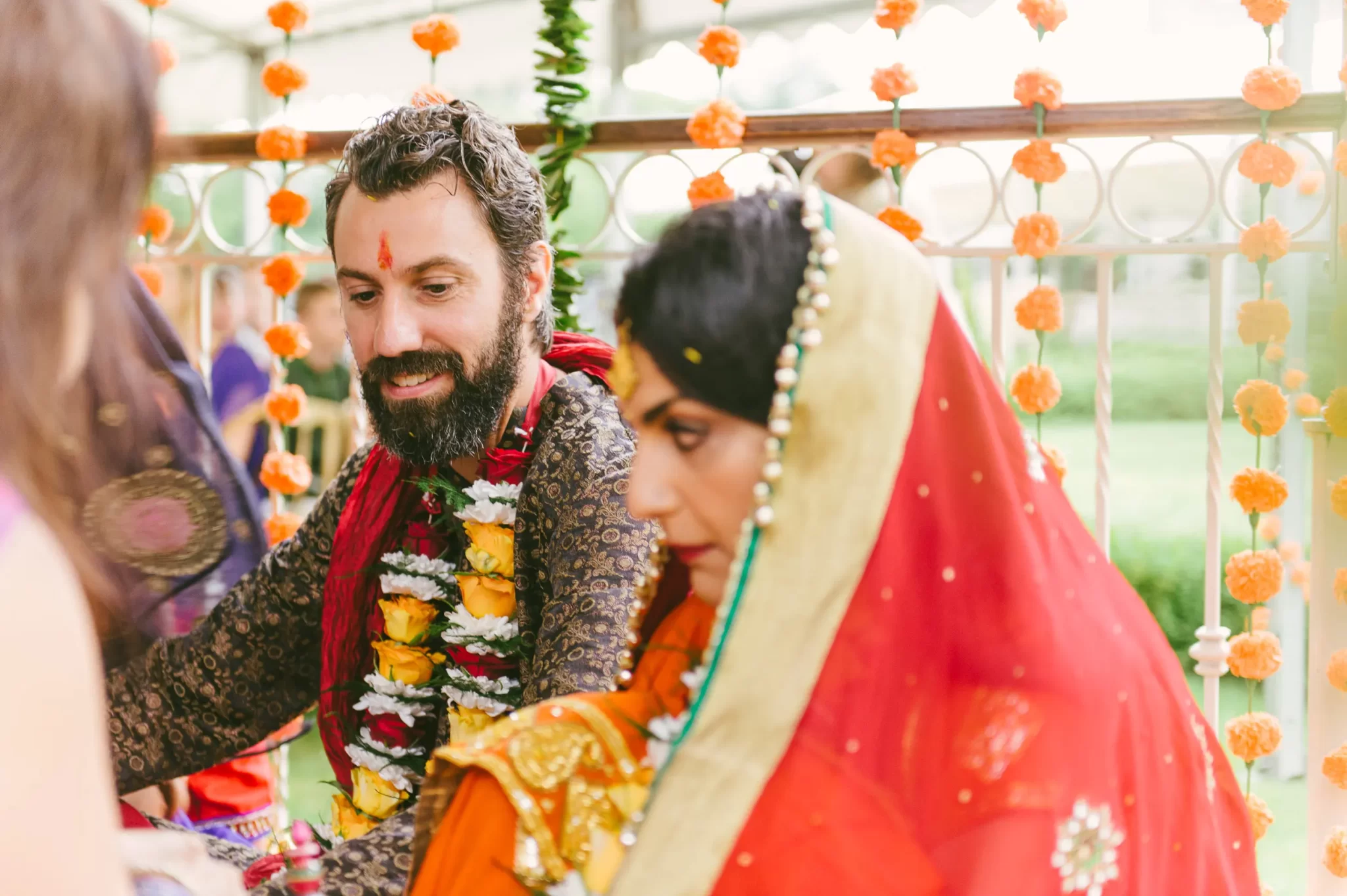
The mandap is visually central, but the ceremony is not a static scene. Important actions happen on different sides, family members enter and leave, and expressions can be more revealing than the ritual object in front of them. I plan my movement so I can change angle without becoming part of the ceremony or blocking the view for guests.
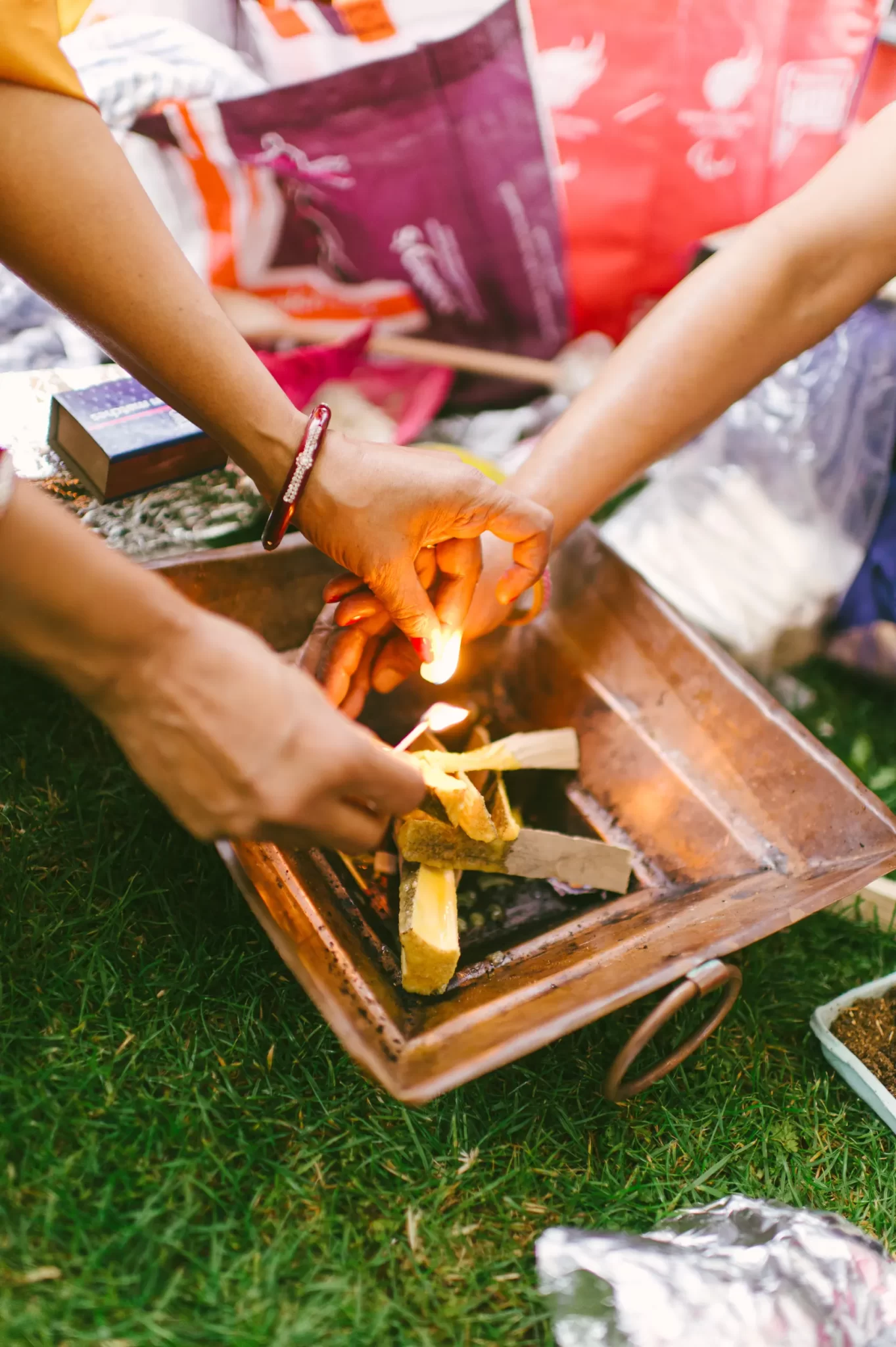
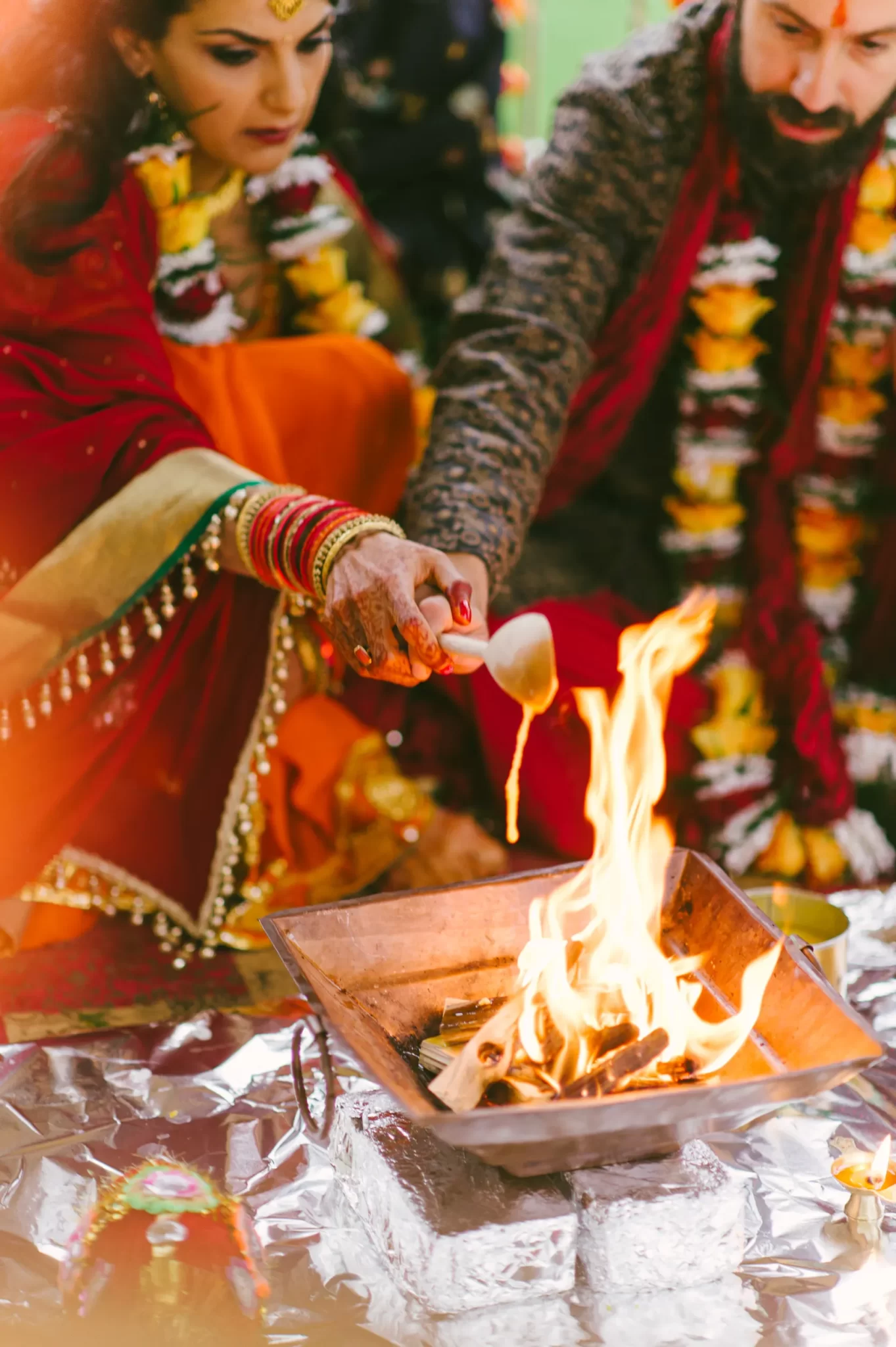
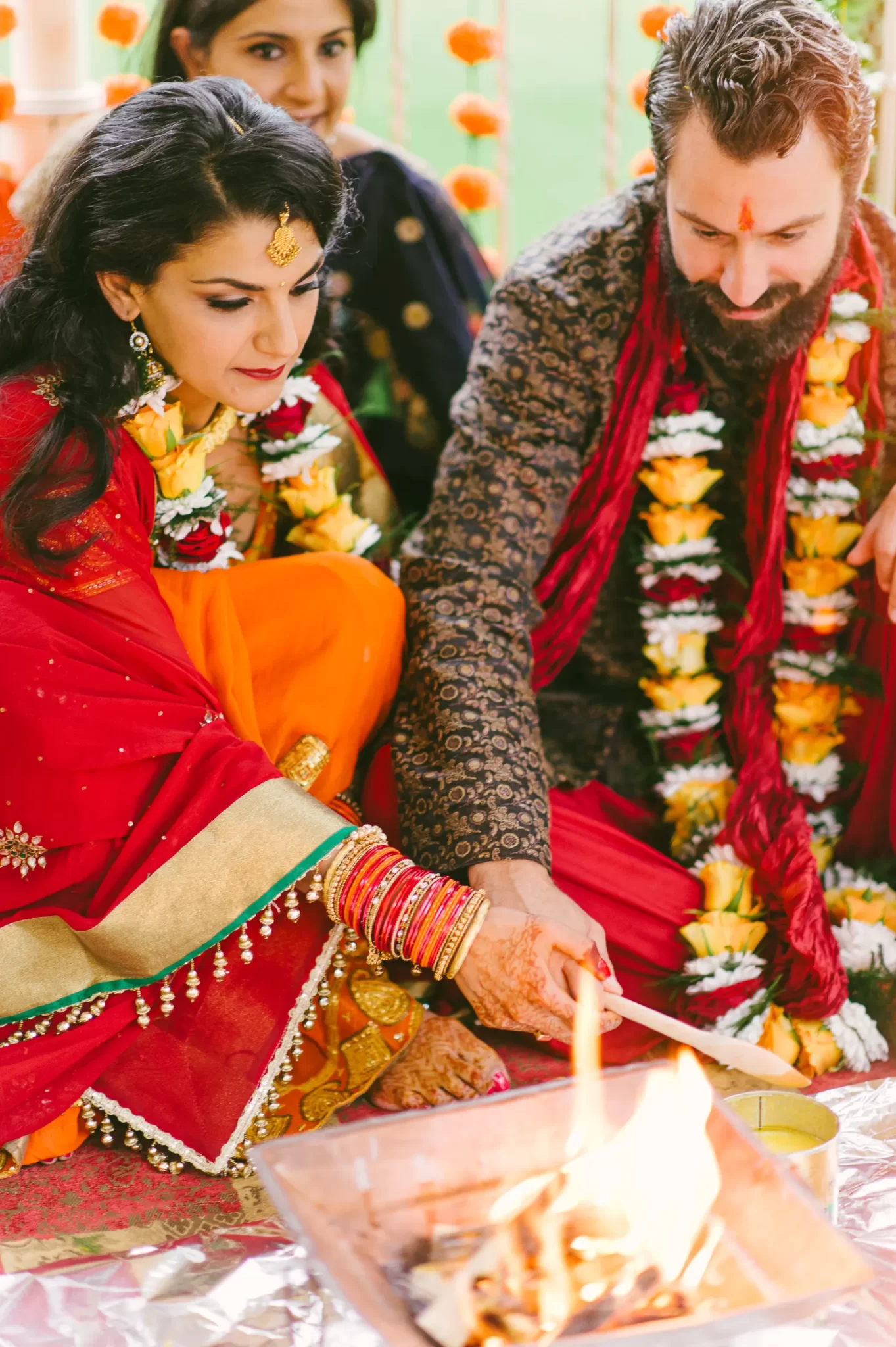
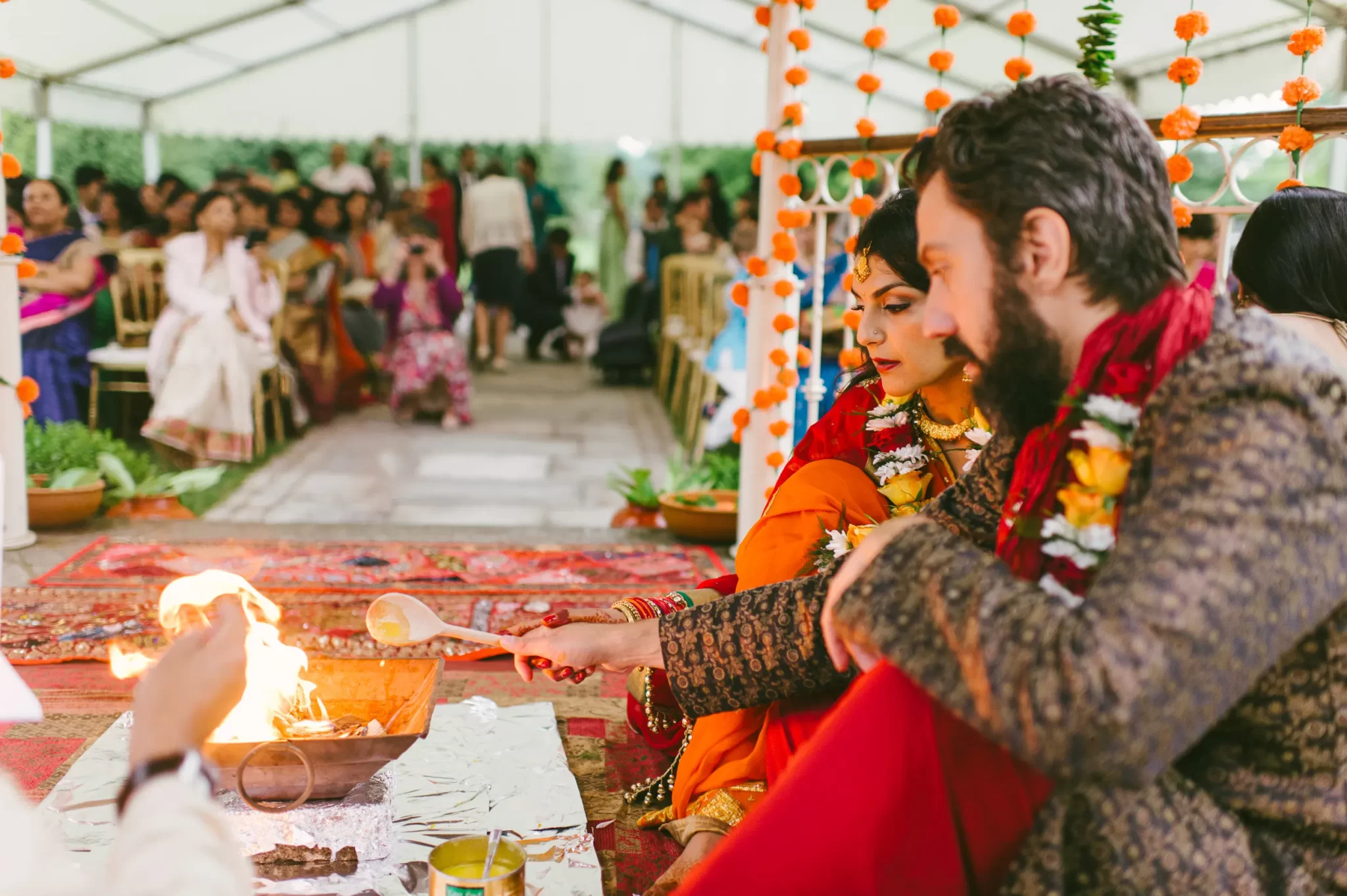
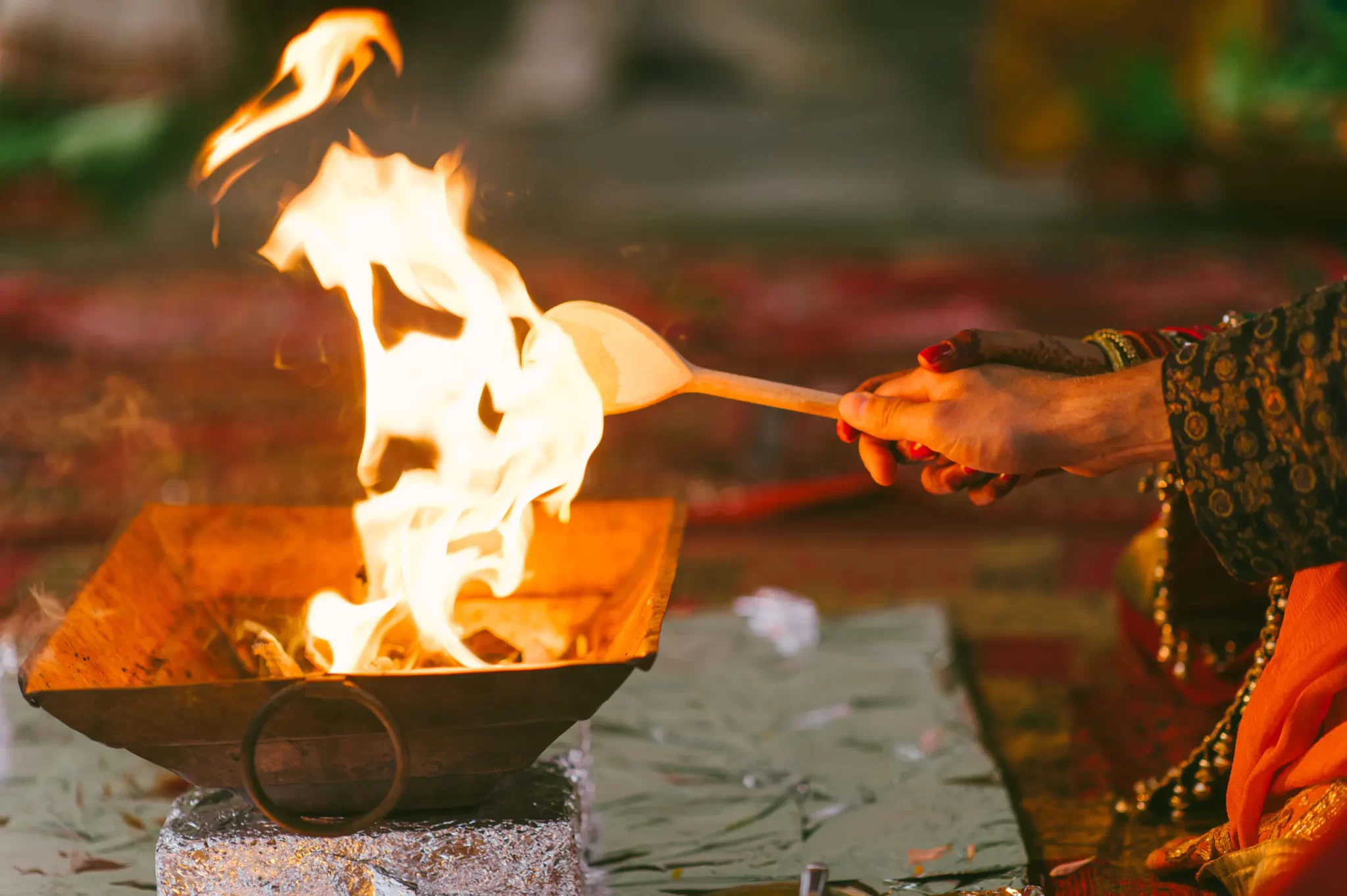
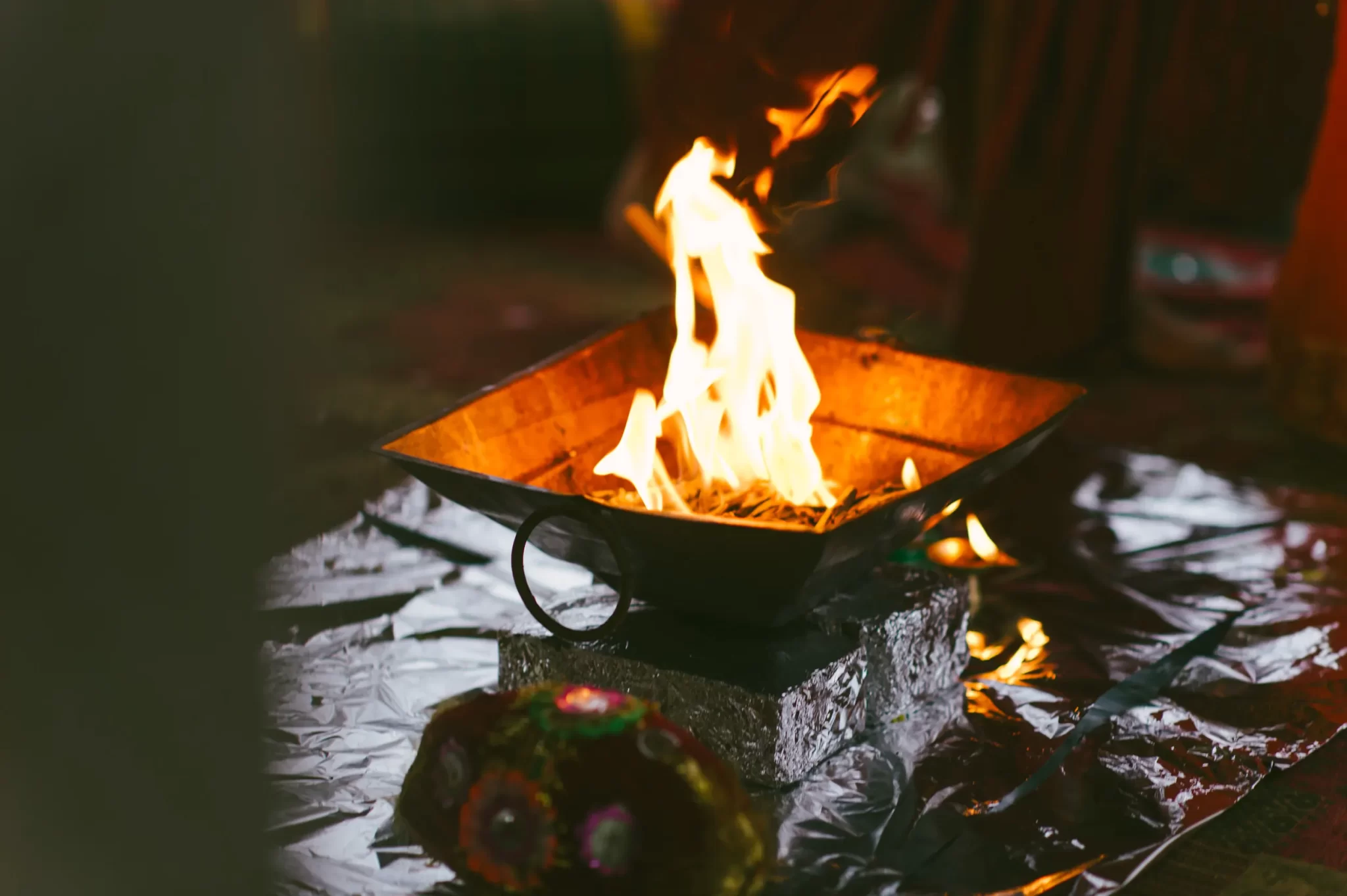
The seven steps around the fire are a good example. I need to understand when they happen and what space is available, but I do not need to direct them. The photographs are stronger when the ritual retains its own rhythm and I use position and timing to make it readable.
03
Colour as part of the story, not an effect
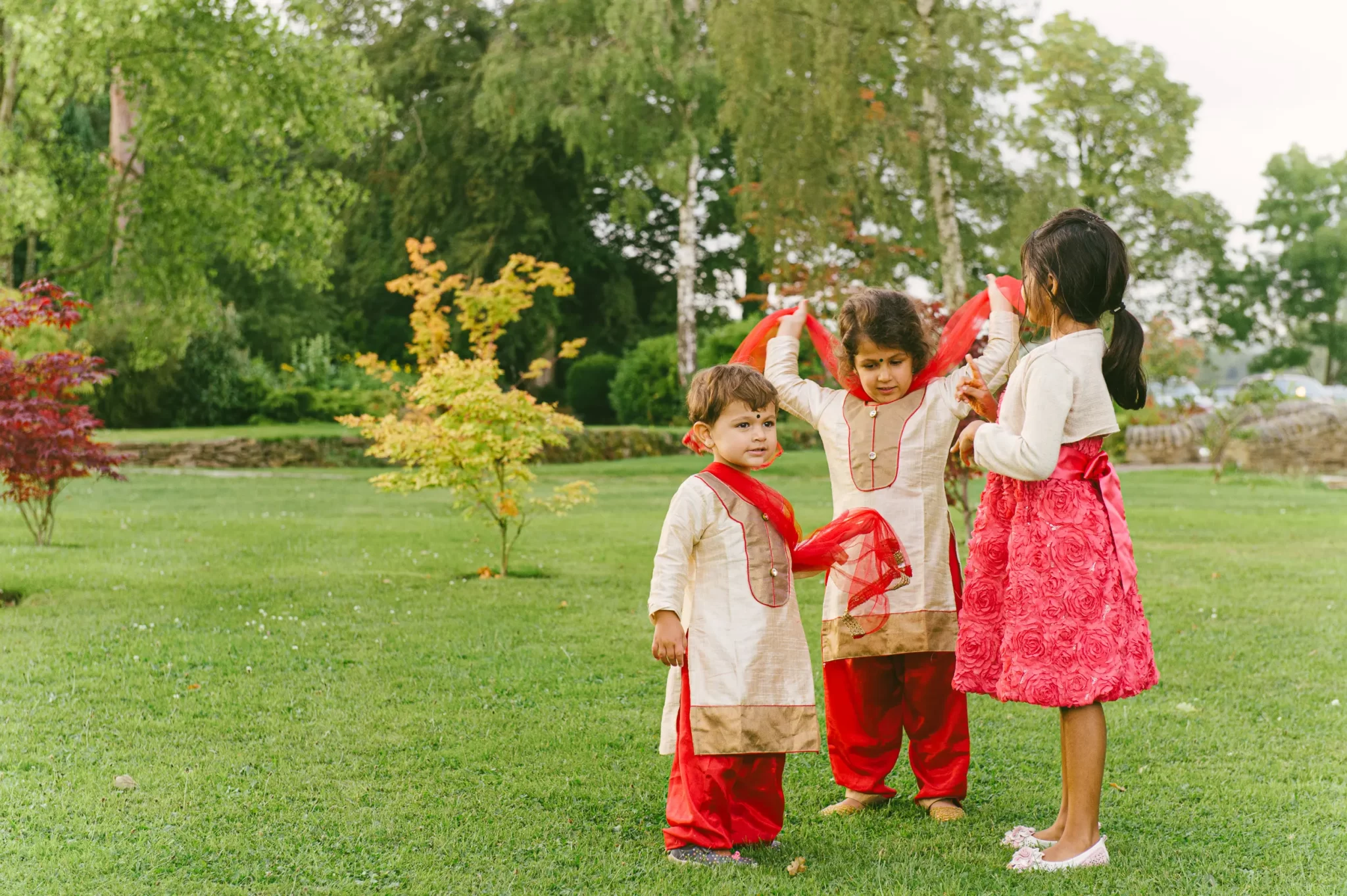
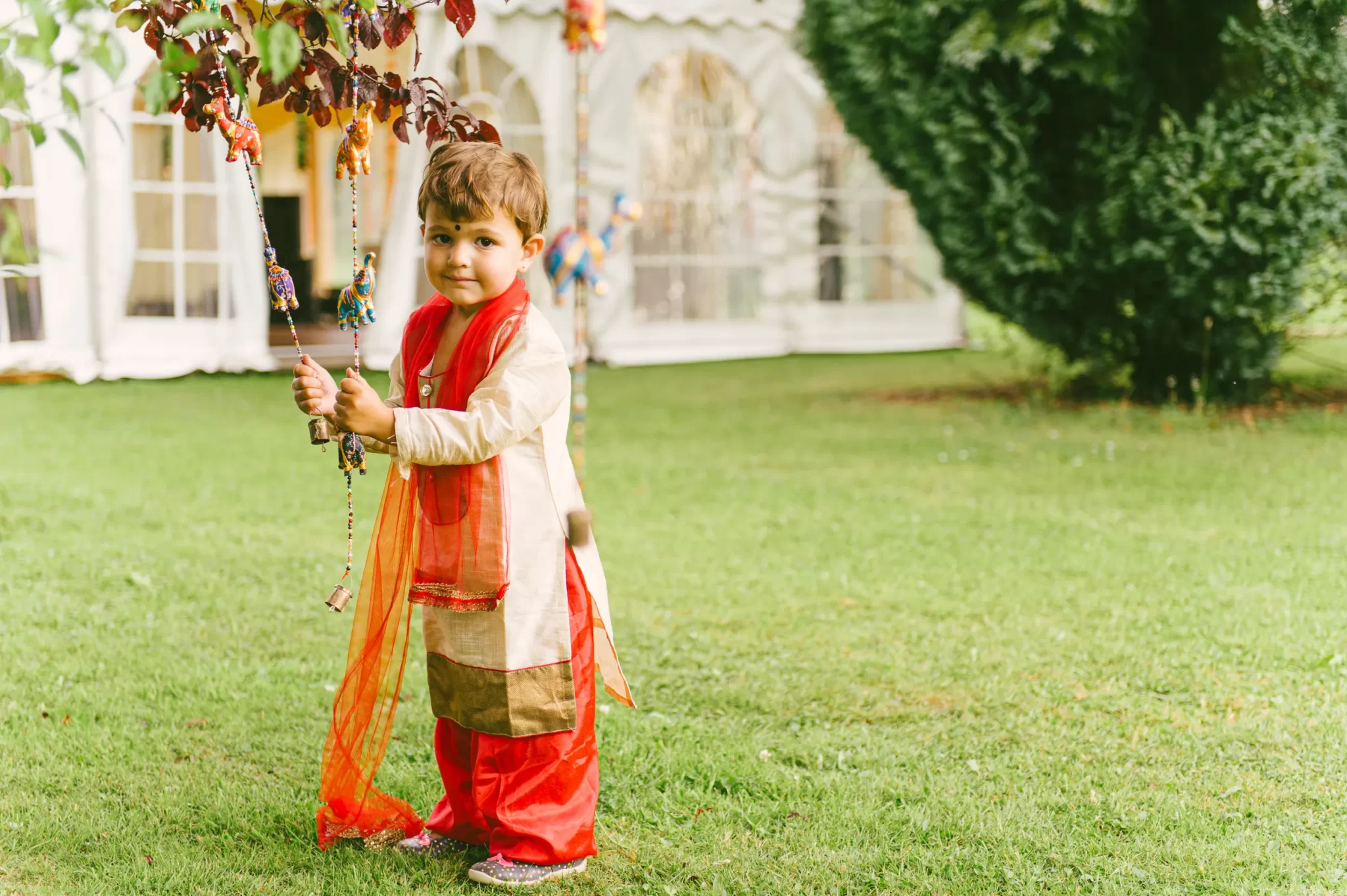
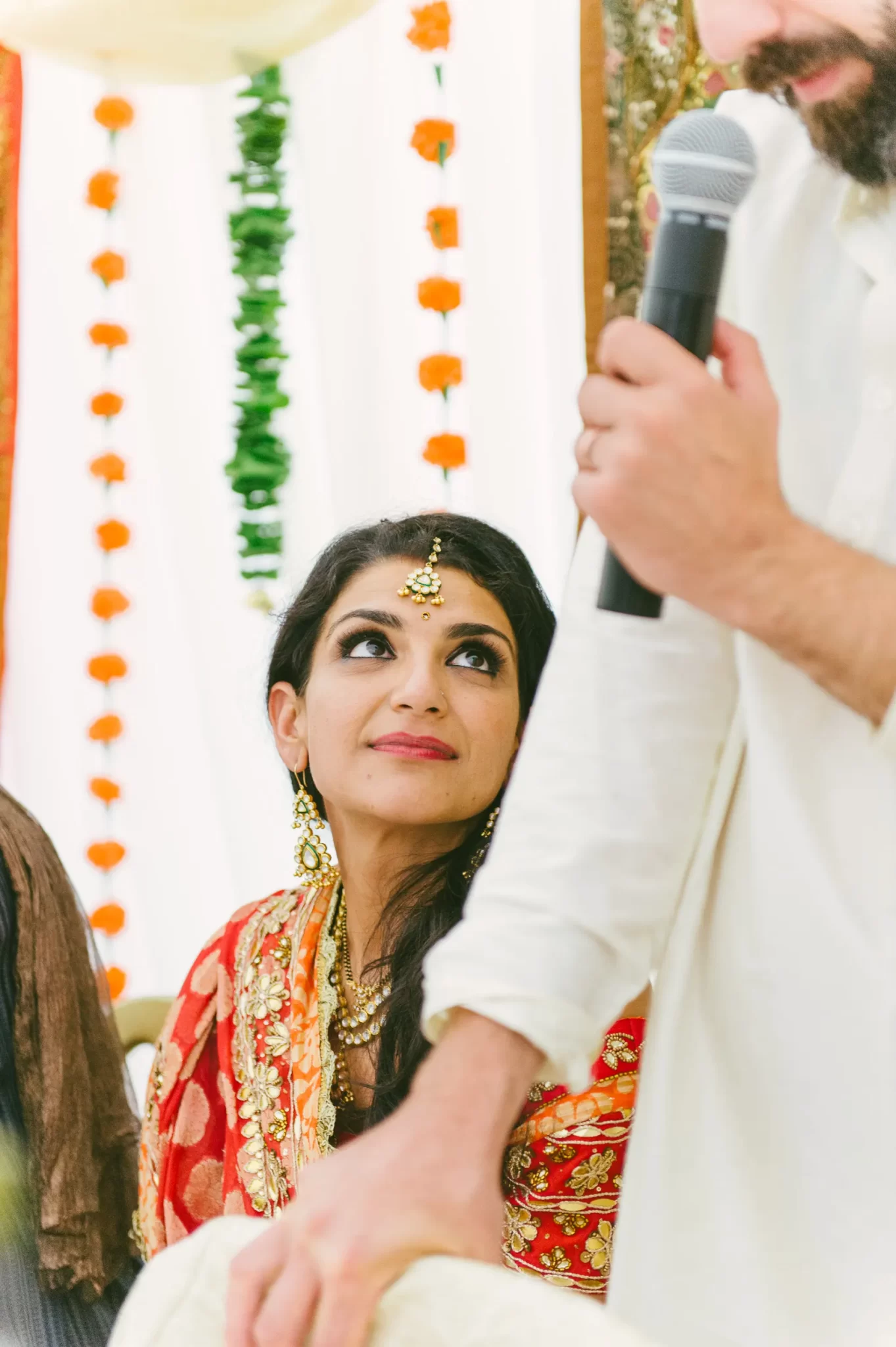
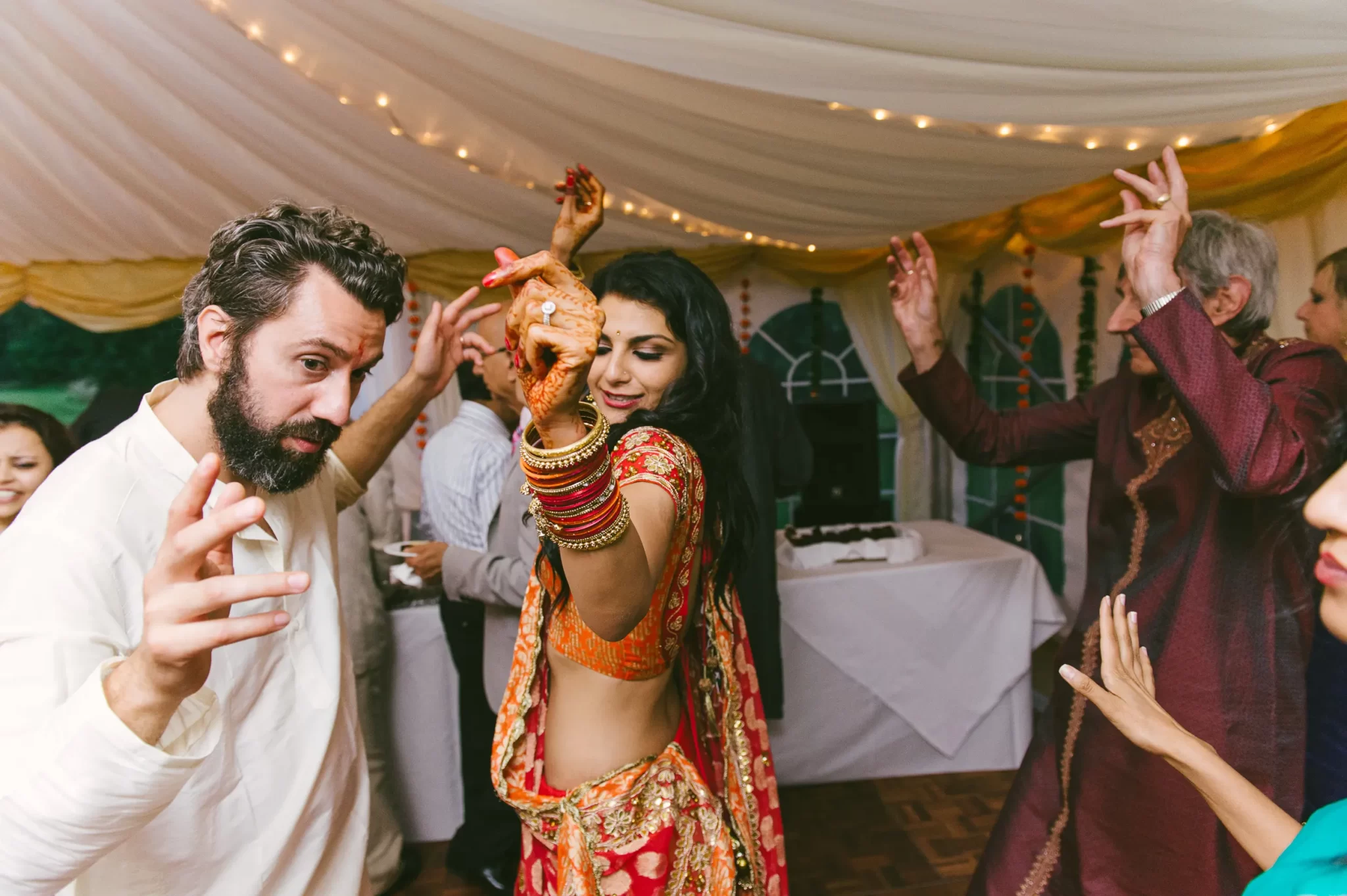
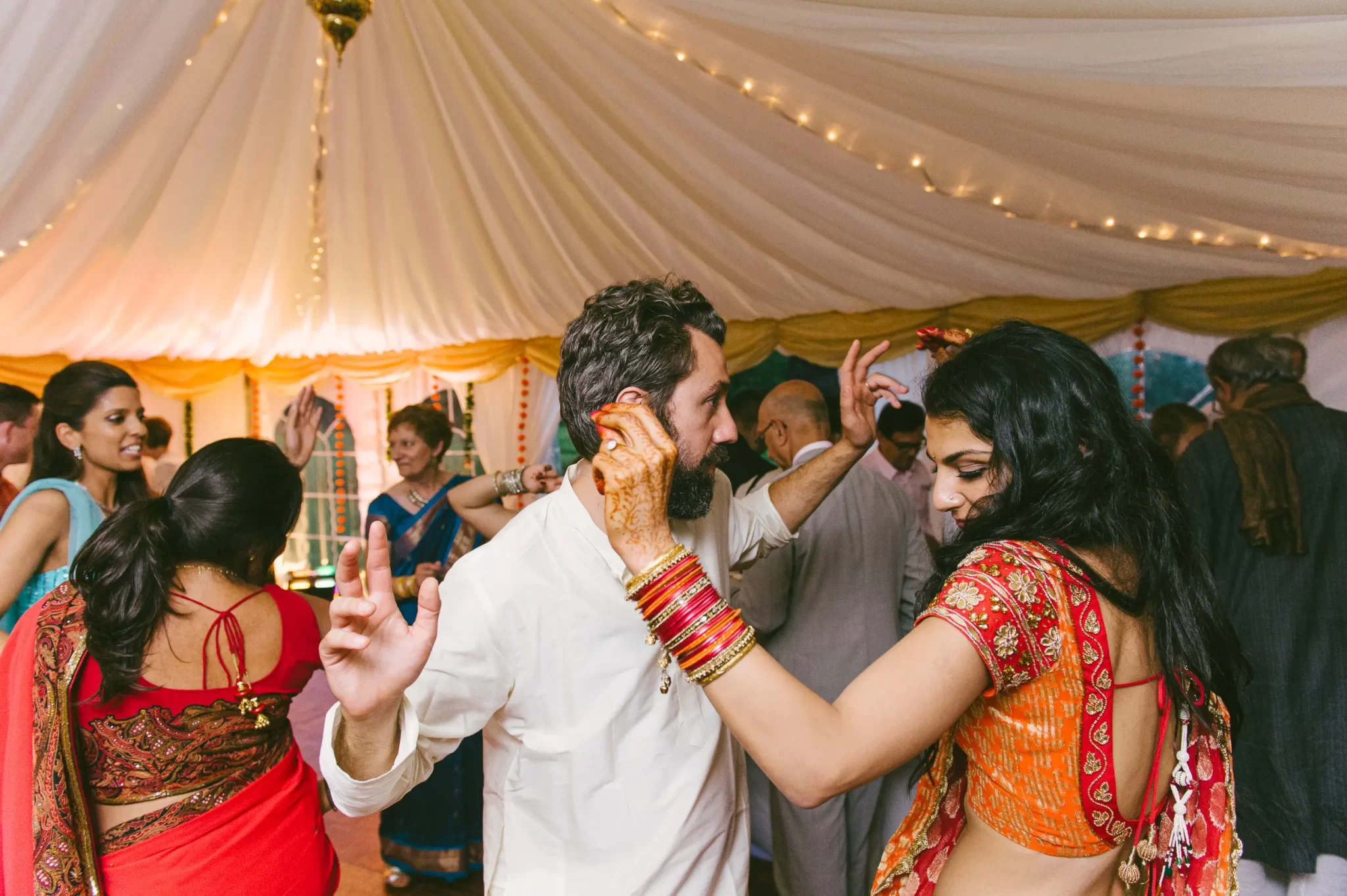
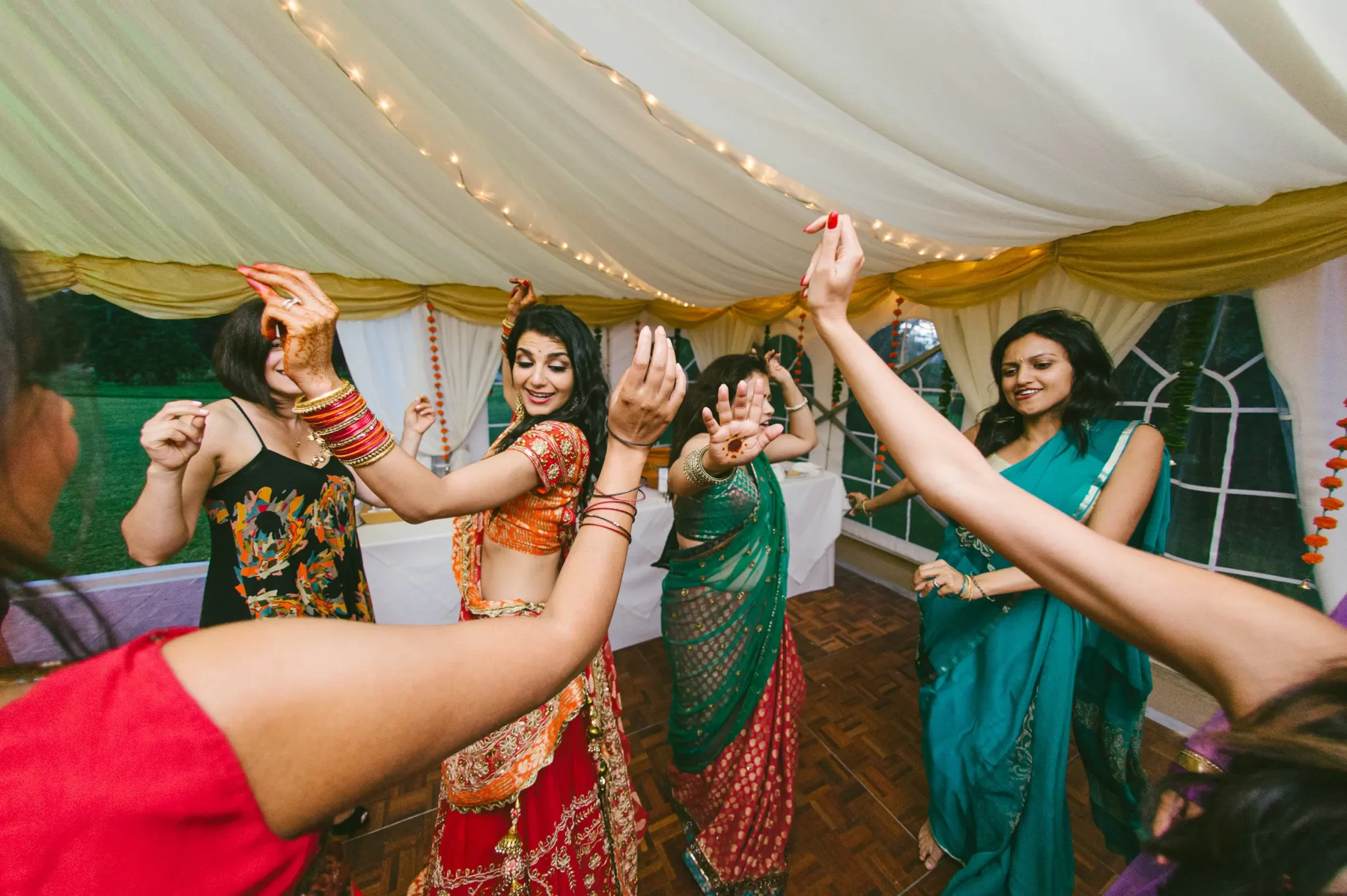
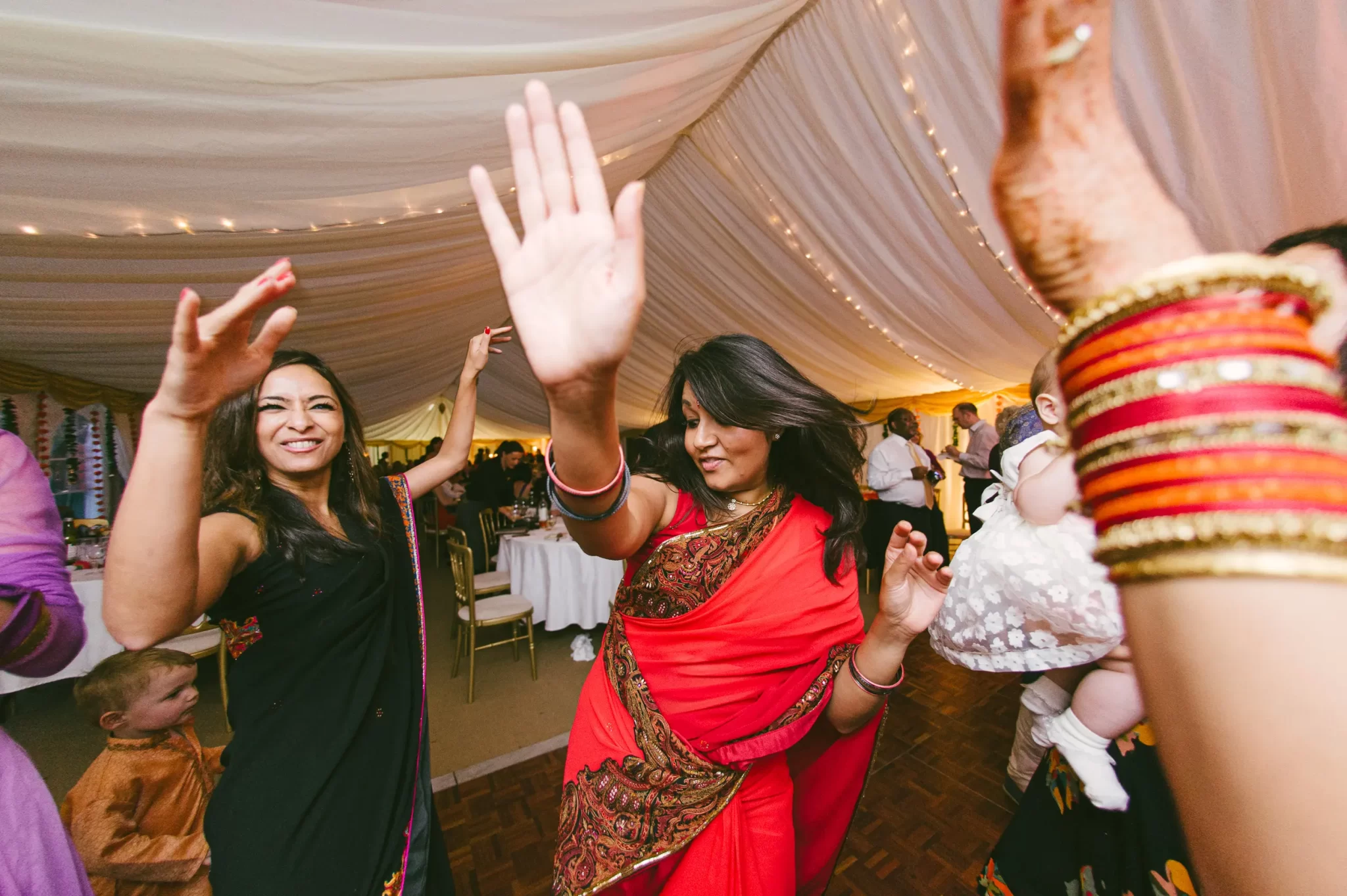
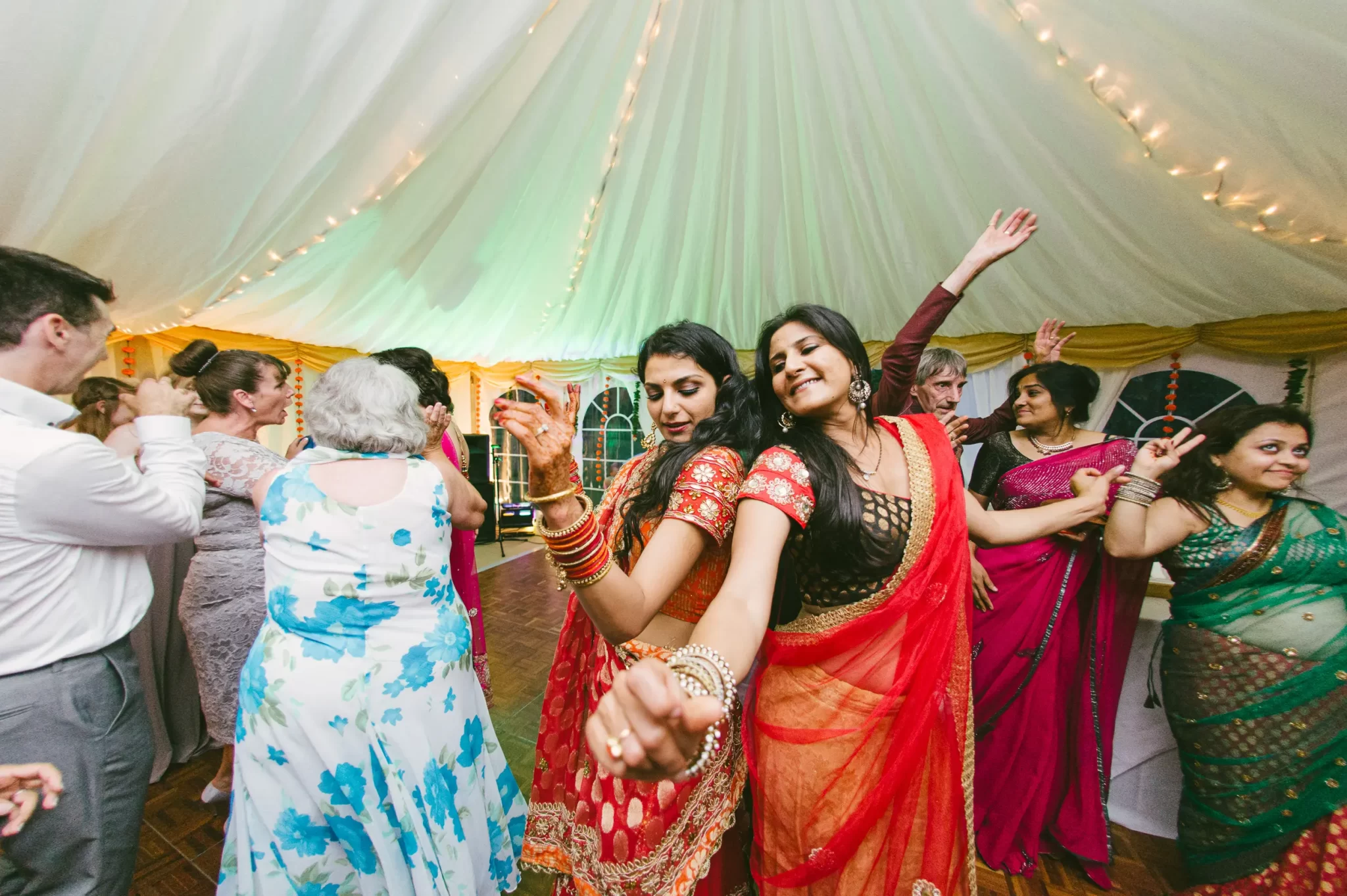
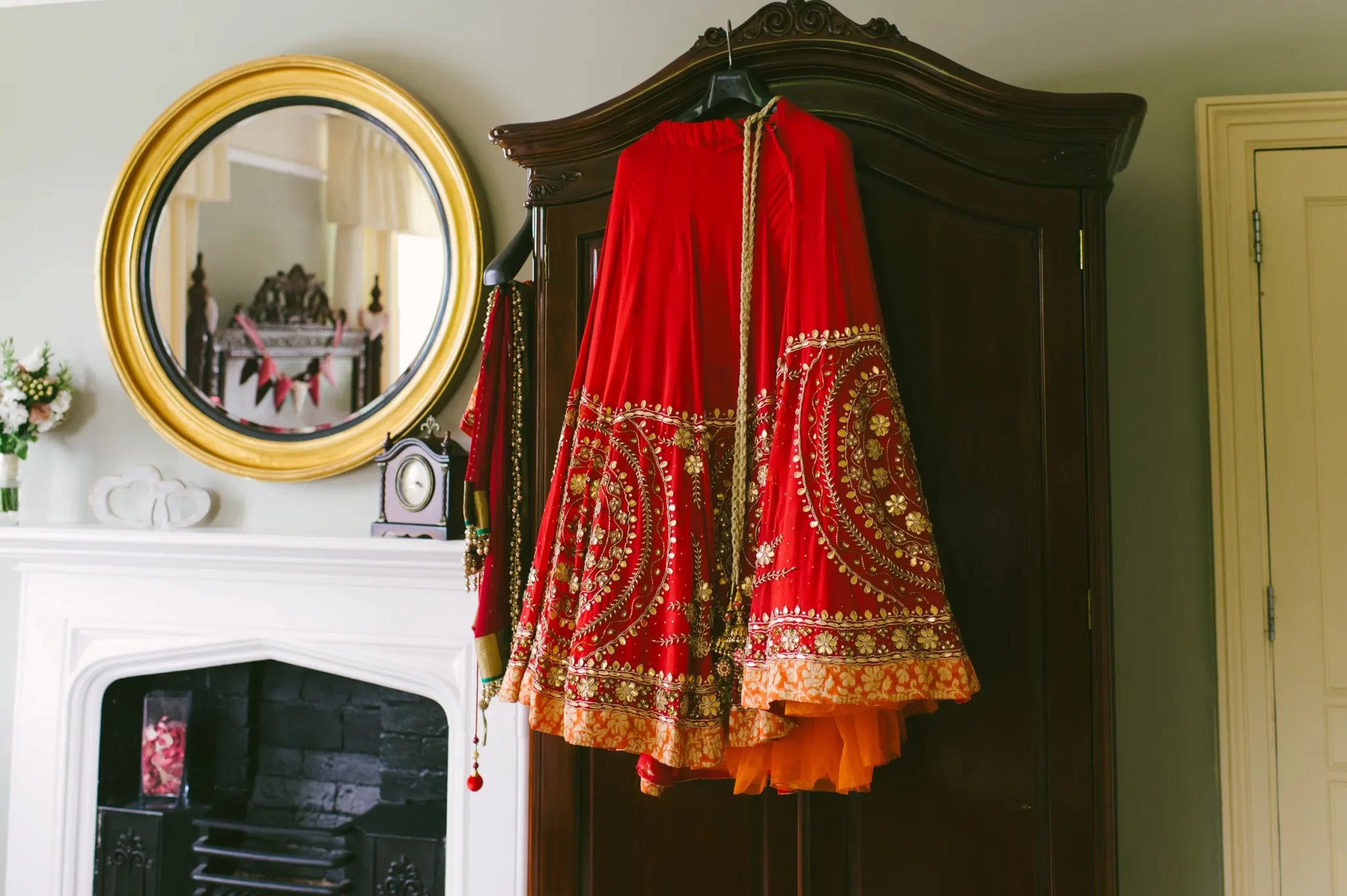
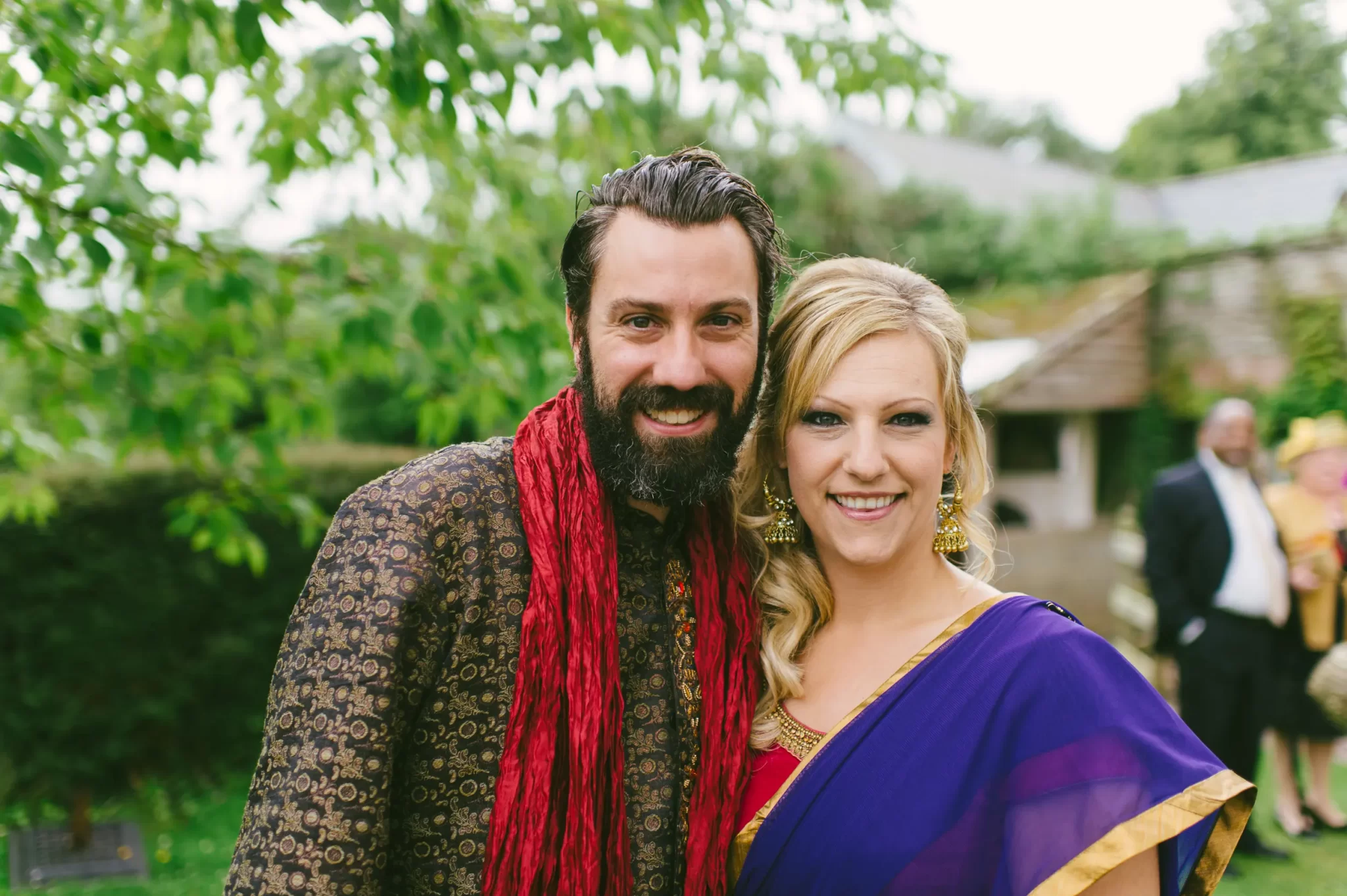
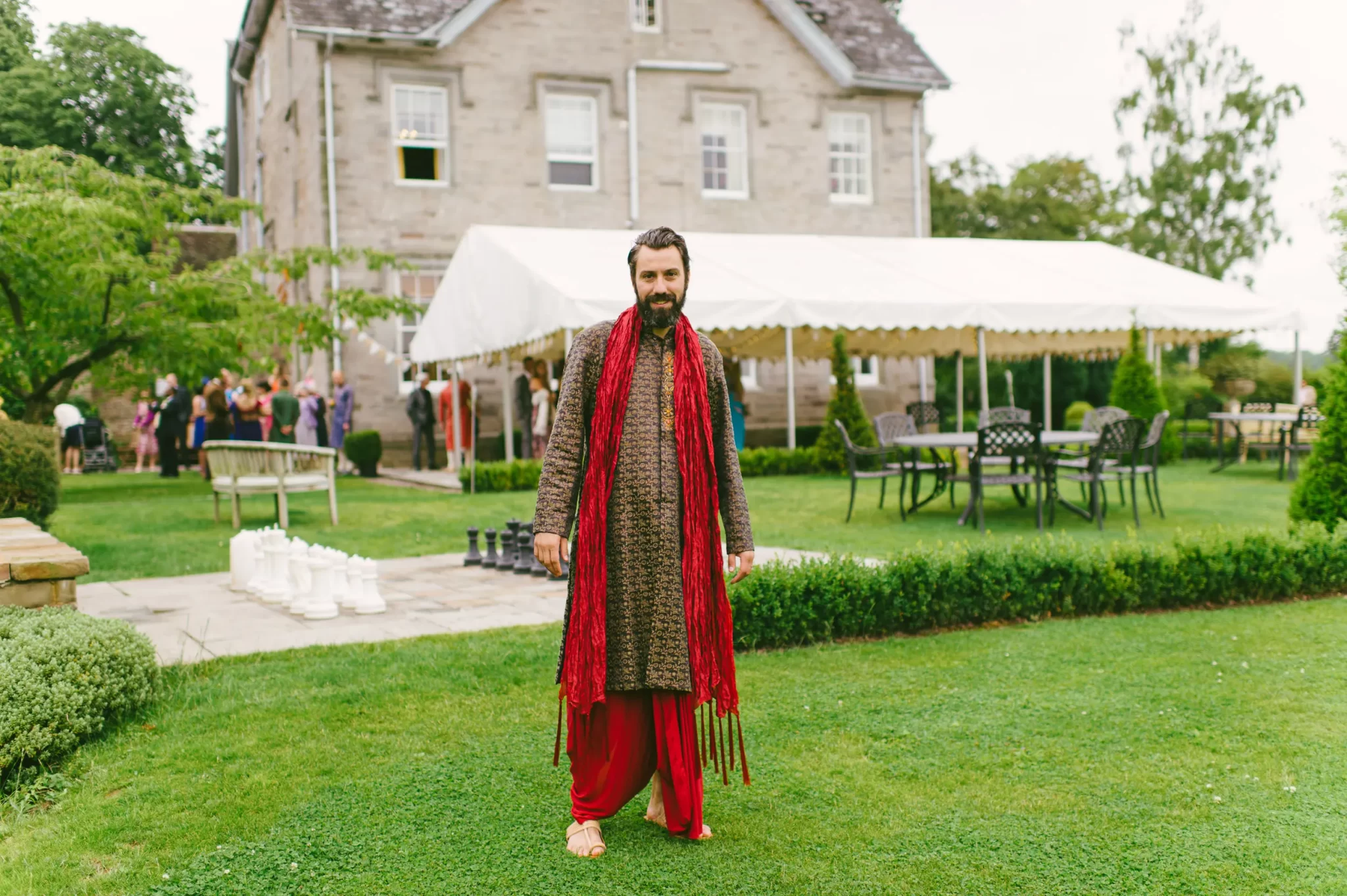
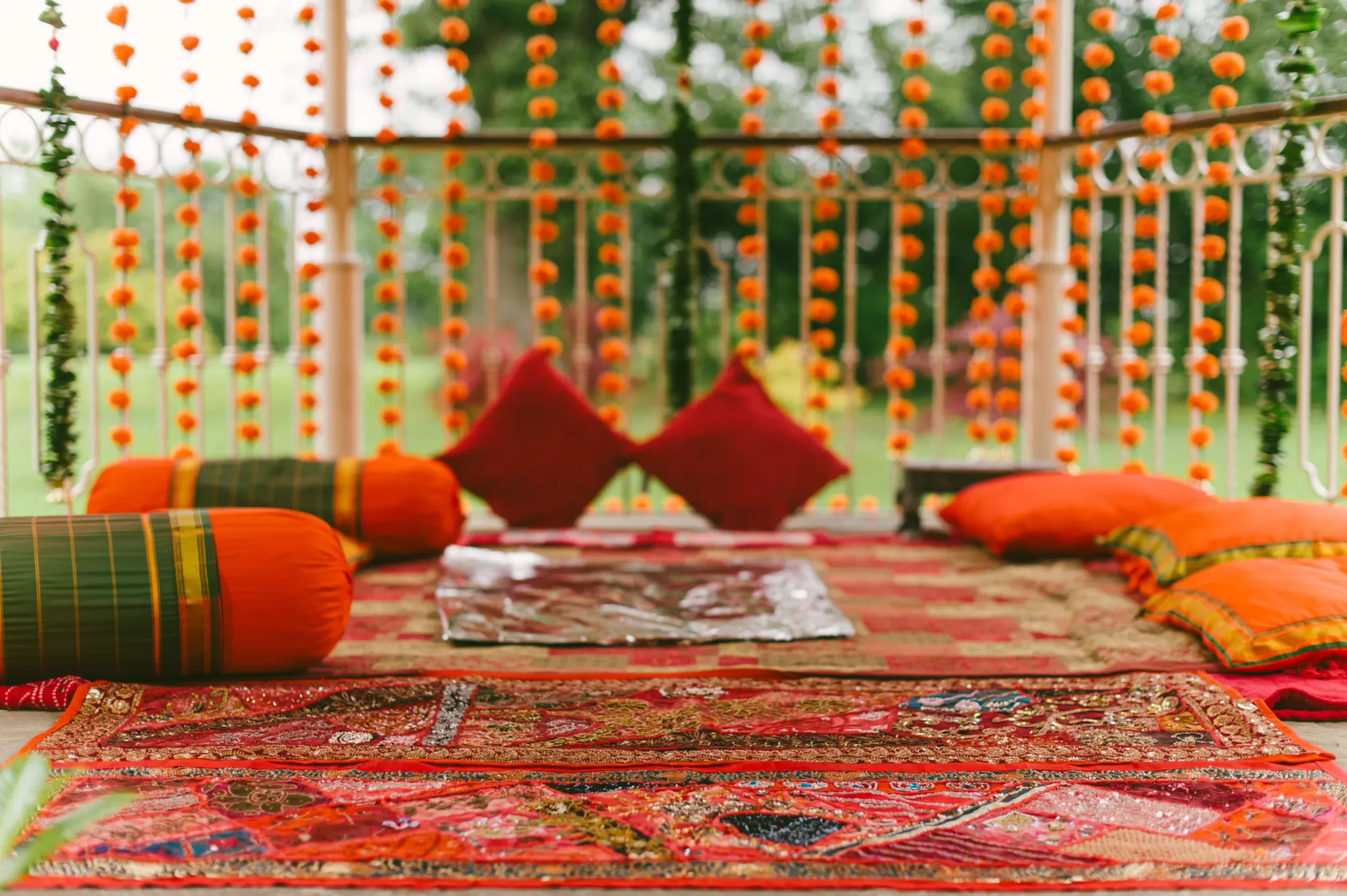
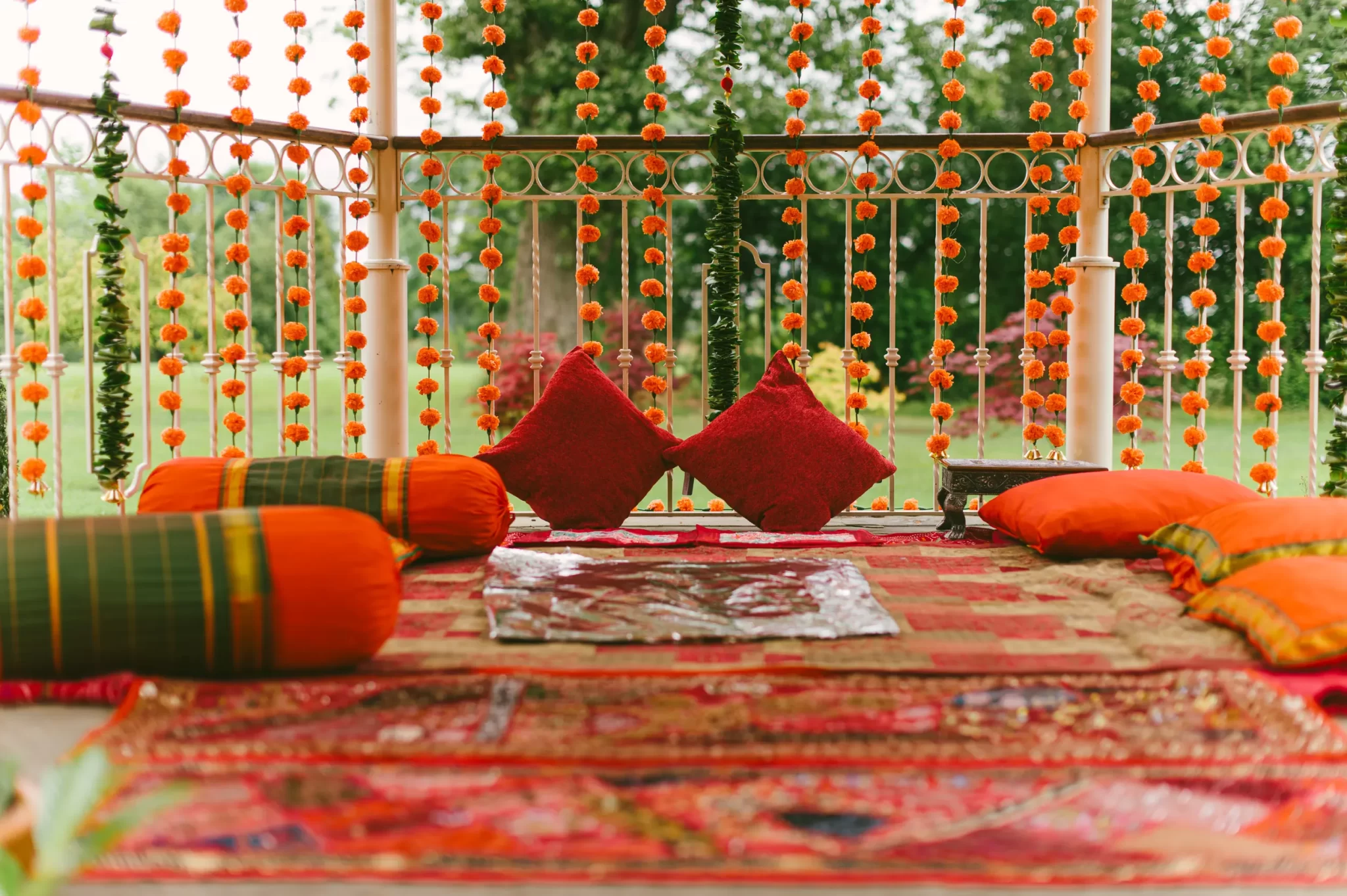
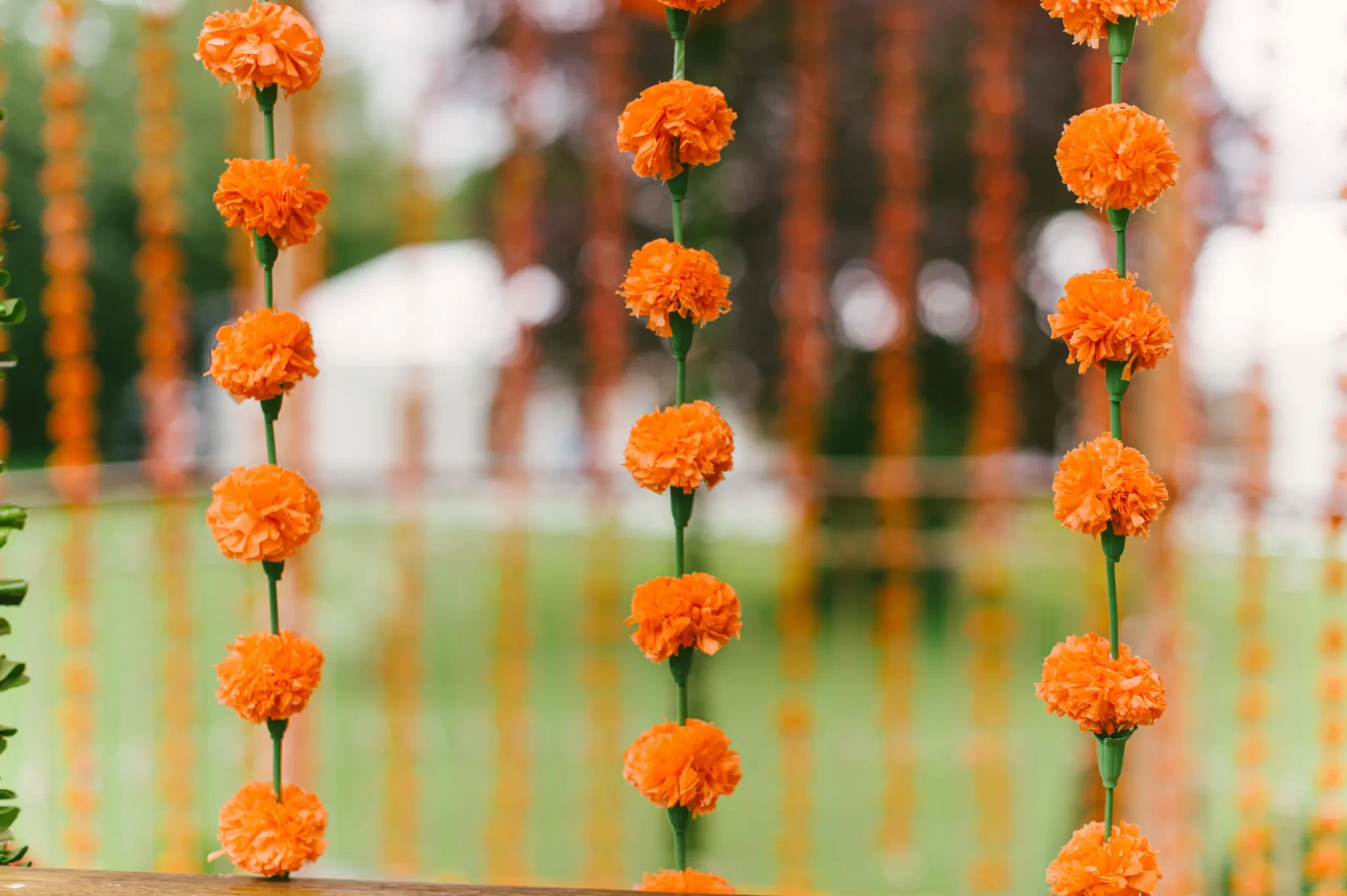
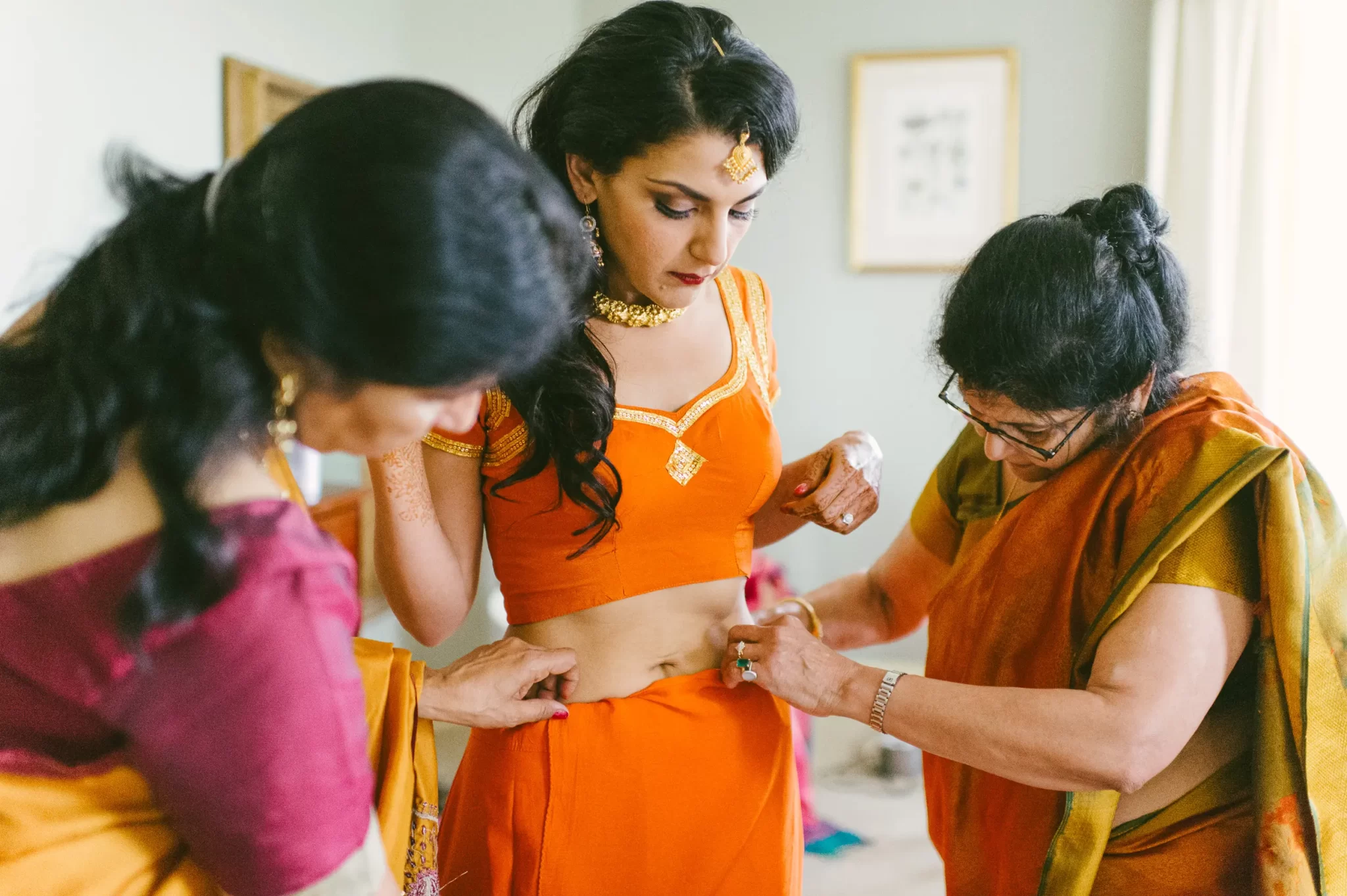
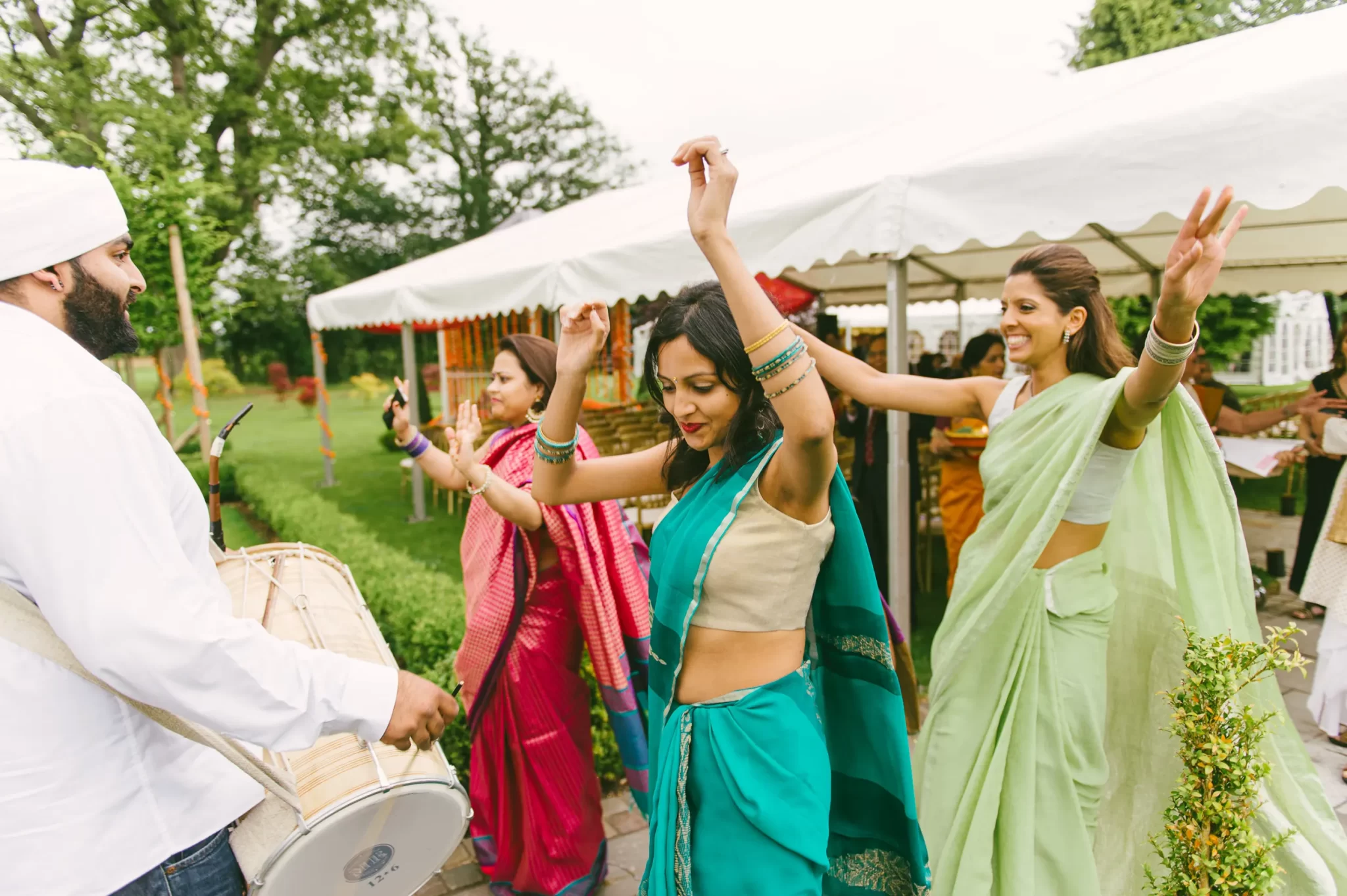
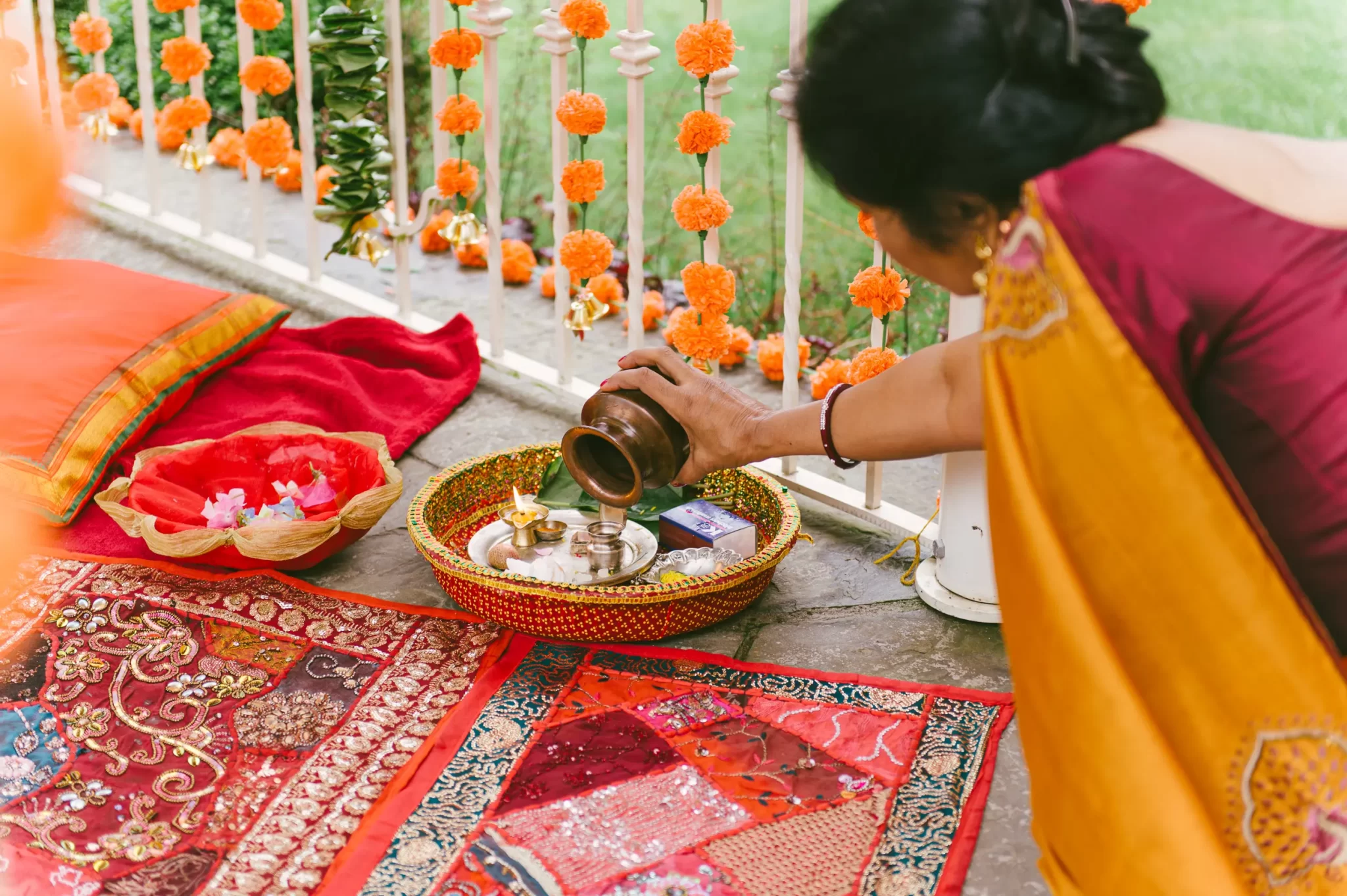
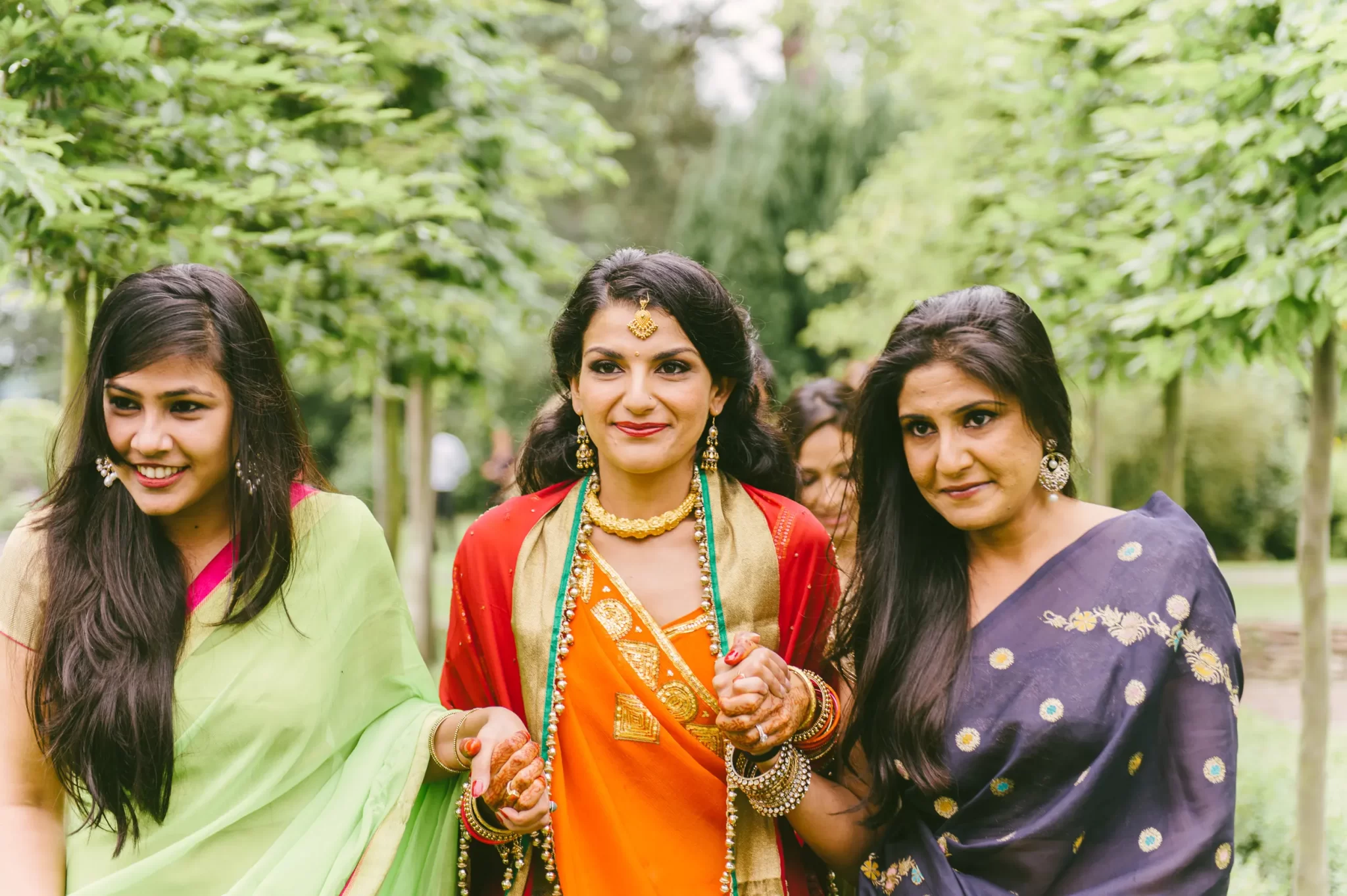
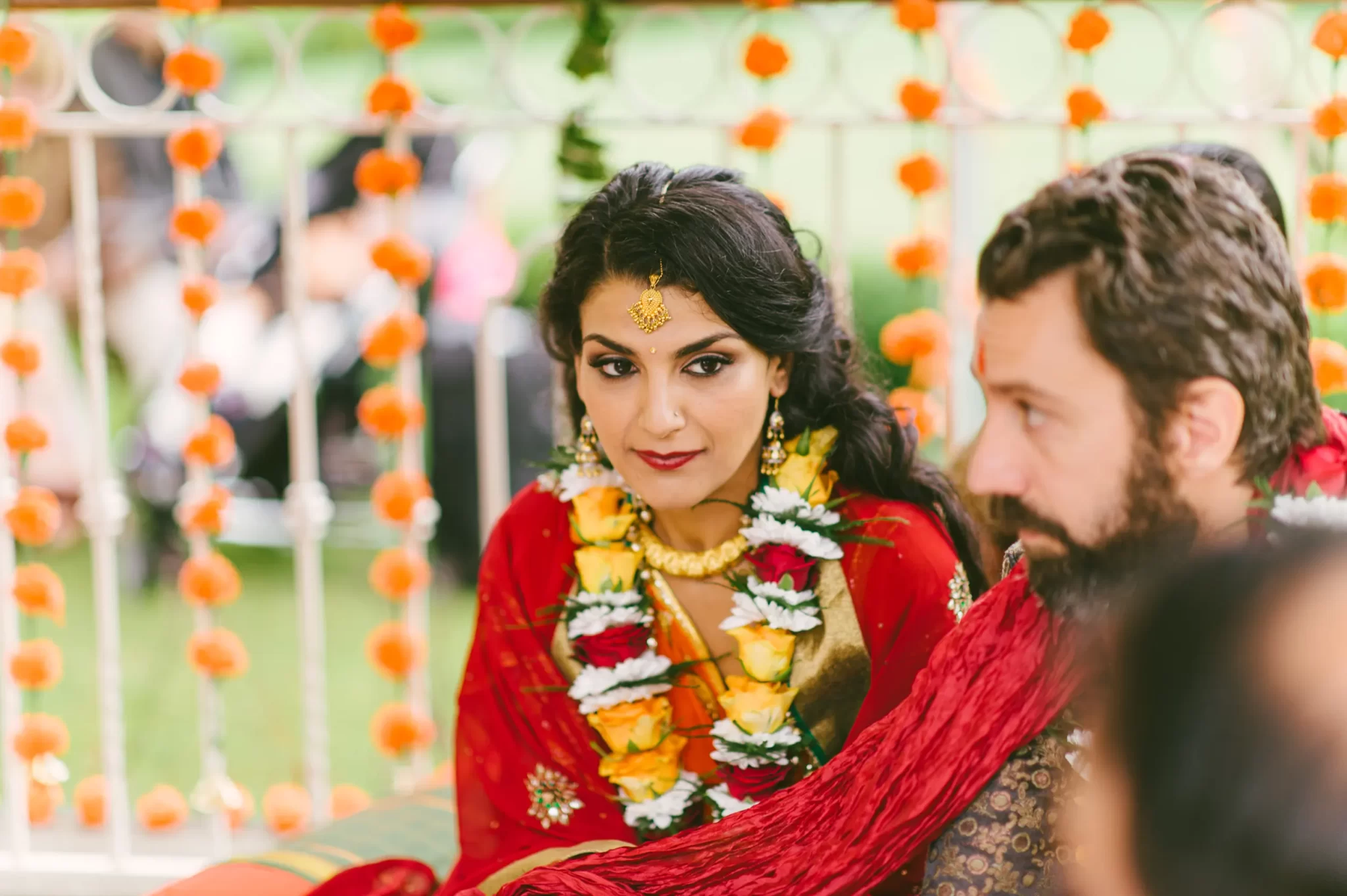
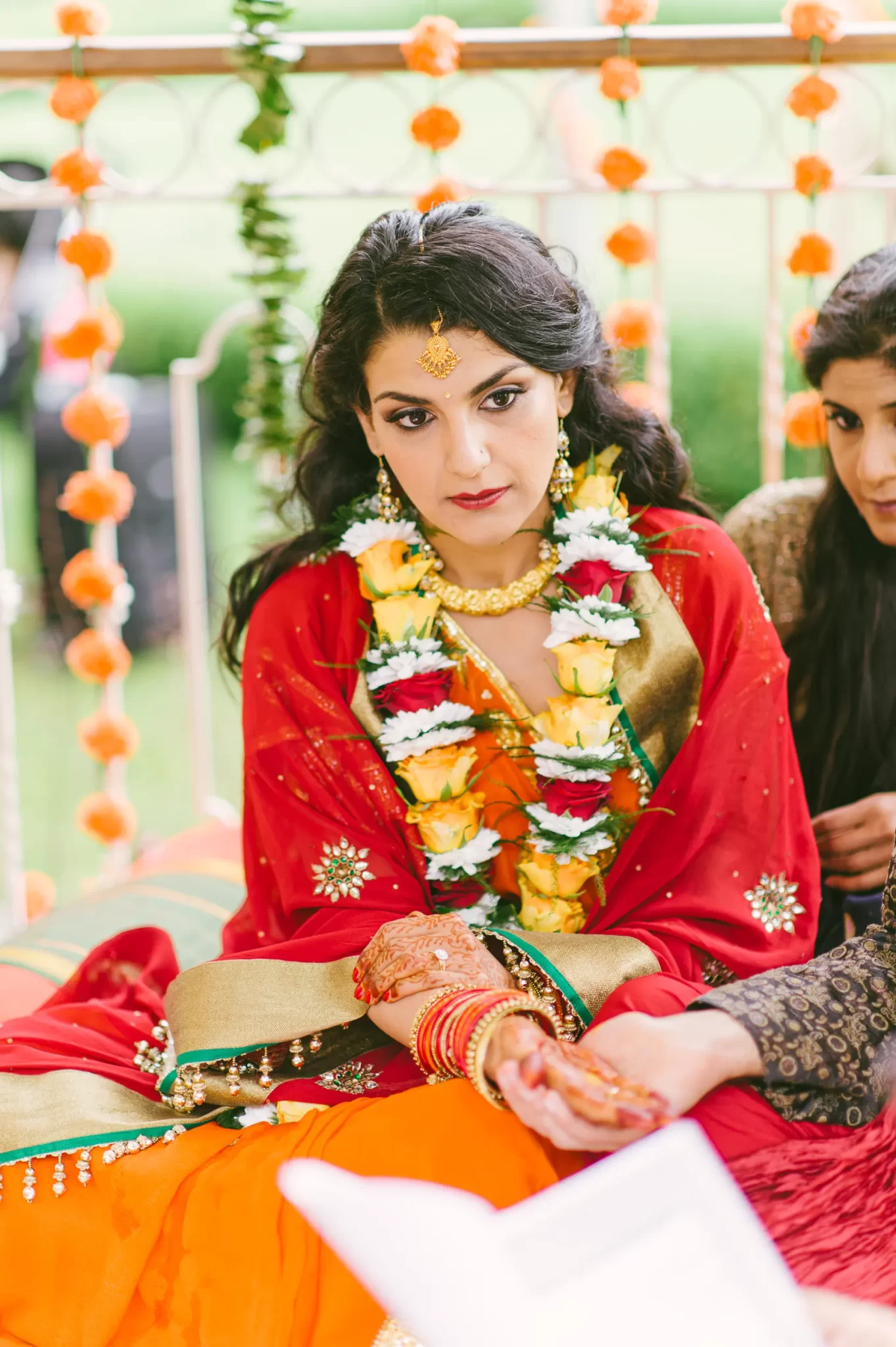
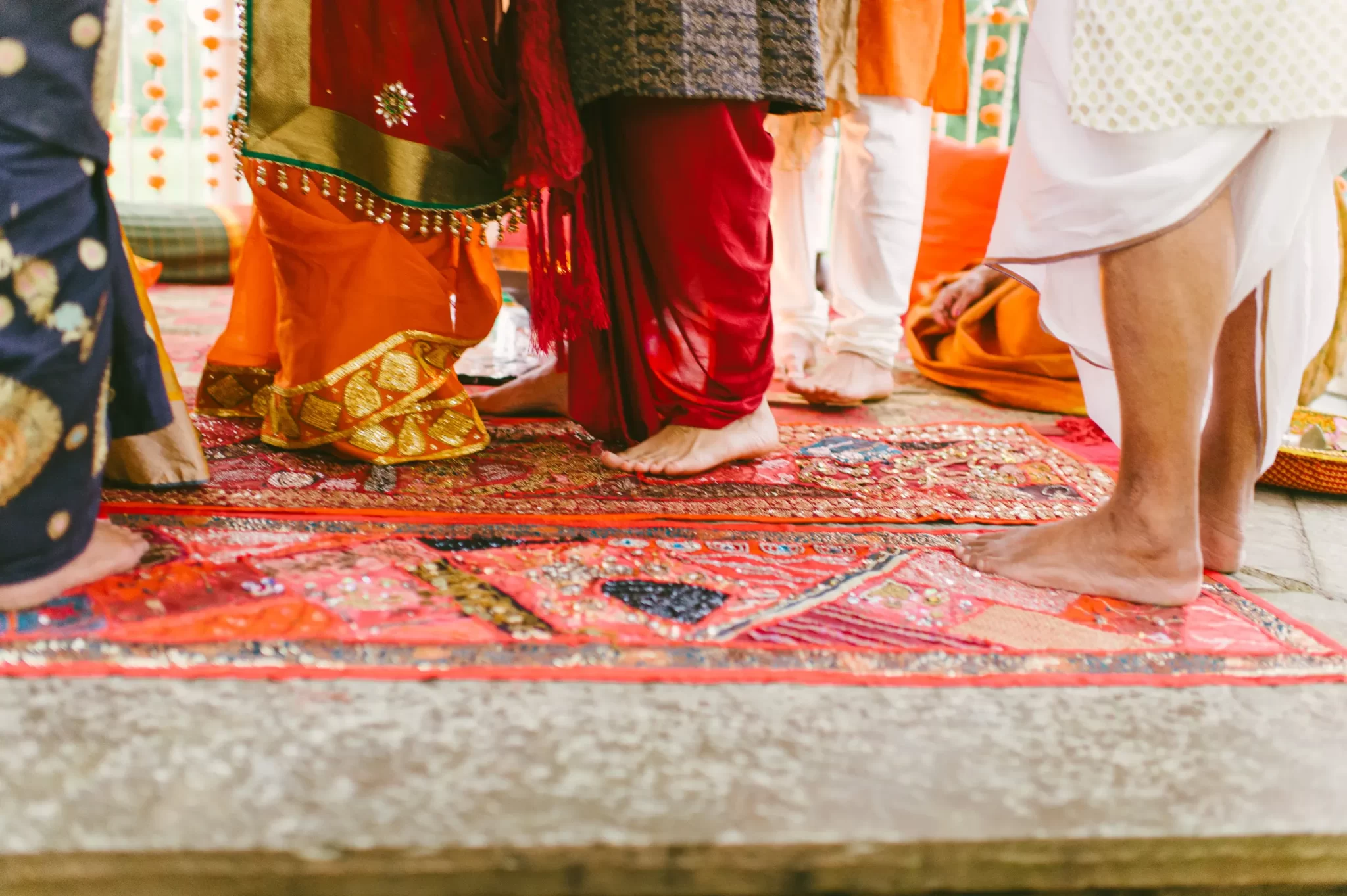
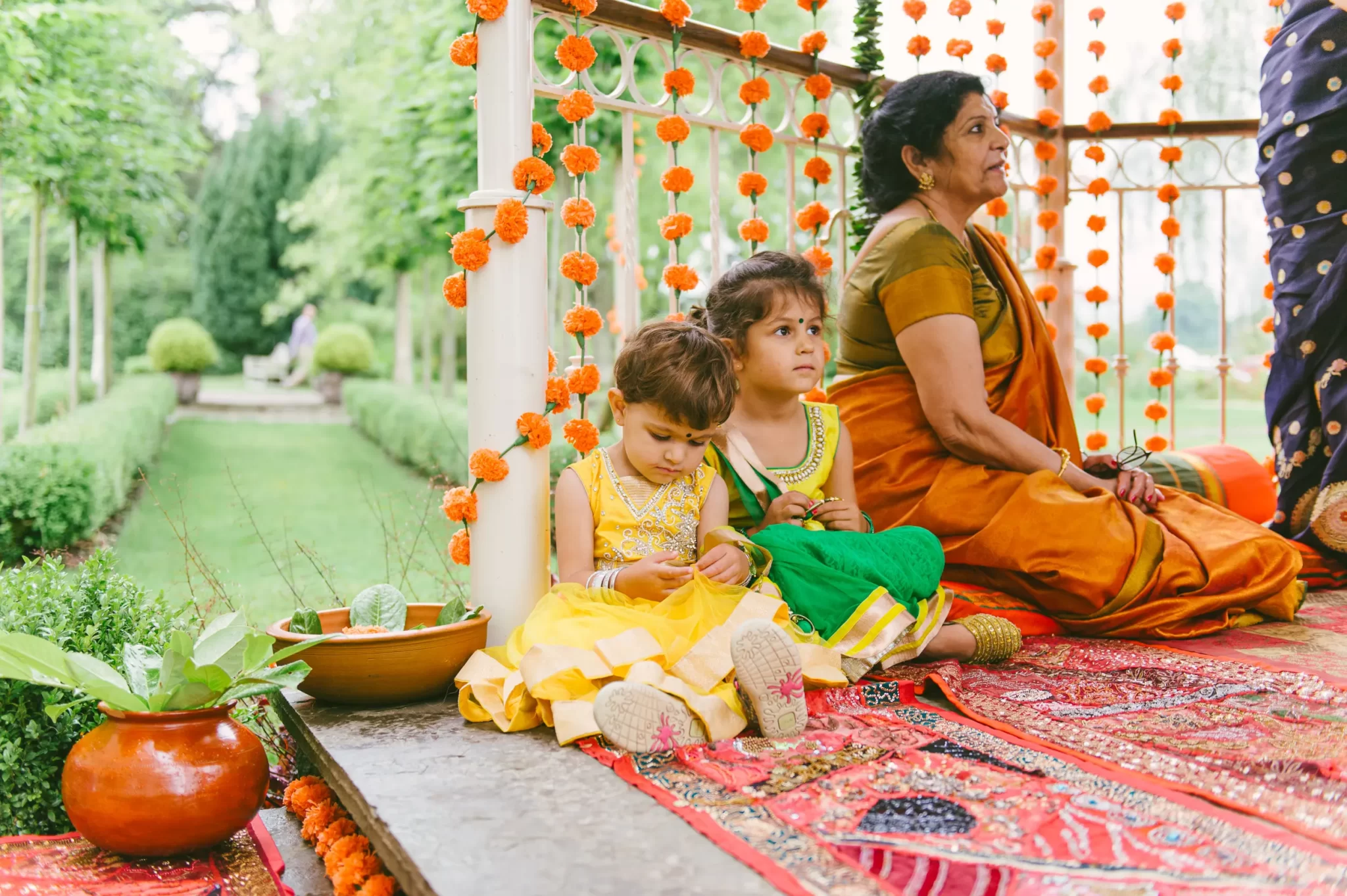
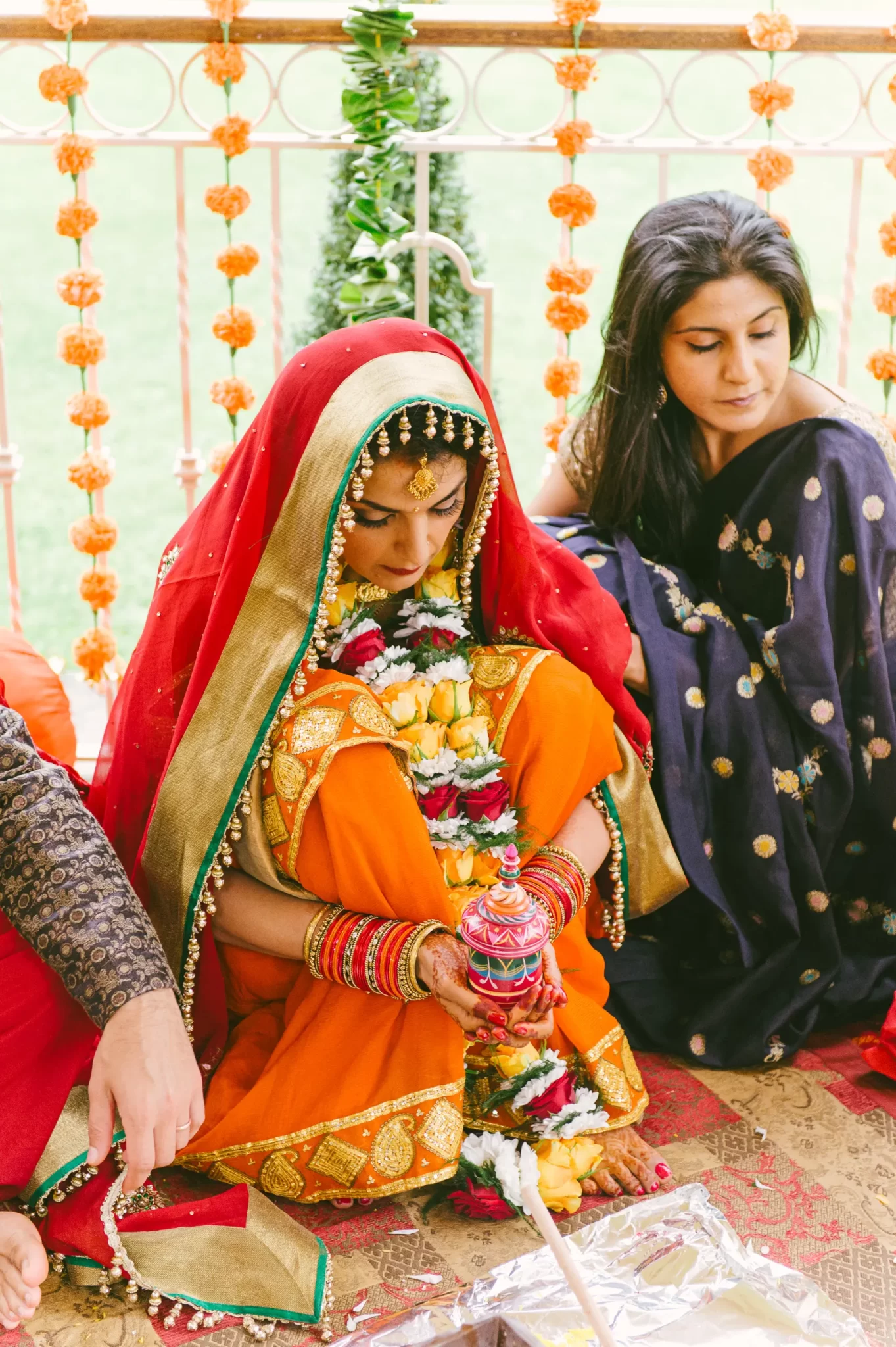
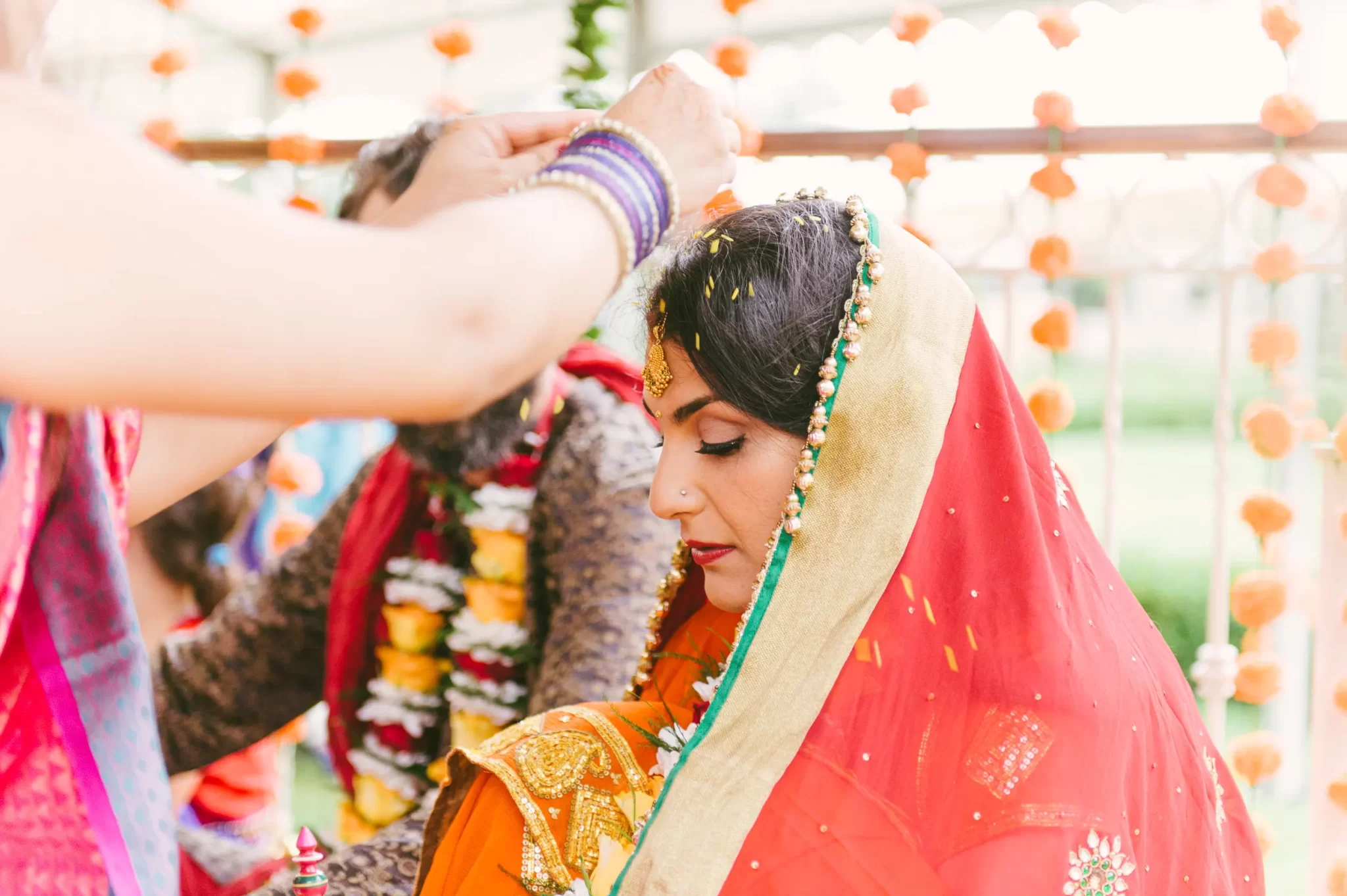
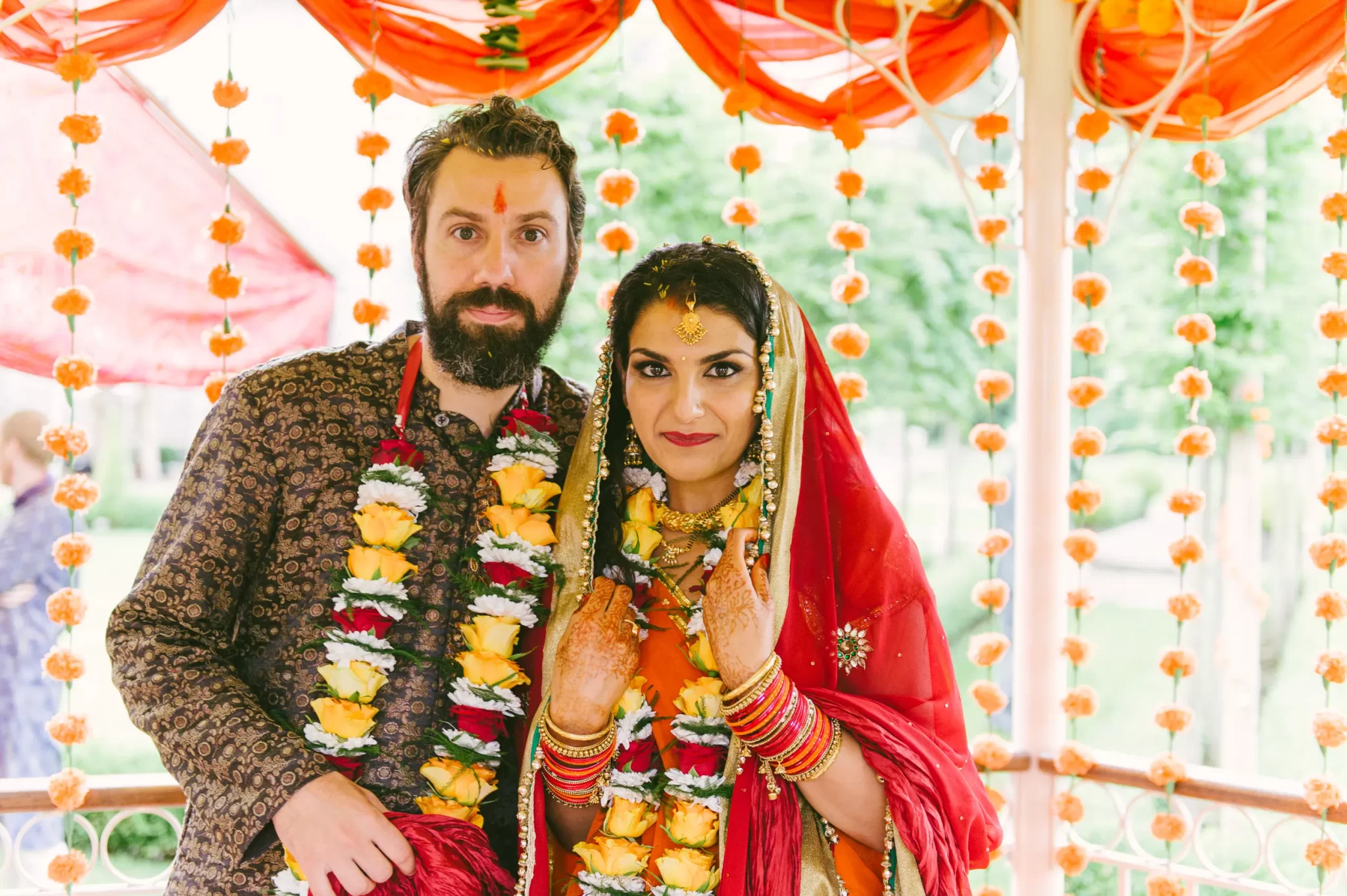
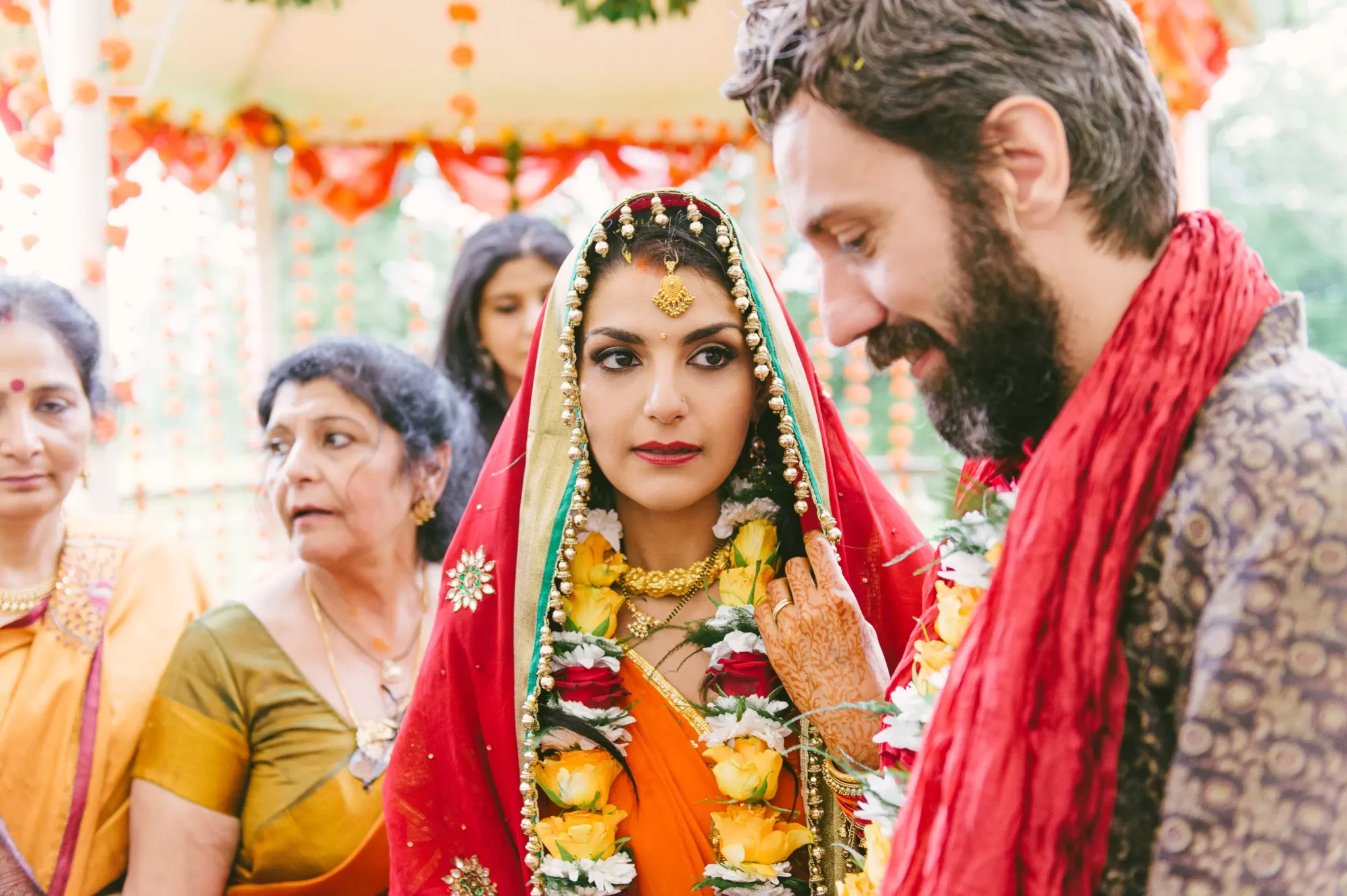
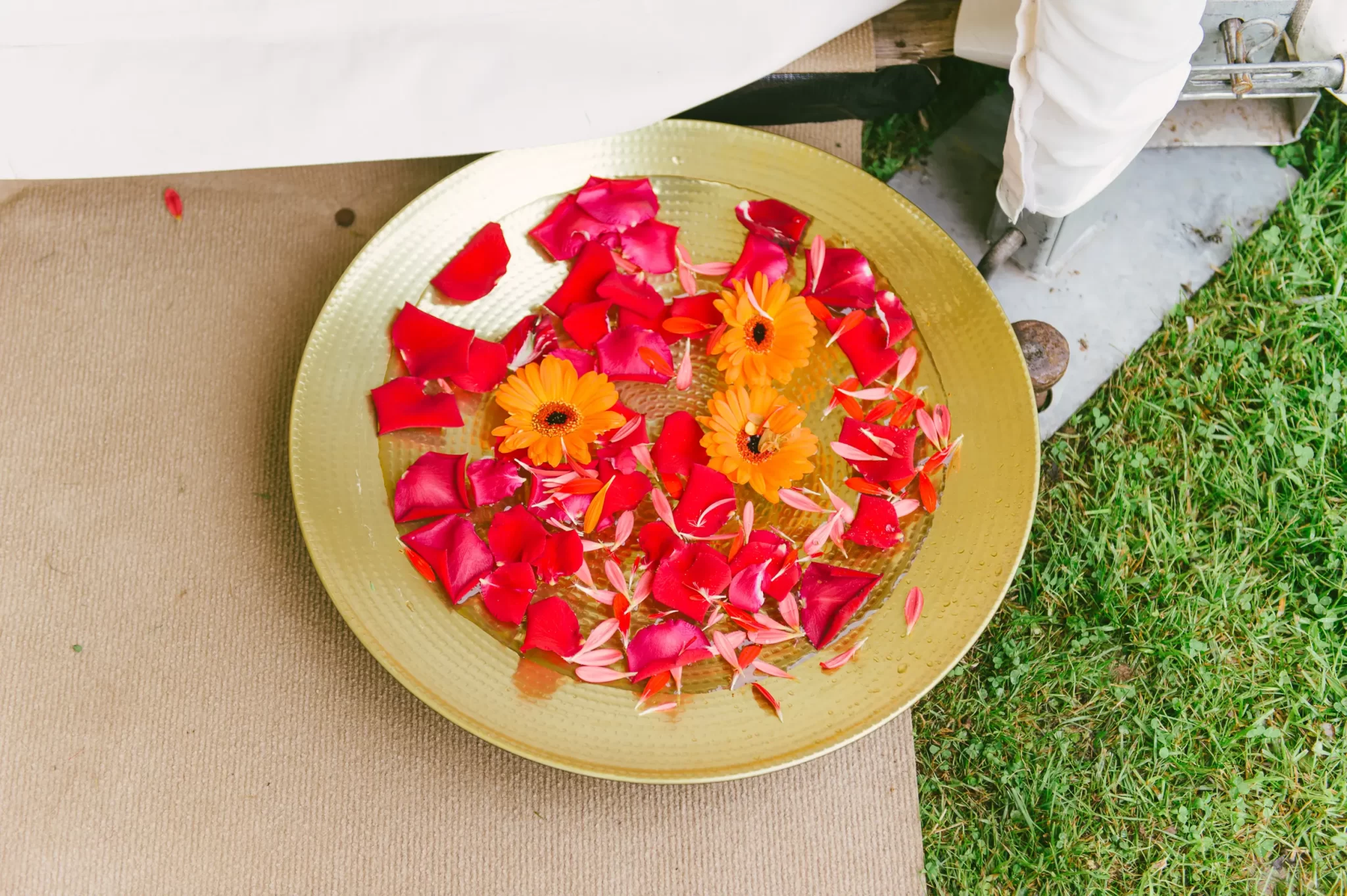
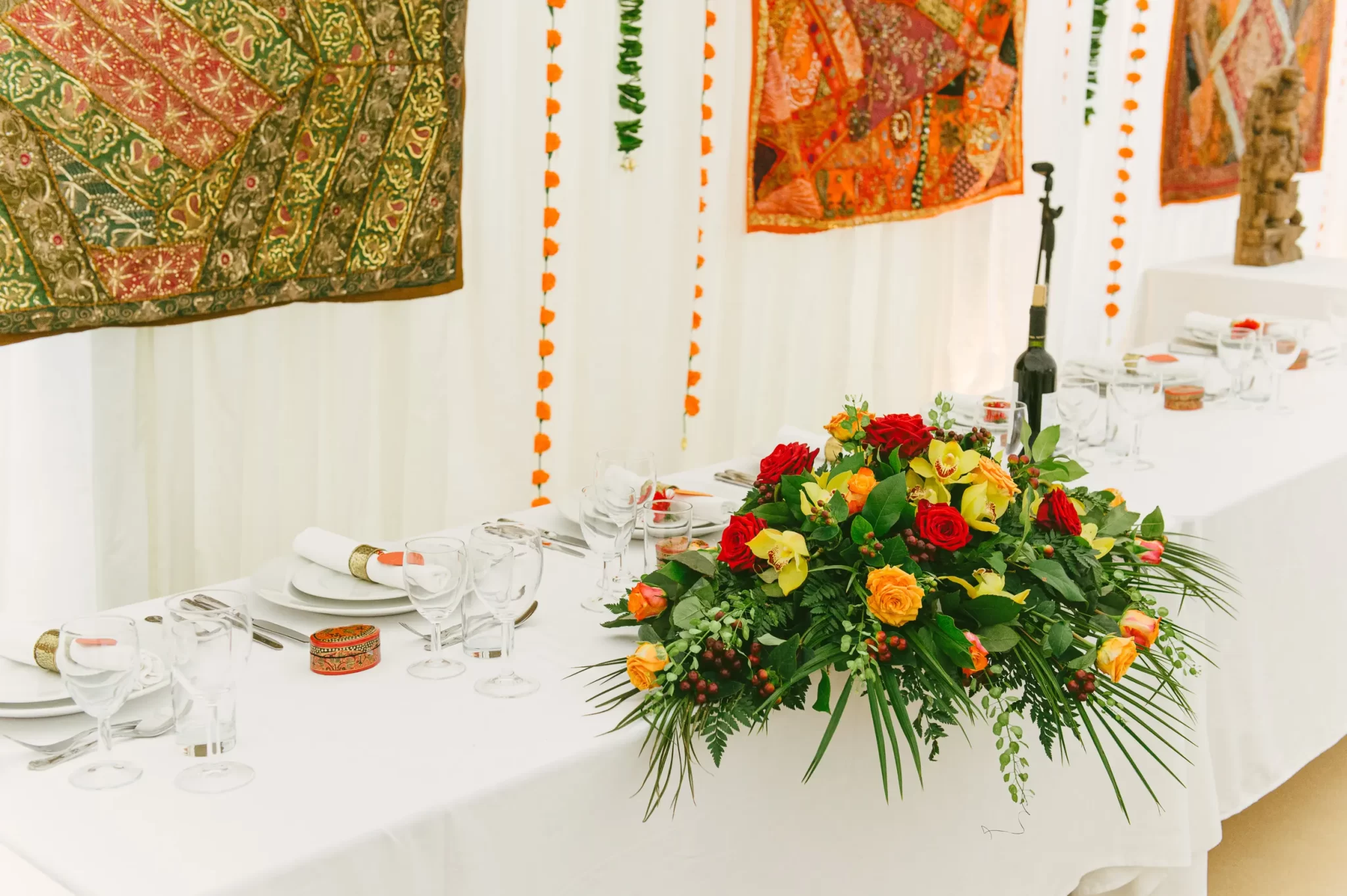
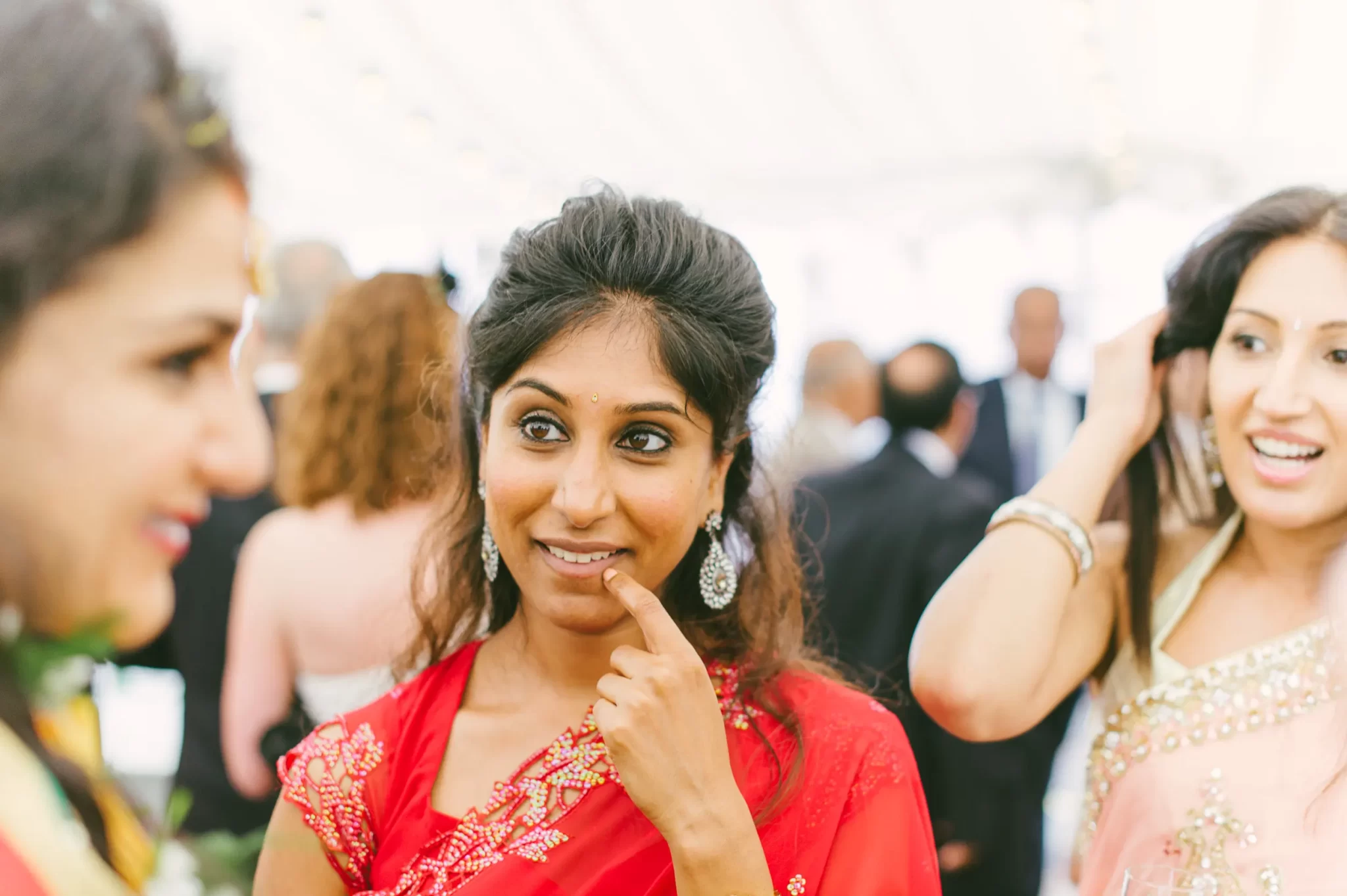
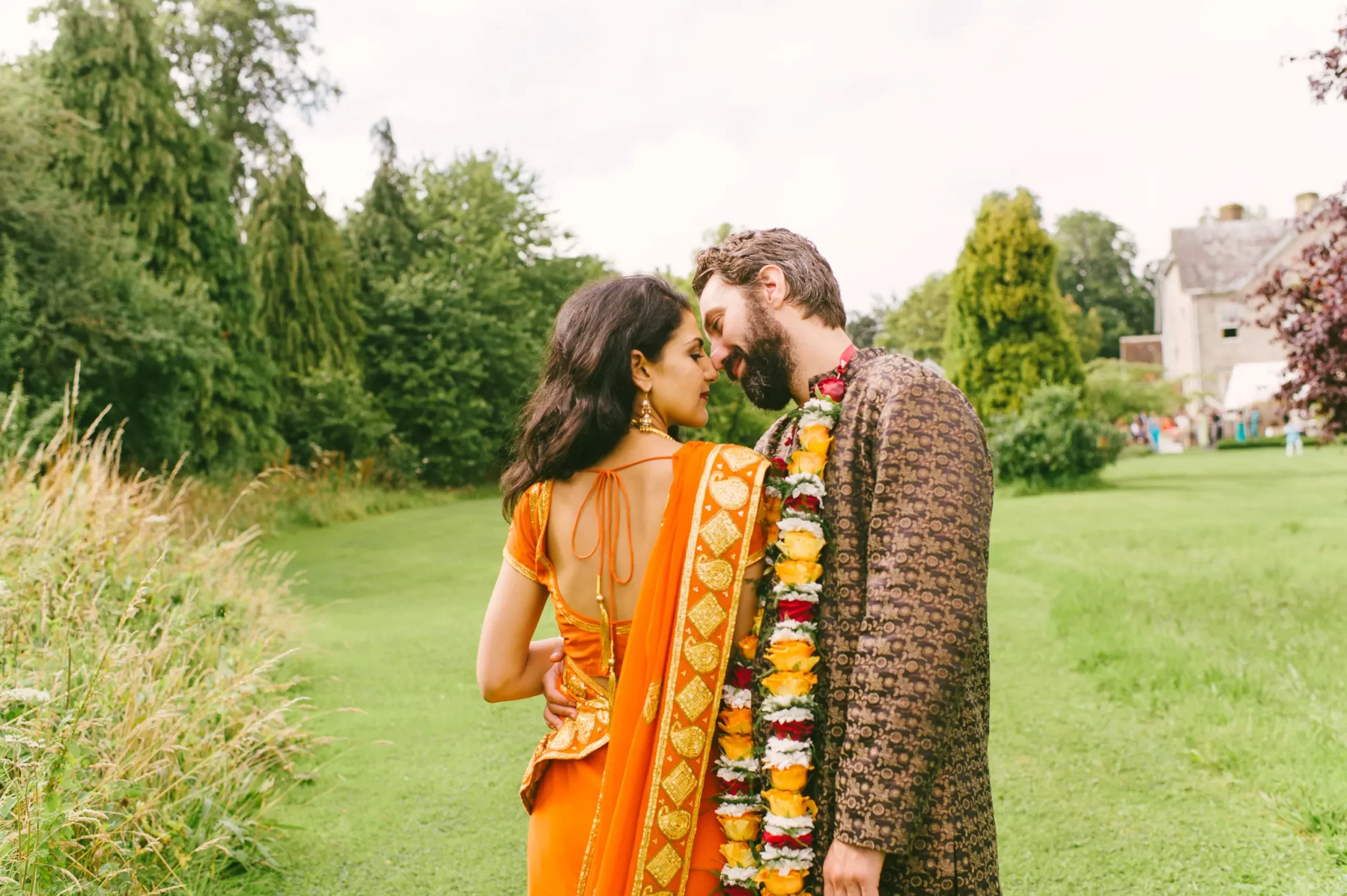
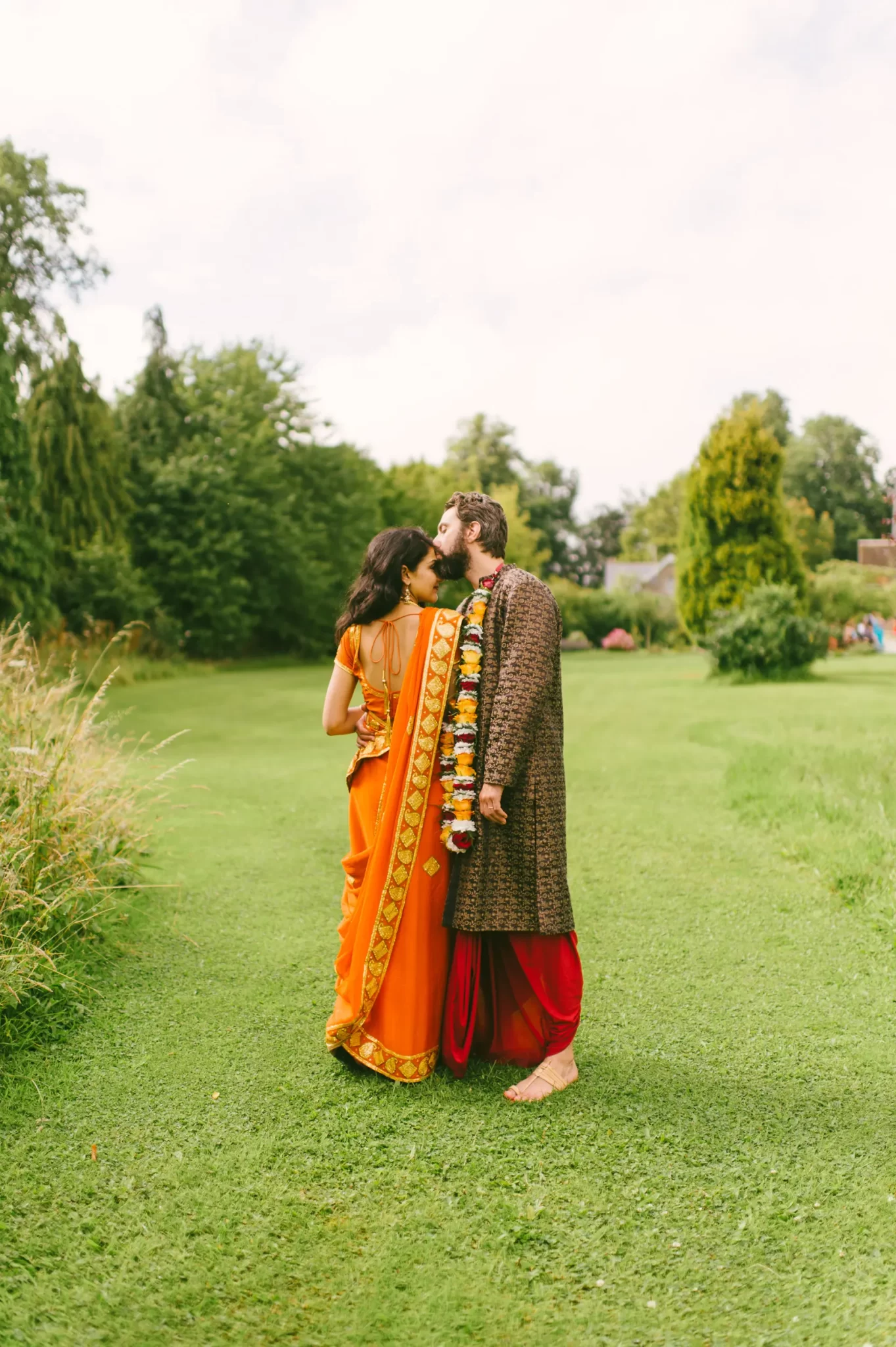
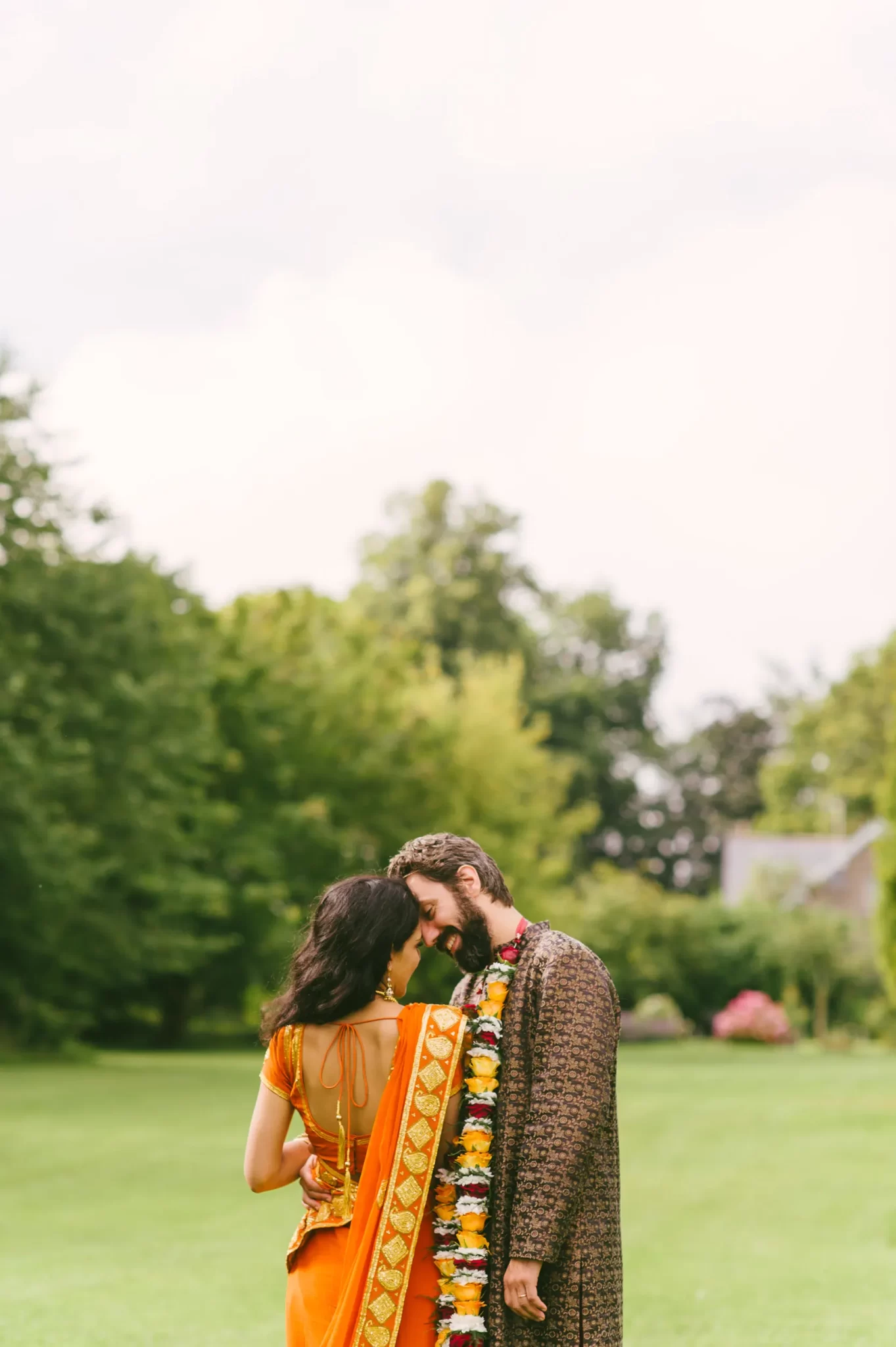
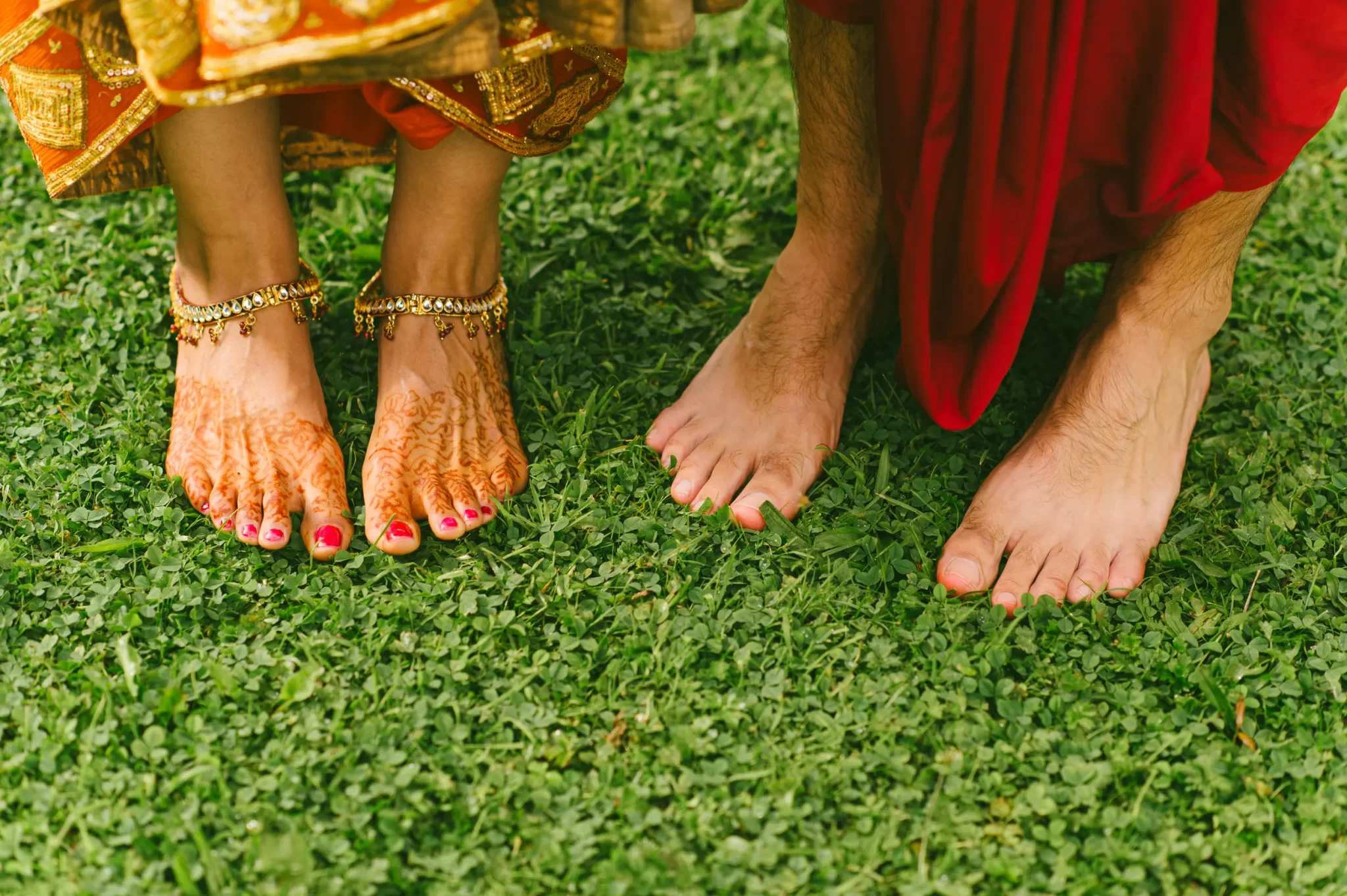
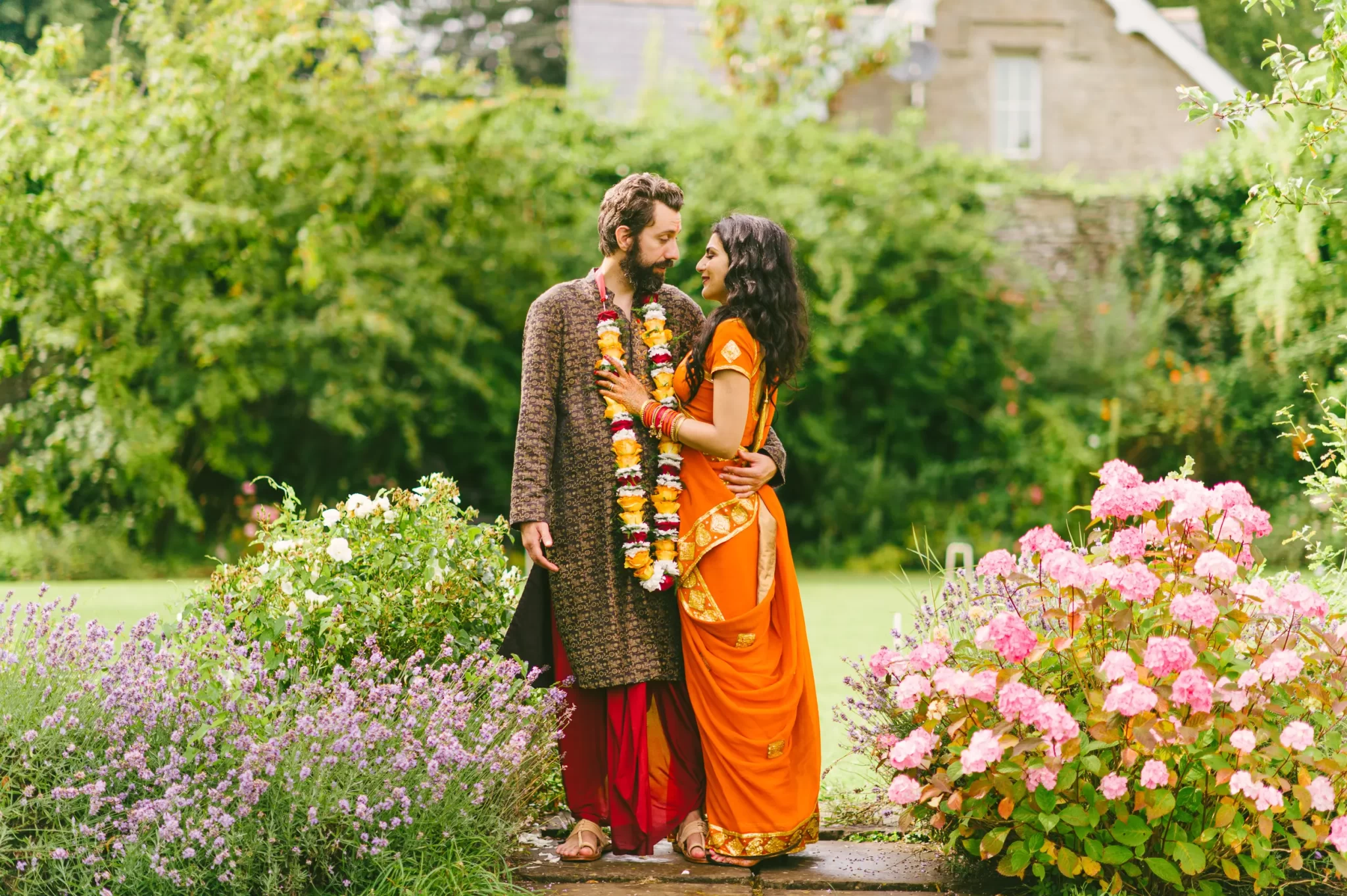
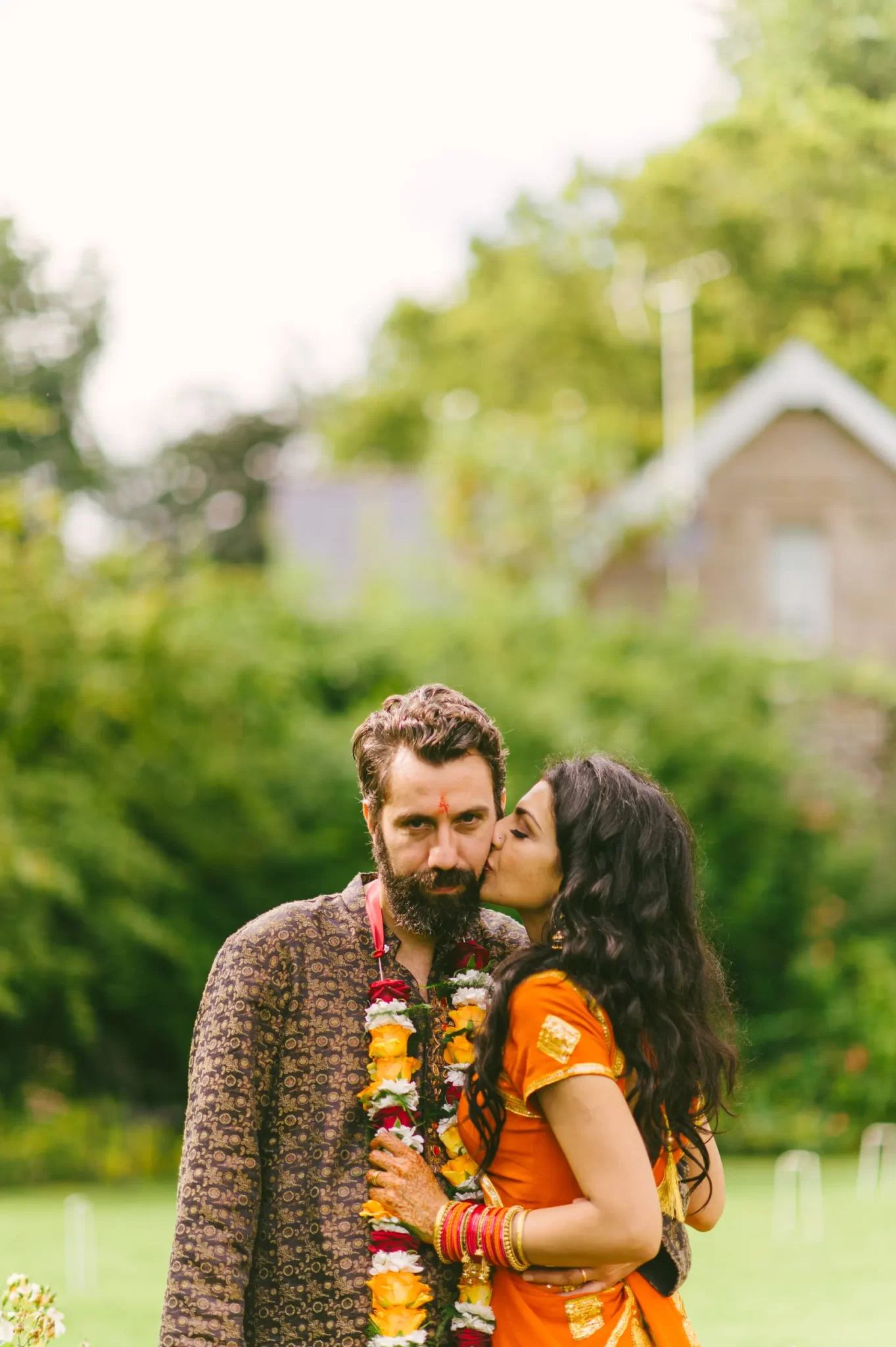
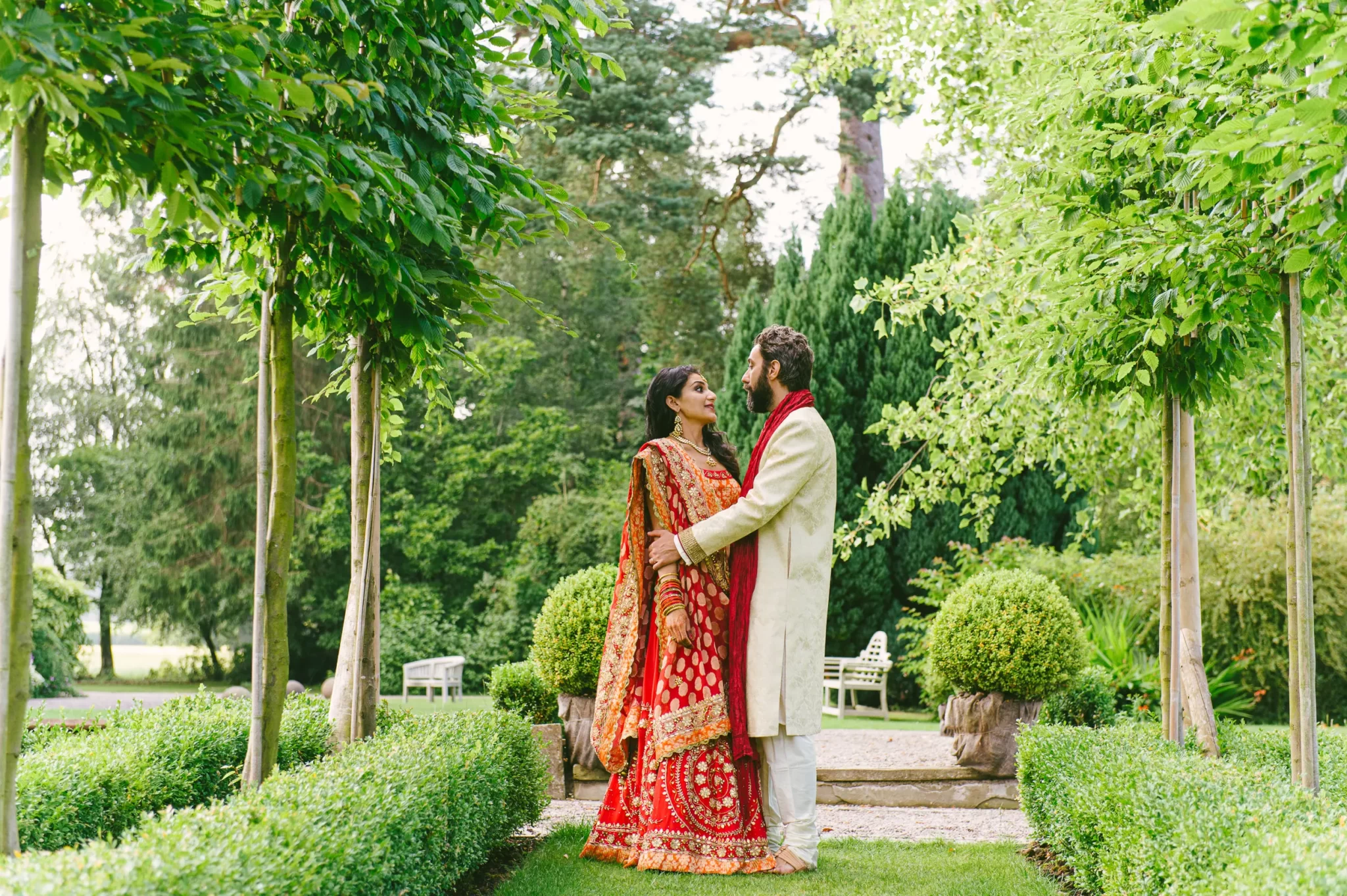
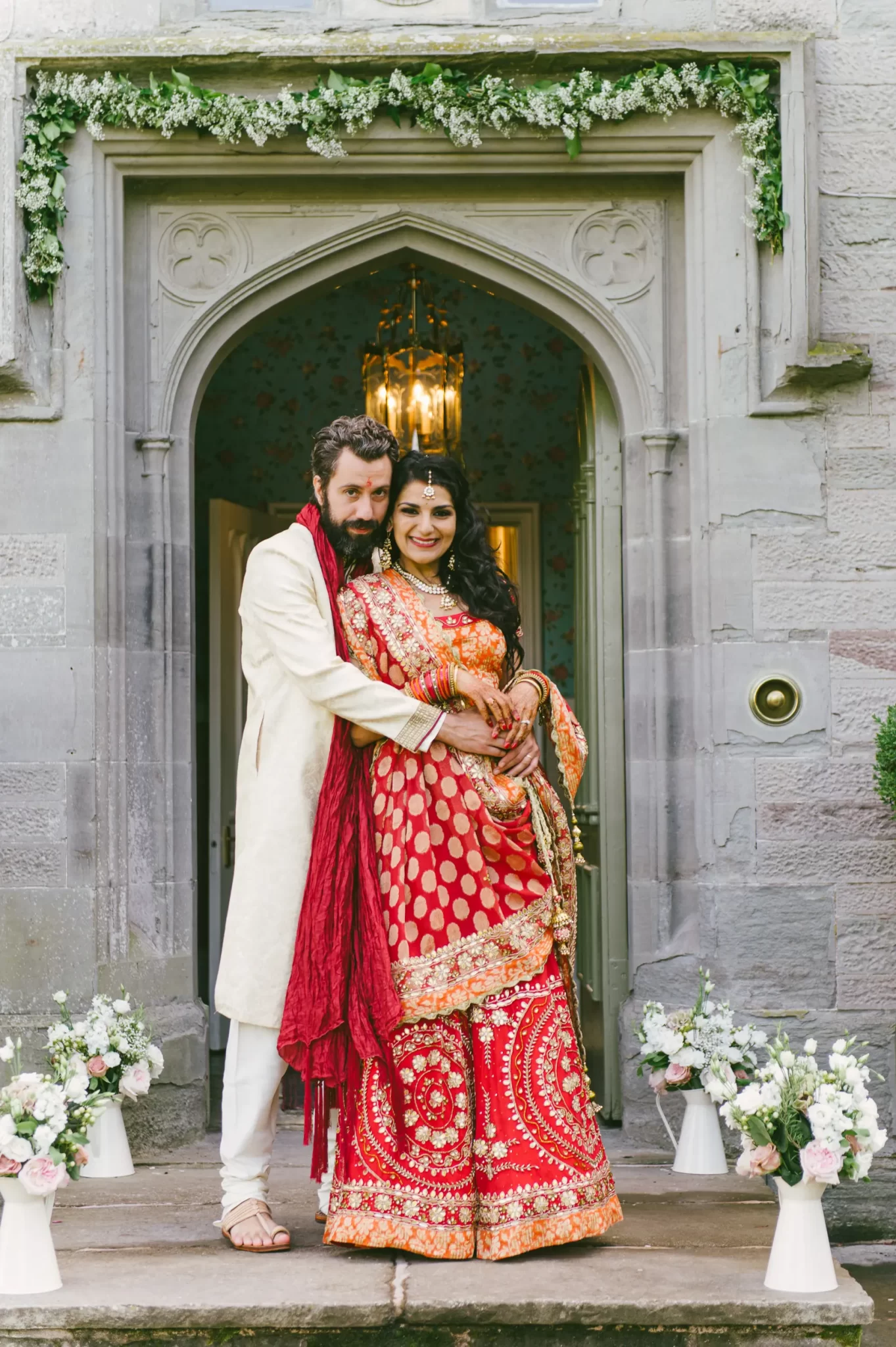
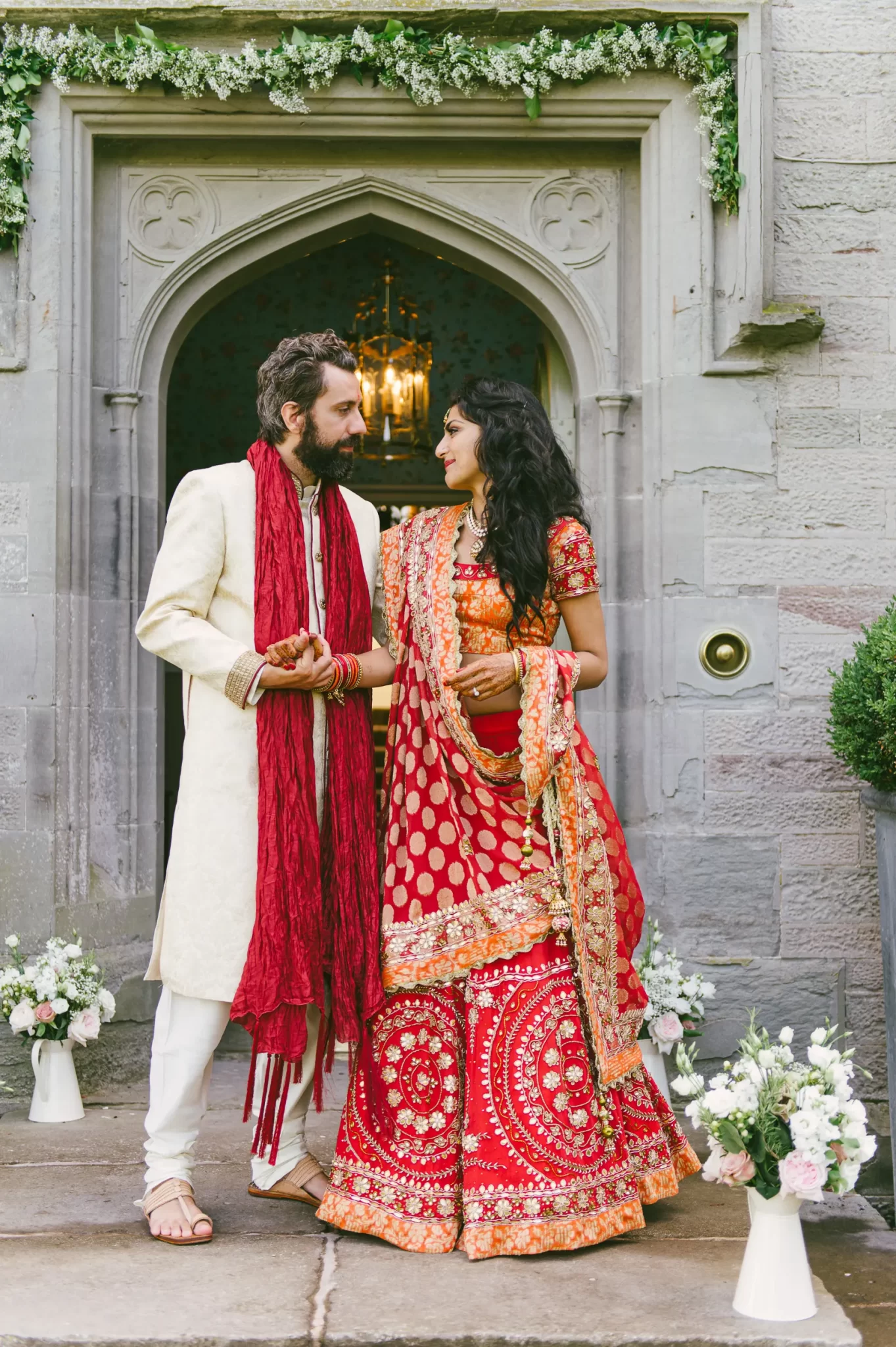
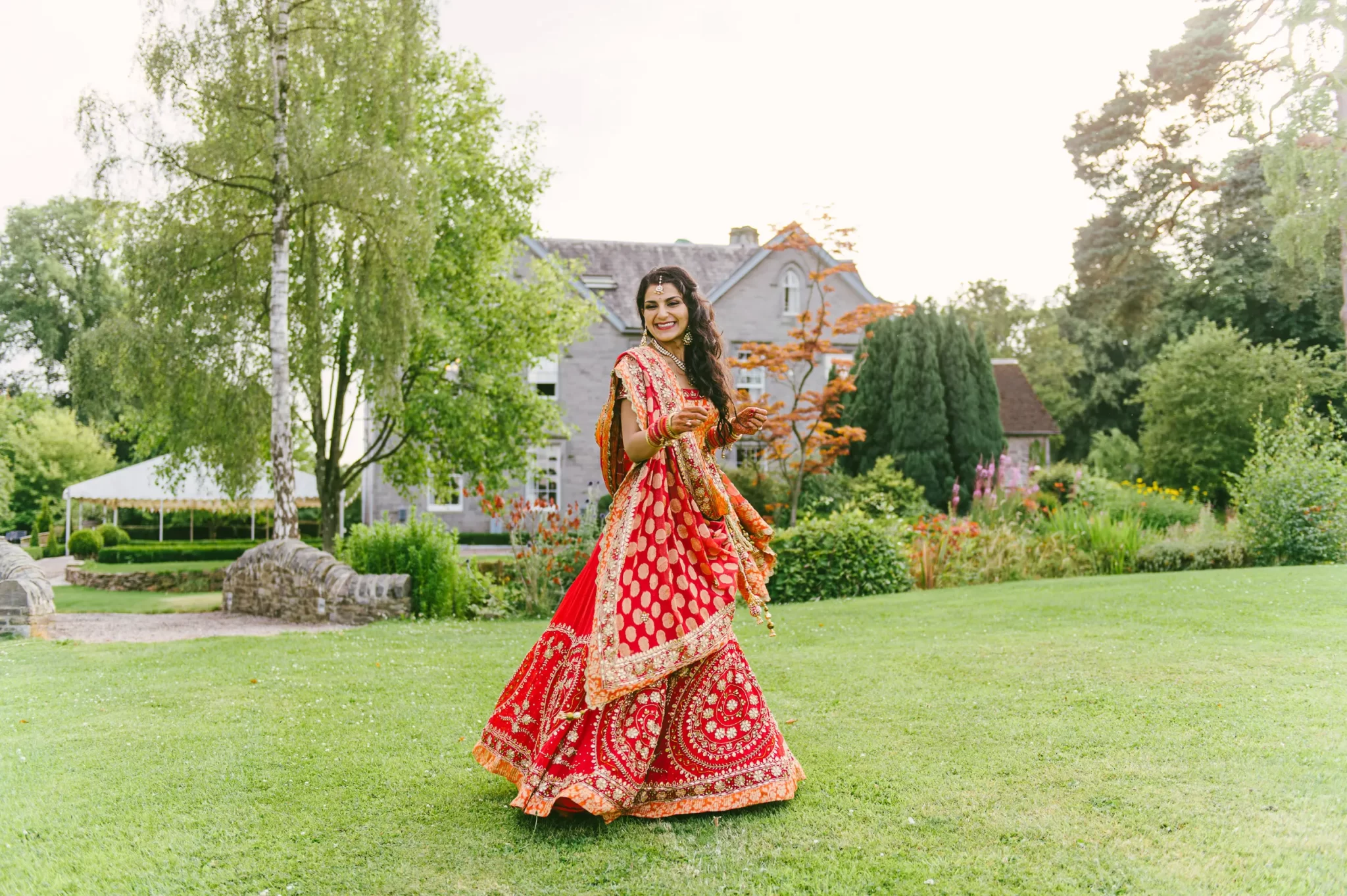
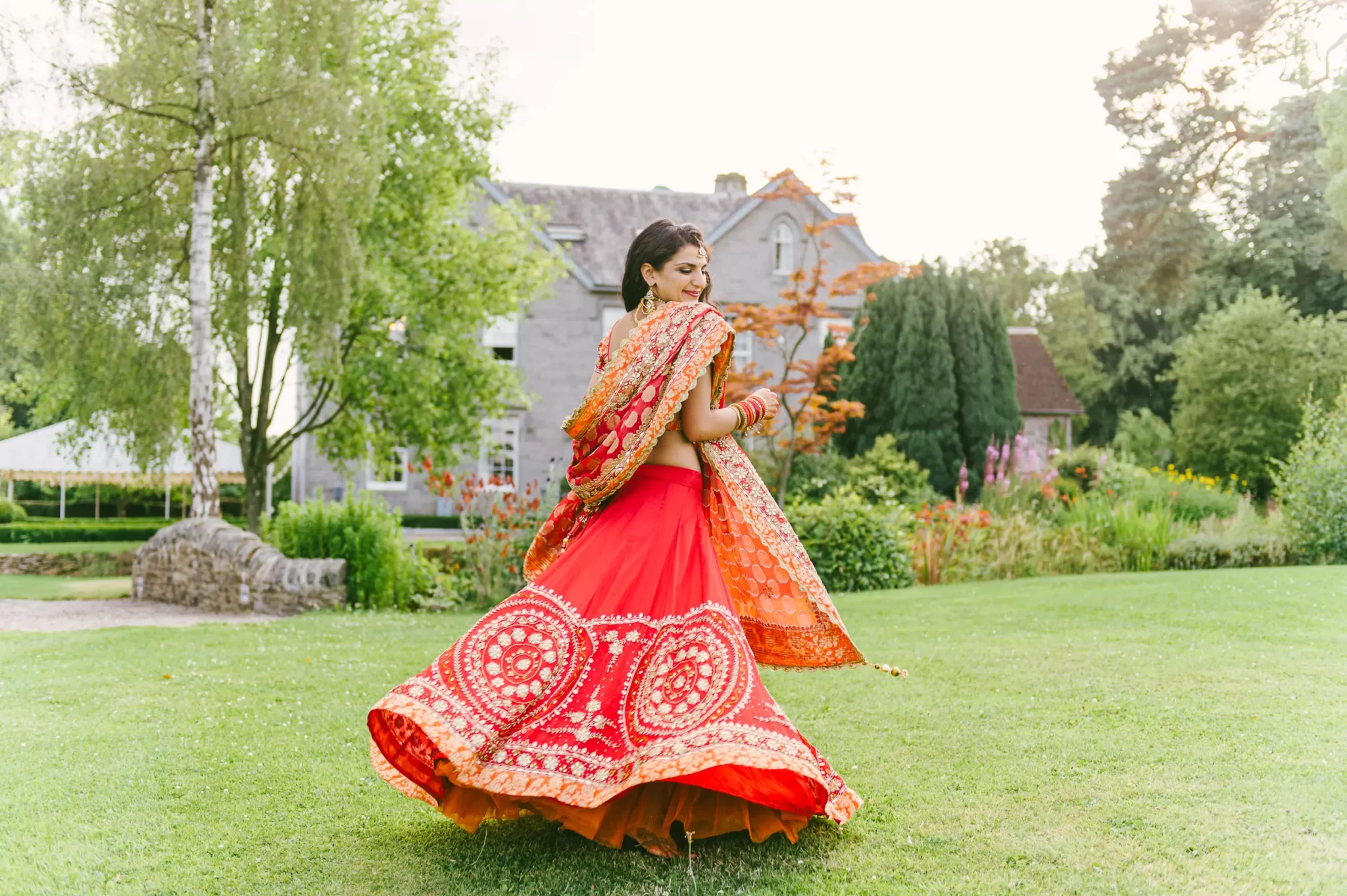
Hindu weddings carry strong colour through clothing, flowers, jewellery and ceremony design. I preserve that colour rather than toning the whole day toward a fashionable muted palette. Red and gold should still feel rich, skin tones should remain believable, and mixed artificial light should not push the files into exaggerated saturation.
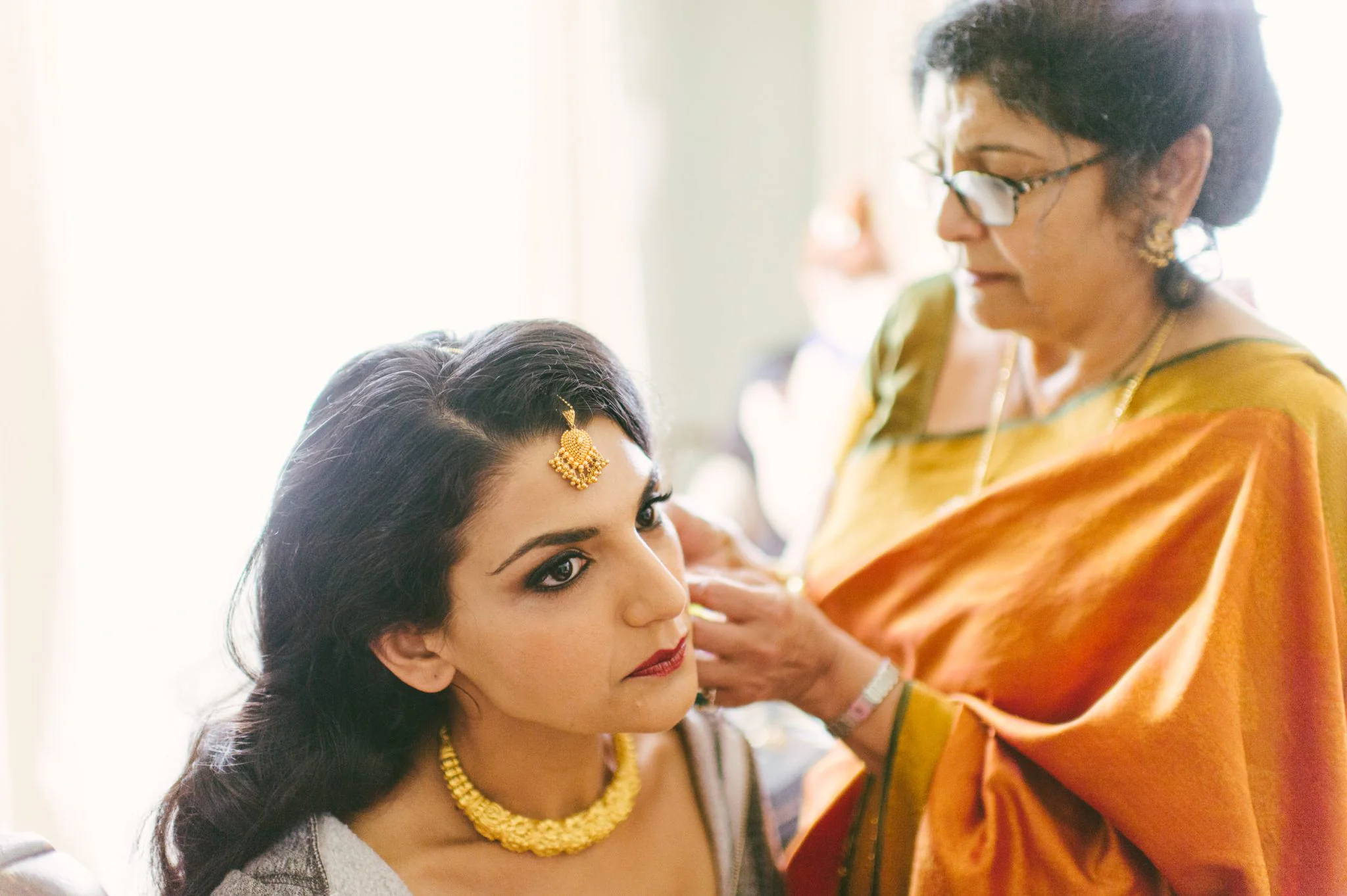
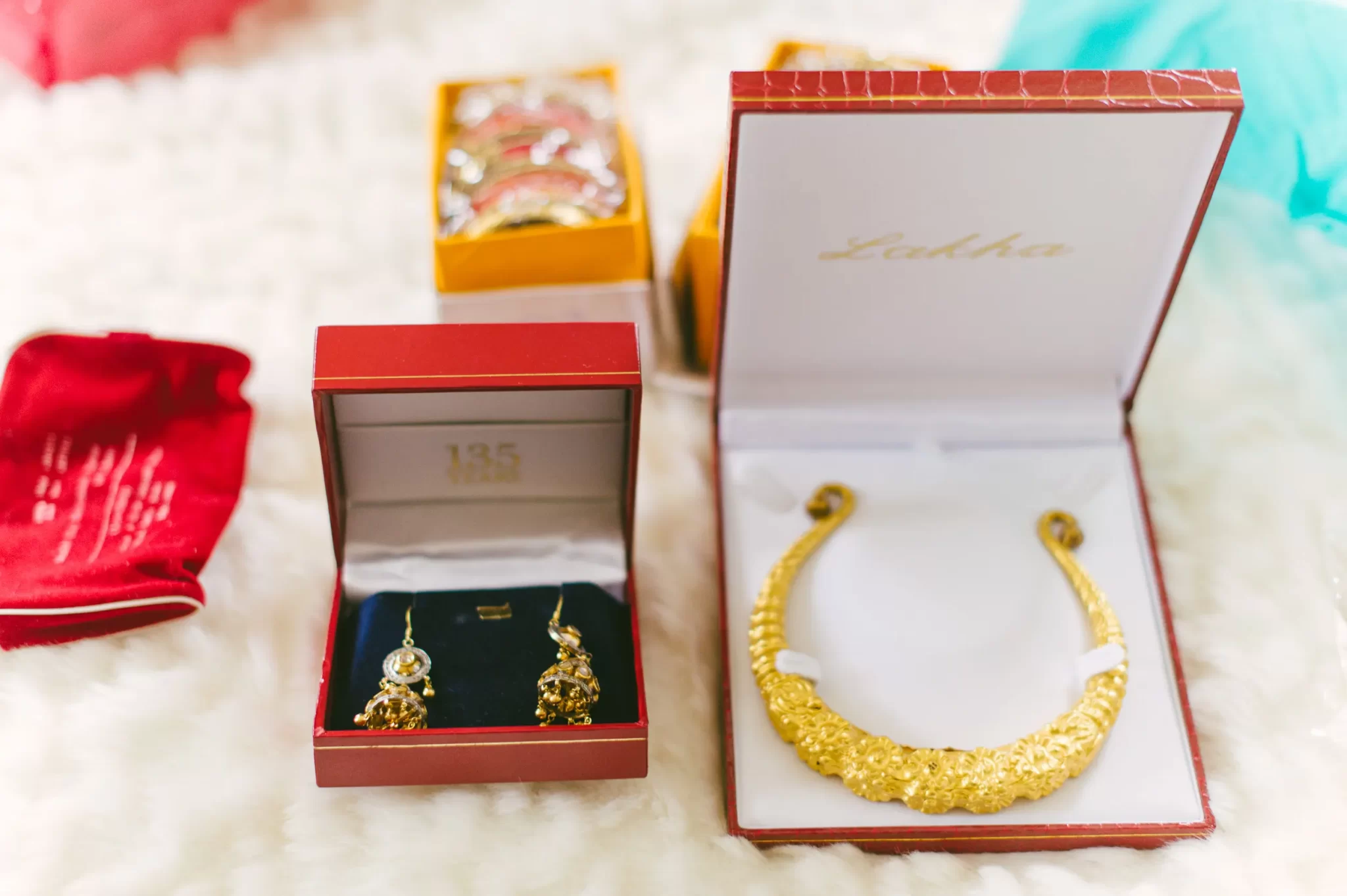
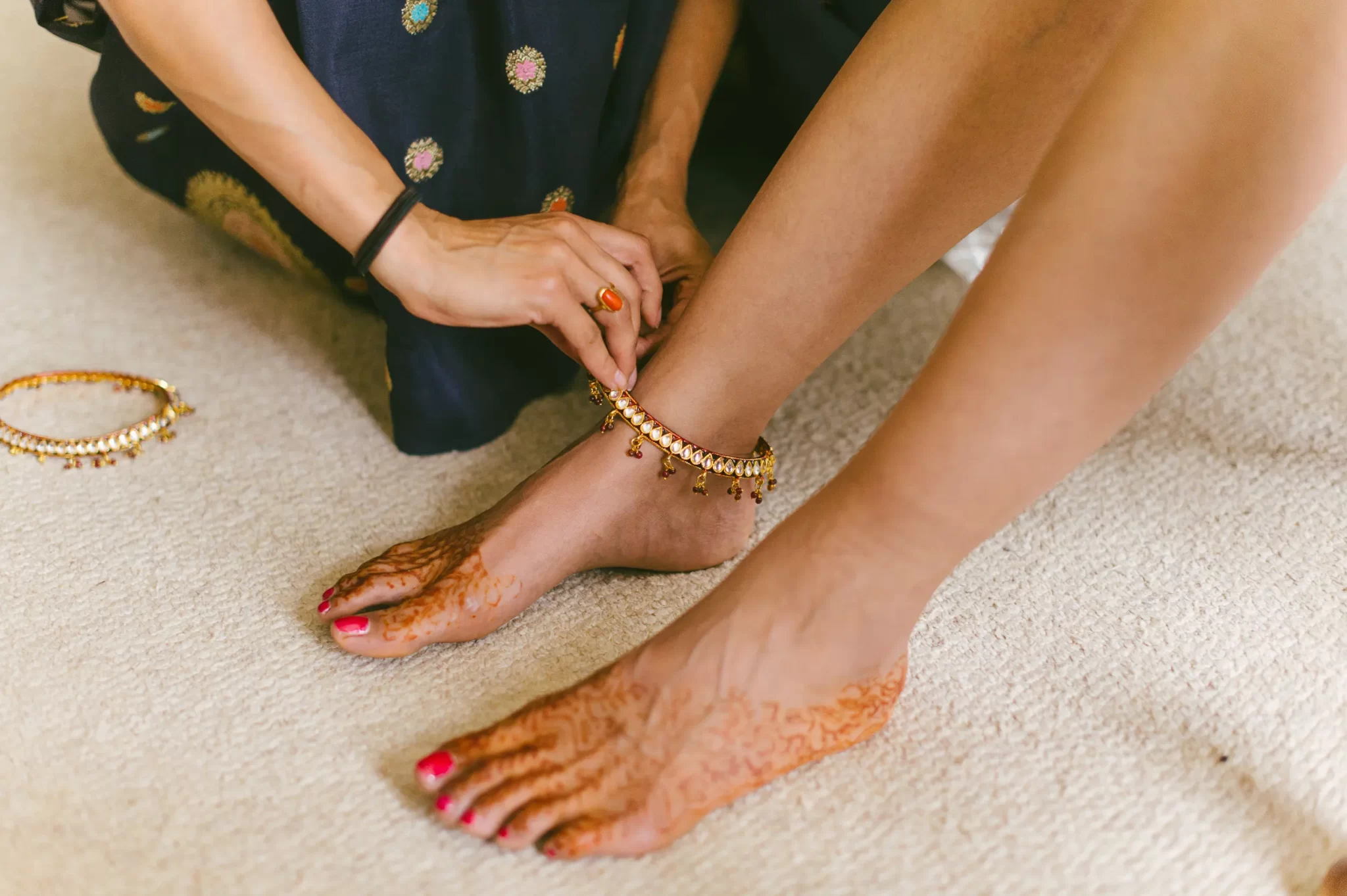
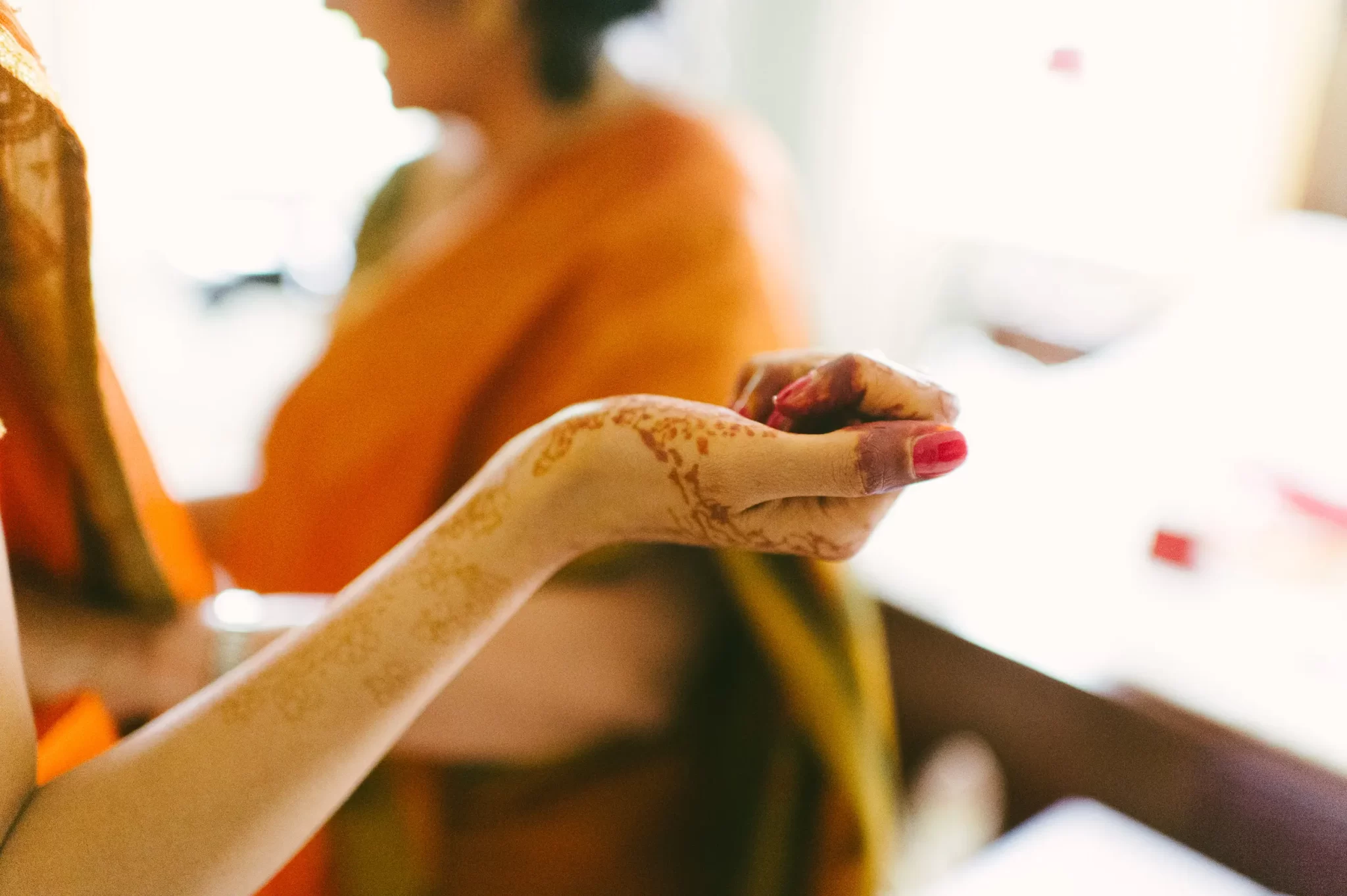
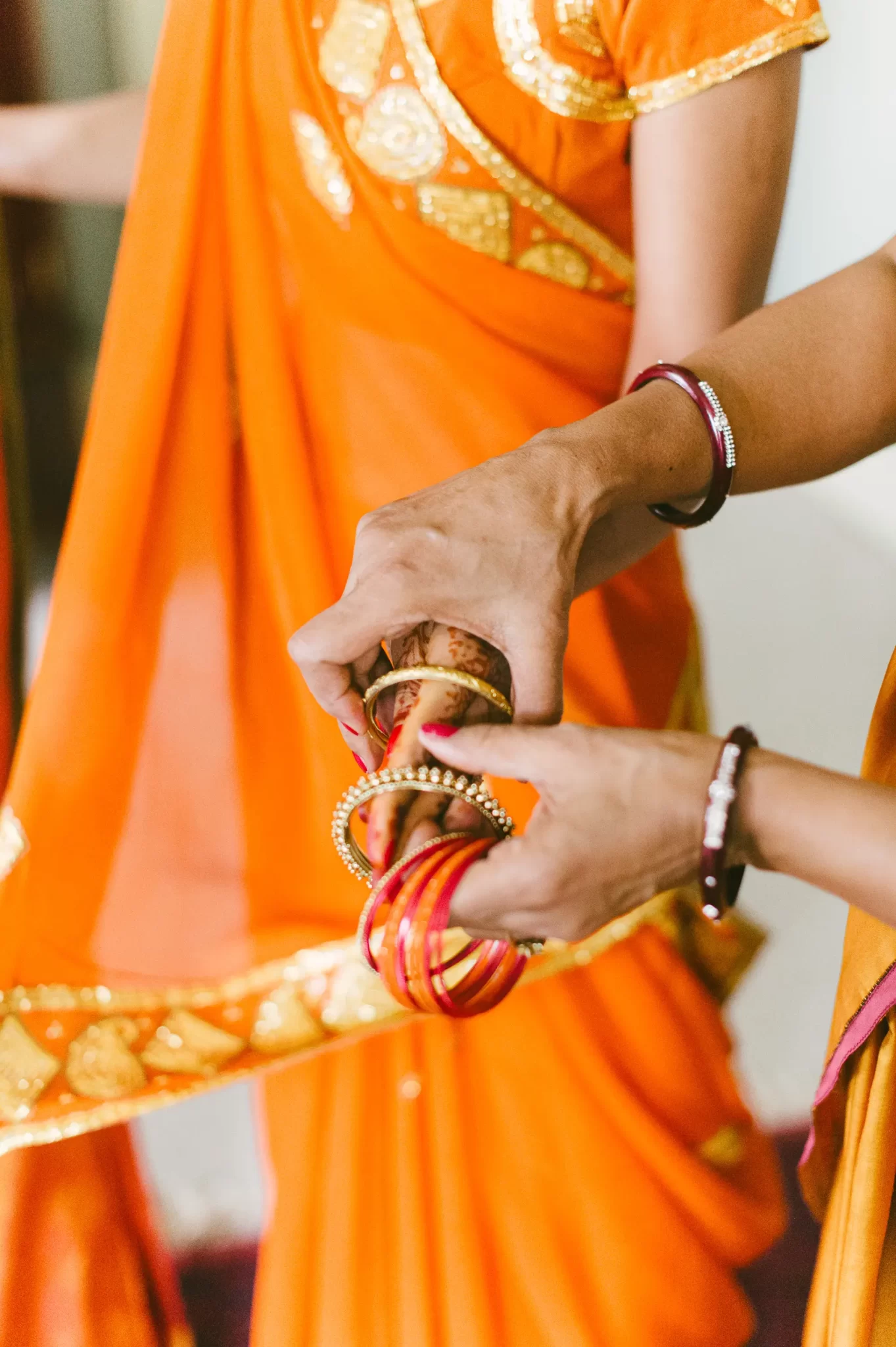
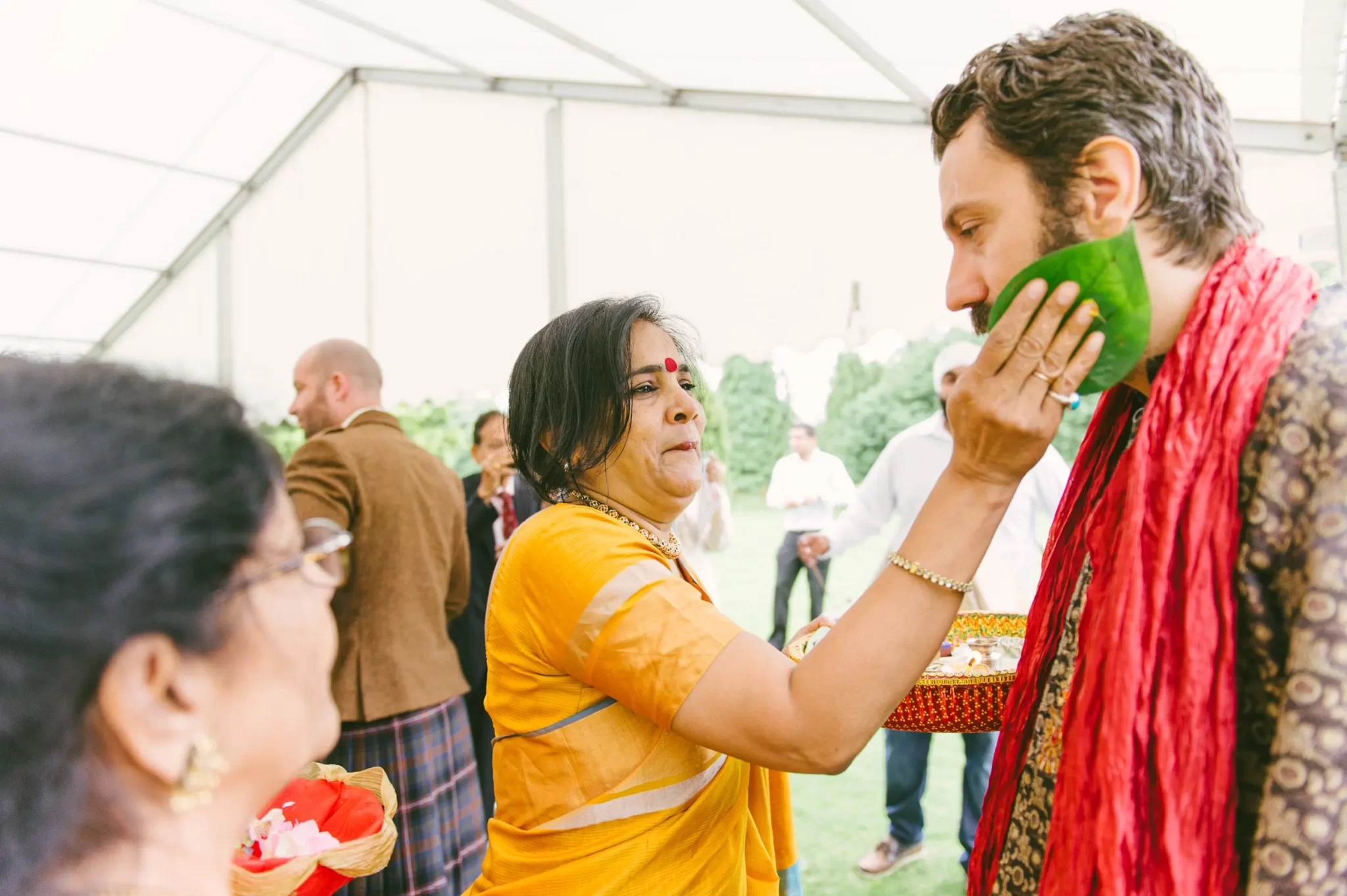
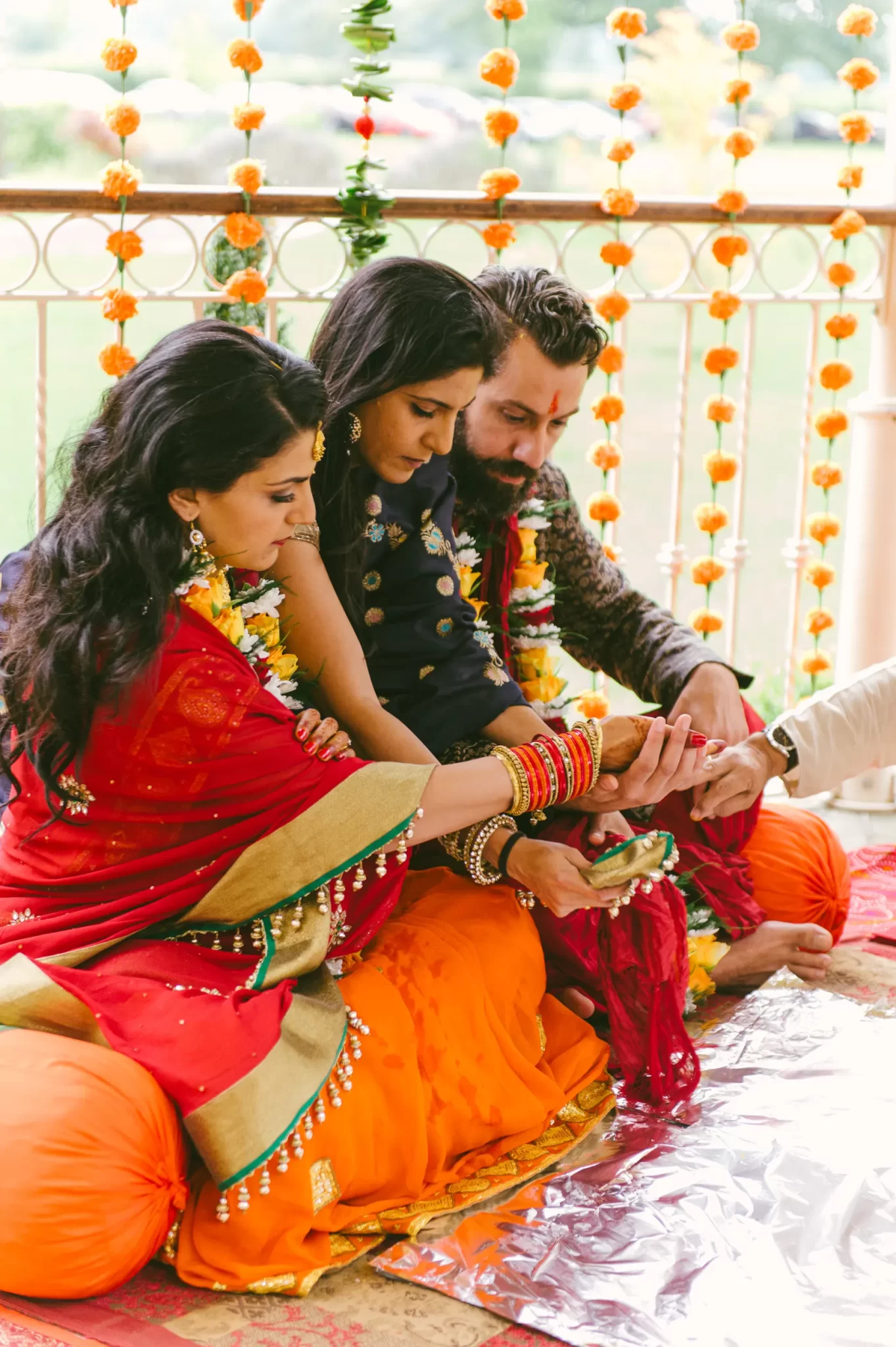
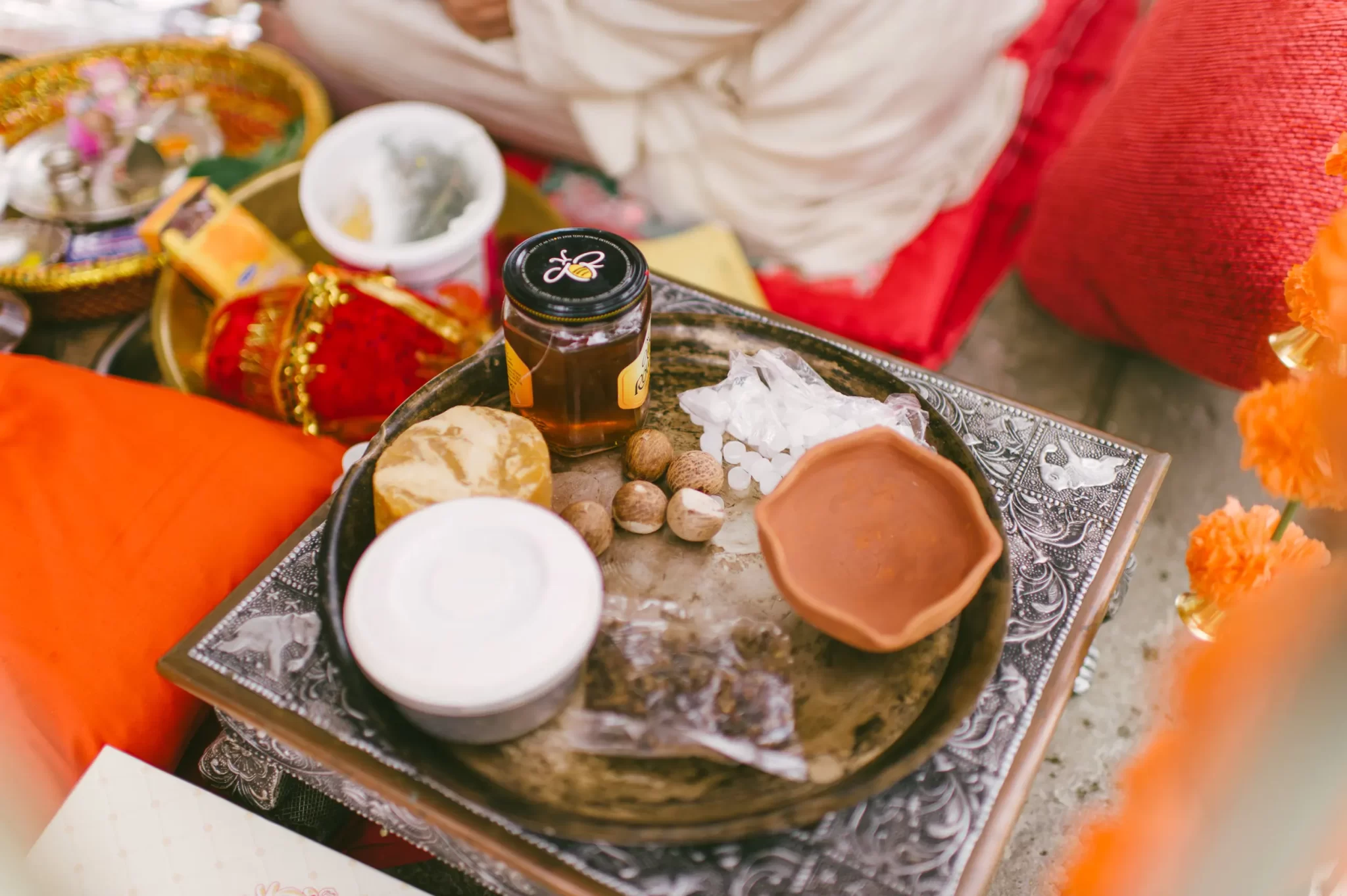
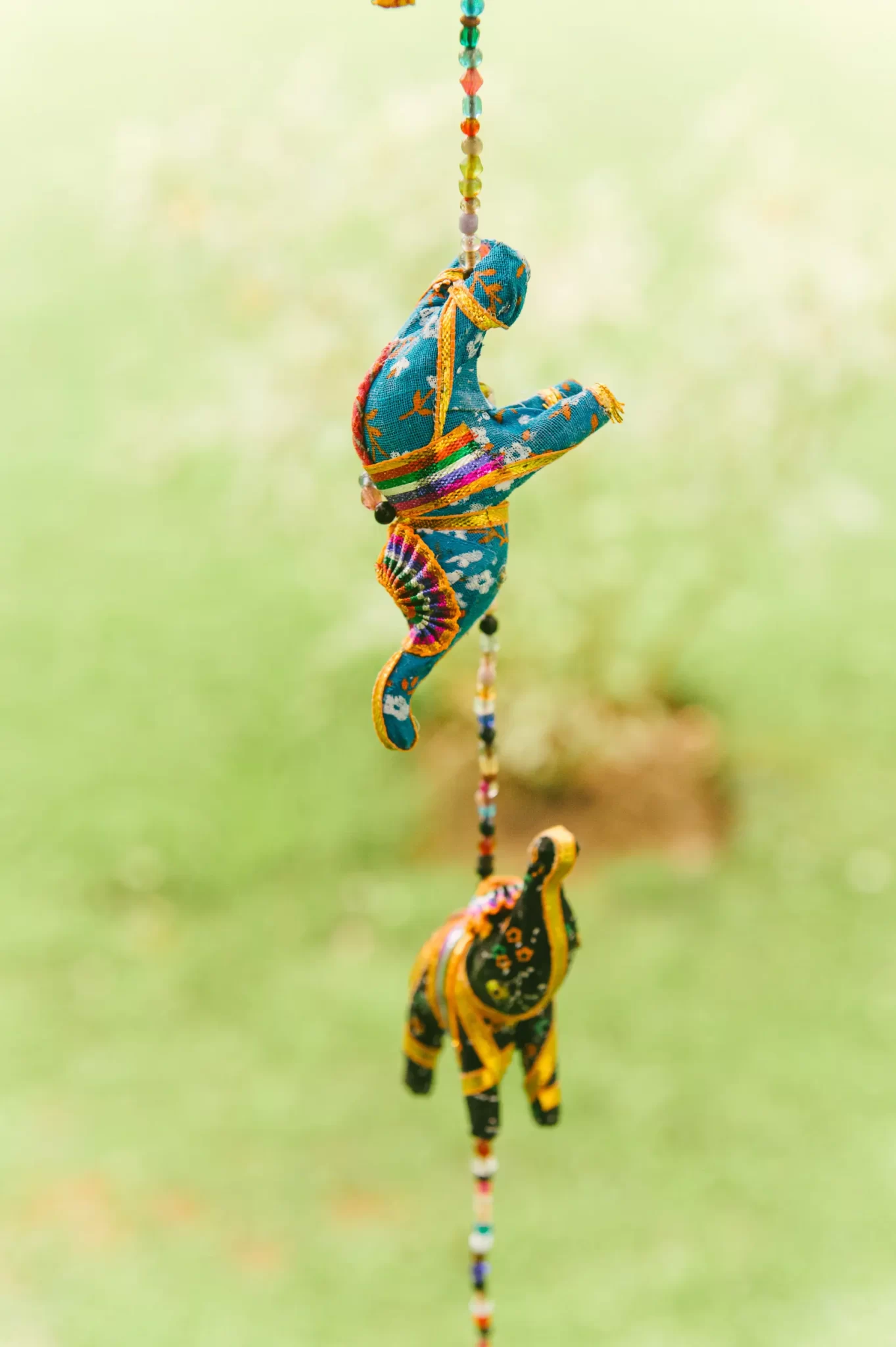
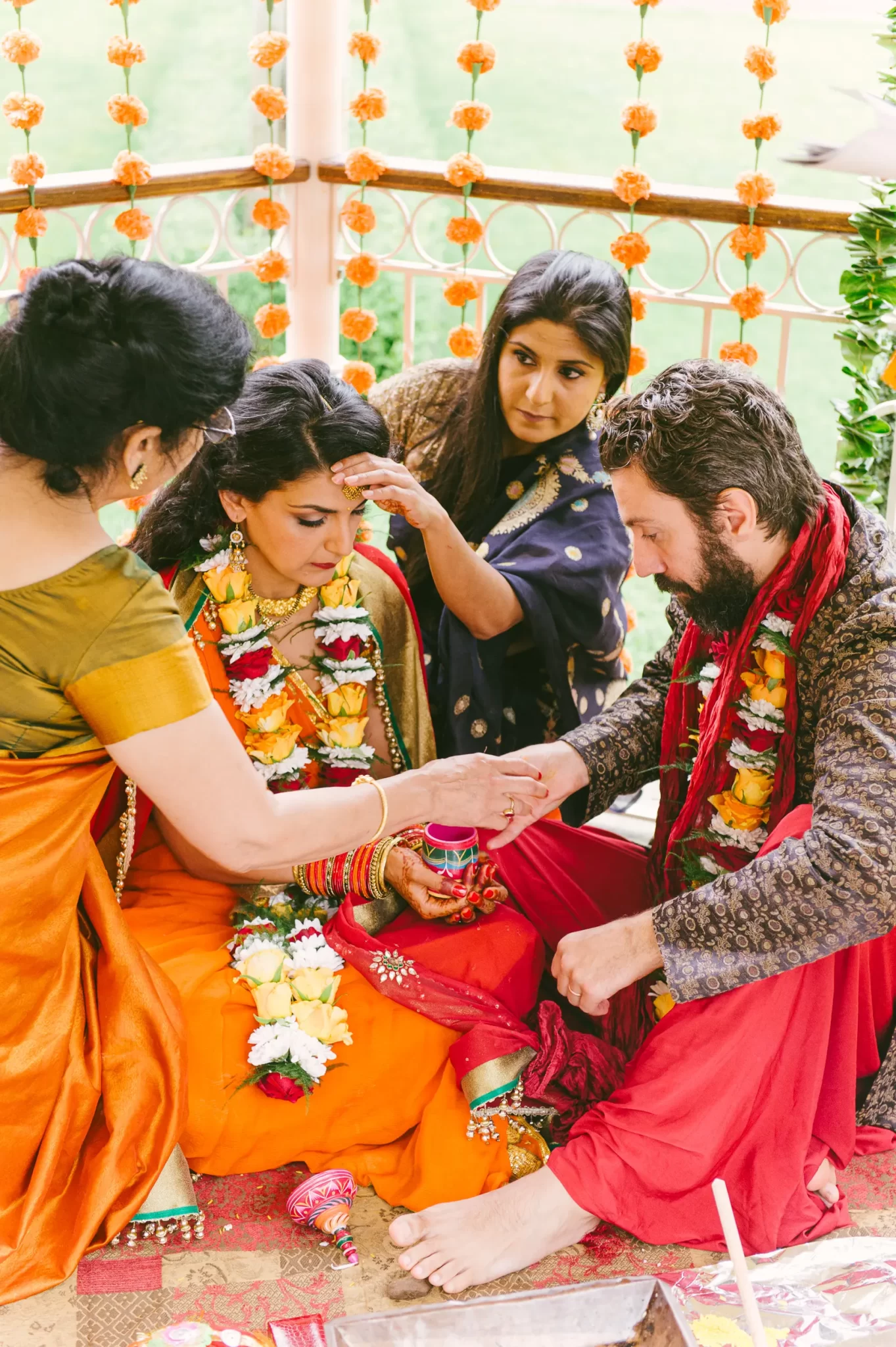
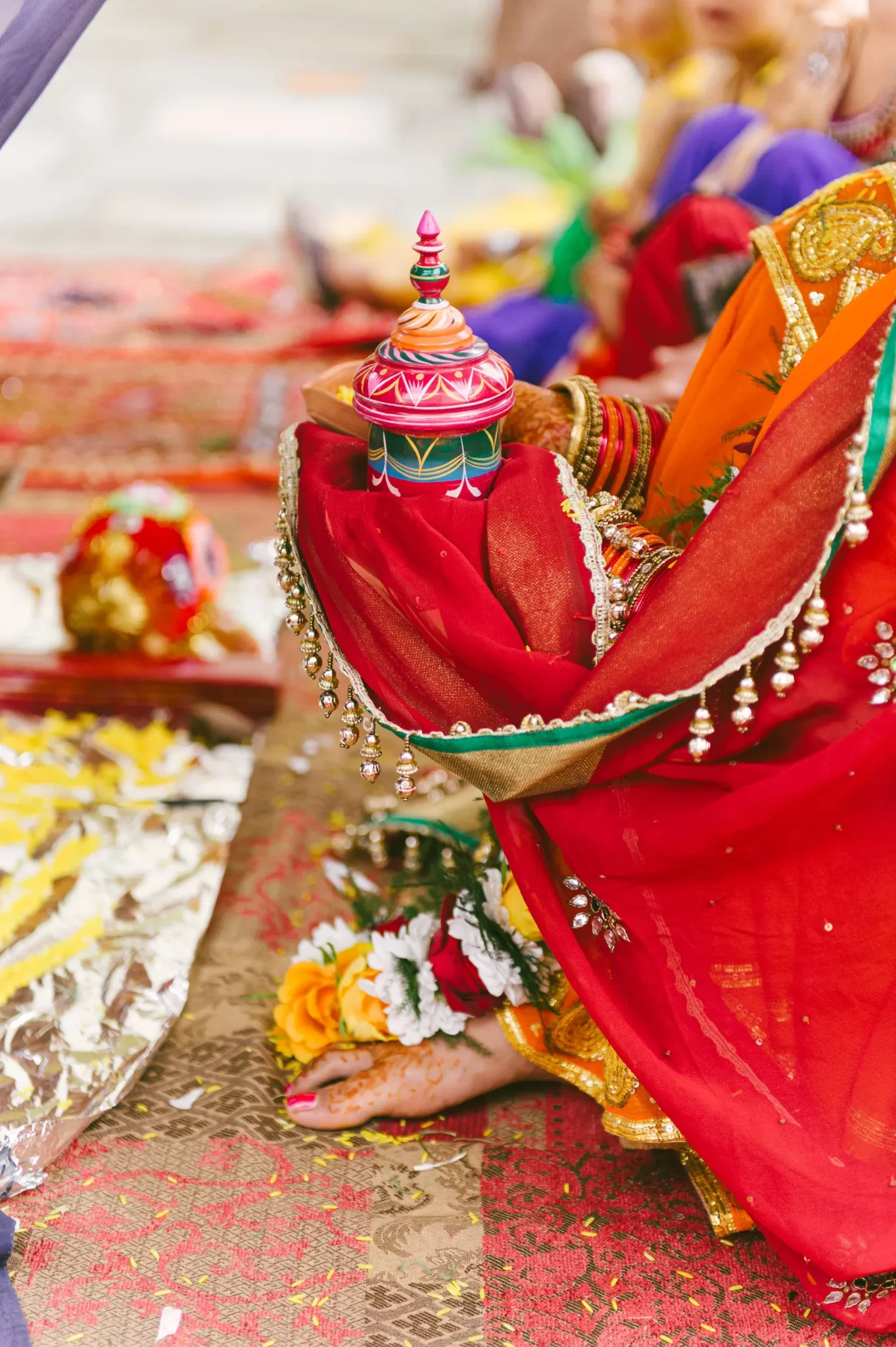
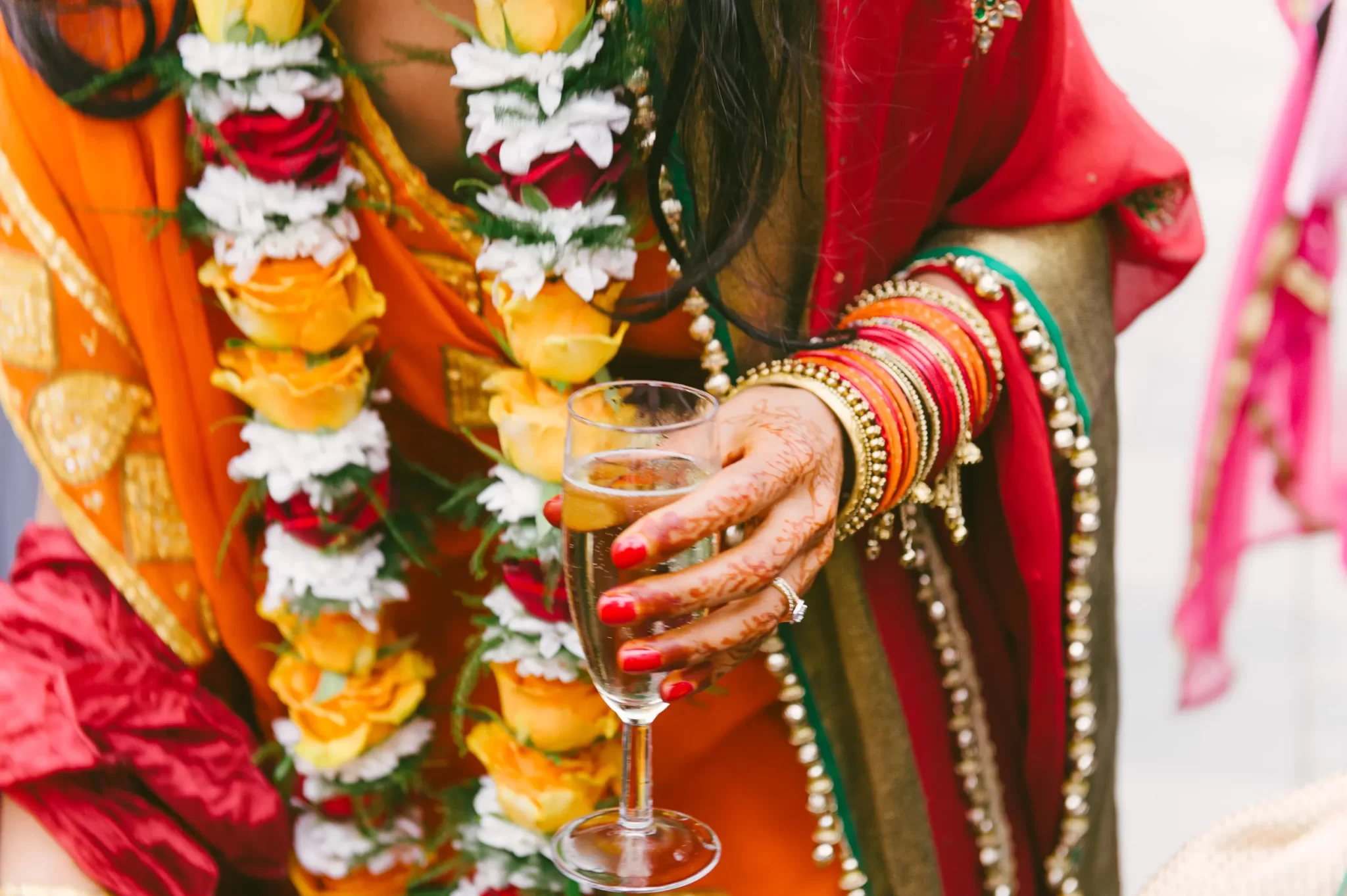
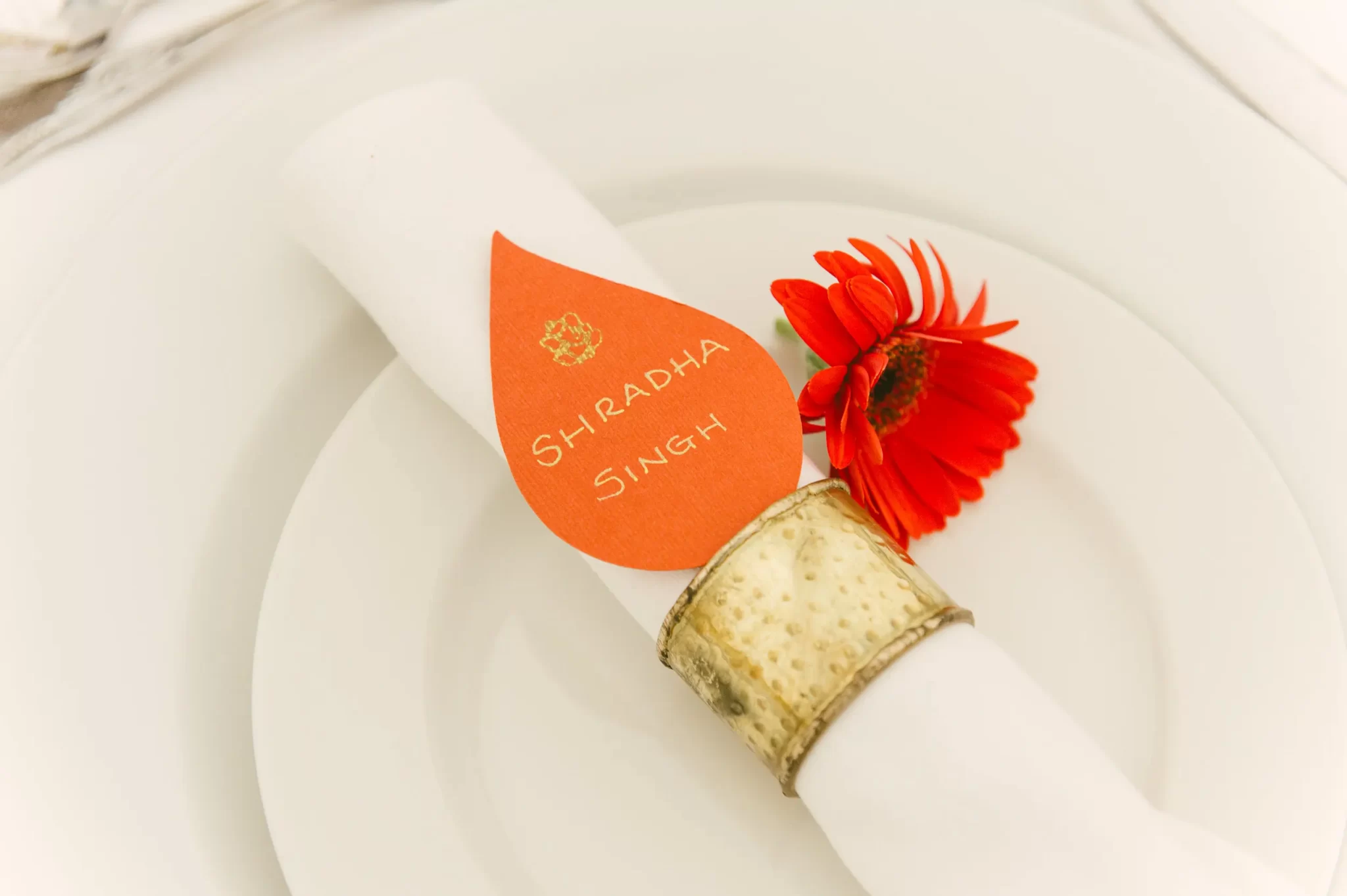
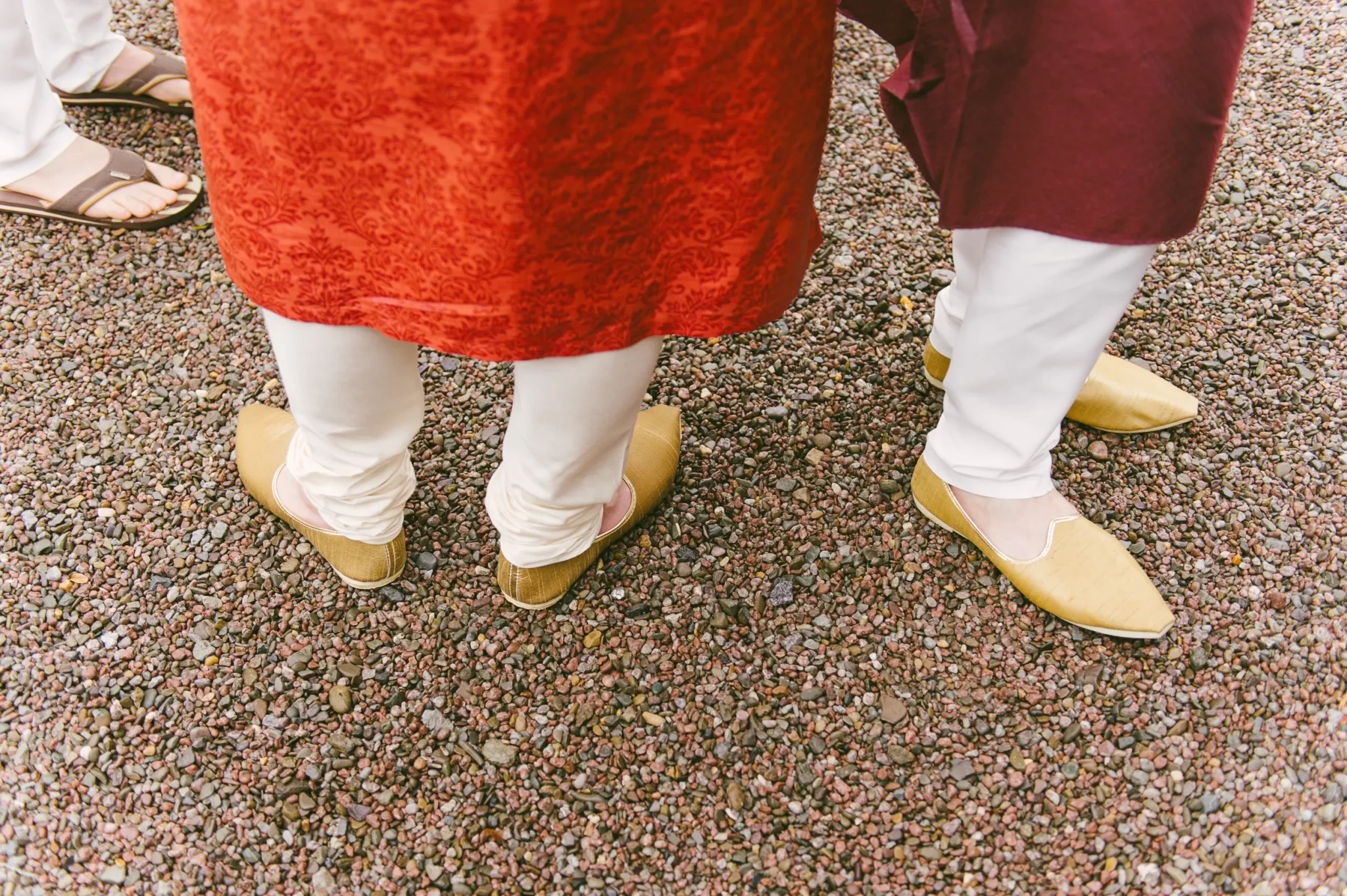
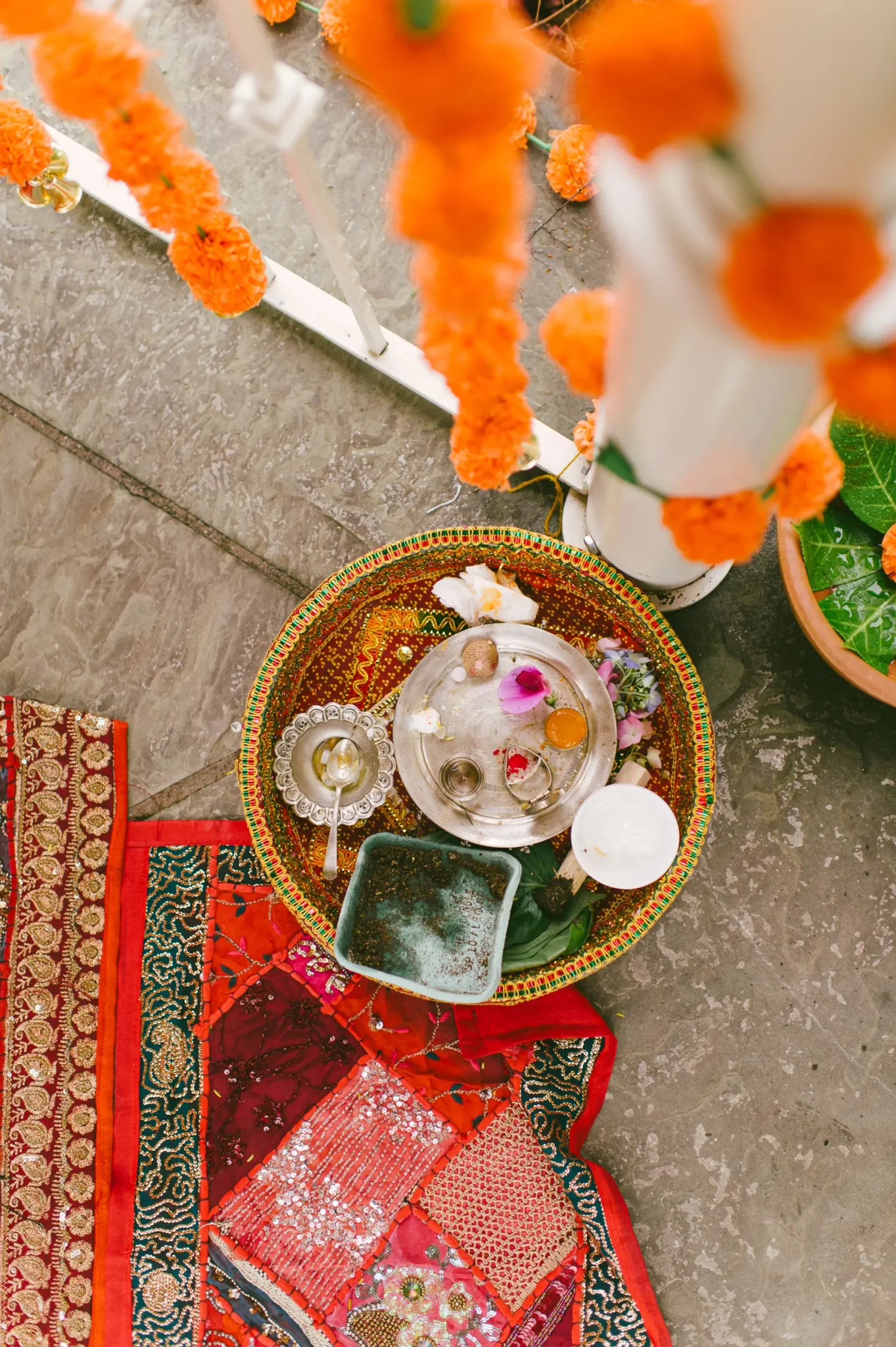
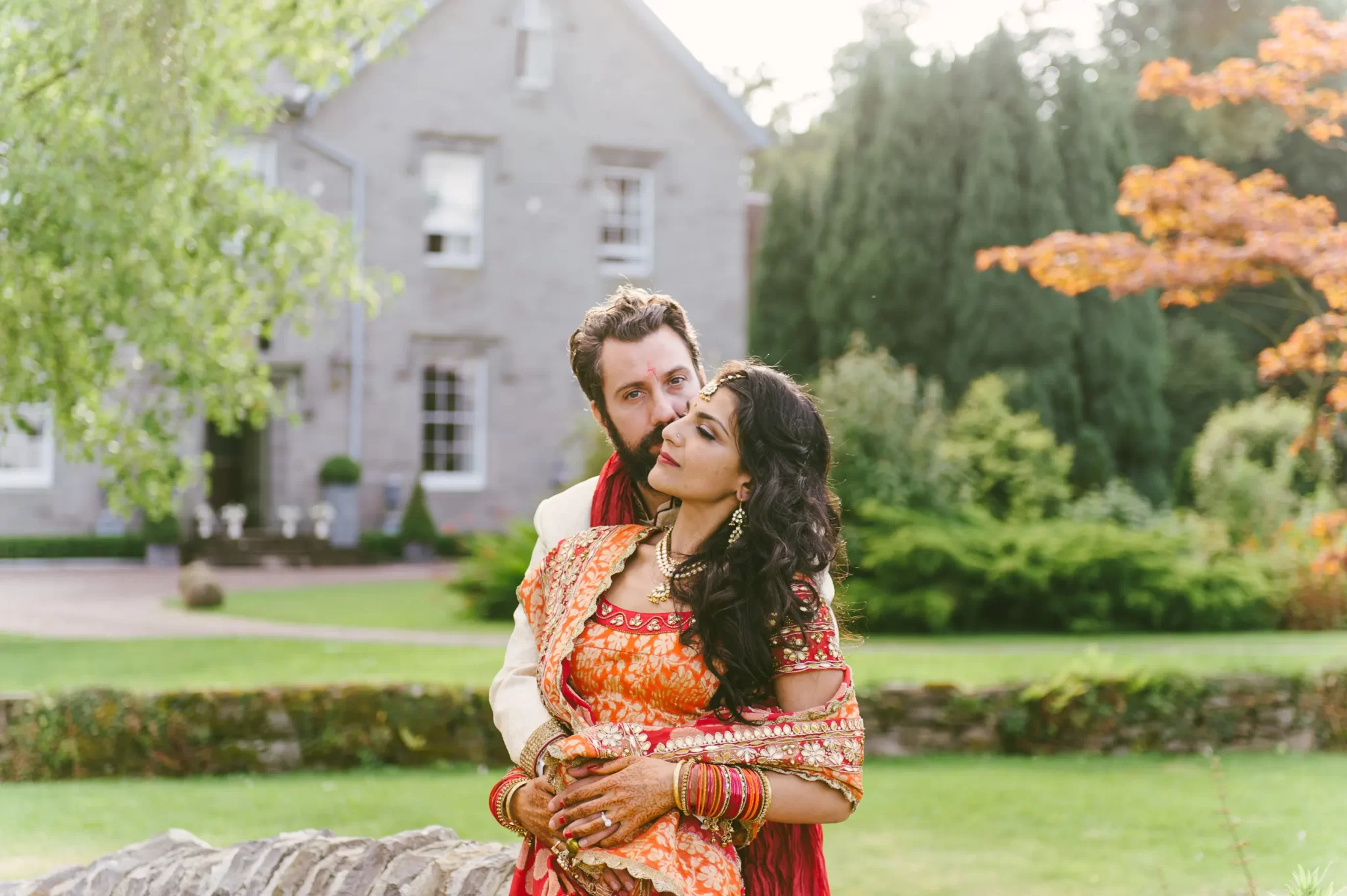
The same principle applies to details. Henna, jewellery and clothing are important, but I prefer to photograph them both close and in use. A hand detail is more meaningful when the next frame shows the same hands during the ceremony or with family, because the gallery then connects decoration to action.
04
Family involvement and moments between rituals
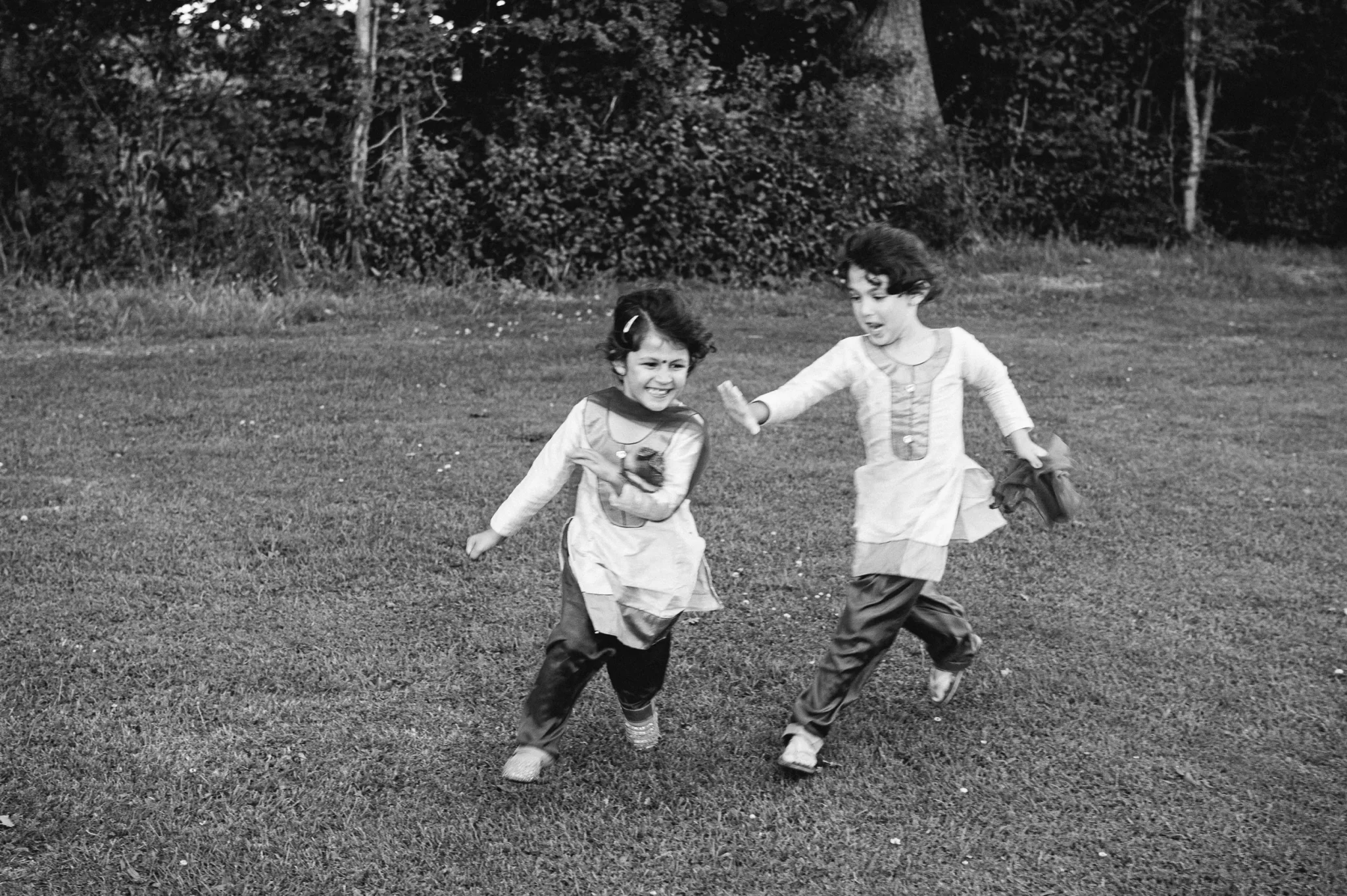
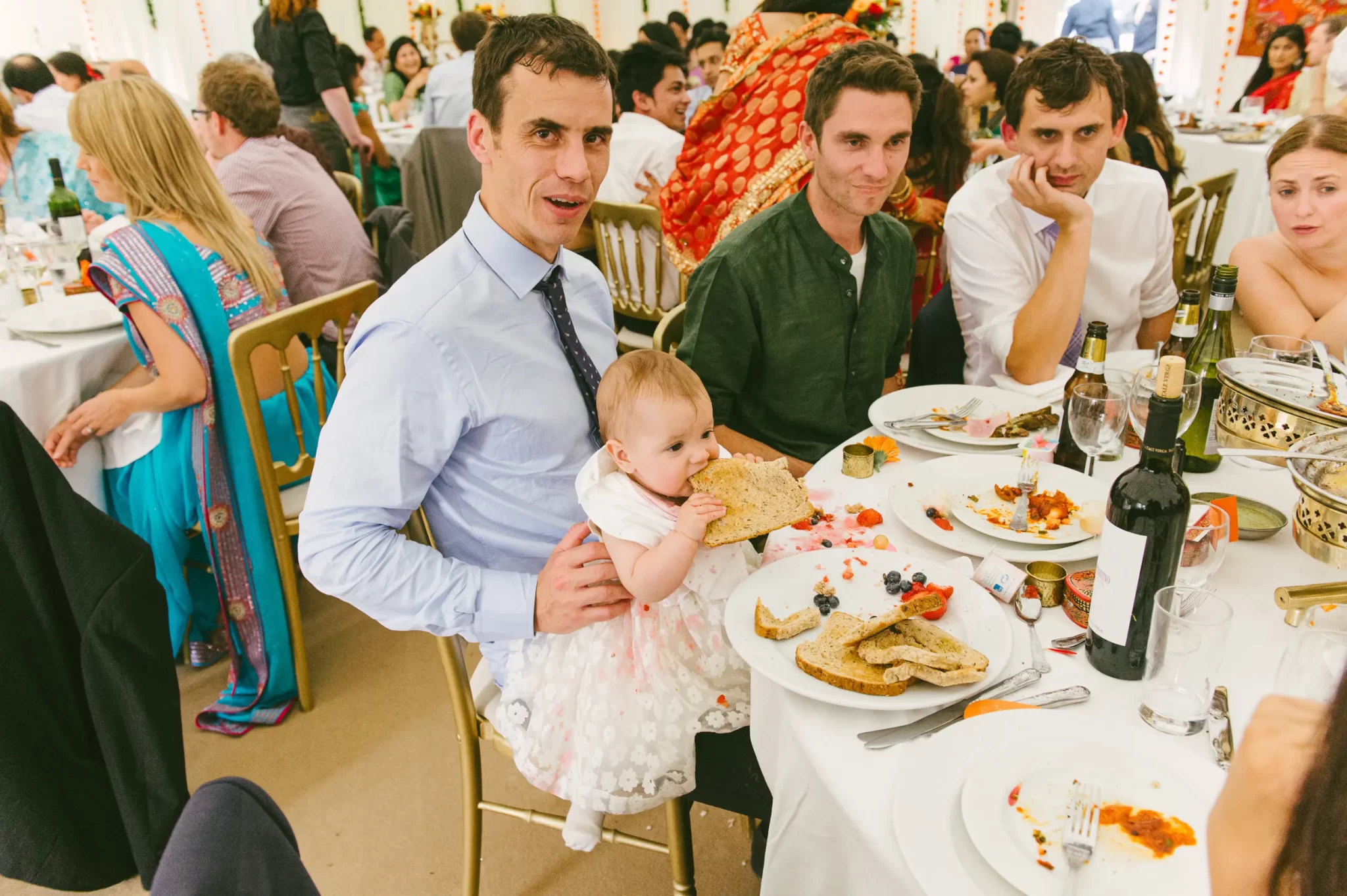
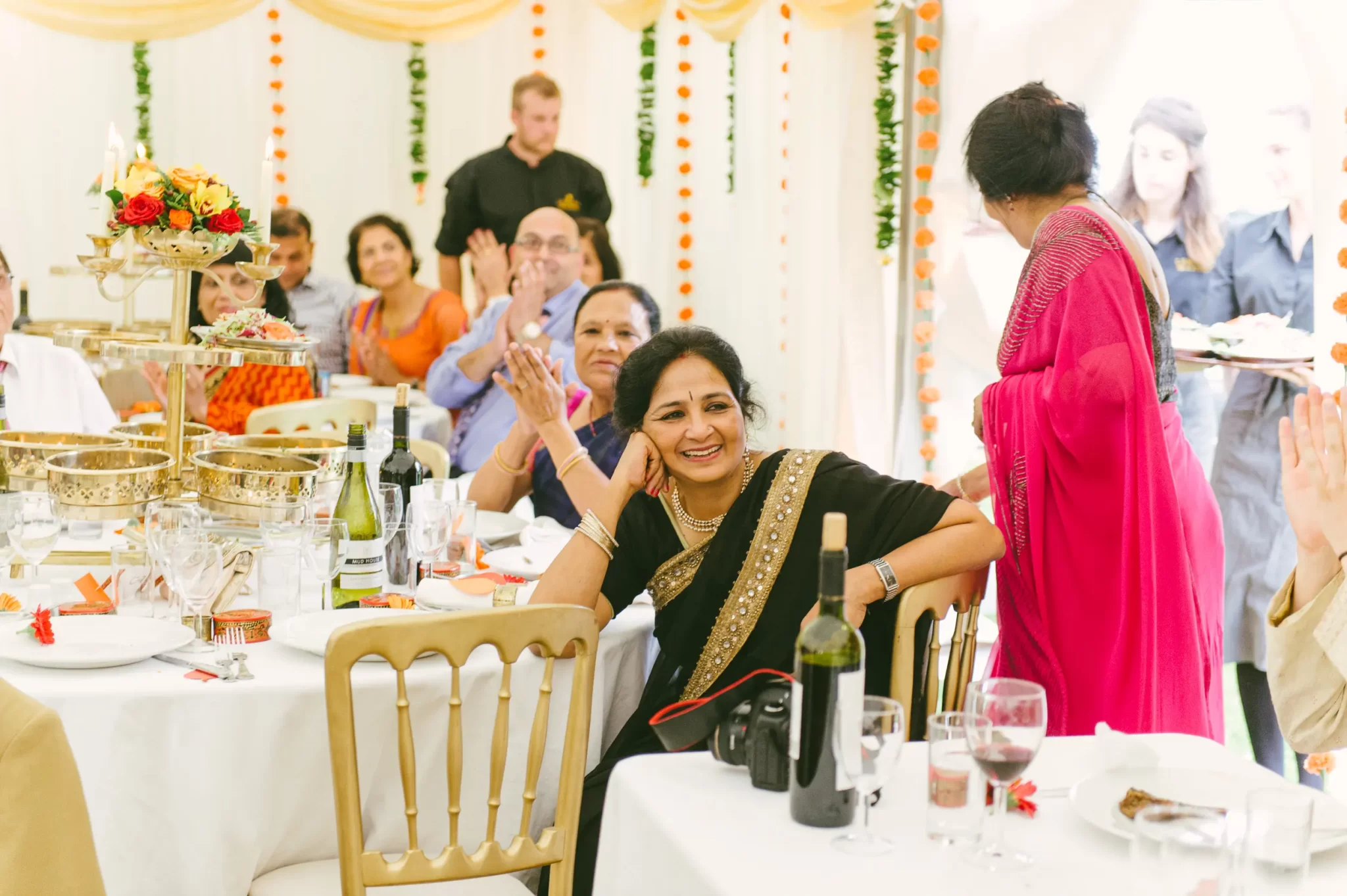
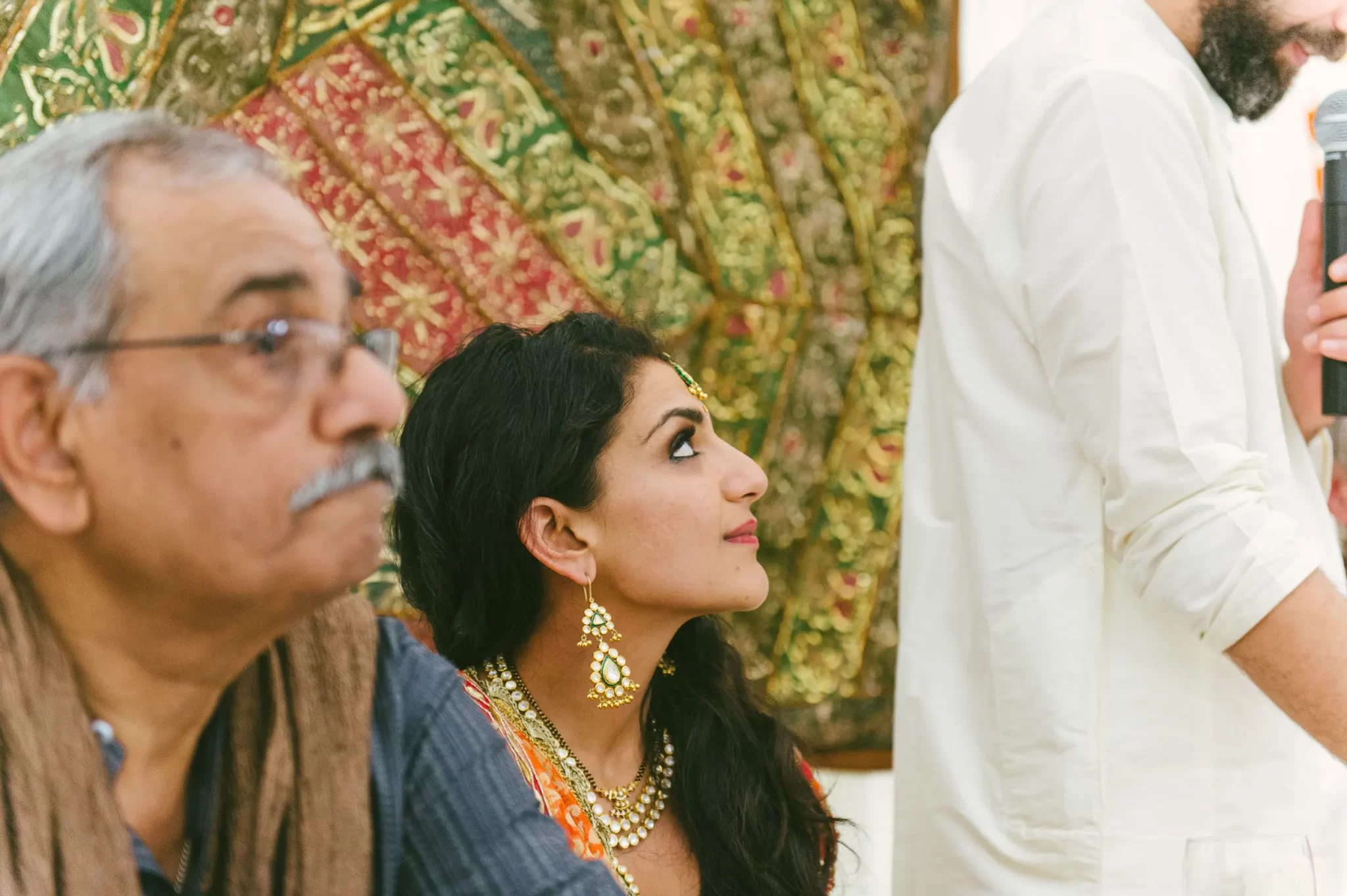
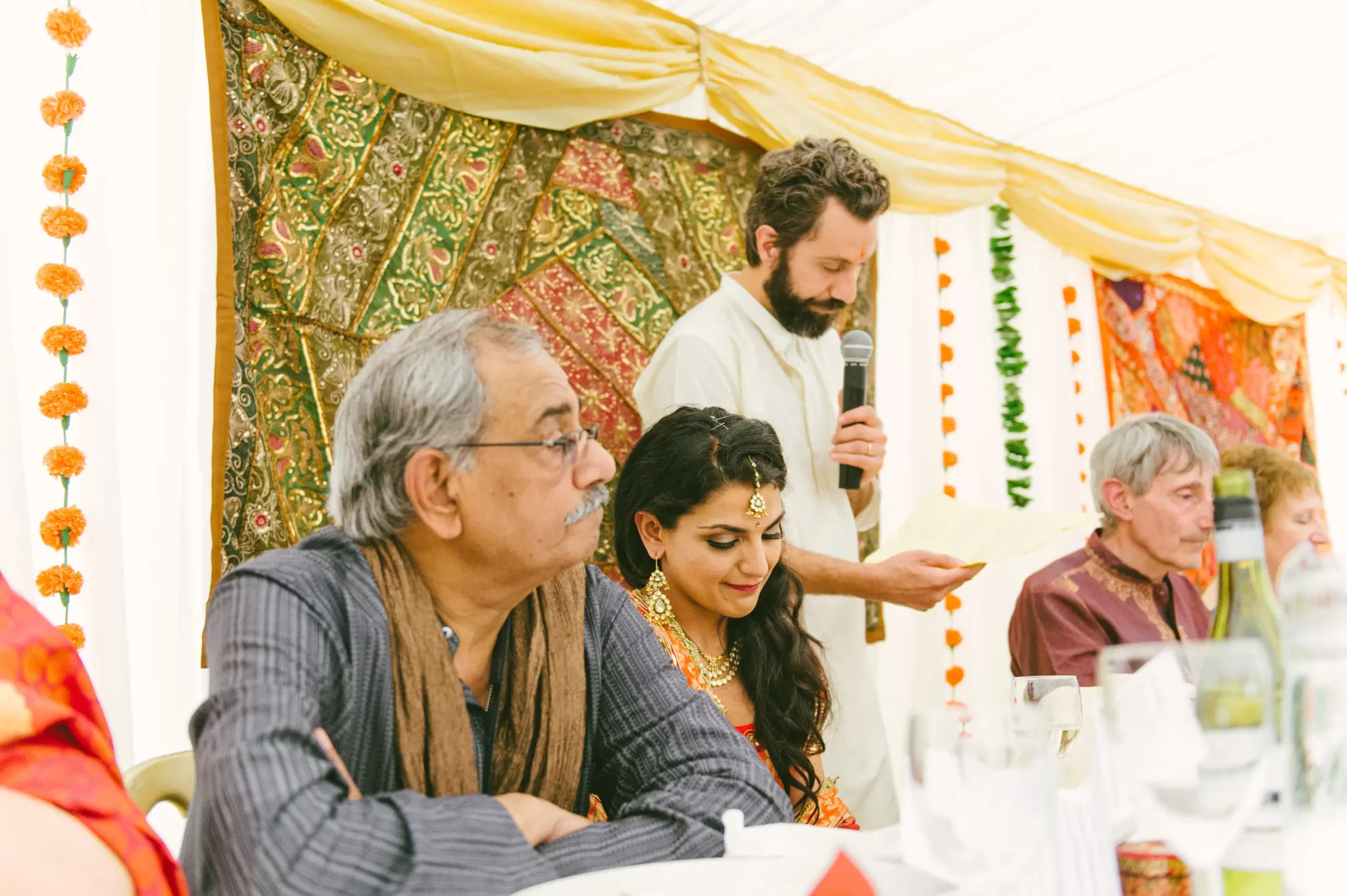
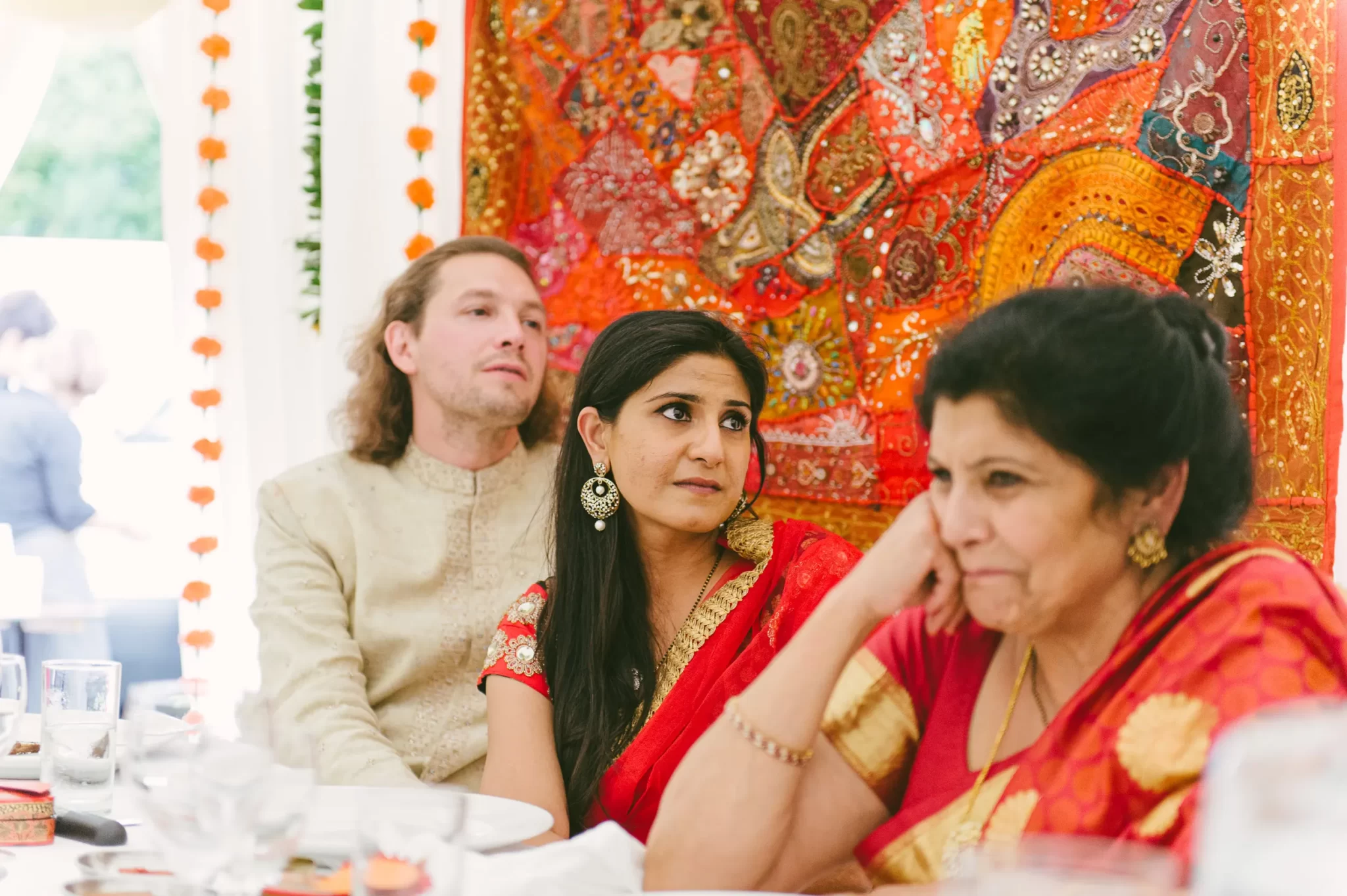
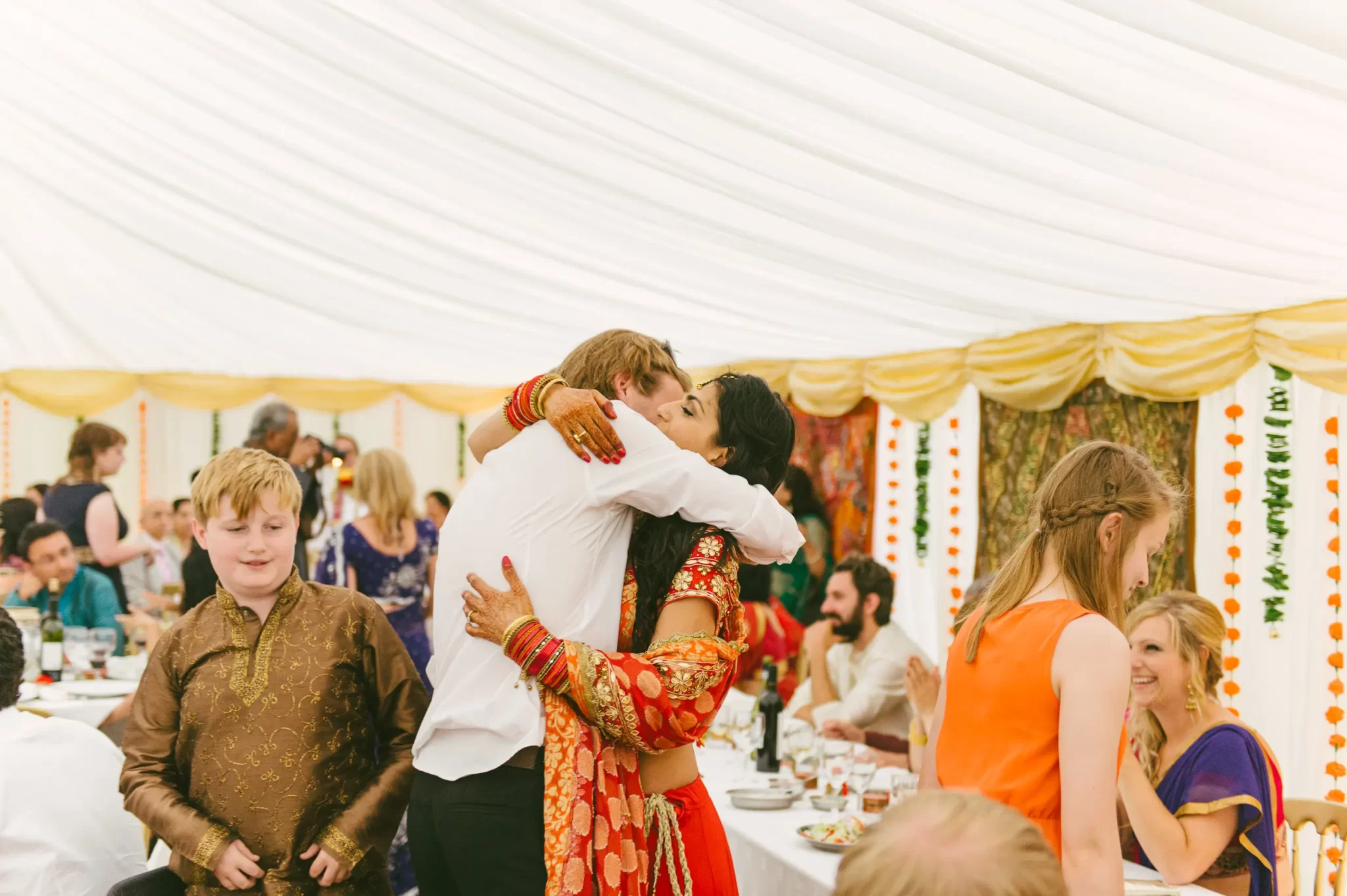
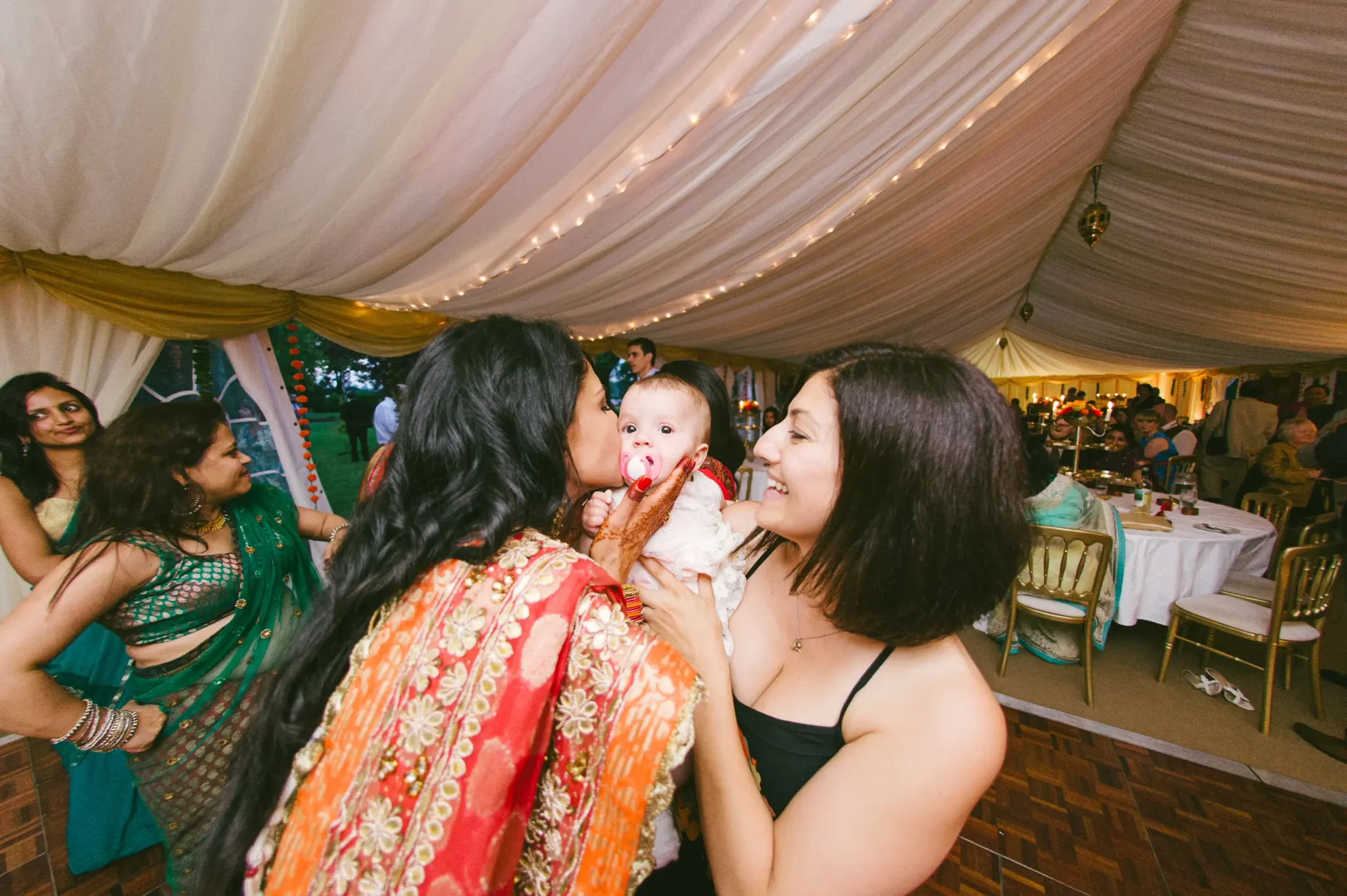
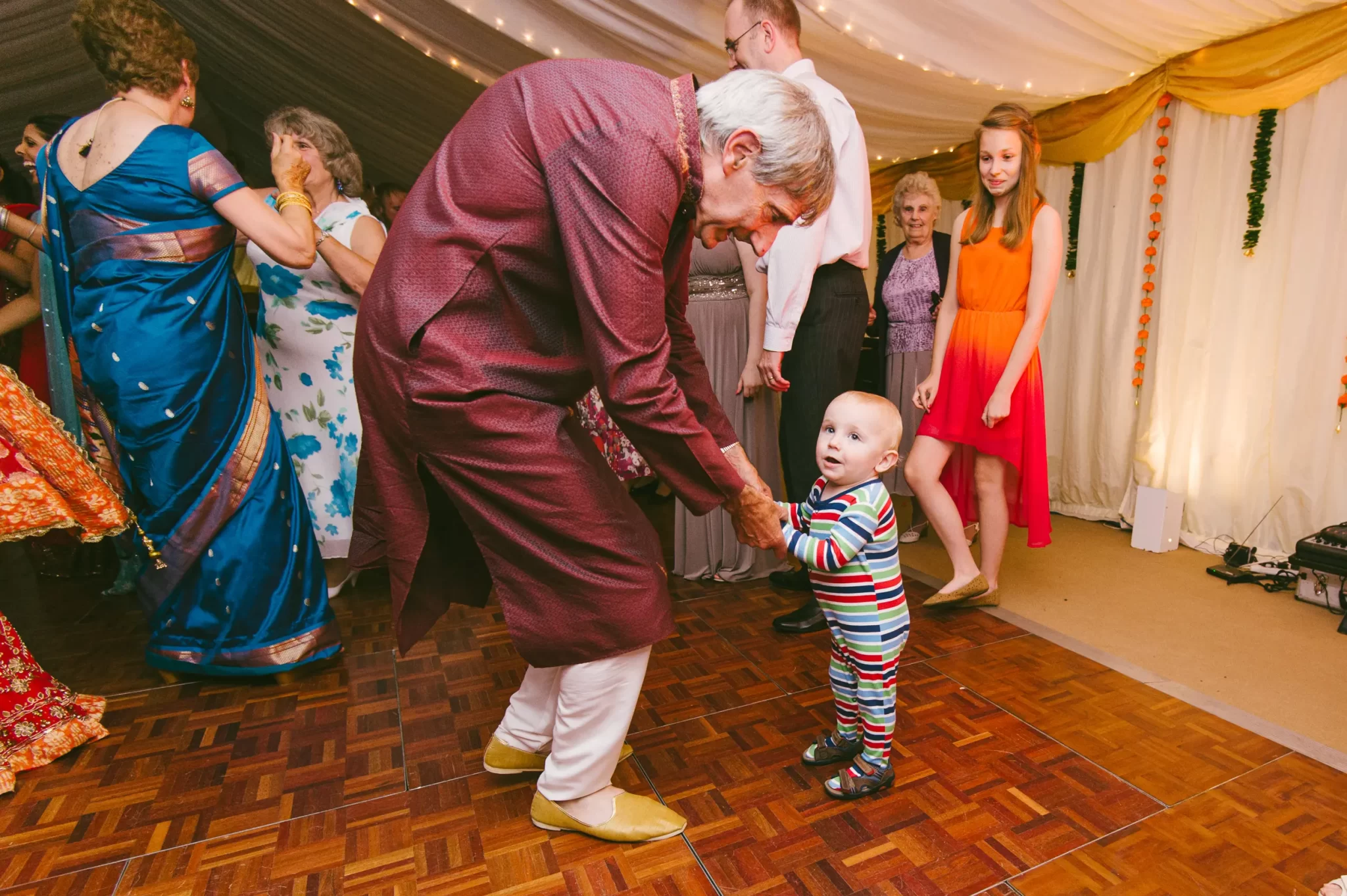
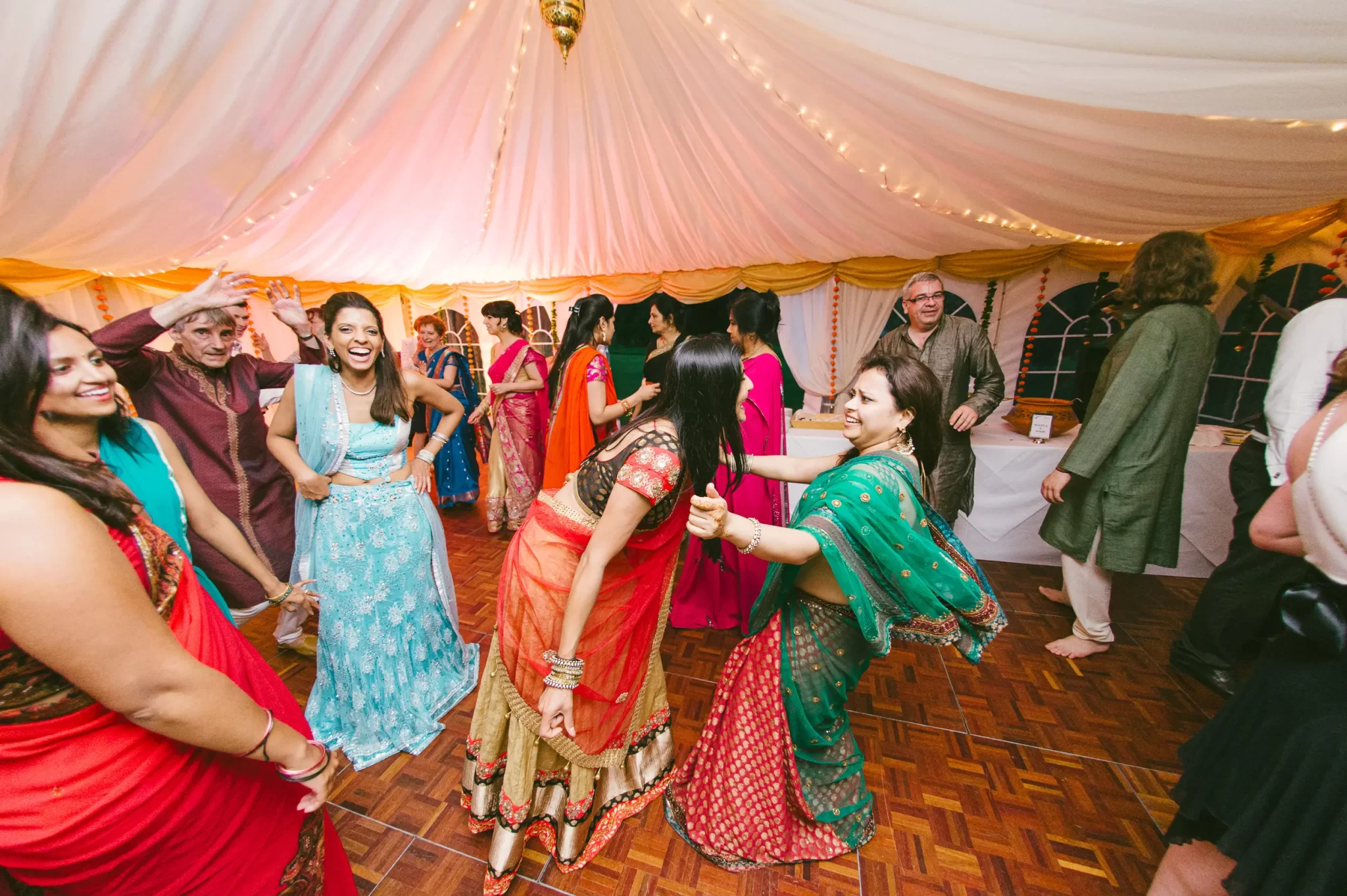
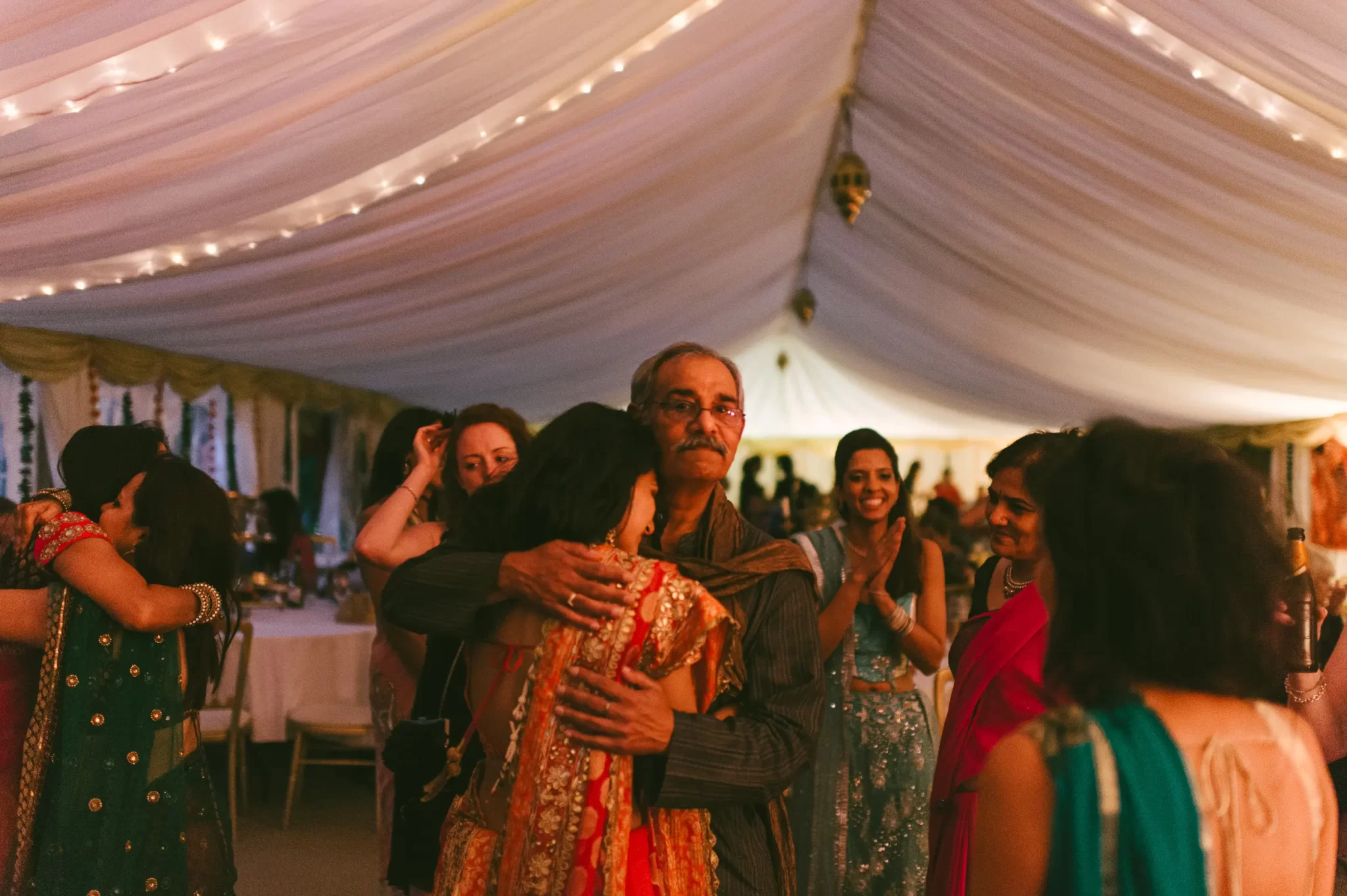
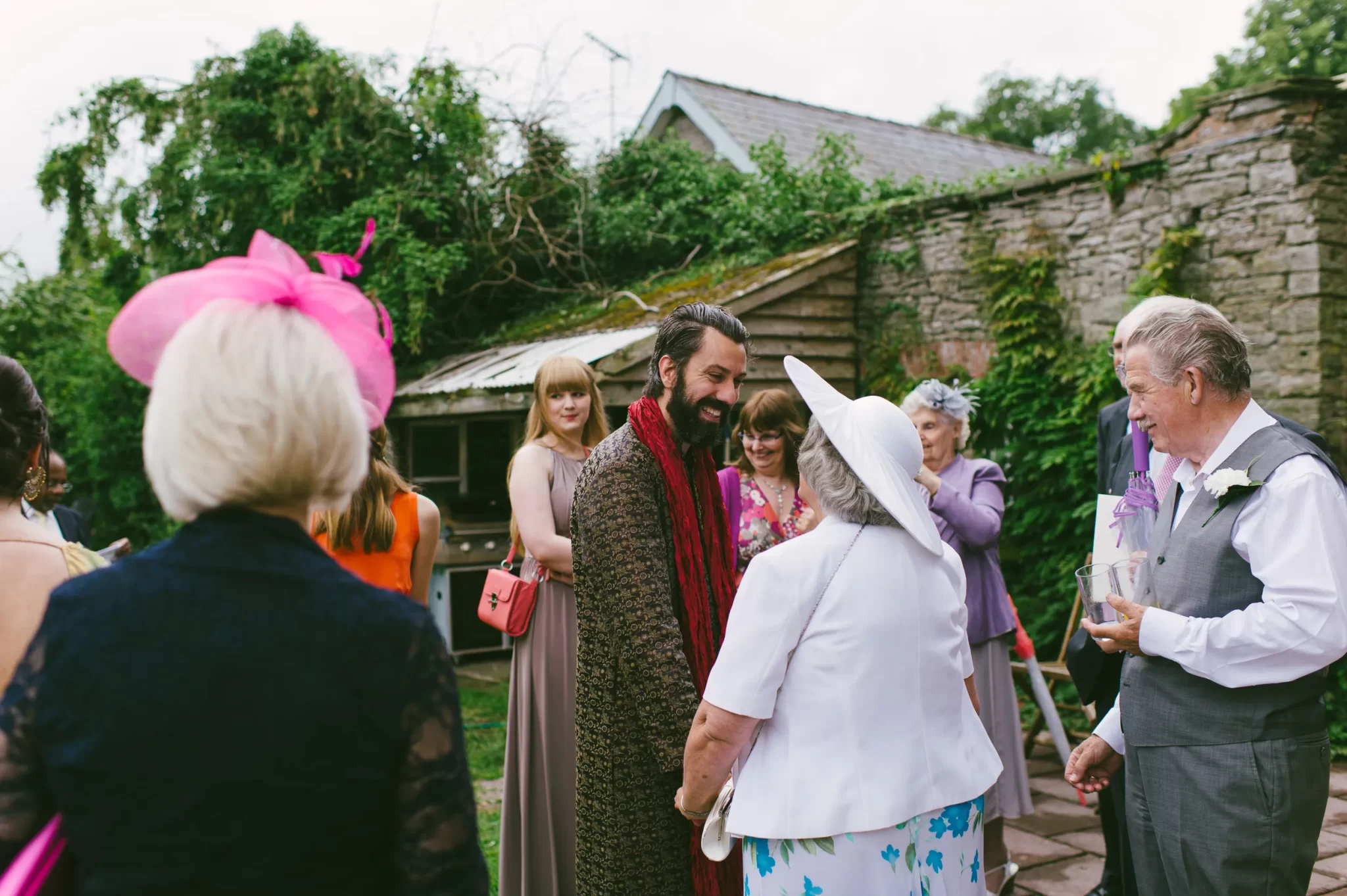
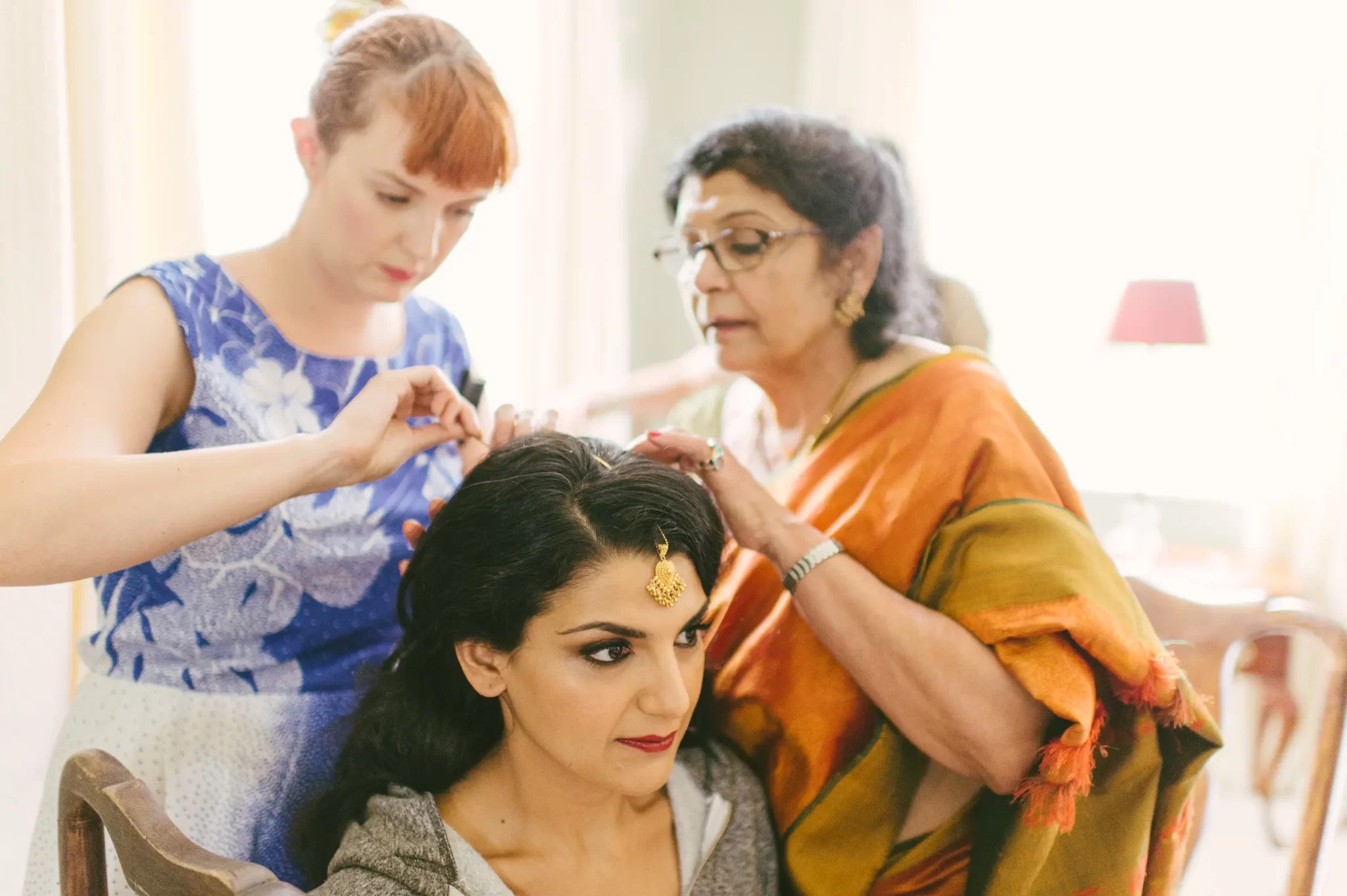
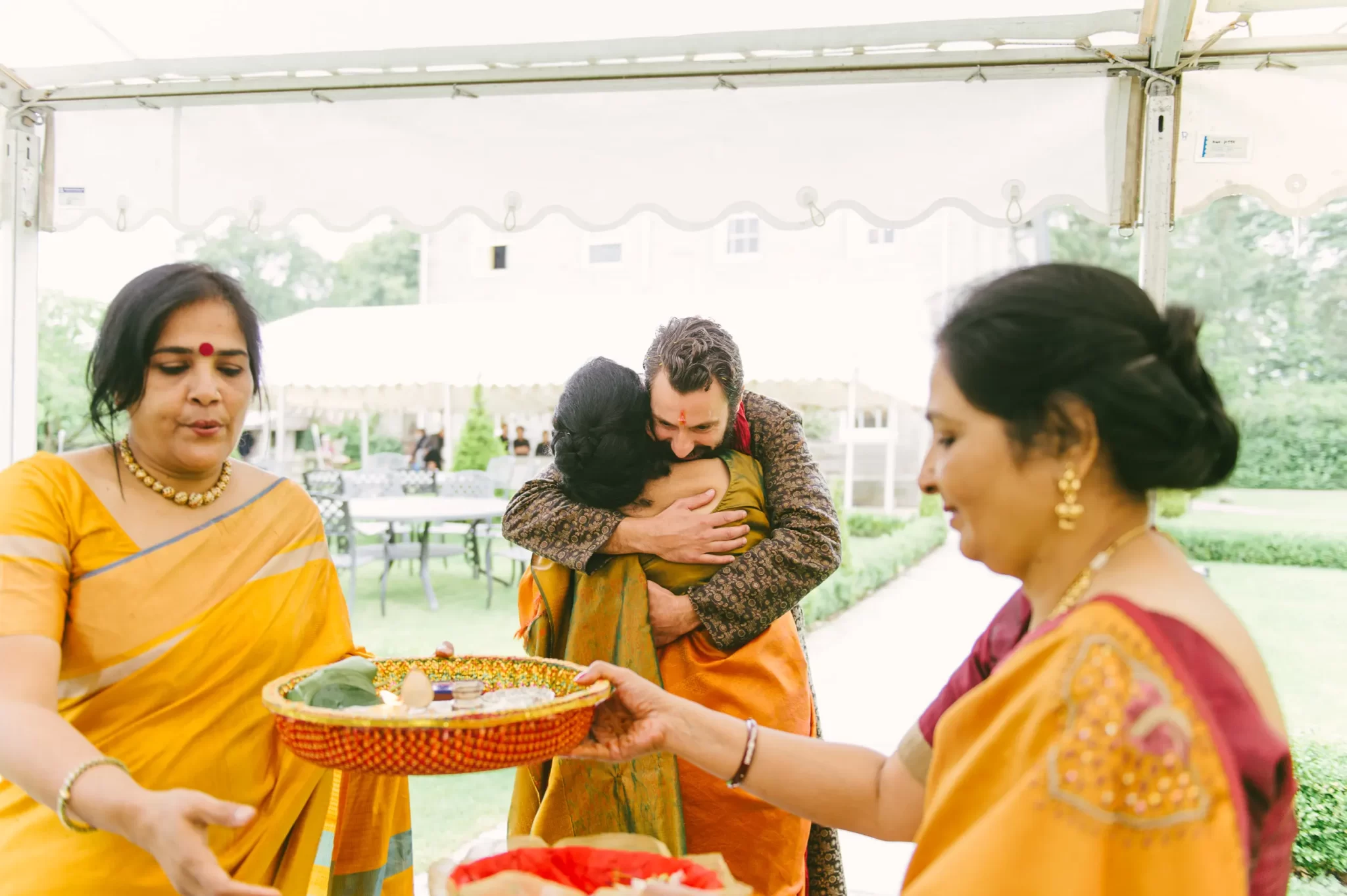
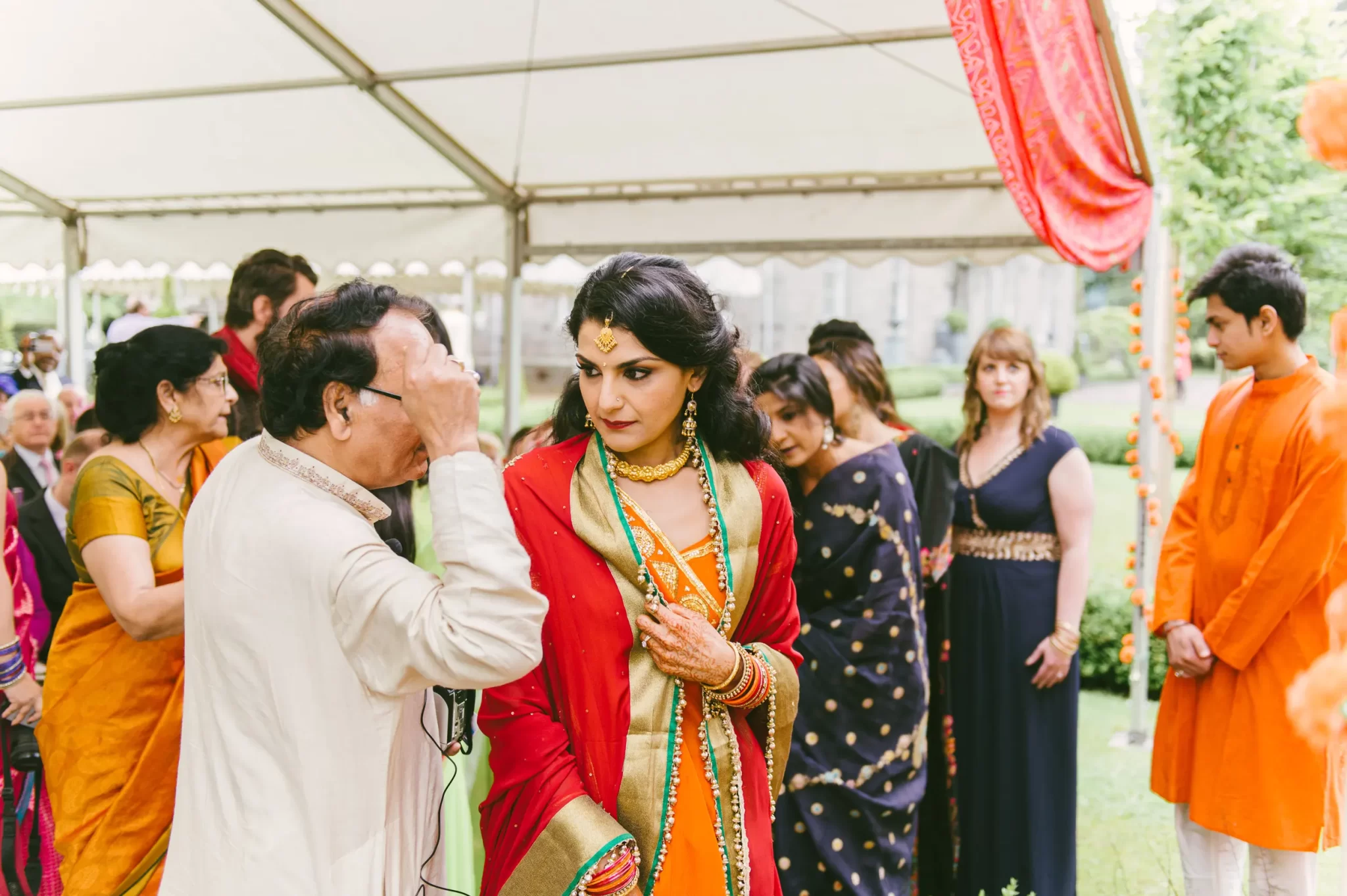
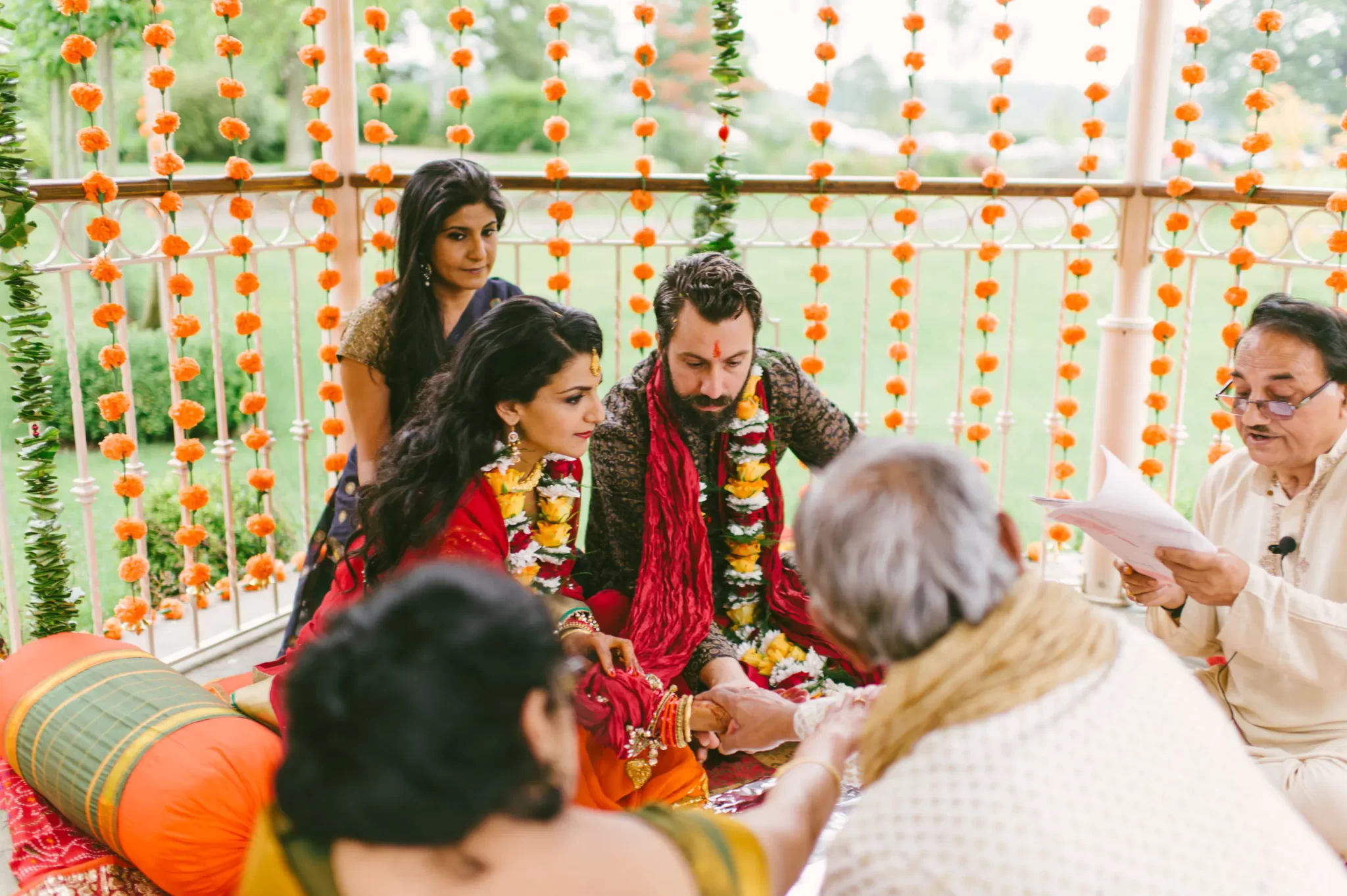
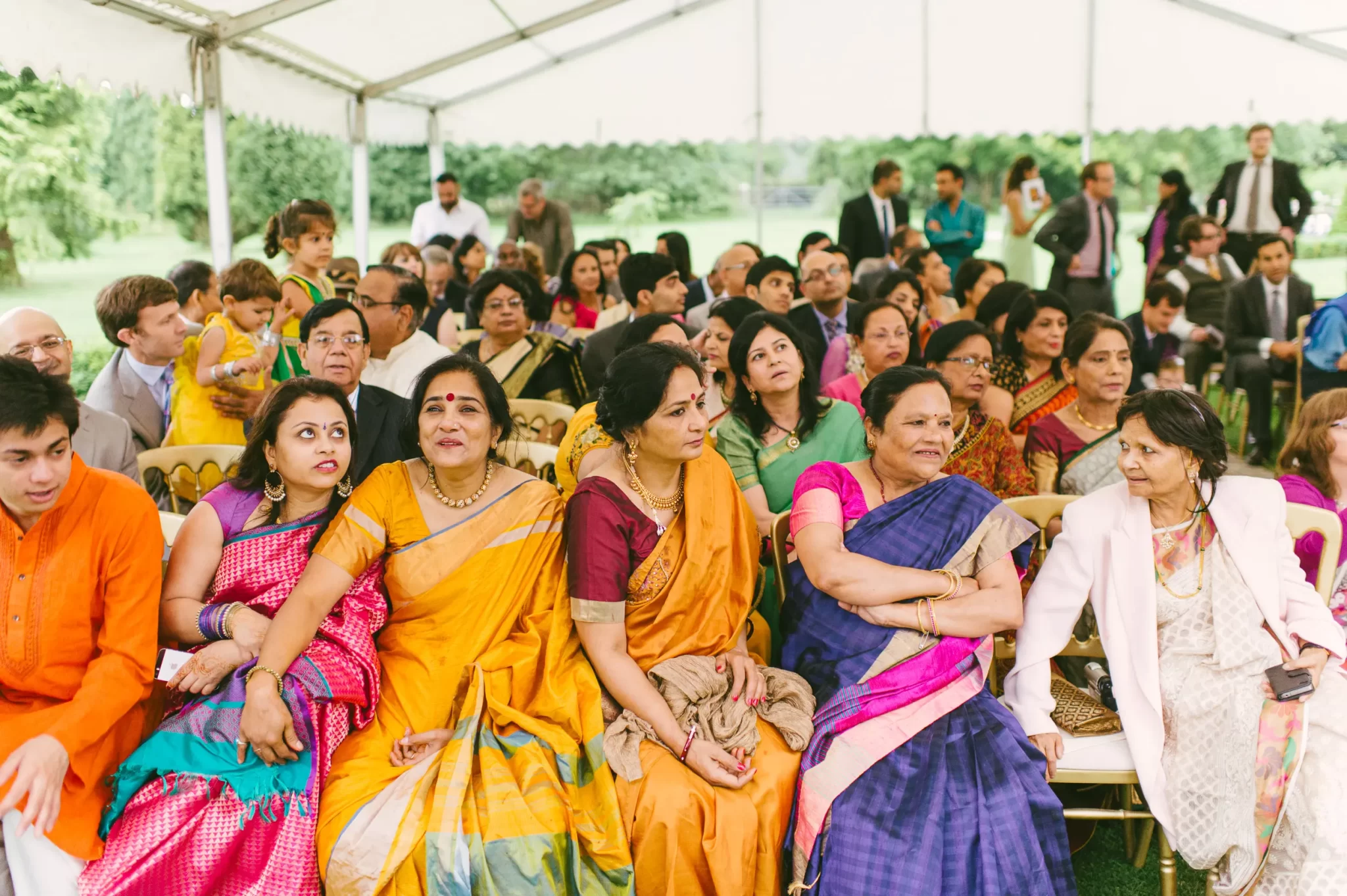
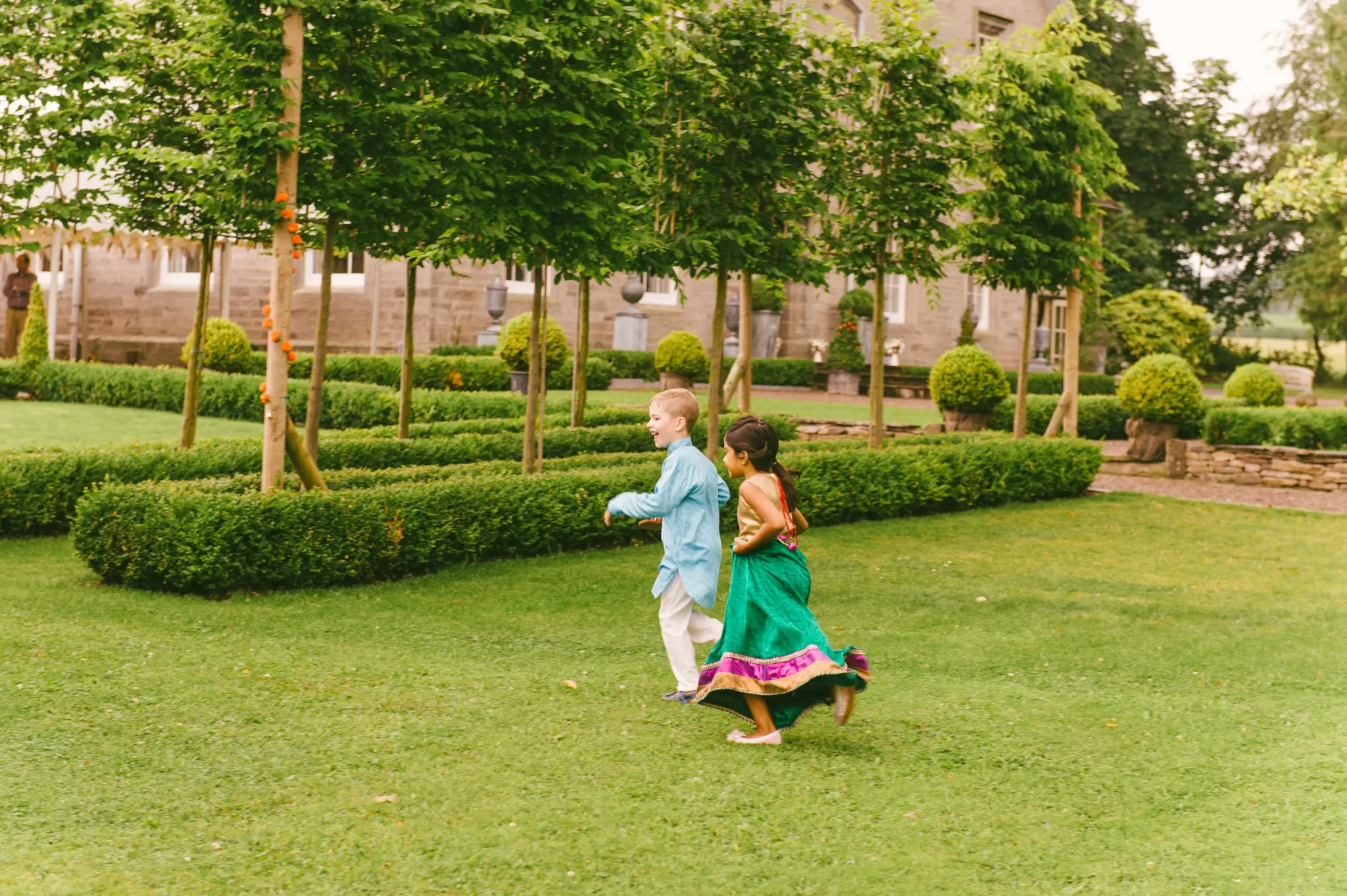
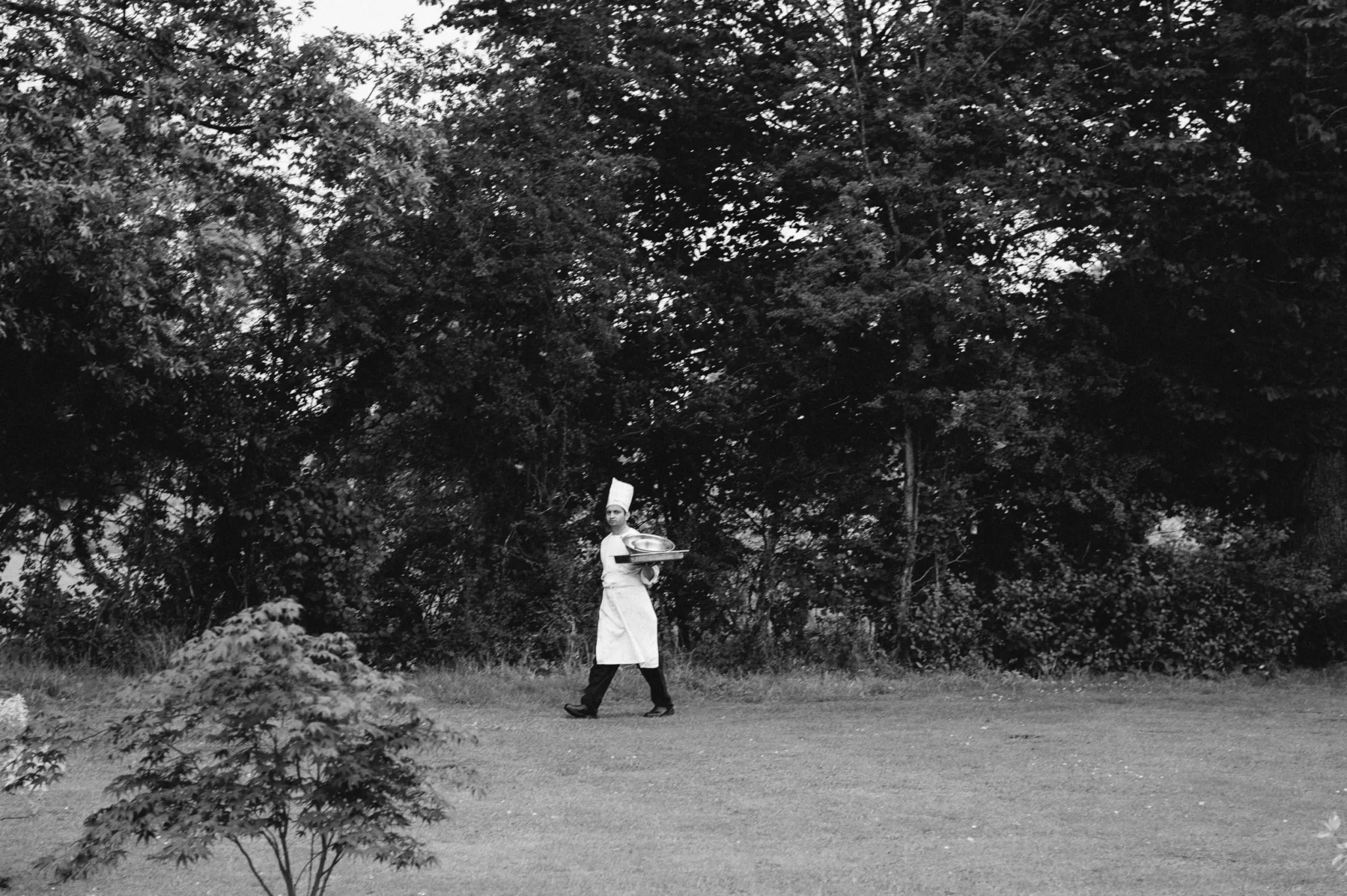
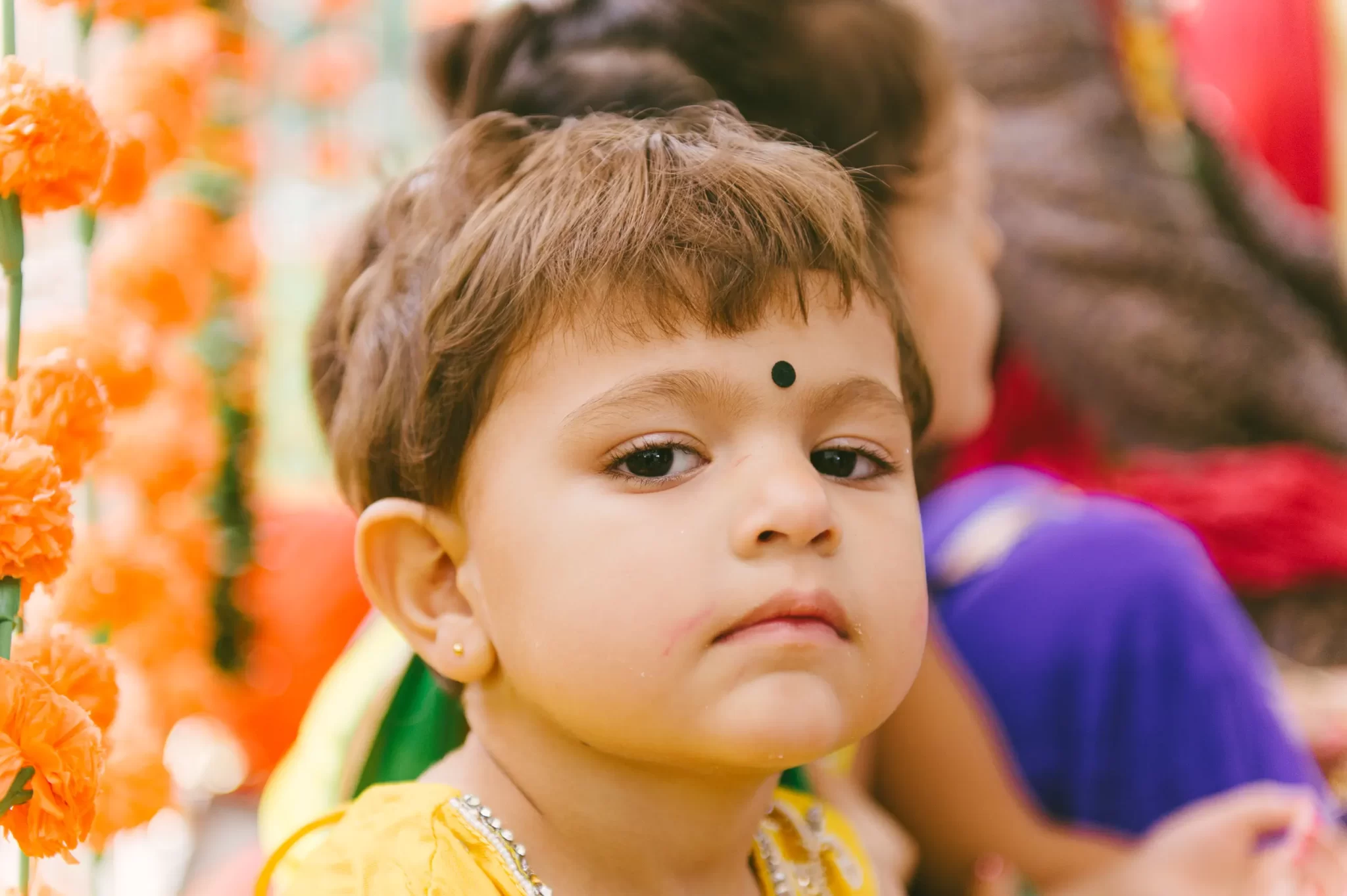
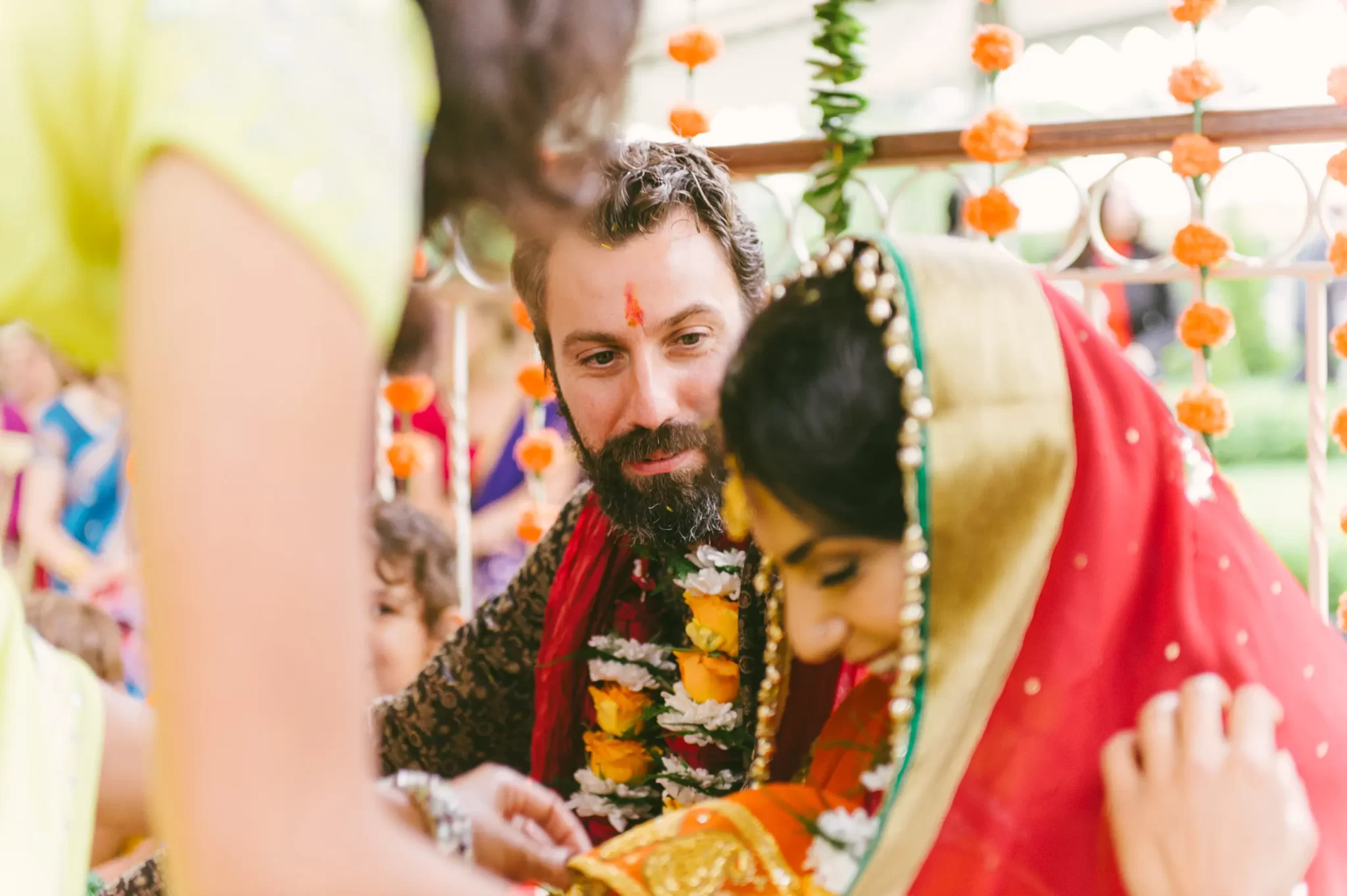
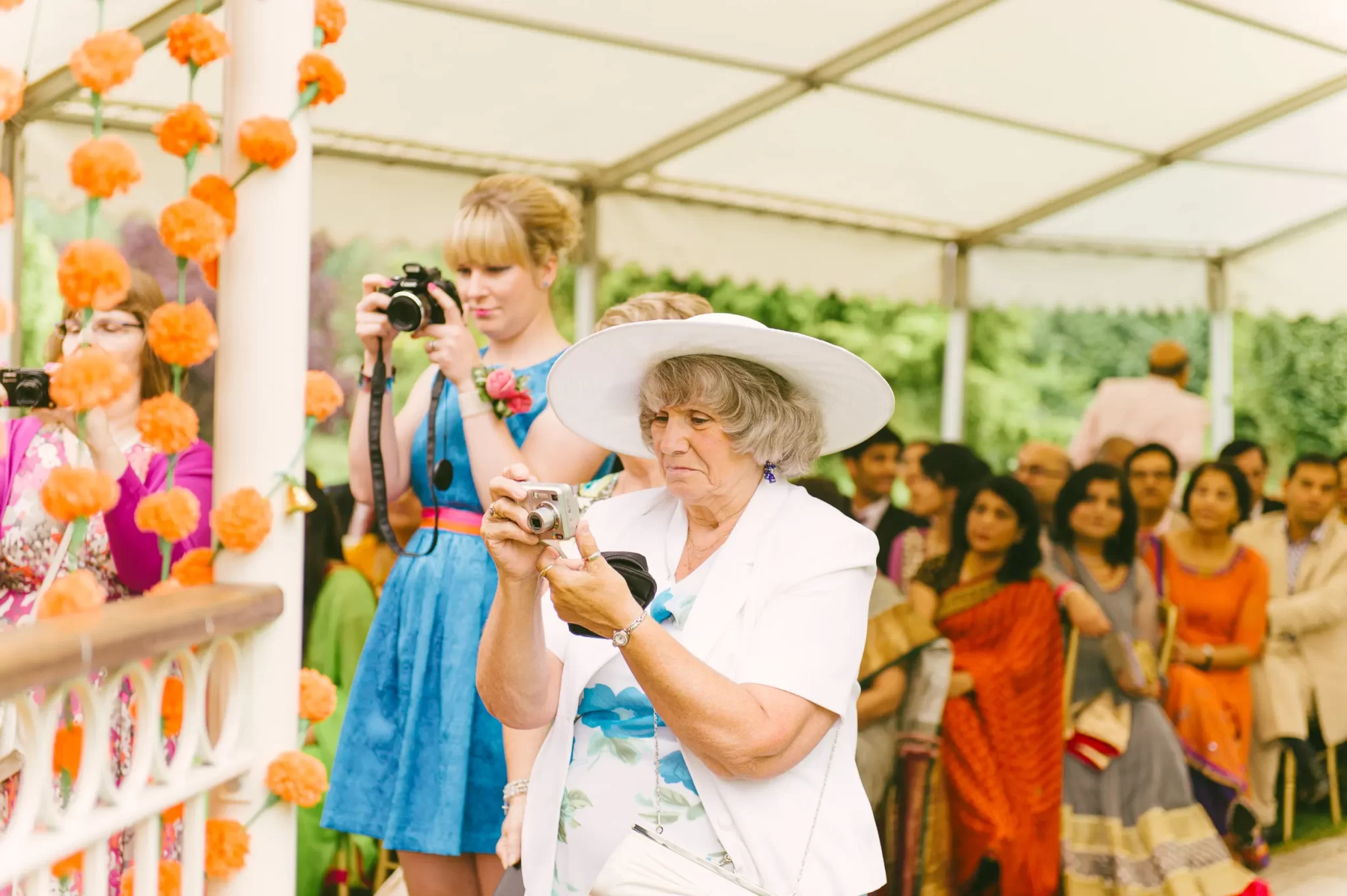
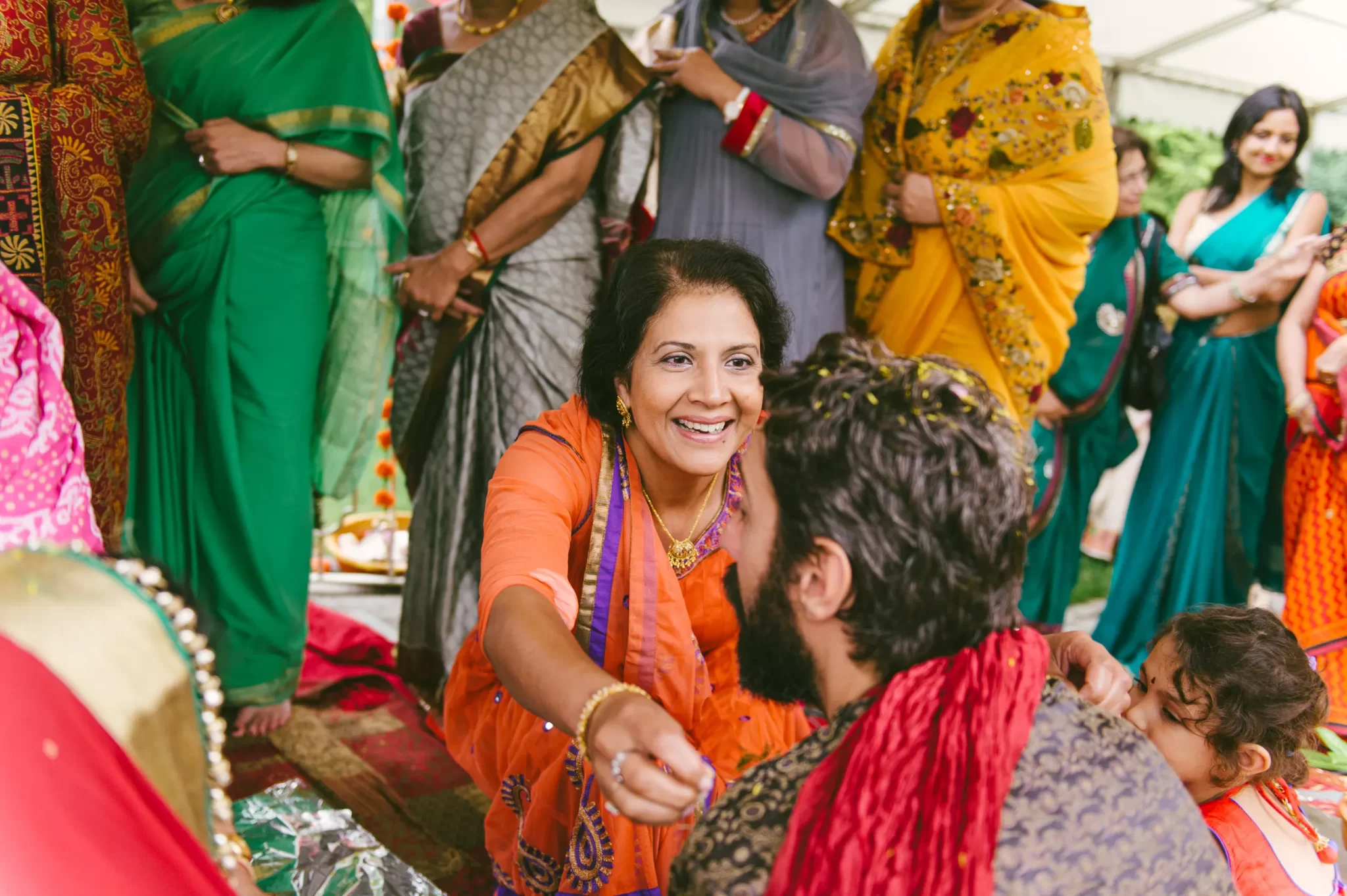
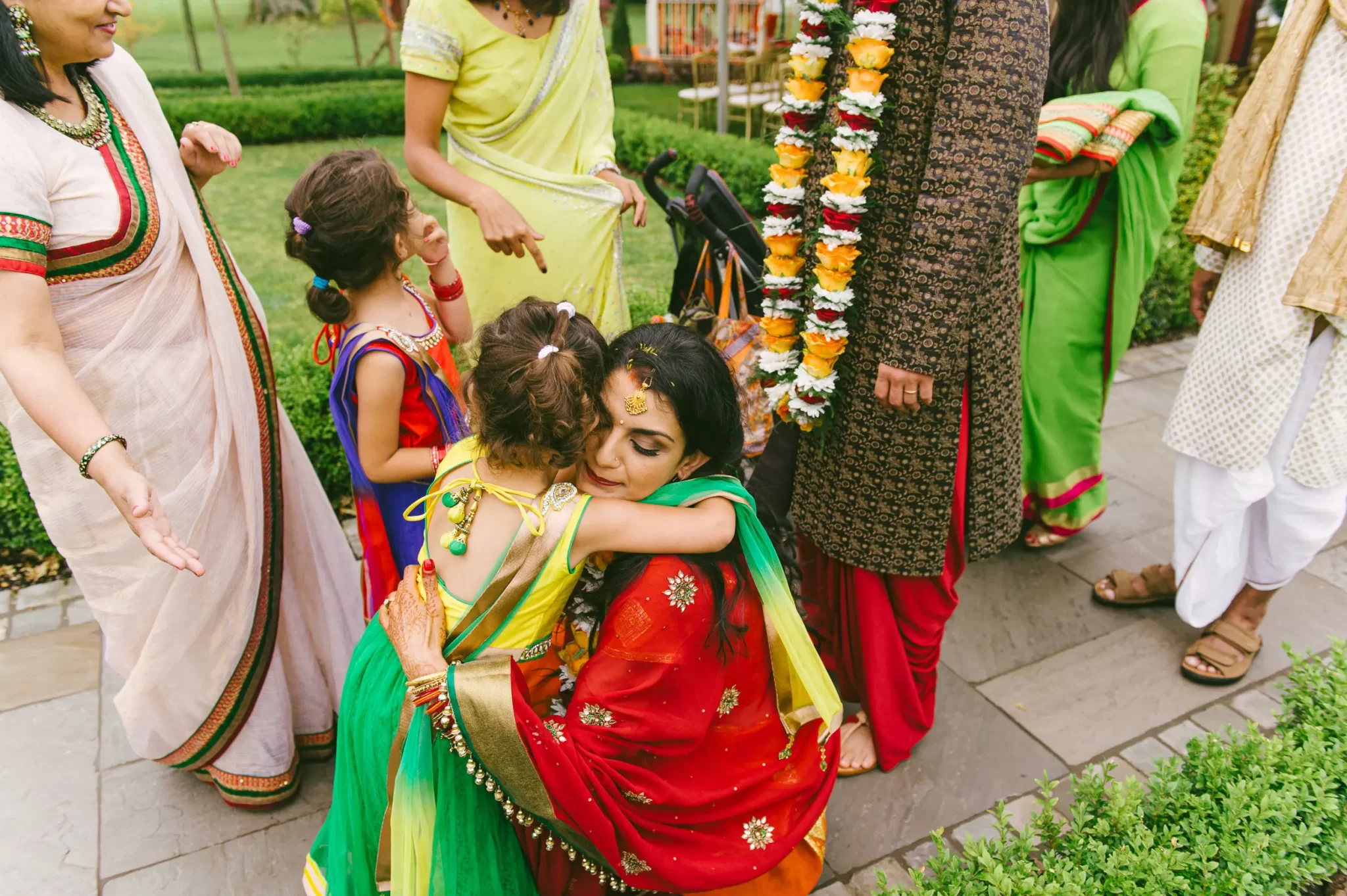
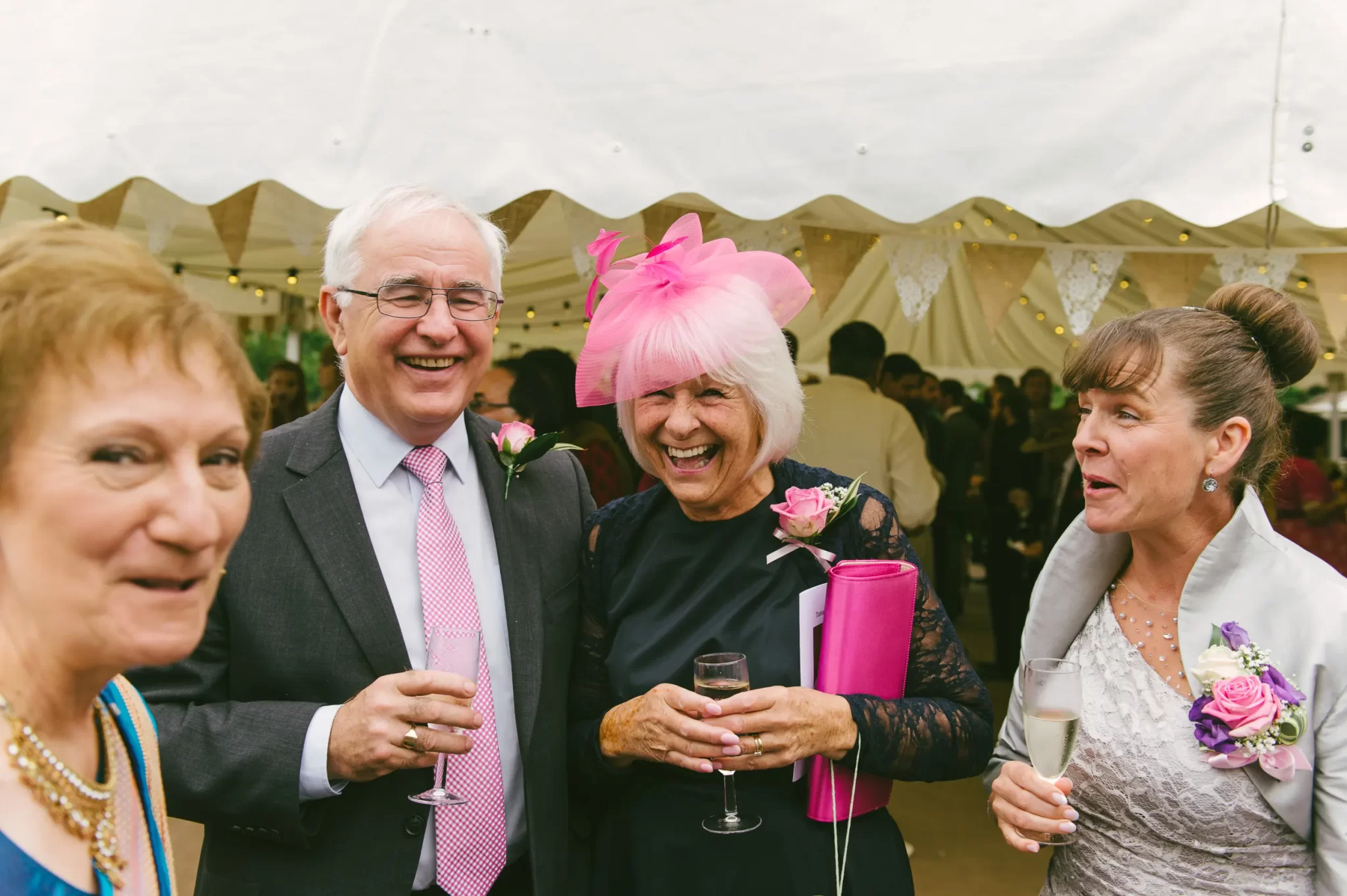
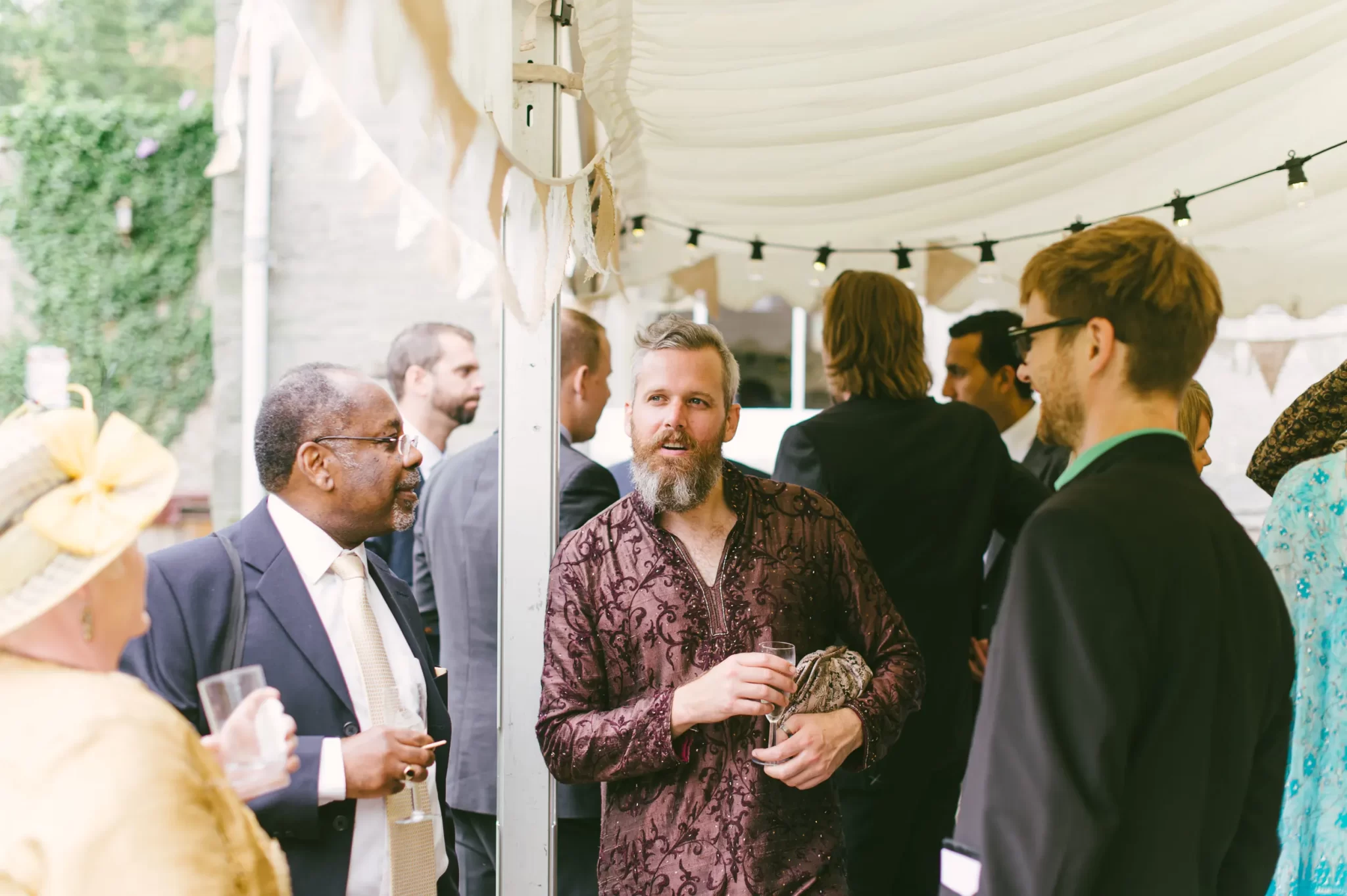
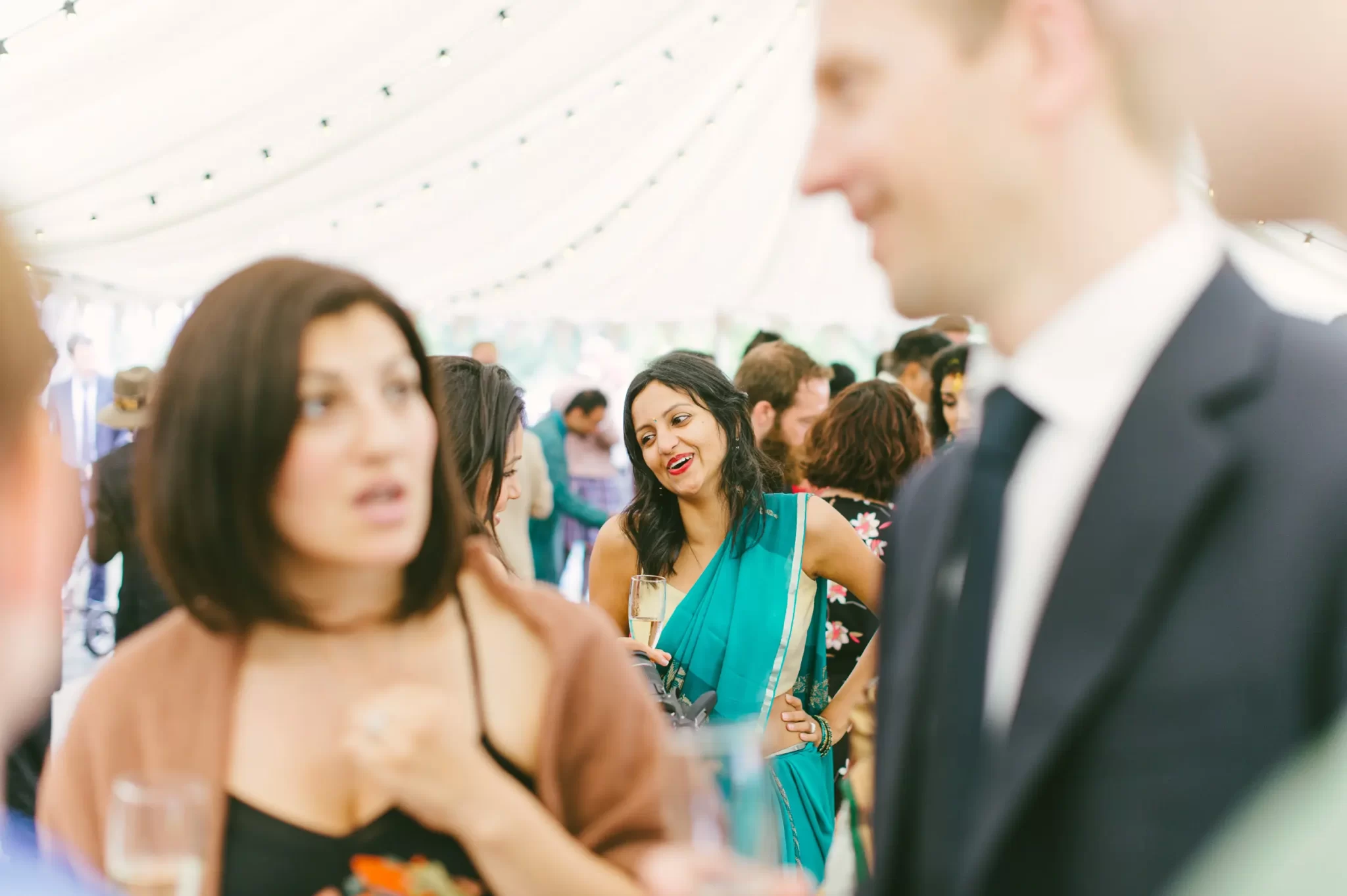
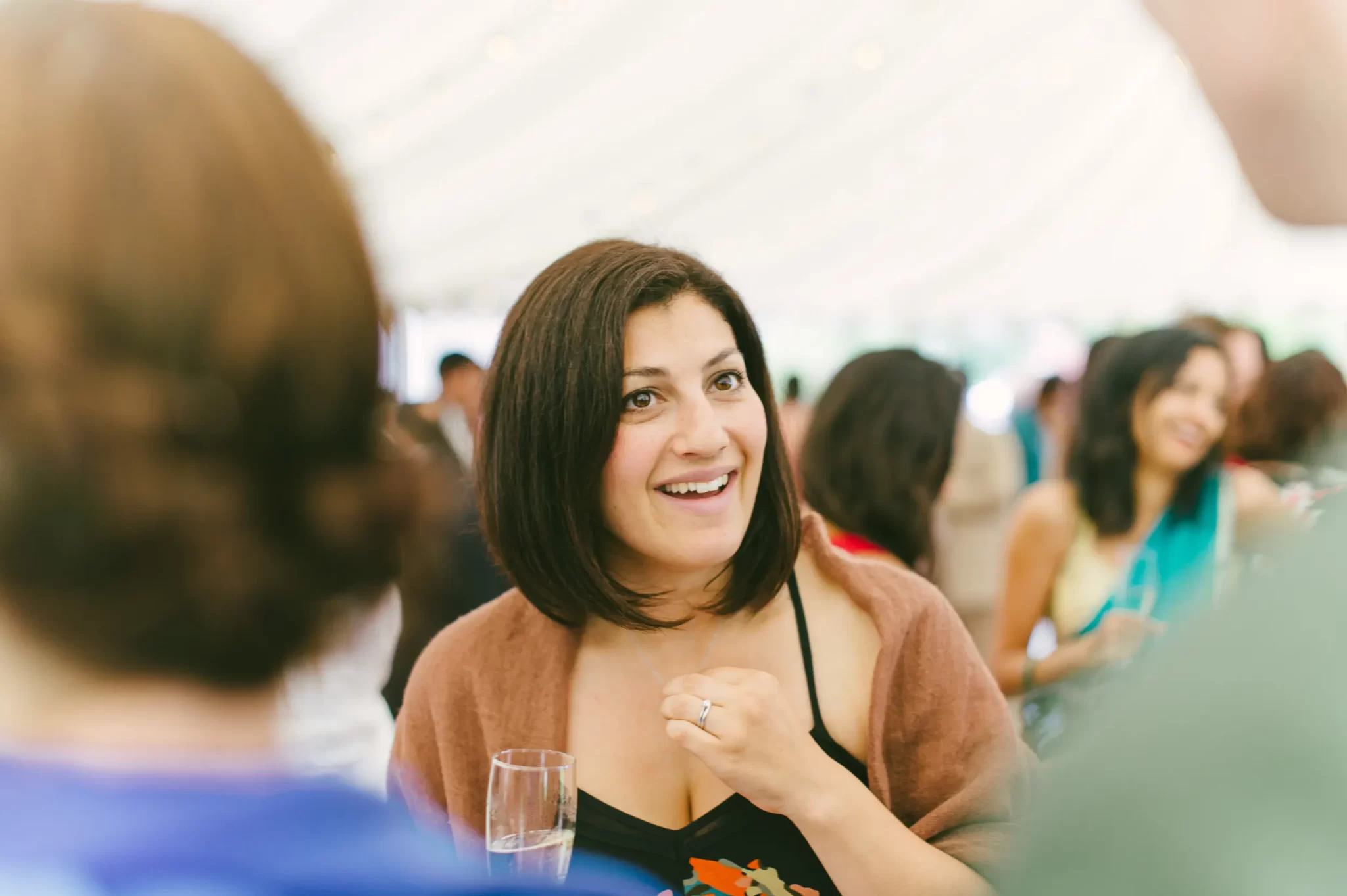
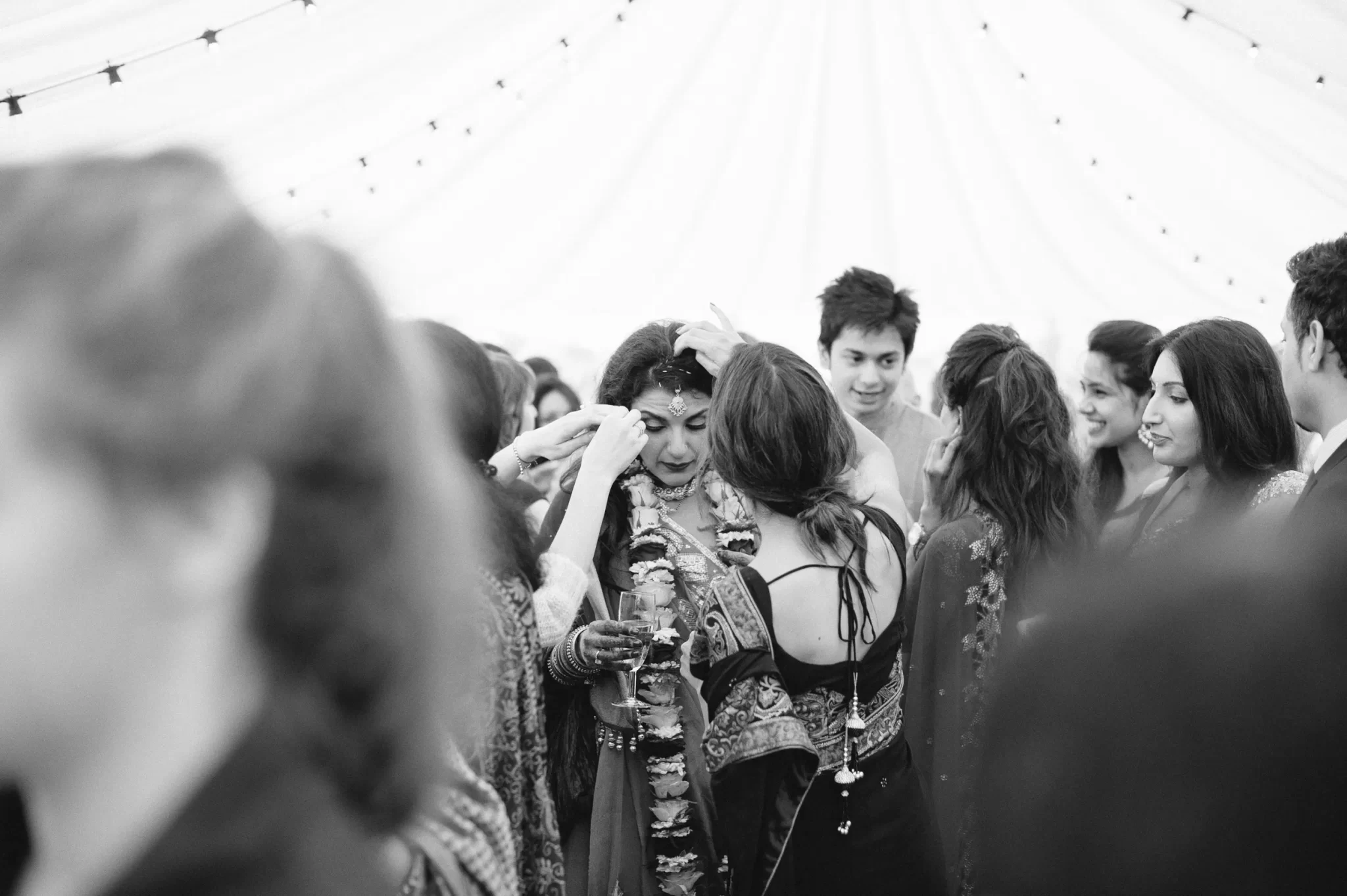
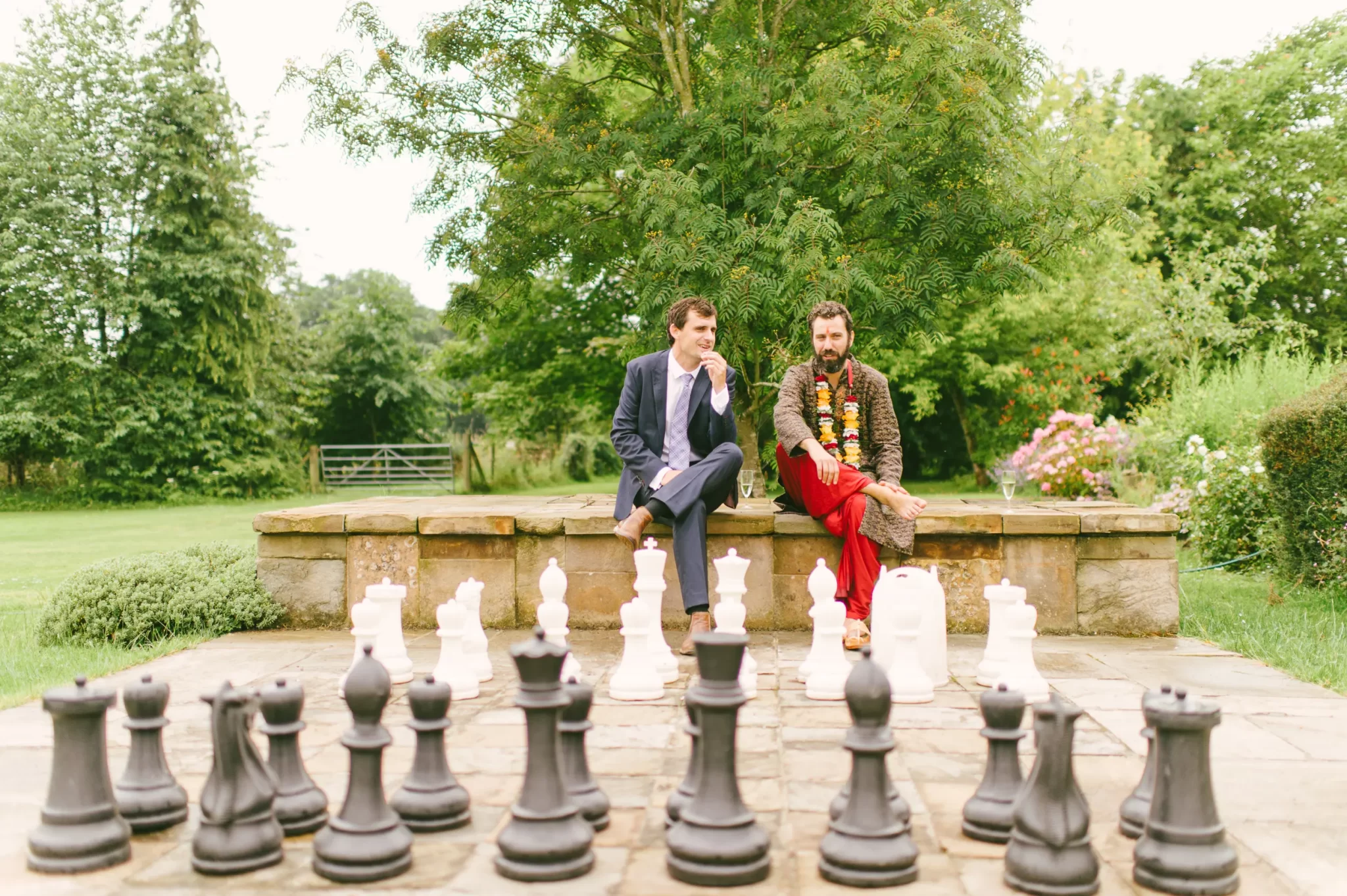
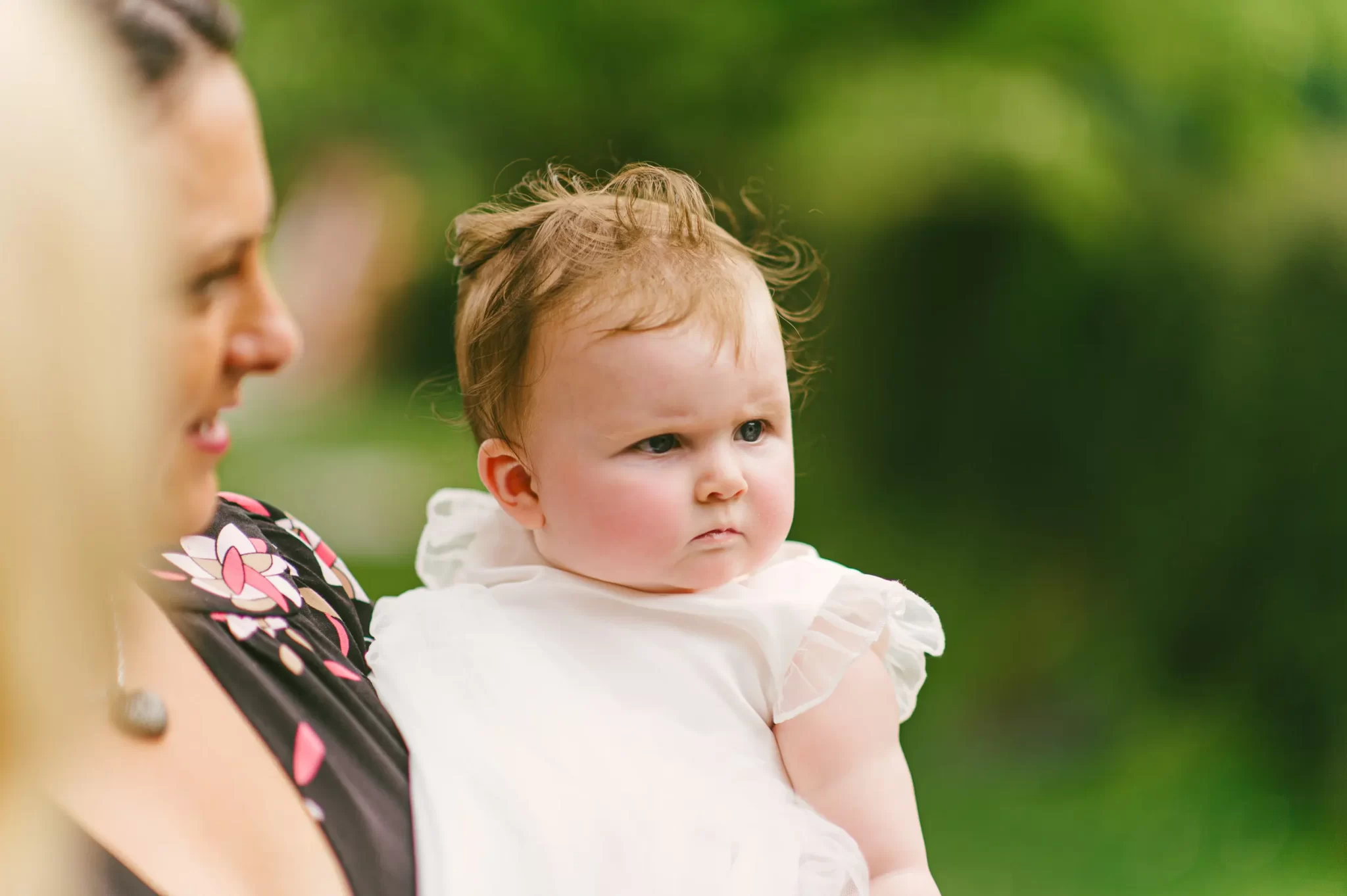
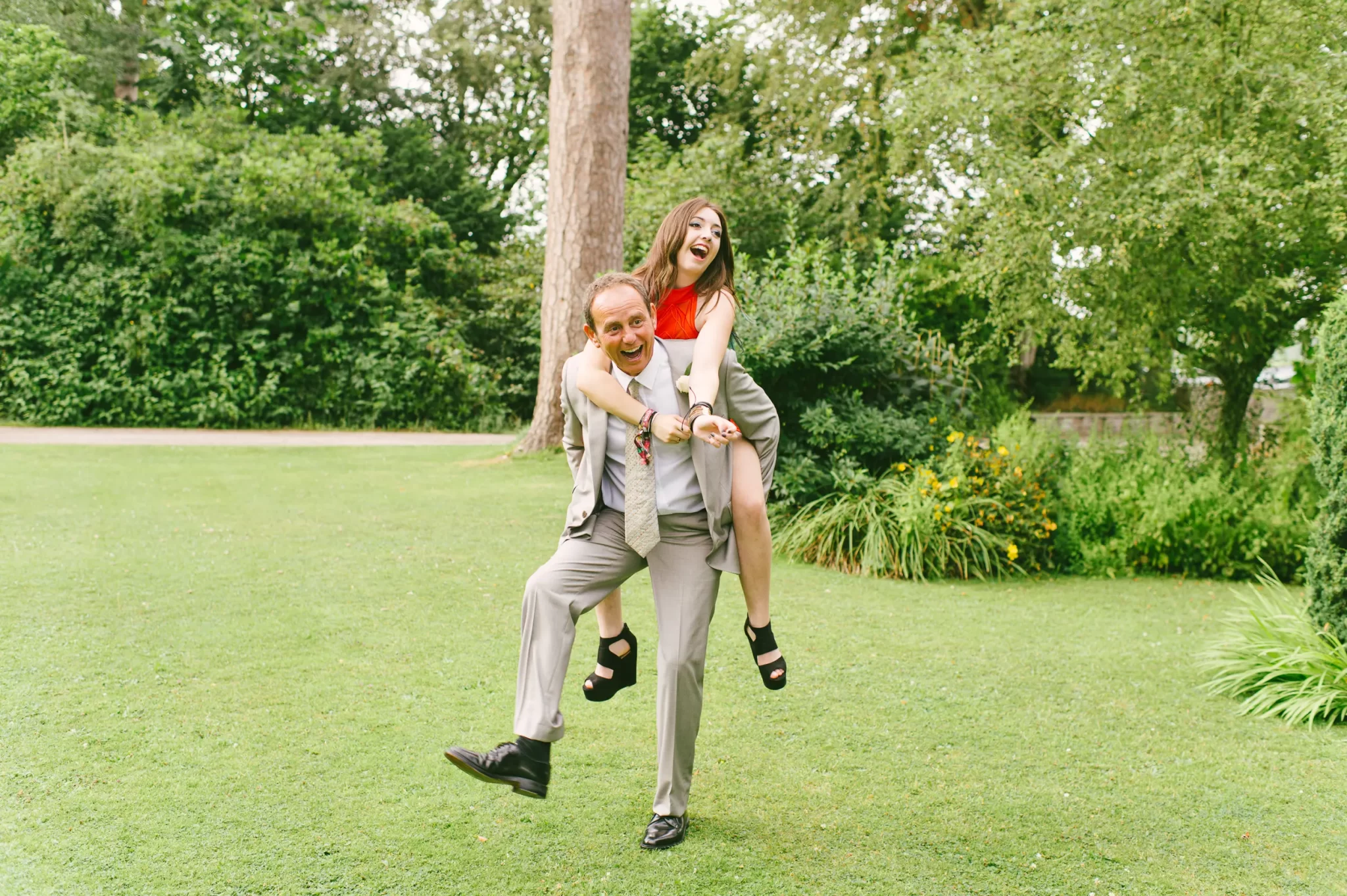
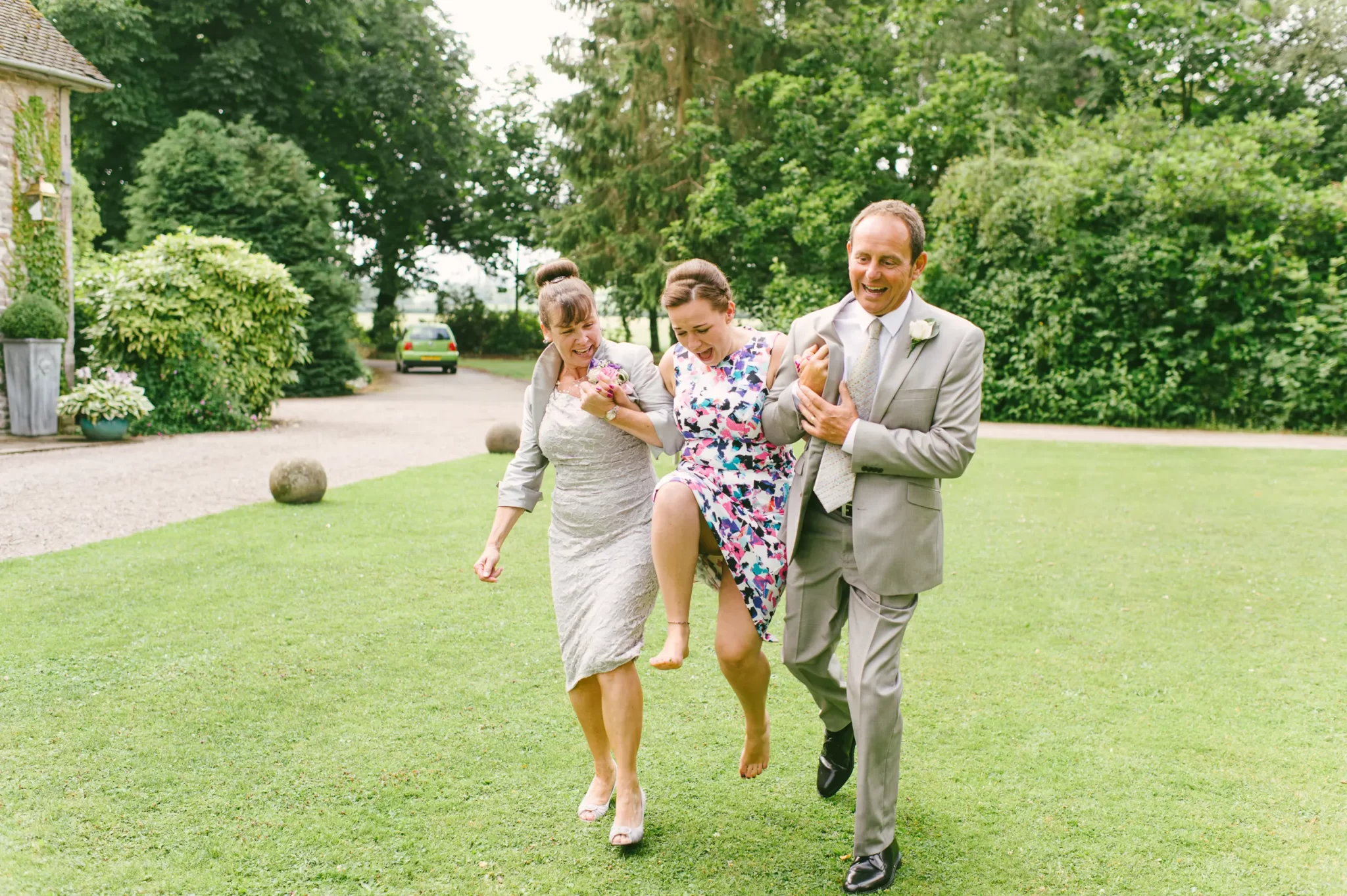
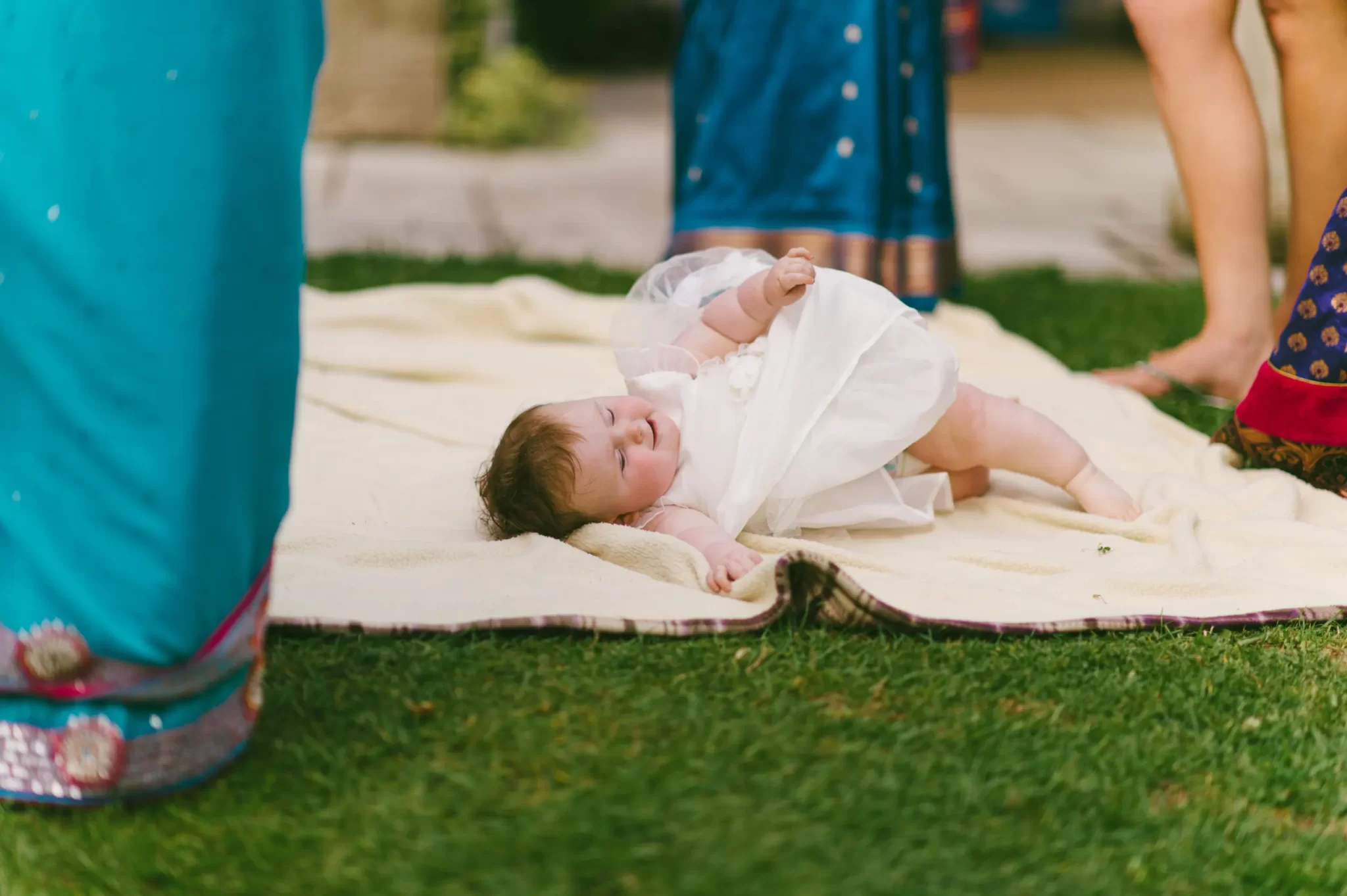
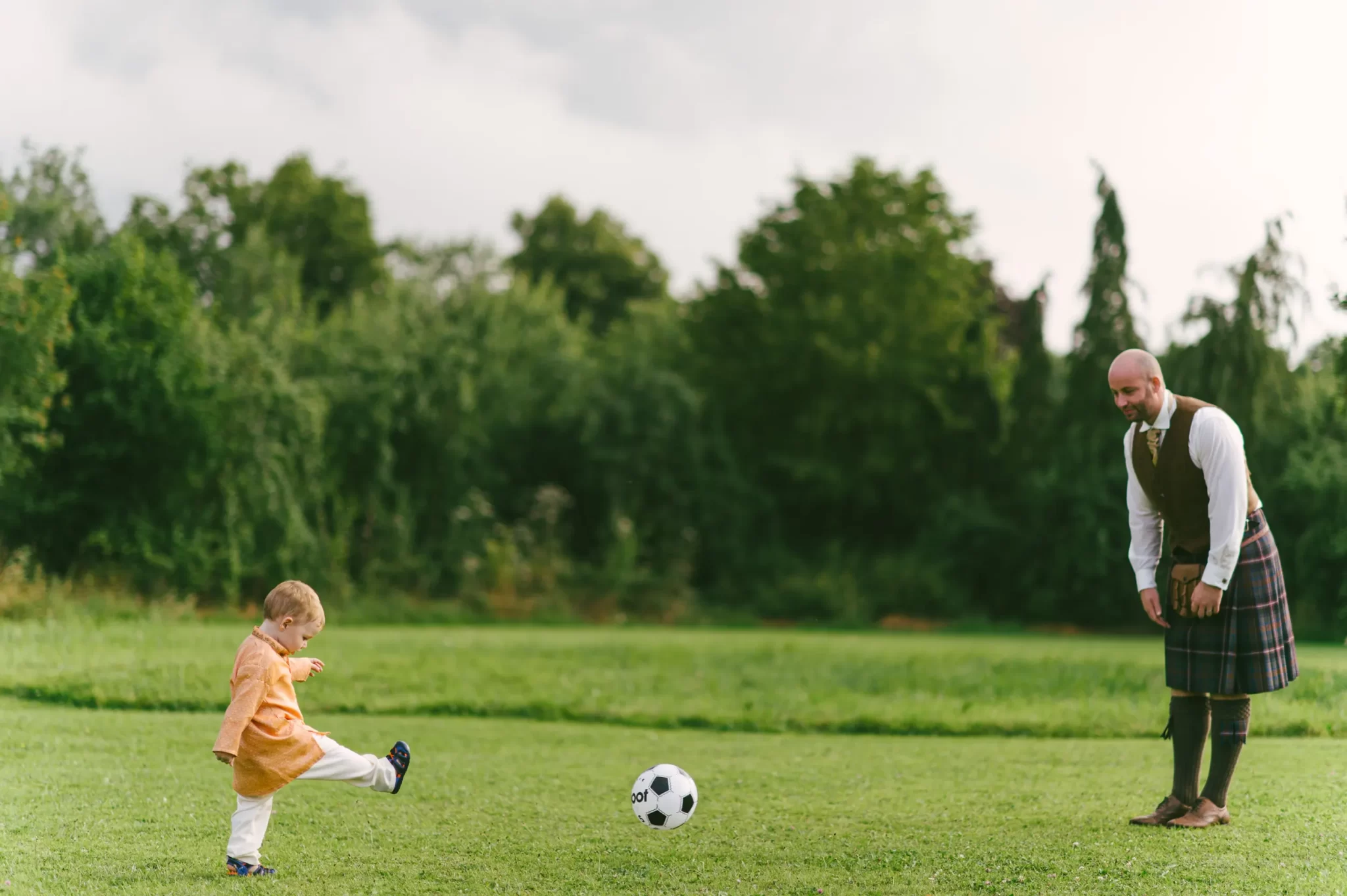
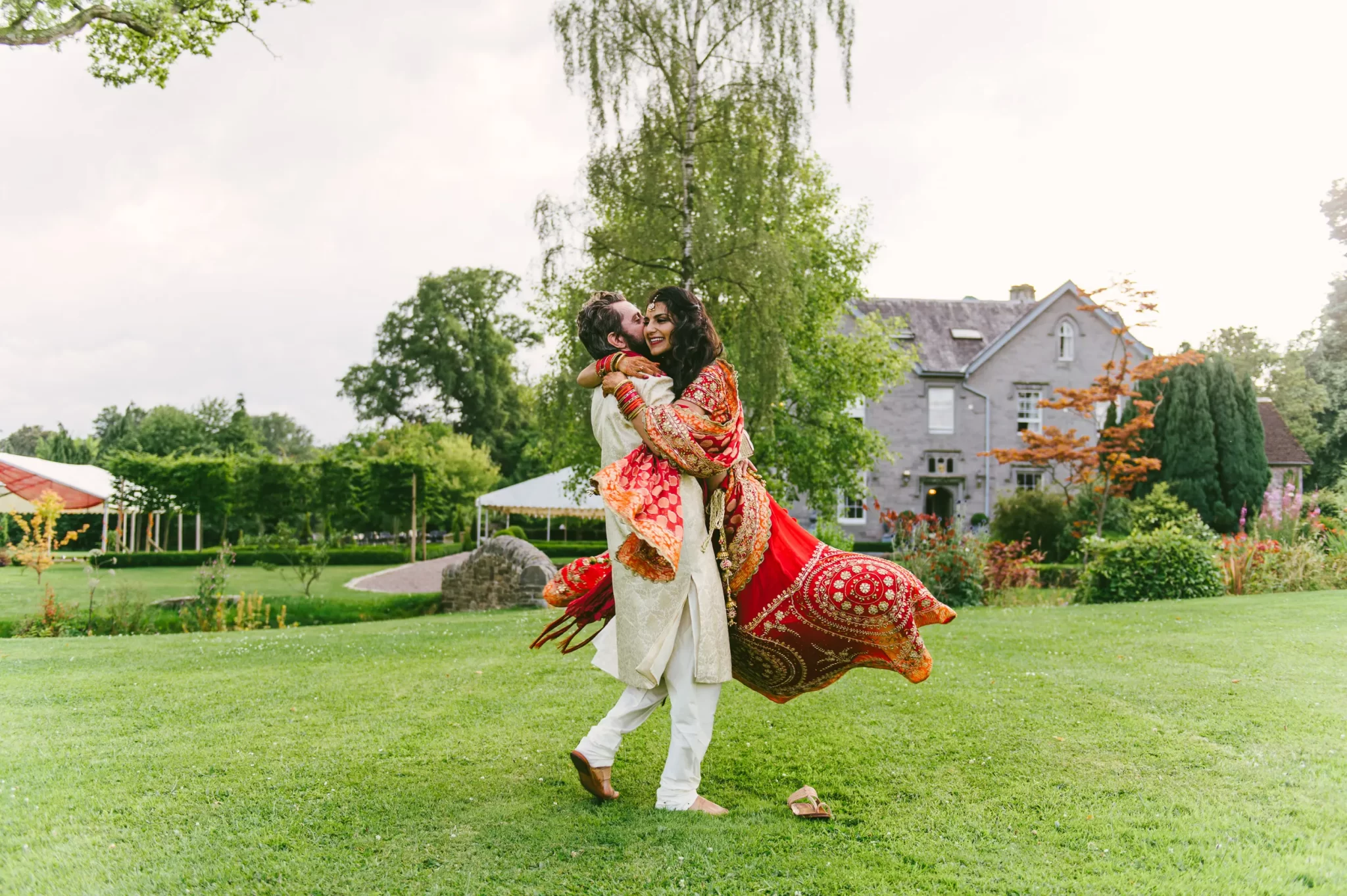
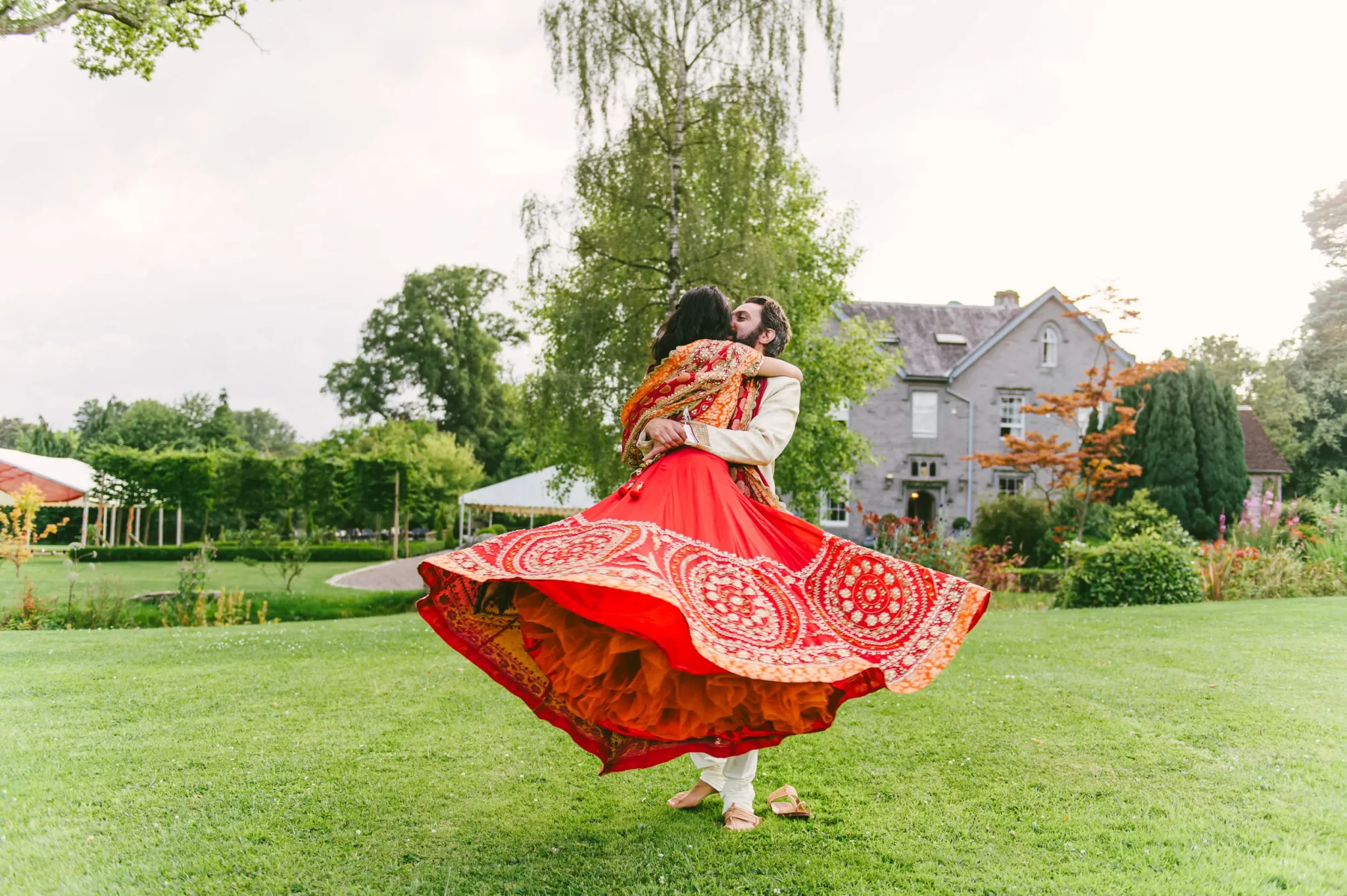
A long Hindu ceremony contains pauses as well as key rituals. Those pauses are valuable because parents, siblings and relatives react to what is happening, children lose concentration and the couple has small exchanges that are easy to miss if the photographer only waits for the next formal step. I keep watching between the obvious moments.
That approach is also why I want the order of events in advance. Once I know the rituals I need to protect, I can spend the rest of the time looking for relationships around them rather than staring at a checklist. The final gallery then feels like a family celebration, not a technical record of ceremony components.
05
How I would structure coverage over two days
Two-day coverage should not repeat the same portraits and details twice. I would give each day its own emphasis based on the clothes, ceremony and light, then connect them through recurring people and relationships. The complete delivery should feel like one larger story with two chapters rather than two separate weddings photographed with the same template.
For a celebration across more than one day, share the ceremony schedule, family plans and the moments that matter most to you. Discuss the arrangements with the people leading each ceremony so the photography can respect the occasion and follow what is happening.